

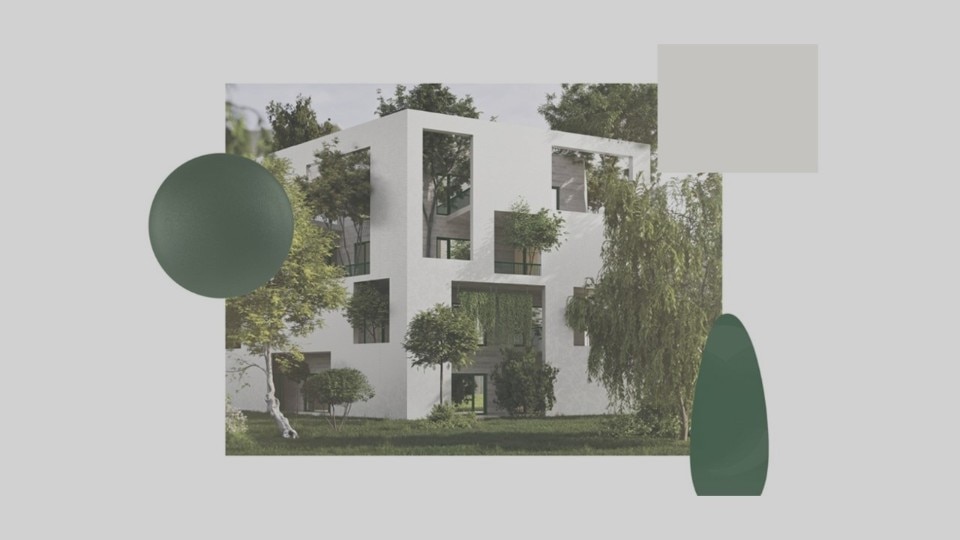
Habitat Building is an outdoor collection of colors and finishes designed to create a perfect relationship between historical architectural materials and plastic surfaces.
"Everything in the world must be colourful" is an article written by Gio Ponti in 1952 for Pirelli magazine: an analysis of the design use of colour in interior architecture that quickly turned into a hymn to bright tones.
There were numerous enthusiastic responses to the architect through Domus, of which he was editor at the time. In one from a reader, selected and published in the pages of the magazine, we read: "For years I have dreamed of seeing grey clothes, grey blacks and grey greys disappear from our lives, [...] and I rejoice every time I see a girl in an outfit made of colour [...] colour is celebration, it is life while grey seems to me above all a useless and cold conviction."
Colour is a constantly evolving language and still a determining factor in the construction of the domestic landscape, capable of influencing our daily life and mood. Analysis of past products has shown that significant colour changes occur cyclically; it is therefore possible to identify with a good approximation the general colour preferences of future years.
The definition of new scenarios is a fundamental aspect of colour design and contributes to determining the quality of rooms in the home, the architecture of a building or the commercial success of an industrial product.
The Color Design project, which the Italian company Lechler has developed in collaboration with Francesca Valan, an industrial designer specialised in colour design, provides indications, suggestions and technical information to facilitate colour and finish selection.


With the Color Design concept Lechler links the development of chemistry to the evolution of the language of colour and tries to make as many people as possible aware of the conscious and sustainable use of paint and manufactured products.
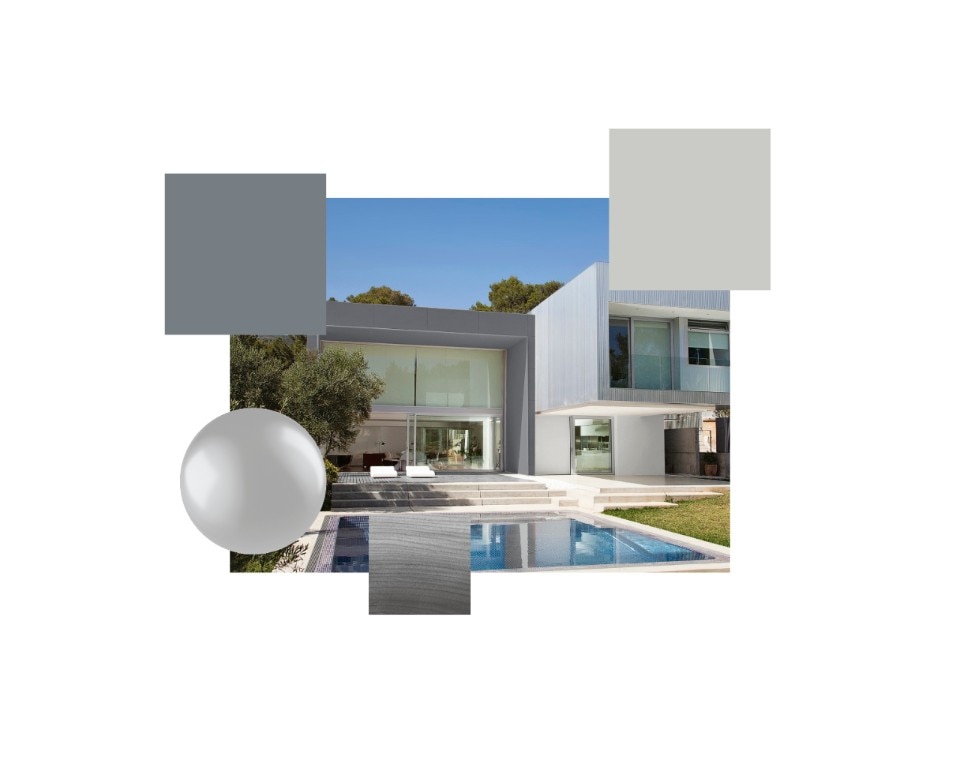
Inside the proposal are the outdoor solutions of Habitat Building. The collection of finishes harmoniously relates historical architectural materials to painted plastic surfaces that break free from imitative connotations, subtly evoking iconic colours and interpreting them with new finishes. The result is four proposals: MATERIC (in the tones of corten and warm anthracite), NEUTRAL (in the tones of cement and aluminium), NATURAL (in the tones of the sky and urban green) and GRAPHIC (in the tones of contemporary textile façades and cold anthracite), characterised by Matt, Satin Matt, Glossy, Metallic and Texture Soft Grain finishes.
The painting of plastic materials becomes an important element of overall harmony thanks to the colours proposed and the metallised, mica or textured finishes; technically it stands out as a powerful and refined means of protection and extension of service life, as well as further improvement of environmental sustainability by proposing exclusively water-based painting solutions.
- Company:
- Lechler
- Website:
- www.lechler.eu