-
Sections
-
Keywords
9 plants to turn your balcony into a healing garden
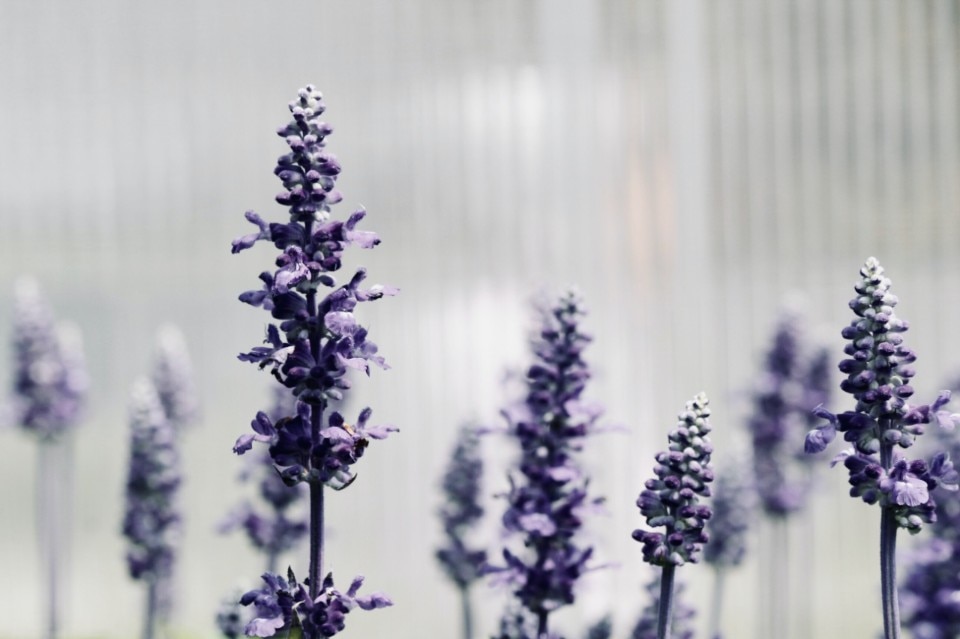
Lavender
Lavandula officinalis has been known since antiquity for its calming and anti-neuralgic properties. With its herbaceous and slightly balsamic note from both flowers and leaves, it is a symbol of cleanliness and freshness. Its aroma helps relaxation and sleep and alleviates headache symptoms. If lavender pots are placed in a place where people pass by frequently, the spikes and leaves will release their aroma every time they are touched or moved by the wind, as well as serving as a repellent for unwanted insects.
Photo Sydney Rae on Unsplash
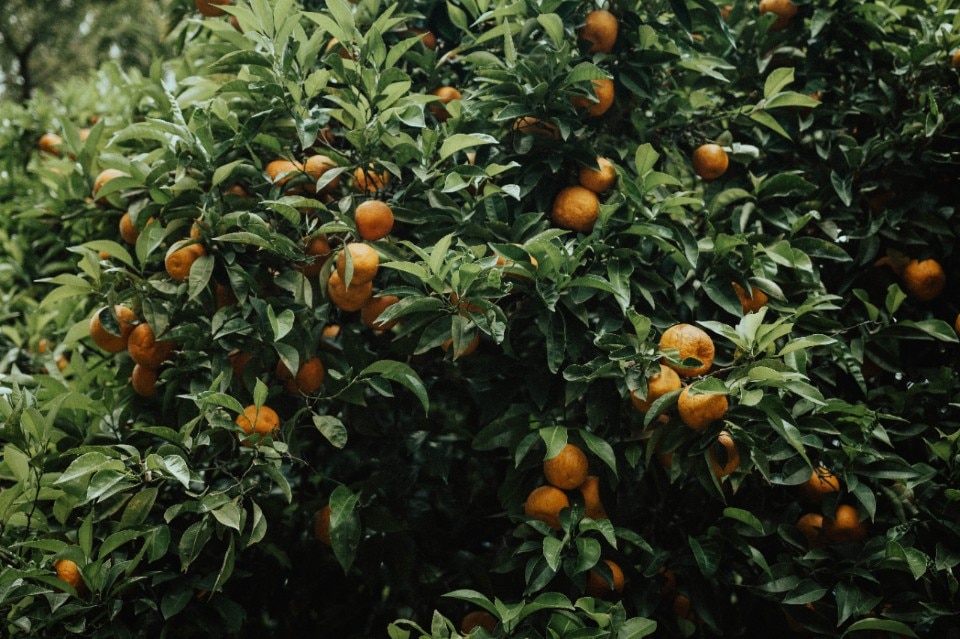
Sweet orange and lemon
Sweet orange (Citrus sinensis) releases what is known as the 'aroma of happiness' because it has a positive influence on mood, inspires energy and the desire to achieve. A symbol of the Mediterranean sun, lemon (Citrus limon) is a plant on which flowers and fruit appear at the same time and both are highly fragrant. The scent of lemon has invigorating and disinfecting properties, stimulates concentration, encourages optimism and helps in dealing with new situations.
Photo William Moreland on Unsplash
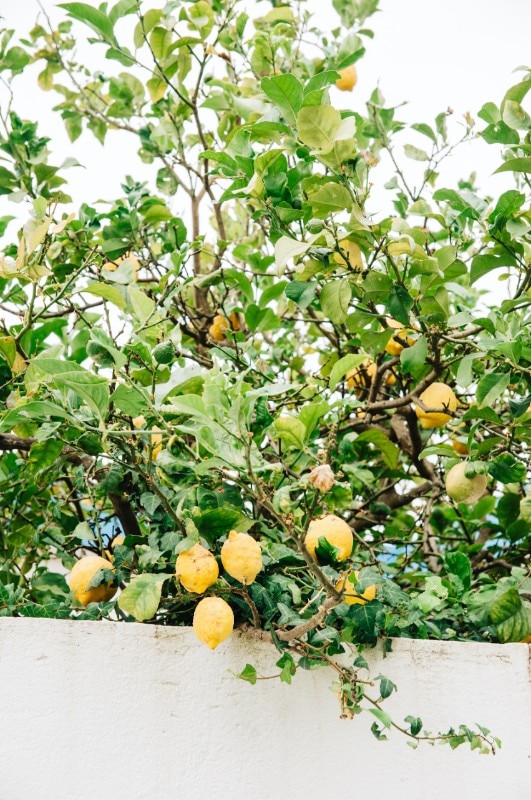
Sweet orange and lemon
Sweet orange (Citrus sinensis) releases what is known as the 'aroma of happiness' because it has a positive influence on mood, inspires energy and the desire to achieve. A symbol of the Mediterranean sun, lemon (Citrus limon) is a plant on which flowers and fruit appear at the same time and both are highly fragrant. The scent of lemon has invigorating and disinfecting properties, stimulates concentration, encourages optimism and helps in dealing with new situations.
Photo Elvira Visser on Unsplash
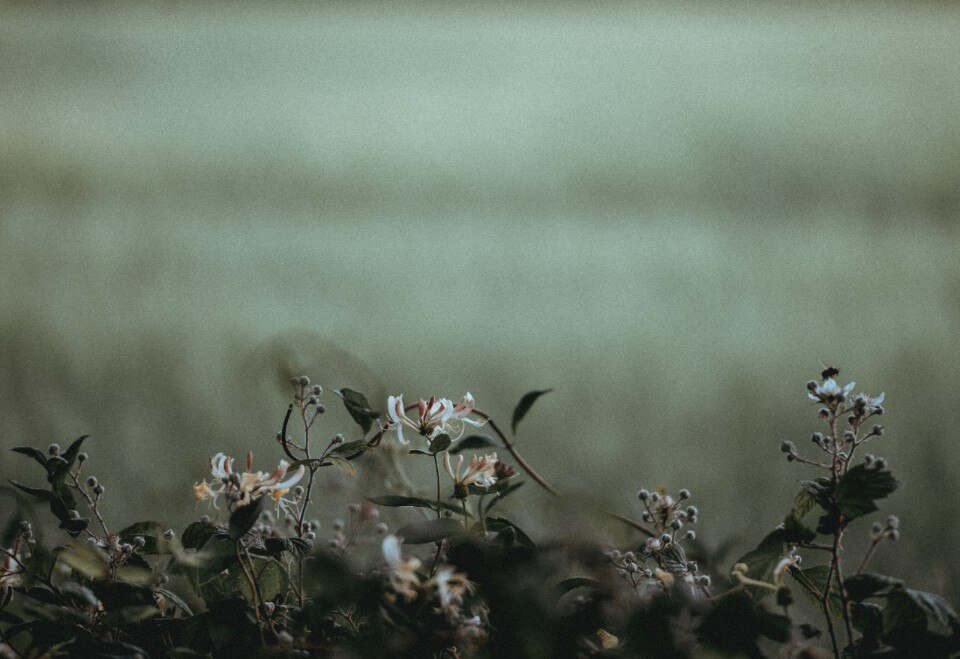
Honeysuckle (or lonicera)
For its elegance it was a manifesto of Art Nouveau. The medicinal flower, with its sweet and delicate scent, was placed on the pillow of young girls to encourage dreams of love. It gives the world its scent at night and becomes more intense at dusk to attract its pollinators, particularly moths. Certain substances give the scent of honeysuckle a certain resemblance to jasmine, which is why it is widely used in perfumes.
Photo Annie Spratt on Unsplash
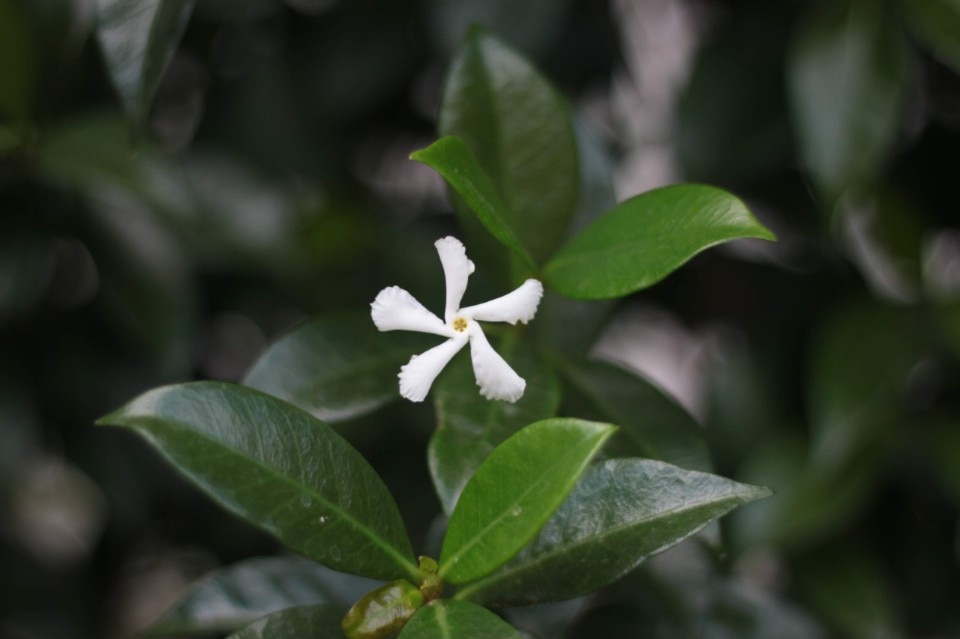
Jasmine
Native to the Himalayas, this plant has been cultivated for thousands of years for its legendary scent and delicate white flowers. Many people consider jasmine oil to be a natural aphrodisiac because its "seductive" scent can increase sensuality. In fact, jasmine oil is sometimes refered to as the 'queen of the night' both because of the strong scent of the jasmine flower at night and because of its aphrodisiac properties.
Photo Helena Munoz on Unsplash
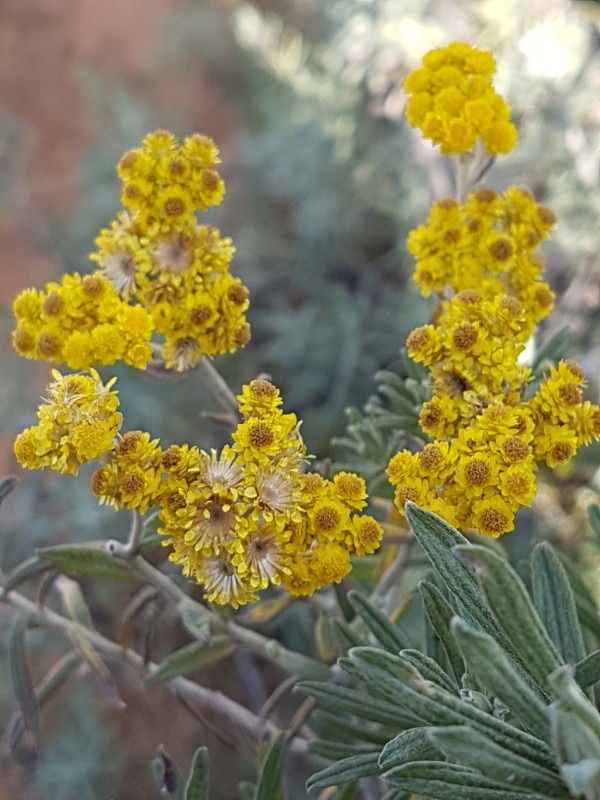
Helichrysum
It is a bushy, herbaceous plant with a strong aromatic odour, reminiscent of the typical smell of Liquorice. The stem is sturdy, highly ramified and entirely covered with numerous threadlike, hairy, silvery-green leaves. Helichrysum flowers are left to macerate in a vegetable oil for about a month to obtain an oleolite with excellent properties for the skin, used in natural cosmetics and in the treatment of various types of dermatitis.
Photo via Wikicommons
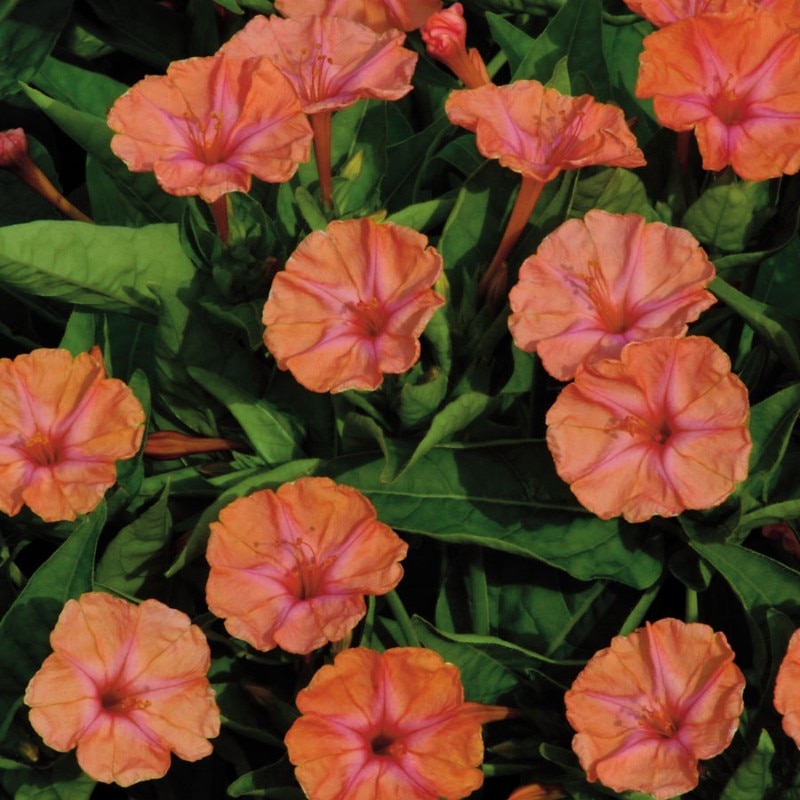
Four o'clock flower (Mirabilis jalapa)
It is so called because it is a nocturnal flower, its petals open in the cool of the evening and close at dawn. Mirabilis jalapa, the species that bears this name, is truly magnificent in the hours between dusk and sunrise. It is during this time that the plant opens its beautiful bell-shaped, fragrant flowers, brightly coloured in magenta, red, pink, yellow and white. The particular timing of the flowering, which has made this Peruvian essence world-famous, is a functional adaptation to the pollination made by large moths of the Sphingidae family.

Photo via parkseed.com
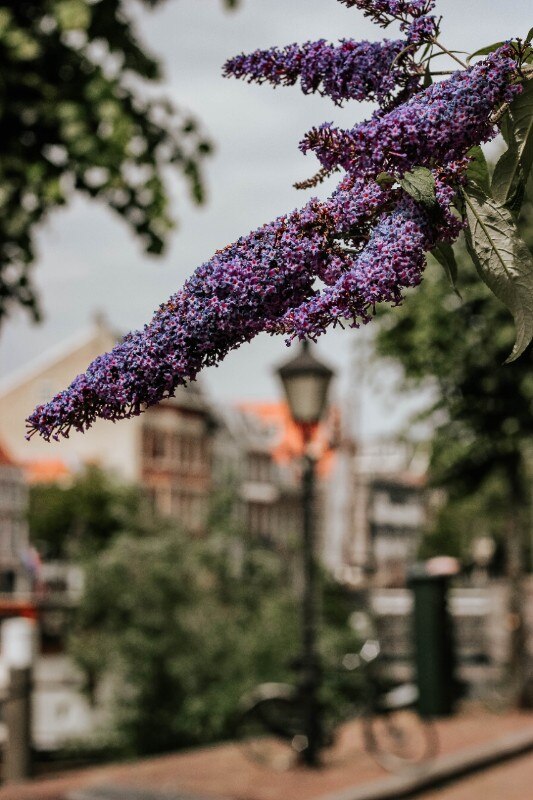
Buddleja
Buddleja is also known as the butterfly bush. Its long, colourful, honey-scented flower spikes are irresistible to these insects. Gardens, both public and private, are becoming increasingly inhospitable to butterflies due to the widespread use of exotic plants, which are so fashionable but on which few butterflies lay eggs, and varieties with showy flowers but little nectar.
Photo Micheile Henderson on Unsplash
Spanish broom (Spartium junceum)
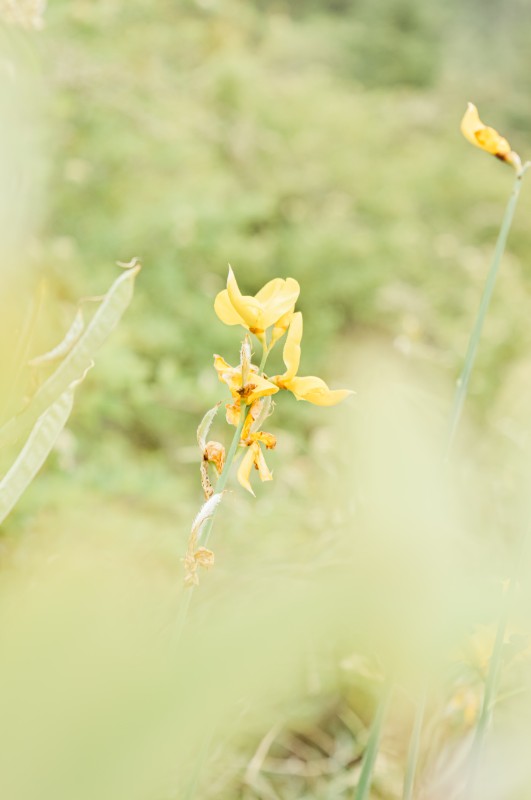
It has a rich and very pleasant fragrance. It is a frugal shrub that grows on poor soil throughout the Mediterranean. On Mount Etna it is considered a pioneer species because its populations grow on lava fields. It has a full-bodied and highly visible growth, thanks to its warm, golden, bright yellow colour. Its scent is reminiscent of honey and beeswax, both in colour and essence.
Photo Florencia Simonini on Unsplash