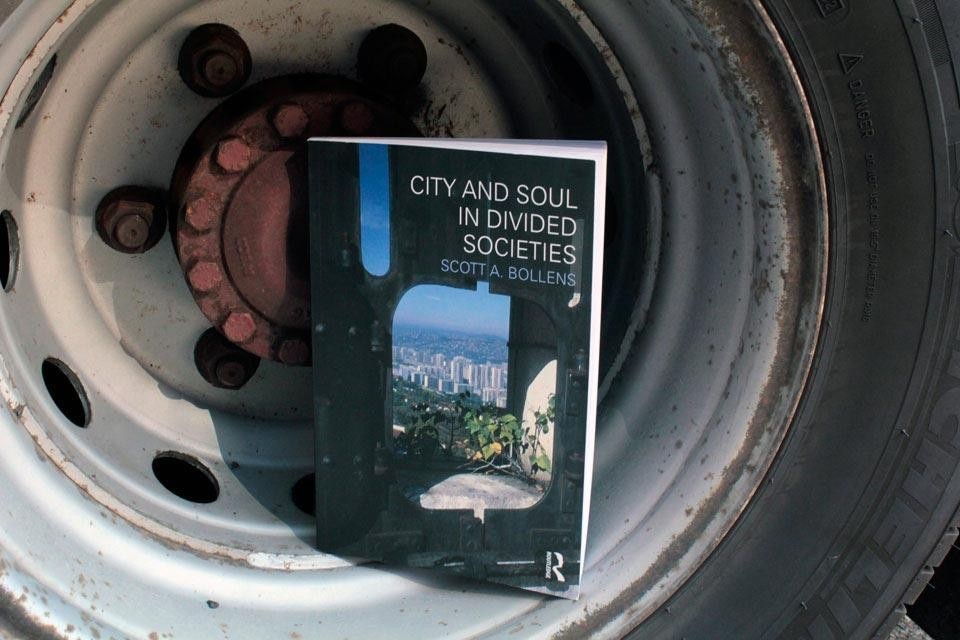
Scott A. Bollens is an expert on divided cities. After over 17 years of field-based investigation, more than 250 interviews in 9 cities torn apart by conflict and numerous articles on the subject, he has finally decided to collect his work into a single volume. From the outset, the reader understands that the book is not only a collection of scholarly articles or case studies of nine divided cities for analysis and interpretation. The author states that readers will encounter the emotions and sensations of people who live or do research in conflict-ridden places. The author is both an ethnographer and an individual on a journey through landscapes and stories of great suffering and conflict. These stories have left their mark on the space and the souls of the people and their cities.
The word "soul" in the book's title refers to the part of urban life made of stories and memories. Bollens calls them epic cultural narratives that define collective nationalistic values; they are the cultural baggage of a city's various populations. In the conflict-ridden situations studied by the author, this collective soul internalizes trauma through the construction of memory and identity. A strong bond is thus created between the trauma and the physical space bearing its signs. Bollens explores the historical, theoretical and practical aspects of urban divides, but he also highlights the continuous challenge of governing and living in fragmented and politically unstable cities. In the introduction, the author tells us of his own turbulent past and matrimonial problems, opening to a possible comparison between ethic/nationalist and sentimental divisions.
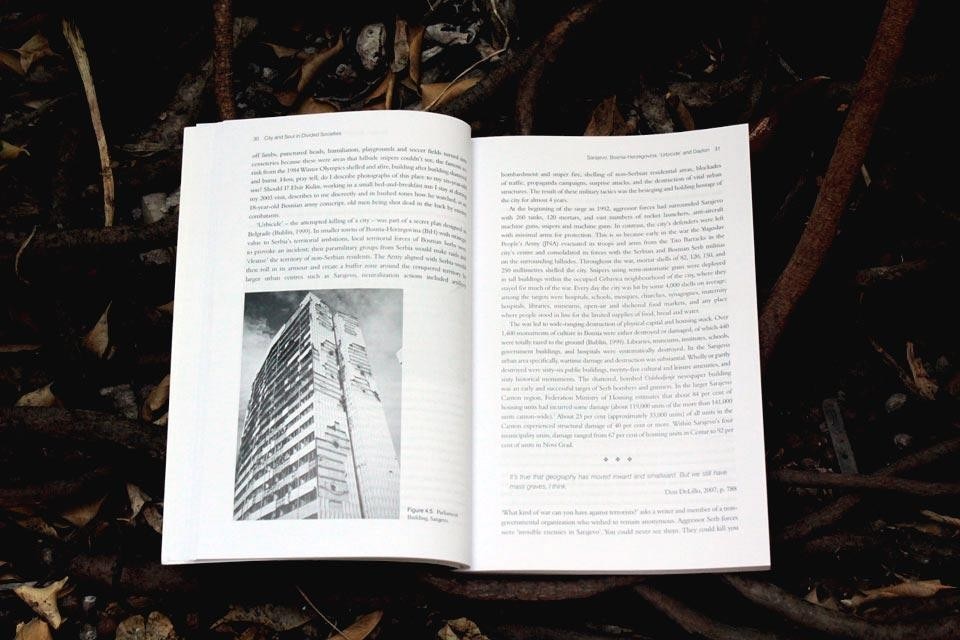
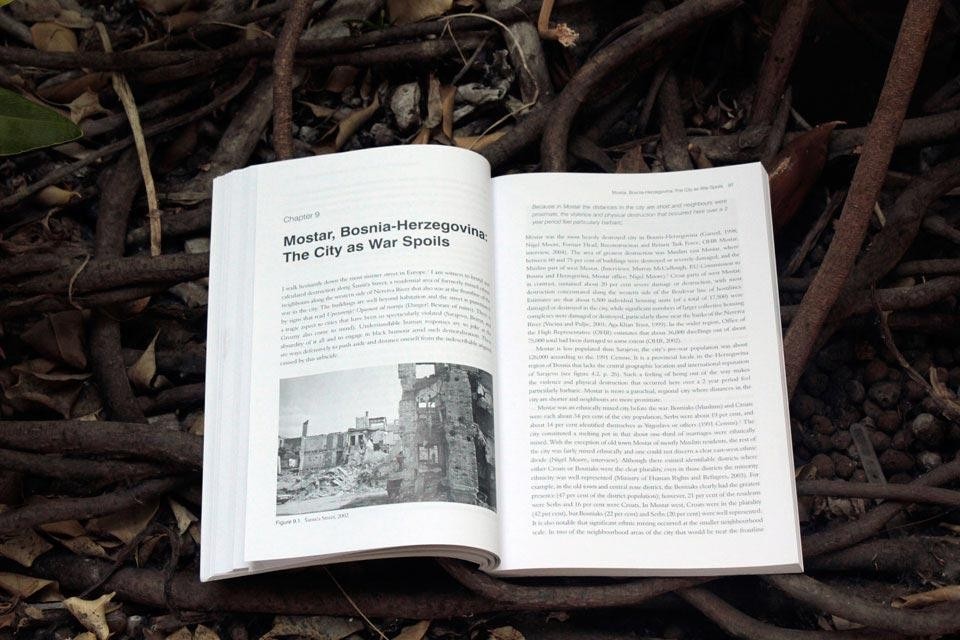
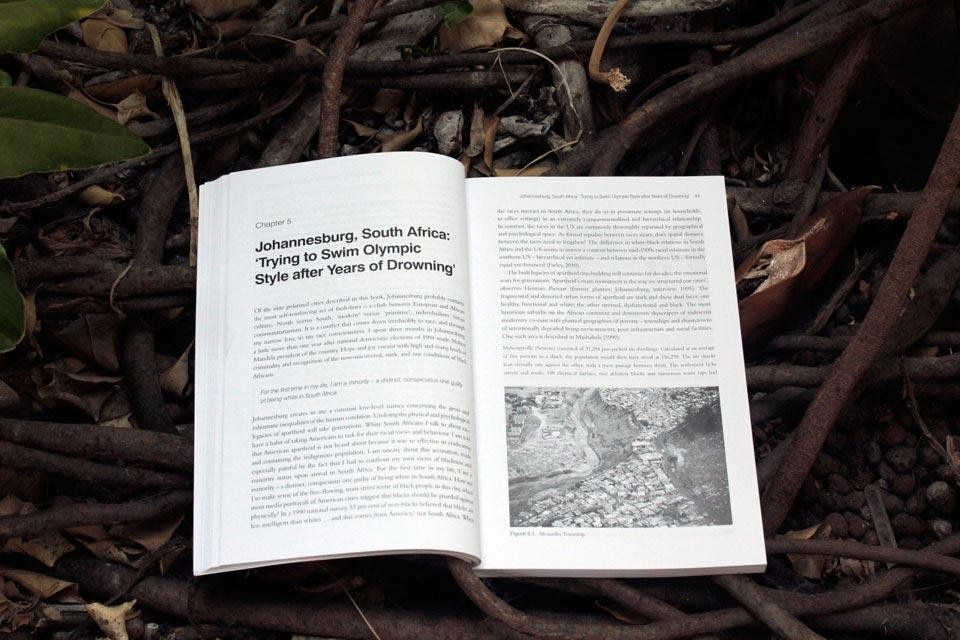
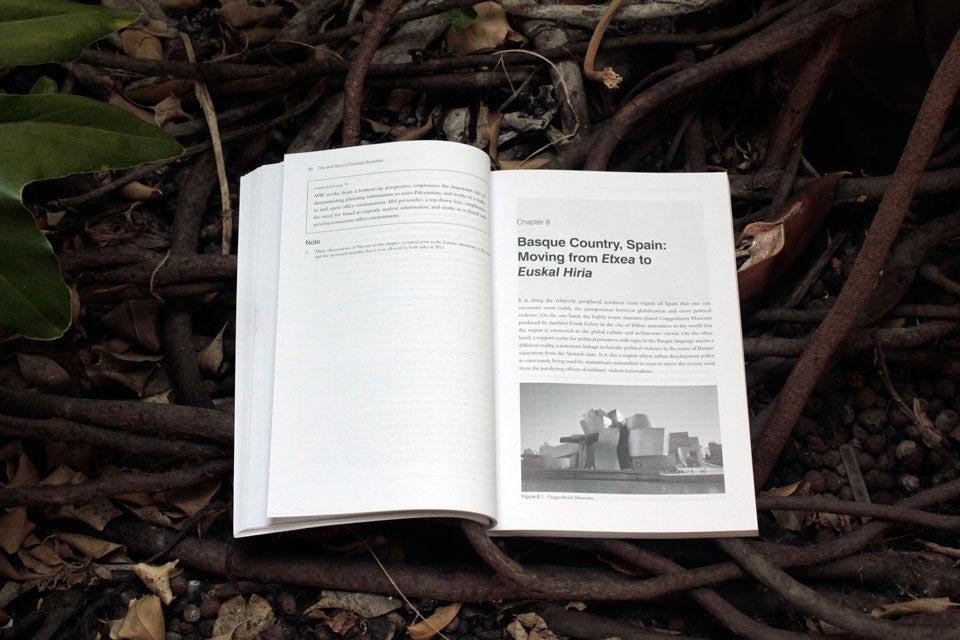
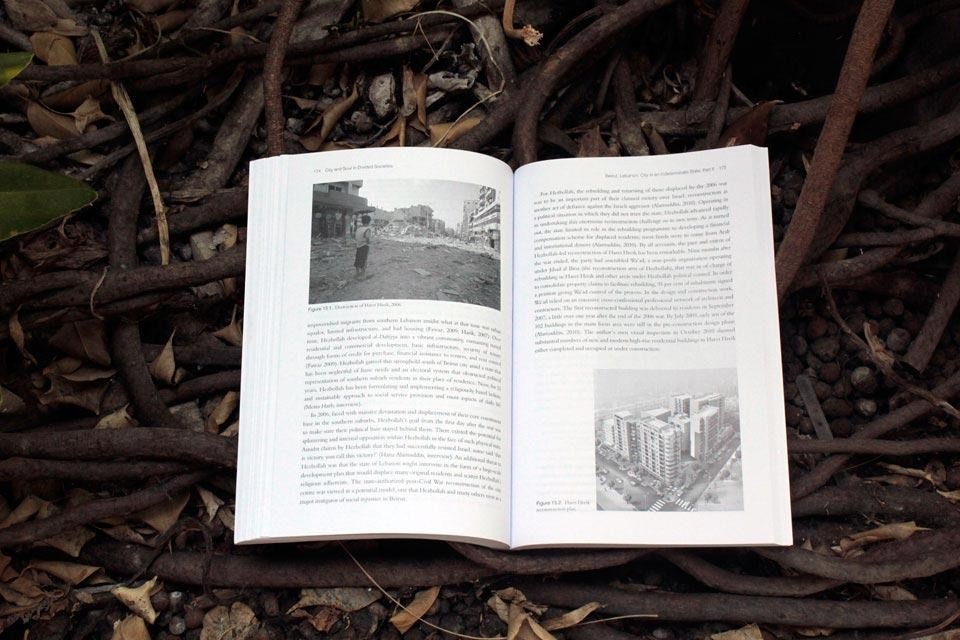
The second section is made up of nine case studies: Jerusalem, Belfast, Johannesburg, Nicosia, Sarajevo, Mostar, Basque Country, Barcelona and Beirut. The amount of space dedicated to each single case varies; and the discussions of the different situations are uneven. The author devotes great attention to Sarajevo and Beirut while the analyses of Nicosia and Mostar are much weaker. Aside from the case studies, Bollens refers to little-studied cities with less evident forms of ethnic and/or linguistic conflict like Brussels and Montreal. He also explores places like Baghdad, Kirkuk and Mitrovice in which separation might actually be the solution to conflict.
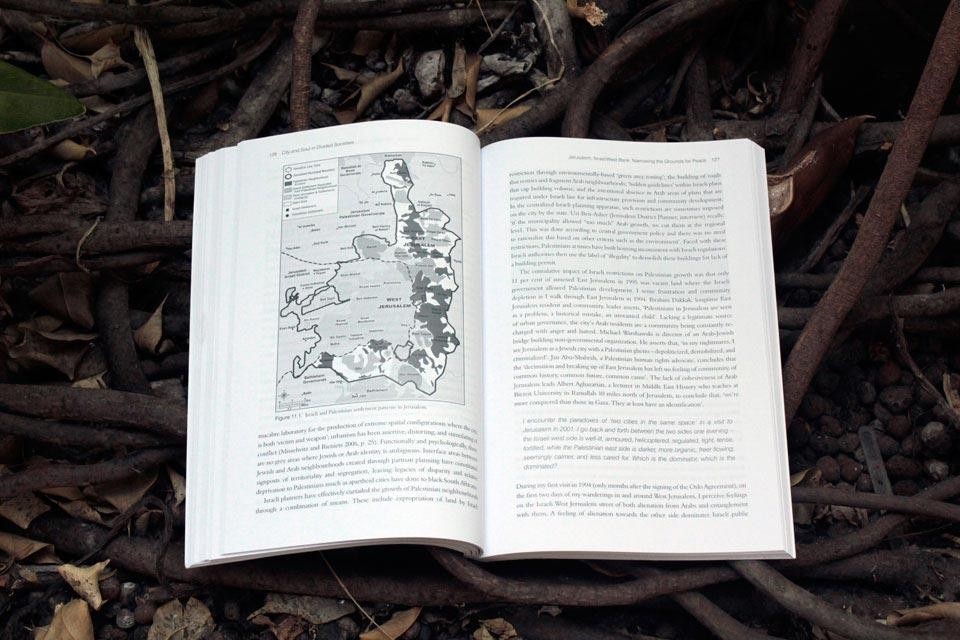
The layers of memory of the urban soul can be read in a city's architecture and form, which change according to use and historic period