

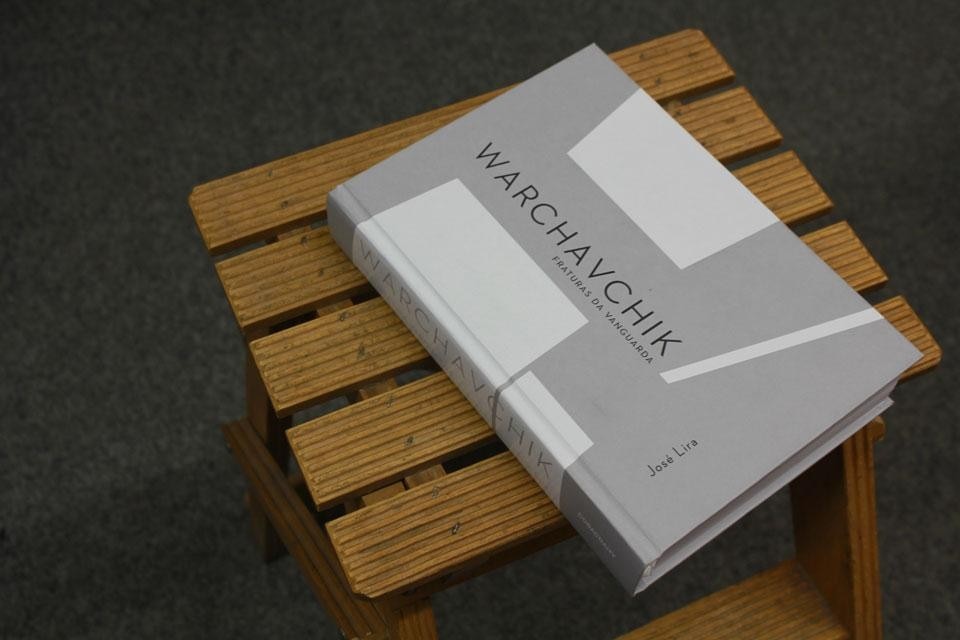
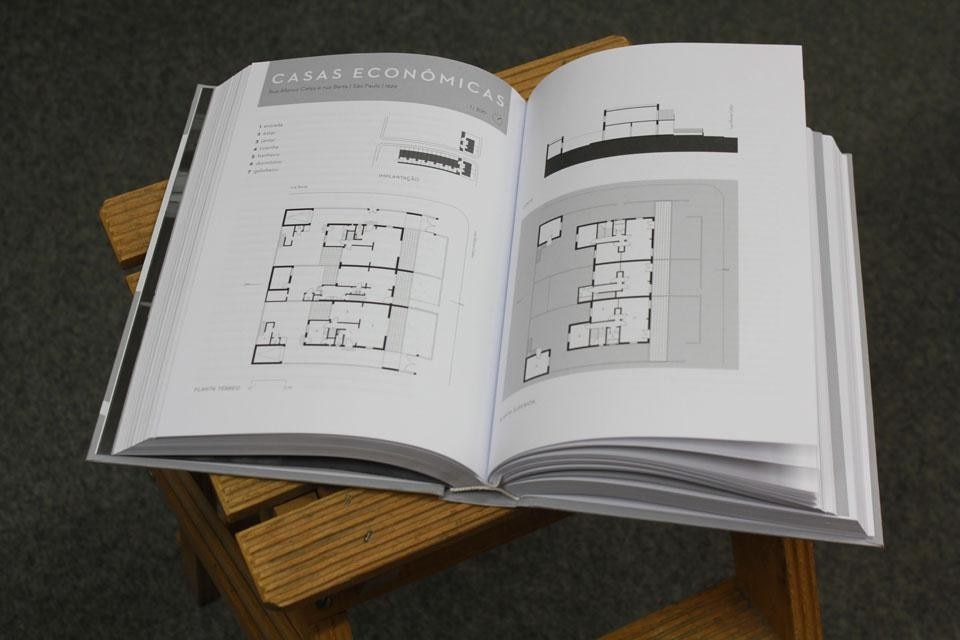
This book reconstructs the career of Gregori Warchavchik, the architect of Russian-Ukrainian Jewish heritage who studied in Rome and is recognized in Brazil for his role as a promoter of modern architecture in the late 1920s. The result of a long post-doctoral research project, the book traces in detail his formative years in Odessa and Rome before settling in São Paulo, where he arrived in 1923 to begin his successful career. But the profusion of information does not obscure the vision of the issue that the author posits: the identification of the role of the architect in the process of cultural and industrial modernization, moving beyond the limits of current historiography. In his presentation of José Lira's book, Argentinean historian Adrián Gorelik provides the reader with an interesting commentary on Warchavchik's status as pioneer of modern architecture in Brazil, "And is there anything more paradoxical—and pathetic—for a pioneer than paving the way to a course that no one takes?" We know that the modern architecture that represents Brazil internationally finds its roots in the ideas of Lucio Costa, who—after an initial period of collaboration with Warchavchik—took a different approach, eventually denying the importance of the very movement. José Lira gives careful consideration to how this situation came about, making use of social and cultural history, positioning Warchavchik's trajectory and identifying its key moments.
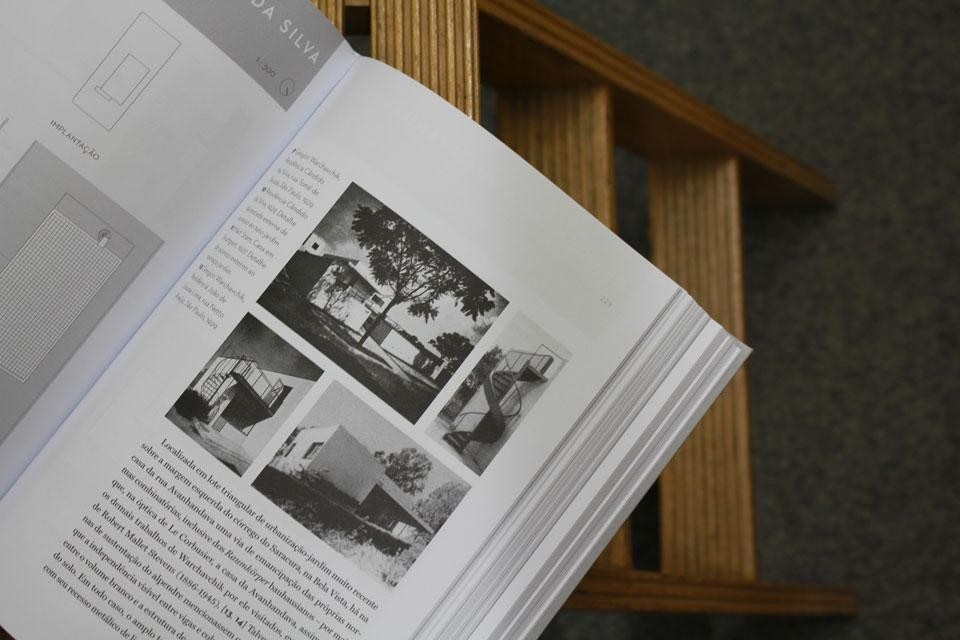
The first is Warchavchik's participation in avant-garde Brazilian modernism during the years immediately following his arrival. In a context of foreign immigrants, it was the construction of his house in 1927 that ensured that he would be accepted by the intelligentsia which, in 1922, promoted the Semana de Arte Moderna, the movement that gave modernism the task of creating a national identity for the country. Nationalism and modernity were, in fact, the leitmotifs of Brazilian modernism from its very inception and they are the roots of the tensions that define Warchavchik's position in architectural history. His closeness to the modernists reached its peak in 1930 when he designed the "Exposição de uma casa modernista" in a small rental house. During the months in which the exhibition was open, thousands of visitors could experience architecture that integrated furniture, art and innovative landscaping. The success of the house gave him access to part of the local aristocracy willing to modernize their tastes and distance themselves from academic styles. However, Lira shows how this access to more affluent clients was not enough to break with his principal contradiction. Modernization of construction processes in Brazil came about only in the larger works designed by engineers who were not tied to modernism's aesthetic revision. While the construction of projects that sought to rationalize the building process were limited to designs in the academic style, Warchavchik's modernist houses were built using traditional techniques, making every formal innovation an arduous challenge. The author argues that this contradiction, identified by some historians as an anomaly in his work, created a condition that revealed the characteristics of the industrialization process in Brazil, fundamental to the country's very modernization.
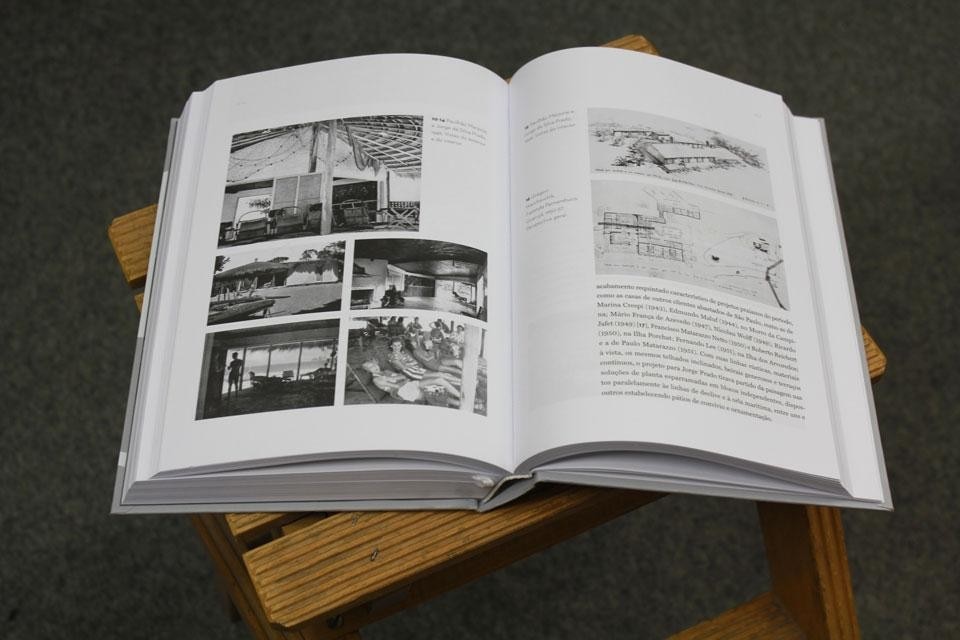
The initial uncertainties of this new government fueled the dispute for the hegemony of the representation of the nation state. In facing the modernists, supporters of academic styles intensified their xenophobic accusations brandished by the likes of Christiano Stockler das Neves in São Paulo and José Mariano in Rio. Reproducing extracts from these critiques, Lira makes the reader aware of the type of discourse practiced by conservatives who railed against Brazilian modernist architecture. The frequency and ease with which they unleashed their anti-Semitic accusations reveals that this sentiment was much more widespread in Brazilian society than one might think (an error induced by the alignment of Brazil in the war against Nazi-fascism in the following year). Lira makes us wonder if this was not one of the factors that led Lucio Costa to create a link between modern architecture and the nation's Mediterranean roots, far from the German New Objectivity which characterized Warchavchik's work. For modernist nationalism, it was becoming increasingly difficult to support the foreigner. Here we see the emergence of revised positions regarding Lucio Costa and Gregori Warchavchik in the history of Brazilian modern architecture.
A crucial book suggesting that Brazilian architecture might have been different from what we think it should be and how the stylistic choices that we take for granted are also the result of political mediation of cultural and ethnic factors, played out within the creation of a modernist national style.
Renato Anelli