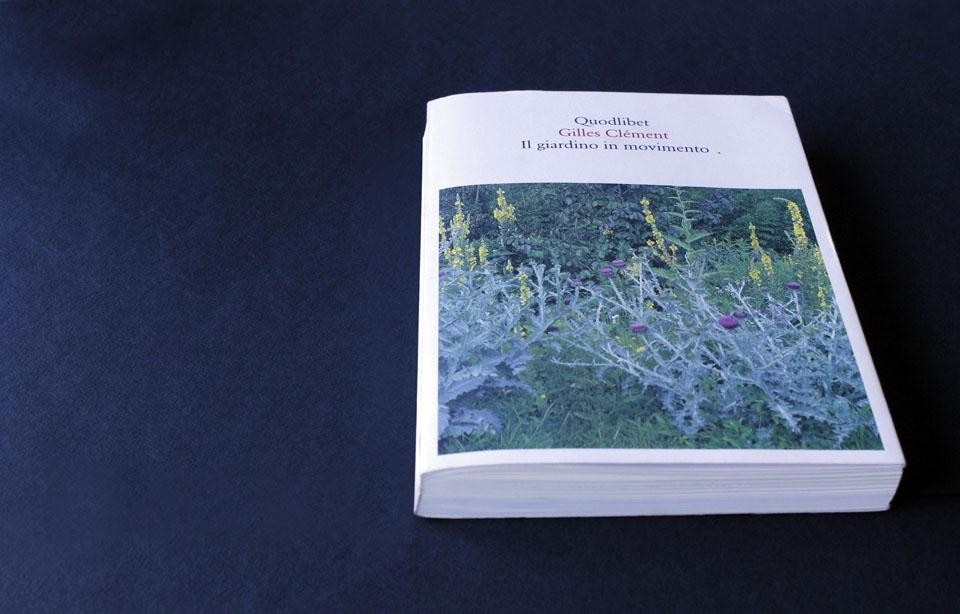
Gilles Clément. Quodlibet, 2011 (319 pp., € 28)
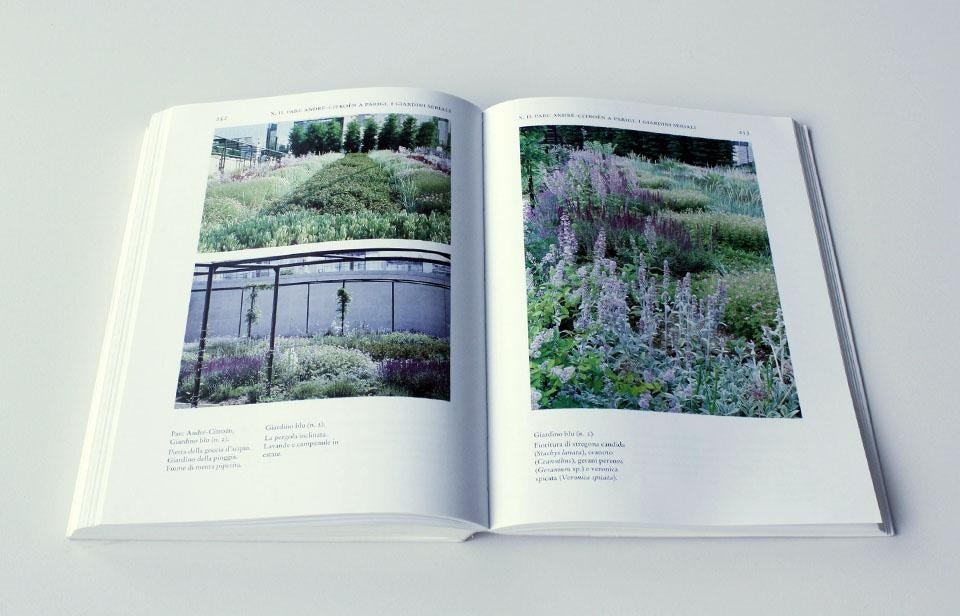
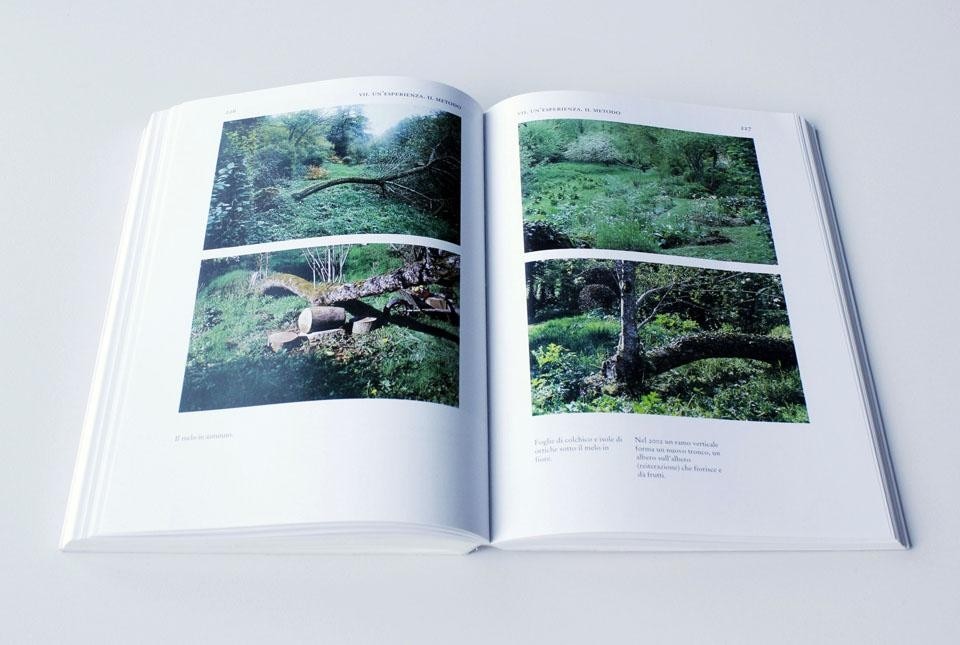
If you search for the department of Creuse on Google Maps, the indicator shows a place that is not far from the road between Guéret and Aubusson, along frazzled and vaguely out-of -focus edges that separate the forest from a small clearing. It is one of those marginal places, on the edge between light and shadow, that today Gilles Clément would call the "third landscape." It all started here, or rather a few miles from here, on the property purchased by Clément in the late 1970s where he conducts the experiments described in Giardino in movimento.
Clément's first book is such a cult object that—although this version by Quodlibet is the first official translation into Italian—before its publication, a number of underground translations circulated, passing hands as though between members of a cult, like some 18th century treatises. In fact, the 18th century treatise, in the attempt to condense experience down to its essential traits, is the very basis for Il giardino in movimento. Like Abbot Laugier's hut, the Creuse garden is the matrix for all possible experiences, the place from which to begin to rethink practical knowledge.
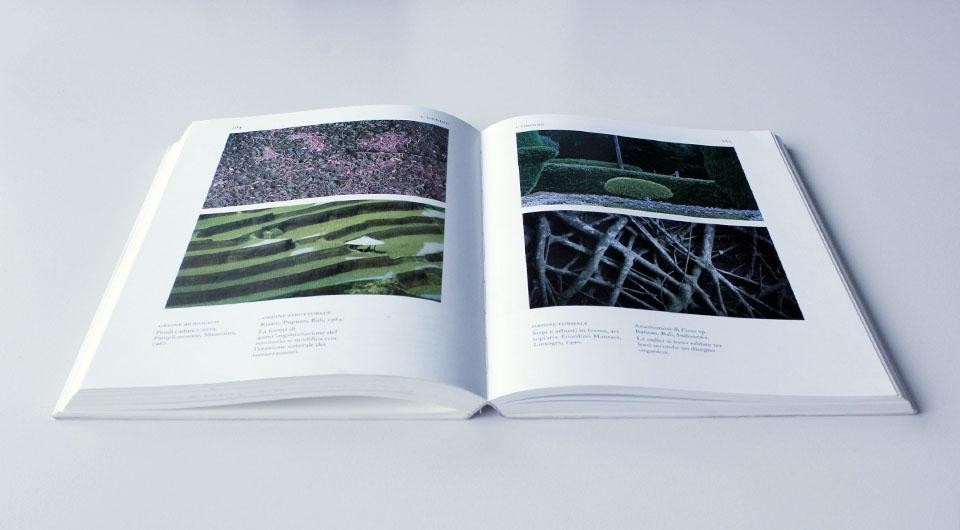
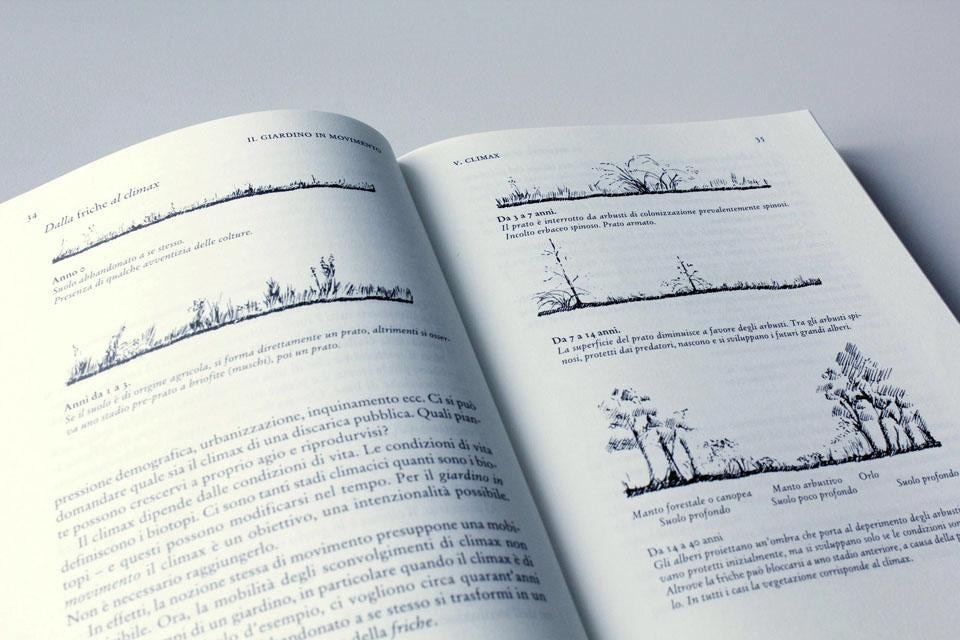
What is important in Giardino in movimento is the idea of the garden tied to the concept of inhabiting, the true capacity for understanding and respecting the behavior and logic of the living world.

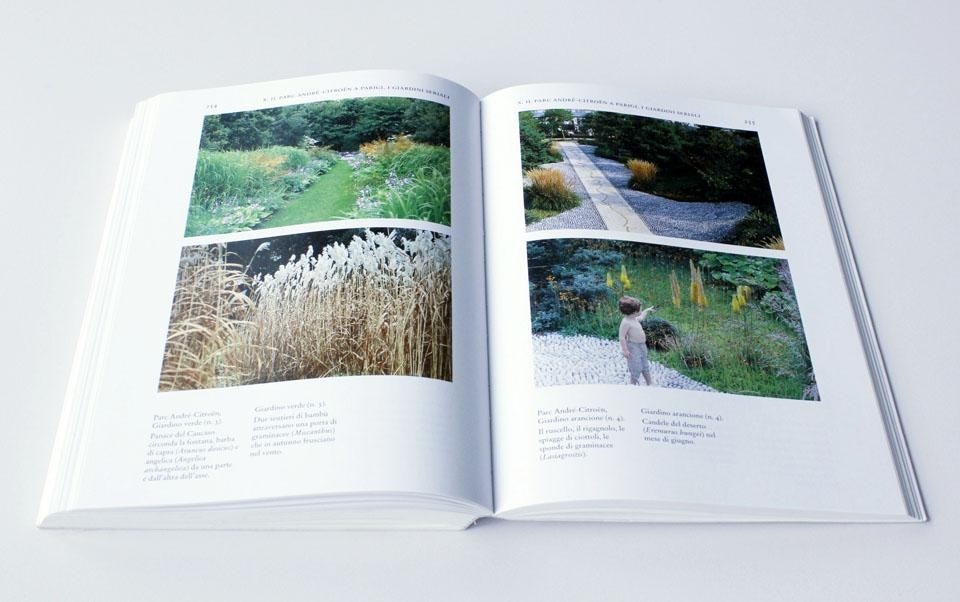
However, the core of Clément's work is the staging of a meeting/clash between "two cultures" in seeking a scientific basis for his literary reflection and vice versa, in proposing a grounded intellectual style—in the sense of being founded on the land. Quodlibet does well to move in this direction, adding one thing, and only one, to the Italian edition, with respect to various French editions: a repertory of the cited plants, beautifully designed by Enrico Scarici, pages and pages of an index with all the proper Latin names in their places. Now I'm going to read it, then we can talk about it again.
Filippo De Pieri