

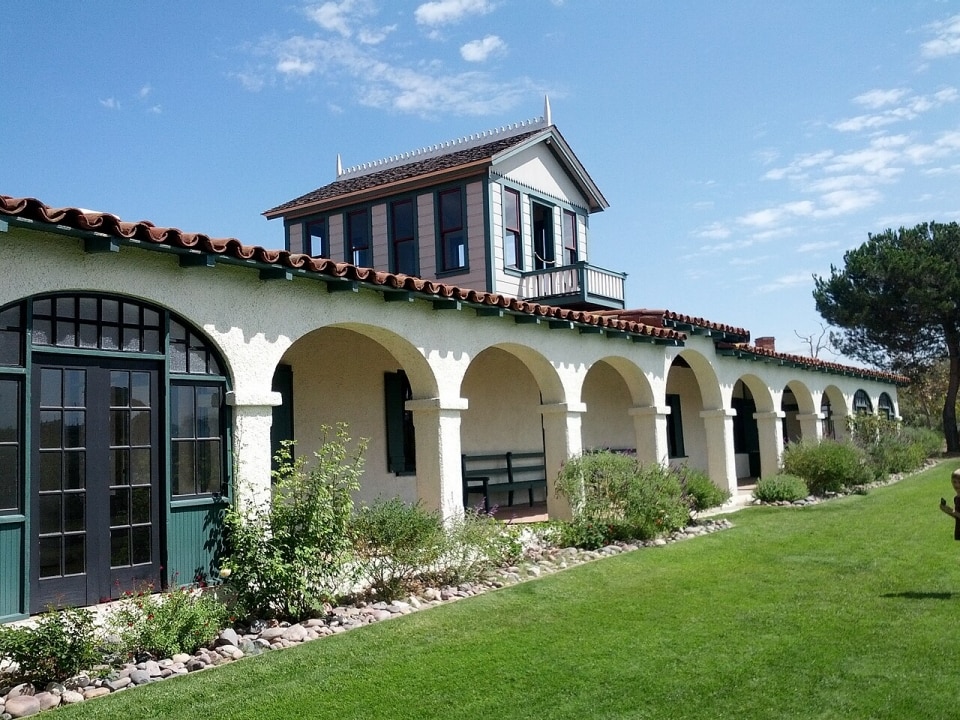
Our shared cultural framework — especially in terms of forms, canons, and foundational concepts we tend to identify with — was largely shaped in the nineteenth century. It was during this historical moment, often seen as a watershed of modernity, that imaginaries and ideas took hold and endured, crossing disciplines and contexts to settle into a “normality” perceived as natural, yet often constructed, contingent, and selective.
Within this perspective sits a story recently reconstructed by National Geographic, which traces the architectural imagination of Southern California—and the emergence of a specific domestic language later known as Spanish Colonial Revival—back to the success of Ramona by Helen Hunt Jackson, a novel that became a publishing phenomenon in the United States in 1884.
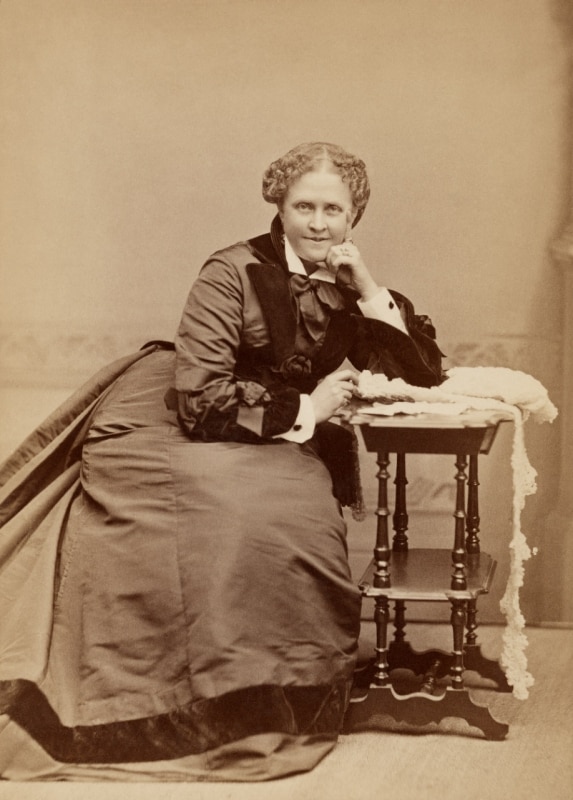
At the time of publication, Jackson was one of the best-paid writers in the United States. She was a contributor to Harper's and Atlantic Monthly, was friends with Emily Dickinson, and already had behind her an essay exposing U.S. government violence against Native peoples, A Century of Dishonor, sent at her own expense to all members of Congress. Ramona was born as a narrative extension of that advocacy effort: an attempt to affect public opinion through literature, in the wake of the impact that Uncle Tom's Cabin had had on the abolitionist debate.
Yet the novel’s reception took a different turn. Its plot — a tragic love story set against the racial tensions of post-annexation California — was largely absorbed as a sentimental narrative, framed by lush, idealized landscapes. This shift, more than the author’s original political intent, generated long-lasting consequences.
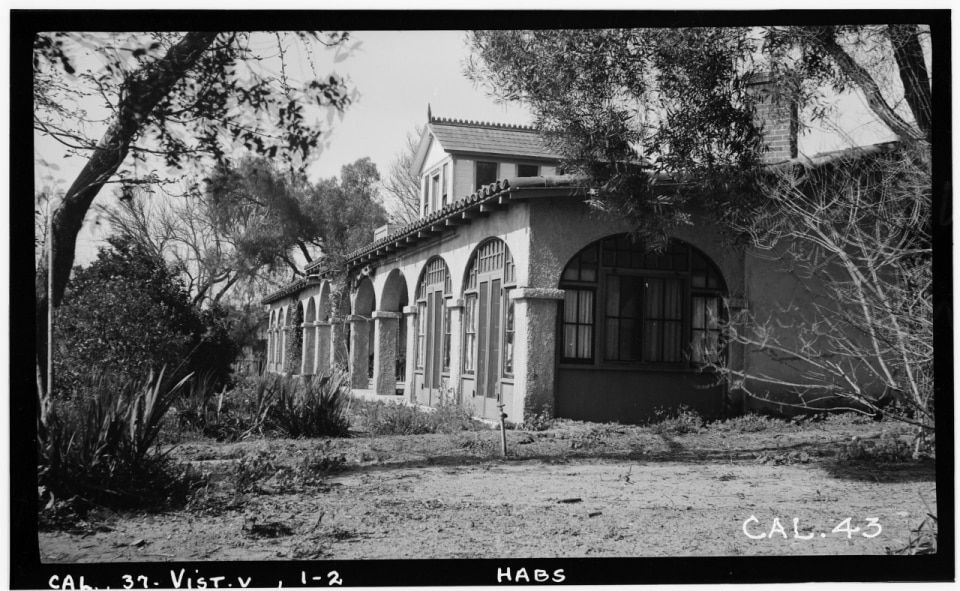
Between the late nineteenth and early twentieth centuries, readers began to translate fiction into real geography, seeking out the locations described in the novel. Ranches and haciendas across California were reinterpreted as authentic settings of the story, becoming cultural landmarks. In particular, Rancho Camulos and Rancho Guajome emerged as pilgrimage sites, validated by an emotional rather than documentary resemblance to the text. At the same time, railway companies and real estate developers capitalized on this narrative aesthetic, deploying marketing strategies that can be seen as a precursor to modern lifestyle tourism.
The built environment described by Jackson — adobe houses organised around open courtyards, verandas blurring the boundary between interior and exterior, a slow and sensory mode of inhabitation far removed from Victorian rigidity — gradually became a model. Architects such as Willis Polk, John Galen Howard, and Julia Morgan reinterpreted these features within the Mission Revival style, introducing arches, bell towers, and tiled roofs. In the 1920s, George Washington Smith further expanded this vocabulary, incorporating Mediterranean and North African influences: the Spanish Colonial Revival took shape, becoming one of the most enduring visual identities of the American landscape.
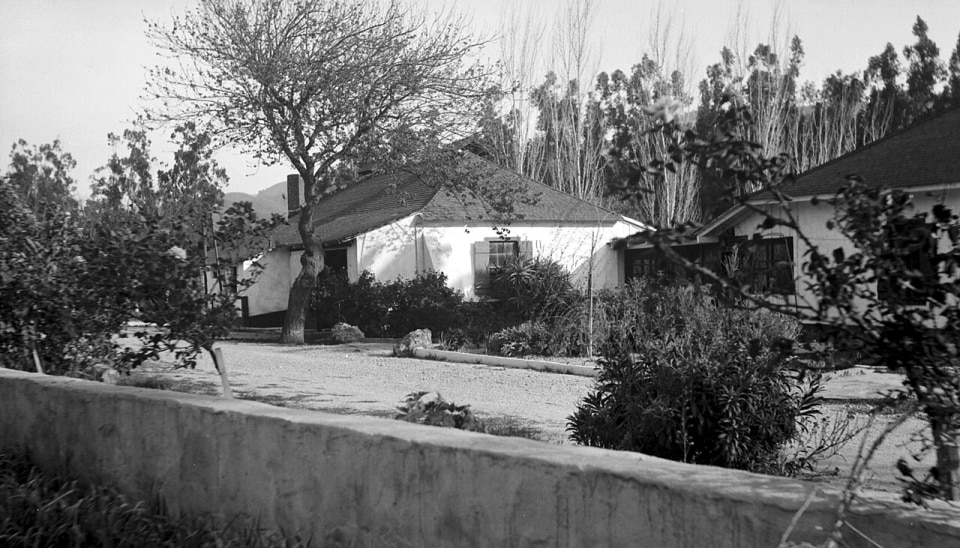
Today, this language is deeply embedded in the visual identity of Southern California. Yet it is rooted in a selective memory, in an aesthetic that removes the conflict from which it originated. Jackson did not live to see this outcome: she died shortly after the novel’s publication, at the age of fifty-four, unaware that Ramona would help generate a domestic model born not from design, but from desire. And desire, as this story demonstrates, can take on a remarkably concrete form.
Opening image: Guajome Ranch House, photo by scerruti via Wikimedia Commons.