

Architectures that are ephemeral, temporary, transformable, disposable. Designers of recent decades have practiced on these experiments, experimenting with the most diverse solutions to respond to a widespread urgency: that of continually replacing what we have available.
For every thing designed, an end is also planned: planned obsolescence establishes the maximum lifespan of what we produce, sell and buy: electronic devices, furniture, clothes. Each object is assigned its own life time.
But what if we asked the question the other way around?
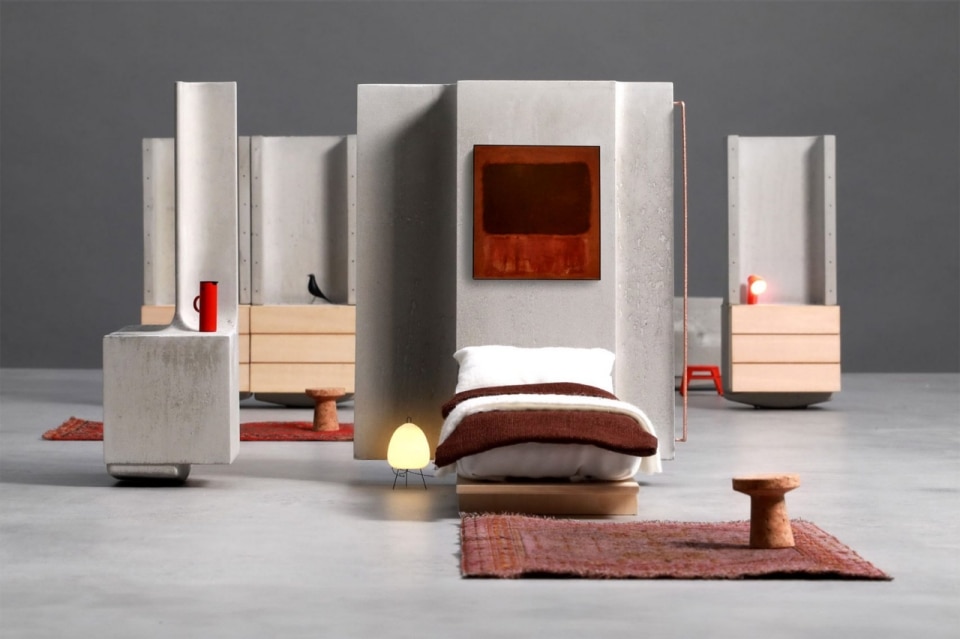
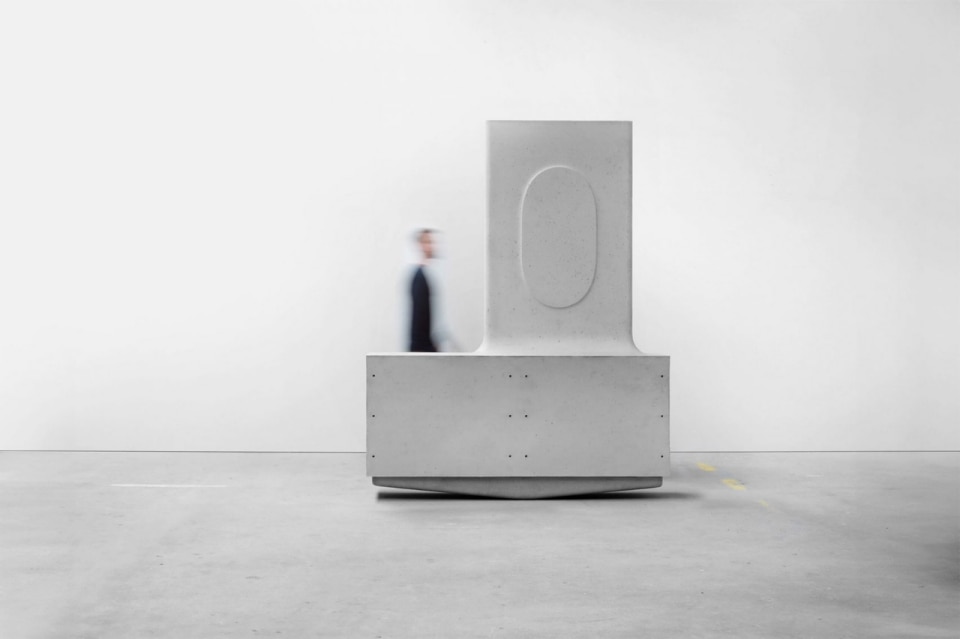
Heirloom House project is a furniture system designed to last a thousand years. It was developed by the Massachusetts Institute of Technology (MIT), in collaboration with the research and development department of the Mexican building materials company Cemex. Nine concrete elements are self-contained, freestanding components of a house designed to be passed down from generation to generation.
All elements are conceived as parts of an architectural design-columns, beams, floors, wall panels, and joints-but designed to work together without the use of screws or other fasteners. In this way, the domestic landscape structure can potentially be reconfigured indefinitely, without wear and tear and without requiring the intervention of builders or other professionals. The system uses principles of mechanics and kinetics: the weight distribution is designed to make the elements easy to move and assemble, yet stable and solid.
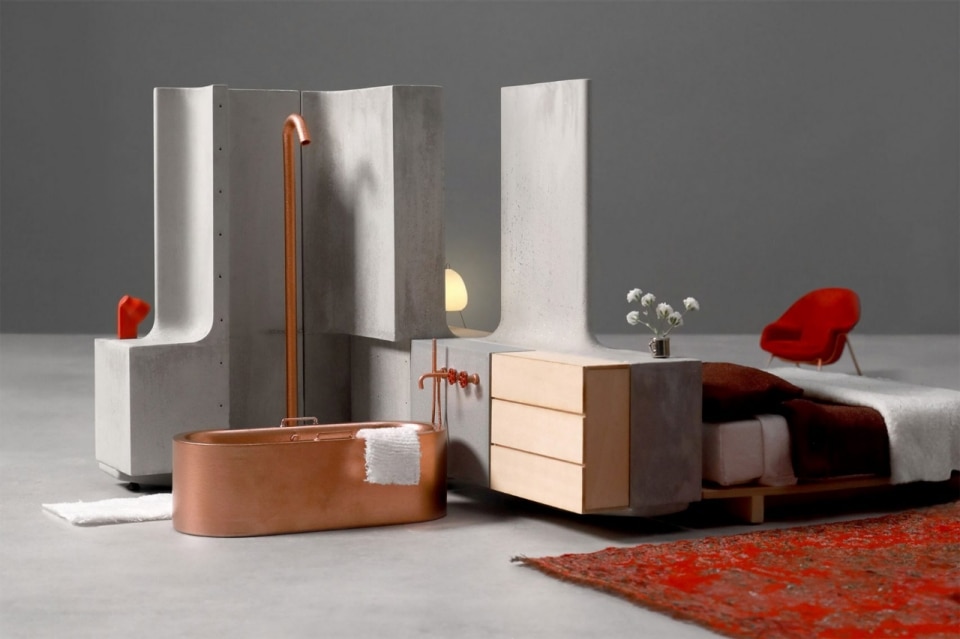
The word heirloom, which gives the project its name, translates as "heirloom" and indicates an asset intended to be handed down to heirs. It was precisely with this goal in mind that the MIT design department worked: to envision a home capable not only of enduring, but also of transforming itself, while not being able to predict precisely what housing standards or needs will be a century, or even a millennium, from now. The same modules that today define a home for a couple could tomorrow draw the perimeters of a studio, or housing shared by people with no family ties, or even a domestic space inhabited by someone with many animals.
In this perspective, concrete becomes a particularly effective material. The impact of a system designed to span centuries is not comparable to that of a building demolished after fifty years. The material's properties of strength and durability become, in this case, the very conditions that make it possible to pursue the goal of the project: a useful life of a millennium. "Heirloom House pushes us to innovate on the level of materials science, so that concrete can last and even improve over the years" said Davide Zampini, vice president of Cemex.
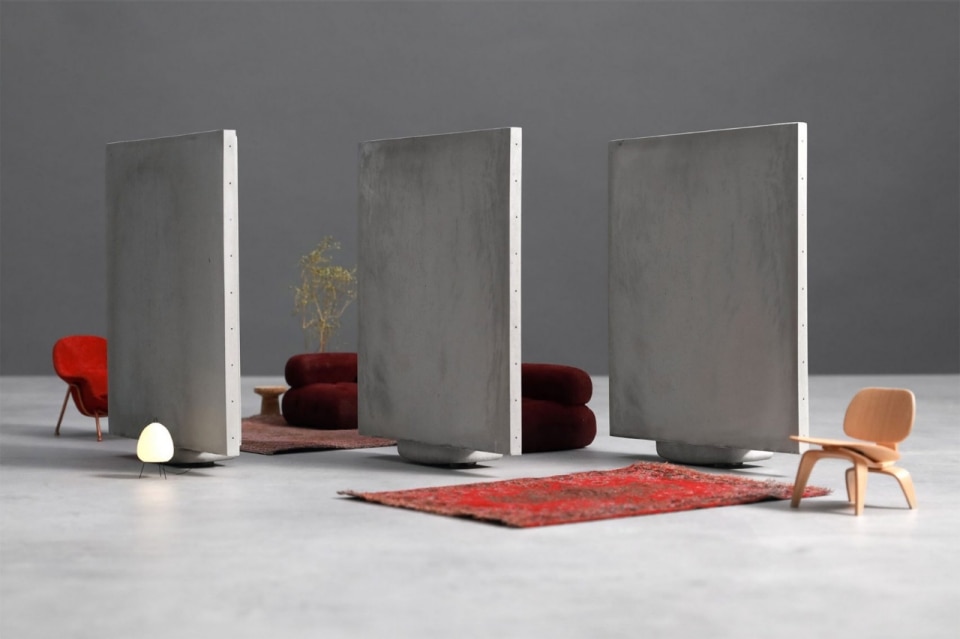
The limitation that comes naturally to mind when looking at the images of Heirloom House, however, concerns another aspect: in terms of "taste," will these elements really be able to meet the needs of different generations for a thousand years? The forms, no matter how well designed, may not be appreciated in the same way over time, and the possibility of reconfiguring them may not be enough to make them truly personal: these are still monolithic elements, of considerable size, that leave little room for characterization.