

These facilities can range from small portable modules to massive warehouses full of servers, from sleek new constructions to reuse of existing infrastructures. What is the significance of this bridge between the virtual and the physical? How does this new typology affect the discourse of architecture and the shaping of our built environment? As cloud storage and global internet usage increase, it's finally time to talk about the physical space of data.
Submissions due by January 9 to submissions@clog-online.com. More submission information available here.
CLOG:APPLE due in February 2012, now available for pre-orders.
Online press, blogs, tweets, social media, and other digital forums have drastically increased the speed at which architectural imagery is distributed and consumed today. While an unprecedented amount of work is available to the public, the lifespan of any single design or topic has been reduced in the profession's collective consciousness to a week, an afternoon, a single post-an endlessly changing architecture du jour. In the deluge, excellent projects receive the same fleeting attention as mediocre ones. Meanwhile, mere exposure has taken the place of thoughtful engagement, not to mention a substantive discussion.
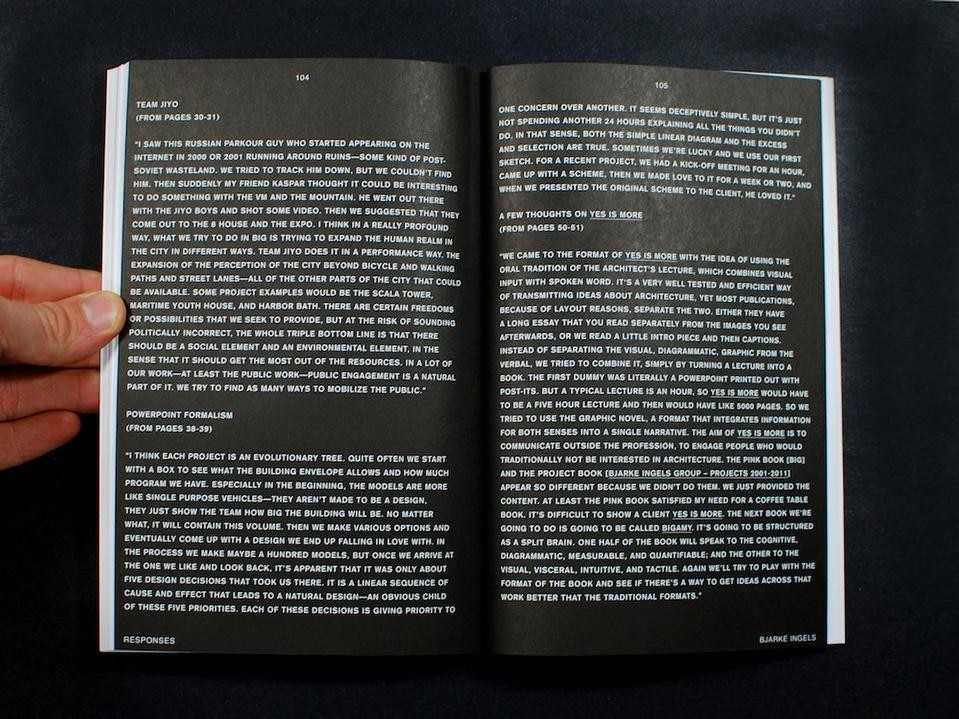
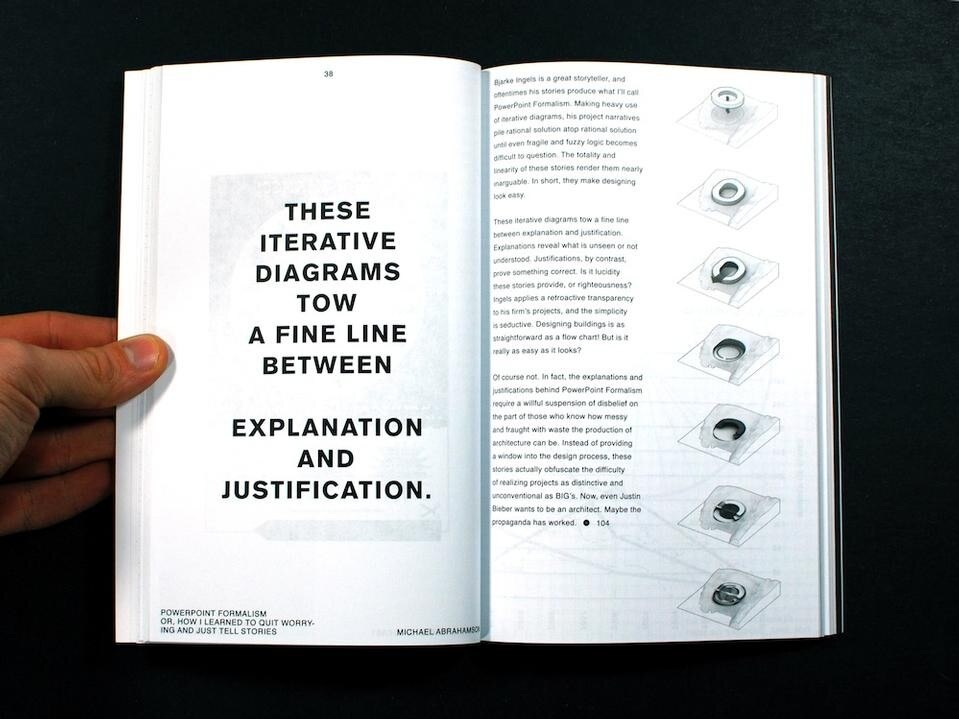
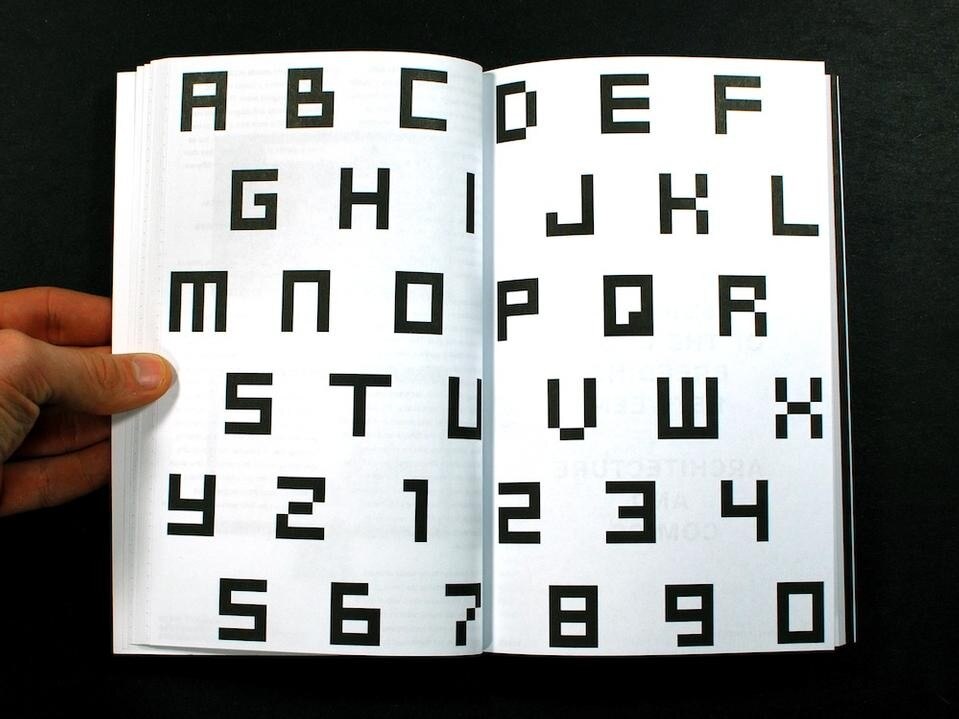
CLOG slows things down. Each issue explores, from multiple viewpoints and through a variety of means, a single subject particularly relevant to architecture now. Succinctly, on paper, away from the distractions and imperatives of the screen.
As cloud storage and global internet usage increase, it's finally time to talk about the physical space of data.
Kyle May, Julia van den Hout, Jacob Reidel, Human Wu
Design by Playlab, Inc.