


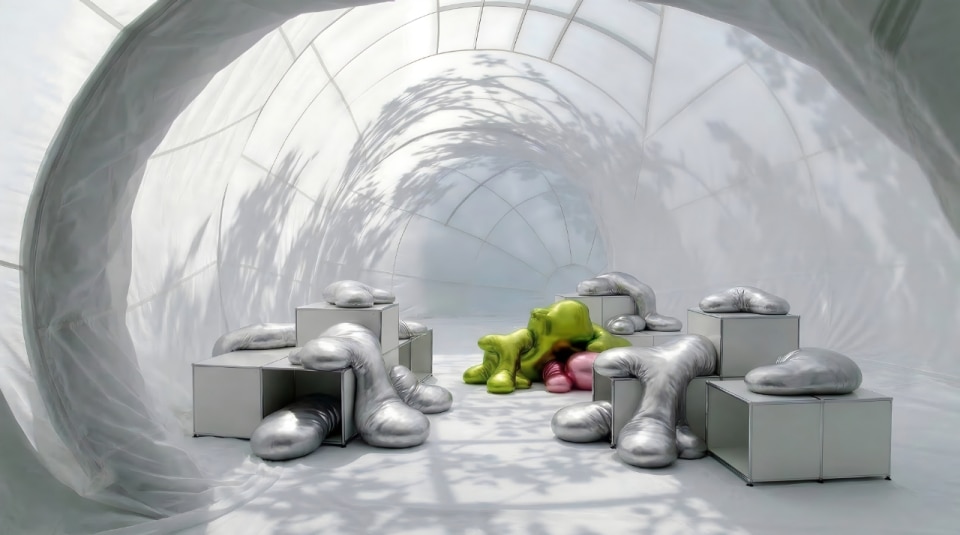
During Design Week, Milan doesn’t change. If anything, it recedes—quietly stepping aside.
In its place, a temporary city emerges: a landscape of ephemeral spaces that last only a few days before dissolving. Fuorisalone is not just a scattered sum of events. It is a testing ground.
Objects are not simply displayed. Ways of living are put on trial.
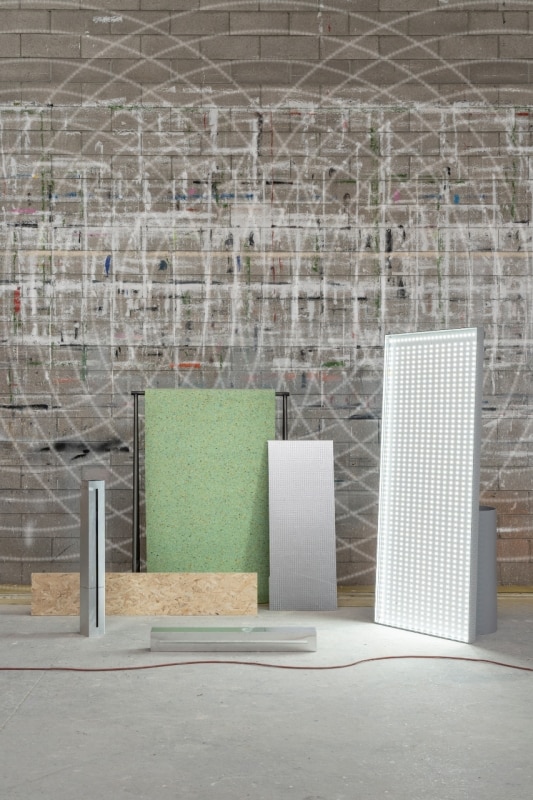
This year, by municipal decision, there will be no roaming advertisements, no human billboards, no street-distributed gadgets. Instead, there will be places to pass through. Spaces to enter and exit. Paths that, at times, leave something behind.
Not what we have seen. But what we have begun to imagine.
When design asks you to check in
There comes a moment during Fuorisalone when you stop understanding whether you’re visiting an exhibition—or being invited to stay.
It is no longer about objects. No longer about staging. It feels as if design has taken a step further: no longer asking to be observed, but to be inhabited.
This year, Milan transforms into a city of temporary hospitality.
Objects are not simply displayed. Ways of living are put on trial.
Hotels that are not hotels, homes that are not homes, clubs that are less places than states of mind. Spaces designed to be crossed, certainly—but above all to be lived in, as if they were real. Even if only for a few minutes. This is where design stops being representation and becomes simulation.
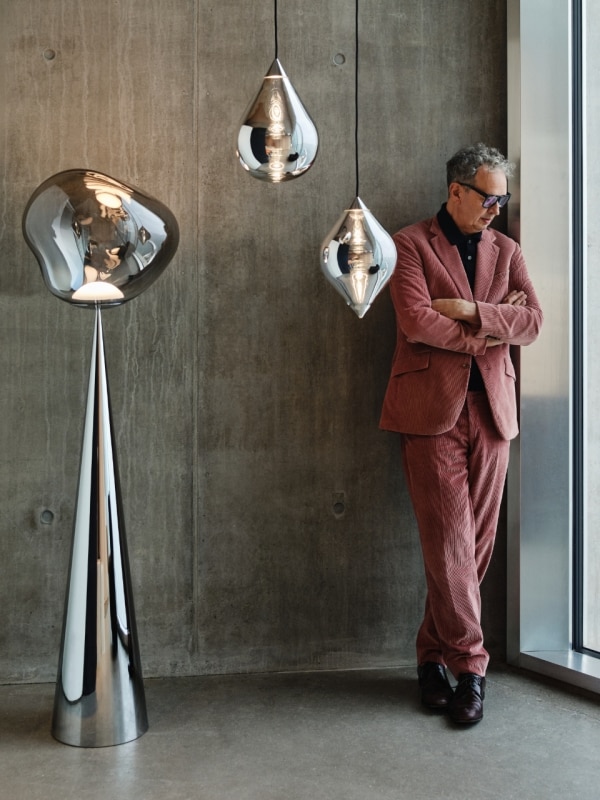
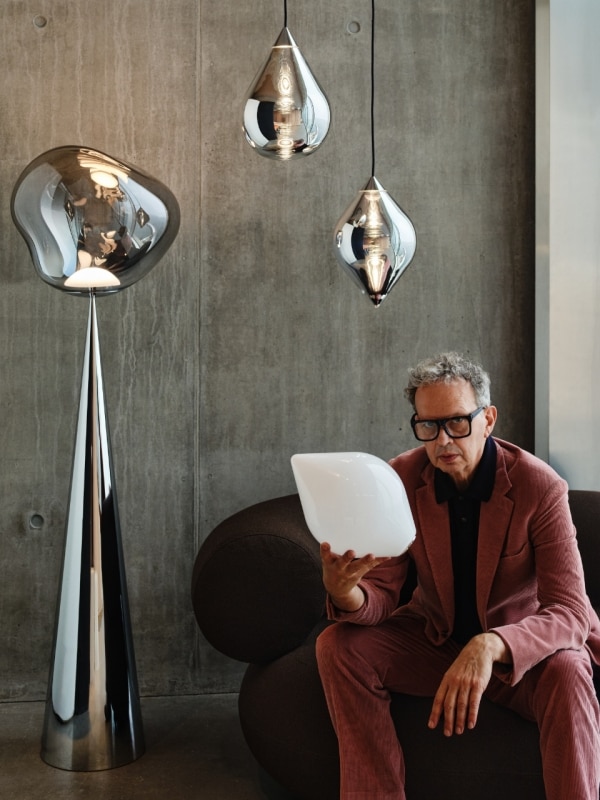
The most explicit—and perhaps most radical—example is Tom Dixon, who at the Mulino Factory (originally designed in 1929 by Cesare Chiodi and Gio Ponti) creates a twelve-room micro-hotel: the Mua Mua Hotel. Not a set, but a complete narrative device. Sleeping, moving, lingering: every gesture becomes part of a designed story.
You don’t enter to see something. You enter to be inside something.
And it’s not an isolated case. At Nilufar Depot, the Grand Hotel offers another variation: rooms as chapters, environments as identities, design as the construction of a habitable imagination. Collectible design ceases to be something to admire or contemplate—it becomes an immersive experience. Even major lifestyle brands move in this direction.
H&M Home makes its Design Week debut by taking over Palazzo Acerbi with an installation that is anything but a product showcase: a choreographed sensory journey, a sequence of environments that turn everyday gestures into rituals.
Then there are hybrid spaces: temporary clubs like Park Hub x Le Cannibale, condensers of urban energy. New hubs such as the Convey Building—set in a five-story 1958 structure with a rooftop terrace in the shadow of Torre Velasca—present themselves less as finished architectures than as promises of future communities.
In this context, even the most democratic design—like IKEA—shifts its approach: no longer just accessible objects, but possible ways of living, developed by designers in collaboration with chefs, staging live cooking experiences that actively engage visitors.
At this point, the question is no longer: do you like this object? But rather: would you like to live like this?
And perhaps this is the real turning point. When design stops designing things and begins designing conditions, it no longer shows us a world. It quietly starts testing it on us.
Feeling design
But another trend emerges from Fuorisalone 2026. More subtle, yet just as evident. Design is no longer content with building spaces to inhabit. It wants to get under your skin.
You find yourself inside environments that do not ask to be understood, but to be felt. Light, sound, rhythm, emotional temperature. Everything contributes to creating a vibration rather than a form.
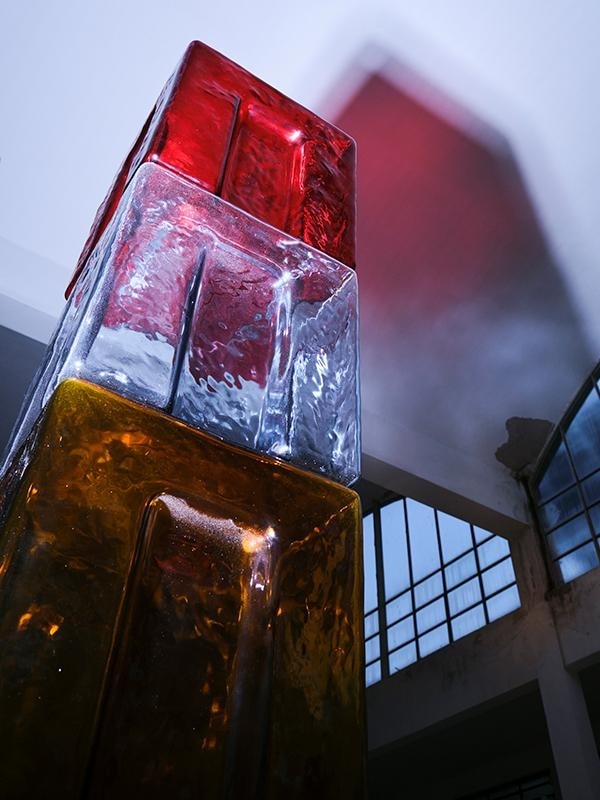
At Piscina Romano, 6:AM works through accumulation and repetition—Over and over and over and over. Glass is not explained: it settles, layers, envelops you. There is no center. There is a gradual, almost physical immersion, where time stretches and loses its edges.
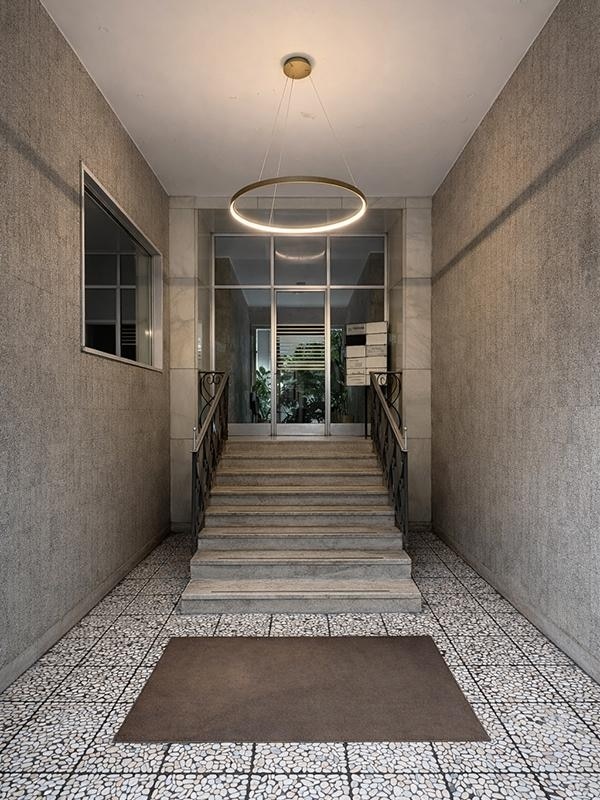
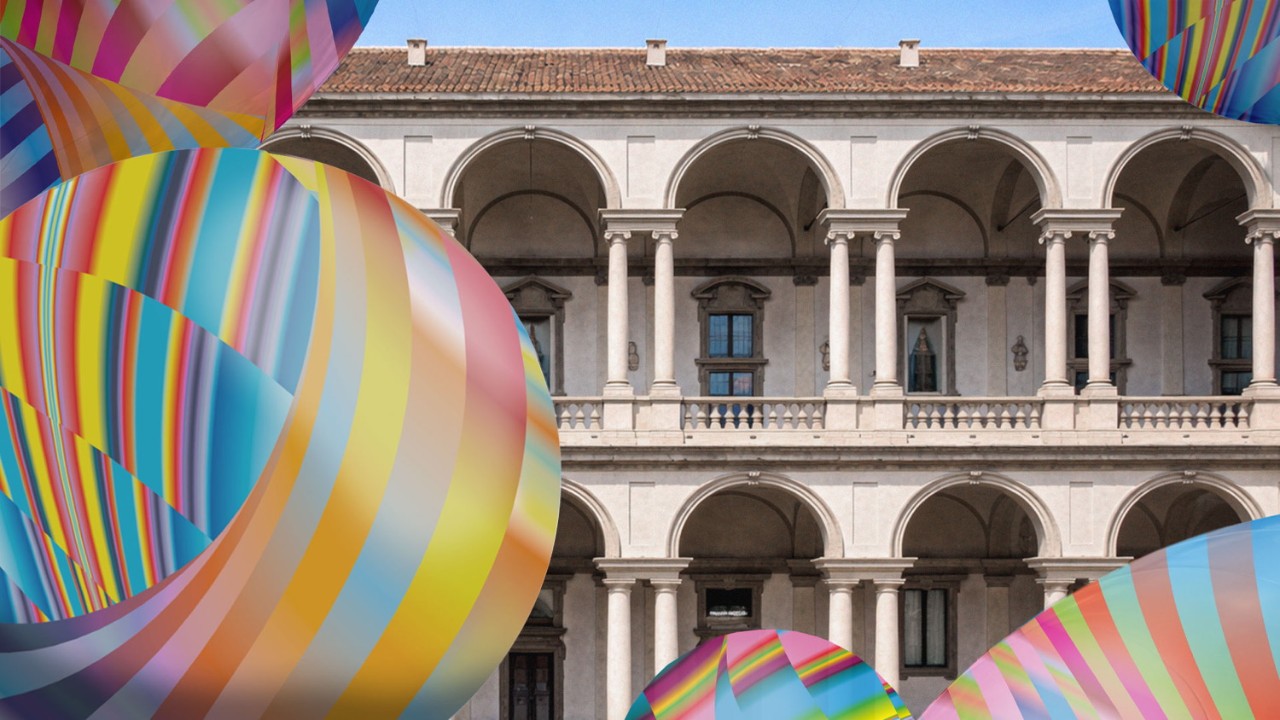
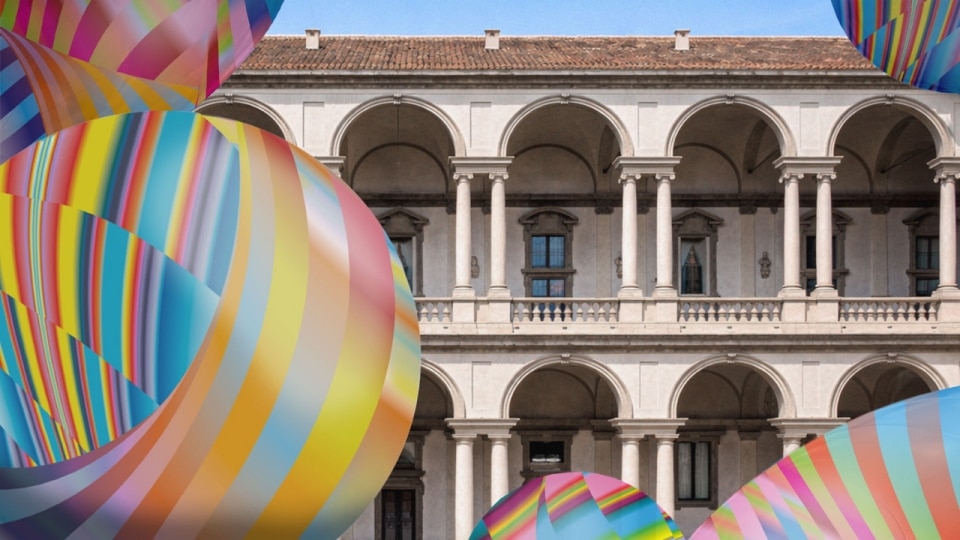
In the loggia of the Pinacoteca di Brera, Sara Ricciardi’s project for American Express takes an intriguing shortcut: it directly invokes chemistry. Serotonin – the chemistry of happiness. Design that promises happiness is slippery ground—but precisely for that reason, compelling. Because it openly exposes a question that runs through many projects this week: how much can an emotion truly be designed?
Then come the immersive machines.
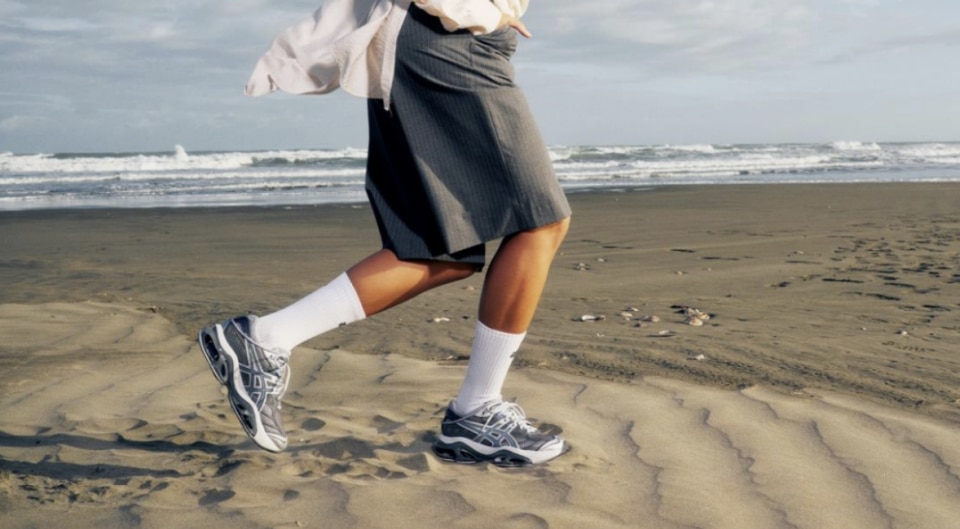
At Garage 21, ASICS creates a reactive landscape where the body becomes an interface, enabling a journey through a retro-futuristic world of tactile, sensory, and playful experiences. You are no longer a spectator, but an active component of the system.
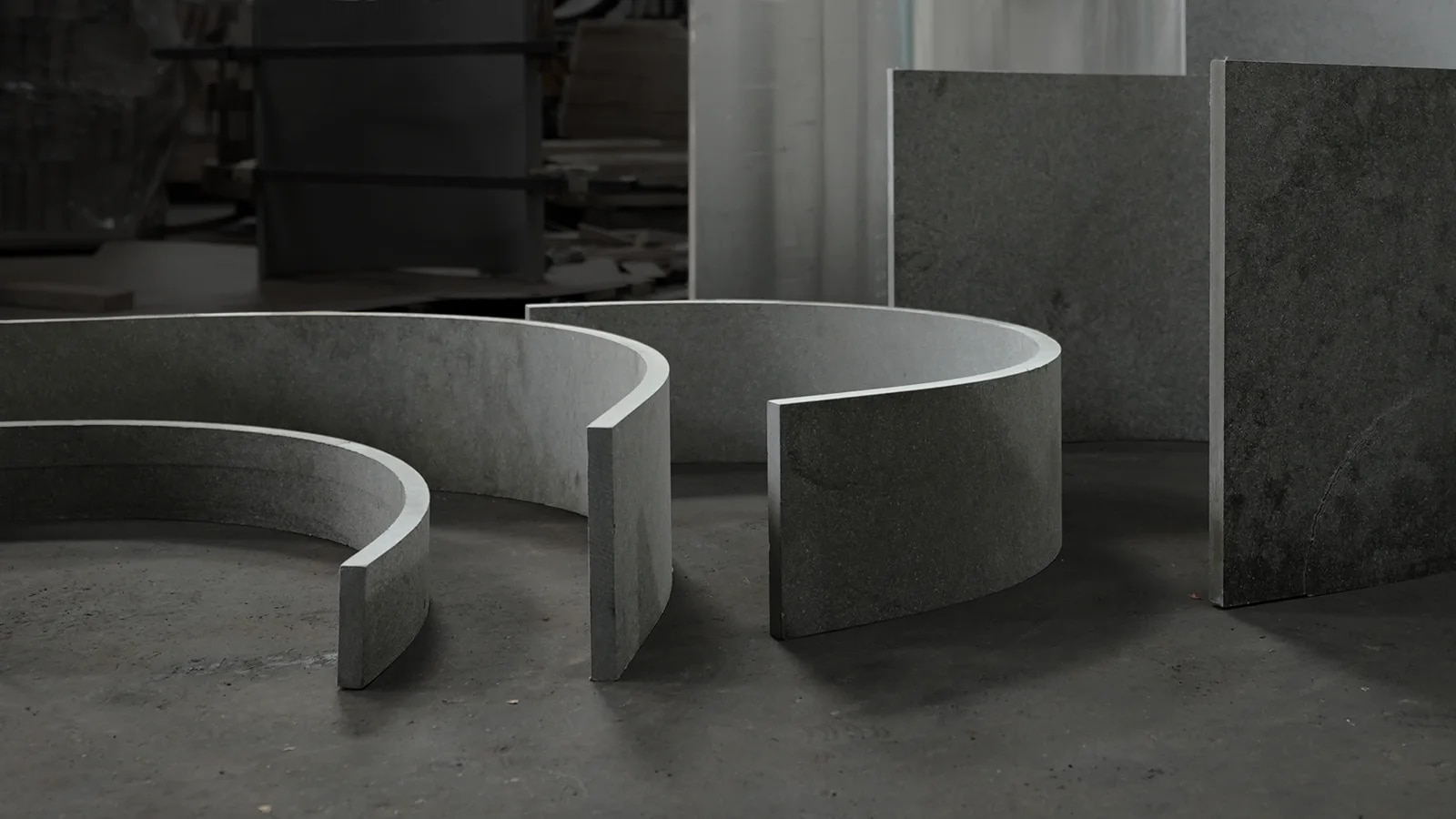
Sony, with Esquisse, works by subtraction: introducing new materials for a sustainable future while awakening new emotional responses. It asks for attention rather than amazement.
When design stops designing things and begins designing conditions, it no longer shows us a world. It quietly starts testing it on us.
And in between, as always, BASE. Hello Darkness. Here design completely abandons reassurance: it opens shadow zones and leaves room for ambiguity and complexity. It is one of the few places where the experience does not seem designed to please, but to regenerate.
What connects these projects is neither style nor language, but a way of feeling.
They do not operate on the surface of things, but on what happens inside those who move through them. And so the question shifts again: not what am I seeing? But what is happening to me?
The almost physical need to touch
After so much stimulation, an opposite need begins to emerge. To pause. To touch something that resists. To feel weight.
Within the sensory euphoria of Fuorisalone, a quieter yet persistent desire surfaces: a return to materiality. Not as surface, but as presence.
At the Università Statale, the many installations by Interni dedicated to Materiae evoke a near-primordial dimension: matter as origin, as generative force.
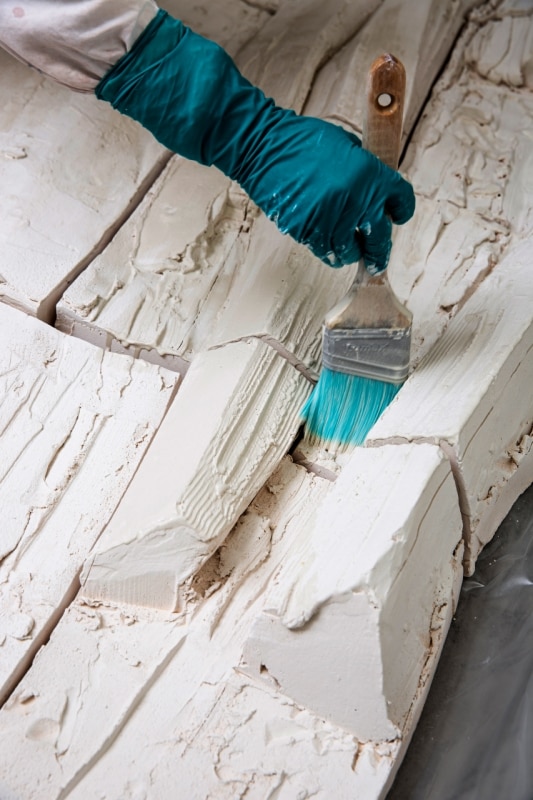
At Officine Saffi, Hannes Peer works precisely on this threshold. Ceramics are not treated as fragile or decorative objects, but as surfaces that retain energy and act as deposits of time.
Estúdio Campana for Art de Vivre transforms the carpet into a living skin: an organism rather than an object, with textures that grow and structures that seem to expand. In the dialogue between Antonio Marras and De Castelli, metal loses its symbolic rigidity. It is scratched, oxidized, opened to a narrative—almost painterly—dimension. No longer structure, but inscription.
And then, almost hidden yet extremely powerful, Matteo Cibic’s Floresta Futuristica in the secret garden of Hotel Senato. Here, matter is not evoked. It is declared, exhibited, pushed to excess. A vegetal landscape entirely in ceramic: monumental flowers, totemic plants, out-of-scale presences. Glazed surfaces capture light and return it with an almost liquid density. Proportions are deliberately extraordinary, outside any conventional order. This is not nature imitated. It is nature reinvented through matter.
And here emerges Bosa’s ability to turn even the most complex visions into reality, pushing ceramics beyond their domestic dimension into landscape. An artificial forest that feels paradoxically alive. Not because it imitates nature—but because it retains its logic: growth, variation, imperfection.
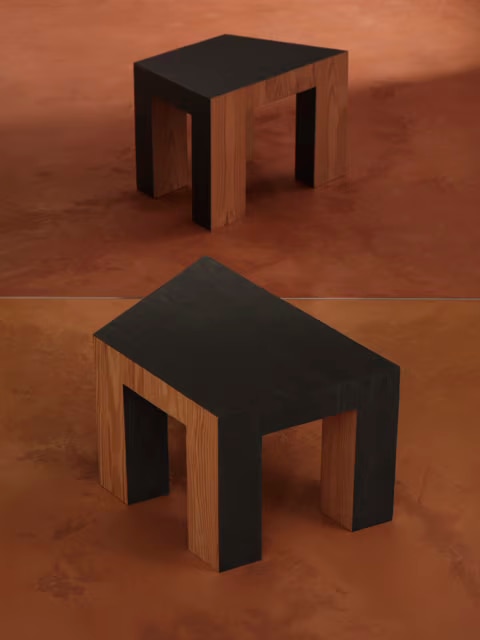
Across all these projects, there is no nostalgia for craftsmanship. There is trust. Almost a belief in the capacity of matter to hold together gesture and time, body and space, memory and present.
Perhaps this is why they work. Because in a world where everything accelerates and dematerializes, here the opposite happens. Here something remains. And it can be touched.
Thinking (or declaring?)
There comes a moment when design feels the need to speak. To make itself explicit, to take a stance, to construct a discourse.
At Fondazione Luigi Rovati, USM, with Snøhetta, operates precisely on this threshold. Renaissance of the Real does not explain what reality is. It places you inside it. A temporary refuge from digital acceleration, where the sensory intelligence of the physical body can be rediscovered.
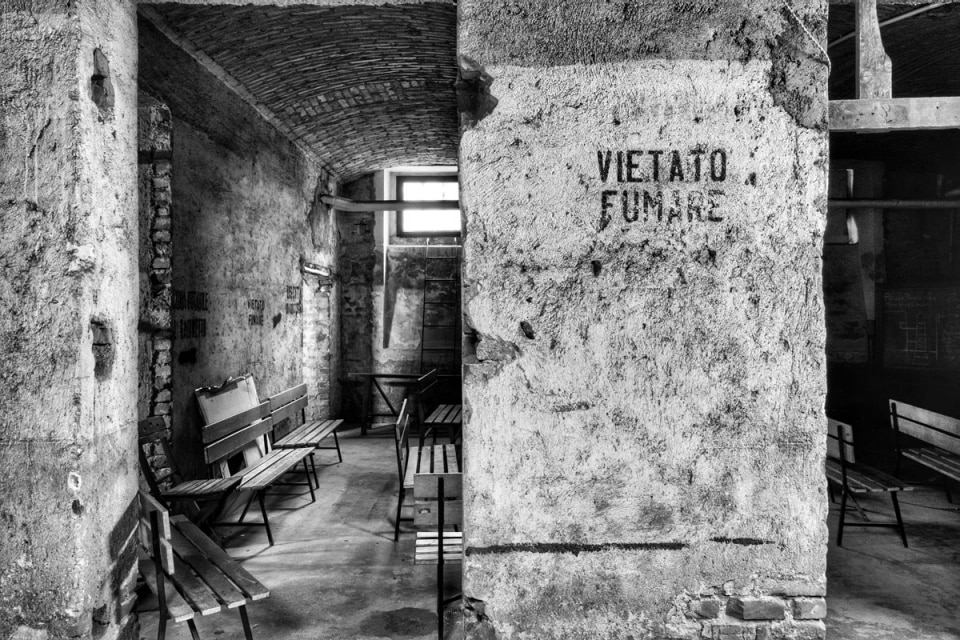
In the peripheral fabric of Municipio 9, this urge becomes more explicit. The bunkers of Repubblica del Design, with 100 cose da non dimenticare, open an almost archaeological dimension: design as a tool to bring back what has been removed.
Not what am I seeing? But what is happening to me?
And then there are suspended projects. They do not abandon meaning, but neither do they fully expose it.
This happens in many diffuse installations, where narrative remains implicit—entrusted more to sequence than to declaration.
Or in those projects that construct recognizable environments without locking them into a single interpretation. They do not demand to be fully decoded, but neither do they simply happen. They remain on a threshold. All of this is necessary. In fact, it is one of the most interesting aspects of this Fuorisalone. But at times, there is the sense that design risks becoming too self-aware. Too invested in constructing its own narrative. Too accompanied by explanations. And yet, almost as a counterpoint, something else happens.
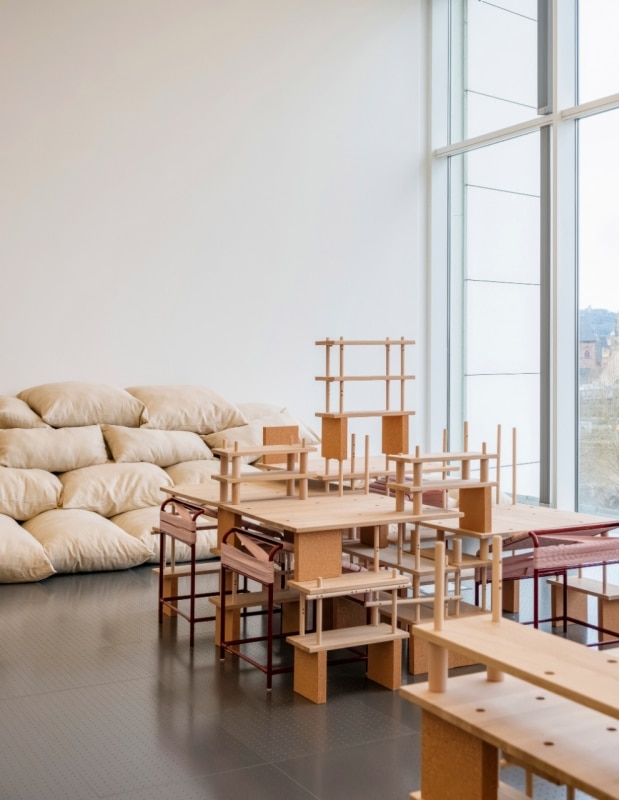
At Superstudio Village, Fili d’Anima by Francesca Fossati presents itself without declaring anything. It does not introduce a discourse. It does not build a thesis. It allows itself to be used.
Modular carpets, handmade in Sardinia using the pibiones technique, in collaboration with the Su Marmuri cooperative. Inspired by traditional tiles, the principle is simple: rotation, variation, combination. Modules shift, space changes—without needing explanation. Here, design does not ask for interpretation. It asks to be traversed.
And within this simplicity, everything is there: a technique that continues, a knowledge that evolves, a use that remains open. Perhaps this is the subtle line of this Fuorisalone.
Not between thinking design and non-thinking design—but between design that feels the need to declare itself, and design that simply happens. And for that very reason, sometimes lingers longer.
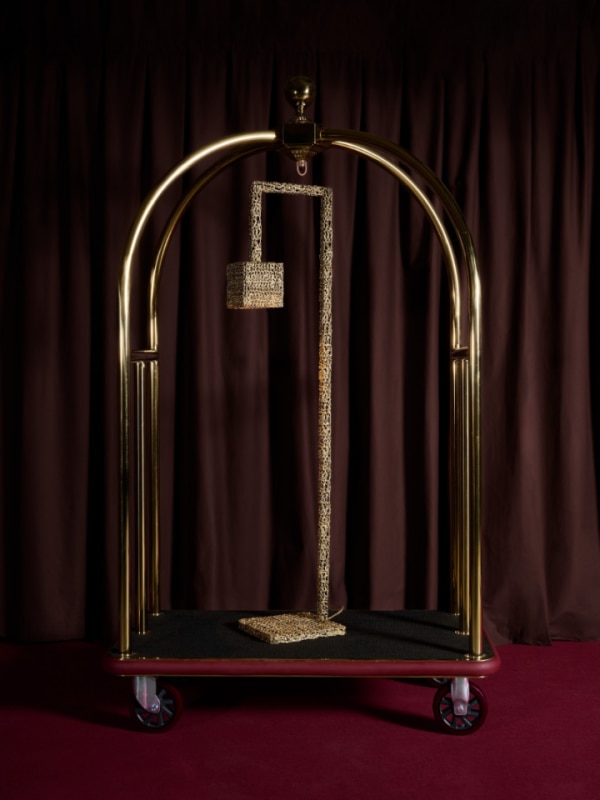
Fuorisalone ends like this. Not with a synthesis, but with a dispersion.
Everyone returns home with their own inner geography—made of partial images, chance encounters, instinctive preferences. And with a feeling, difficult to explain, of having moved not just through a city, but through a series of possible lives. Lives we don’t yet know if we would truly want to inhabit.
But that, for a few days, we have already begun to experience.