



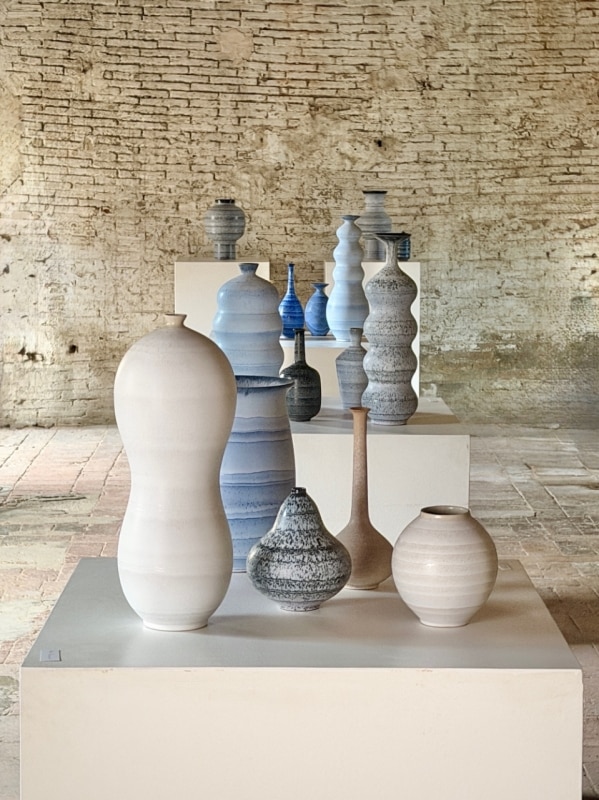
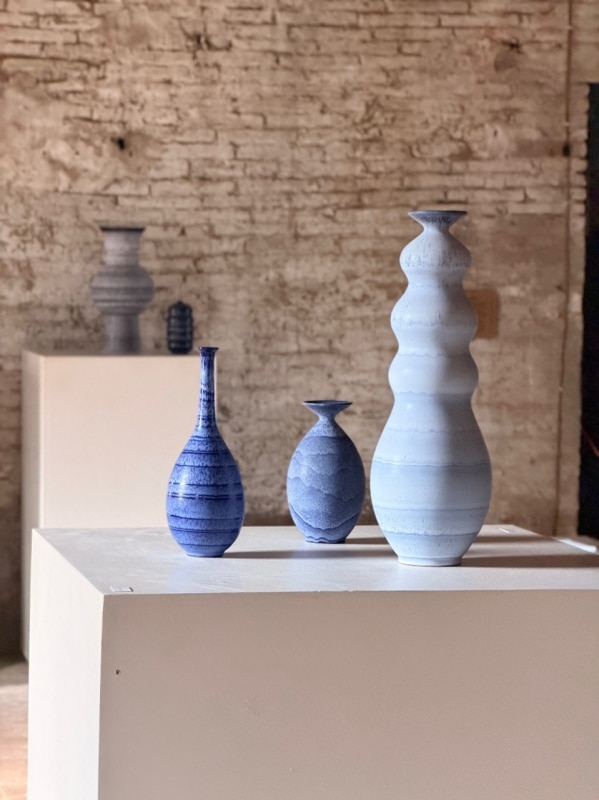
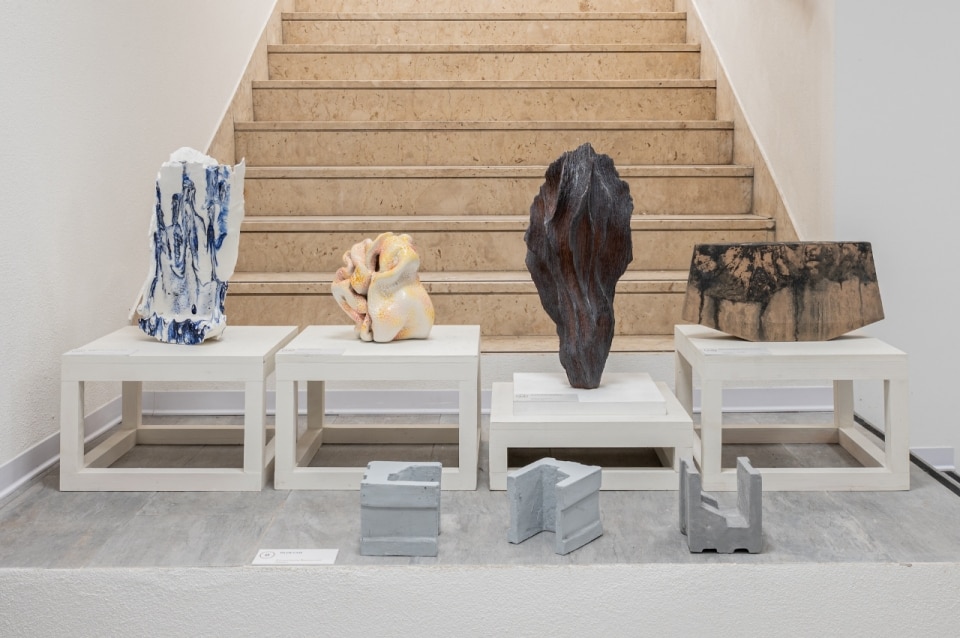
A return of meaning, a renewed and massive attention from the world of collectible design, commercial hype and, above all, hobbyist enthusiasm: in just a few years, ceramics have reclaimed center stage. With one major downside. Moving through the various Design Weeks, exhibitions and fairs that now saturate the global calendar – and mercifully slow down toward the end of the year, more for our sake than theirs – the overabundance of ceramic-related content risks flattening what ultimately sticks in the public’s mind into a single, weary concept: #littlevases.
To bring some clarity, setting aside the white noise of aperitivo-workshops and nonstop events, we nonetheless took advantage of a celebration, Cèramica, the festival that the town of Montelupo Fiorentino dedicates to an art form of which it has been a hub for centuries. From there, an image began to take shape of what remains of such a long tradition, and above all of where ceramics might truly be going next.
A brief, centuries-long name-dropping session
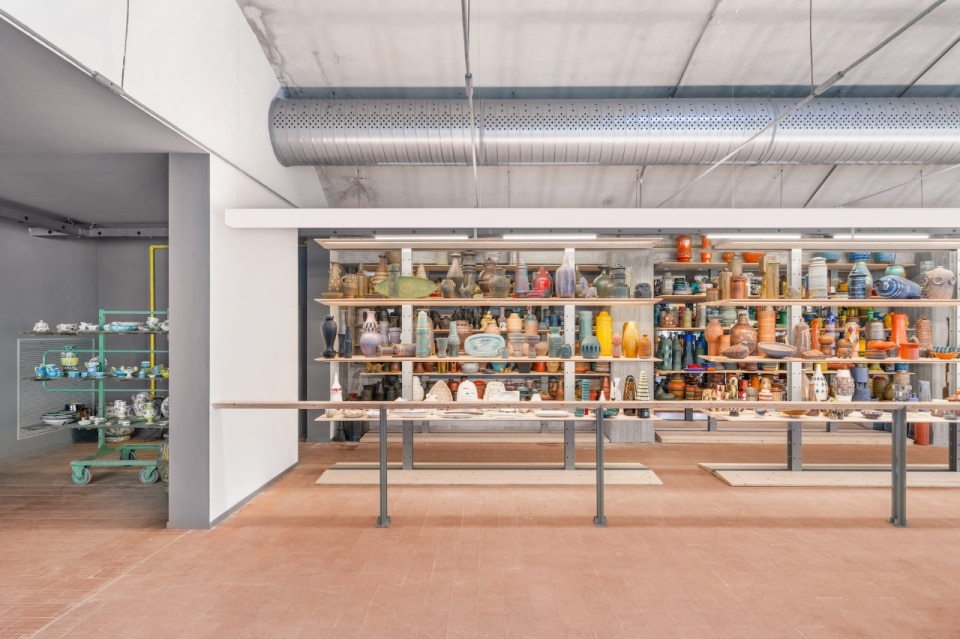
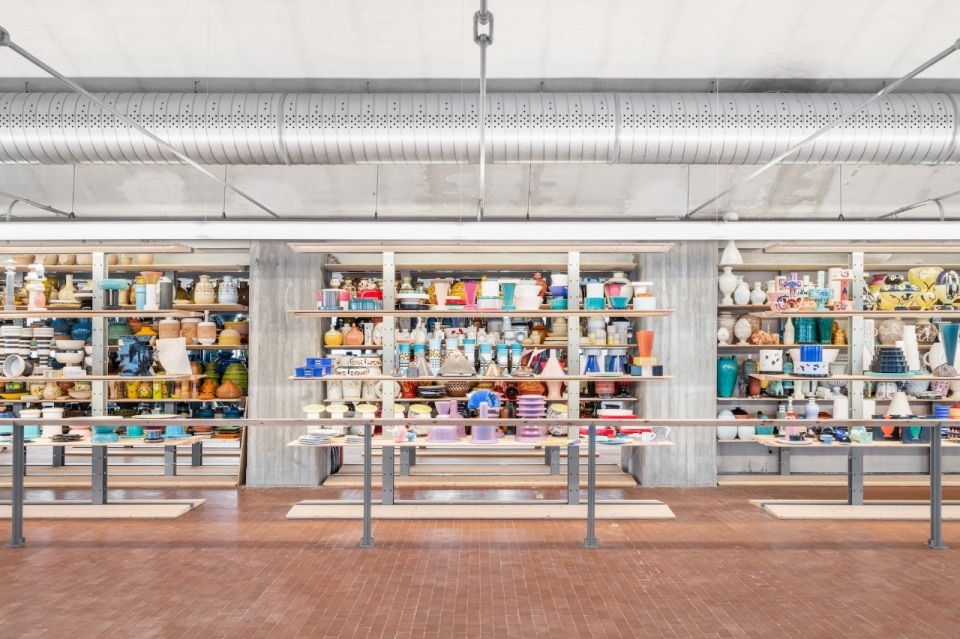
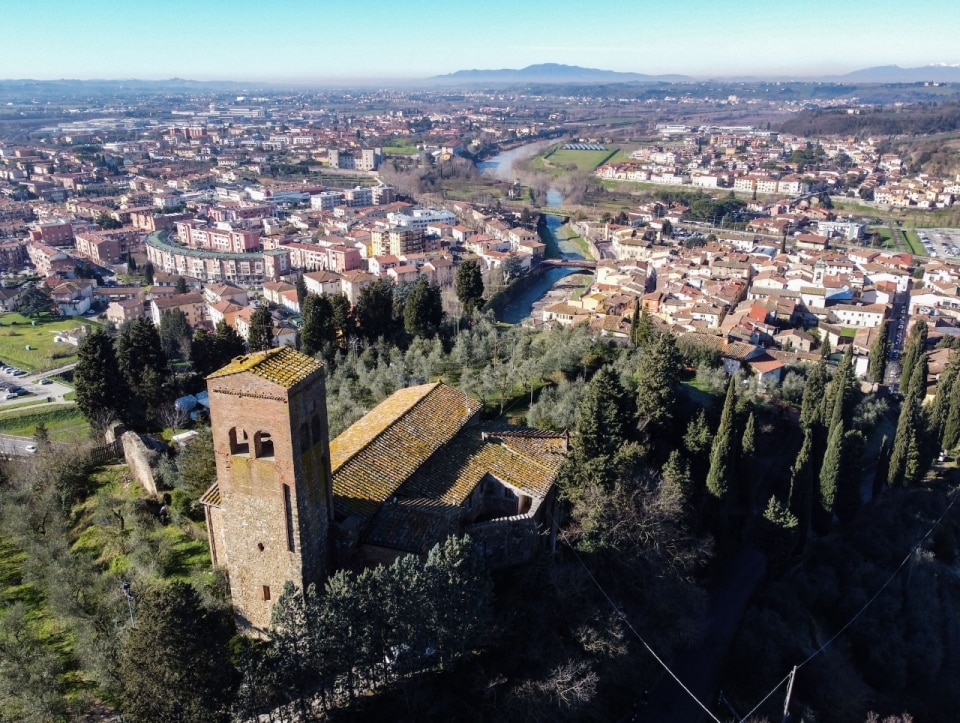
Why Montelupo? The answer is a well. Pozzo dei Lavatoi (the Lavatoi Well), at the top of this medieval town nestled at the confluence of the Arno and the Pesa rivers: in the 15th century it collapsed and became a dumping ground for defective ceramics, filling up until well into the 18th century. Rediscovered in the 1970s, it revealed an already ordered archive of a very long history: objects of use, but also, and above all, of decoration. Highly sought-after status symbols for Medici Florence, but also vessels for pharmacies and hospitals; techniques, colors and figures that cross centuries and construct an identity.
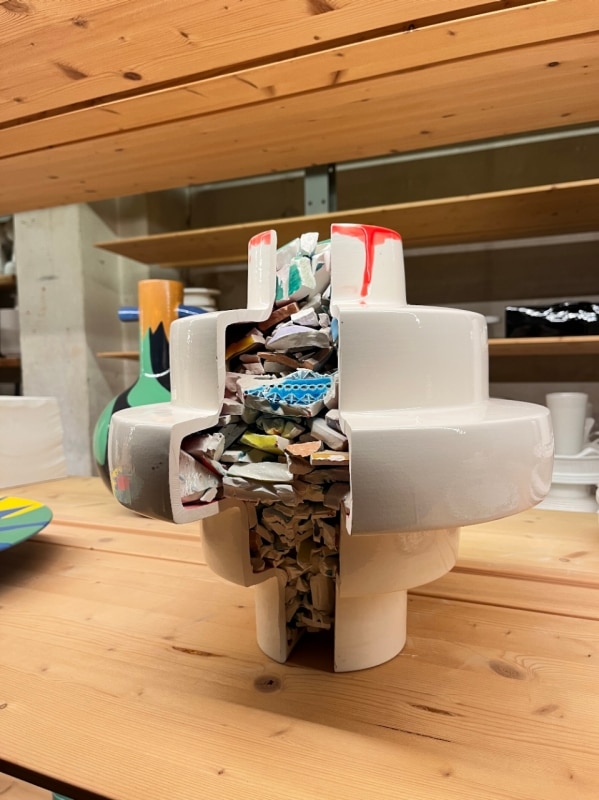
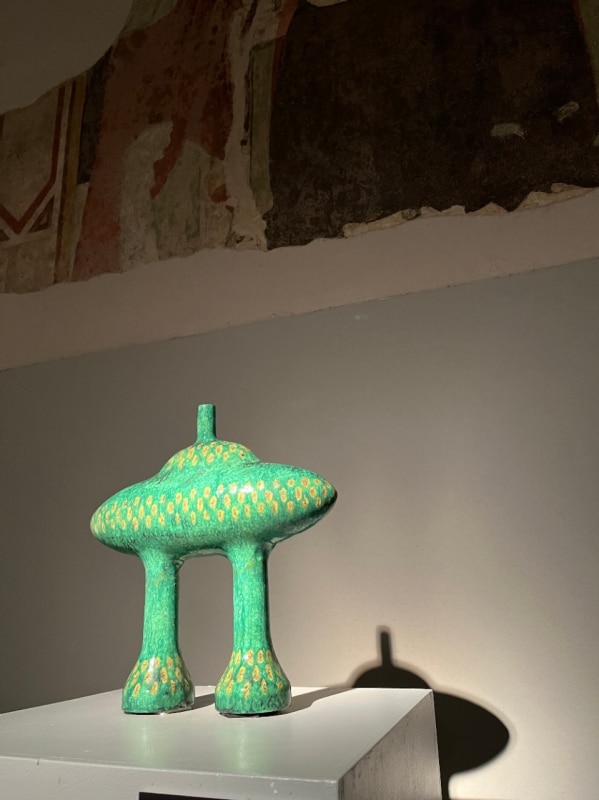
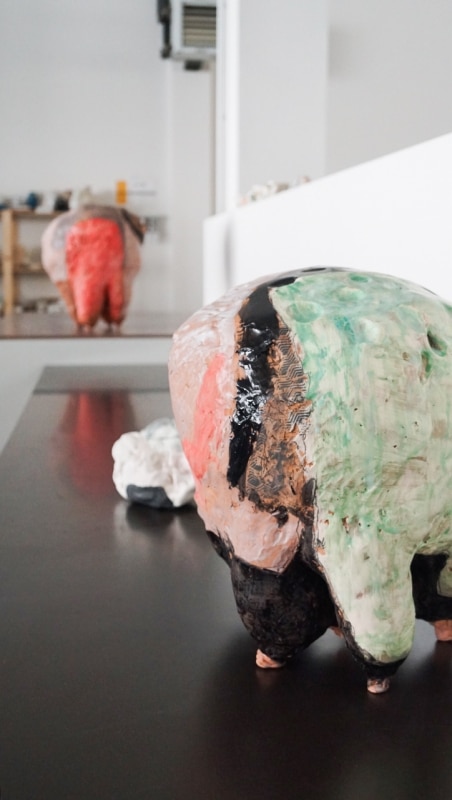
There is a vase by Duccio Maria Gambi, created during his residency at Bitossi, that tells this story, but we’ll return to that. It is an identity that survives into the 20th century. Then is about Christian Dior wanting the Harlequins of Montelupo artist Eugenio Taccini for his ateliers; Bruno Bagnoli starting from stoneware – a material once destined for sewer pipes, long obsolete and not yet the industrial monopoly of flooring – to explore formal research between the avant-gardes and concrete art, weaving a network of exchanges that eventually includes Gio Ponti.
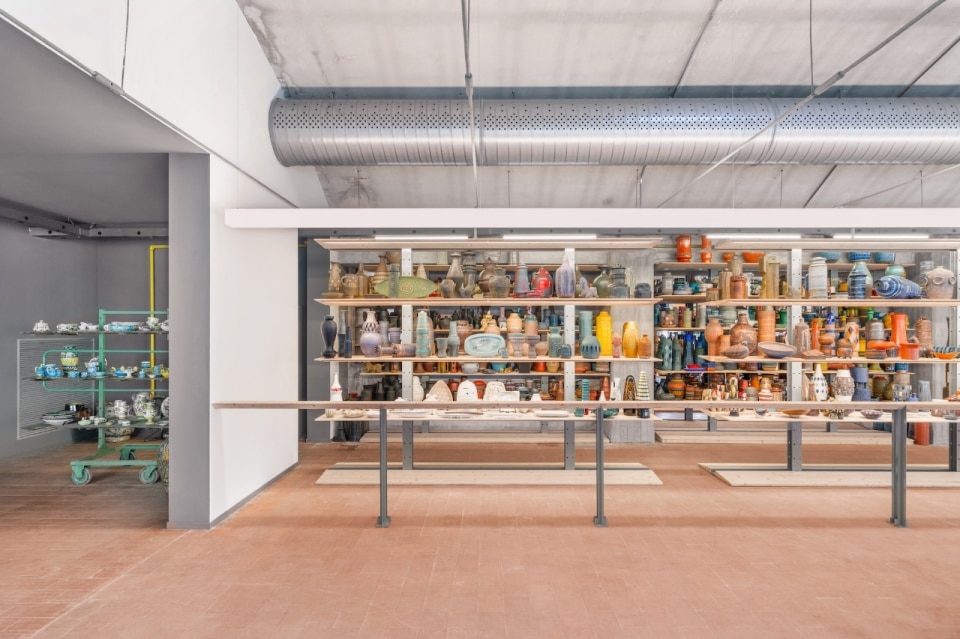
This is how Montelupo became a precise term within the Italian discourse on decoration, and an international one as well, through the objects that Aldo Londi designed for Bitossi in the postwar period. Not only did Londi speak English – and that mattered – but he also would translate the zeitgeist of the modern, then the postmodern, and finally the contemporary into form.
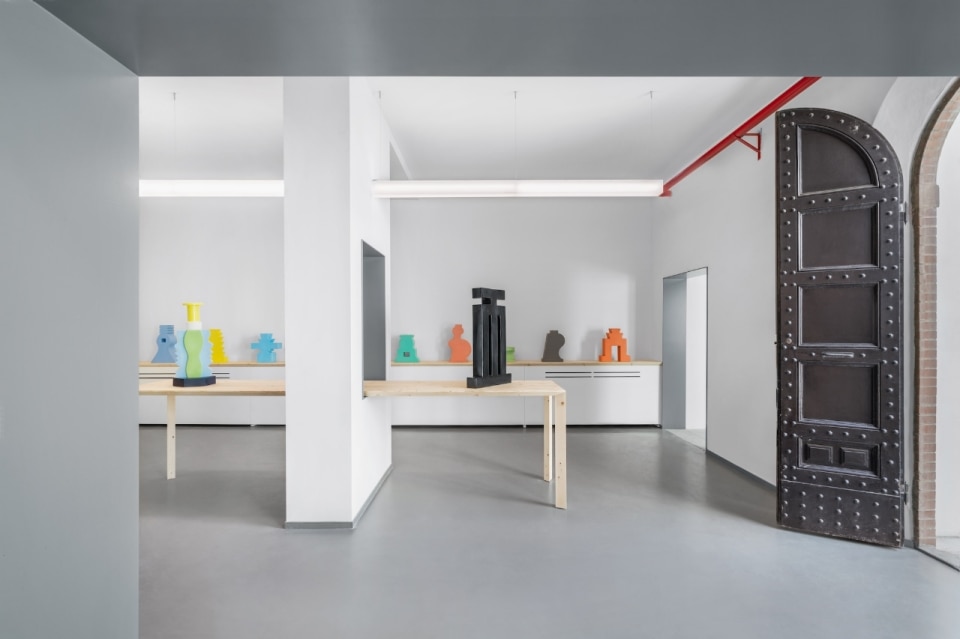
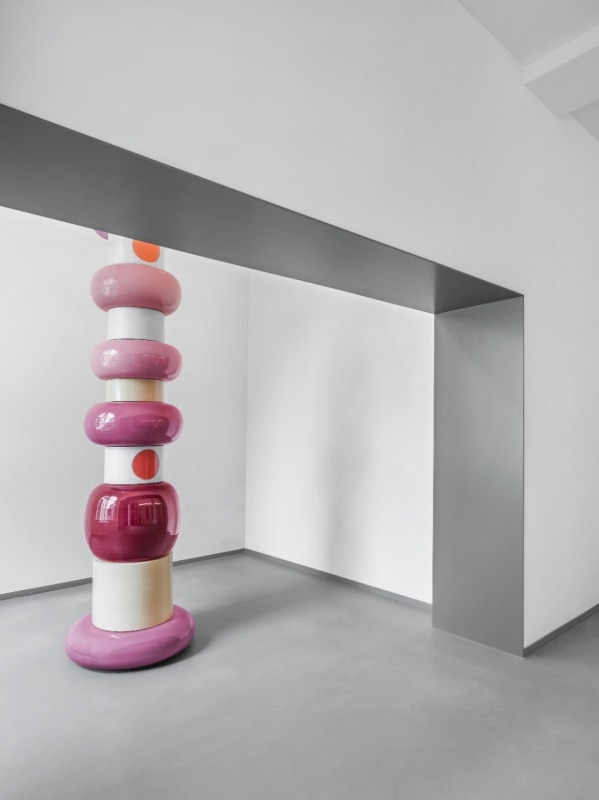
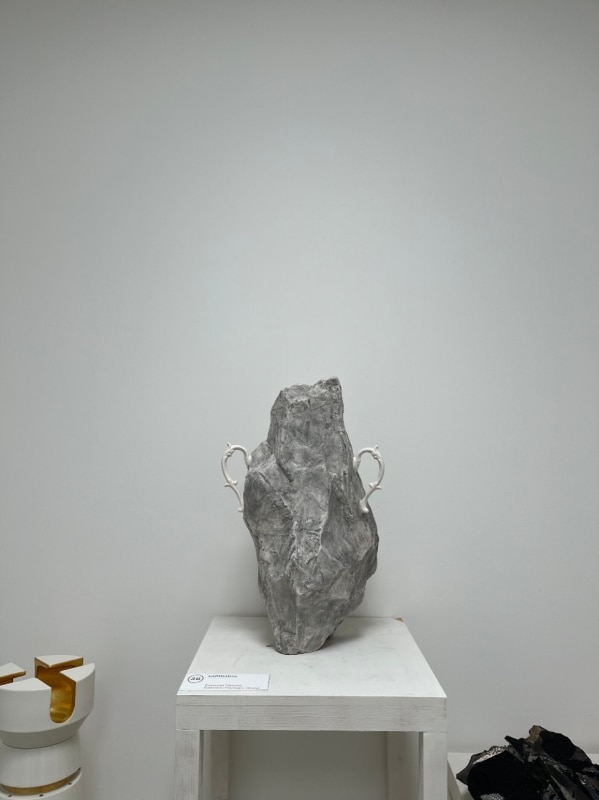
From this point on, Montelupo ceased to be merely a site of production and became a laboratory of languages. Ettore Sottsass was a constant presence from the mid-1950s onward, followed by other Memphis figures such as Nathalie Du Pasquier and Michele De Lucchi. The ecosystem then kept growing with names like Faye Toogood, Formafantasma and Rooms Studio, to name just a few; or, finally, with Gambi’s work on reuse and waste, explicitly recalling the Lavatoi Well itself.
“Bridging Craftsmanship and Design”
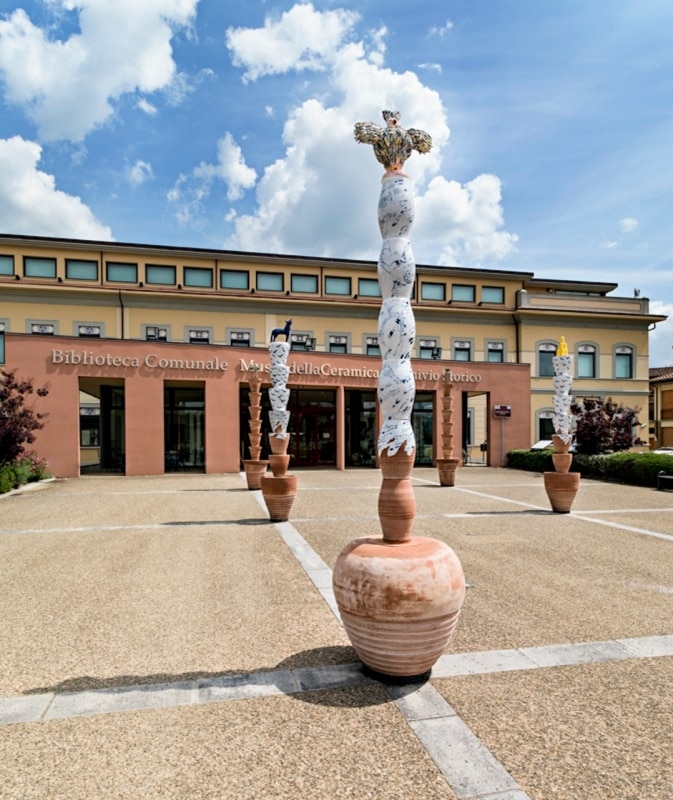
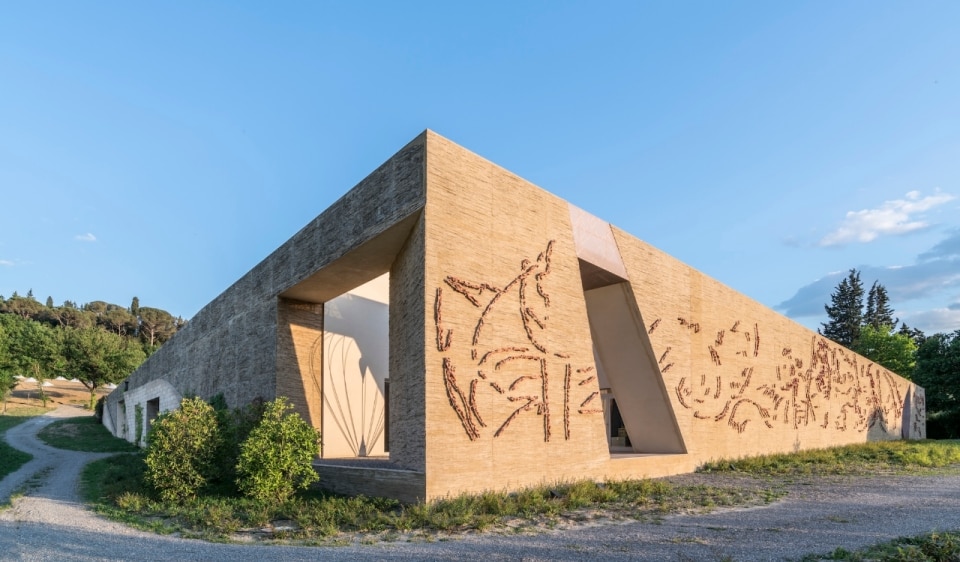
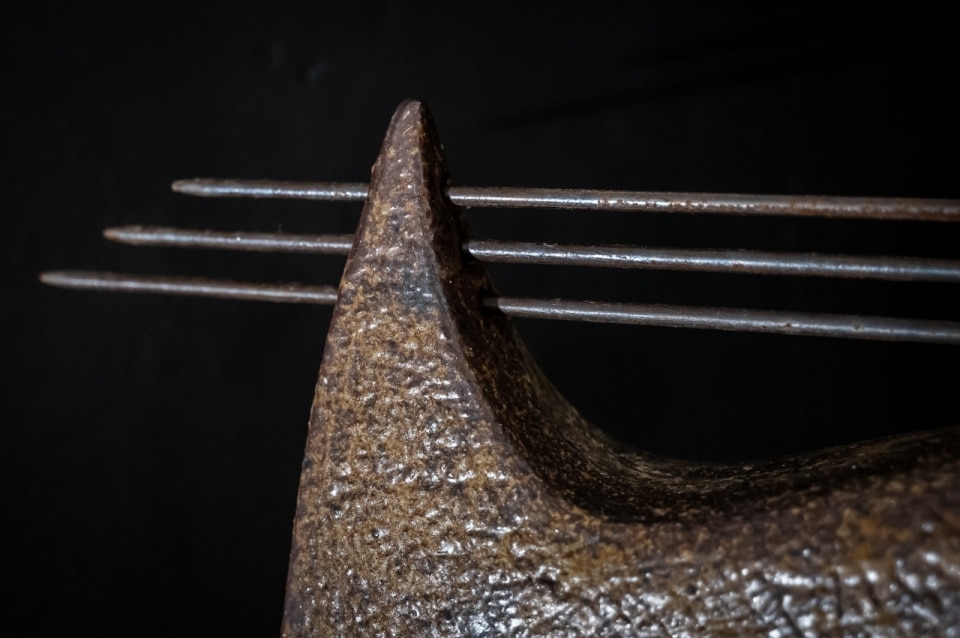
By now it’s clear: ceramics have never really stopped in Montelupo. There have been relaunches, such as the one in the 1990s that renewed the focus on productive identity – bringing ceramics even into decidedly non-discreet buildings like Marco Dezzi Bardeschi’s structure for public services – and ongoing presences like Ugo La Pietra, who designed public spaces, or Marco Bagnoli, whose atelier-archive just outside the town becomes a living architectural artwork. Here too, ceramics act as a manifesto: the red selenium galestro of his Sette Dormienti (Seven Sleepers).
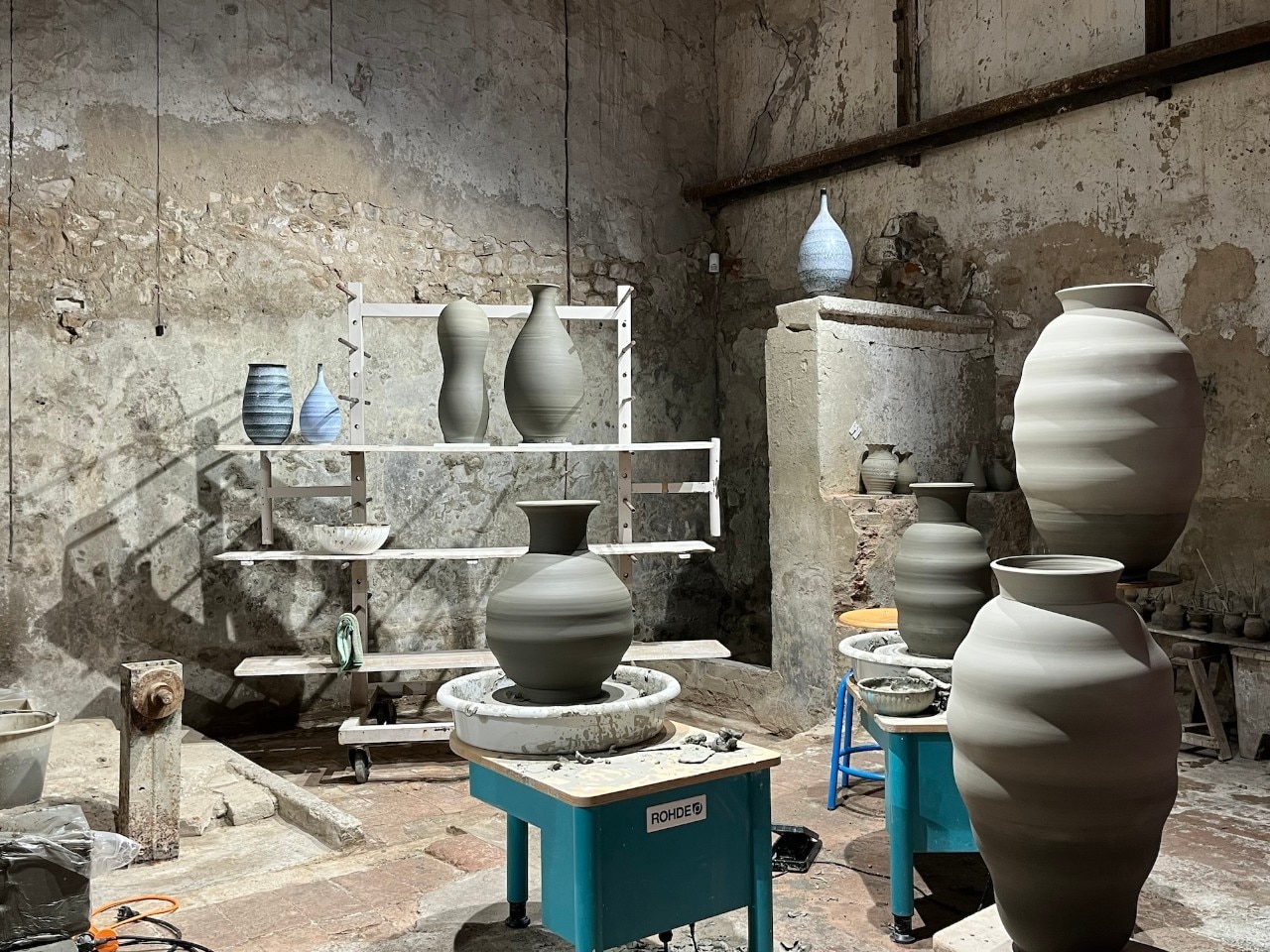
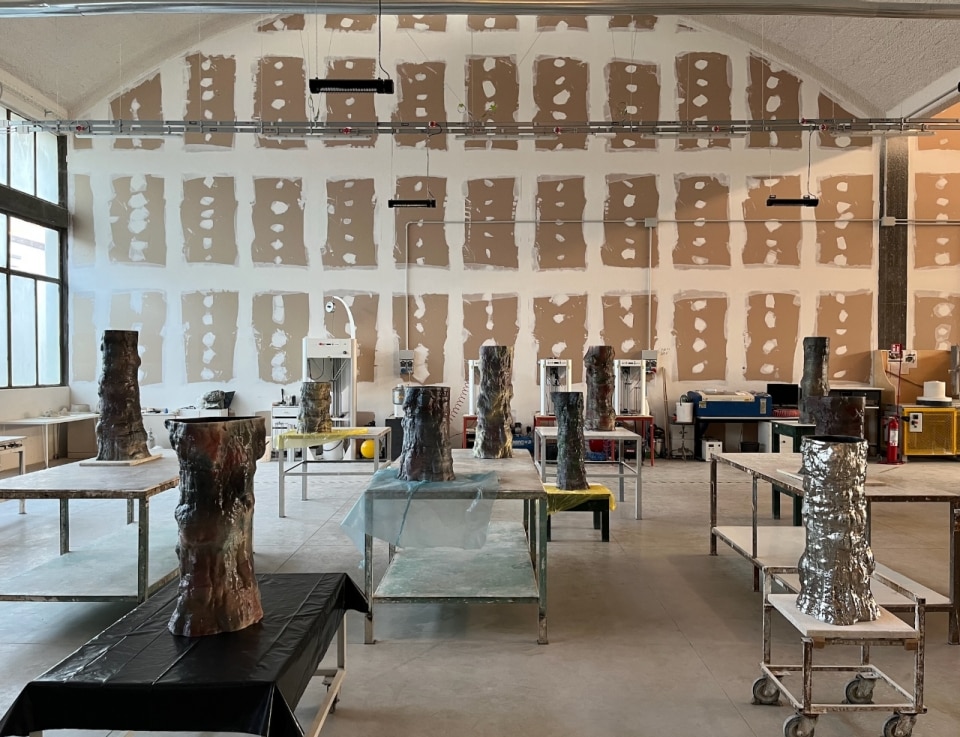
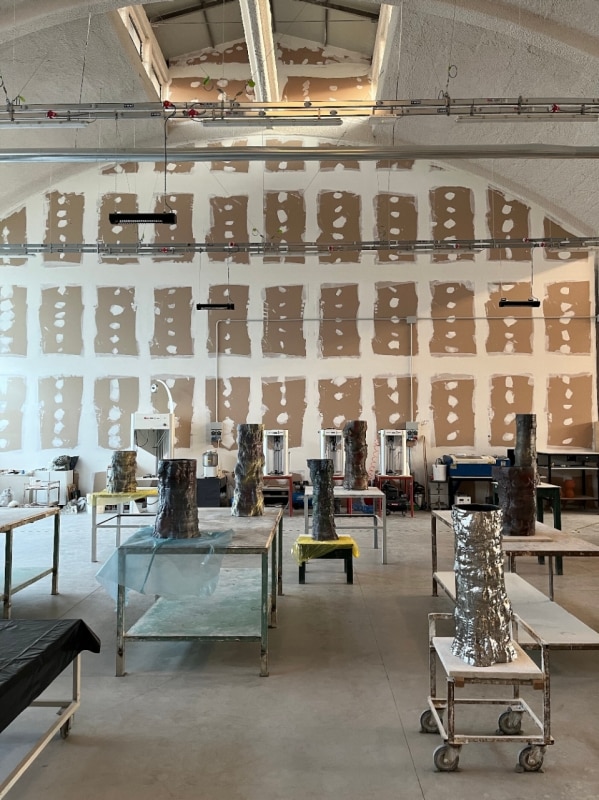
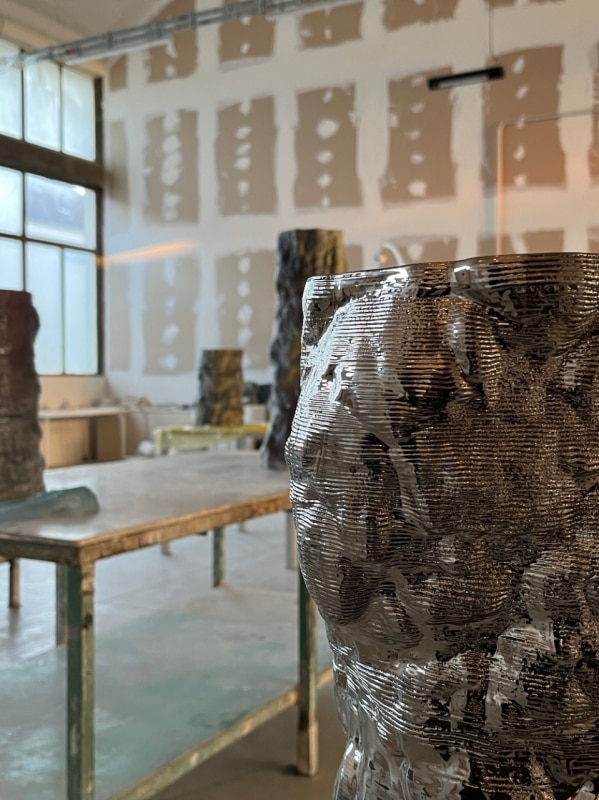
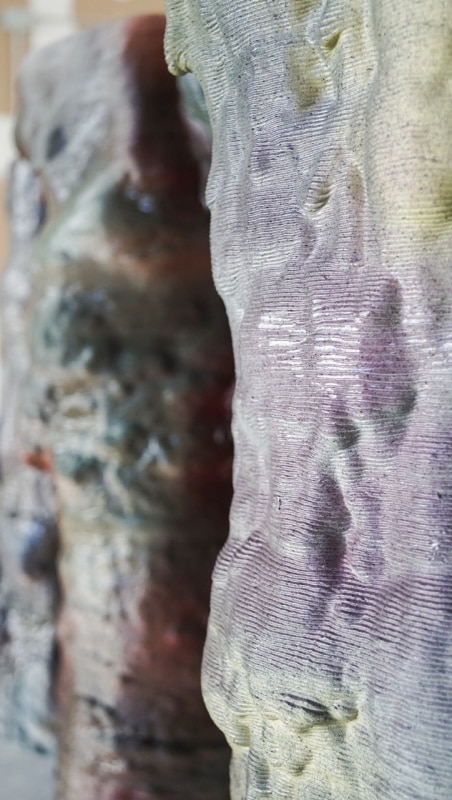
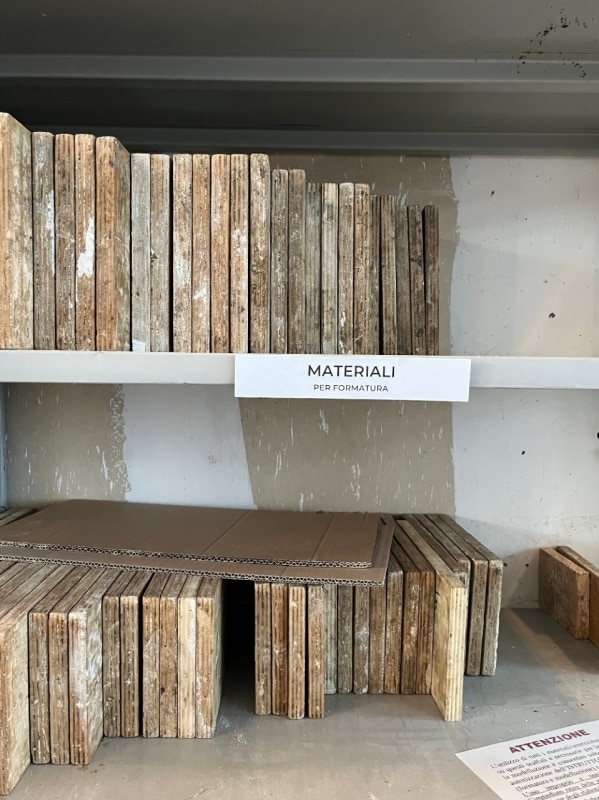
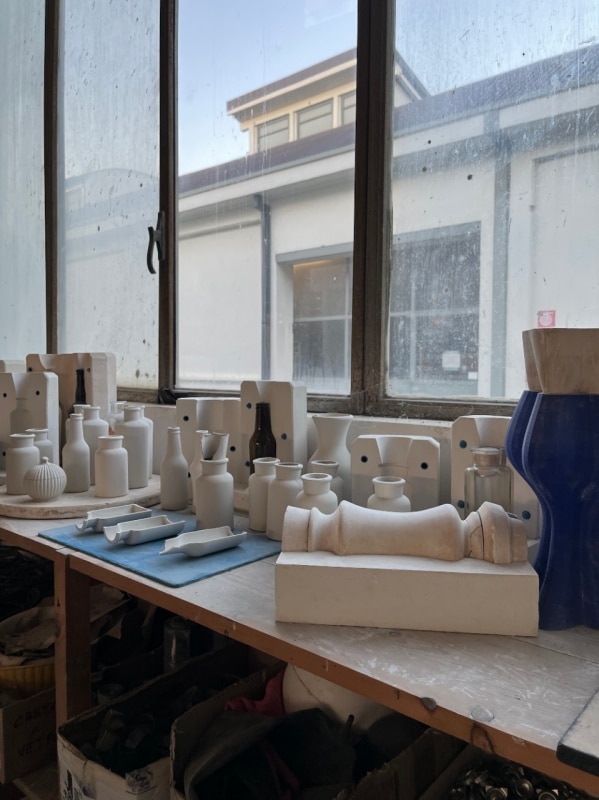
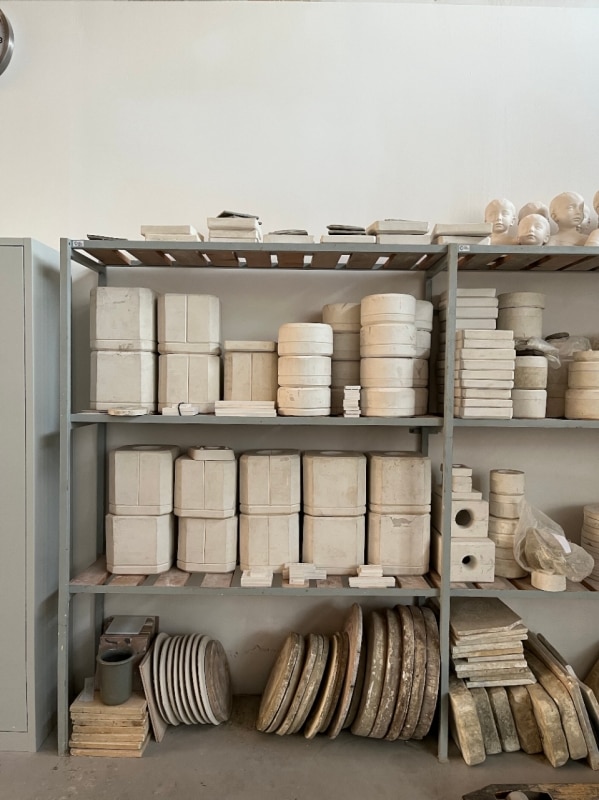
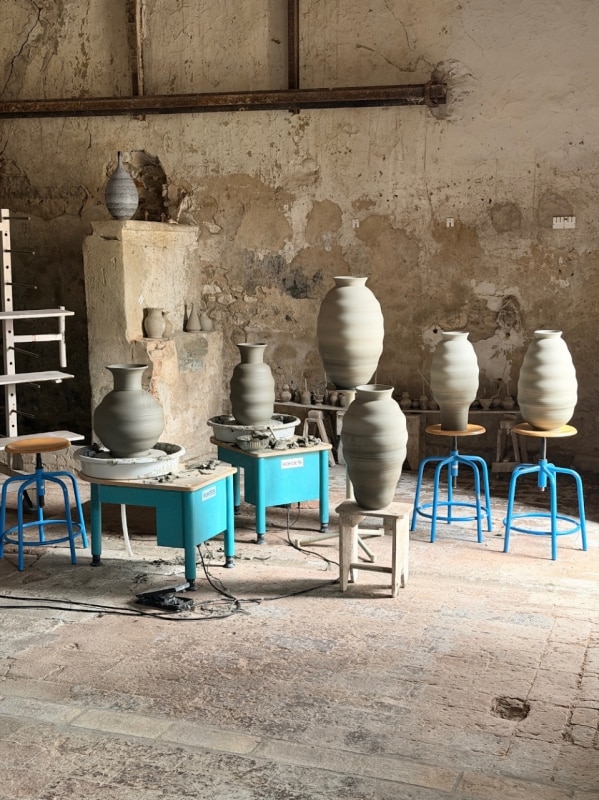
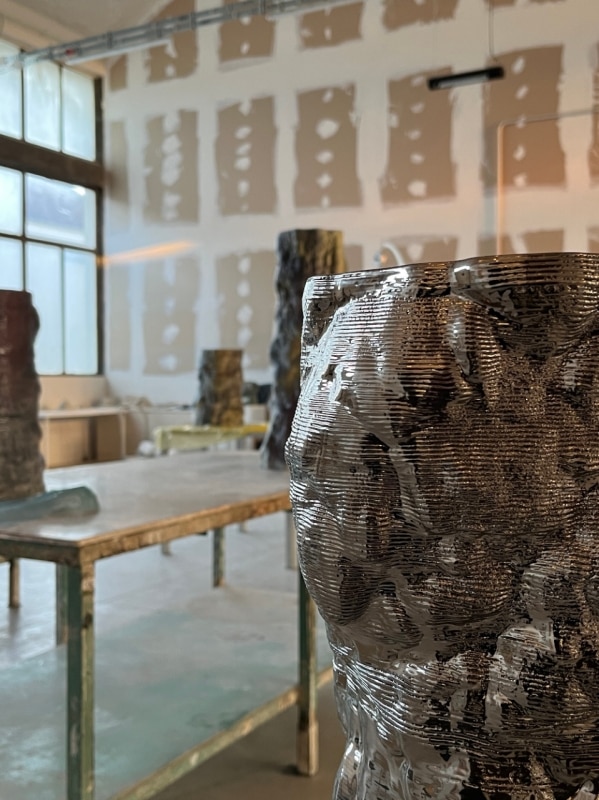
Above all, there is a School. A School of Ceramics that is currently the only one in Italy to issue professional diplomas. Among spaces dedicated to modeling and firing, and an installation by Riccardo Previdi – a study in volume, 3D printing and the coloring of tree trunks – one area stands out: the space dedicated to training in forming. It is precisely in forming that the transition from manual practice to potential serial production takes place. It is the passage of the object from a one-off whose value is tied to the artist, to a product whose value lies in use, circulation and participation in a collective rather than individual scene.
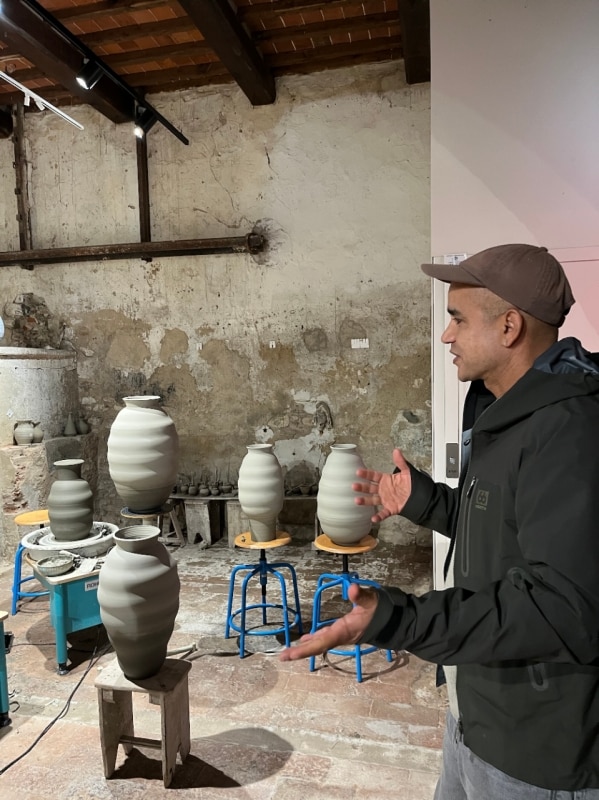
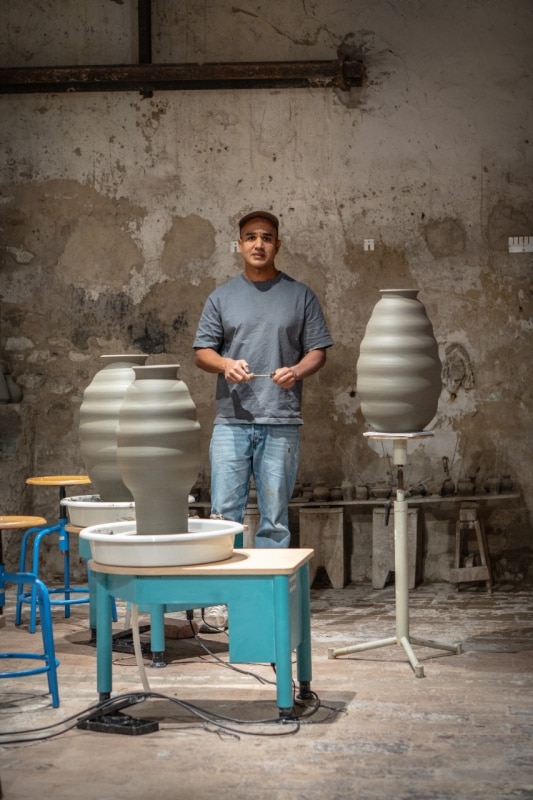
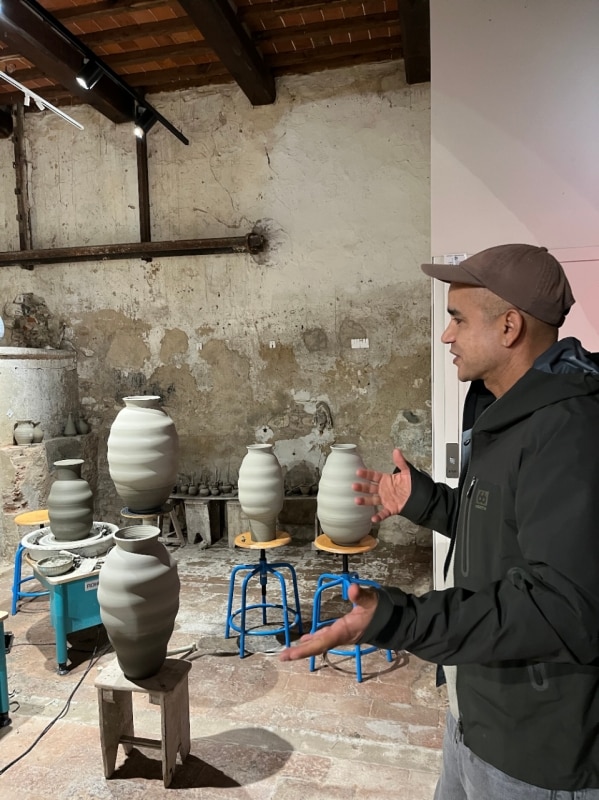
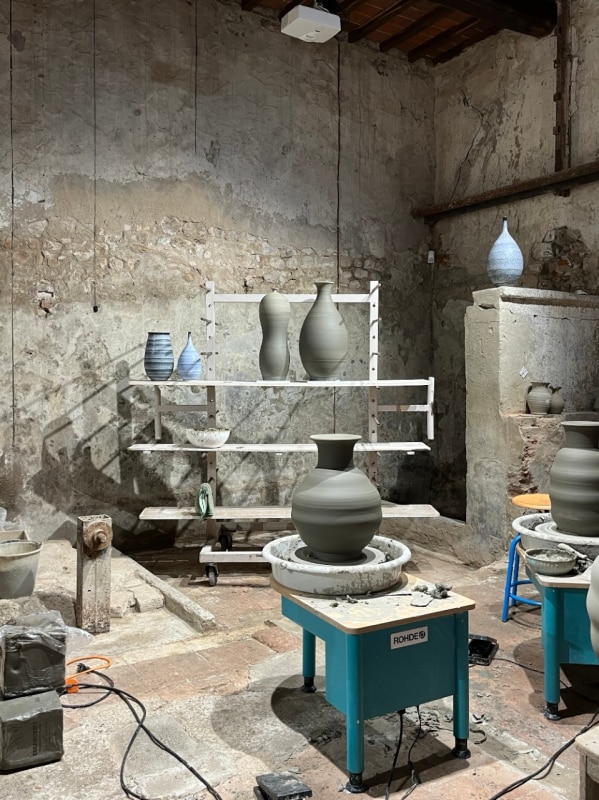
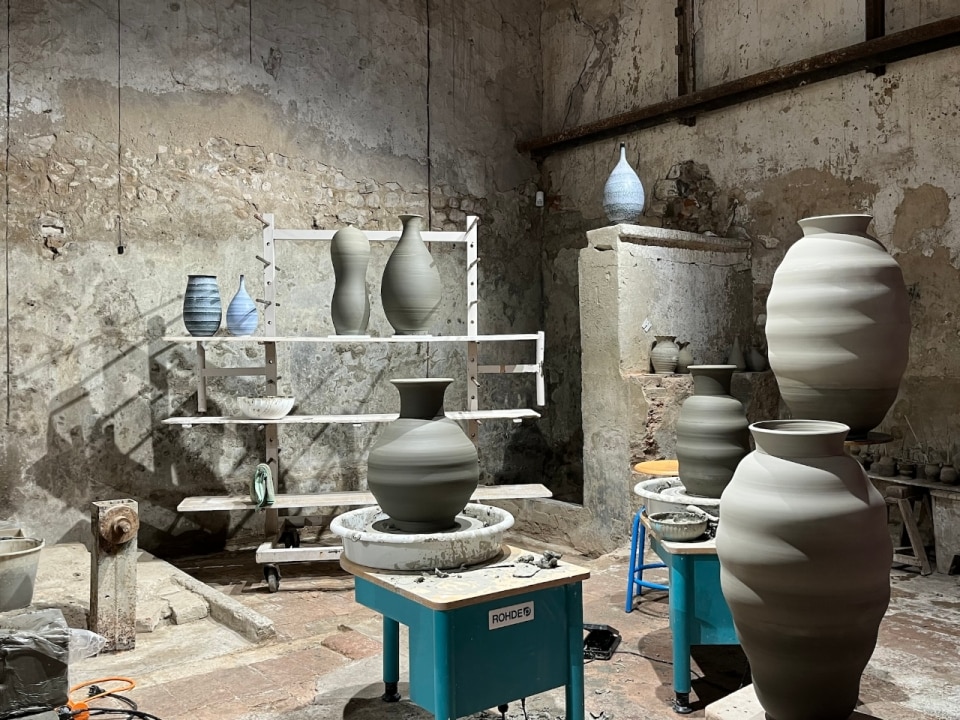
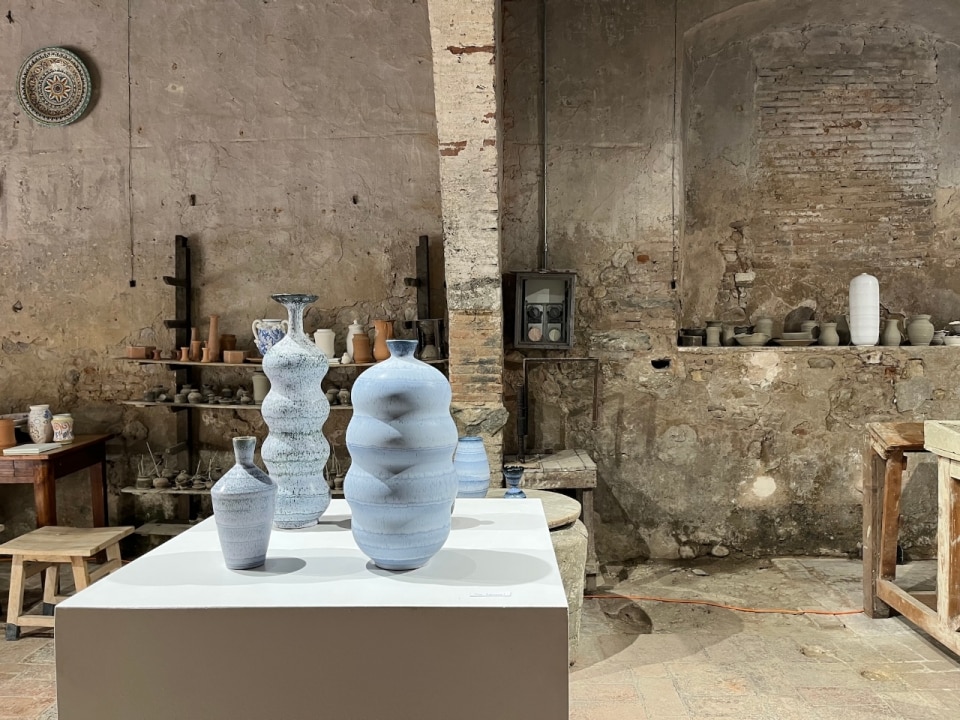
What we’re looking for begins to appear here: that bridge between craftsmanship and production, “bridging craftsmanship and design,” as Eric Landon tells us. The Copenhagen-based American ceramist known worldwide as Tortus (the name of his studio) is in residence in Montelupo, inside the ancient kilns, seeking dialogue between the strong gesture of the terracotta maker – a pillar of local culture who, even by hand, produces in series – and his own lighter, dancing touch on the material of unique pieces. The wager is to find a match between contemporary languages and centuries-old decorative traditions.
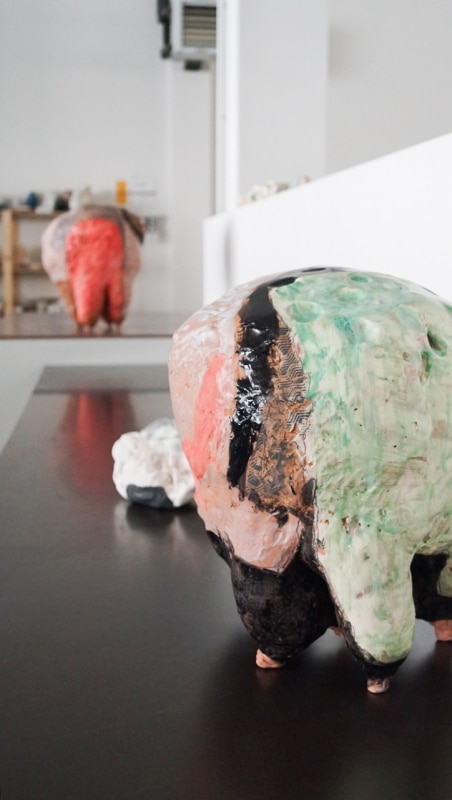
At the School, meanwhile, Fabienne Withofs is leading a workshop on Japanese ceramic techniques, surrounded by the works from her residency, From Sheep to Ostrich. The sharing is intimate; everything unfolds in silence. Other workshops have followed, with Landon and Previdi.
If there is a space where progress can be made in the conversation about what ceramics can say within our domestic environments and the in-between spaces of contemporary life – always suspended as a material between form and function – it seems to be here, or at least to have the potential to be. Just as natural circumstance – the rivers, their confluence, the clays – once assigned ceramics to Montelupo almost as a form of destiny, today it is this proximity between production, education and dialogical research that suggests the possibility of future steps. Something that remains otherwise very difficult to bring into focus, for instance during a design week.
- Exhibition:
- Cèramica
- Where:
- Montelupo Fiorentino, Florence, Italy
- Dates:
- December 6-8 , 12-14, 19-21, 2025