-
Sections
-
Keywords
Designing with air: from life-jacket to living, 22 microstories of inflatable projects
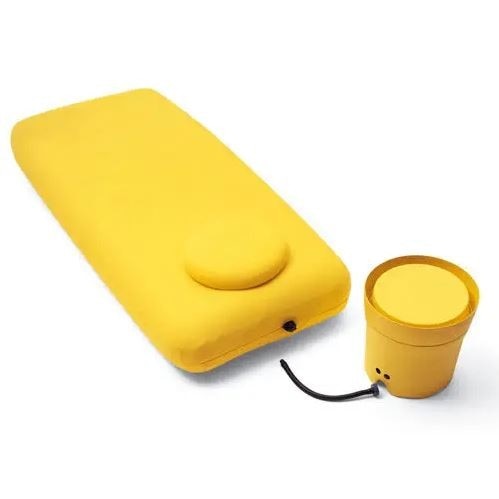
Denis Santachiara Pisolò, Campeggi, 1997
Since the very beginning, with his technological but light approach to design, Santachiara has presented innovative and daring solutions for hospitality in temporary and contemporary living. Inside a container that looks both like a stool and a side table there is a case and an electric pump that inflates and, by reversing the flow, deflates the airbed for a friend who showed up late and had nowhere else to go.
Courtesy Campeggi
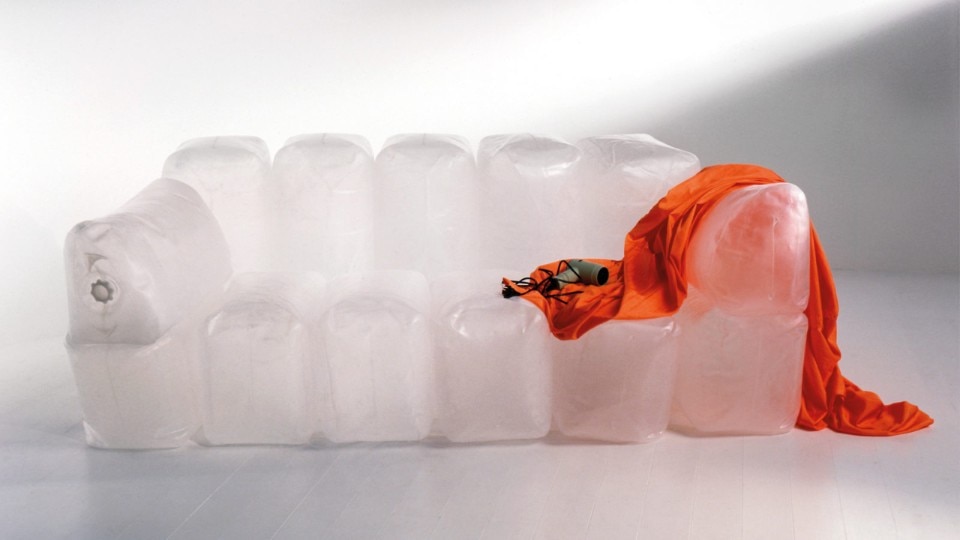
Jan Dranger, Innerling sofa, Ikea, 1997
Developed by Ikea in collaboration with a then-new brand called SoftAir, this idea of inflatable furniture, experimented with in the mid-1990s, turned out to be a huge failure, even though it is now celebrated in the ideal museum of “great mistakes” published in the story section of the Ikea website. Credit must be given to the entrepreneurial courage and innovative idea behind the inflating system. The furniture could also be inflated with a hairdryer or hoover and did not require specific accessories..
Courtesy Ikea
De Pas, D’Urbino, Lomazzi, Blow, Zanotta, 1967
The most quoted and copied innovation of pneumatic design for extended domesticity (to be used indoors but especially outdoors, on a lawn, on the water, and so on) like the visions of those young designers who, in the 1960s, were already inviting everyone to experience the planet with a different proximity and more sensitivity.
Courtesy Zanotta
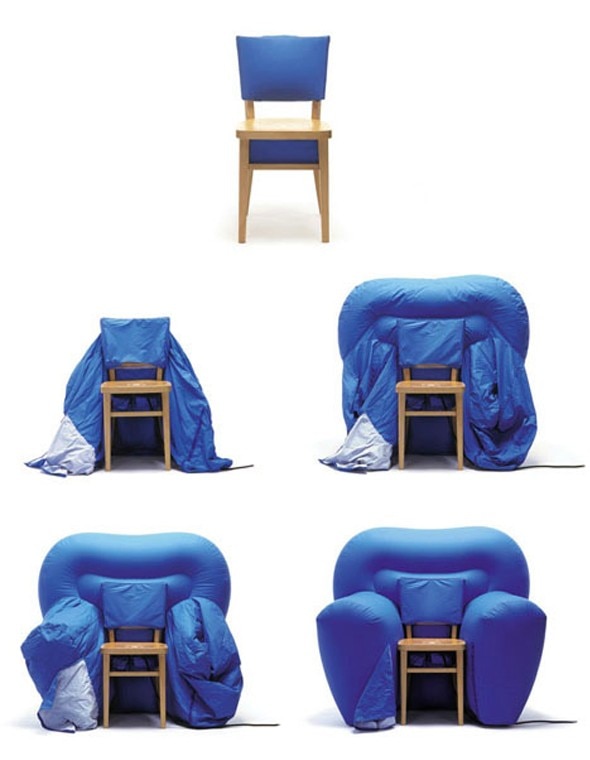
Matali Crasset, chaise decompression, 2000
A stylish exercise by one of the most innovative and refined designers of the beginning of the millennium. To design a simple, lean wooden chair or an inviting and soft, comfortable object? Why limit yourself when imagination, together with technology, can give us both solutions: The seat is motionless but all around it is a spectacle of air.
Courtesy Rendez-Vous Dèco
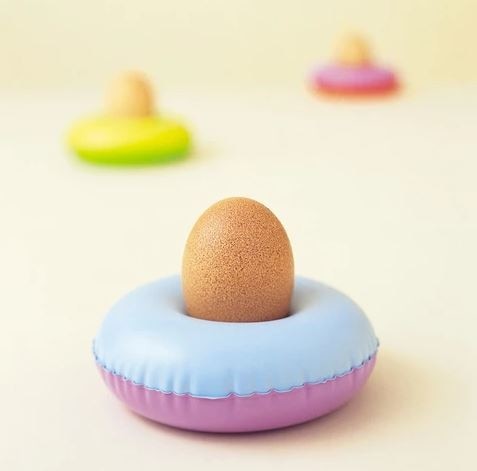
Nick Crosbie, Egg Cup, Inflate Design, 1995
The more delicate an egg is, the more protection it needs. And what better way to start the day “without fear” and with the right taste than with a small, practical egg cup?
Courtesy Inflate
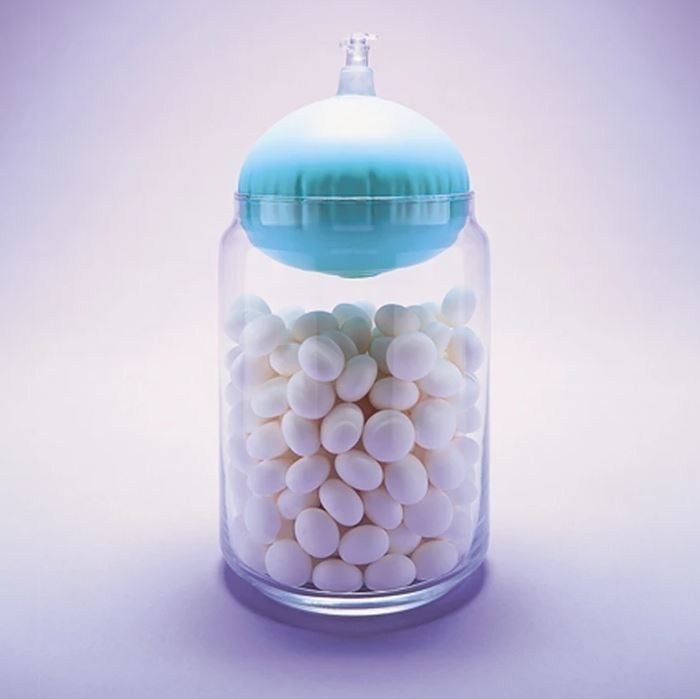
Nick Crosbie, Jar Stopper, Inflate Design, 1997
Sometimes we have lots of containers and nothing to close them with. Instead, talented designer Nick Crosbie created a lid that fits (almost) anything. Inflate it and see.
Courtesy Inflate
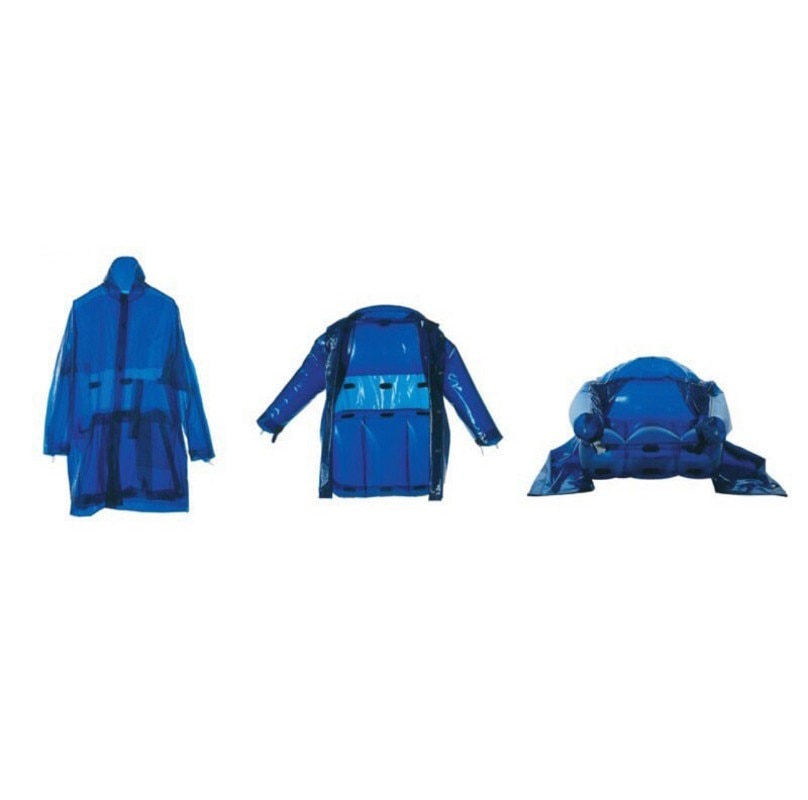
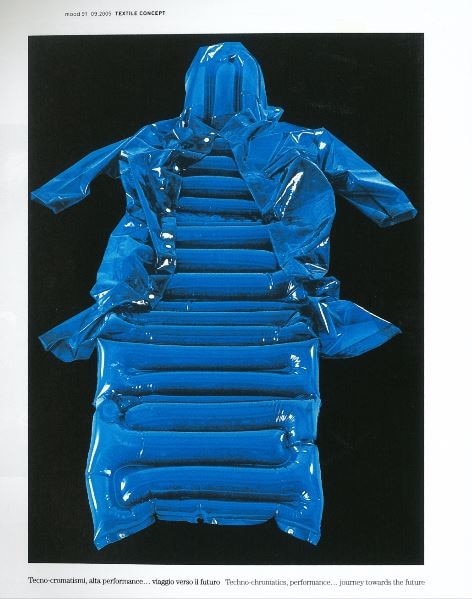
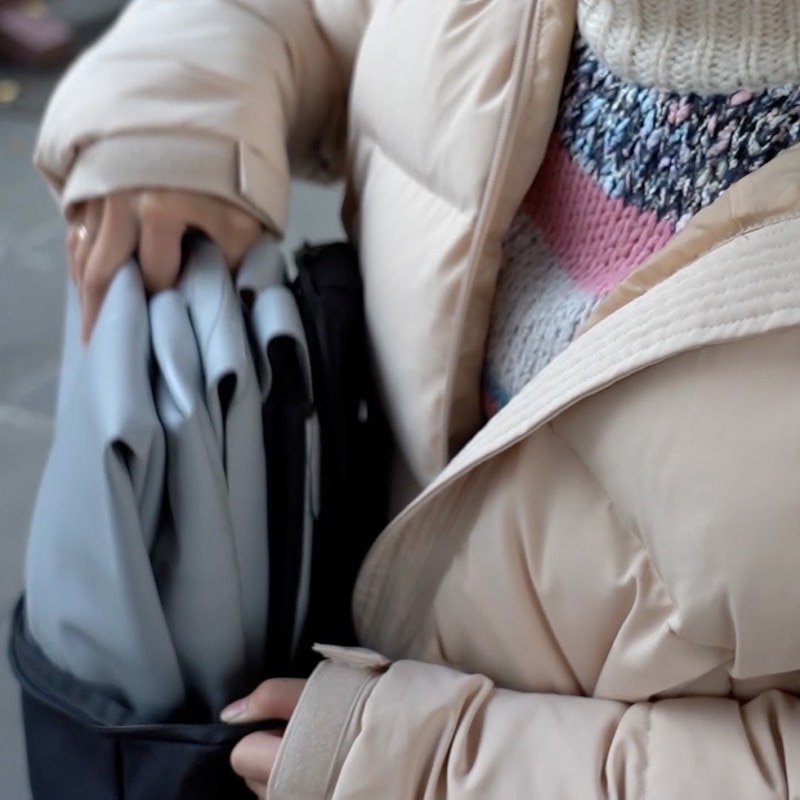
Moreno Ferrari, Armchair Jacket, C.P. Company, 2000
In a broader project dedicated to the “Transformables” clothing line, where various waterproof jackets (or parts of them) become from time to time a kite, a backpack or a tent, with the evolution of the collection and the use of the inflatable technique, other raincoats become mattresses and also a seat. Every seam, every fold, every pocket, every fastener is never an end in itself and the garment is not just a fashion item, but the garment, just like the act of living, is conceived as the body’s first home.
Courtesy C.P. Company Archive
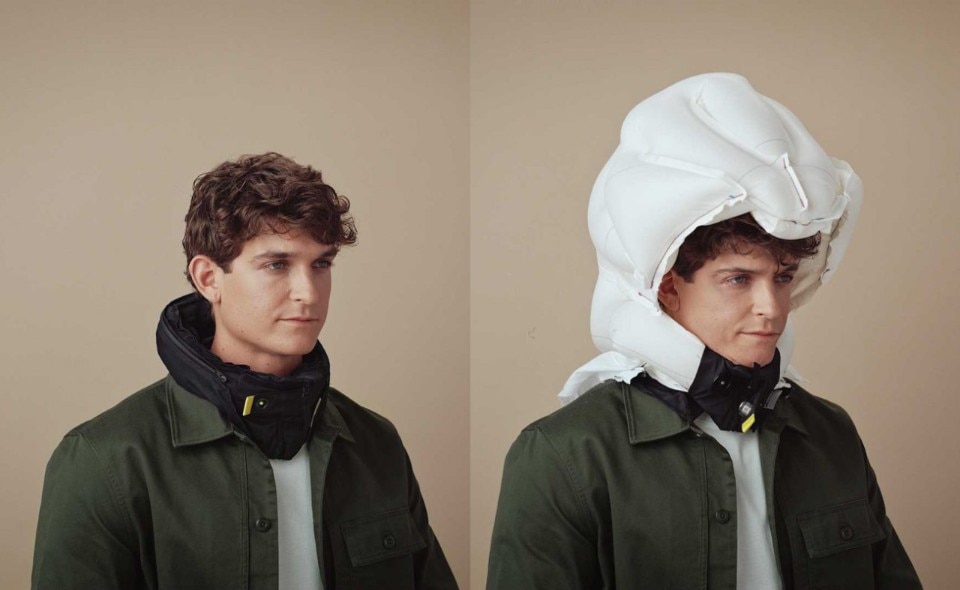
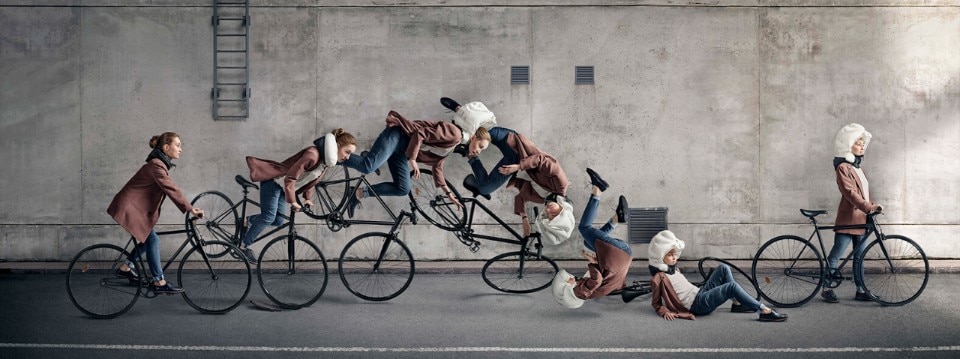
Anna Haupt and Terese Alstin, Hövding/Invisible Bike Helmet, 2010
A helmet is especially useful when you “fall”, so why should you wear a bulky object on your head all the time in the hope of not falling? As a master’s thesis, which coincided with a new law making it compulsory for children to wear helmets, thus sparking off the debate also on adult safety, the two designers “invented” an airbag that can be worn like a brace around the neck and which, in a fraction of a second and only when needed, becomes a semi-integral helmet protecting the head from impact. When it is not inflated, it protects the neck from the cold and the wind.
Courtesy Hövding
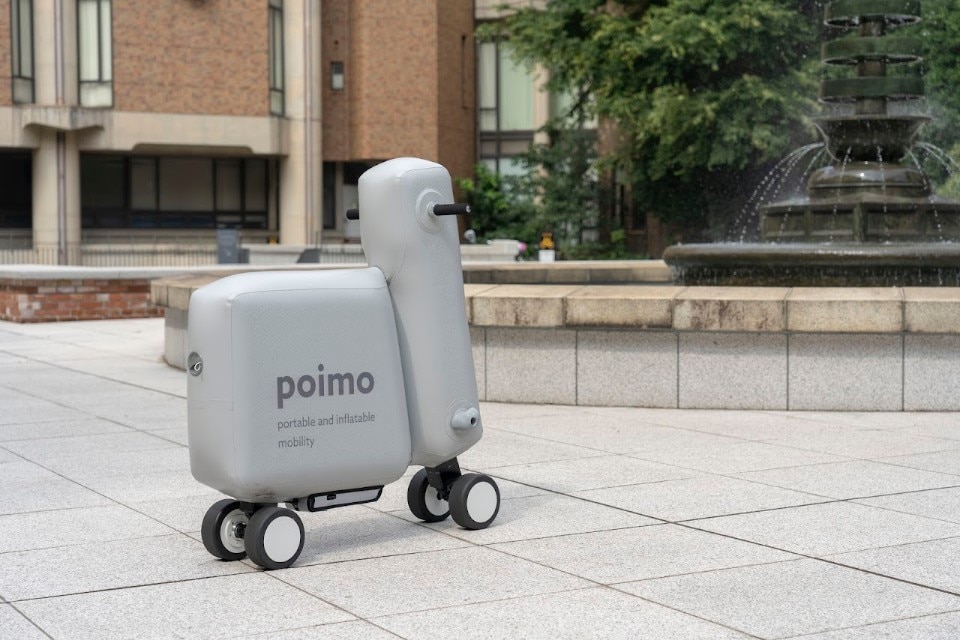
University of Tokyo, PoIMo, 2020
A transportable means of transportation. Besides the play on words, this prototype, halfway between a scooter and an electric bike, features a rideable inflatable body mounted on an electrically powered frame. It does not need to be parked as it deflates and once folded up it can be stored in a backpack right next to your desk at the office.
Courtesy The University of Tokyo & mercari R4D
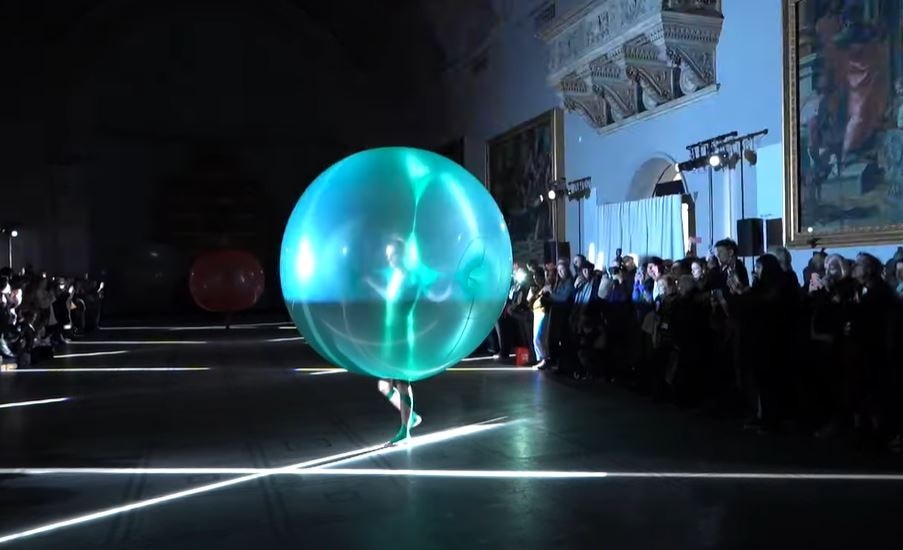
Fredrik Tjærandsen, Balloon Dress, 2019
As the master’s thesis of the very young and already acclaimed Ticerandsen, this dress is literally like a first skin, snug along a somewhat constricted body. Suddenly, the flat or barely noticeable folds acquire volume and another value, swelling to the point of becoming a balloon containing the body itself, which can now move in an ideal proxemic space, protected as if in a colorful bubble.
Courtesy Fredrik Tjærandsen
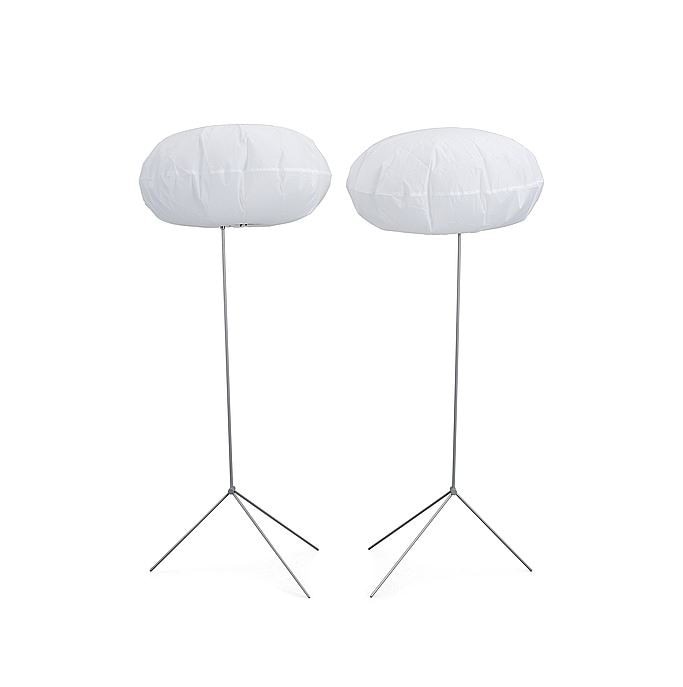
Snowcrash, Glowblow, 1997
A lamp whose inflatable shade changes volume and, therefore, light flow. The brainchild of a Scandinavian collective that at the end of the 20th century liked to experiment with all possible technologies for the design world, it is one of the first examples where air positively affects the light of a floor lamp.
Courtesy Bukowskis
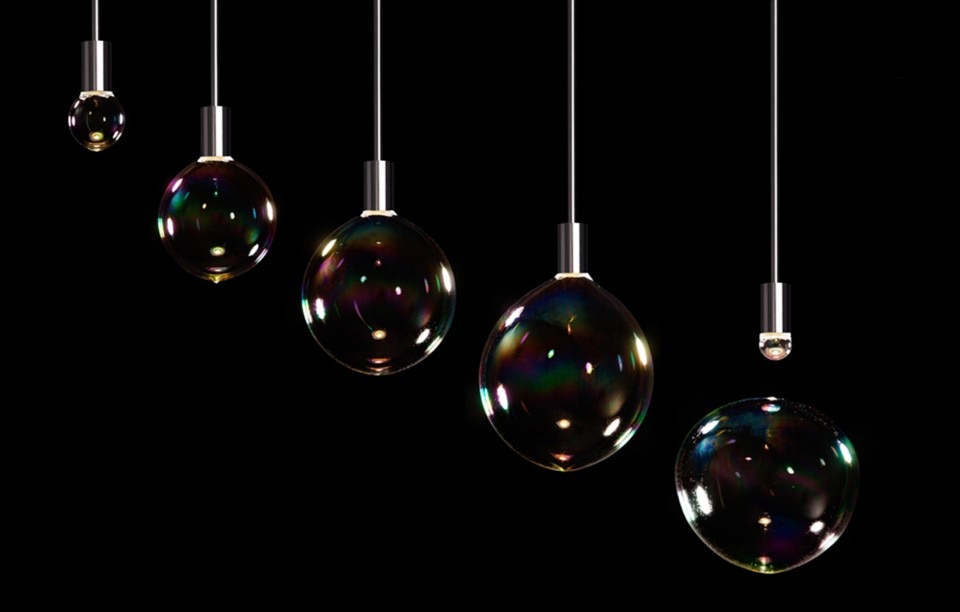
Front, Surface Tension Lamp, 2012
A minimal suspended light source creates small and large iridescent soap bubbles that make the environment vibrate and fill it with surprise as well as luminous poetry. And even when the surprise bursts, it remains a punctual light at the service of the space, waiting for the surprise to be rekindled.
Courtesy Front Design
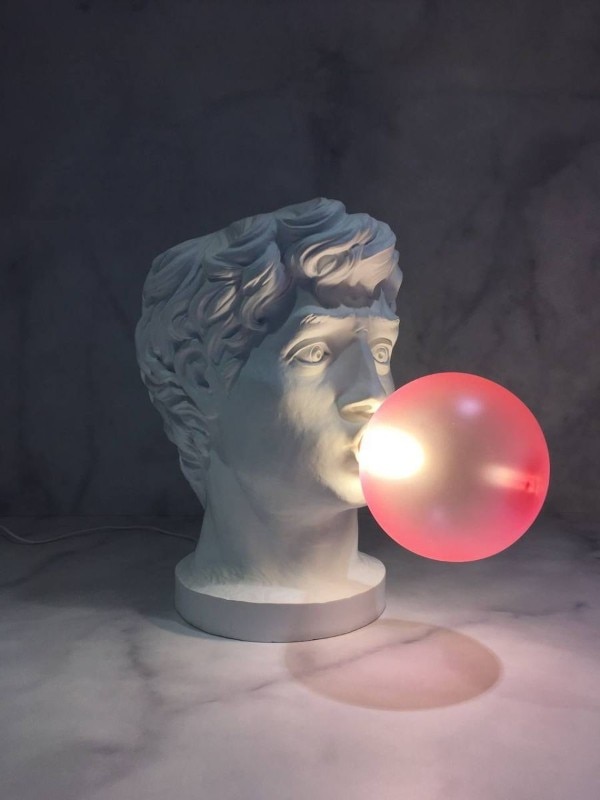
Uto Balmoral, Wonder, Seletti, 2021
It is pure irony mixed with design, as Seletti has by now cheerfully accustomed us to - from the surprised looked on the man’s face to the rigid chewing-gum bubble, from the light bulb that lights up and colours the environment to the designer who is an invention, and defines himself as “a character provocatively created to be himself a product”.
Courtesy Seletti
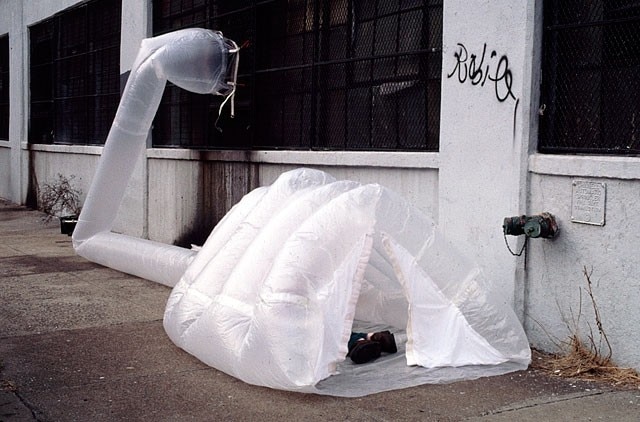
Michael Rakowitz, paraSITE, 1998
A research between art and design that leads to a social project. A good parasite that offers mini emergency accommodation for homeless people. The envelope is made of recycled plastic bags that create a shelter that inflates thanks to the hot air coming from the air vents on the sides of buildings. The air thus gives volume and structure to the shell and simultaneously warms it, offering a more or less peaceful sleep to homeless people during a storm.
Courtesy Michael Rakowitz
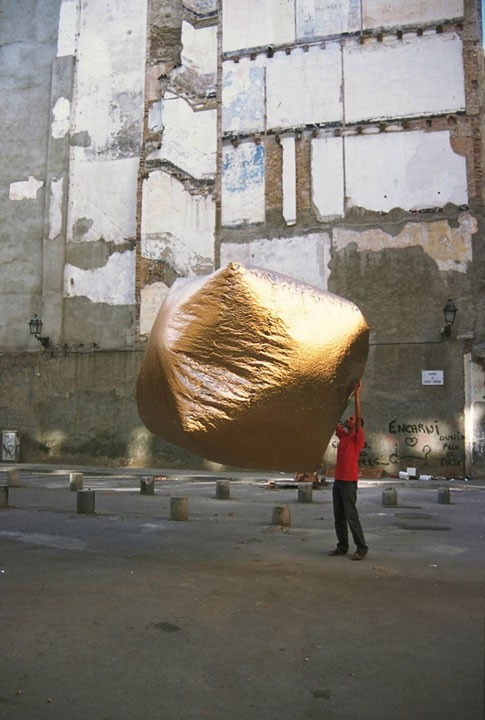
Basic house, Martín Ruiz Azúa, 2001
When closed, it fits into a pocket, but when it is opened and full of air, it creates a minimal environment, a “basic house”. Using isothermal emergency blankets, which have two different surfaces - silver and gold - for two different purposes, and which are easy to fold because they are only a few tenths of a millimetre thick, the designer creates a cubic skin measuring about two metres by two with a circular hole which, when opened, captures the air and does not let it out, maintaining for a certain time, albeit not forever, a volume that protects what’s happening inside.

Courtesy Martín Azúa
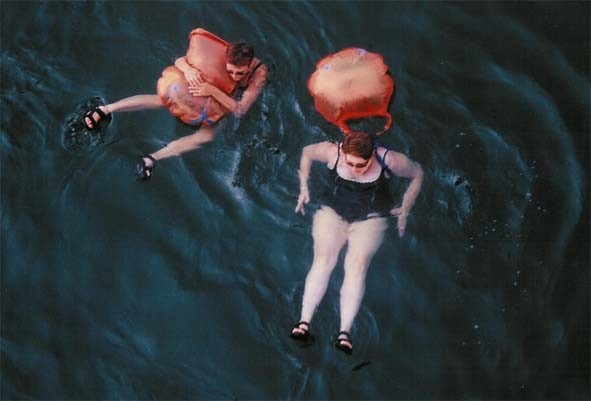
Tilo Ahmels, Wickelfisch, Basel, 2002
A fun object that makes it easier to go for a swim in Basel, where every summer thousands of residents and tourists jump into the Rhine River and let themselves be lulled by the gentle current, along the bridges of the historic city. An example of how design is an excellent tool for society, and of how it can produce an object that is as symbolic as it is practical, which all citizens own and take out as soon as the sun warms the banks of the great river. It is a colourful, watertight bag in the shape of a fish, in which you can store your clothes and which, when folded properly, doubles as a swim pillow.
Courtesy Tilo Ahmels
Livialein, Threebaloon, 2010
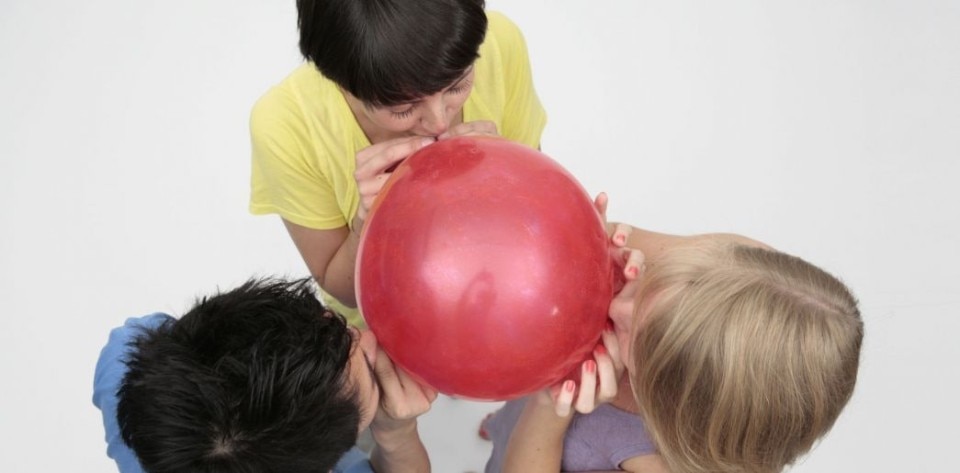
Balloons are very simple yet magical toys for all children, so Livia Rossi thought it would be a good idea to design one that cannot be inflated alone, but in company. Moreover, the lung power of a single child is often not enough to inflate a balloon, and they’re forced to ask an adult for help. This way, instead, union is strength – and fun, too.
Courtesy The Index Project
Lorenzo Damiani, Arianell’aria, 2016
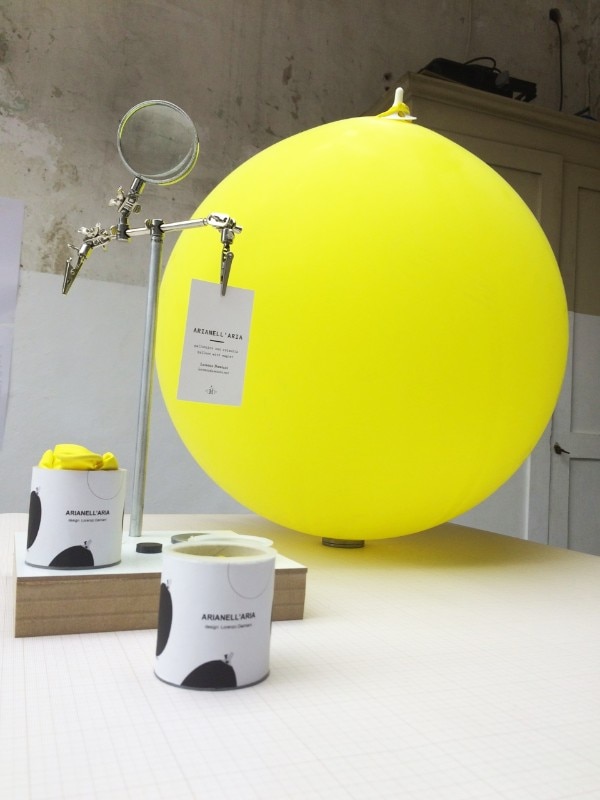
A pure aesthetic object that also allows itself to serve a function, a presence that invites us to play and hints at contemporary art. The small box contains a deflated balloon equipped with a magnet that stops the air-inflated balloon at the base. It is a permanent furnishing element for a temporary action, to play freely, even if only with imagination.
Courtesy Subalterno1
Junya Ishigami, Balloon, Museum of Contemporary Art, Tokyo, 2007
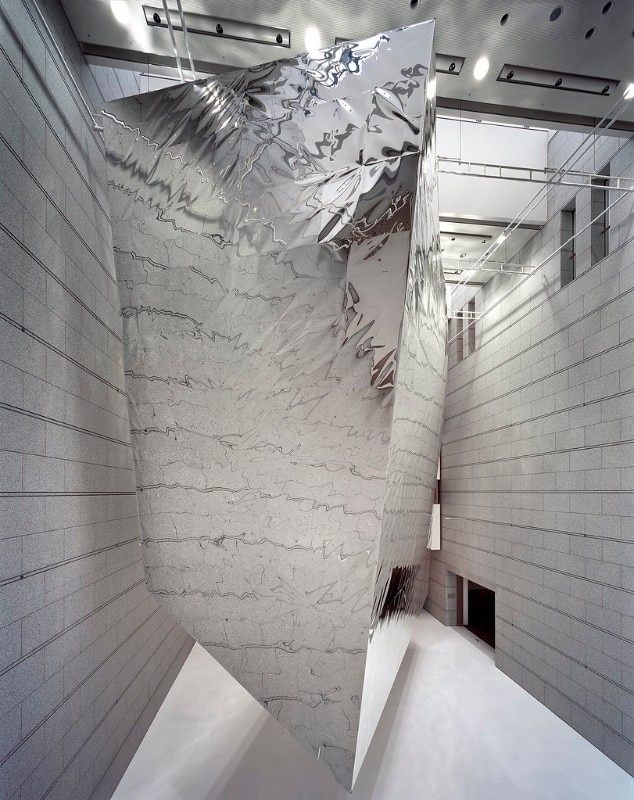
A theoretical, pure, floating architectural object, an ultra-light aluminium structure that occupies the exhibition space while suspended in mid-air and moves, oscillating according to the presence of visitors, paying homage to the author, a young creative genius from the Japanese school of contemporary architecture.
Courtesy © junya.ishigami+associates. Foto Yasushi Ichikawa
MAIO, Floating, Chicago Architectural Biennal, 2017
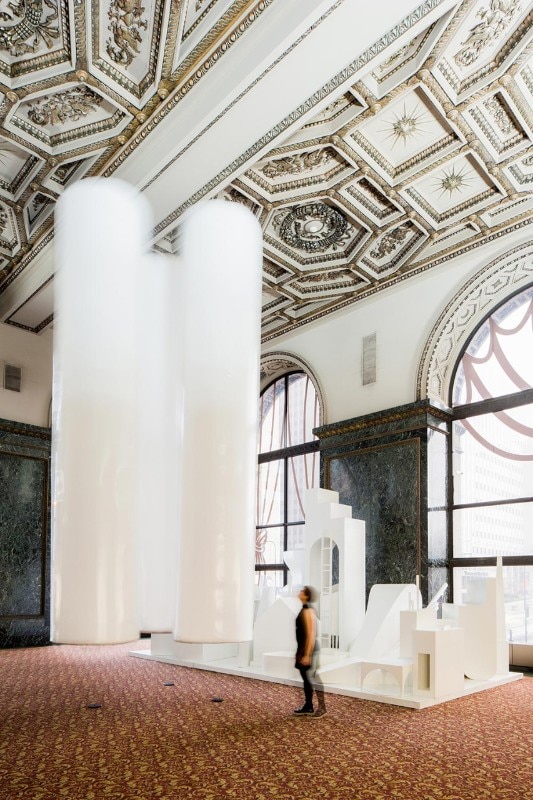
These air columns, floating and detached from the ground, activate the space and stimulate the debate around architectural research, as unconventional staging elements that constantly reconfigure spaces and relate to the other more traditional, normally static architectural elements.
Courtesy MAIO Architects
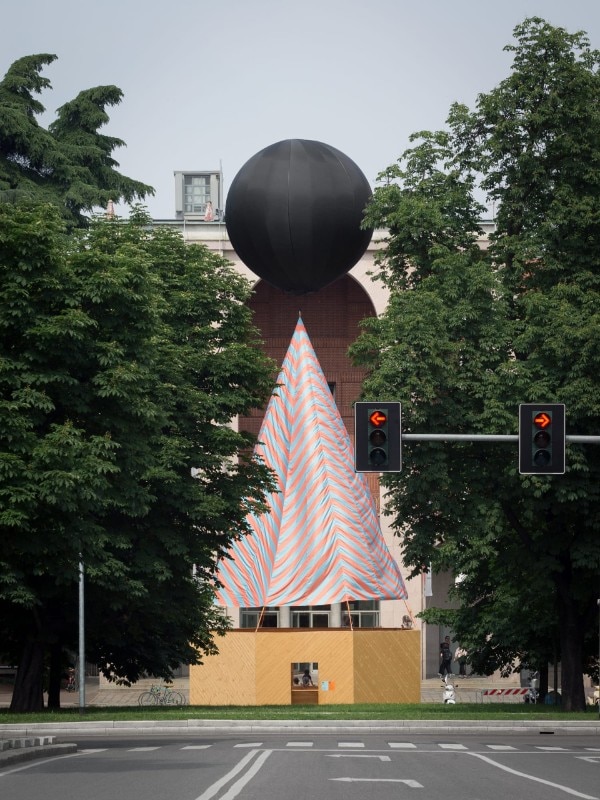
Matteo Ghidoni – Salottobuono, Teatrino, Triennale di Milano, 2018
A large aerostat balloon as tall as the Palazzo dell’Arte marks the presence in front of the museum of a small, compact theatre covered with a colourful cloth that provides shade and gently sways in the wind with the branches of the trees all around it. Inside, a cosy circular cavea hosts a carefully selected and attentive audience during the interviews with the major protagonists of Milan Design Week 2018. It can also become the perfect place for taking a break or engaging in informal conversations, as it is always accessible to the visitors of the event.
Courtesy Salottobuono
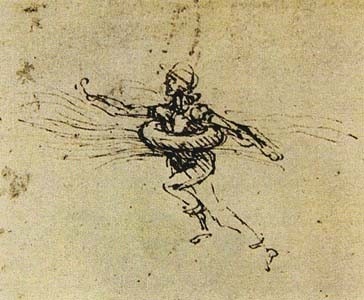
Leonardo da Vinci, life preserver, 1487-1490
Some of the drawings in Leonardo’s Codices show instruments for keeping the wearer afloat or, as in this case, as a “way of surviving a storm”. It is not known whether Leonardo wanted the life preserver to be rigid (made of wood or woven plant fibres) or inflatable (made of animal skins or bladders), but it is the first known representation in the history of art and technology showing this object in its most archetypal form.
Courtesy leonardodavinci-italy