-
Sections
-
Keywords
The essentials: 20 of the best trash bin designs
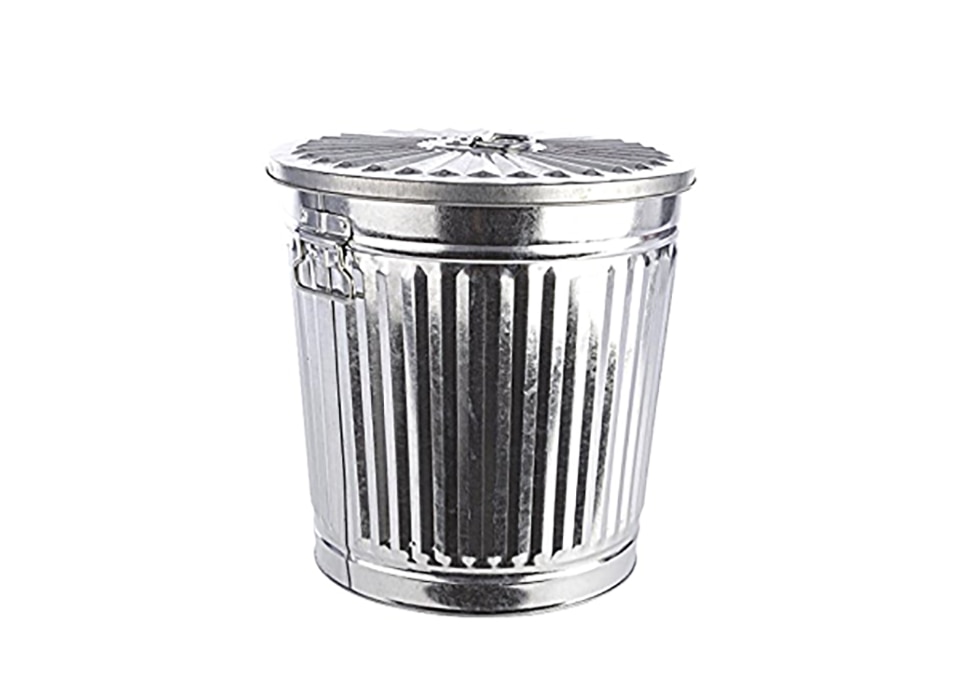
Galvanised metal dustbin, around 1830
Produced in England by Garrods of Barking in East London, these legendary galvanised metal dustbins were designed to withstand the bad weather: it was not until the 18th century that rubbish was no longer stored in the home but in the street, requiring the presence of dedicated containers. In the meantime, the shape became iconic, thanks to the side handles, the large handle on the lid, and the corrugated metal that gives it stability and strength, as well as an unmistakable texture.

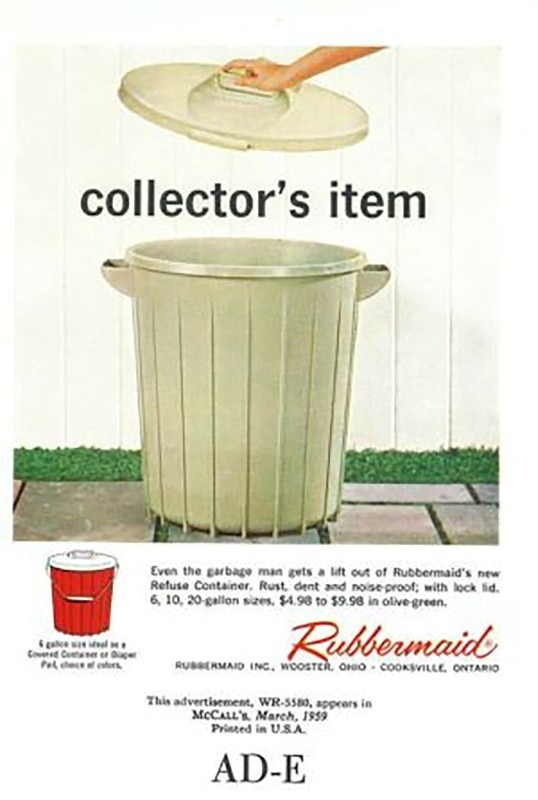
James Caldwell, Wooster Rubber Company / Rubbermaid, 1920
Another mass-produced product, the dustbin designed by James Caldwell turned the arrival of the rubber market into an opportunity to conceive a light, easily transportable and washable rubbish bin that could be easily sealed to reduce the spread of smells.
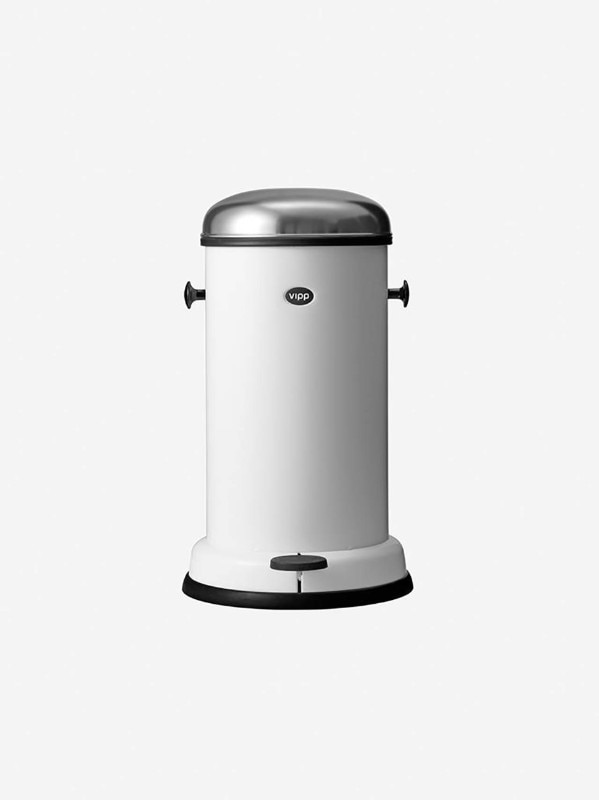
Pedal bin (model 15), Nielsen Holger, Vipp, 1939
A dustbin that is the result of a love story: Danish Nielsen Holger conceived model 15 while designing the furnishings for his wife Marie Axelsen's future hairdressing salon. The introduction of the pedal - especially functional for those workers who constantly have their hands full - brought attention to the prototype, which Holger later mass-produced by founding Vipp, a Danish onomatopoeic word that recalls the sound of the iconic domed lid’s movement as it opens and closes.
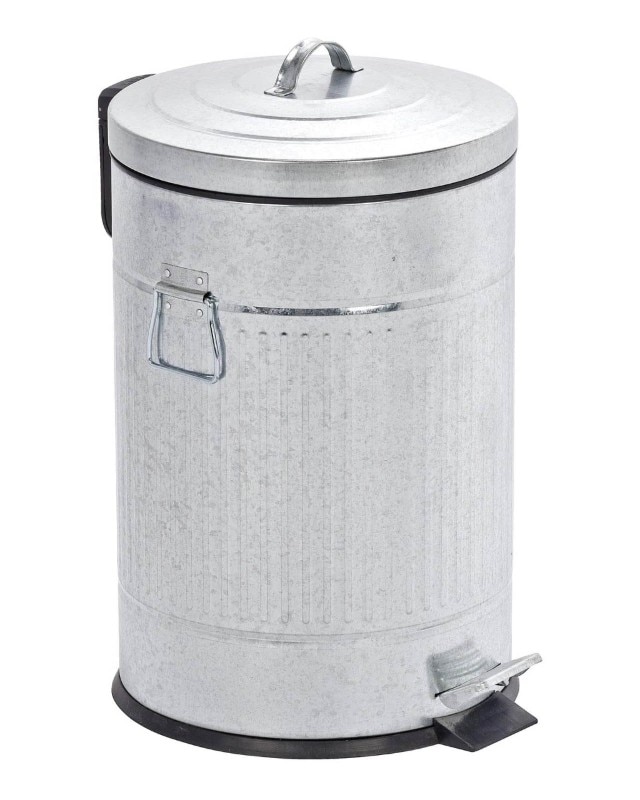
New York, Wenko
An evolution of the Garrods of Barking’s dustbin, the famous New York model from the long-established German brand Wenko was inspired by American galvanised metal dustbins, and introduces the use of the pedal even for low-cost products.
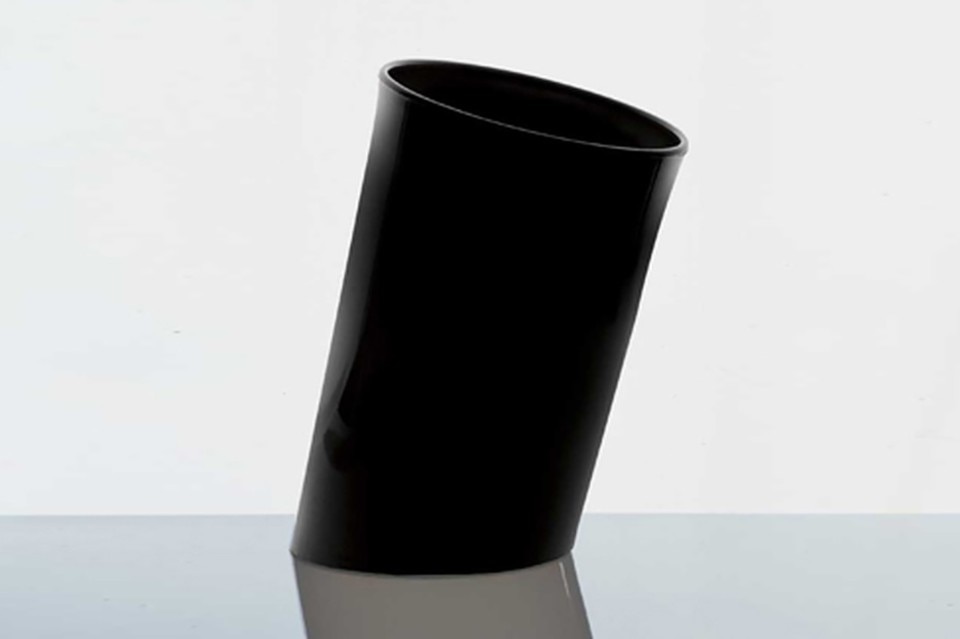
In Attesa, Enzo Mari, Danese, 1971
This injection-moulded polypropylene wastepaper basket - one of Mari's best-known pieces - stands out for the unusual transversal cut: an original formal solution, but also an invitation, made explicit by its shape, to use the basket as a hoop to throw your notes in. The “wait” its name refers to, is that of the object, waiting to receive new sheets of crumpled paper within its volume.
Polypropylene. Dimensions 26 x 26 x 41 cm
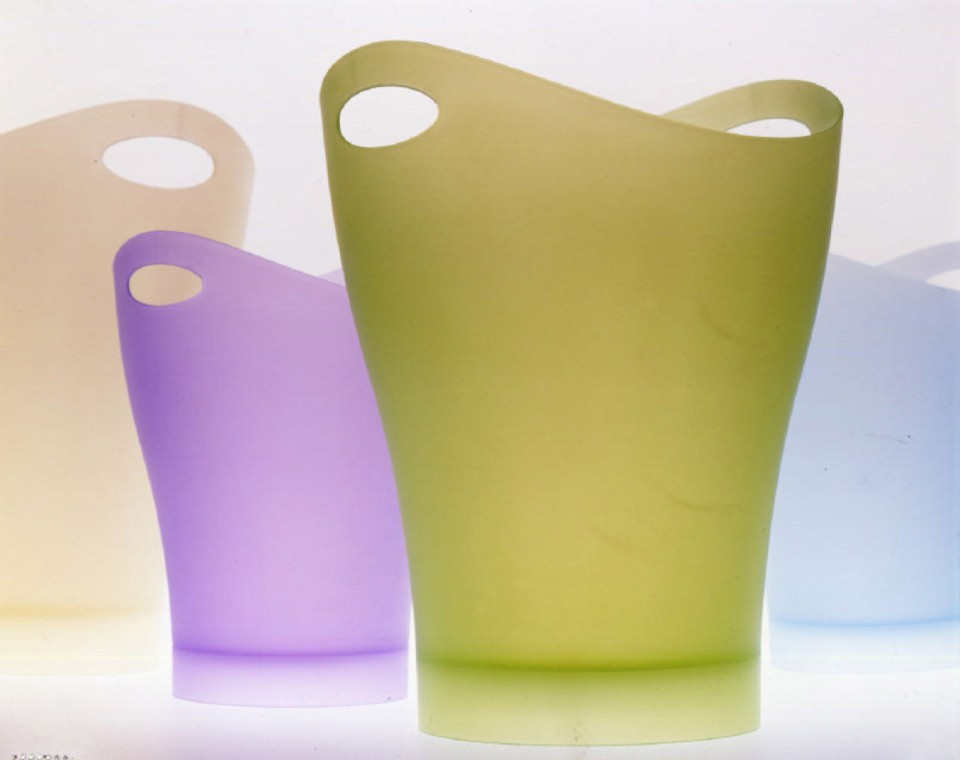
Garbino, Karim Rashid, Umbra, 1997
Inspired by the sensuality and curves of Greta Garbo, Garbino aims to elevate an everyday object into a glamorous element thanks to its gentle flared forms and undulating upper profile. Two large handles make it easy to hold and move around the house, while the colour versions make it stand out, especially in the models with a glossy finish.
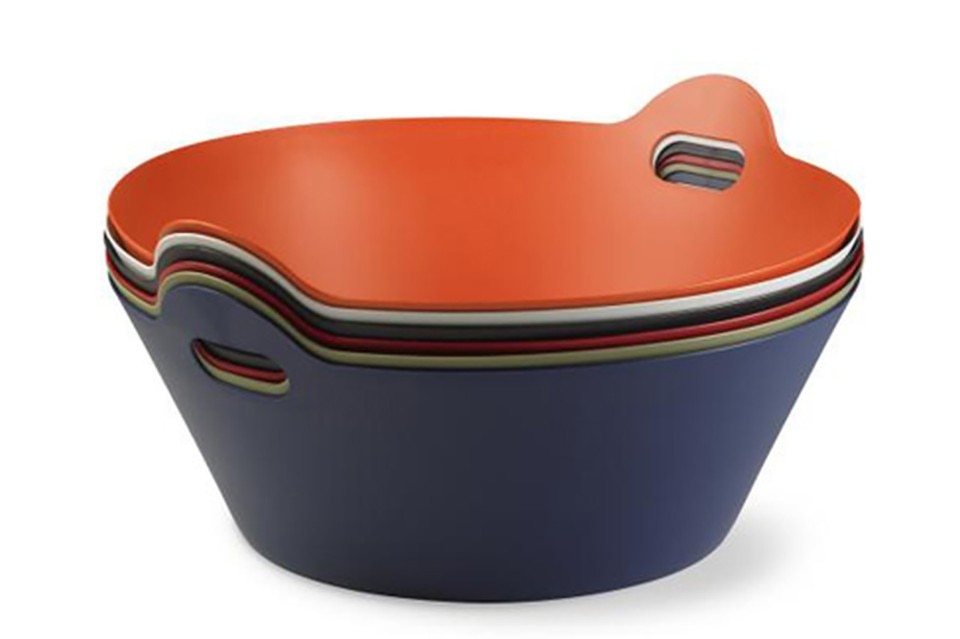
2 Hands Basket, Konstantin Grcic, Authenthics, 1995-1997
Minimalist but not boring, the 2 Hands Basket stands out for its generous flared shape reminiscent of a table basket. The two large handles make explicit and underline the grip, while the plastic makes the object versatile, suitable both as a container object for display and as a basket for carrying out housework.
Polypropylene. Dimensions 59x59 x 24
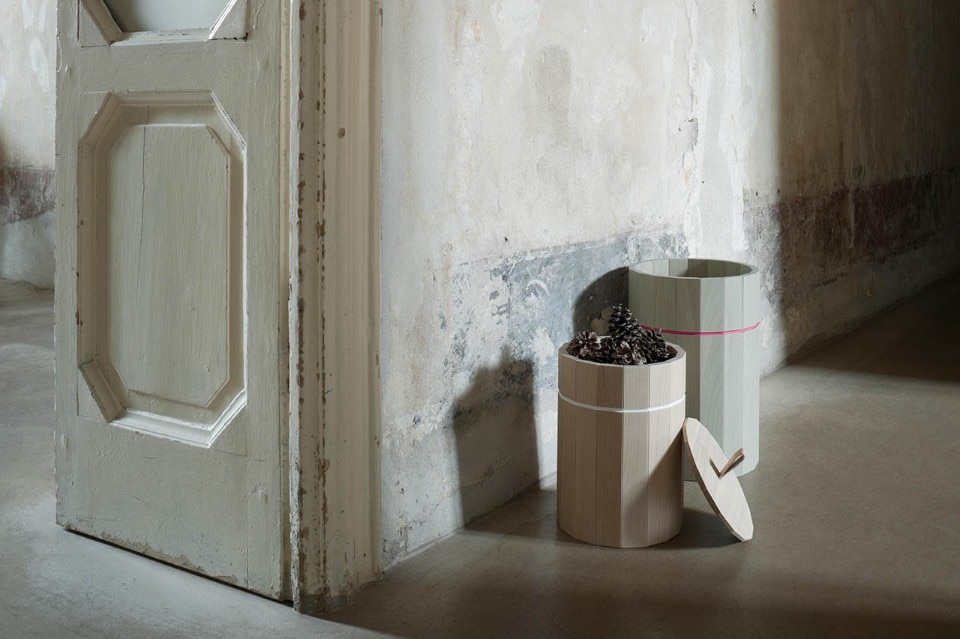
Colour Bin, Scholten & Baijings, Karimoku New Standard
Assembled from separate planks with invisible internal joints, the storage container in the collection created by Scholten & Baijings for this Japanese brand stands out for the scenic presence of colour, achieved through the use of contrasting tones and a signature palette that harmonises pastel and fluorescent colours.
Chestnut wood. Available sizes 18 x 18 x 25,8 or 22,4 x 22,4 x 33,6 cm
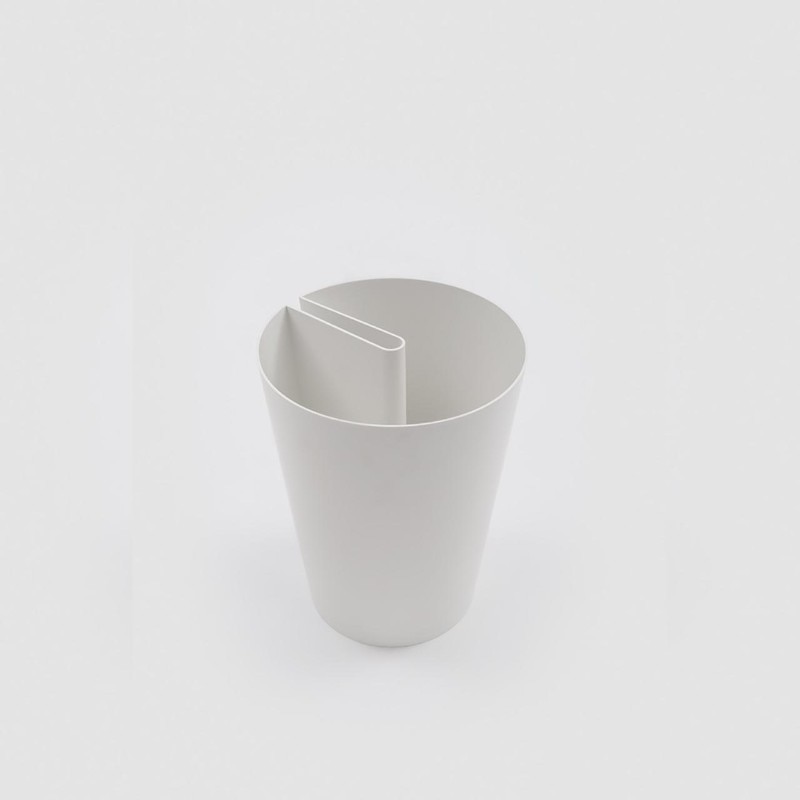
Bincan, Naoto Fukasawa, Danese, 2004
The Bincan wastepaper basket created by Naoto Fukasawa for Danese is part of the Bincan collection of office objects with which it shares the systemic approach and the essentiality of colours and lines. It is completed by two semi-circular bag holders, which allow one to differentiate the type of waste to throw out.
ABS. Dimensions 30 x 30 x 38,5 cm
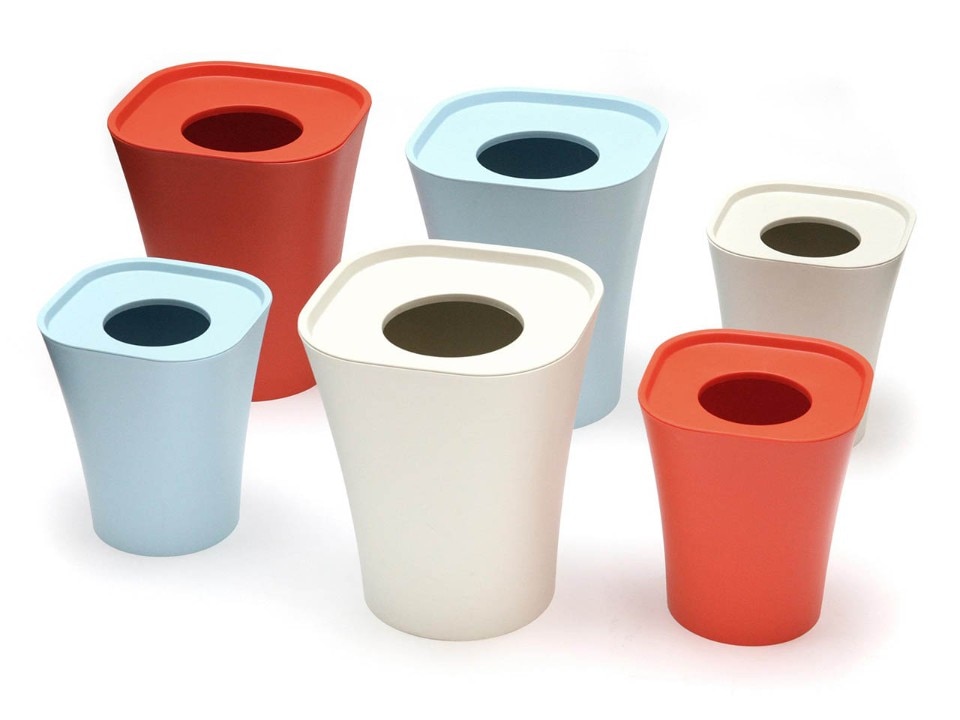
Trash, Jasper Morrison, Magis, 2005
A bin complete with a circular bin-liner holder, distinguished by the elegant circular hole that visually hides the volume of the objects to dispose without having to open and close the lid. Available in a wide palette of colours, it well identifies Morrison's philosophy of the super normal object, the sublimation of the ordinary.
Polypropylene, 30.5 x 30.5 x 36 cm
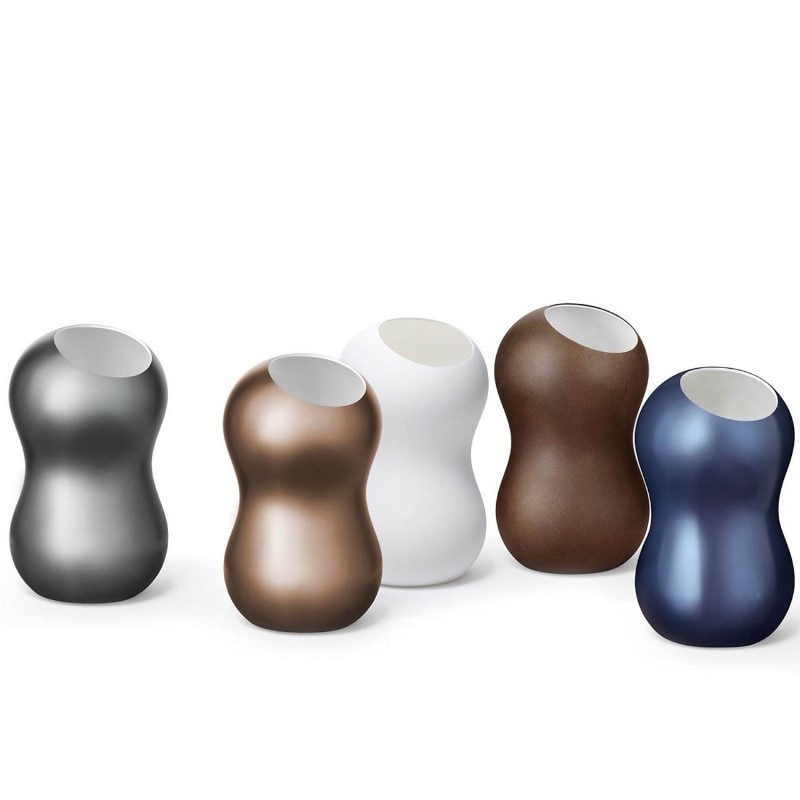
Korzina, Karim Rashid, Casamania & Horm, 2006
Korzina is the Russian word for the Italian “bin”. Inspired by this typology, Karim Rashid's design is designed exclusively as a container, enhancing its form thanks to a double overlapping curvature similar to a vase and designed to store small objects.
Polyethylene. Dimensions 37.5 x 37.5 x 62.2 cm
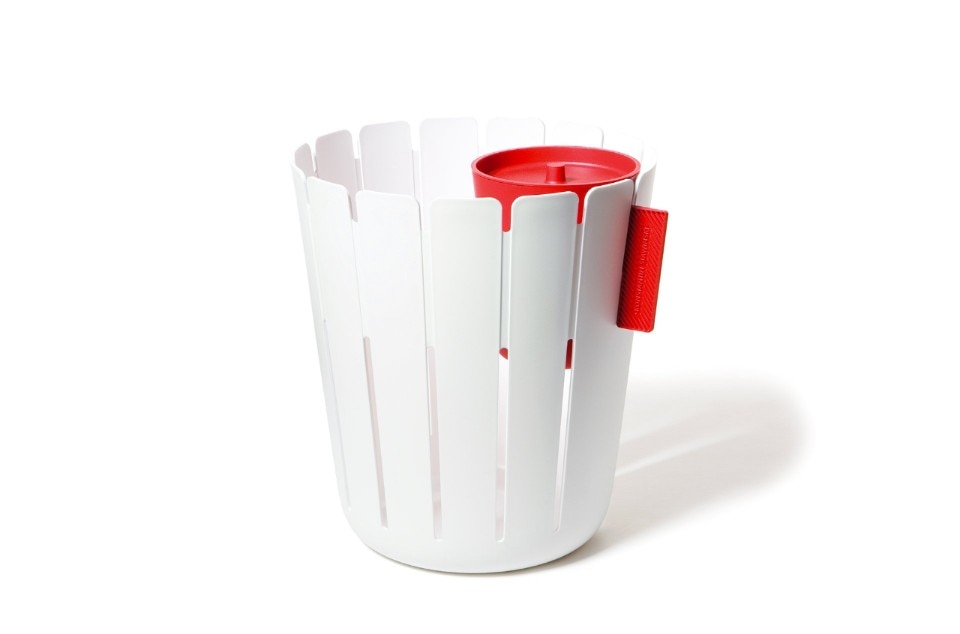
Basketbin, Ding 3000, Konstantin Slawinski, 2009
An original paper waste basket for the office - or for our virtual workstations at home - Basketbin is a polypropylene basket that allows one to insert another small container for organic waste in the spaces between its slats. A shape within a shape with a strong chromatic contrast, therefore, that encourages the habit of recycling, even the bits of food - an apple, a tea bag - consumed during working hours.
Polypropylene. Available in two sizes, Dimensions 31.5 x 31.5 x 35 or 14.2 x 14.2 x 16.5 cm
A Tempo, Pauline Deltour, Alessi, 2010
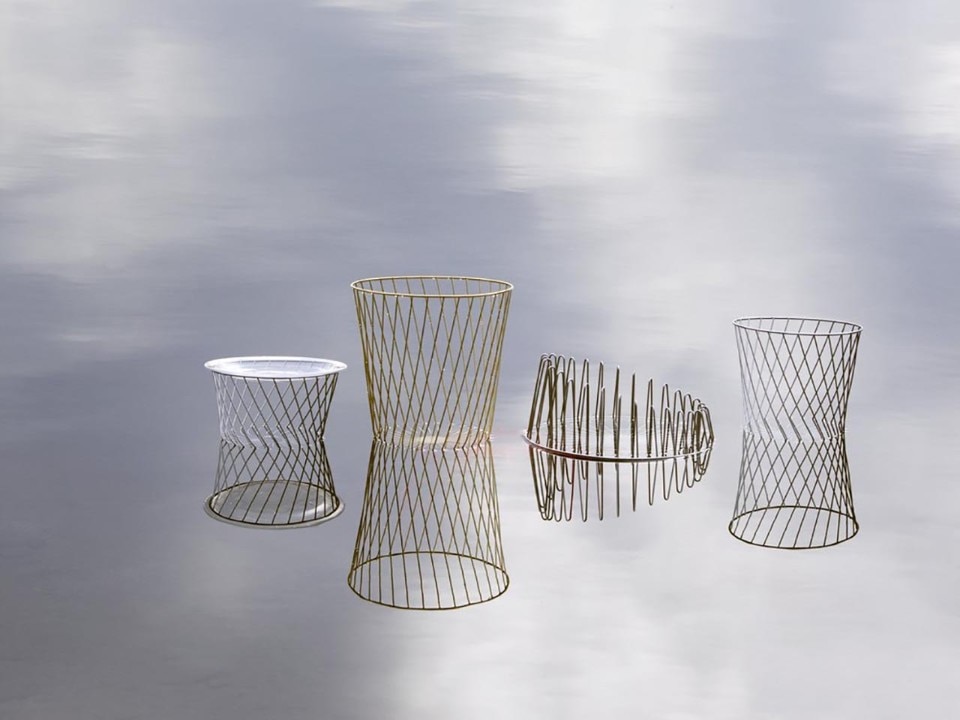
An experiment with stainless steel wire that gave rise to an entire family of objects for the home, the A Tempo basket combines great formal simplicity with a strong graphic character. The graceful shape of the basket is accentuated by the very slight curvature of the base, while the rhomboidal mesh of the wire creates an acceleration of movement that, in the designer's intentions, seems to create a sort of musical crescendo.
Stainless steel. Dimensions 30 x 30 x 30,8 cm
Hideaway Bin, Mika Tolvanen, Muuto, 2012
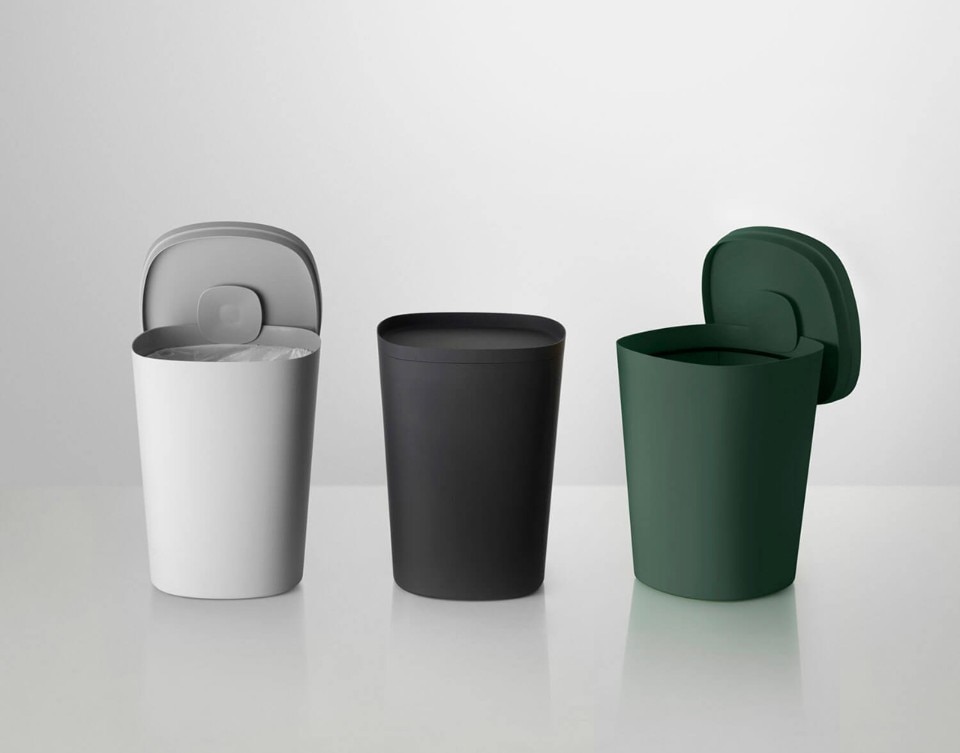
A generously sized basket designed for versatile use - from a rubbish bin, to a laundry basket, to an office wastebasket or card holder - Hideaway Bin conceals a real trick under its clean, linear forms. Underneath the lid, a projecting catch allows hanging it to the side of the bin - a solution that is not only formally elegant, but also a practical antidote to clutter.
Rubber-coated plastic, 37.4 x 37.4 x 51.3 cm
Bow Bins, Cordula Kehrer, Areaware, 2012
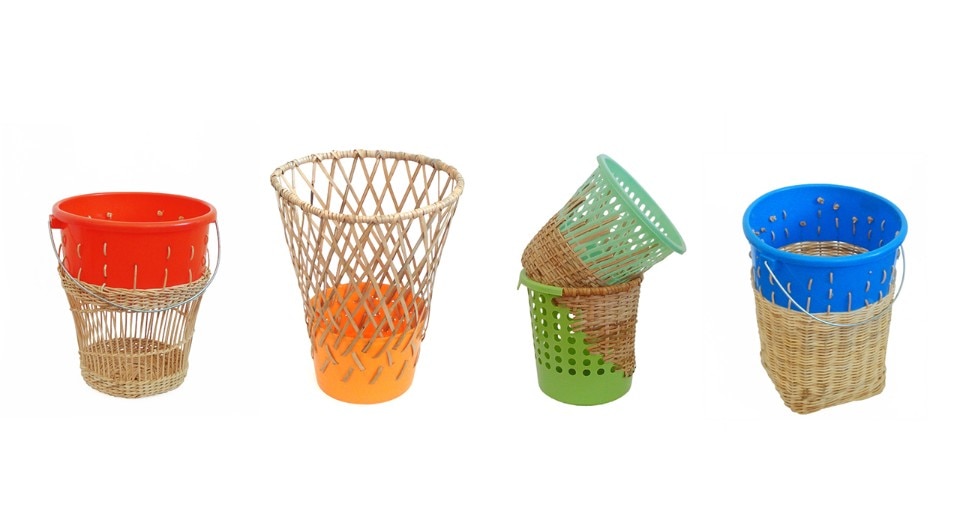
A cross between culture and craftsmanship, German designer Cordula Kehrer's Bow Bins combine anonymous plastic baskets with a wicker integration that is different every time. Made by the Aeta people in the Philippines, they encourage the application of their traditional savoir-faire to a new type of object and help support the local economy.
Knodd, Ikea Sweden, Ikea
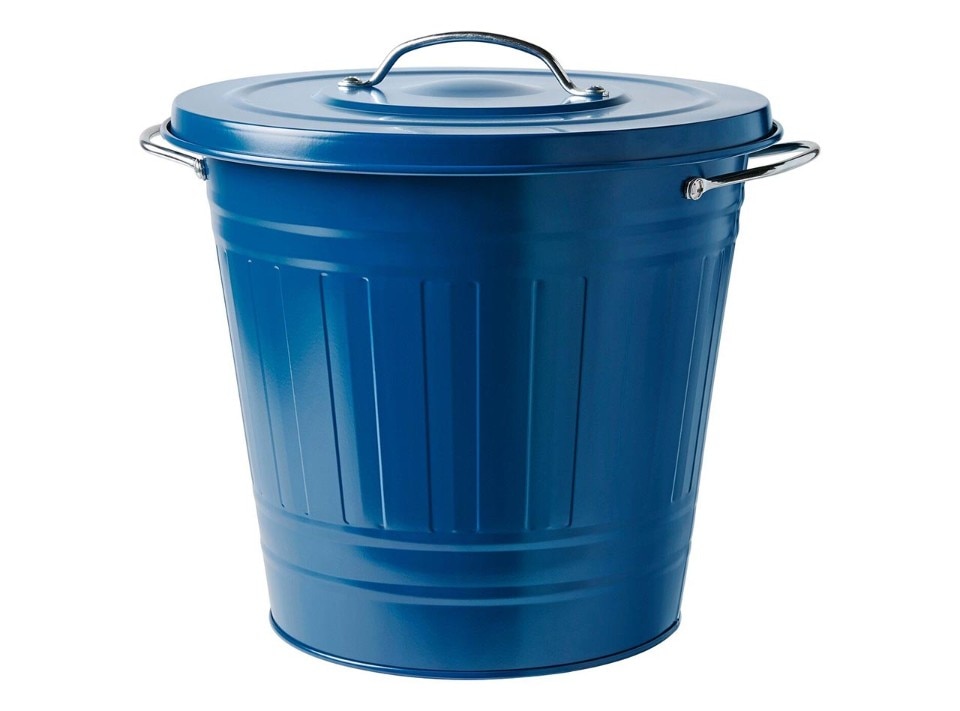
One of the best-selling models on a global scale, Knodd embodies a contemporary take on the classic galvanised sheet bin, which here is enamelled with simple profile patterns. Versatile and multifunctional, suitable for the office as well as the bathroom or kitchen, it features a small hook to hang the lid to the side of the basket.
Enameld sheet metal. Dimensions 34 x 34 x 32 cm
Happy Bin, Michel Charlot, Vitra, 2016
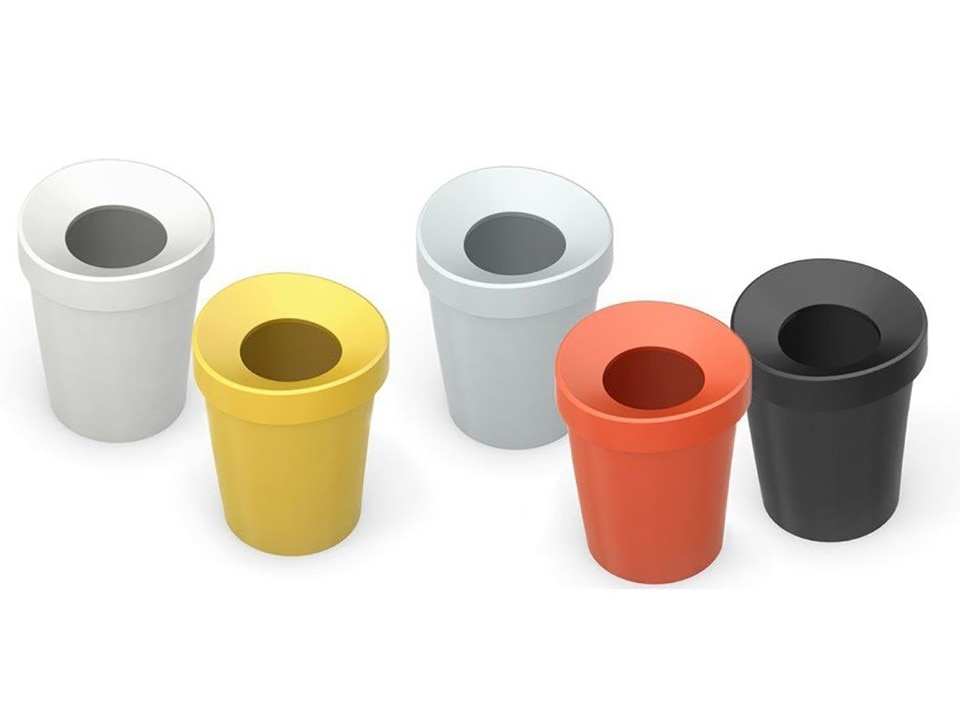
A colourful presence within the domestic environment, Happy Bin takes the iconic shape of a plant pot and tops it with a circular bin-liner holder with slightly offset and asymmetrical edges. A reference to an abstract organic form, designed not only to give the item a sculptural shape, but also to enliven it with a vital and optimistic trait.
Polypropylene. Available in two versions of different sizes and in a wide colour palette.
Round Basket, Tuulia Pentiilä, 2018
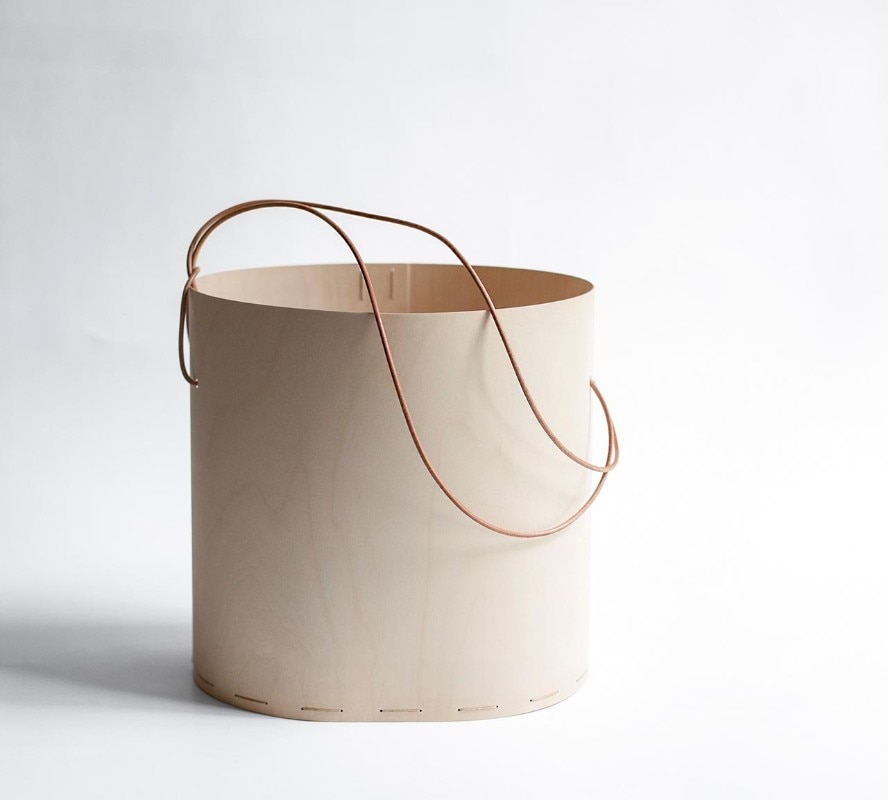
Handcrafted by Pentiilä herself without the use of glue or stitching, this poetic emptying basket stands out for the visual texture given by the folded sheet of plywood and the original handle made from a leather thread attached to the volume with a small wooden segment. Its lightness makes it easy to transport.
Handcrafted birch plywood, leather, string. Available in three versions of different sizes.
Totem (compact bin), Pearson Lloyd, Joseph Joseph, 2019
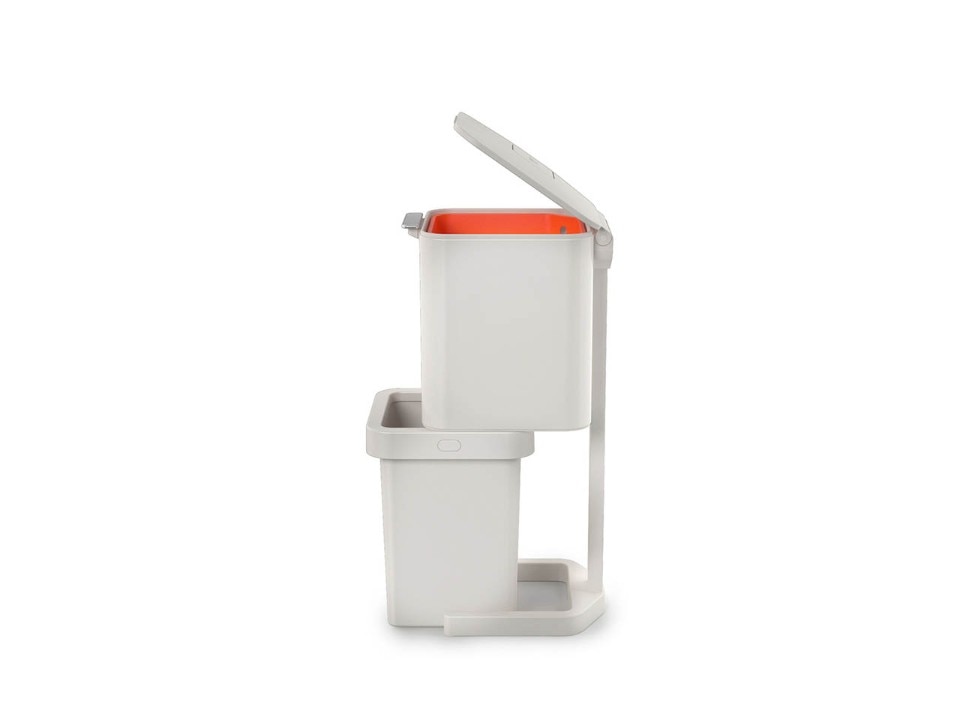
The dustbin adapts to the contemporary age by incorporating the needs of increasingly demanding recycling. The challenge—and certainly not a trivial one when it comes to combining different containers in a confined space—was well met. The bins that have to be picked up and emptied to throw away the rubbish are stacked in a column and slide forward to make it easier to take the bag out.
Confetti, Sarah Gibson, Nicholas Karlovasitis, Design by Them, 2019
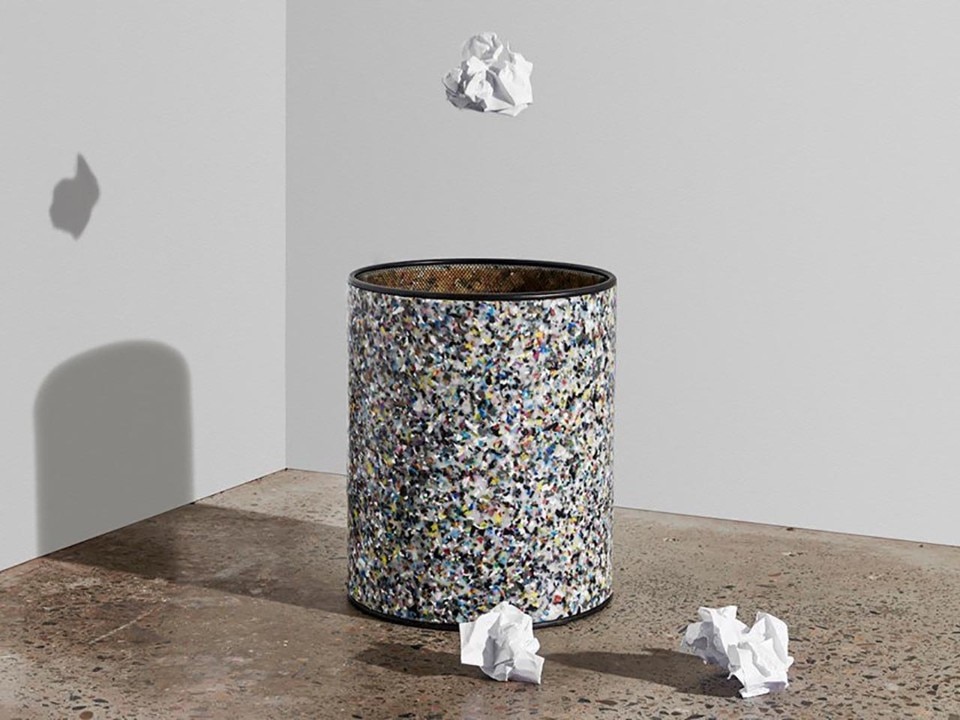
A waste bin for the home or office, it has a classic recycled plastic mesh that leave the original plastic fragments visible, reassembling them into a chaotic and cheerful texture.