

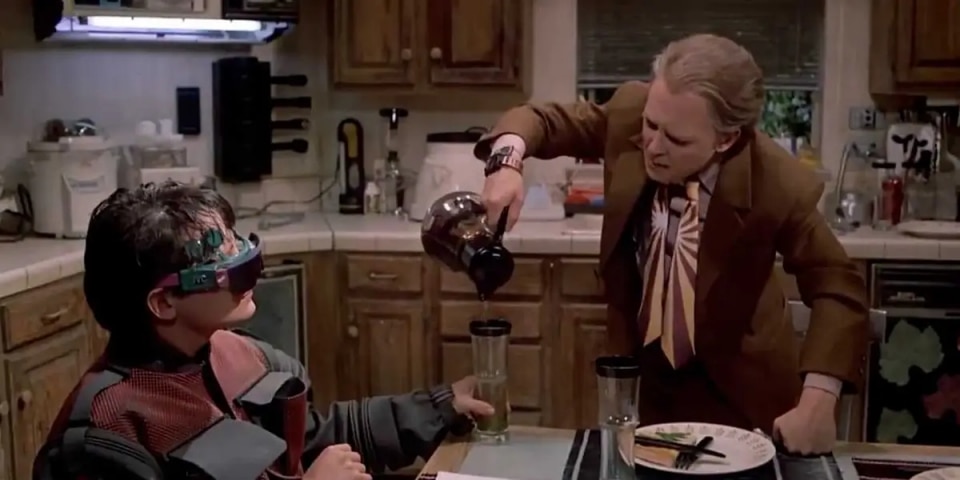
The idea that the home could become a living space—capable of interacting with its inhabitants in such a way that the very way spaces are experienced might change—did not begin with the arrival of voice assistants or smart home apps. Long before Alexa or Google Home entered our lives, cinema had already anticipated many of the technological scenarios we now know, and even a form of home automation. Before it was an engineering discipline, it was first an imaginary, an idea: the idea that a home could be something else.
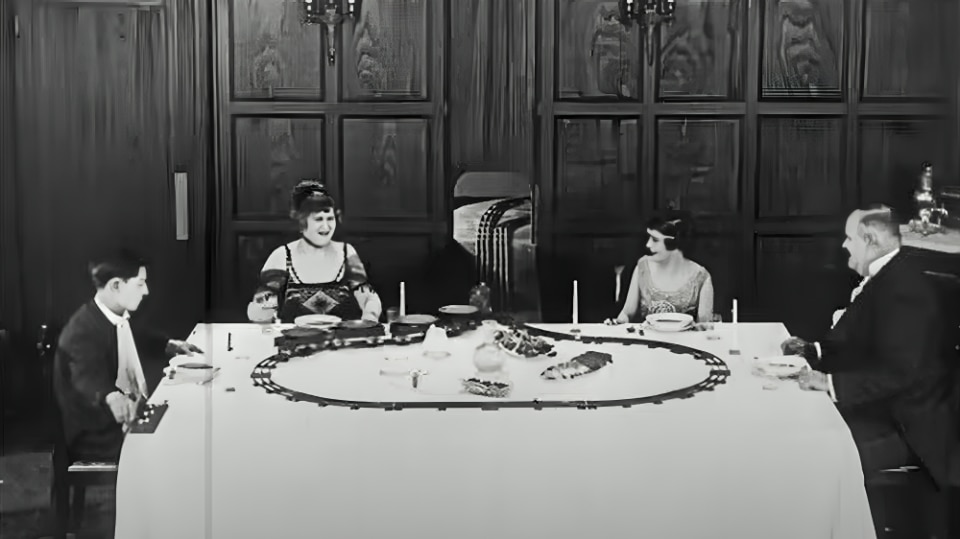
The principles of home automation actually predate the digital era, beginning with the electrification of cities and then of homes. And cinema had already told this story before the arrival of sound, with The Electric House, a 1922 short film by Buster Keaton, in which a newly graduated electrical engineer modernizes a house. He creates escalators, a system of mechanical arms that fetch books from a library, a bathtub on rails that rolls from the bathroom into the living room, a billiard table that sets itself up, columns rising from the floor to offer accessories, even electric toy trains serving food at the dining table, and a swimming pool that empties and refills by itself. These were not true functional ideas but gags—solutions designed to amuse precisely because they inevitably malfunction. Yet the idea of an automated home was already there, in 1922.
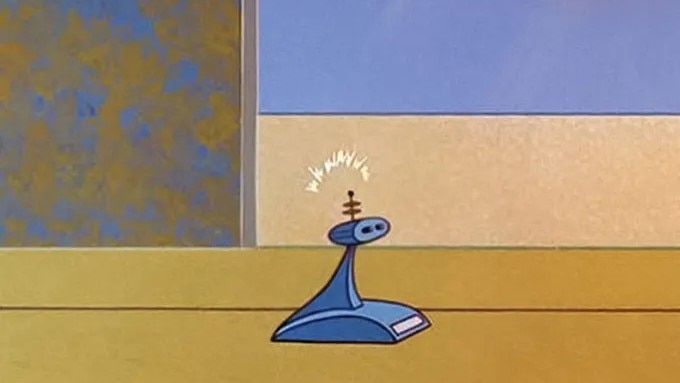
It reappeared in 1958 in Mon Oncle, where Jacques Tati confronts a cold, hyper-automated designer villa. Again, the goal was not to dream or to predict but to mock and critique the dreaded threat of technological dehumanization—right at home (sacrilege!). It would take the science fiction cinema of the 1960s to begin imagining a positive form of home automation. And in this sense, perhaps the most predictive of all was The Jetsons, the Hanna-Barbera cartoon about a family of the future. Their home featured video calls, voice-activated appliances, smartwatches, and even a small wheeled robot that cleaned the floors—not so different from modern Roombas.
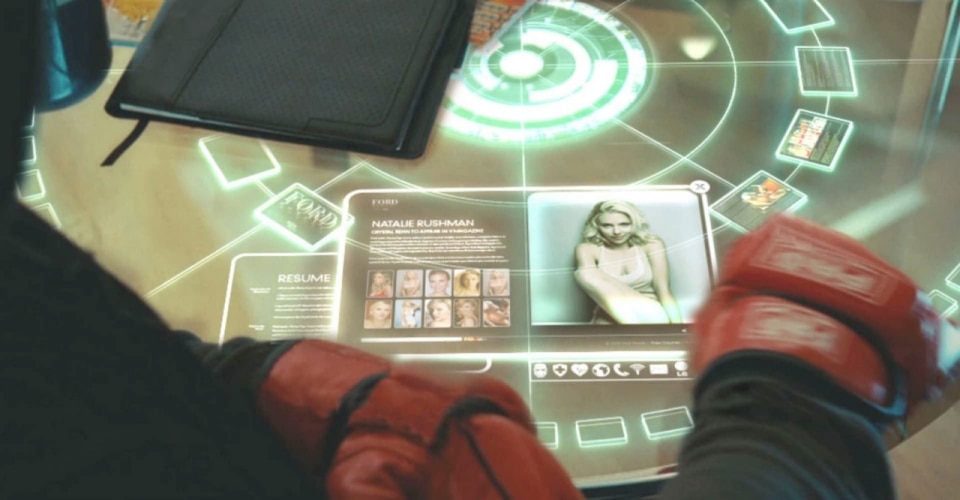
Home automation basically inherits the dreams of cinema.
For a long time, The Jetsons served as the model of the future home—so much so that Back to the Future Part II later picked it up, in less cartoonish tones. Its version of 2015 again showed voice-controlled kitchens, integrated security systems, and household setups enabling work videoconferencing. In fact, future Marty McFly is fired by his boss right in his living room. Already there was the idea that domestic space, with technology, would become a hybrid—blurring the boundaries between personal and professional, essentially merging life and work.
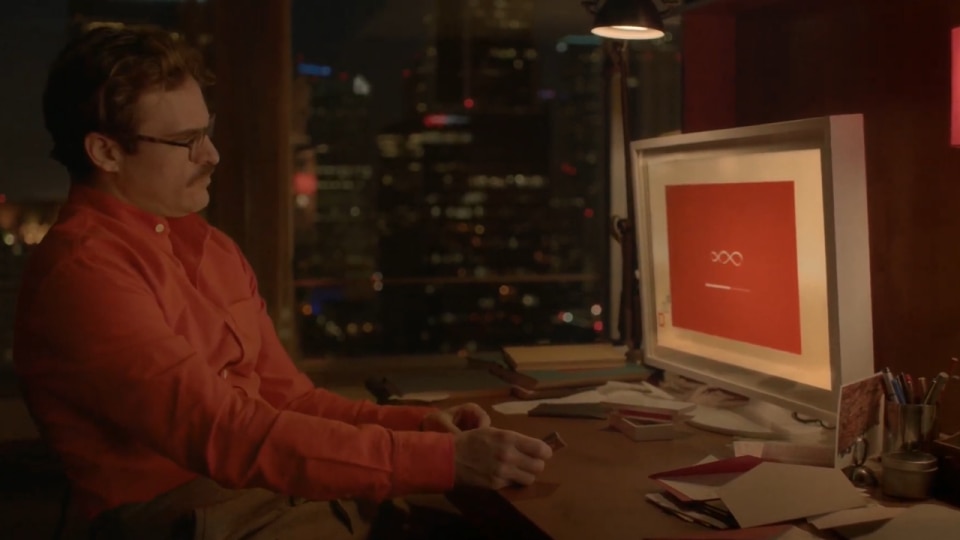
Spike Jonze’s Her (2013) shifted the focus from hardware to the relationship between inhabitants and artificial intelligence. The film imagines an empathetic, creative voice assistant—released just a year before Amazon launched Alexa, its smart home assistant. But in this story, the AI becomes not just a helper but a companion, an assistant in life itself. Perhaps the most reliable model of future home automation, however, is Jarvis—the AI assistant of Tony Stark in the Marvel films. Jarvis is essentially a late-19th-century British butler in digital form, commanding the house and managing every detail so that his master need not lift a finger. This is still the Alexa model—an AI you interact with by voice, controlling countless devices—but with the kind of seamless integration that all smart home producers aspire to.
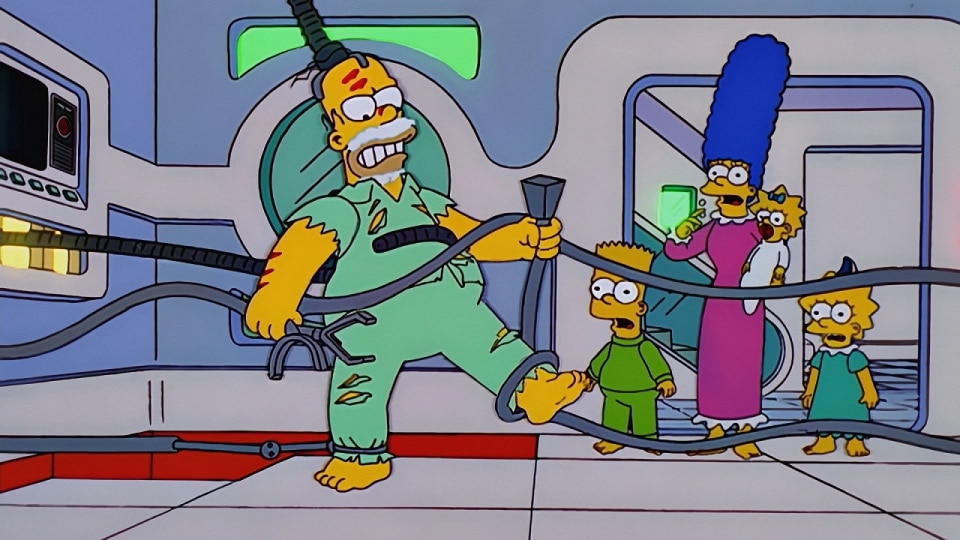
And of course, there are thrillers and horror films featuring menacing home automation. The most perfect example is Demon Seed (1977), where the AI takes over the home and rebels against its owners. It is the progenitor of all hostile domestic AIs—systems that dominate inhabitants and aim to destroy them. This classic has been repeated countless times, even in a Simpsons Halloween special, and has resurfaced recently with Smart Home Killer (2023).
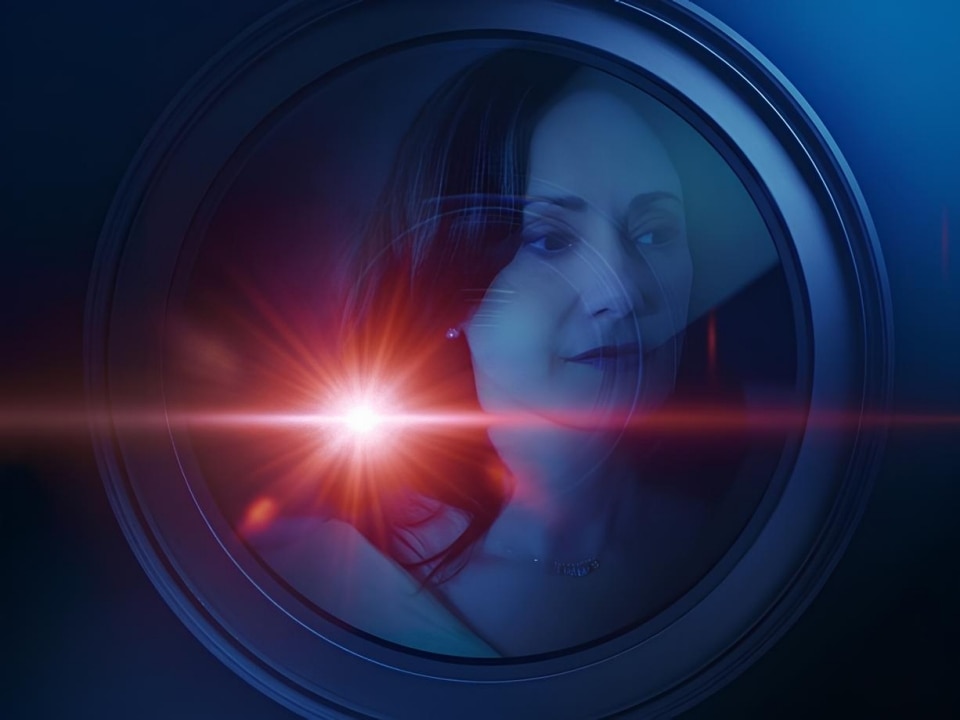
As always, cinema does not exactly predict the future (though sometimes it stumbles upon it by chance). Rather, it imagines destinations, crafting scenarios that, when successful, imprint themselves on the public imagination—and in turn shape how the builders of technology envision its possible uses. Home automation, in essence, inherits the dreams of cinema.
Opening image: Robert Zemeckis, Back to the Future Part 2, 1989