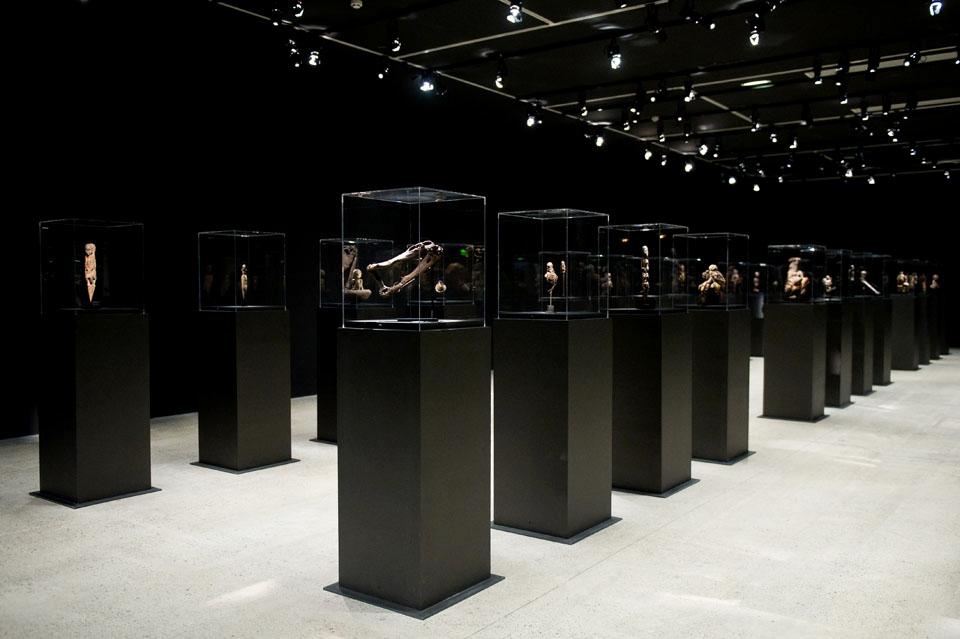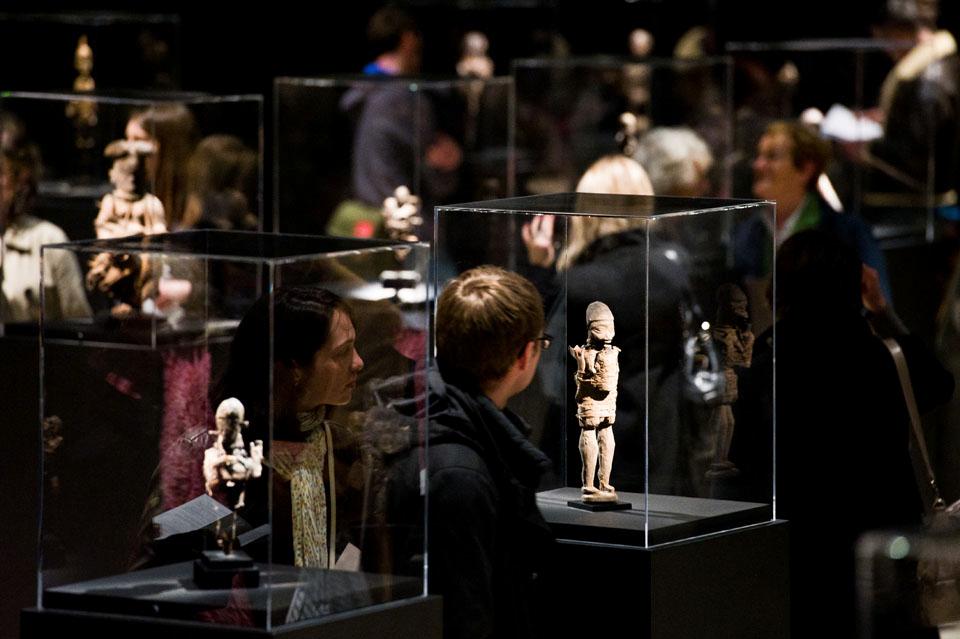

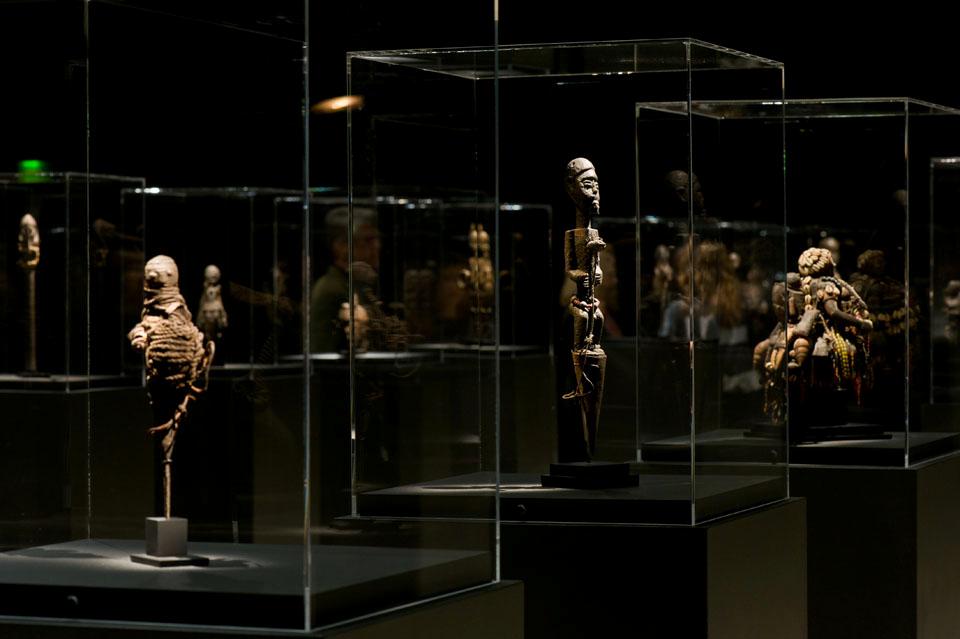
Cutting short anthropological propositions, Kerchache designated the aesthetic values of the objects produced as the only territory for comparison with other cultures. Next in this hierarchy is the economic level, according to his detractors, to set good prices, and establish a market that supports the practice of collecting. Aside from this controversy, however, the objects of Kerchache's study—the fetishes, objects and the rituals that his tireless activity has infused with meaning and over the last decades—moved from being of interest to a select few in the field to attracting a growing number of visitors to the two large specialised museums in Paris today. By way of proof is the wing of the Louvre dedicated to ethnic art and the Musée Branly, planned by Chirac and realised by Jean Nouvel.
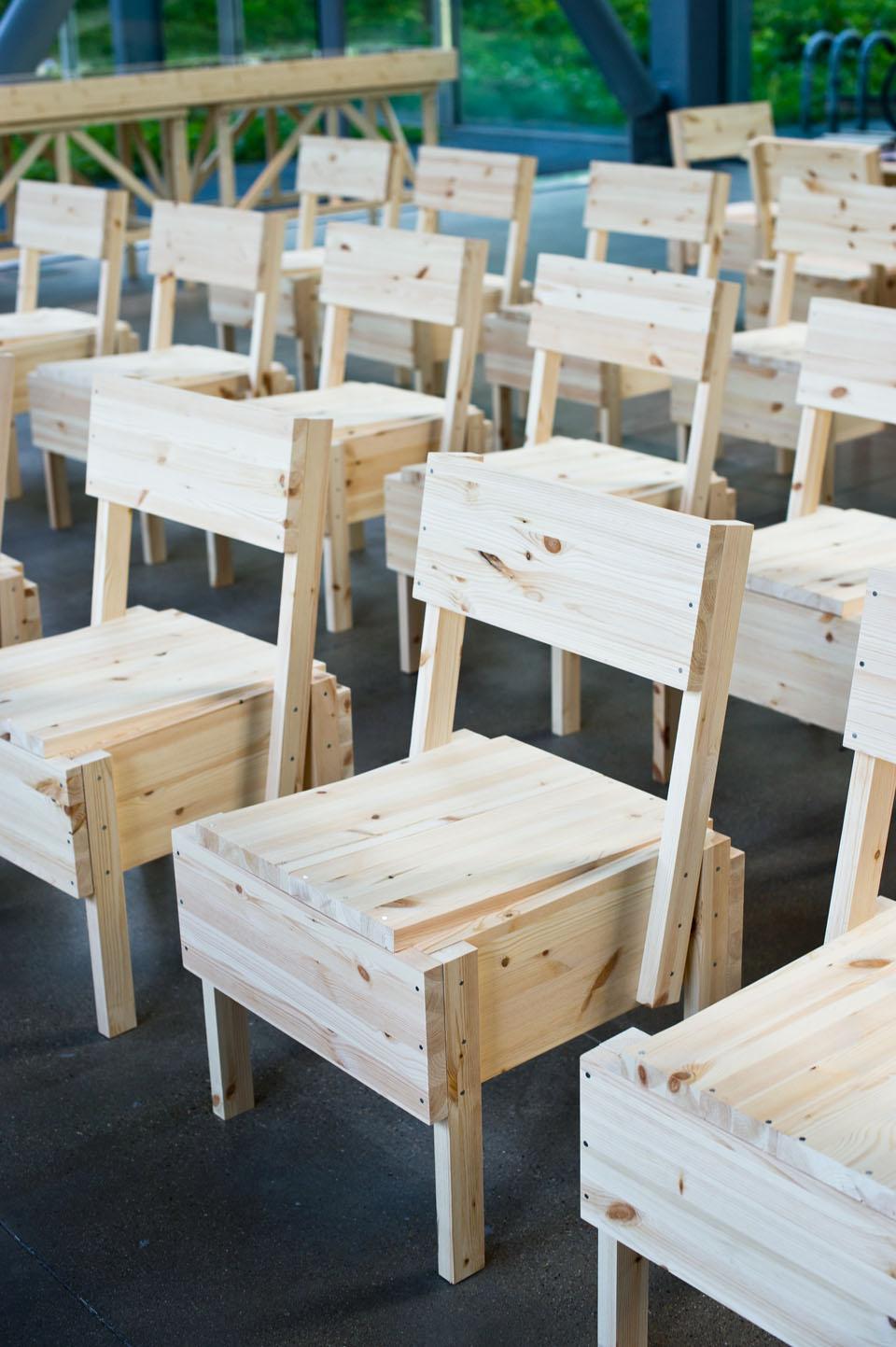
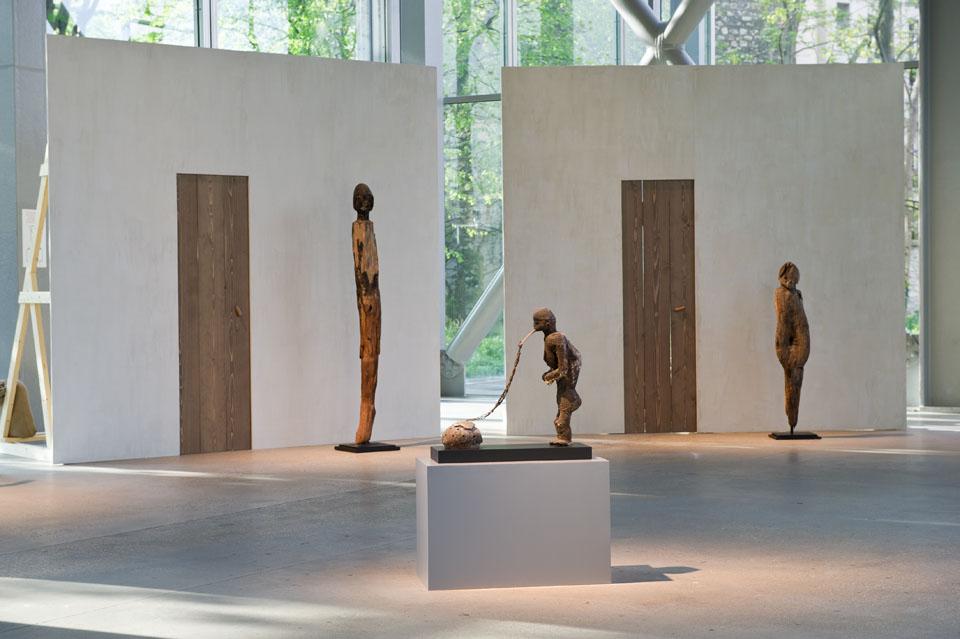
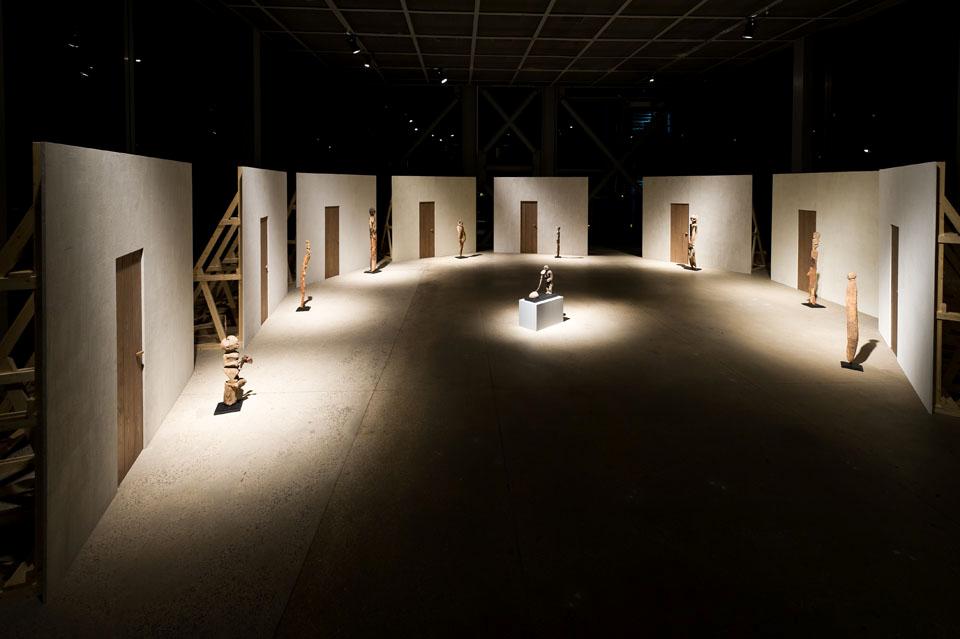
However, the true beauty of this exhibition at the Fondation Cartier may lie in its upright purism and the cool yet humble gestures of Enzo Mari, the Italian architect who has designed the exhibition. In reordering and evaluating a nucleus of pieces belonging to Kerchache, the stark setting conceived by this design maestro sinks us once more into a privileged relationship with these very difficult Bocio sculptures, a name that continues to be at the centre of ethnographic research and takes us back to the essence of the primary experience of their rediscovery.
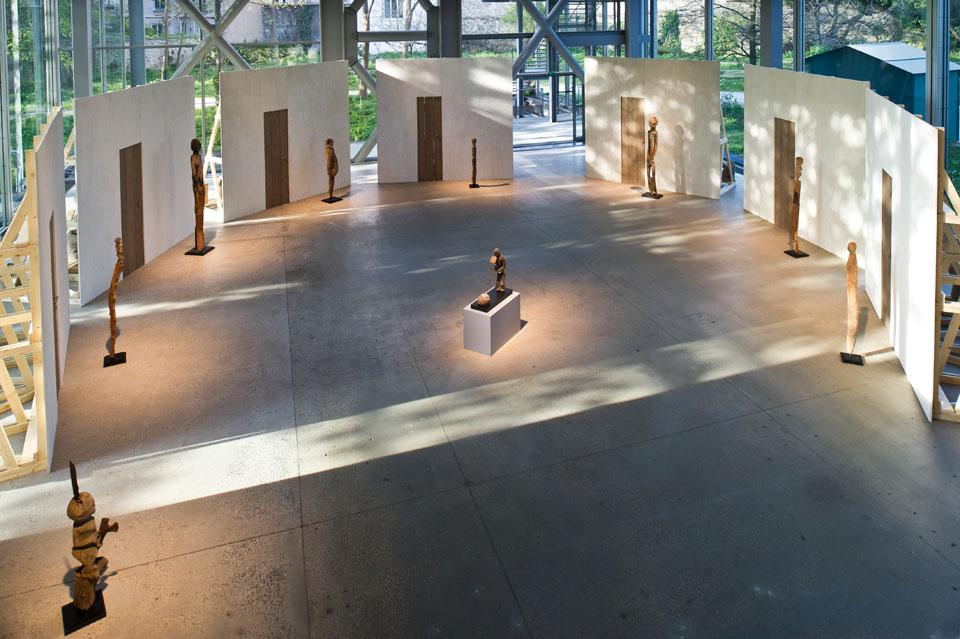
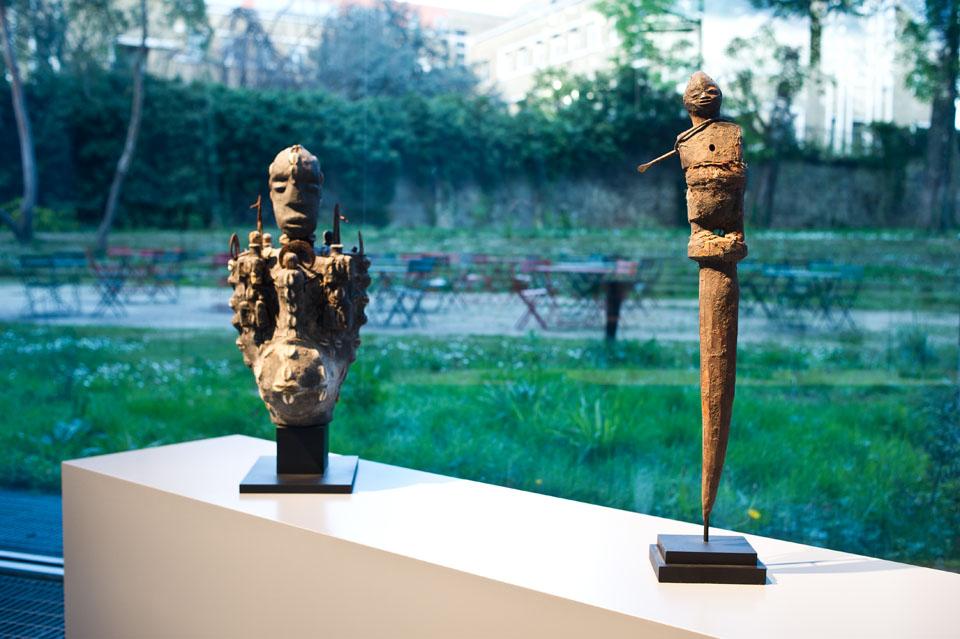
The lighting design reveals the materials and sacrificial patina of these pieces, which operate more like medicine than objects, cabinets of psychological remedies and philosophies.
Ivo Bonacorsi
Fondation Cartier pour l'Art Contemporain
through 25 September 2011