results
No results
Please enter a long search term
The surrealist revolution at Beaubourg of Paris
Six hundred of the most important literary works and plastic products from the movement created in Paris by the writer Andrè Breton make up the core of the large exhibition at Beaubourg to recount the “golden years” of surrealism: the years between the two world wars. The journey starts with Giorgio de Chirico, considered to be one of the pioneers of surrealism with his enigmatic metaphysical paintings consisting of a clear oneiric content: five of the artist’s paintings are on exhibit in the first room, including “Canto d'amore” and “Ritratto premonitore di Apollinaire”, the poet who unknowingly gave name to the surrealist style (entitling one of his plays the ‘surrealist drama’, a term Breton used in the First Surrealist Event of 1924).
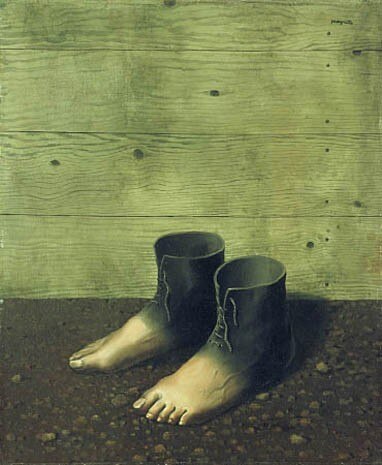
The writings of Paul Eluard, Louis Aragon, Raymond Queneau, are also on exhibit at the Beaubourg, which were often illustrated by artists of the 'family'. These are some of the main protagonists of this “liberation of man from the rationalism of bourgeois culture”. Dreams, erotism, blasphemy and the city are some of the main themes dealt with by the great protagonists in the world of plastic arts. This exhibition includes works by Max Ernst, Salvador Dalì, Joan Miró, Tanguy, André Masson, Magritte, as well as the anatomy of three women by Picasso and the “useless and disposable” sculptures by Giacometti.
until 24.6.2002 La Révolution surréaliste Centre national d’art et de culture Georges Pompidou, Paris T +33-1-44781233 http://www.centrepompidou.fr



 View gallery