OK
Domus Domus
newsstand
SUBSCRIBE
  • Magazine
  • Digital Edition
  • Digital Archive
LANGUAGE
  • it
  • en
Hi Logout
Sign up / Log in
  • News
  • Architecture
  • Interiors
  • Design
  • Art
  • Archive
  • Products
  • Design Essentials
  • Design Stories
  • Submit your project
Sections
  • News
  • Architecture
  • Interiors
  • Design
  • Art
  • Archive
  • Products
  • Covers
  • Biographies
  • Architecture Firms
  • Sustainable Cities
  • Gallery
  • Design Stories
  • Domus for Design
Magazine
  • Subscriptions
  • Digital Edition
  • Current Issue
  • Guest Editor
  • Digital Archive
  • Nordic Design
Specials
  • Design Essentials
  • Modern Work
  • DomusAir
  • Milano Design Week
  • Worldesign
Current Issue

Domus 1106 hits the shelves

Follow us
LANGUAGE
  • it
  • en
Hi Logout
Sign up / Log in
newsletter Icon
results No results Please enter a long search term

      14 great pedestrianised squares, designed to re-humanise the public space

      14 great pedestrianised squares, designed to re-humanise the public space

      Next gallery

      10 design homes you can rent on Airbnb, including one by Steven Holl

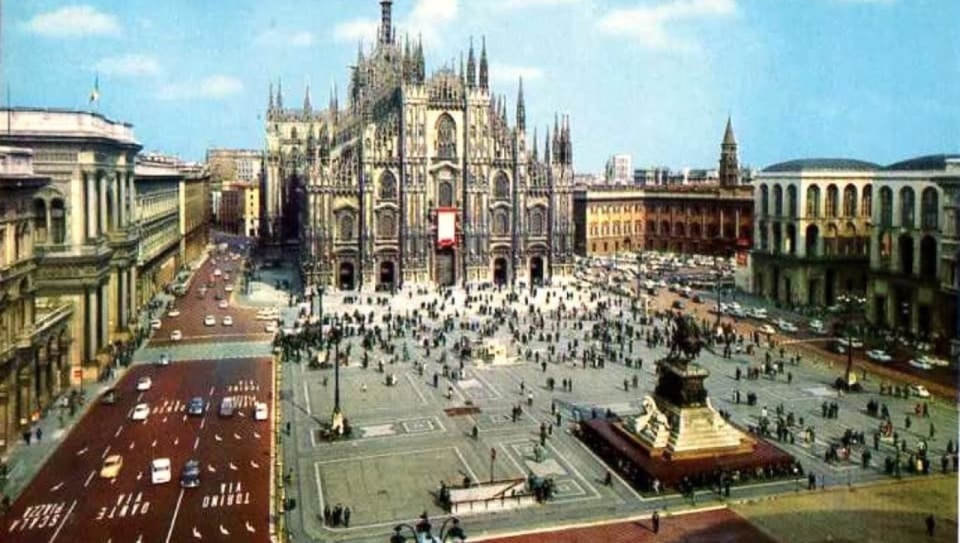
      Piazza Duomo, Milan (before)

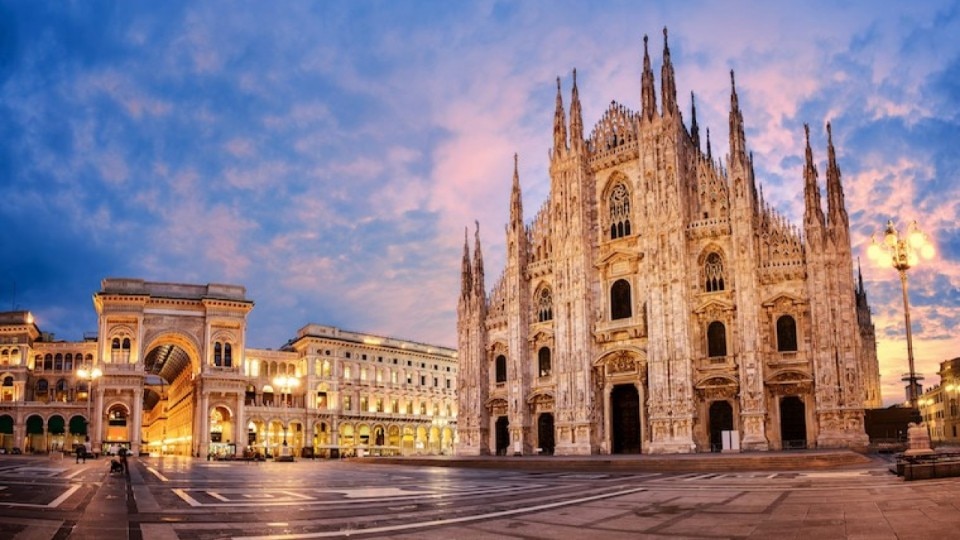
      Although Milan’s pubblic policies today are very attentive to the issue of sustainable mobility, until the second half of the last century there was a certain permissiveness towards vehicle traffic, so that it was possible to dart and park in Piazza del Duomo or in front of La Scala. The first three pedestrian islands were established in 1969; the carriageways along the northern and southern arcades of the Duomo were pedestrianised in 1977 and the whole of Corso Vittorio Emanuele II became off limits to cars in 1987.

      View article
      View article
      • SHARE
      • PIN IT

      Piazza Duomo, Milan, Italy (after)

      Photo by Boris Stroujko on Adobe Stock

      View article
      View article
      • SHARE
      • PIN IT

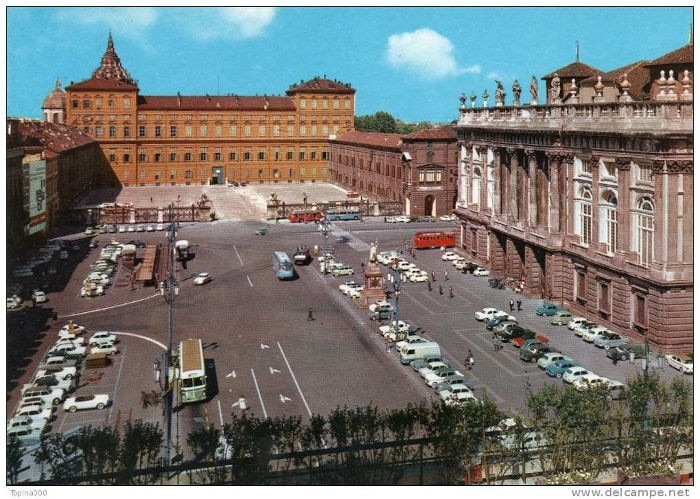
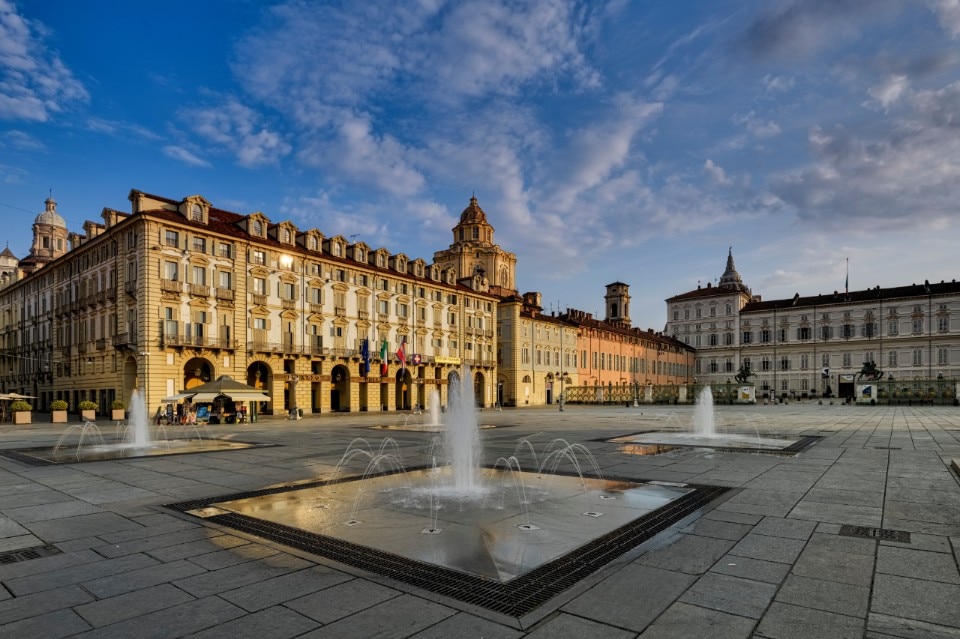
      Piazza Castello, Turin, Italy (before)

      In the city of the automobile industry, it is not difficult to imagine that, in the past, policies to encourage private traffic were a constant, so much so that even historic urban spaces, such as Piazza Castello, were partly turned into car parks. Shortly before the 2006 Olympics, the administration decided to requalify the square: traffic was moved to the south-eastern part, while the area between Piazza Madama and Via Garibaldi became a large pedestrian area with fountains.

      View article
      View article
      • SHARE
      • PIN IT

      Piazza Castello, Turin, Italy (after)

      Photo by diego cottino on Adobe Stock

      View article
      View article
      • SHARE
      • PIN IT

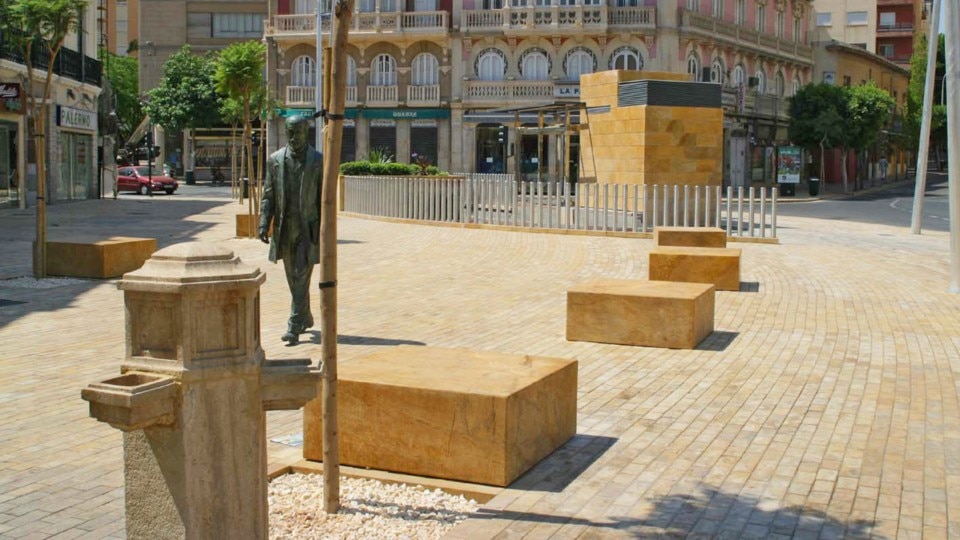
      de Paauw architecture, Requalification of Puerta Puchena, Almeria, Spain 2005

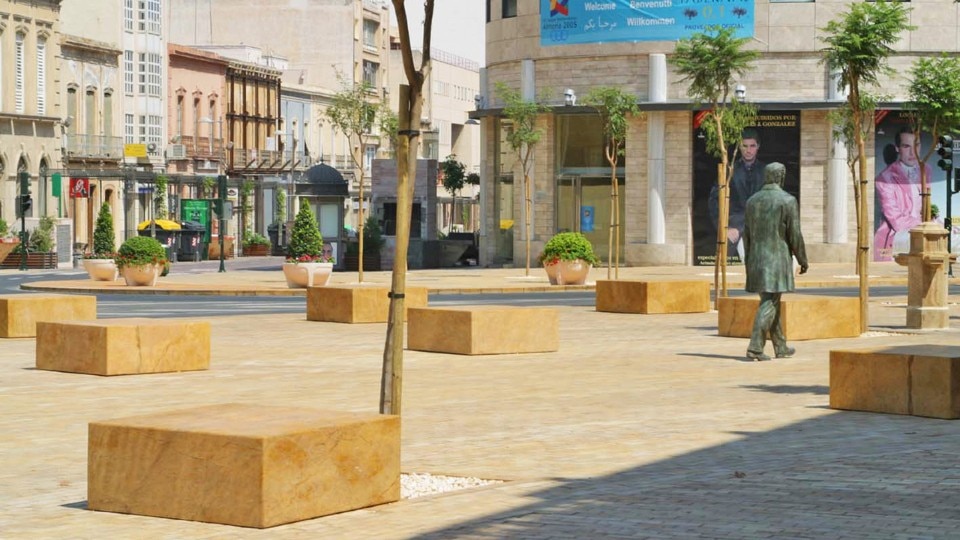
      More than a square, the space adjacent to one of the city’s medieval gates was, before the requalification, a crossroads of congested routes leading into the historic centre. The construction of an underground car park, with two driveways and one pedestrian access connecting to the square above, was an opportunity to reconfigure the open spaces converging at the ancient junction into a unified design. The junction was solved by maximising the pedestrian transit areas, integrated with seating and trees. A paving of yellow Macael marble unifies the urban design and perceptively connects the square with the colour of the surrounding built heritage.

      Courtesy de Paauw architecture

      View article
      View article
      • SHARE
      • PIN IT

      de Paauw architecture, Requalification of Puerta Puchena, Almeria, Spain 2005

      Courtesy de Paauw architecture

      View article
      View article
      • SHARE
      • PIN IT

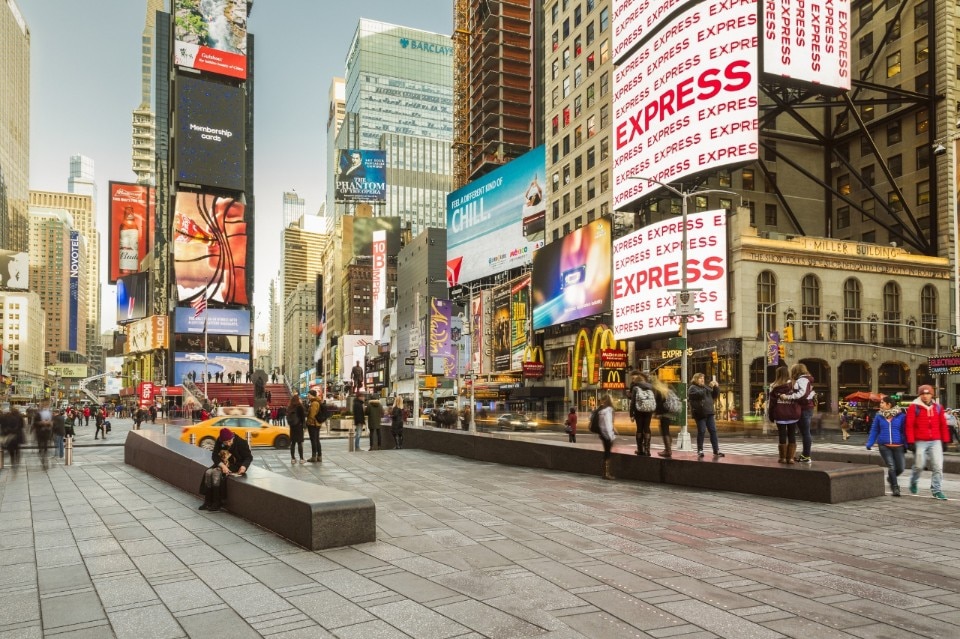
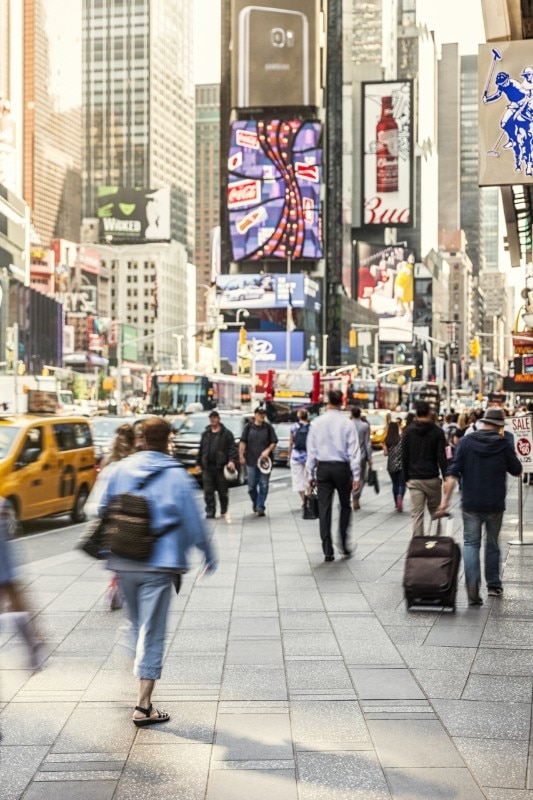
      Snøhetta, Times Square, New York, USA 2007

      The requalification of the area – more than 10,000 square metres between Broadway and 7th Avenue in Midtown Manhattan – made it possible to transform a notoriously congested intersection of theatres and tourist attractions into a safe and welcoming space for the community. The project doubled the number of pedestrian areas compared to the existing facilities and created five plazas between each of the cross streets. Precast concrete paving of different finishes unifies the rest spaces, where sculptural granite benches are placed.

      Courtesy Snøhetta, photo by Michael Grimm 

      View article
      View article
      • SHARE
      • PIN IT

      Snøhetta, Times Square, New York, USA 2007

      Courtesy Snøhetta, photo by Michael Grimm 

      View article
      View article
      • SHARE
      • PIN IT

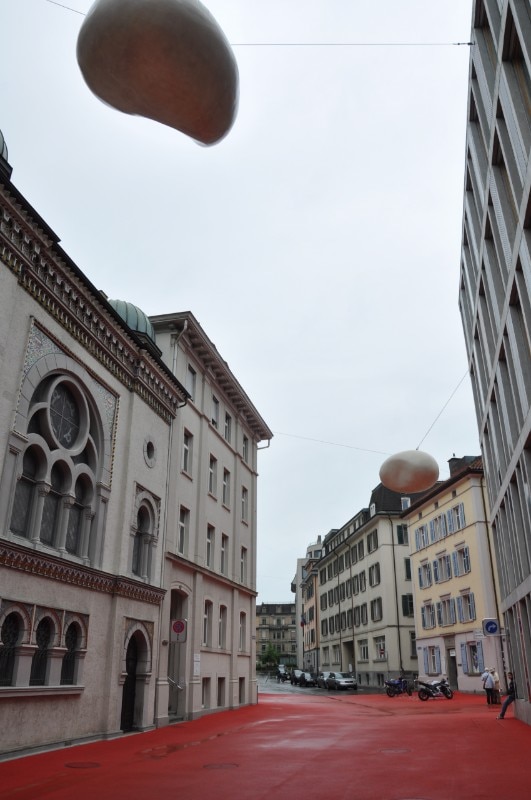
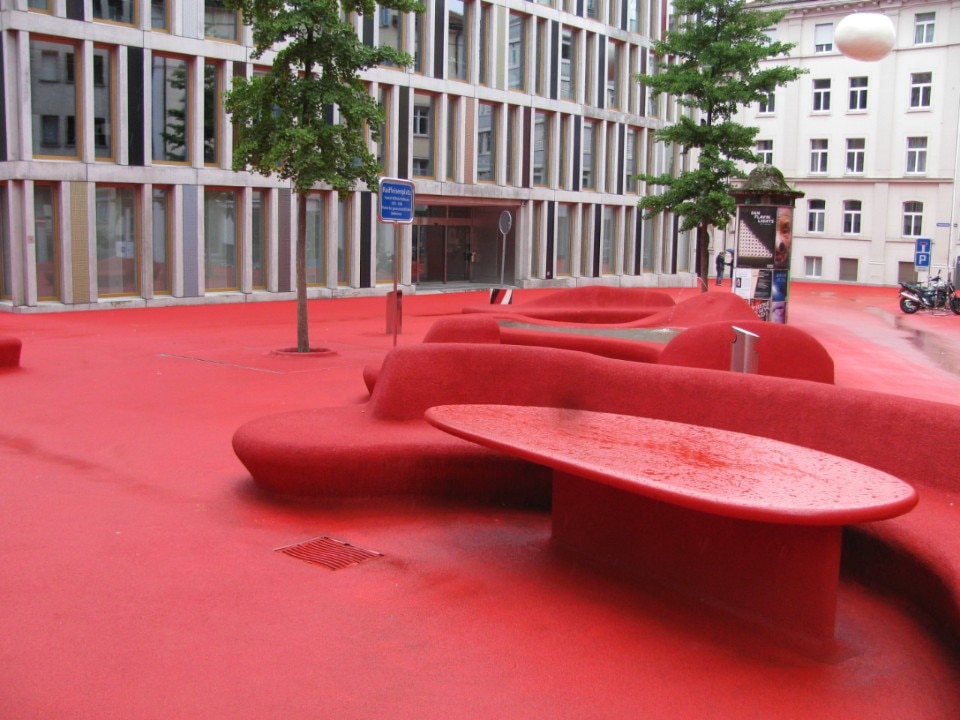
      Pipilotti Rist, Carlos Martinez, Roter Platz, St. Gallen, Switzerland 2007

      A bright red carpet (made of plastic granulate) covers the public space and transforms an ordinary place into a captivating “city lounge”, an urban living room furnished with seats, armchairs, tables and sofas and illuminated by amusing full moons floating in the air: a place par excellence for meeting, leisure and entertainment in the city.

      Photo on wikimedia commons

      View article
      View article
      • SHARE
      • PIN IT

      Pipilotti Rist, Carlos Martinez, Roter Platz, St. Gallen, Switzerland 2007

      A bright red carpet (made of plastic granulate) covers the public space and transforms an ordinary place into a captivating “city lounge”, an urban living room furnished with seats, armchairs, tables and sofas and illuminated by amusing full moons floating in the air: a place par excellence for meeting, leisure and entertainment in the city.

      Photo on wikimedia commons

      View article
      View article
      • SHARE
      • PIN IT

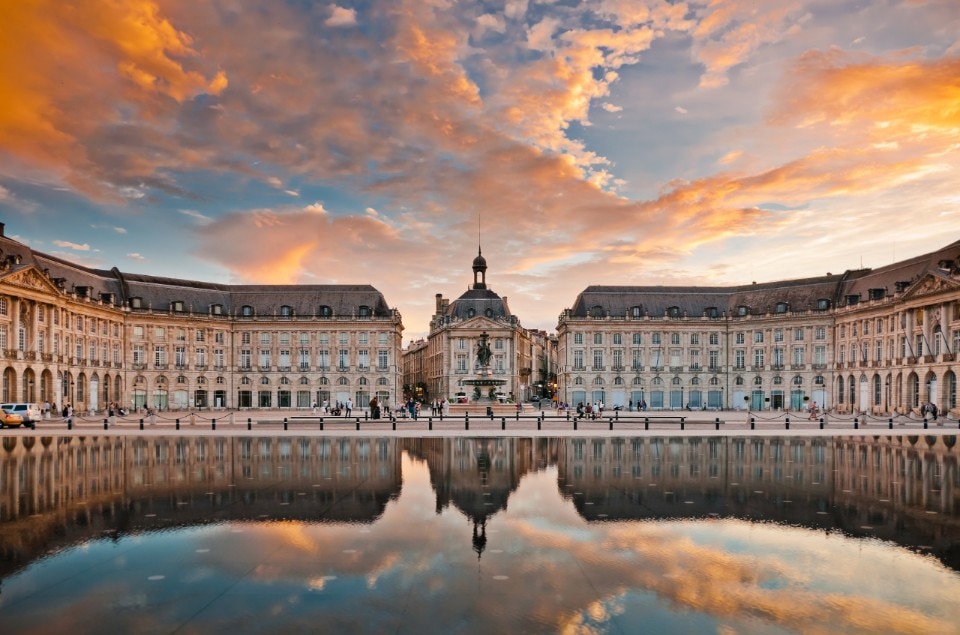
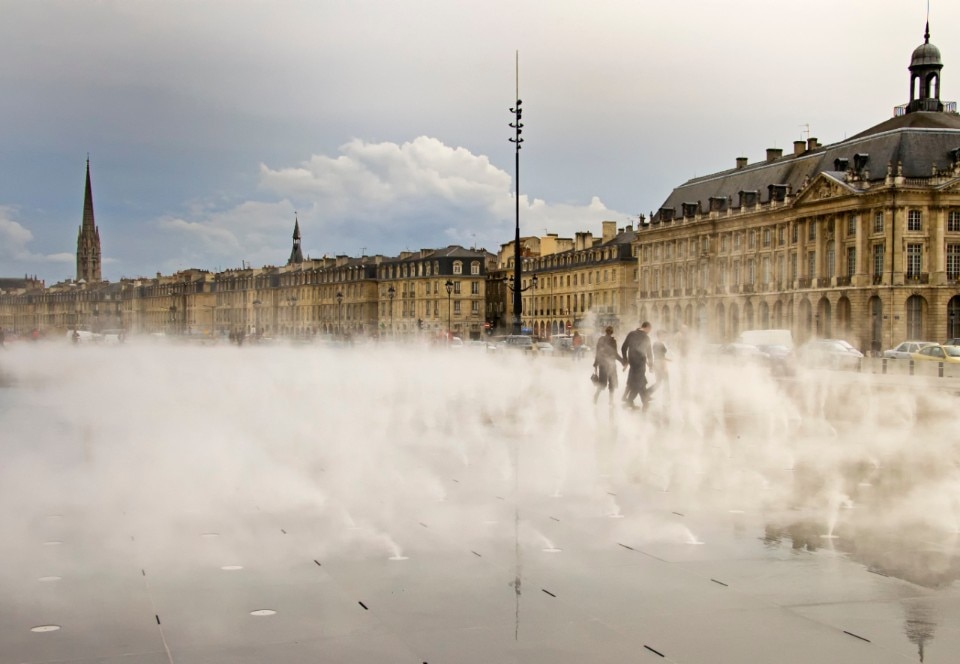
      Jean-Max Llorca, Pierre Gangnet, Michael Corajoud, Place de la Bourse, Bordeaux, France 2007

      The square designed by Ange-Jacques Gabriel and opened in 1749 is one of the city’s most lived-in meeting places. Here the world’s largest artificial water mirror is located: Le Miroir d’Eau, designed by Jean-Max Llorca, Pierre Gangnet and Michael Corajoud, covers a granite slab pavement at regular intervals of about half an hour. The hydraulic mechanism involves slow flooding: the square is covered with a 2-cm slab of water on which the facades of the buildings are reflected; as the water, collected in an 800mc reservoir, recedes, a series of 900 nozzles inserted into the pavement forms clouds of mist that envelop the urban space.

      Photo by Alexander Demyanenko on Adobe Stock

      View article
      View article
      • SHARE
      • PIN IT

      Jean-Max Llorca, Pierre Gangnet, Michael Corajoud, Place de la Bourse, Bordeaux, France 2007

      The square designed by Ange-Jacques Gabriel and opened in 1749 is one of the city’s most lived-in meeting places. Here the world’s largest artificial water mirror is located: Le Miroir d’Eau, designed by Jean-Max Llorca, Pierre Gangnet and Michael Corajoud, covers a granite slab pavement at regular intervals of about half an hour. The hydraulic mechanism involves slow flooding: the square is covered with a 2-cm slab of water on which the facades of the buildings are reflected; as the water, collected in an 800mc reservoir, recedes, a series of 900 nozzles inserted into the pavement forms clouds of mist that envelop the urban space.

      Photo by Alexander Demyanenko on Adobe Stock

      View article
      View article
      • SHARE
      • PIN IT

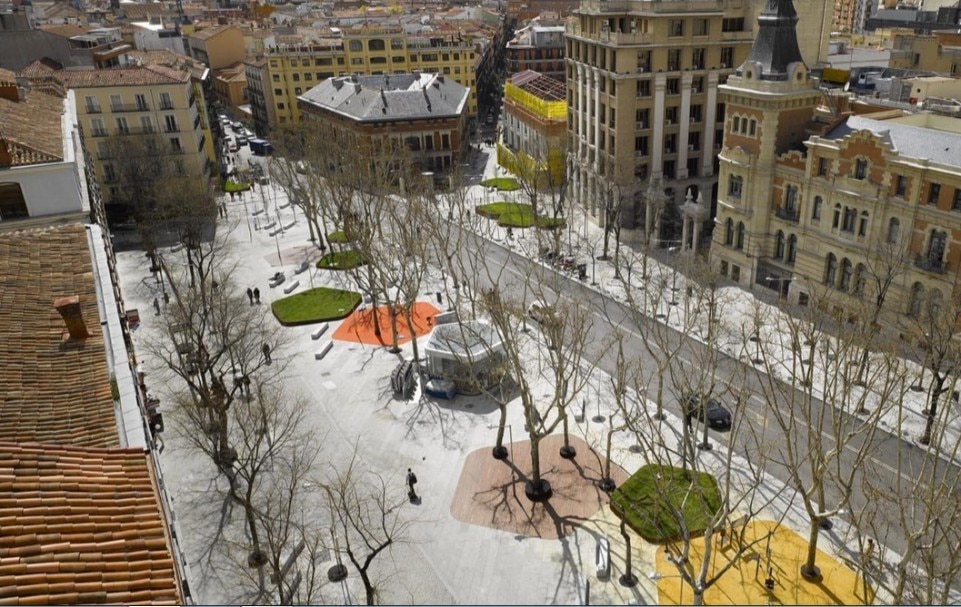
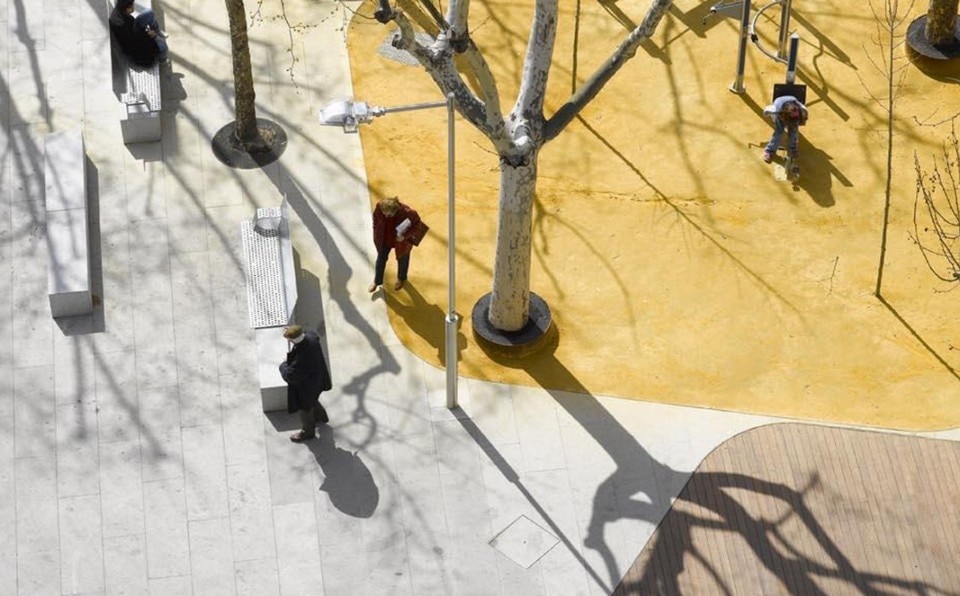
      Nieto Sobejano Arquitectos, Plaza de Santa Bárbara, Madrid, Spain 2009

      The Plaza de Santa Bárbara redevelopment project is part of a larger intervention involving a dense central area of Madrid. In addition to the redesign of the public square, the overall proposal included the construction of a new mixed-use building comprising the new Barceló market, a temporary market, a sports complex, a public library and other services. The intervention defines a large pedestrian area, with recreational facilities and walking areas. Vehicle traffic has been reduced by eliminating one of the previously existing roads. The varied paving, from granite to wood and grassy areas, functionally marks play and recreation areas, walkways and a small glass pavilion that serves as a book and flower shop.

      Courtesy Nieto Sobejano Arquitectos

      View article
      View article
      • SHARE
      • PIN IT

      Nieto Sobejano Arquitectos, Plaza de Santa Bárbara, Madrid, Spain 2009

      Courtesy Nieto Sobejano Arquitectos

      View article
      View article
      • SHARE
      • PIN IT

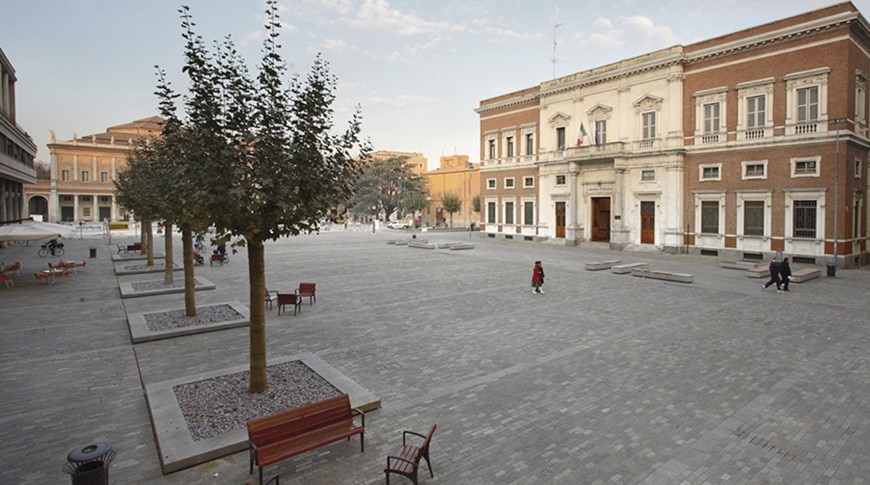
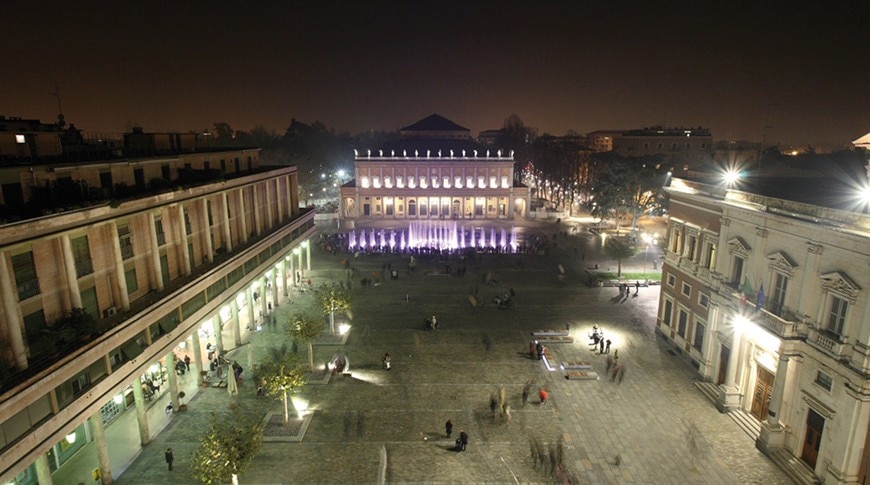
      Cairepro, Redevelopment of Piazza Martiri del 7 Luglio and Piazza della Vittoria, Reggio Emilia, Italy 2009

      The project originates from the need to transform an anonymous and busy space in the historic centre, overlooked by some of the city’s main institutional and cultural venues, from an indifferent junction of vehicular transit into a welcoming, accessible place dedicated to stopping and socialising. A continuous paving of Luserna stone in various sizes and colour shades, interrupted by recursions that dialogue with the tight rhythmic pattern of the surrounding porticoes (S. Rocco block and Teatro Valli), unifies the character of the two adjoining squares. The monolithic concrete and wooden seats, in the shade of the plane trees, create precious resting points in the large dilated space with its vaguely metaphysical aura, where the play of polychrome gushes of the fountain on which the theatre is reflected contributes to catalysing the curiosity of adults and children alike.

      Courtesy Cairepro

      View article
      View article
      • SHARE
      • PIN IT

      Cairepro, Redevelopment of Piazza Martiri del 7 Luglio and Piazza della Vittoria, Reggio Emilia, Italy 2009

      Courtesy Cairepro

      View article
      View article
      • SHARE
      • PIN IT

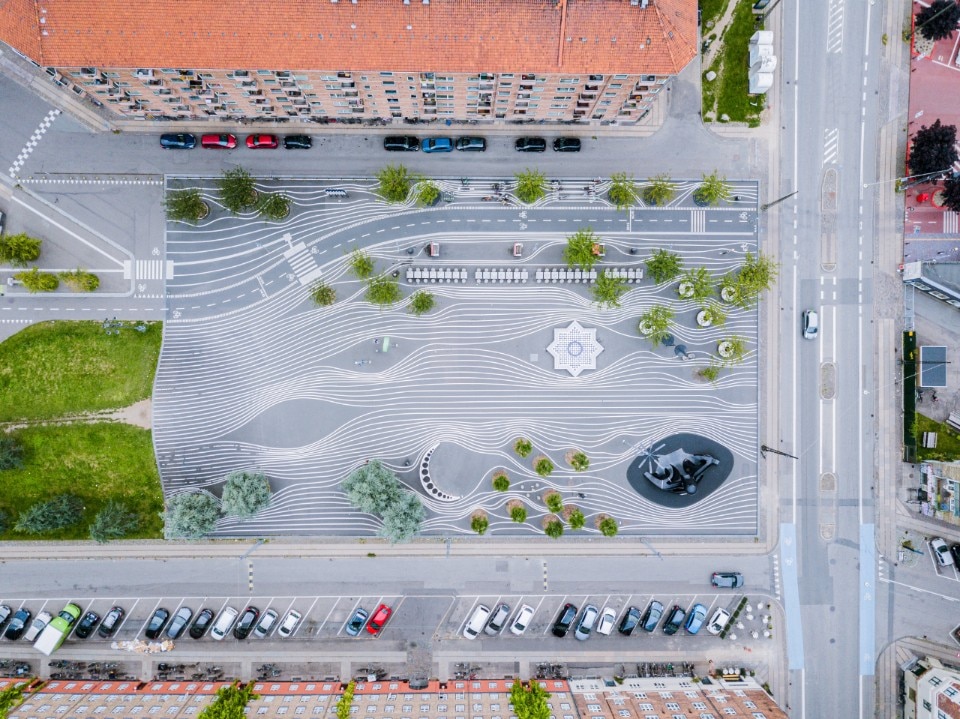
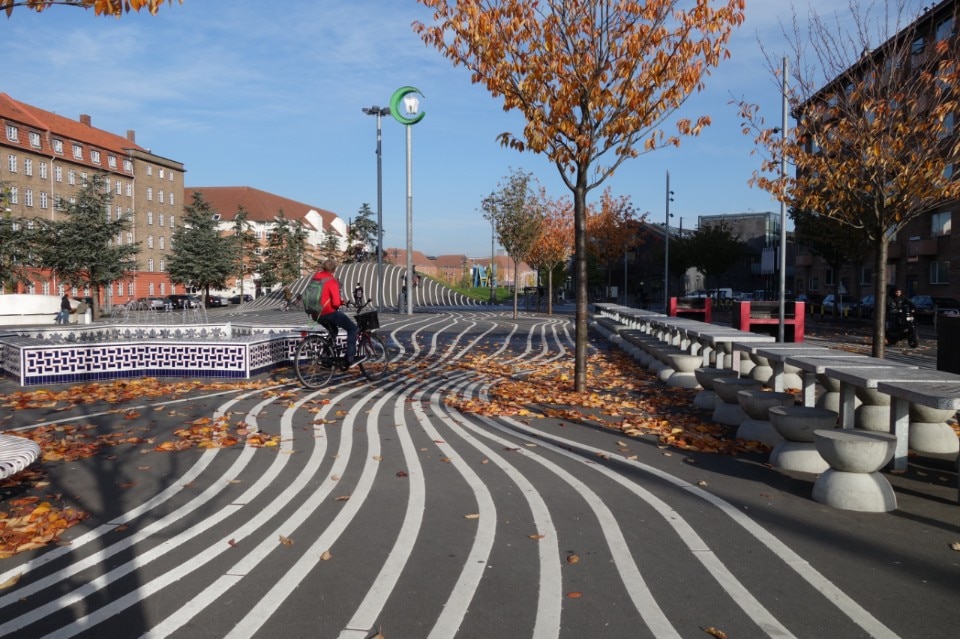
      Superflex, Bjarke Ingels Group, Topotek1, Superkilen, Copenhagen, Denmark 2012

      In the complex and varied context of Nørrebro, the 30,000sqm urban park was conceived as a space for social gathering and integration, and as a manifesto of the added value represented by cultural heterogeneity. The area is divided into three strongly recognisable spaces (the “red square” with seating and cafés; the “black market” with benches and fountain; the “green park” for sports and leisure). Many elements in the park have been imported or reproduced (including the swings from Iraq, the benches from Brazil, the fountain from Morocco, the litter bins from England, the neon signs from all over the world), testifying to the kaleidoscope of languages and cultures that interface here.

      Photo by OliverFoerstner on Adobe Stock

      View article
      View article
      • SHARE
      • PIN IT

      Superflex, Bjarke Ingels Group, Topotek1, Superkilen, Copenhagen, Denmark 2012

      Photo by OliverFoerstner on Adobe Stock

      View article
      View article
      • SHARE
      • PIN IT

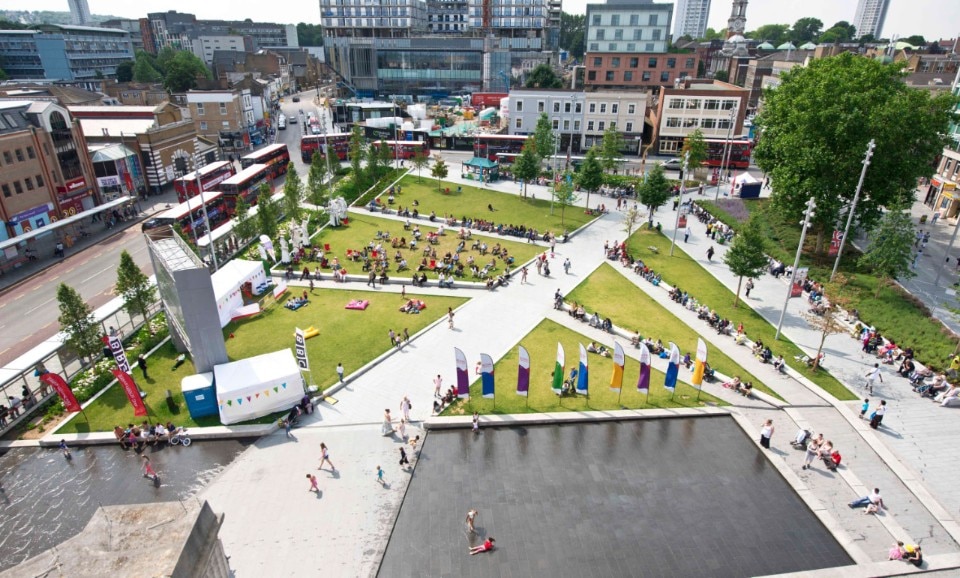
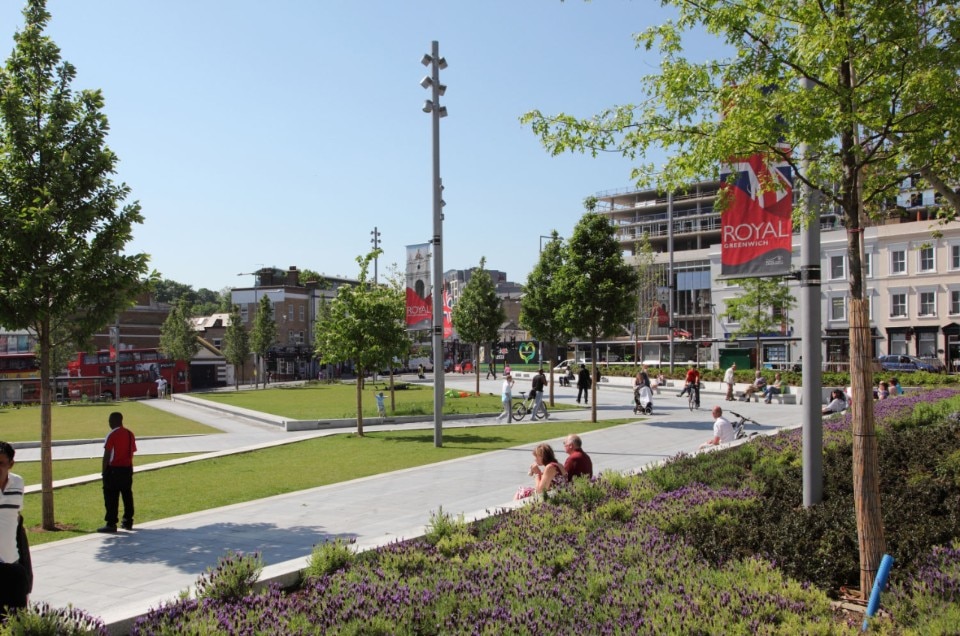
      Gustafson Porter + Bowman, General Gordon Square, Woolwich, London, UK 2012

      As part of the larger masterplan for the redevelopment of Woolwich's public spaces and based on a careful study of pedestrian transit flows, the project involved the creation of an accessible and strongly identified square. A system of ramps and terraces guarantees the connection between the different levels, where large areas of trees and lawns alternate with areas paved in natural stone.

      Courtesy Gustafson Porter + Bowman

      View article
      View article
      • SHARE
      • PIN IT

      Gustafson Porter + Bowman, General Gordon Square, Woolwich, London, UK 2012

      Courtesy Gustafson Porter + Bowman

      View article
      View article
      • SHARE
      • PIN IT

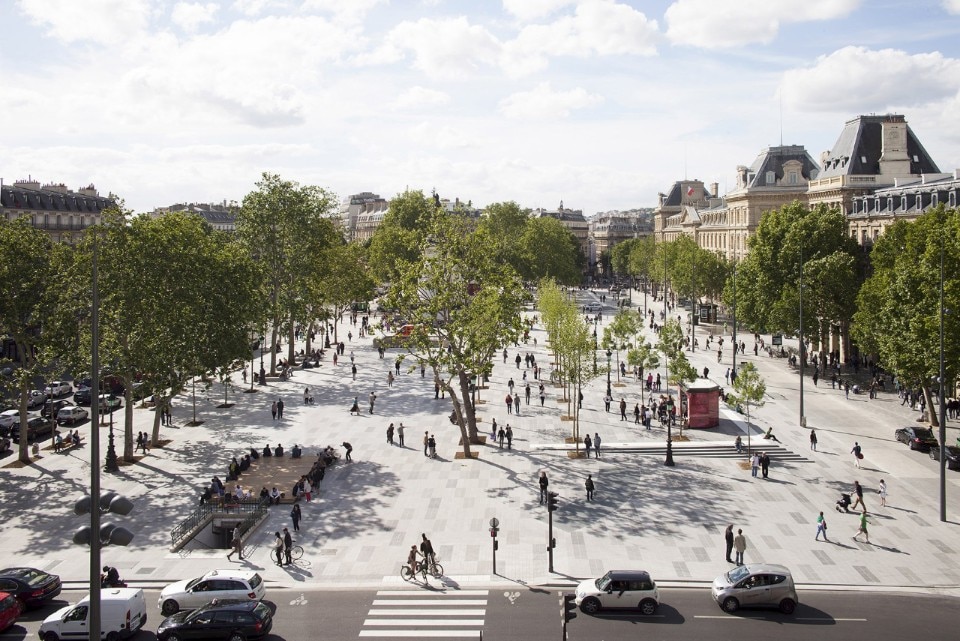
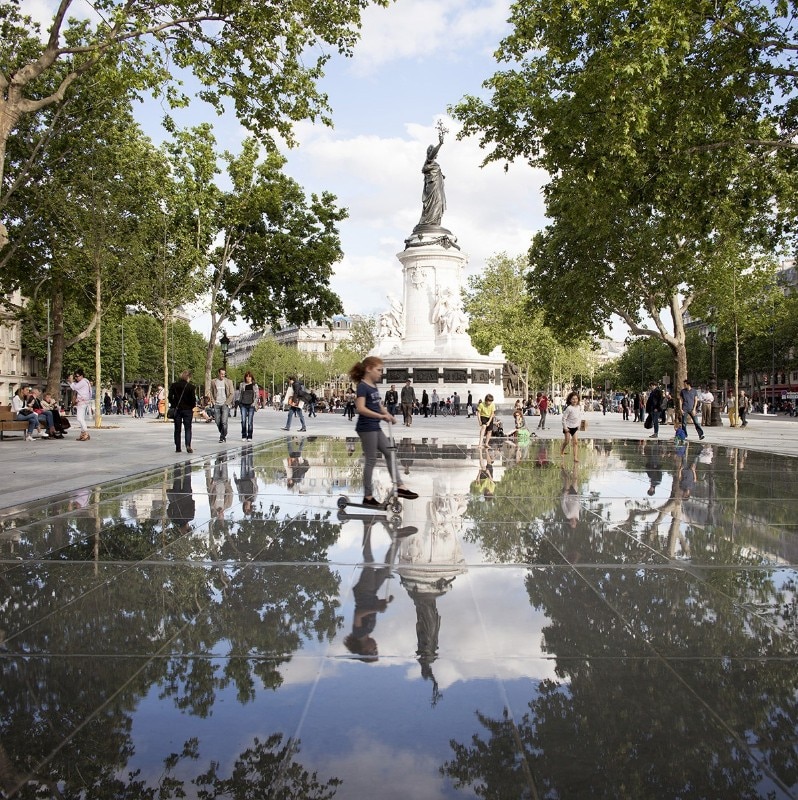
      TVK, Requalification of Place de la République, Paris, France 2013

      The redevelopment of the historic square, known for its exceptional dimensions (120m x 300m) and its symbolic value in French history, delivers to the community a multifunctional urban space where vehicular, bicycle and pedestrian transit areas are well balaced. The elimination of the roundabout helped to free the area from the constraint of car traffic, which was left at the margins. The trees, the reflecting pool, the pavilion and the Marianne statue give this urban landscape a welcoming and familiar character, despite its size.

      Photo by Gaël Morin

      View article
      View article
      • SHARE
      • PIN IT

      TVK, Requalification of Place de la République, Paris, France 2013

      Photo by Gaël Morin

      View article
      View article
      • SHARE
      • PIN IT

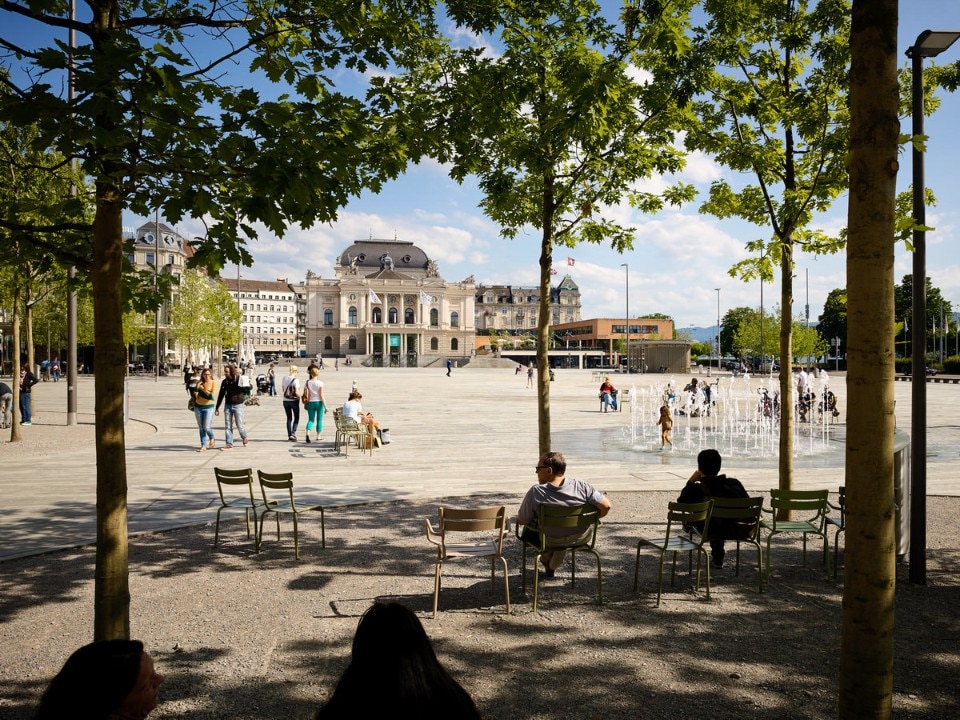
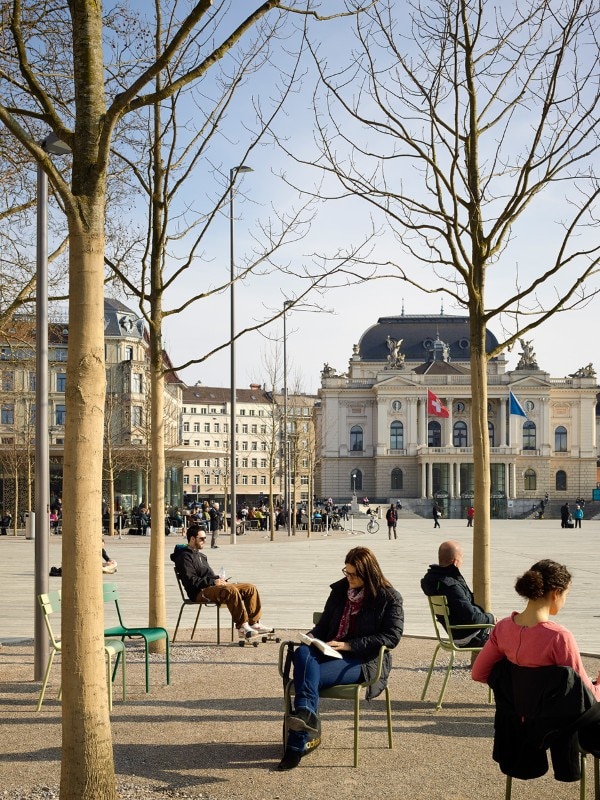
      Zach+Zünd Architekten GmbH, Sechseläutenplatz, Zurich, Switzerland 2014

      As part of the overall redevelopment of the Sechseläutenwiese area, the space in front of the Opera House which until 2011 was used as a lawn for temporary events has become Switzerland's largest town square, intended as an ideal extension of the theatre and a multifunctional stage for public life. The vast open space - about 12,000 square metres - is entirely paved with silvery grey Vals quartzite slabs of different sizes. Two pavilions and several tree-lined spaces are clear landmarks in the dilated space that hosts a variety of activities, from recreational to cultural to institutional.

      Photo by Michael Haug, courtesy Zach+Zünd Architekten GmbH

      View article
      View article
      • SHARE
      • PIN IT

      Zach+Zünd Architekten GmbH, Sechseläutenplatz, Zurich, Switzerland 2014

      Photo by Michael Haug, courtesy Zach+Zünd Architekten GmbH

      View article
      View article
      • SHARE
      • PIN IT

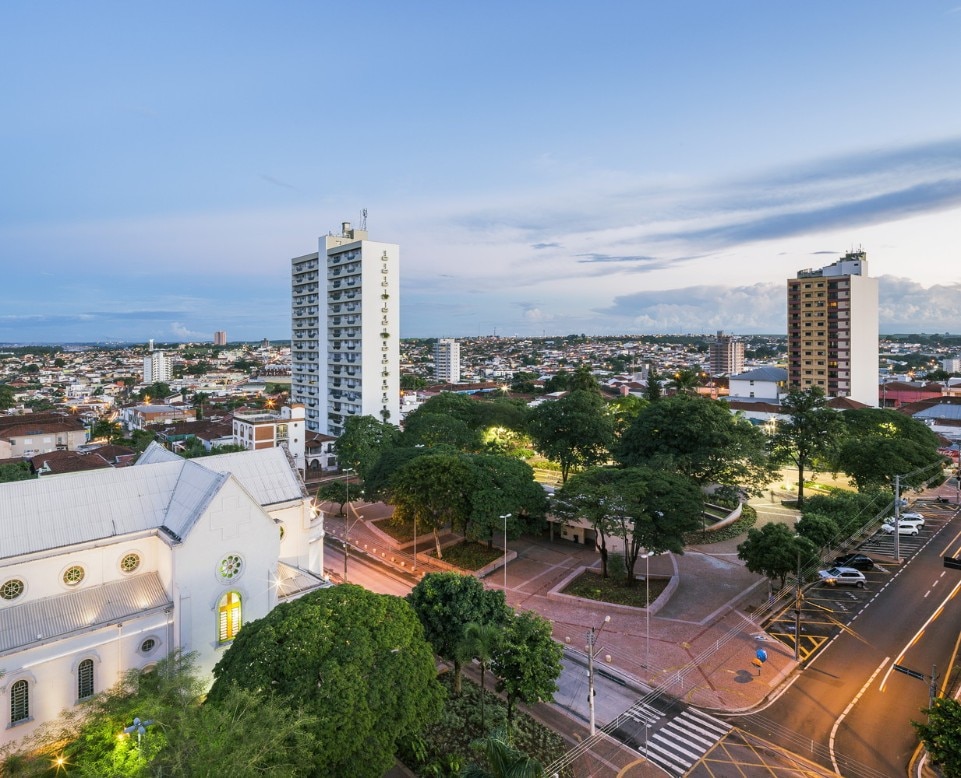
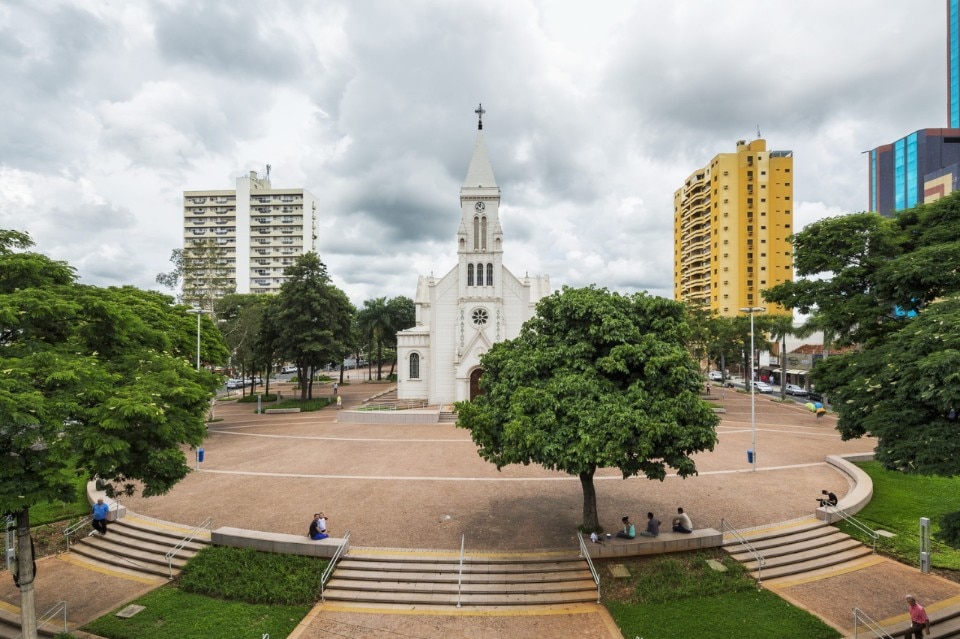
      Rosa Grena Kliass Arquiteta + Barbieri + Gorski Arquitetos Associados, Praças em Catanduva, Catanduva, Brazil 2014

      Originally, the blocks that now house Praças da Matriz and Nove de Julho comprised a single square. Over time, the former took on a religious and community gathering vocation, due to the presence of the Church and to the numerous events organised here; the latter a more institutional character. The project recomposes the unitary design of this urban landscape, with a porphyry paving marked by stone bands in light tones. Particular attention has been paid to the study of vehicular - appropriately marginalised - and pedestrian flows, accessibility and the enhancement of green areas.

      Courtesy Rosa Grena Kliass Arquiteta + Barbieri + Gorski Arquitetos Associados, photo by Anna Mello

      View article
      View article
      • SHARE
      • PIN IT

      Rosa Grena Kliass Arquiteta + Barbieri + Gorski Arquitetos Associados, Praças em Catanduva, Catanduva, Brazil 2014

      Courtesy Rosa Grena Kliass Arquiteta + Barbieri + Gorski Arquitetos Associados, photo by Anna Mello

      View article
      View article
      • SHARE
      • PIN IT

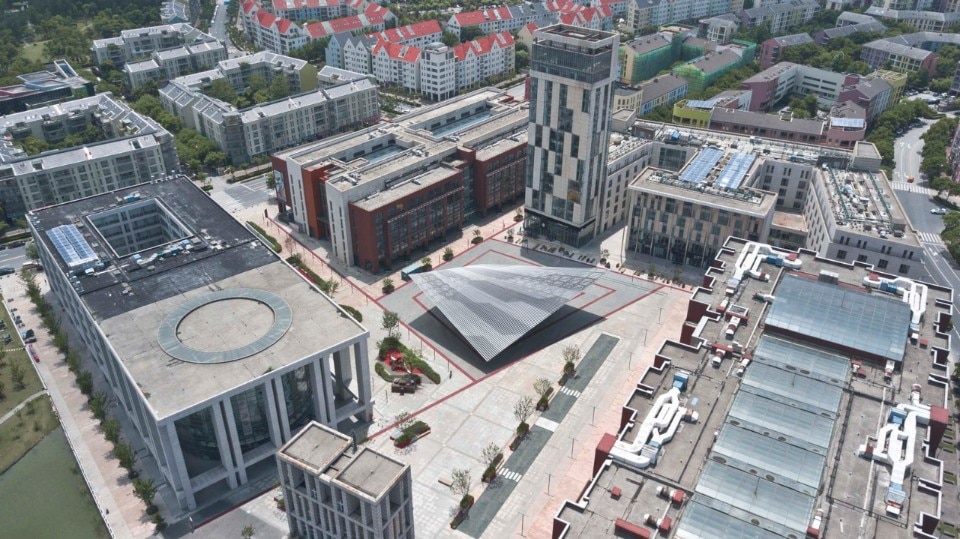
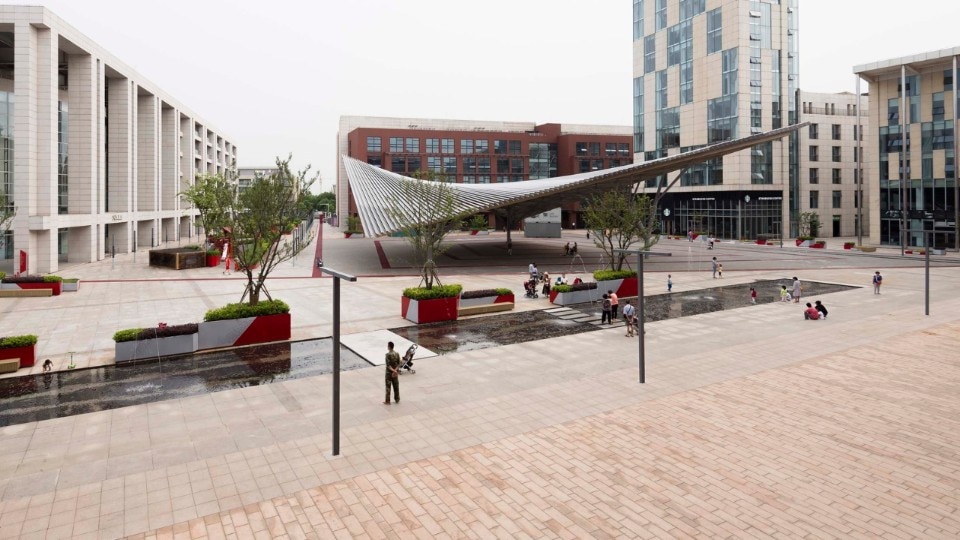
      Kokaistudios, Anting New Town Central Square Renovation, Anting, China 2021

      An enormous urban space, anonymous, shapeless and dysfunctional, in the satellite city that is home to Shanghai's automobile industry, has been transformed into a square that, despite its exorbitant size (about 50,000 square metres), has been broken down into various sections that reconnect the place to a human scale: to the north an area dedicated to urban agriculture, to the east a water mirror with benches and rest areas, to the south a play and sports area and to the west the main infrastructure connecting with the city. A pavilion evoking the shape of a sail and hosting various activities connects the four thematic quadrants. A series of red asphalt paths, which stand out against the neutral-coloured pavement, physically emphasise the lines of the axes of the square and act as a visual connection between the different functional areas.


      Courtesy Kokaistudios

      View article
      View article
      • SHARE
      • PIN IT

      Kokaistudios, Anting New Town Central Square Renovation, Anting, China 2021

      Courtesy Kokaistudios

      View article
      View article
      • SHARE
      • PIN IT

      View article
      View article
      • SHARE
      • PIN IT
      Loading
      Share
      • Sections
        • Sustainable Cities
      • Keywords
      • News
      • Architecture
      • Design
      • Art
      • Opinion
      • Archive
      • Products
      • Foreign Editions
      • Biographies
      • Architectural movements
      • Buildings
      • Architecture Firms
      • Design Essentials
      • Urban stories
      • Gio Ponti
      • Contacts & Editorial Team

      • Follow us
      Legal Note

      Editorial DomusEditoriale Domus Spa
      Via G. Mazzocchi, 1/3
      20089 Rozzano (Mi) -
      Codice fiscale, partita IVA e iscrizione al Registro delle Imprese di Milano
      n. 07835550158
      R.E.A. di Milano n. 1186124
      Capitale sociale versato € 5.000.000,00 - All rights reserved - Privacy - Informativa cookie completa - Gestione Cookies

      China Germany India Mexico, Central America and Caribbean Sri Lanka Korea icon-camera close icon-comments icon-down-sm icon-download icon-facebook icon-heart icon-heart icon--mobile-logo icon-next-sm icon-next icon-pinterest icon-play icon-plus icon-prev-sm icon-prev Search icon-twitter icon-views icon-instagram