-
Sections
-
Keywords
6 architectural masterpieces to rent for designer holidays
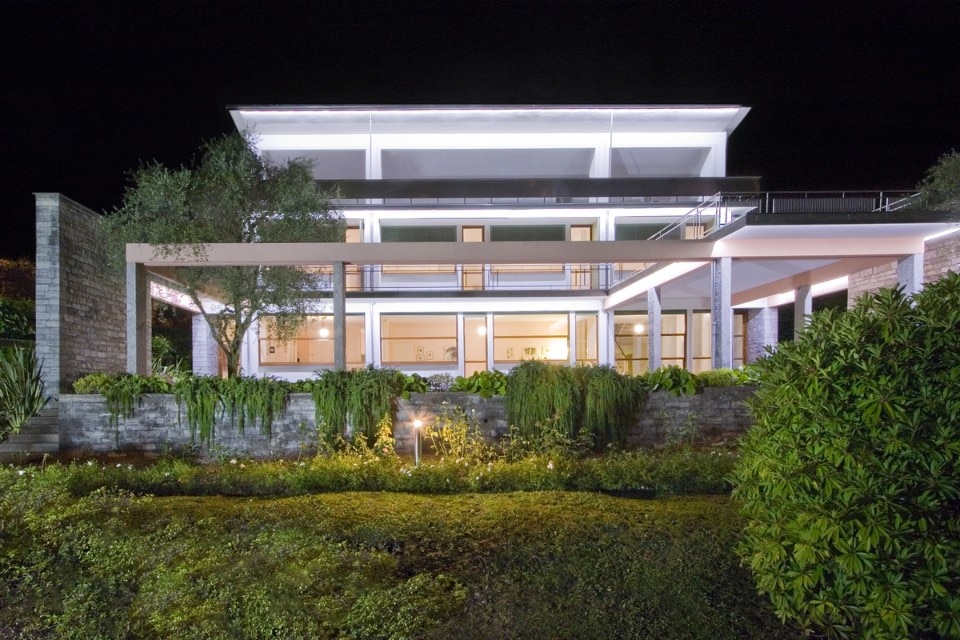
Pietro Lingeri, Villa Leoni, Ossuccio, Como, Italy 1944
Situated on the shores of Como Lake, the house commissioned by a family of industrialists from architect Pietro Lingeri - one of the leading exponents of Italian Rationalism - with its clear and simple layout, generous openings between modular structural partitions, bright colours and specially designed furnishings is an ideal location to reconnect with the world in one of the most romantic and evocative landscapes in Italy.
Pietro Lingeri, Villa Leoni, Ossuccio, Como, Italy 1944
View article
Bruno Morassutti, Villa Morassutti, San Martino di Castrozza, Trento, Italy 1956
The family home designed by Bruno Morassutti in the Dolomites, built on a masonry basement of local stone and consisting essentially of prefabricated modular panels alternating with large windows, is a happy reinterpretation of the local vernacular language - in terms of materials and finishes - but also a strongly contemporary work indebted to the teachings of Frank Lloyd Wright, with whom Morassutti gained experience: here, you can grasp the morphological, modular and technological characteristics typical of Usonian houses and that approach to warm, enveloping living, enhanced by sincere materials in tune with nature, typical of the American master.
Bruno Morassutti, Villa Morassutti, San Martino di Castrozza, Trento, Italy 1956
View article
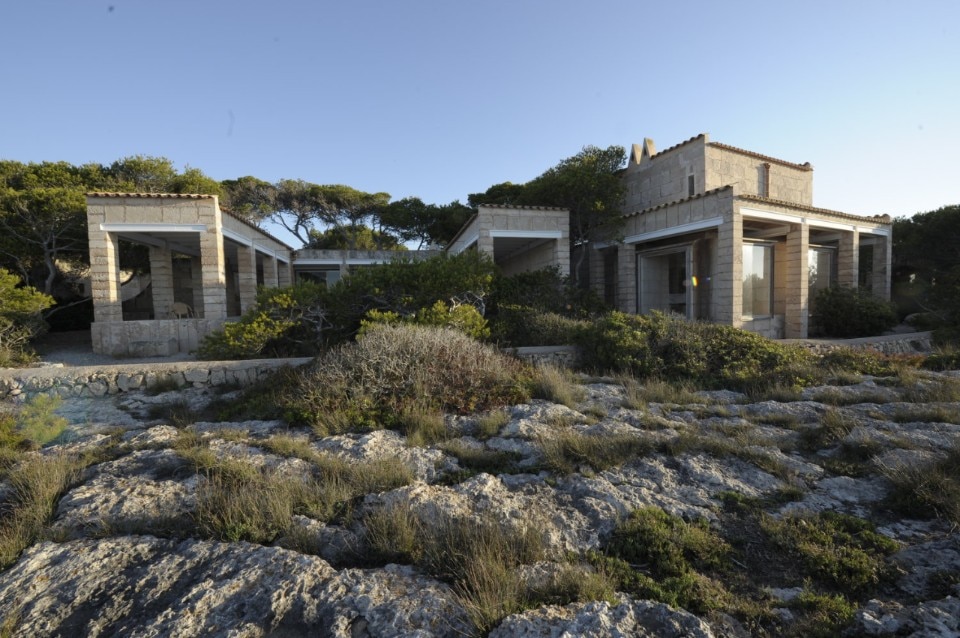
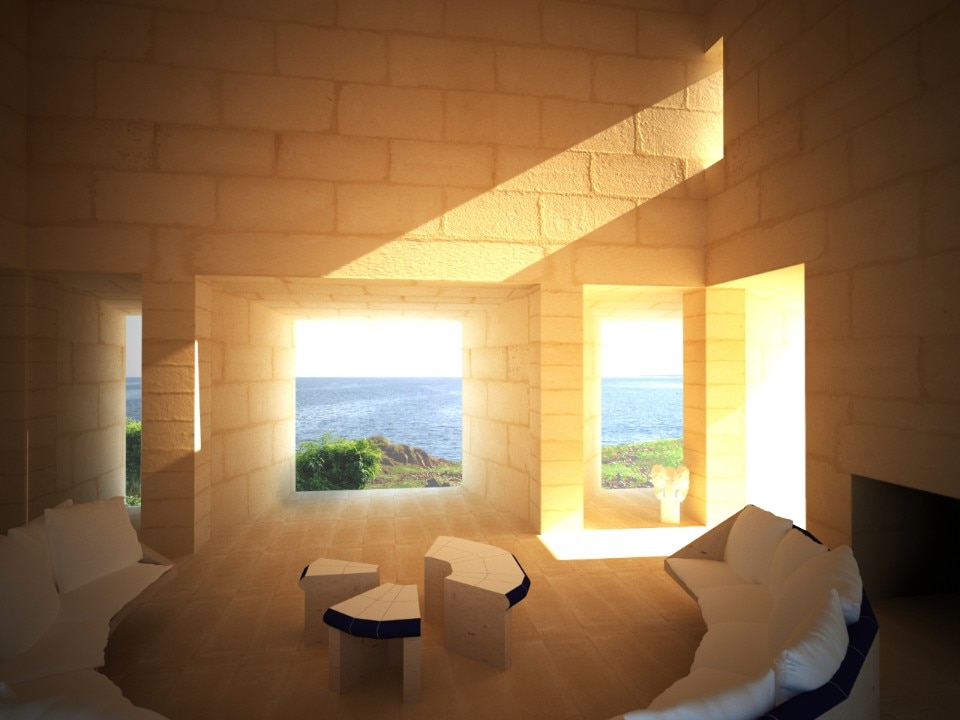
Jørn Utzon, Can Lis, Majorca, Spain 1970
If he wanted a refuge in a sun-kissed spot far from icy and foggy Denmark, here in the south-east of Majorca the celebrated architect found it, on a steep cliff overlooking the sea where he designed his family home. Can Lis, named after his wife, is a dwelling that eschews any rigidity: composed of four almost autonomous pavilions, differently oriented and connected by courtyards, terraces and porticoes, the construction in Marés stone - local sandstone coloured pink gold - blends into the landscape while maintaining a strong tectonic connotation, halfway between a vernacular dwelling and a pagan temple with imposing columns.
Jørn Utzon, Can Lis, Majorca, Spain 1970
View article
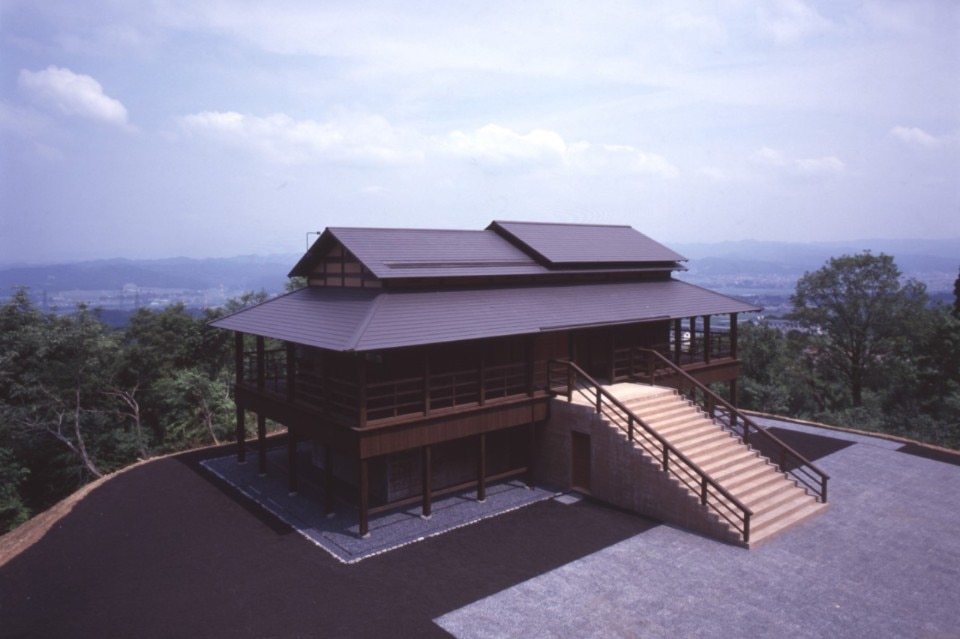
James Turrell, House of Light, Tokamachi, Japan 2000
If Jun'ichirō Tanizaki in "Book of Shadows" exalted, in opposition to the excesses of electric lighting typical of western culture, a pacifying universe made of shadows and chiaroscuro effects, this house located in a hilly forest far from the din of the city well reflects the idea of a secluded and intimate refuge where one can abandon oneself to exploring the beauty of light in close relationship with shadow, according to the Taoist principle of balancing opposites of yin-yang. Between shojii (sliding paper door) and tokonoma (alcove), the building is a hymn to Japanese culture, here interpreted by the American artist James Turrell with his typical sensitivity to the use of light and colour.
James Turrell, House of Light, Tokamachi, Japan 2000
View article
Eduardo Souto de Moura, House 1015, Porto, Portugal 2005
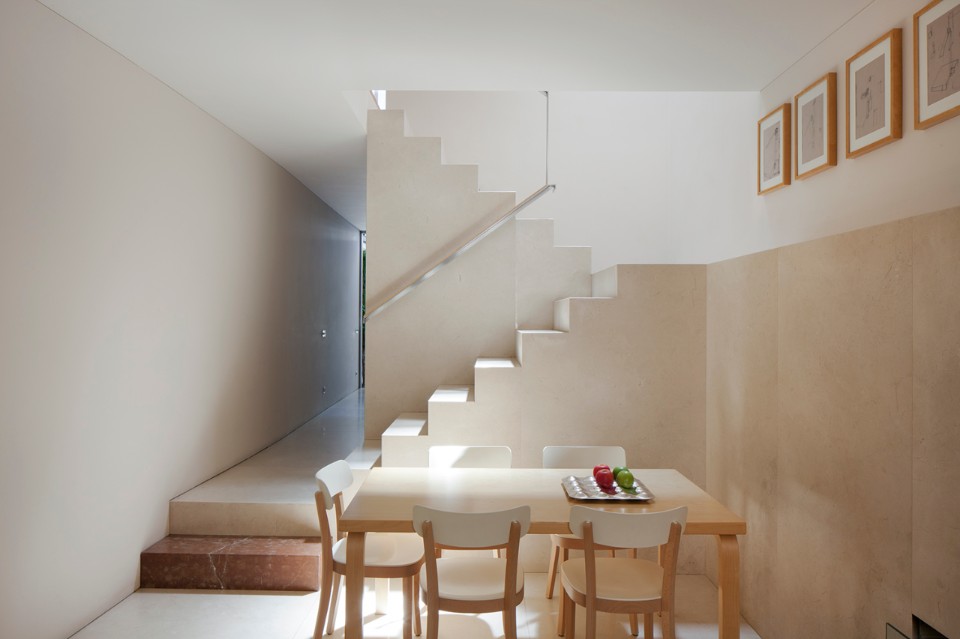
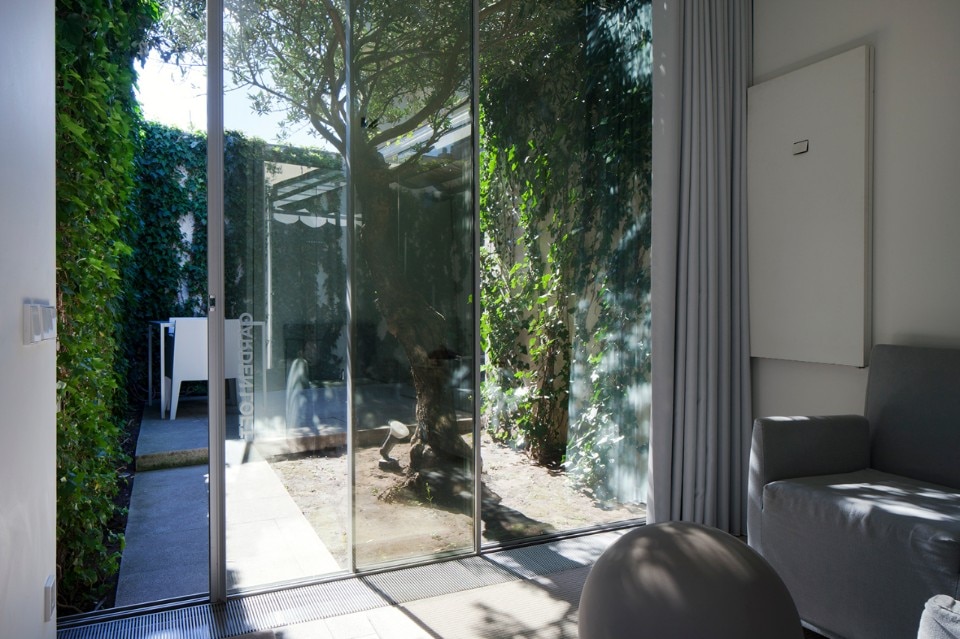
If there is a city that conveys bivalent emotions, from the saudade oozing from the winding alleys of the historic city to the vibrancy of colours shimmering under the dazzling Portuguese sun, it is Porto. Here, Pritzker Prize winner Eduardo Souto de Moura has renovated a 19th-century house facing north on Rua Padre Luis Cabral and east on Travessa do Passeio Alegre, with the contemporary spirit of someone who nonetheless "tiptoes" around the past. The building, located on a narrow L-shaped plot, is composed of two bodies: a front building, originally one storey and to which a new level has been added that houses two living rooms, a kitchen and two bedrooms, and a studio that includes a third bedroom, accessible via a patio. Mutually interconnected outdoor and indoor spaces, soft, creamy colours, natural materials such as wood and stone, and soft light penetrating diffusely through windows and skylights create an intimate and cosy atmosphere.

Eduardo Souto de Moura, House 1015, Porto, Portugal 2005
View article
Eduardo Souto de Moura, Sky loft, Porto, Portugal
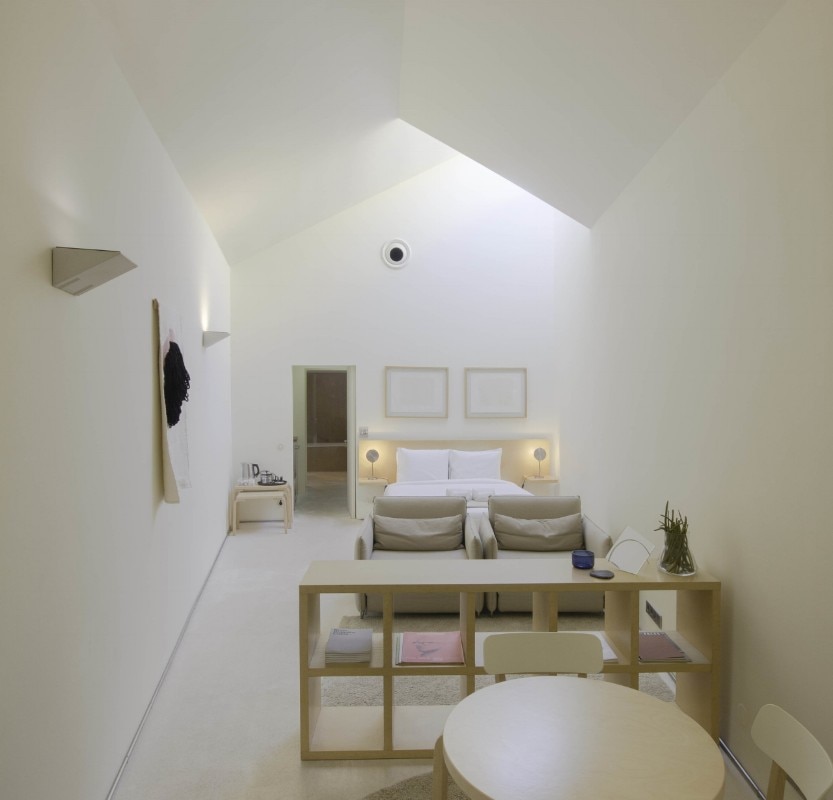
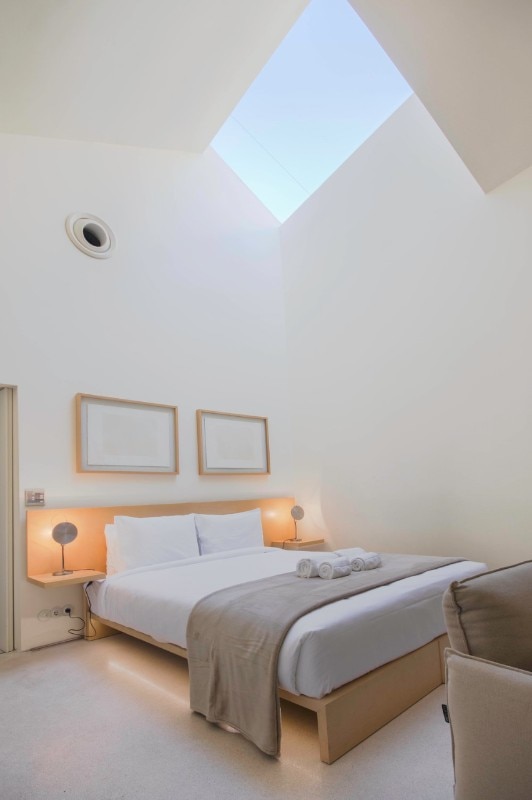
In this small house in Foz de Douro, a heritage-listed area characterised by narrow streets and granite constructions, there is really everything: an open space on one floor with a dining area, living room, kitchen, bathroom and a double bedroom overlooked by a large skylight that allows the unique experience of falling asleep under the stars. The whiteness of the interior, punctuated by works of art and designer pieces on which the warm diffused light reflects, creates a dreamy, enveloping atmosphere.