OK
Domus Domus
newsstand
SUBSCRIBE
  • Magazine
  • Digital Edition
  • Digital Archive
LANGUAGE
  • it
  • en
Hi Logout
Sign up / Log in
  • News
  • Architecture
  • Interiors
  • Design
  • Art
  • Archive
  • Products
  • Design Essentials
  • Design Stories
  • Submit your project
Sections
  • News
  • Architecture
  • Interiors
  • Design
  • Art
  • Archive
  • Products
  • Covers
  • Biographies
  • Architecture Firms
  • Sustainable Cities
  • Gallery
  • Design Stories
  • Domus for Design
Magazine
  • Subscriptions
  • Digital Edition
  • Current Issue
  • Guest Editor
  • Digital Archive
  • Nordic Design
Specials
  • Design Essentials
  • Modern Work
  • DomusAir
  • Milano Design Week
  • Worldesign
Current Issue

Domus 1106 hits the shelves

Follow us
LANGUAGE
  • it
  • en
Hi Logout
Sign up / Log in
newsletter Icon
results No results Please enter a long search term

      13 Brutalist architectures in the tropics

      13 Brutalist architectures in the tropics

      Next gallery

      Milan, a new skyscraper in the Central Station area will revolutionize the area

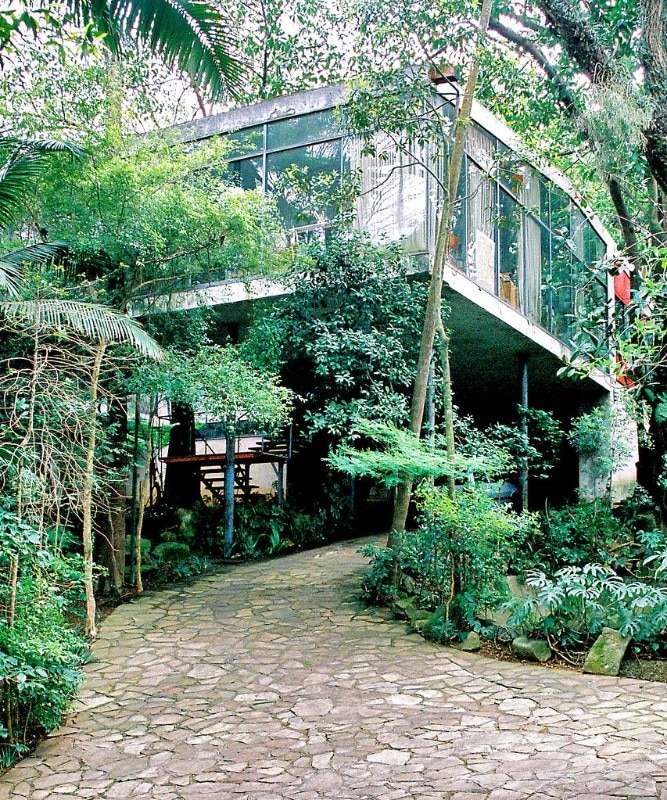
      Lina Bo Bardi, Casa de Vidro, São Paulo, Brazil 1951

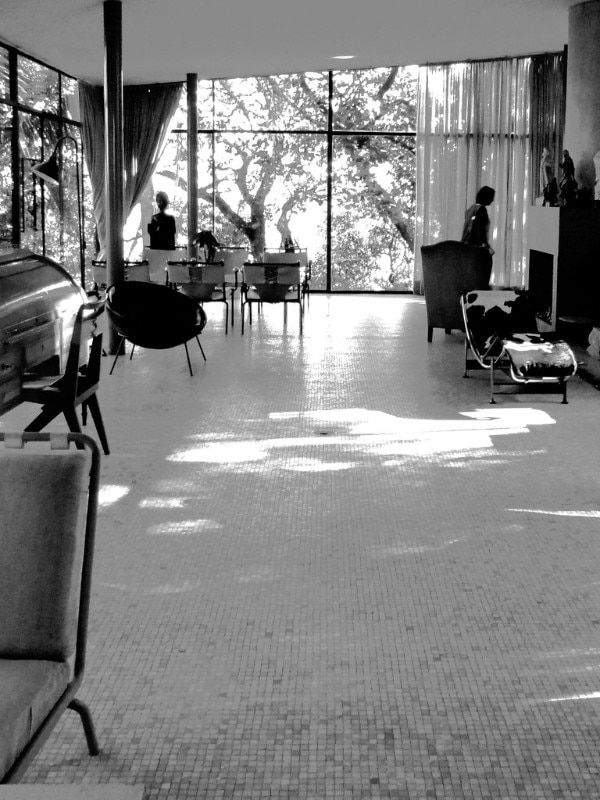
      Lina and her husband Pietro Maria Bardi's love nest in Brazil is a concrete and glass cube floating on slender steel pillars, inspired by the sober, rational language of Bauhaus, Le Corbusier and Mies van der Rohe and set in a garden which, over time, has become a luxuriant private forest. With its clean, simple forms, the work fully evokes the thinking of the architect, a pioneer of an architecture deeply in symbiosis with nature.


      Photo Fernando Stankuns from CC

      View article
      View article
      • SHARE
      • PIN IT

      Lina Bo Bardi, Casa de Vidro, São Paulo, Brazil 1951

      Foto Tenerife Tenerife from CC

      View article
      View article
      • SHARE
      • PIN IT

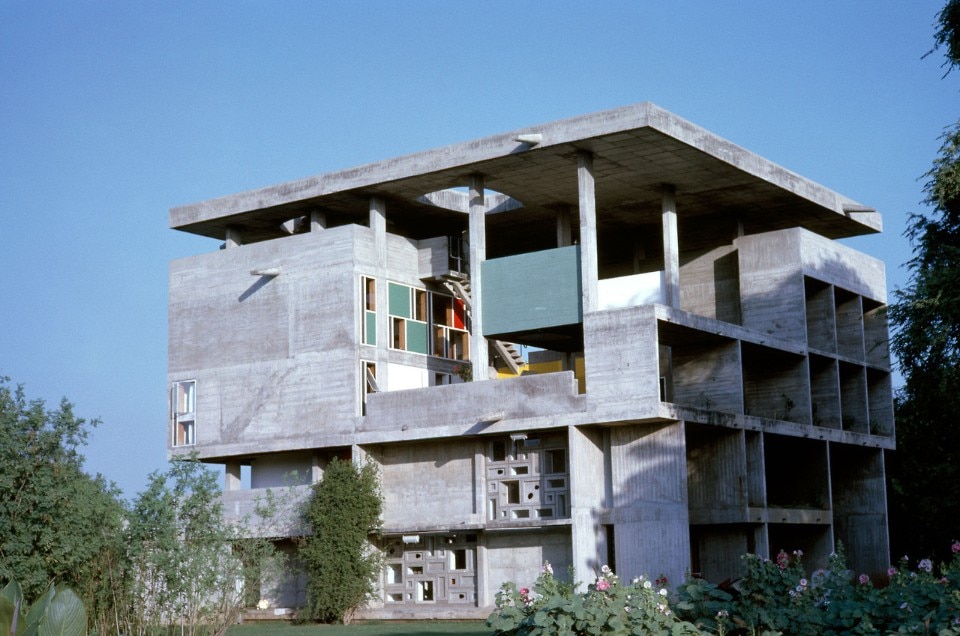
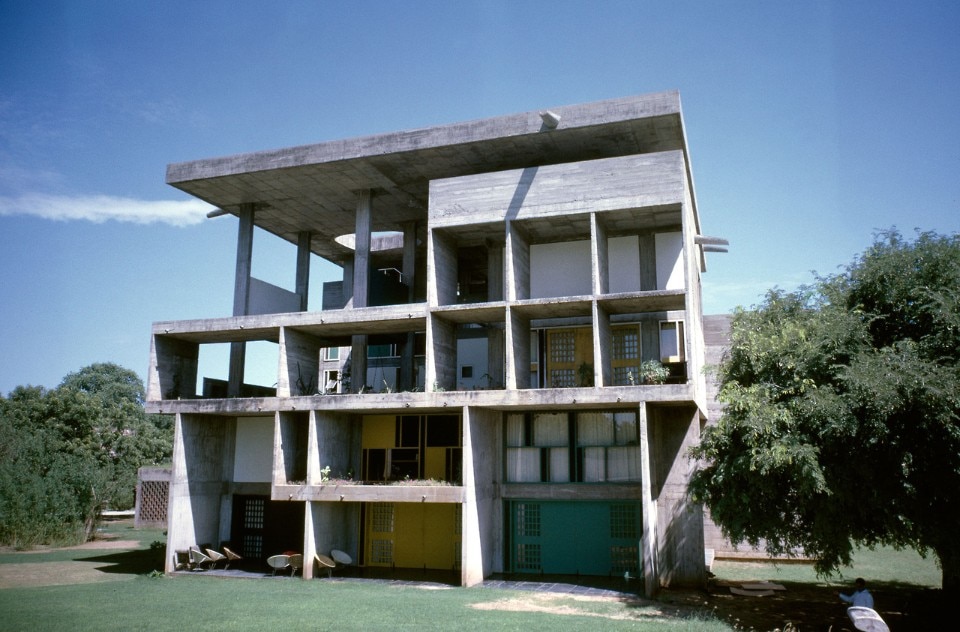
      Le Corbusier, Villa Shodan, Ahmedabad, India 1956

      The house for a wealthy Indian client is a tropical "summa" of the Swiss master's thought: the clearly simple structure, the plasticity of the forms, the play of light and shadow, the exposed raw materials and the attention to microclimatic comfort - favoured by the hanging gardens and the cross-currents of air - coexist here with the traditional typology of Indian houses with large double-height living rooms.

      View article
      View article
      • SHARE
      • PIN IT

      Le Corbusier, Villa Shodan, Ahmedabad, India 1956

      View article
      View article
      • SHARE
      • PIN IT

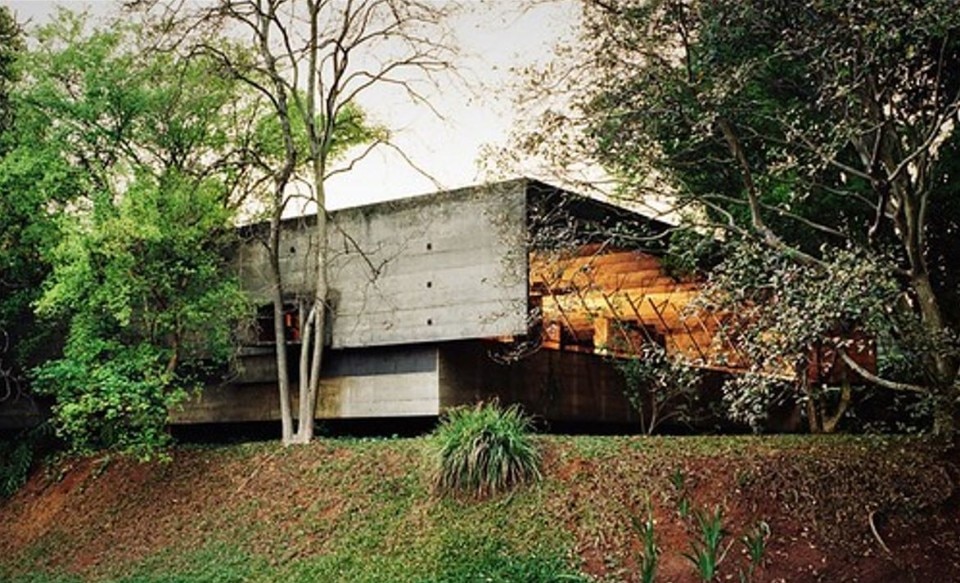
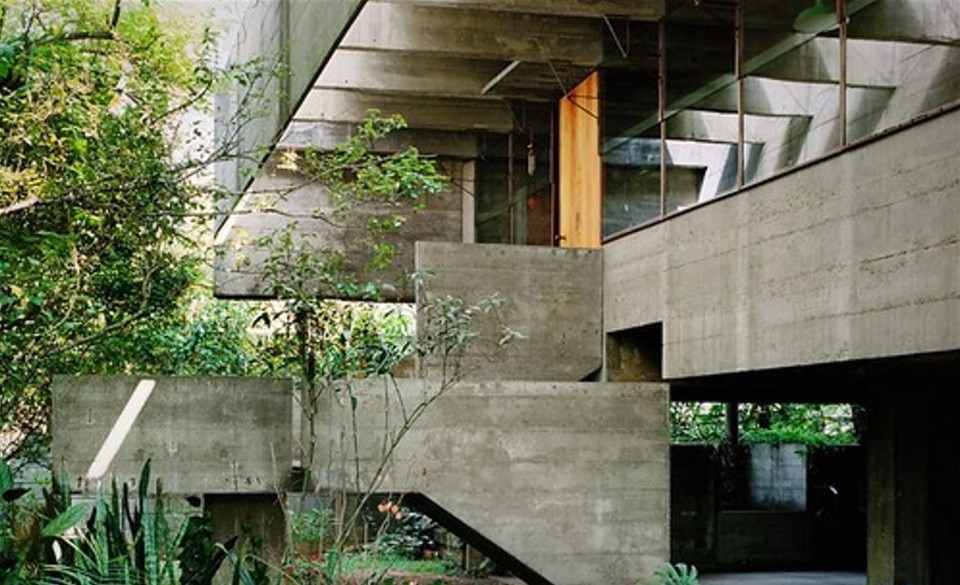
      Paulo Mendes da Rocha, Butantã House, São Paulo, Brazil 1966

      In a context where nature pulses with all its wild energy, the house designed for himself and his family by Paulo Mendes da Rocha, Pritzker Prize winner in 2006, is an imposing, essential volume suspended above the ground and supported by powerful reinforced concrete pillars, evoking an introverted refuge poised between solidity and hospitality, protected by a blanket of luxuriant vegetation.

      Photo OfHouses da CC

      View article
      View article
      • SHARE
      • PIN IT

      Paulo Mendes da Rocha, Butantã House, São Paulo, Brazil 1966

      Photo OfHouses da CC

      View article
      View article
      • SHARE
      • PIN IT

      Ruy Ohtake, Tomie Ohtake House, São Paulo, Brazil 1968

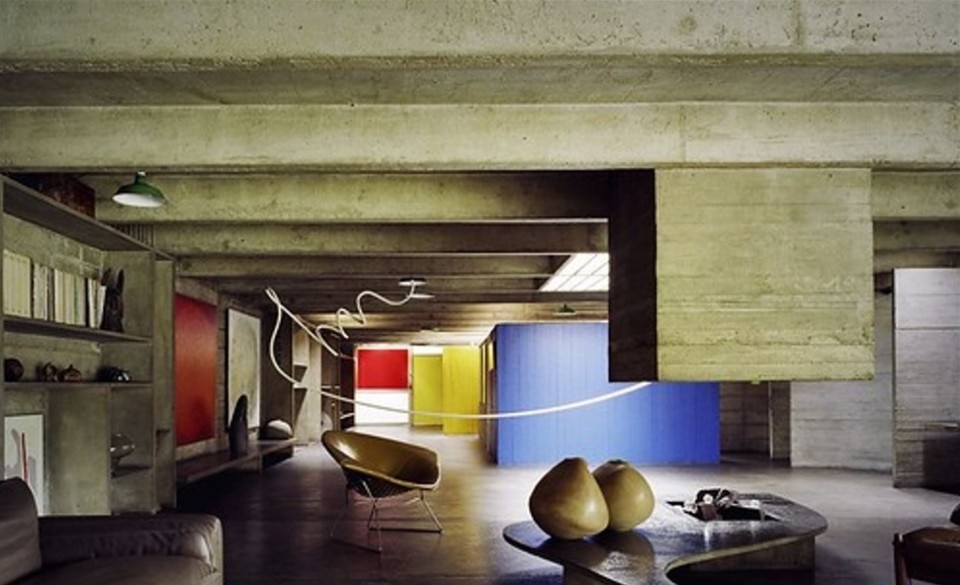
      The dream house of Japanese-Brazilian artist Tomie Ohtake, who was deeply in love with the bright colours of Brazil, is a concrete sculpture with minimalist, bare forms set in a thick garden. The diffuse grey monochrome of the structural envelopes is specifically designed to make the rich collection of vibrant, brightly coloured artworks stand out.

      Photo OfHouses da CC

      View article
      View article
      • SHARE
      • PIN IT

      Ruy Ohtake, Tomie Ohtake House, São Paulo, Brazil 1968

      Photo OfHouses da CC

      View article
      View article
      • SHARE
      • PIN IT

      João Filgueiras Lima, Centro de Exposições do Centro Admnistrativo da Bahia, Salvador, Brazil 1974

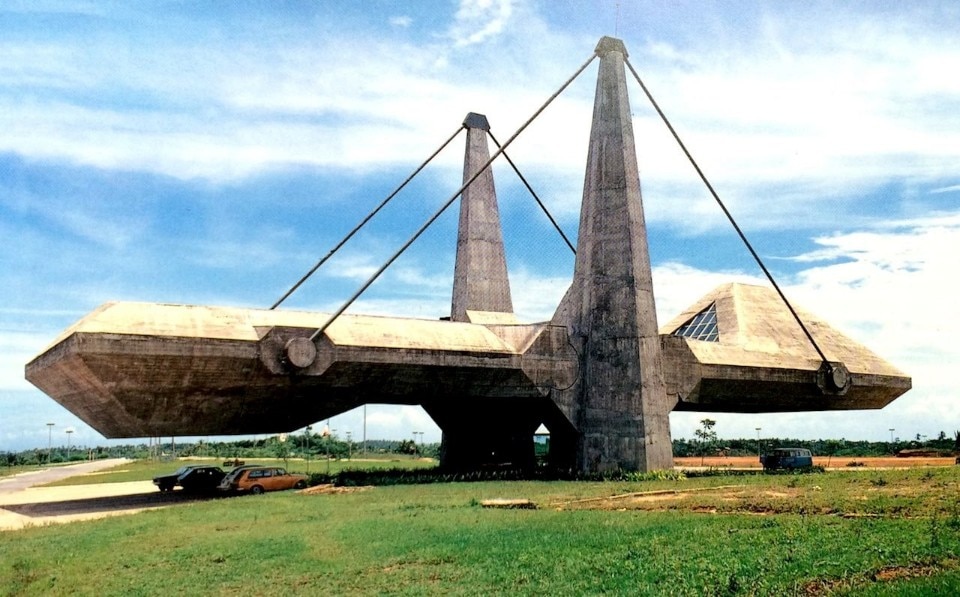
      No longer in use today, the centre is a work of somewhat rude but unusual and fascinating character. The building, halfway between a pre-Columbian pyramid and a bridge, is a stout anti-gravity volume suspended 2 m above the ground and supported by two macroscopic towers with stairs and a lift located on the north and south sides of the structure, which housed exhibition spaces and a projection room.

      View article
      View article
      • SHARE
      • PIN IT

      Paulo Mendes da Rocha, Casa Millán, São Paulo, Brazil 1974

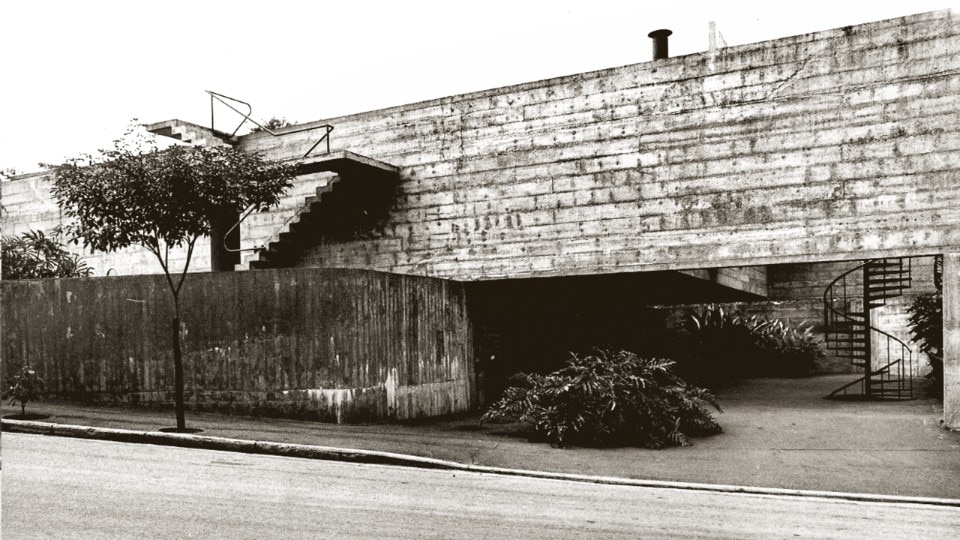
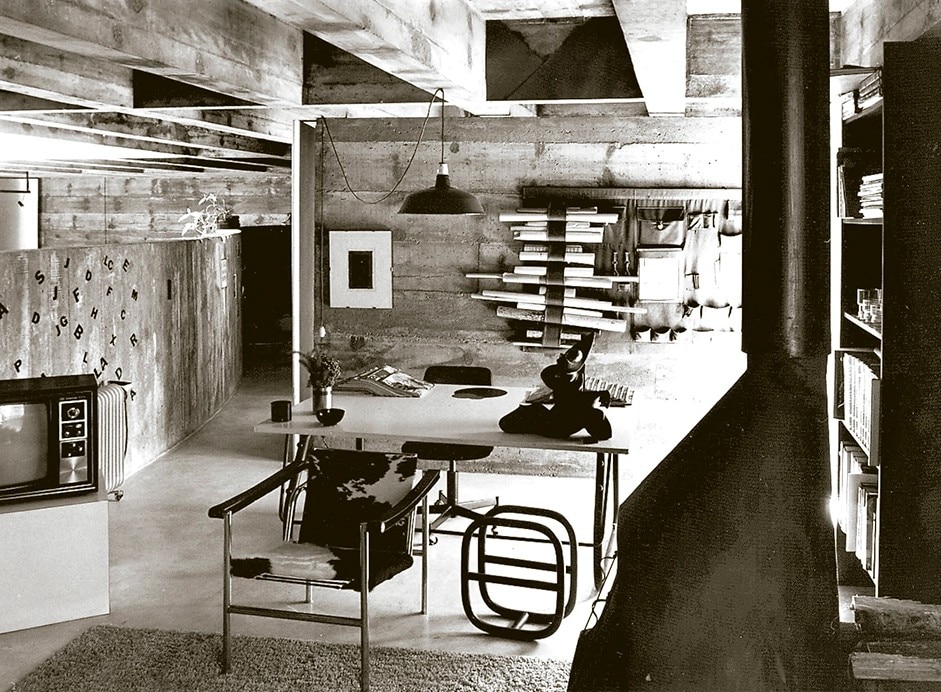
      Carved out of the orography of a sloping site, the house is totally fused into the land. Access is through the only non-basement front, characterised by a large, low concrete beam that acts as a threshold between the exterior and interior. Large skylights let zenithal light filter into the underground spaces, while a roof terrace, which relates to the context thanks to the widespread planting and the layer of water, projects a spectacular view of the city. 

      View article
      View article
      • SHARE
      • PIN IT

      Paulo Mendes da Rocha, Casa Millán, São Paulo, Brazil 1974

      View article
      View article
      • SHARE
      • PIN IT

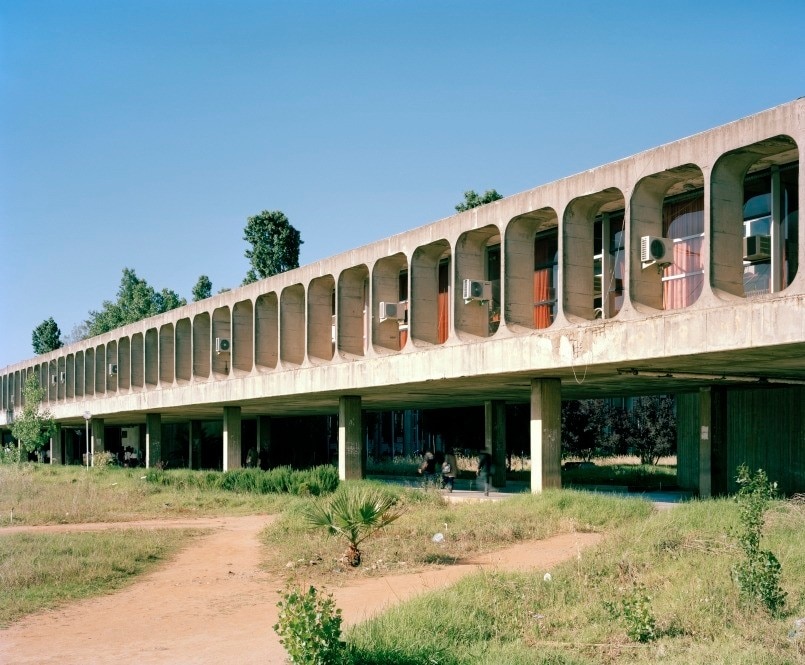
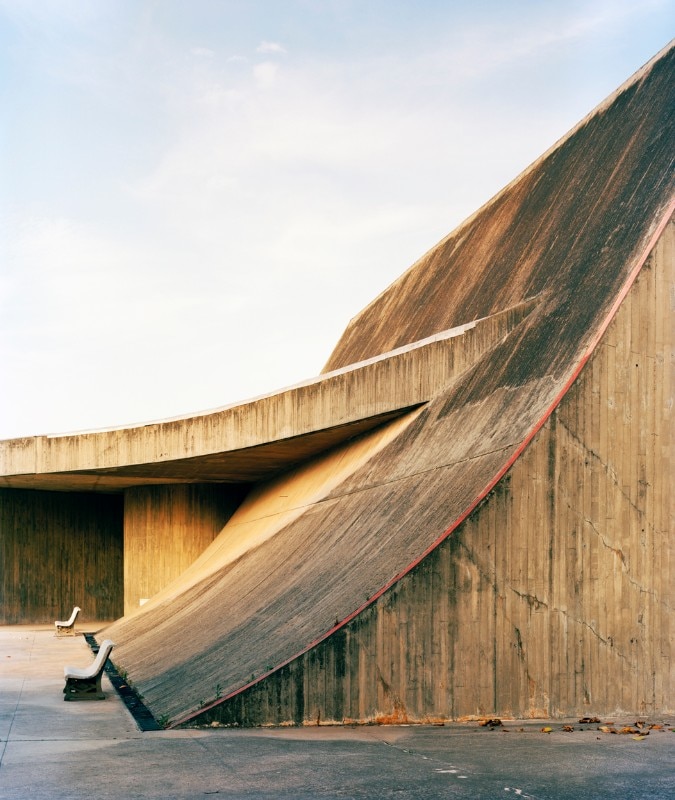
      Oscar Niemeyer, Houari Boumediene University of Science and Technology, Algiers, Algeria 1975

      Invited by President Houari Boumedienne to design two campuses - the University of Mentouri and the Houari Boumedienne University of Science and Technology - to represent the vision of a modern Algeria after the declaration of independence from France in 1961 and to promote a new generation of academics, the internationally renowned Brazilian architect stayed in the country for several years. The Houari Boumédiène University of Science and Technology and the Salle Omnisports, known as "La Coupole" for the 1975 Meditteranean Games, with their massive masses and colossal open spaces reflect the enthusiasm of the socialist principles of the time, aimed at representing a reversal of the secular order.

      View article
      View article
      • SHARE
      • PIN IT

      Oscar Niemeyer, Houari Boumediene University of Science and Technology, Algiers, Algeria 1975

      View article
      View article
      • SHARE
      • PIN IT

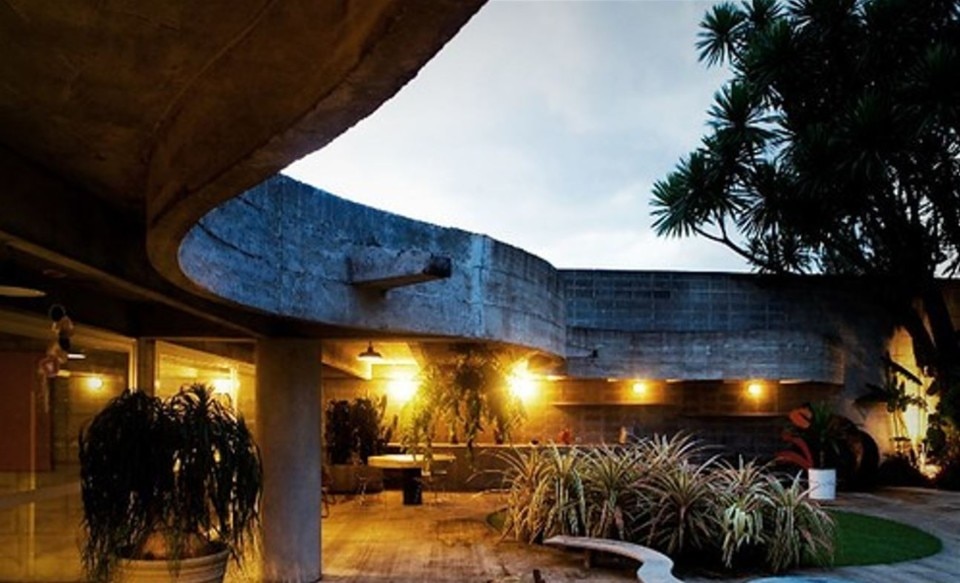
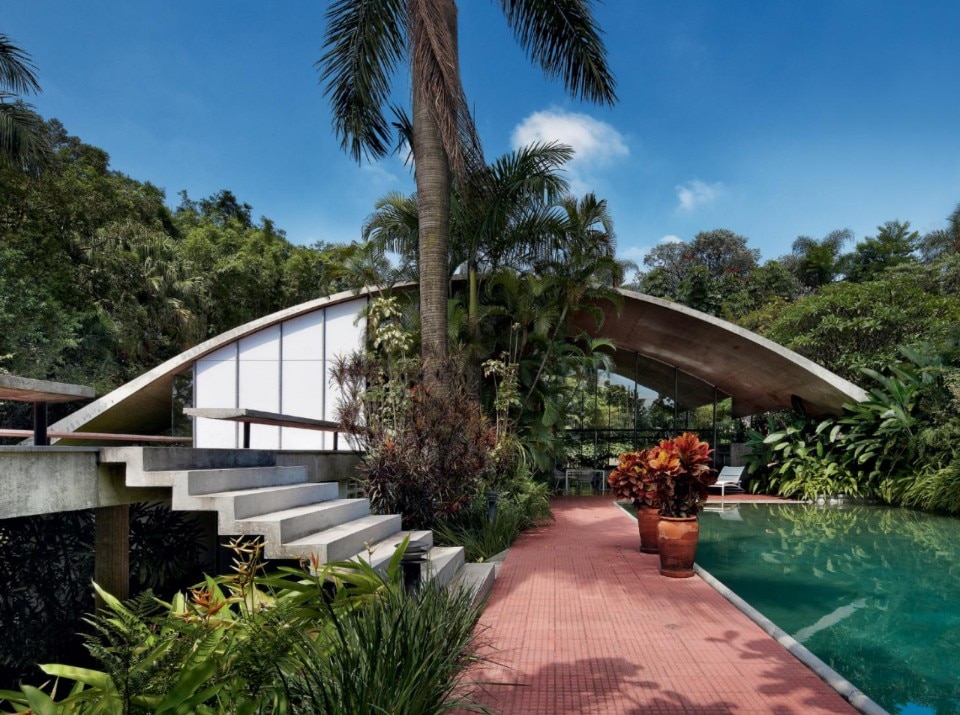
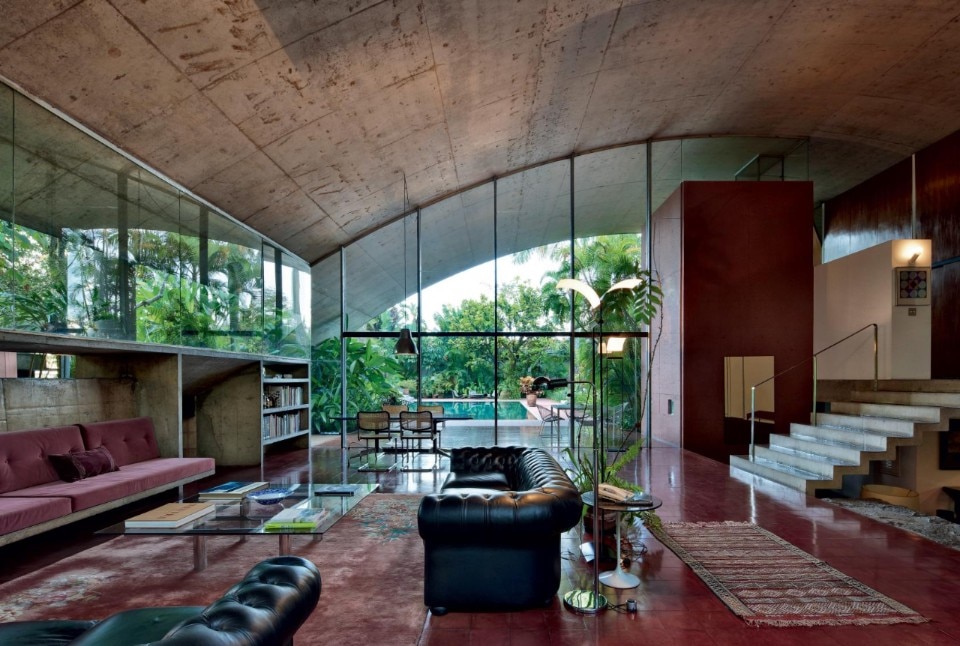
      Marcos Acayaba, Milan House, São Paulo, Brazil 1975

      Located in Cidade Jardim, an affluent residential neighbourhood in the centre of São Paulo, the Acayaba family home is an exuberant declaration of love for nature and expresses a concept of warm, welcoming living. A wrap-around concrete arch roof protects the living spaces and frames the views of the swimming pool and tropical gardens in an uninterrupted perceptual relationship. The house is still owned by the family today - after all, who would leave Paradise?

      View article
      View article
      • SHARE
      • PIN IT

      Marcos Acayaba, Milan House, São Paulo, Brazil 1975

      View article
      View article
      • SHARE
      • PIN IT

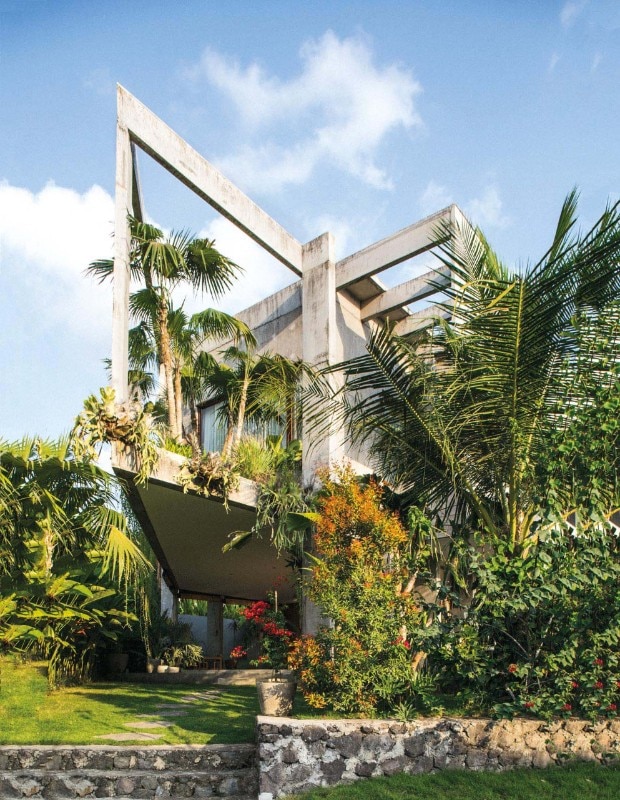
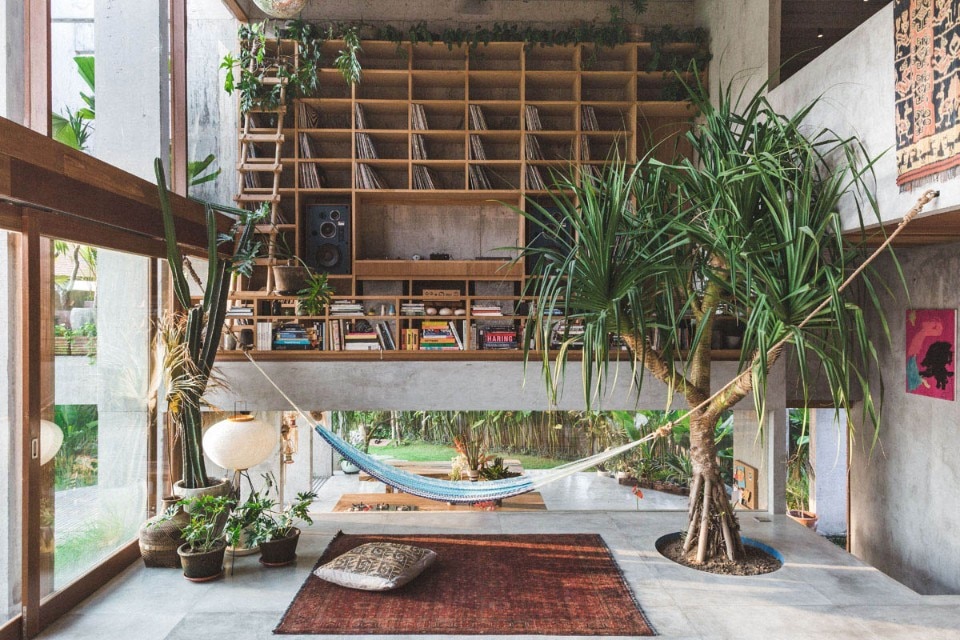
      Patisandhika Sidarta, Villa in Bali, 1975

      Designed jointly by the architect and the client, creative director Dan Mitchell, the 500-square-metre, three-bedroom house in a valley among the rice paddies, in the surfers' paradise of Canggu, with its rough concrete forms inspired by the works of Paulo Mendes da Rocha, hammocks, local furnishings and textiles, hanging gardens and lush flora evokes a passionate dialogue with the tropical landscape and suggests an authentic family atmosphere.

      View article
      View article
      • SHARE
      • PIN IT

      Patisandhika Sidarta, Villa in Bali, 1975

      View article
      View article
      • SHARE
      • PIN IT

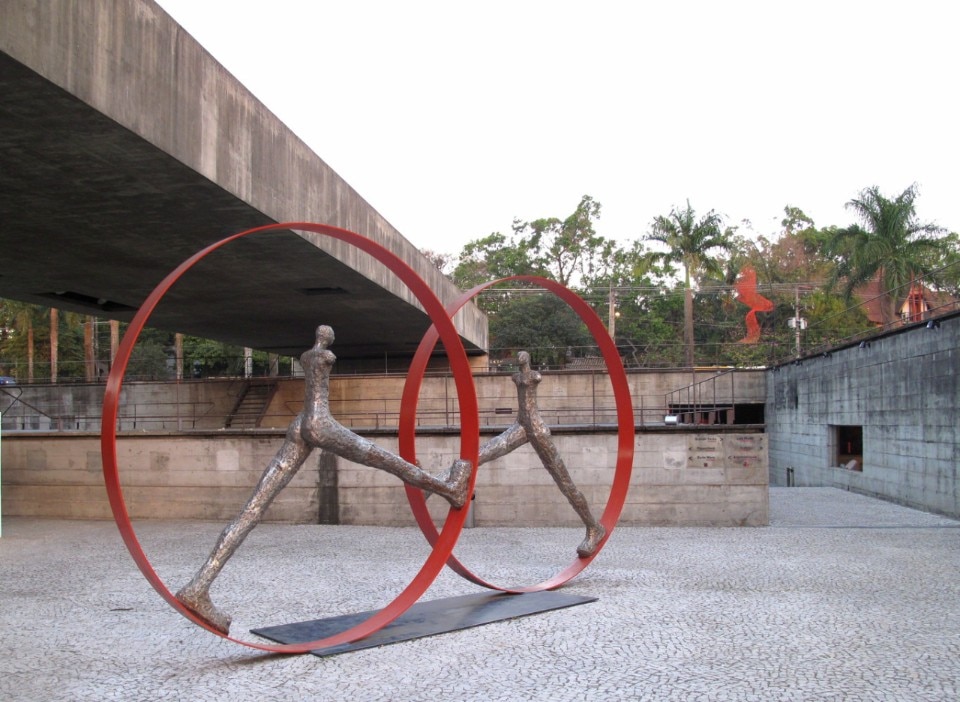
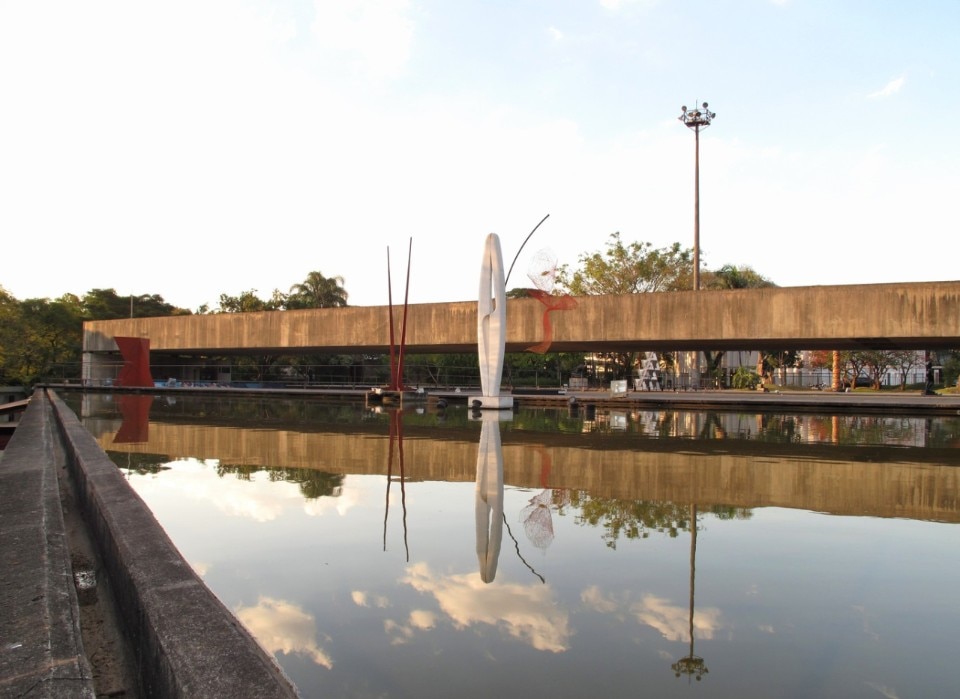
      Paulo Mendes da Rocha, MUBE, São Paulo, Brazil 1986

      Located in the affluent Jardins neighbourhood a few blocks from the better known MASP (Museo de Arte de São Paulo), the Museo Brasileiro de Escultura e Ecologia is a single underground pavilion, protected by a generous canopy that partially covers a large square for outdoor exhibitions. Inside, in addition to the exhibition spaces, there are rooms for workshops and a café. So as not to forget that in Brazil nature has the same cultural "weight" as architecture, the garden is designed by Roberto Burle Marx.

      View article
      View article
      • SHARE
      • PIN IT

      Paulo Mendes da Rocha, MUBE, São Paulo, Brazil 1986

      View article
      View article
      • SHARE
      • PIN IT

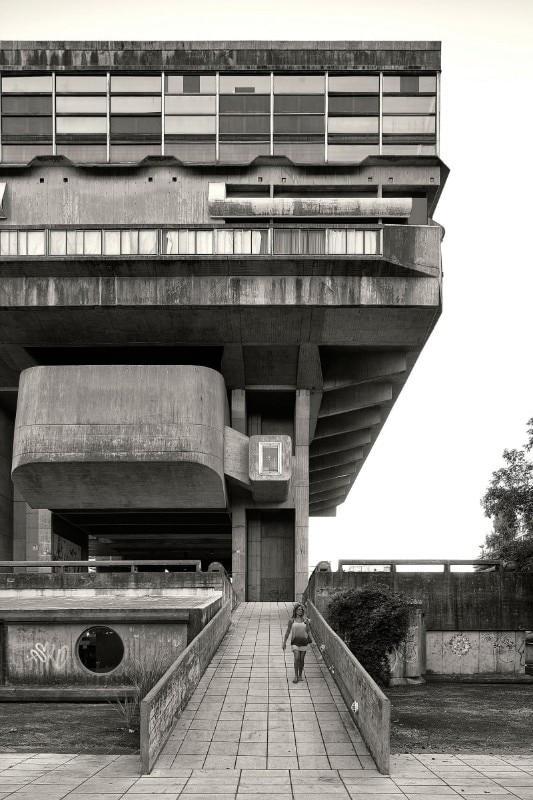
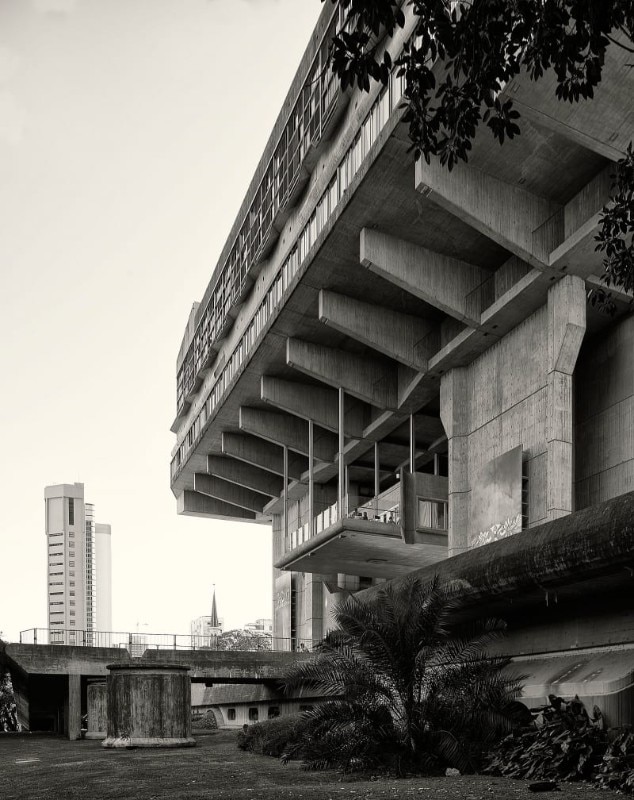
      Clorindo Testa, Biblioteca Nacional de la República Argentina, Buenos Aires, Argentina 1992

      The building was designed with particular attention to safeguarding the existing green space and botanical heritage, so that a large part of the building housing the warehouses is underground while the offices and public access rooms are above ground. Cantilevered volumes, powerful structures and large glazed bands animate the imposing exposed concrete fronts.


      View article
      View article
      • SHARE
      • PIN IT

      Clorindo Testa, Biblioteca Nacional de la República Argentina, Buenos Aires, Argentina 1992

      View article
      View article
      • SHARE
      • PIN IT

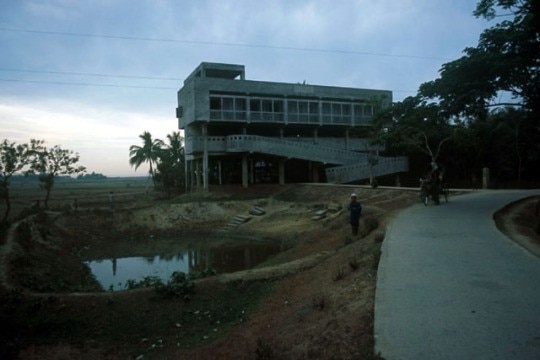
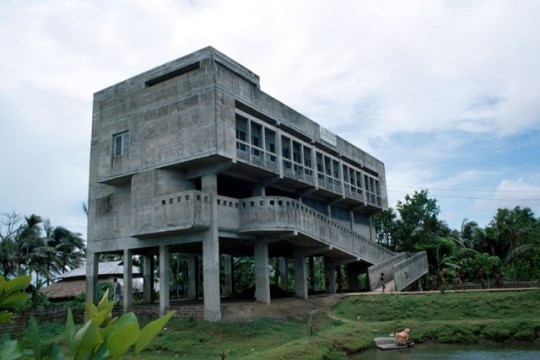
      PRISM, Cyclone Shelters, Chakaria, Bangladesh 1994

      In a country plagued by natural disasters, the "Cyclone Shelter" programme implemented by the NGO "PRISM" has devised a solution for vulnerable areas of the country with traditional dwellings unable to survive violent storms. The Cyclone Shelter and Community Development Centres in the districts of Chakaria, Maheshkhali and Kutubdia provide shelter for local communities and their livestock in the event of an emergency and, on other occasions, host spaces for education, training and community information, in rough concrete architecture with a massive appearance that accentuates the reassuring and protective character of architecture.

      View article
      View article
      • SHARE
      • PIN IT

      PRISM, Cyclone Shelters, Chakaria, Bangladesh 1994

      View article
      View article
      • SHARE
      • PIN IT

      Biselli Katchborian Arquitetos Associados, BRM House, Curitiba, Brazil 2018

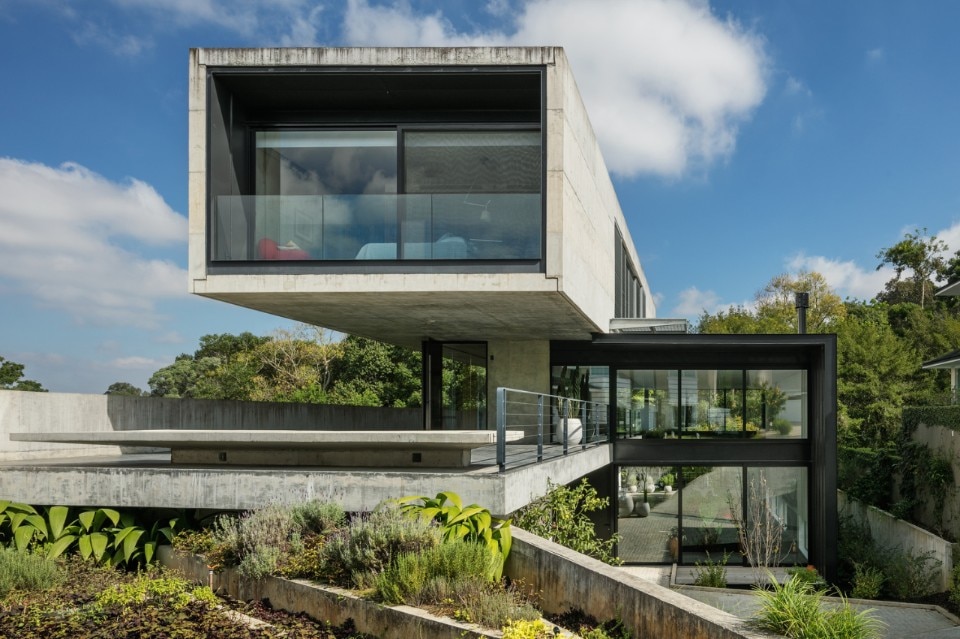
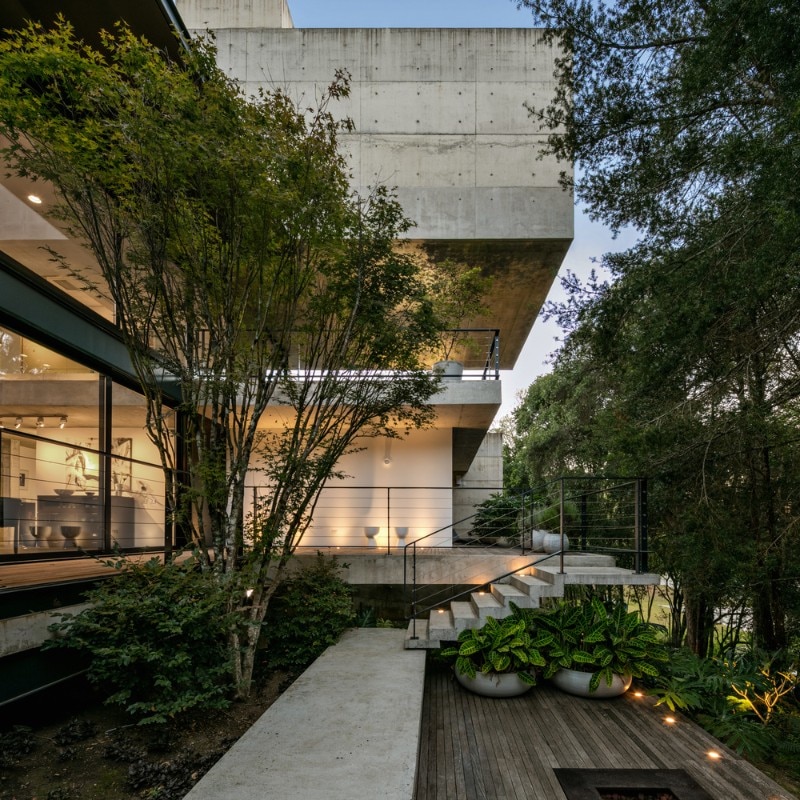
      The house leaning against a steep slope in the Santo Inácio neighbourhood is an aggregation of two rigorous, minimalist volumes: a cubic lower volume clad in zinc panels and a parallelepiped upper volume with a strong overhang and exposed concrete surfaces, jutting out like an optical telescope towards the surrounding forest.

      View article
      View article
      • SHARE
      • PIN IT

      Biselli Katchborian Arquitetos Associados, BRM House, Curitiba, Brazil 2018

      View article
      View article
      • SHARE
      • PIN IT

      View article
      View article
      • SHARE
      • PIN IT
      Loading
      Share
      • Sections
        • Architecture
      • Keywords
      • News
      • Architecture
      • Design
      • Art
      • Opinion
      • Archive
      • Products
      • Foreign Editions
      • Biographies
      • Architectural movements
      • Buildings
      • Architecture Firms
      • Design Essentials
      • Urban stories
      • Gio Ponti
      • Contacts & Editorial Team

      • Follow us
      Legal Note

      Editorial DomusEditoriale Domus Spa
      Via G. Mazzocchi, 1/3
      20089 Rozzano (Mi) -
      Codice fiscale, partita IVA e iscrizione al Registro delle Imprese di Milano
      n. 07835550158
      R.E.A. di Milano n. 1186124
      Capitale sociale versato € 5.000.000,00 - All rights reserved - Privacy - Informativa cookie completa - Gestione Cookies

      China Germany India Mexico, Central America and Caribbean Sri Lanka Korea icon-camera close icon-comments icon-down-sm icon-download icon-facebook icon-heart icon-heart icon--mobile-logo icon-next-sm icon-next icon-pinterest icon-play icon-plus icon-prev-sm icon-prev Search icon-twitter icon-views icon-instagram