OK
Domus Domus
newsstand
SUBSCRIBE
  • Magazine
  • Digital Edition
  • Digital Archive
LANGUAGE
  • it
  • en
Hi Logout
Sign up / Log in
  • News
  • Architecture
  • Interiors
  • Design
  • Art
  • Archive
  • Products
  • Design Essentials
  • Design Stories
  • Submit your project
Sections
  • News
  • Architecture
  • Interiors
  • Design
  • Art
  • Archive
  • Products
  • Covers
  • Biographies
  • Architecture Firms
  • Sustainable Cities
  • Gallery
  • Design Stories
  • Domus for Design
Magazine
  • Subscriptions
  • Digital Edition
  • Current Issue
  • Guest Editor
  • Digital Archive
  • Nordic Design
Specials
  • Design Essentials
  • Modern Work
  • DomusAir
  • Milano Design Week
  • Worldesign
Current Issue

Domus 1106 hits the shelves

Follow us
LANGUAGE
  • it
  • en
Hi Logout
Sign up / Log in
newsletter Icon
results No results Please enter a long search term

      Living on the margins: 11 symbolic places in the Italian periphery

      Living on the margins: 11 symbolic places in the Italian periphery

      Next gallery

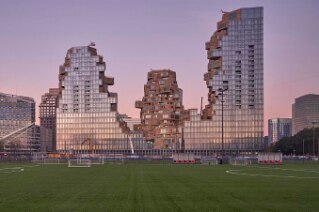
      MVRDV’s Valley is already hosting its first tenants and will open in July

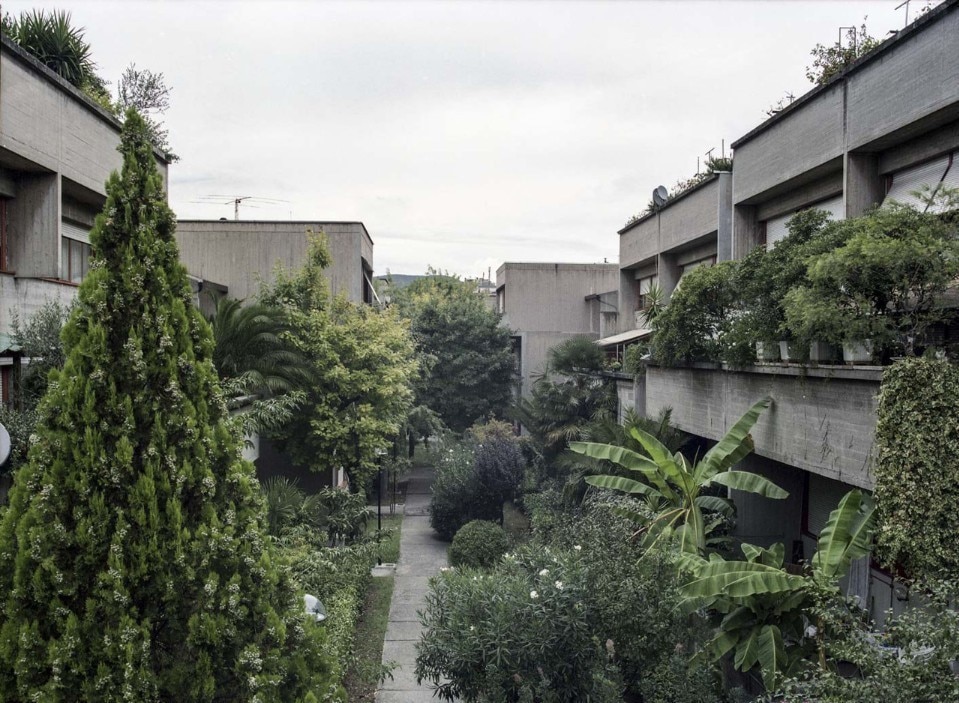
      Mario Ridolfi, Ludovico Quaroni, Tiburtino district, Rome 1949-1954

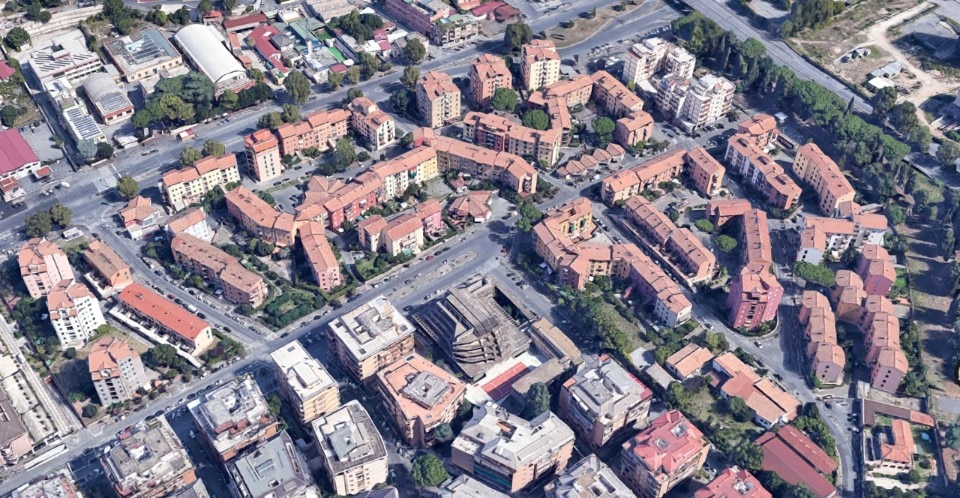
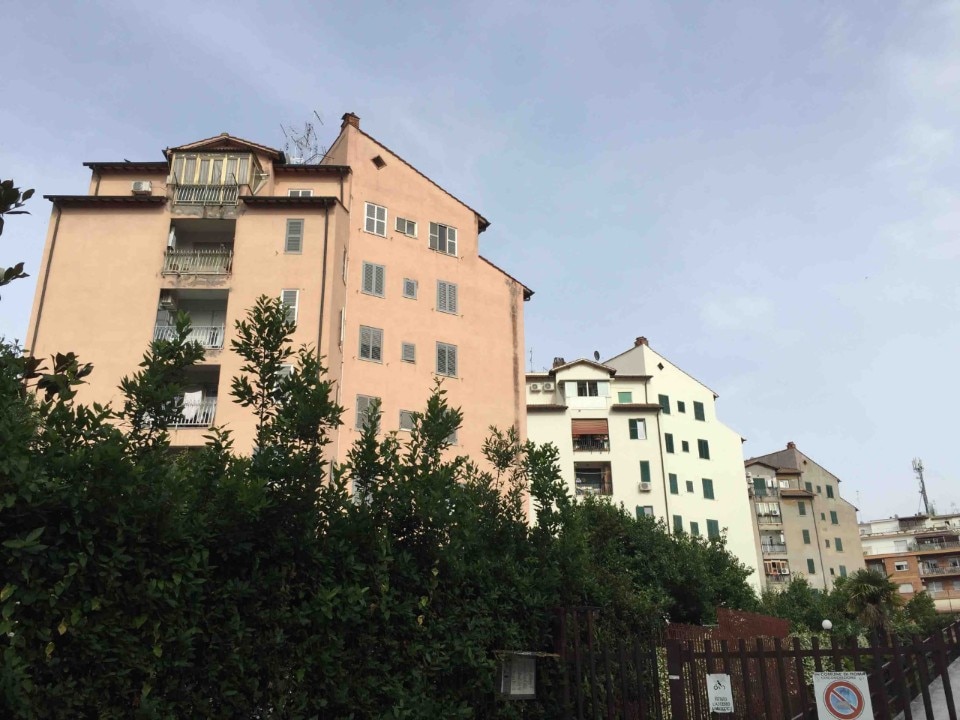
      The first Ina-Casa quarter in Rome, defined by Manfredo Tafuri as the "manifesto of architectural neo-realism and at the same time of the ideology of Ina-Casa first seven years", the mainly residential complex is composed of different building types, including tower houses (7 floors with 3 or 4 lodgings per floor), terraced (2 or 3 floors) and in line houses (mainly 4 floors) and 4 commercial buildings. In the wake of the feelings of enthusiasm for the post-war reconstruction and the desire to redeem the mistakes of the past, the district contemplates, as Ridolfi said, "various urban compositions, moved, articulated, such as to create welcoming and restful environments, with different views in every part ... where each building has its own physiognomy and every man finds his home without difficulty, feeling reflected in it his own personality". A proof that not always, or not completely, populist dreams become reality.


      View article
      View article
      • SHARE
      • PIN IT

      Mario Ridolfi, Ludovico Quaroni, Tiburtino district, Rome 1949-1954

      View article
      View article
      • SHARE
      • PIN IT

      Franco Albini and Ignazio Gardella, Mangiagalli II District, Milan 1950 - 1952

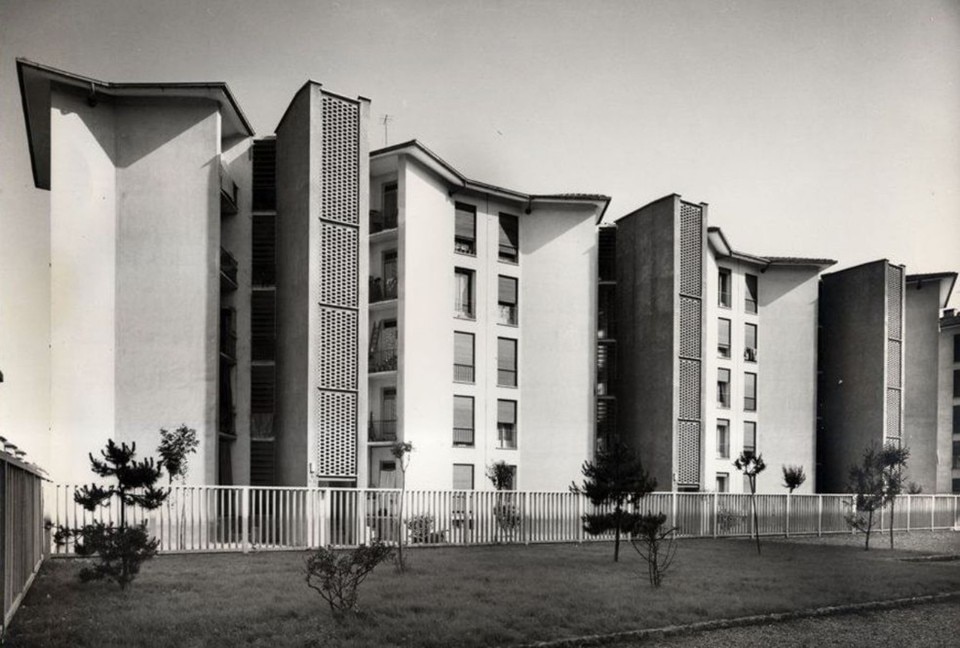
      In the IACP Mangiagalli II neighborhood, an iconic social housing complex located in the historic northwest suburbs of the city, the buildings designed by Albini and Gardella reinterpret the established theme of the railing house in a modern way, where the stairs inserted in the facades are highlighted by perforated brick volumes and where the landings are designed to promote social interaction.

      View article
      View article
      • SHARE
      • PIN IT

      La Martella, Matera 1952 - 1954

      After the displacement in 1952 from the Sassi of Matera of the inhabitants, who lived there in conditions of extreme poverty, the city had to cope with a massive exodus, realizing popular quarters suitable for the transfer of about 2/3 of the population. Among these places, specially designed with the aim of preserving the historical values of relationship and proximity on which the popular society of the time was based, there is Borgo La Martella, strongly desired by Ludovico Quaroni and Adriano Olivetti. It is said that the first inhabitants who settled there were given a cow and a cart with rubber wheels, perhaps to make the transition from the peasant universe to a new urban dimension more acceptable.

      View article
      View article
      • SHARE
      • PIN IT

      La Martella, Matera 1952 - 1954

      View article
      View article
      • SHARE
      • PIN IT

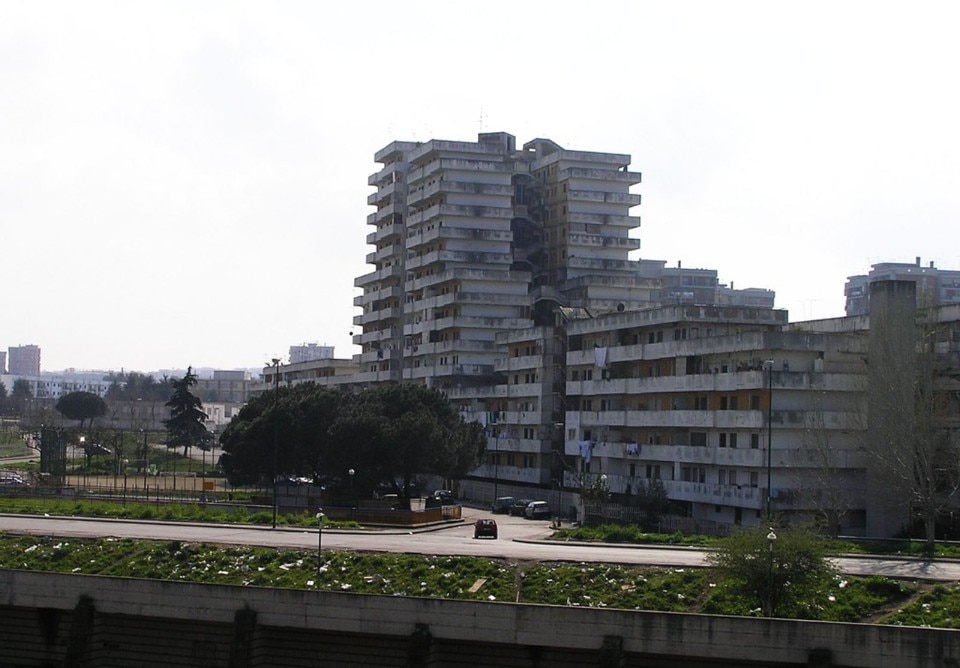
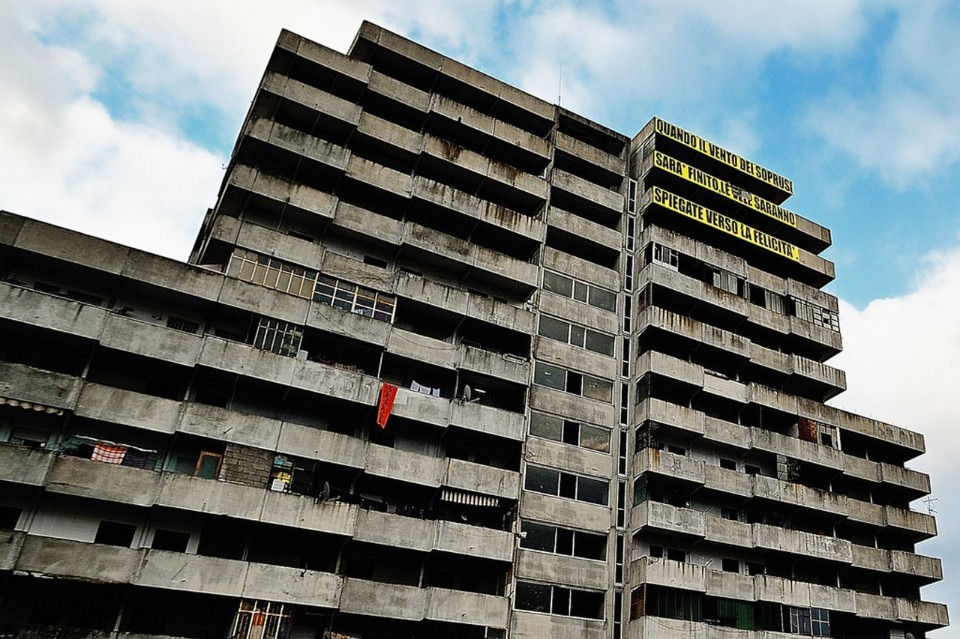
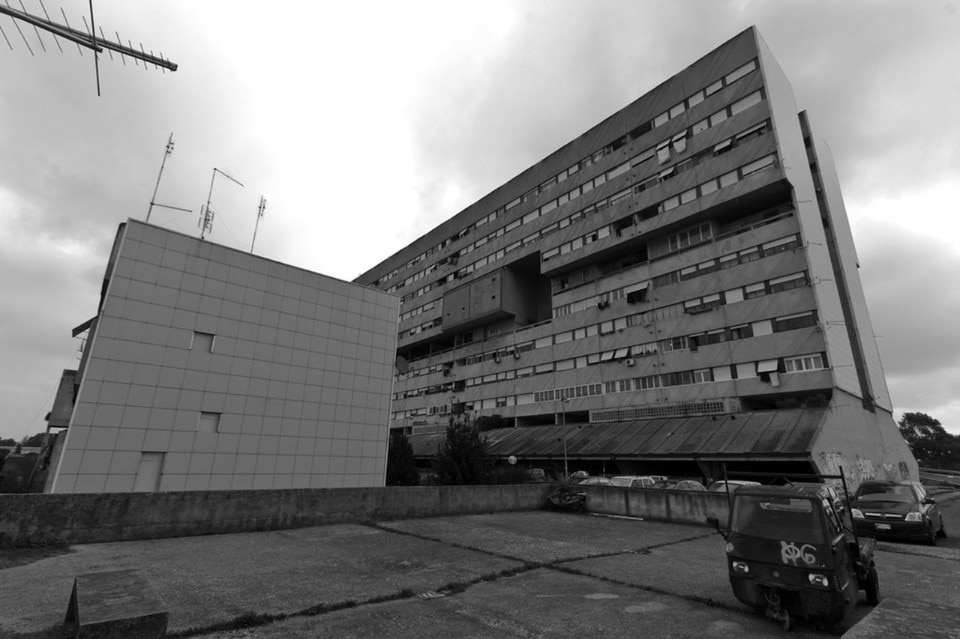
      Francesco di Salvo, Vele of Scampia, Naples 1962 - 1975

      Initially conceived as an opportunity to meet the growing demand for housing by economically disadvantaged groups, today the Vele are the symbol par excellence of urban decay. The complex was originally composed of 7 buildings spread over an area of 115 hectares, of which four have already been demolished, two will be demolished and one will be redeveloped. The project was inspired by the principles of existenzminimum - which prefigured the reduction of construction costs and the reduction of the surfaces of private spaces to the advantage of common ones - and the Unitès d'Habitation of Le Corbusier and is characterized by tower and "tent" typologies: the latter, characterized by the combination of two sloping buildings, separated by a large central void crossed by balconies, defines the most sadly known image of the complex.

      Photo eropelad

      View article
      View article
      • SHARE
      • PIN IT

      Francesco di Salvo, Vele of Scampia, Naples 1962 - 1975

      Photo piXo

      View article
      View article
      • SHARE
      • PIN IT

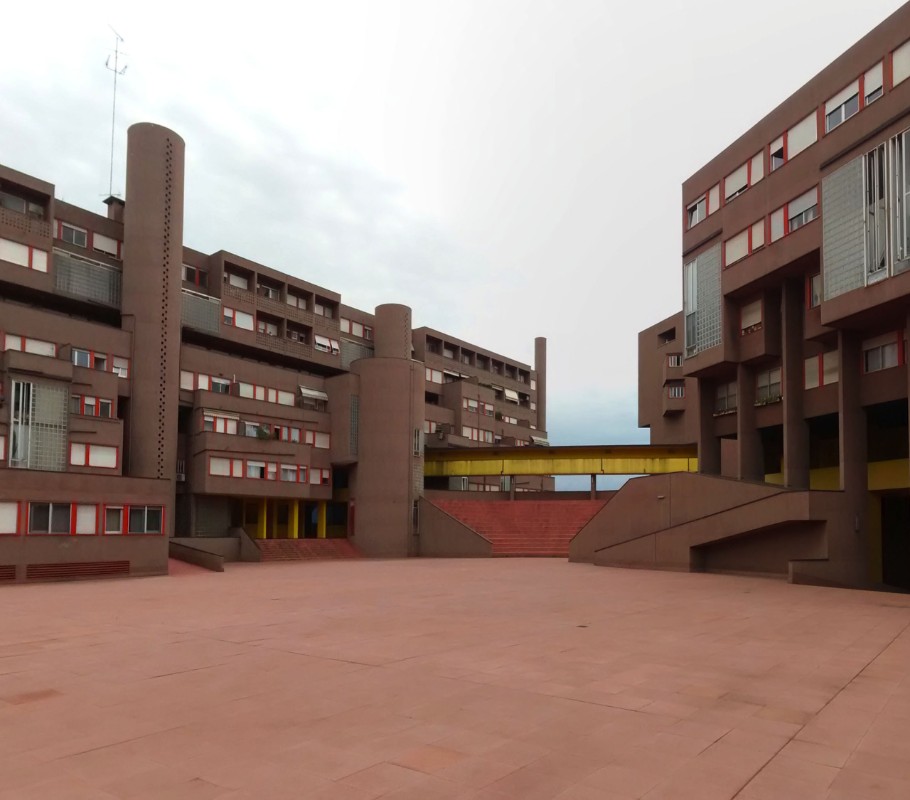
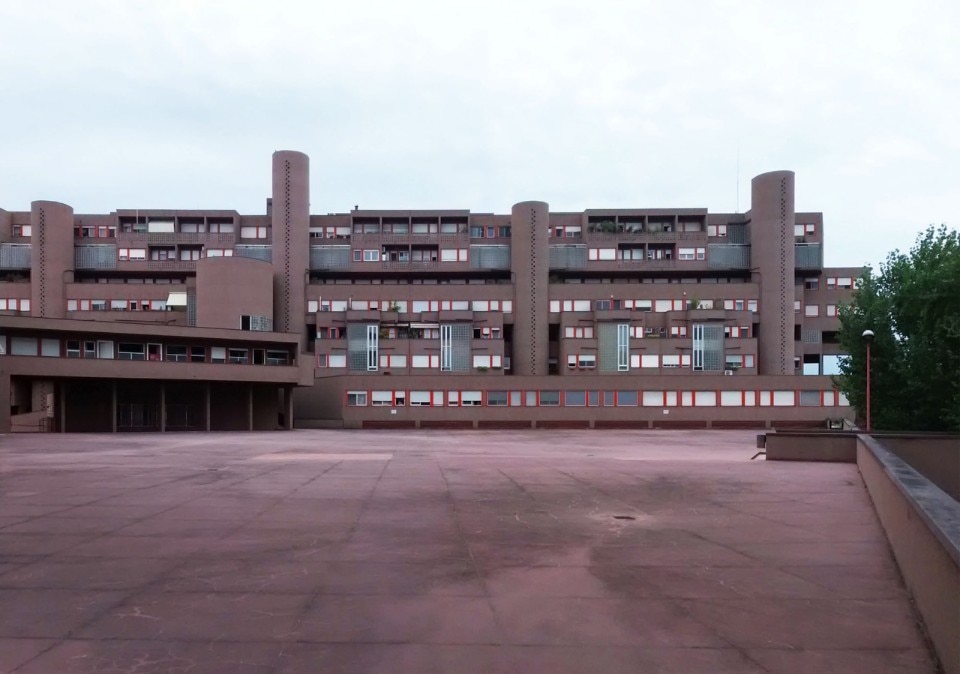
      Carlo Aymonino, Aldo Rossi, Monte Amiata, Milan, 1967 - 1974

      The "red dinosaur", so defined for the cyclopean structure, the unusual shape and the color of the facades, is a residential complex in the Gallaratese district conceived as a utopian micro-city inspired by the model of Le Corbusier's Unité d'Habitation in Marseilles. The work includes five buildings of different heights grouped around central common spaces of aggregation (an amphitheater and two smaller squares) and numerous pedestrian paths that highlight the search for a dialectical relationship between living space and public space.

      Photo Gunnar Klack

      View article
      View article
      • SHARE
      • PIN IT

      Carlo Aymonino, Aldo Rossi, Monte Amiata, Milan, 1967 - 1974

      Photo Gunnar Klack

      View article
      View article
      • SHARE
      • PIN IT

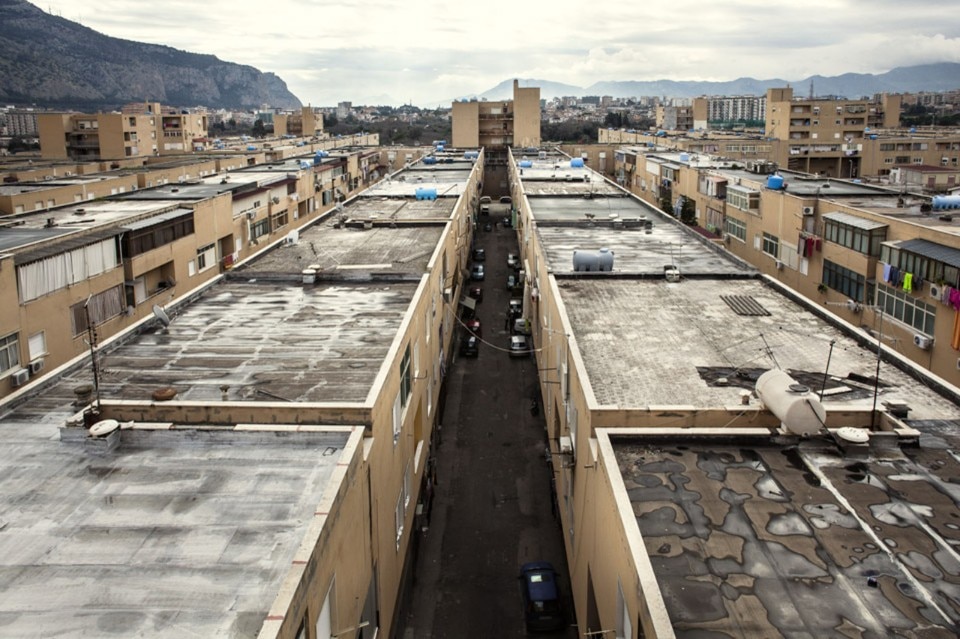
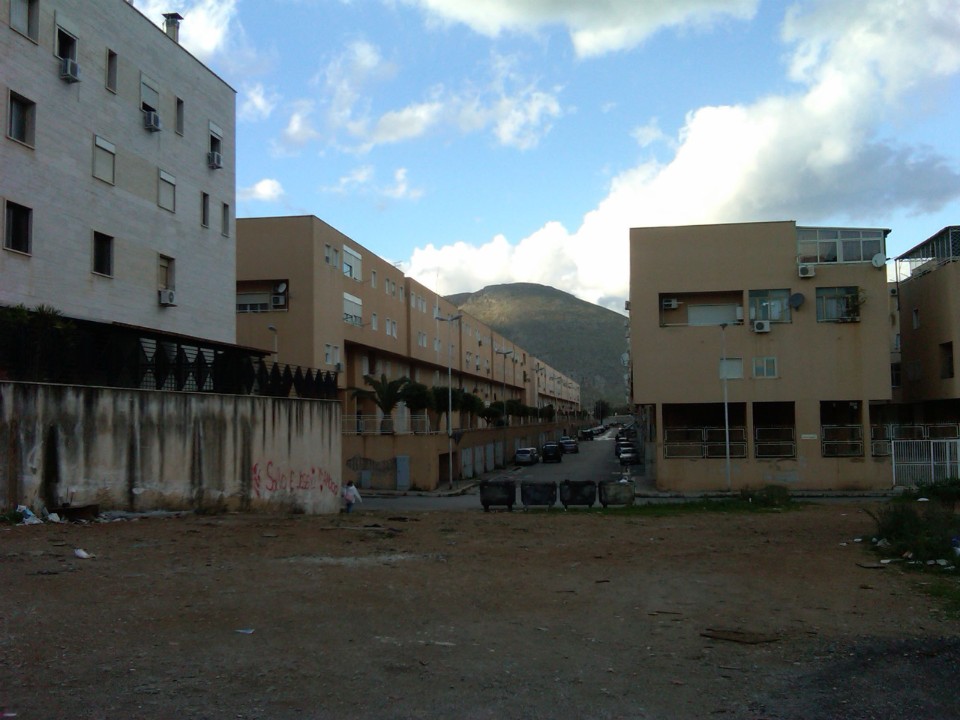
      Vittorio Gregotti, Zen 2, Palermo 1969 - 1990

      The North Expansion Area, entirely made up of social housing, is divided into two residential areas commonly defined as "Zen 1" and "Zen 2", the latter characterized by architectural structures called "insulae". The urban area is plagued by established problems of environmental and social degradation, so much that authoritative voices have been raised (Massimiliano Fuksas) in favor of its demolition. Recently, participatory processes have been initiated by the University, the Municipality and residents to improve the supply of services and reduce crime.

      View article
      View article
      • SHARE
      • PIN IT

      Vittorio Gregotti, Zen 2, Palermo 1969 - 1990

      View article
      View article
      • SHARE
      • PIN IT

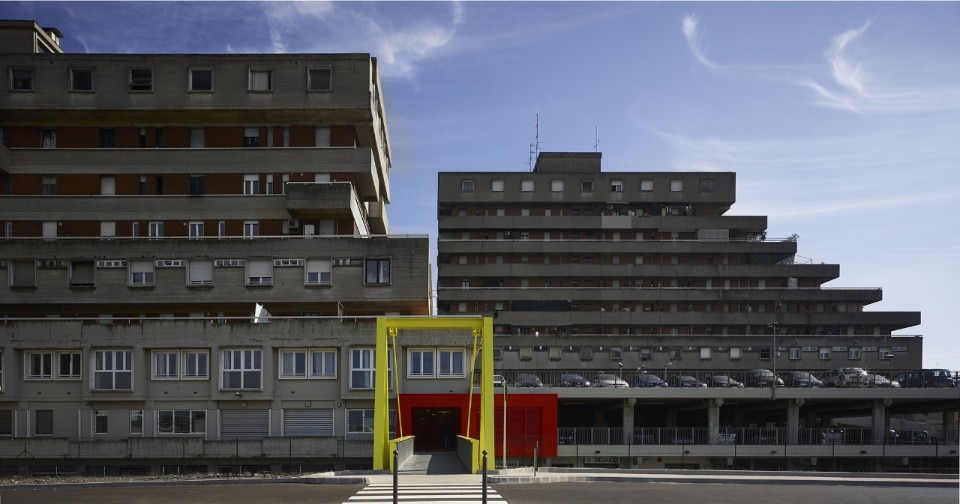
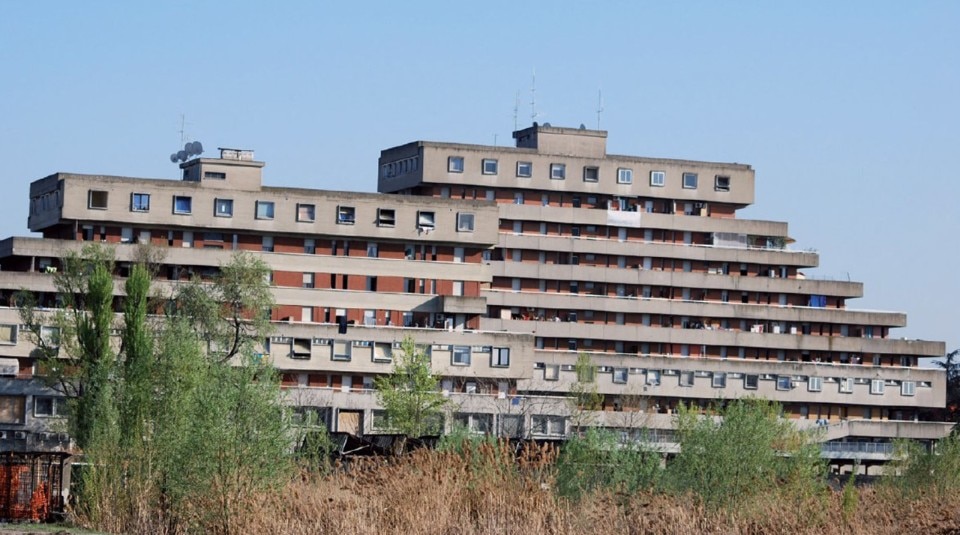
      Vinicio Vecchi, R-North Complex, Modena 1970

      Located in the area north of the railway that since the war has become the site of expansion of industrial and commercial activities of the city, the multipurpose complex was created to accommodate, in addition to services and commercial activities, mini-apartments for workers of the Livestock Market. The monolithic building, characterized by a marked horizontality accentuated by the alternation of reinforced concrete floors with those of dark brick plaster, soon became a "black hole" of degradation and crime. Starting from the beginning of 2000, the complex has been the object of a regeneration intervention aimed not only to heal the physical degradation but also to face the deep-rooted social conflicts of the area: the project has provided for the dimensional revision of the lodgings to guarantee a better usability, the settlement of cultural and educational associations, the requalification of the external public spaces.

      View article
      View article
      • SHARE
      • PIN IT

      Vinicio Vecchi, R-North Complex, Modena 1970

      View article
      View article
      • SHARE
      • PIN IT

      Giancarlo De Carlo, Matteotti District, Terni 1969 - 1975

      The district, commissioned by the company Terni Acciaierie to replace the previous workers' village in order to increase the density of housing in the area, and only partially realized, is composed of four three-storey concrete buildings, with volumes articulated in steps that house 240 apartments, common terraces and roof gardens. The intervention has been the subject of a participatory process of historical importance that  involved designers, developers, residents called to express their voice, including the need for public and private green spaces, places for social life and separation between vehicle and pedestrian flows.

      View article
      View article
      • SHARE
      • PIN IT

      Giancarlo De Carlo, Matteotti District, Terni 1969 - 1975

      View article
      View article
      • SHARE
      • PIN IT

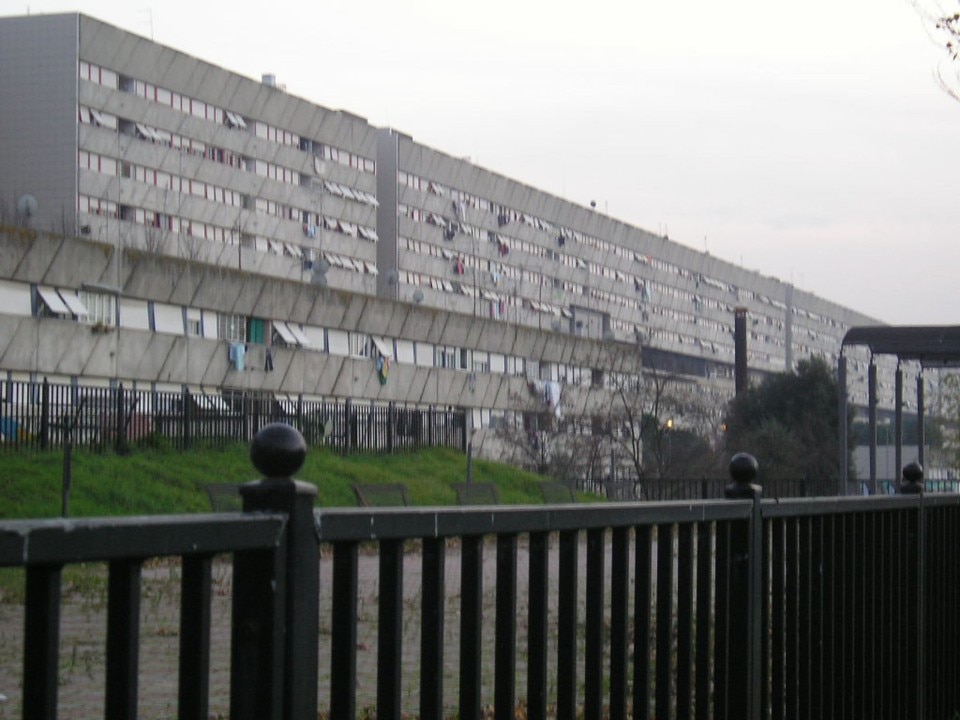
      Mario Forentino, Corviale, Rome, 1975 - 1984

      Corviale is the neighborhood-symbol of the degradation of the capital's suburbs. The complex, of macroscopic dimensions (it is called "il Serpentone": “The Snake”), hosts about 4500 inhabitants and is composed of three buildings: the monumental main "stick", a single body of 986 meters long on nine floors, a second lower body, parallel to the first and a third body oriented at 45° to the first two. Franco Purini said that "Fiorentino had a conception of living as a heroic movement and that he wanted his mammoth housing machine to be a kind of community that would regulate itself by making collective interests prevail over individual ones". Unfortunately, this idealistic vision has not been supported by the facts but Corviale - despite all the problems still existing - is still a place of life and an interesting object of study not only architecturally but also socio-economically.

      Photo Viditu

      View article
      View article
      • SHARE
      • PIN IT

      Mario Forentino, Corviale, Rome, 1975 - 1984

      Photo marcogsx

      View article
      View article
      • SHARE
      • PIN IT

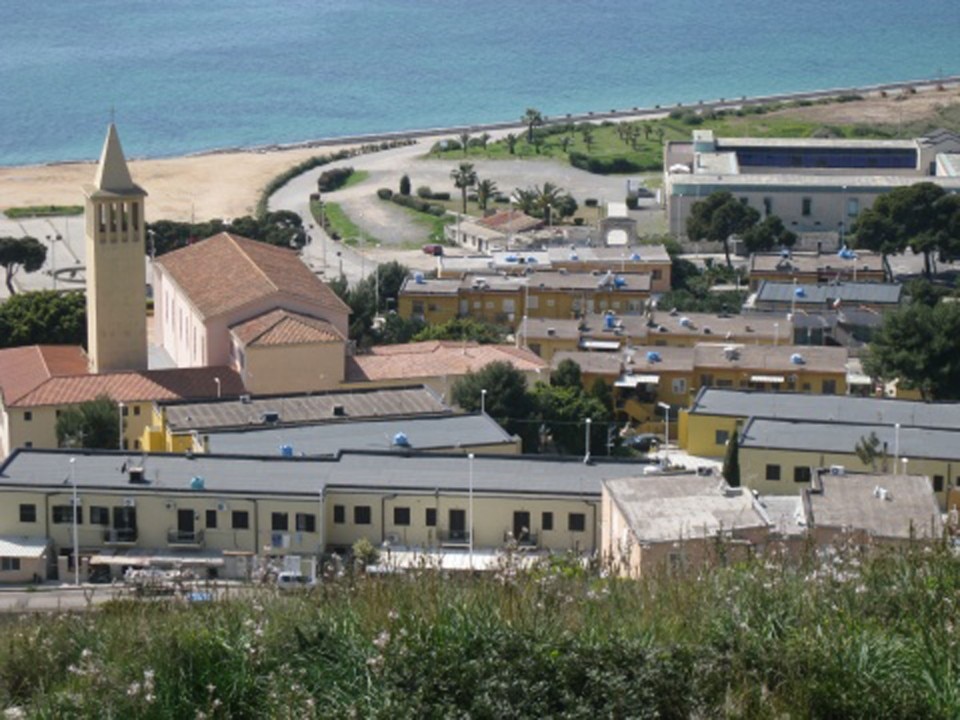
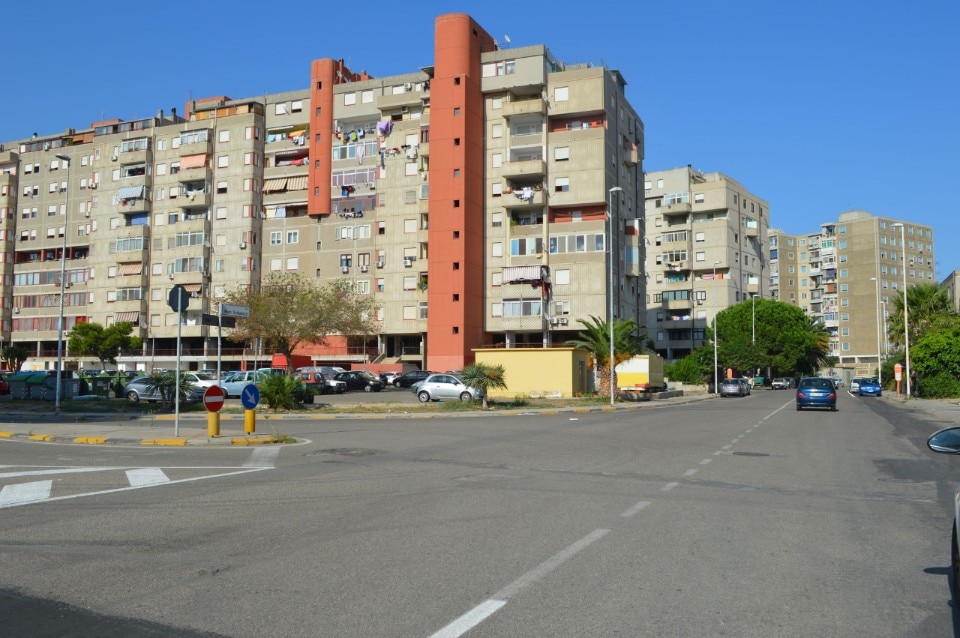
      Sant'Elia district, Cagliari

      A maze of alleys winding among old fishermen's houses, a former Lazzaretto - now a cultural center - and a church crosses the southernmost district of the city, close to a marshy area near the lighthouse. The marginal position with respect to the urban fabric has contributed to stigmatize the area, populated mainly by assignees of public housing, as off-limits and socially dangerous, but Sant'Elia is a complex space and difficult to label, where the brutal harshness of reinforced concrete buildings coexists with the warm and lively character of the oldest village.

      View article
      View article
      • SHARE
      • PIN IT

      Sant'Elia district, Cagliari

      View article
      View article
      • SHARE
      • PIN IT

      View article
      View article
      • SHARE
      • PIN IT
      Loading
      Share
      • Sections
        • Architecture
      • Keywords
      • News
      • Architecture
      • Design
      • Art
      • Opinion
      • Archive
      • Products
      • Foreign Editions
      • Biographies
      • Architectural movements
      • Buildings
      • Architecture Firms
      • Design Essentials
      • Urban stories
      • Gio Ponti
      • Contacts & Editorial Team

      • Follow us
      Legal Note

      Editorial DomusEditoriale Domus Spa
      Via G. Mazzocchi, 1/3
      20089 Rozzano (Mi) -
      Codice fiscale, partita IVA e iscrizione al Registro delle Imprese di Milano
      n. 07835550158
      R.E.A. di Milano n. 1186124
      Capitale sociale versato € 5.000.000,00 - All rights reserved - Privacy - Informativa cookie completa - Gestione Cookies

      China Germany India Mexico, Central America and Caribbean Sri Lanka Korea icon-camera close icon-comments icon-down-sm icon-download icon-facebook icon-heart icon-heart icon--mobile-logo icon-next-sm icon-next icon-pinterest icon-play icon-plus icon-prev-sm icon-prev Search icon-twitter icon-views icon-instagram