


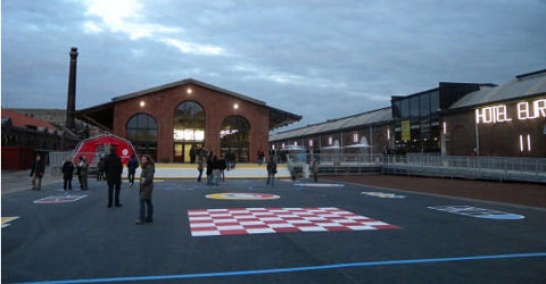
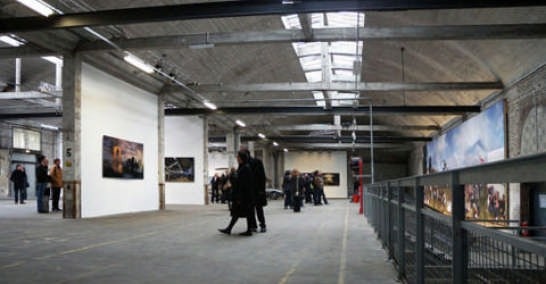
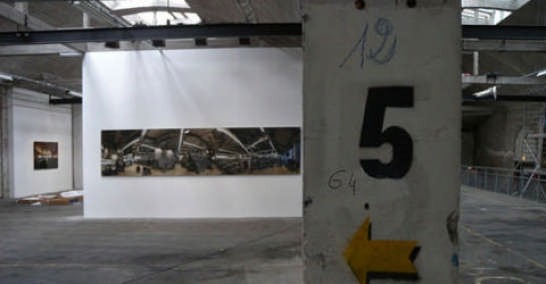
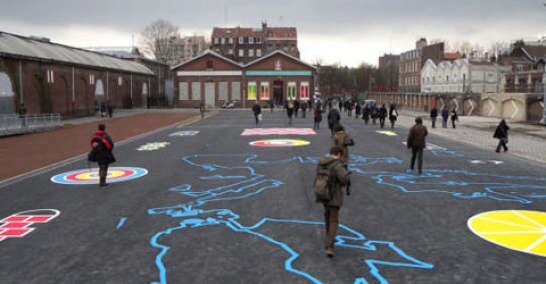
The minimal, but also easy-going approach displayed by Franklin Azzi’s restoration of an old railway station, built in 1858, reveals the democratic rather than institutional mood of this contemporary art space inaugurated in March 2009. As part of the “Lille 3000” programme prepared by Martine Aubry and Didier Fusillier, the Gare Saint Saveur will in a near future become “a meeting place where people can linger at their ease”. The project includes two blocks (one housing a restaurant bar, a ludotheque and a cinema; the other, exhibition rooms). It is also subtly political, offering extensive public access to a facility designed for an effectively multicultural city. All this was done, though, on a tight budget which obliged the French architect to tap all his creative resources. The answer was straight to the point: after using up a hefty slice of the budget to make the building technically accessible to the public, Azzi made the fewest possible alterations to the station. He has left the wall textures and roof frame in sight and used only poor, rough materials. “I tried to design as little as possible, so the station is a sort of ready-made”.
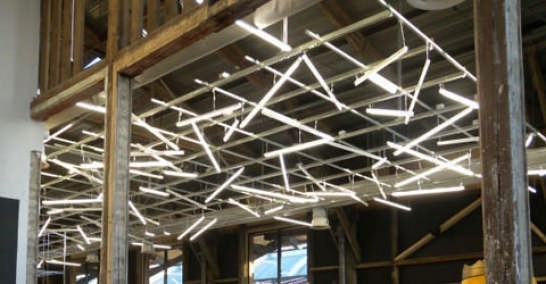
Azzi does not renounce architecture, but gives it an ironic twist. The only guideline he gave the electricians who installed the fluorescent tubes in the brasserie was a rendering. “I told them to get their inspiration from the drawing, but to hang the tubes as they liked. Was I satisfied with the result? Yes, certainly.” Anarchy, but also public involvement. The walls of the cafeteria are clad with large blackboards, allowing children freedom of expression. The politicians asked the architect for a space which really would be for everybody. Azzi’s achievement of that aim can also be noticed in a number of unexpected details: the bar counter for instance, designed in collaboration with Robert Carr, includes a lower section where even tots can pass their orders directly to staff. Laura Bossi
_big.jpg.foto.rmedium.jpg "Copyright Franklin Azzi Architecture")
_big.jpg.foto.rmedium.jpg)
_big.jpg.foto.rmedium.jpg)
_big.jpg.foto.rmedium.jpg)
_big.jpg.foto.rmedium.jpg)
_big.jpg.foto.rmedium.jpg)
_big.jpg.foto.rmedium.jpg)
_big.jpg.foto.rmedium.jpg)
_big.jpg.foto.rmedium.jpg)
_big.jpg.foto.rmedium.jpg)

 View gallery