

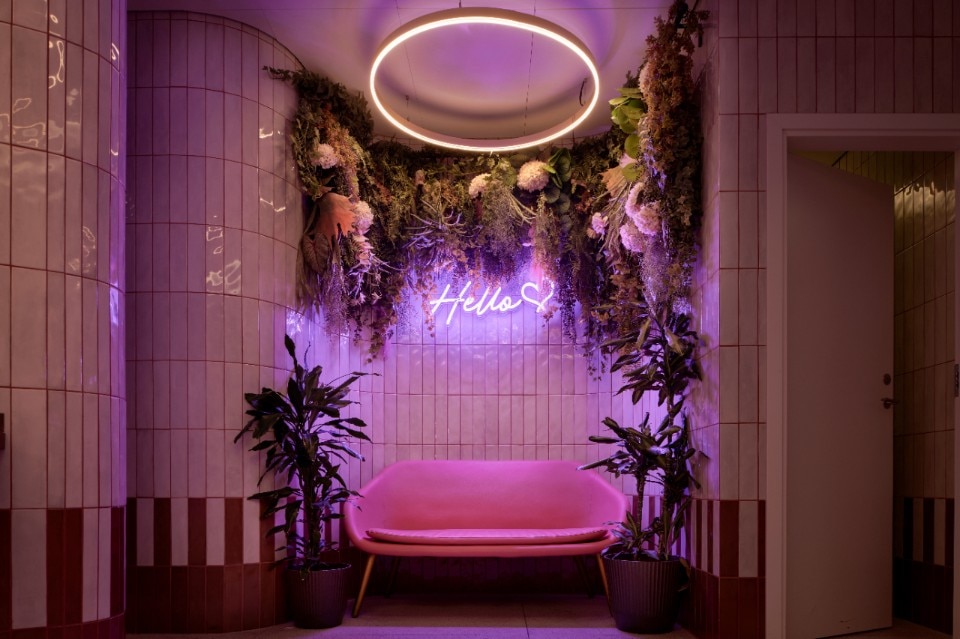
FMG Fabbrica Marmi and architect Paolo Gianfrancesco, of THG Arkitektar Studio, have designed the restyling of the third floor of Reykjavik's largest shopping center. Ceramic, the central element of the project, covers floors, walls and furniture with versatile solutions and distinctive character.
 View gallery


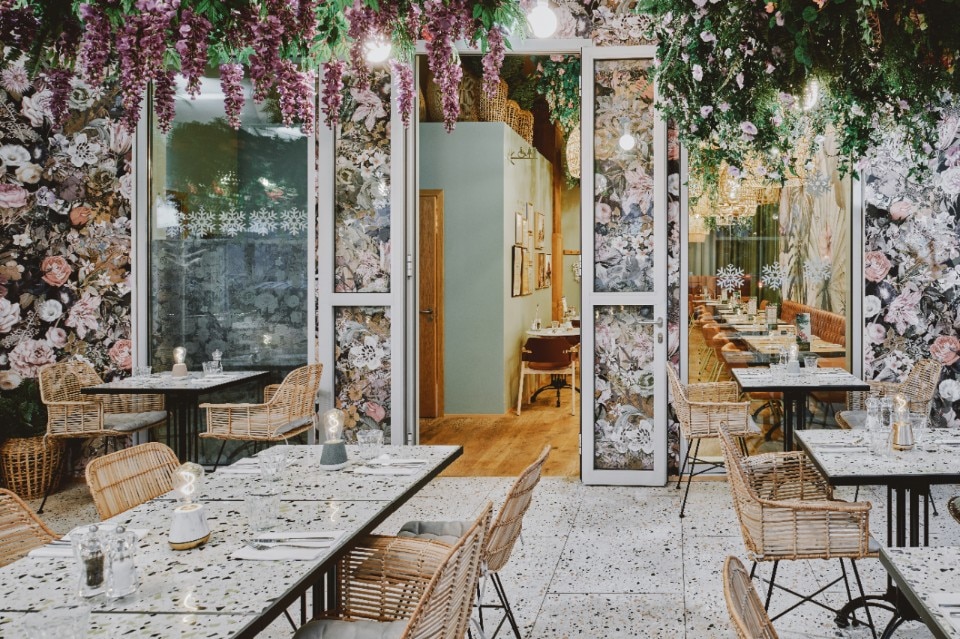
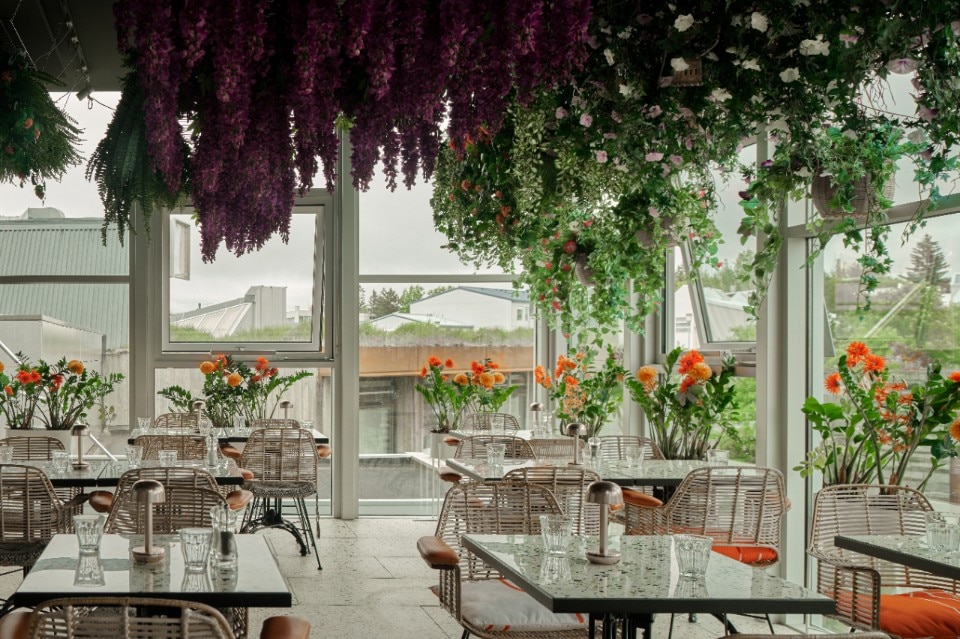
The Center is strategically located near to the heart of the capital and close to the country's busiest road junction. Kringlan, with a total area of about 50,000 square meters spread across three commercial floors, 150 retail units, a parking lot with 5,000 spaces, and 5 million visitors a year, is one of the first malls in Iceland modeled after U.S. designs. Since its opening in 1987, it has become a landmark and a necessity for a city that often experiences extreme weather conditions, where daily life frequently takes place indoors.
Architect Paolo Gianfrancesco, partner at the firm THG Arkitektar, told Domus about the recent renovation of the shopping center’s third floor, which brought new energy to the already vibrant experiences of shopping, entertainment, and social interaction offered by the complex.
The shopping center in Iceland has a fundamental role, different from Italy. It landed here earlier, as early as the 1980s, when there were few shopping centers in Italy and they mostly had a negative stigma, related to their peripheral location
"On the contrary, in Iceland the typology has redefined the way of the shopping experience without "phagocytizing" traditional city stores: Iceland is a country that suffers from street-level commerce due to climatic conditions, and where vehicular traffic is widespread. For this reason, the shopping center meets shoppers’ needs by providing a protected, welcoming, and easily accessible space".
The renovation project (2022) aimed to enhance the attractiveness of the third floor by leveraging a strongly connoted design. “After thorough performance analyses,” Gianfrancesco points out, "it had emerged that the floor was suffering from a ‘detachment’ from the rest of the complex, that retailers were dissatisfied with low sales numbers, and that there was less footfall than on the other floors, perhaps due to the greater distance from the parking lot or unattractive environments. The goal was to revitalize the third floor, creating a ‘brand within a brand’ that was an integral part of the complex but with a recognizable identity." He adds, “This was not a simple restyling operation but rather a real comprehensive rethinking of the spaces, transit flows and types of activities on the third floor, with the aim of making entertainment and experience its beating heart.”
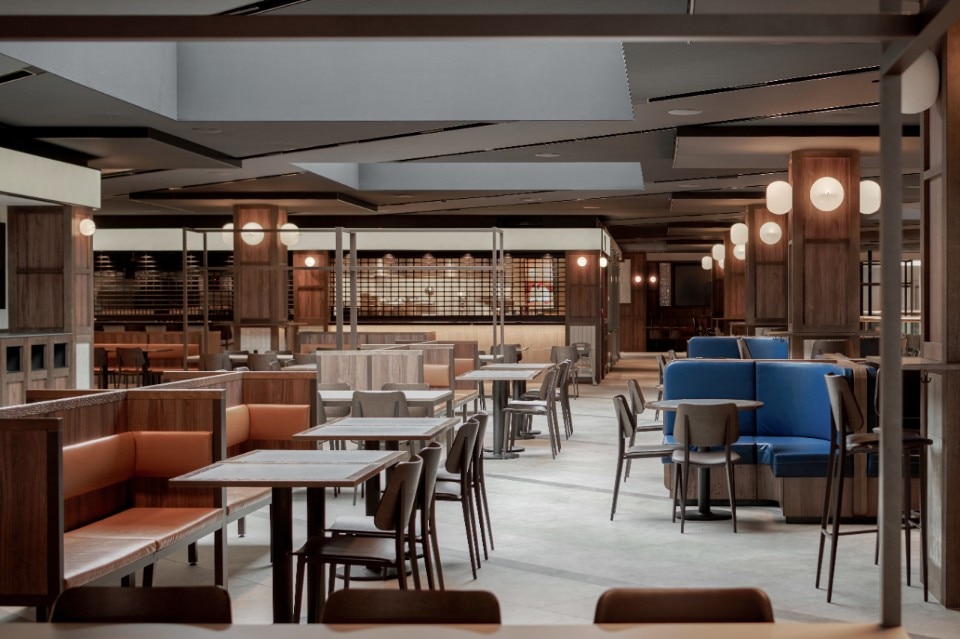
The result is a fluid space that assembles in about 7,000 square meters three main functional areas: entertainment, sports and dining.
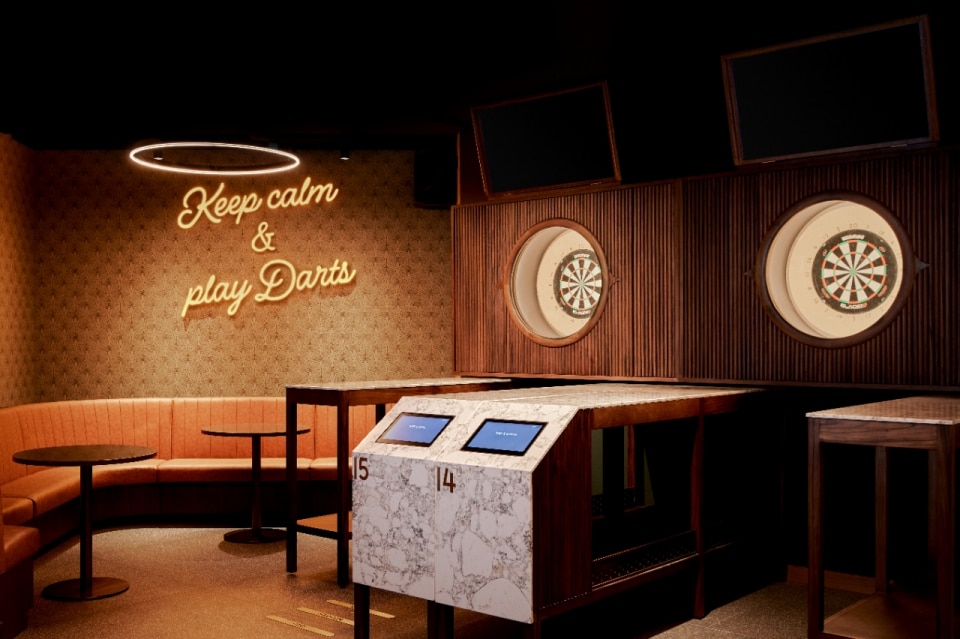
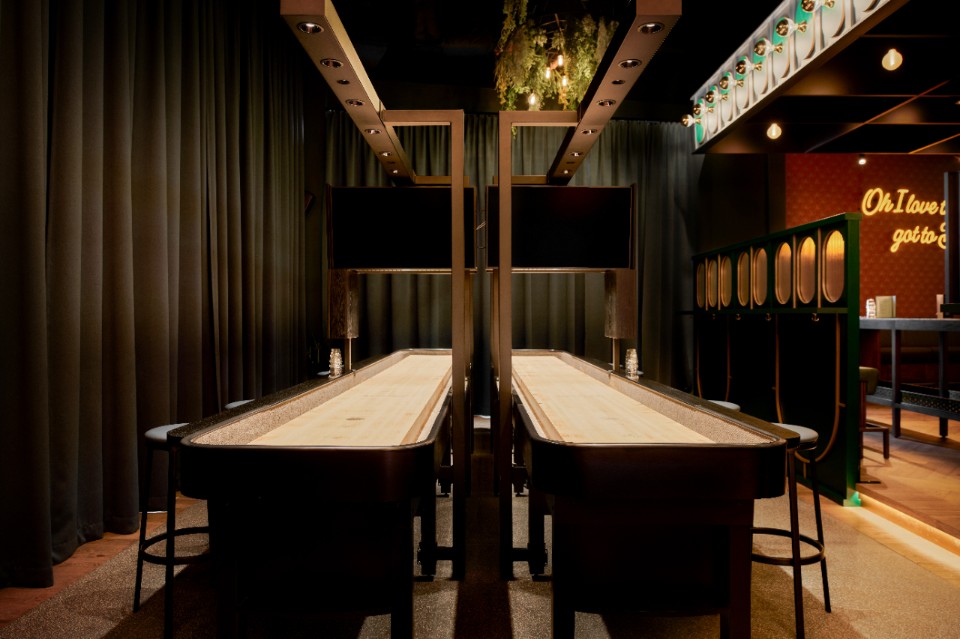
The 200-square-meter children's playground; the 1,000-square-meter “Oche®” social gaming space; the refurbished cinema with three auditoriums (including Iceland's most luxurious VIP room); the 1,000-square-meter gymnasium; and a quality dining offer, with a Bistrot that is “rich” in its furnishings and gastronomy and a ‘democratic’ and “exotic” dining area.
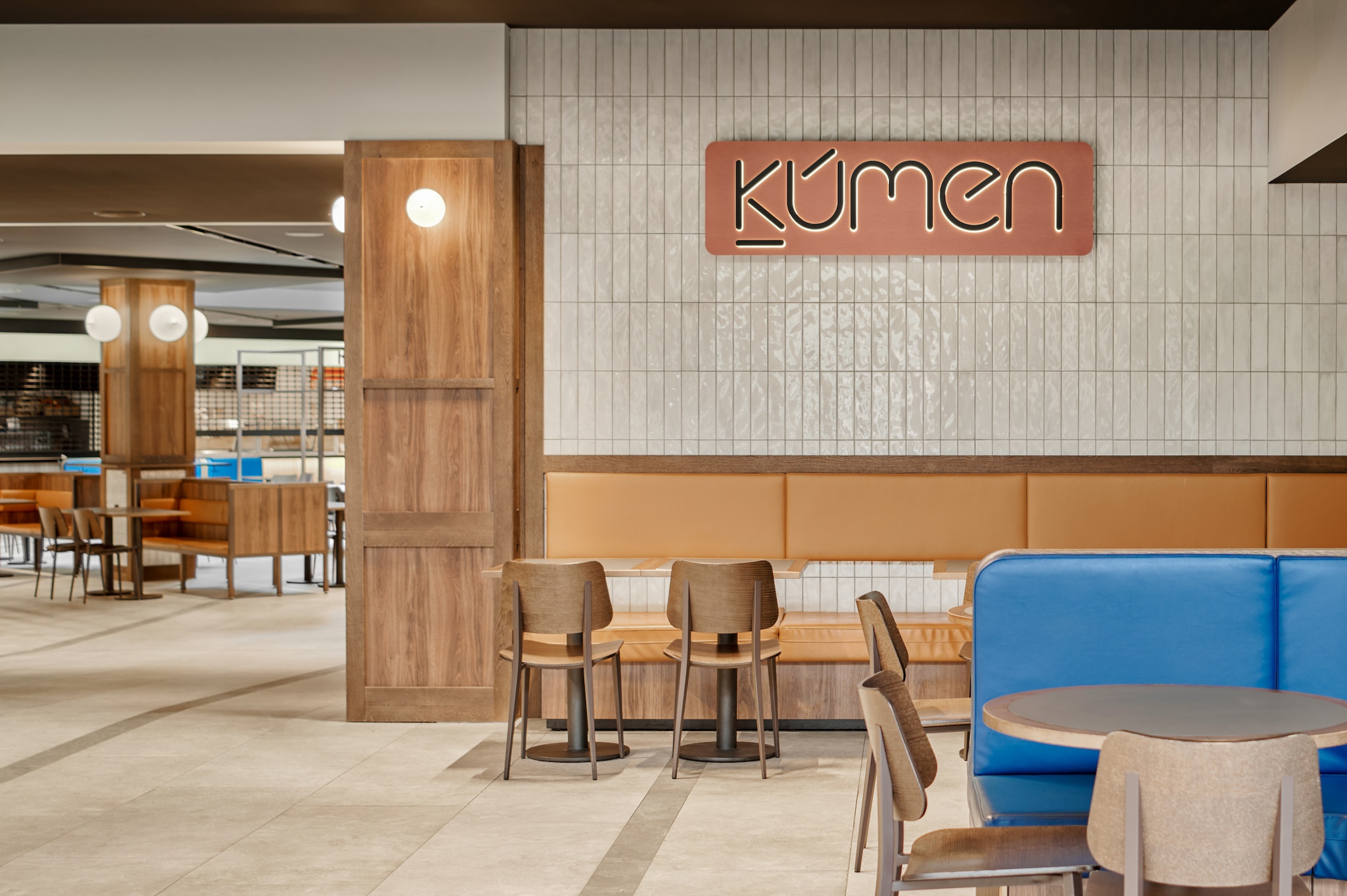
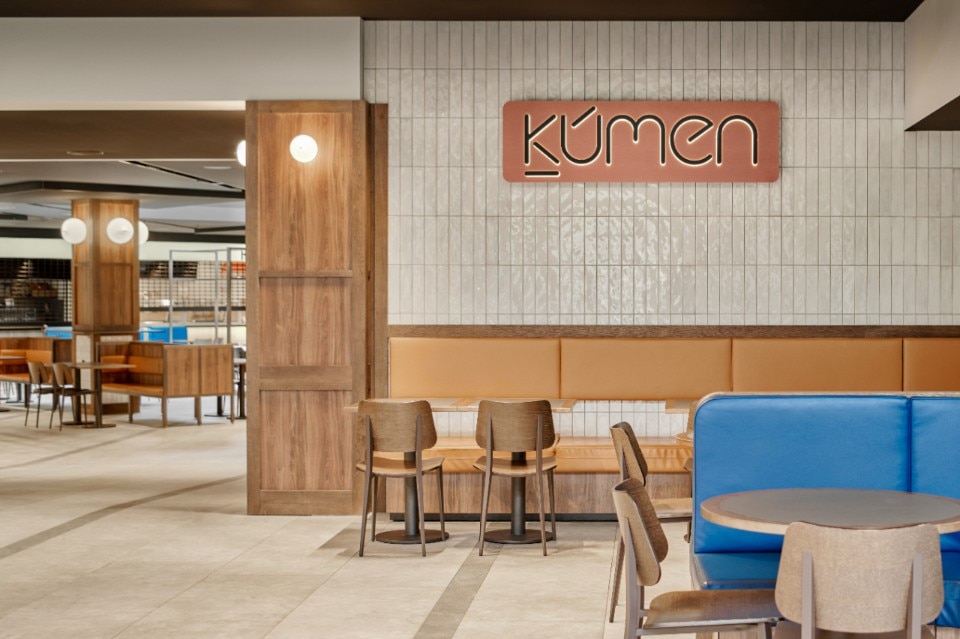
“For the refreshment area - as the Architect explains - a policy of "democratization" of signs was adopted (a common banner for each stand to counter the dominance of global brands over smaller ones) and the name Kúmen, cumin, one of the very few spontaneous spices of 'Iceland that, with its small seed, symbolizes the will to plant within the center a new beginning and cultivate a sense of adventure, was chosen.” To accentuate the welcoming character of the center, special attention was paid to the quality of materials and furnishings, light, acoustics, and the design of the paths, which are articulated and nonlinear.
Thanks to FMG Fabbrica Marmi e Graniti, a leading company in the ceramics sector, and the Group's other brands, Iris Ceramica and Sapienstone, ceramics is the “prince” material of the intervention, from wall coverings to floor coverings, even furnishings. We are talking about 5,000 square meters of floor surfaces, to which are added wall surfaces in all the areas that house the sanitary ware and kitchens.
The choice to use ceramics lies in the ease of installation and maintenance, very high durability and strength, high standards of safety and comfort, and, above all, the very wide range of patterns and visual aspects available. An unusual but soon to be applauded choice in Iceland, a country where the use of ceramics is not common. In fact, there is not even a word in the vocabulary to denote this material.
Full Body³ Slabs, Venice Villa, FMG
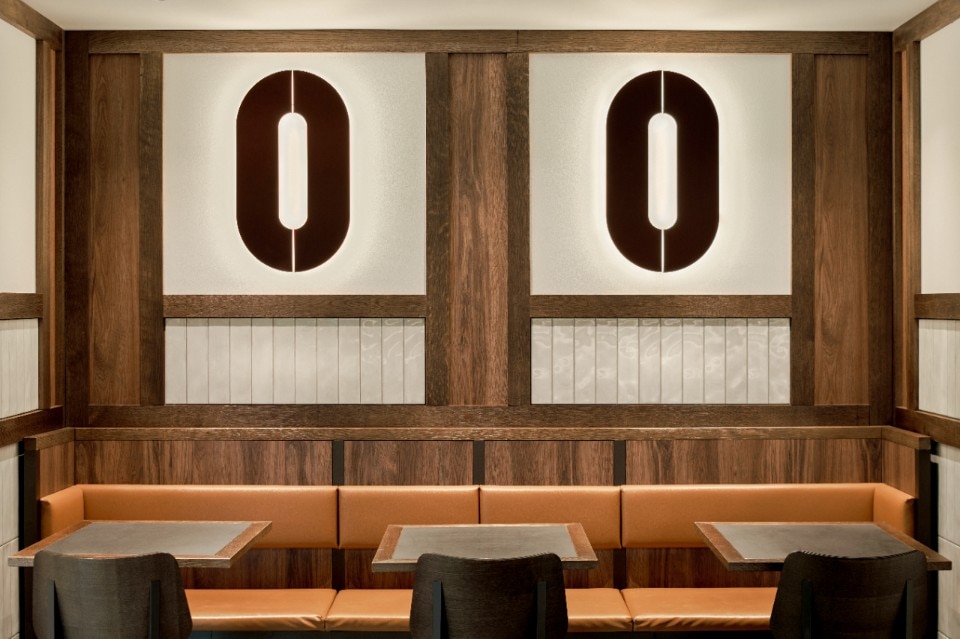
The project thus opens to a rich range of compositional and stylistic expressions. In the Kúmen area, in the twenty refreshment units and in the common transit spaces, “Pietra di Sciara” by Iris Ceramica, declined in different colors, covers the floors, guaranteeing high resistance to foot traffic and cleaning treatments, while at the same time evoking the pavé of outdoor boulevards. On the walls, “Cladding Elements” by Iris Ceramica in the classic brick format warm the spaces with a handcrafted touch. In the Bistrot, the Venetian-style terrazzo cladding “Venice Villa” by FMG, featuring colorful marble and stone granules, designs a lively and exuberant space. The installation extends from walkable surfaces to vertical walls and table tops, combining the functionality of full-body porcelain stoneware with the warmth of a mélange pattern.
One of the main qualities of FMG’s Full Body³ material is that it can be used not only to cover floors and vertical surfaces but also to create furniture pieces. Easy to cut, it boasts tonal and uniformity that guarantees both the technical aspect of cleanliness and hardness, as well as the visual and aesthetic one.
Wall elements, Iris Ceramica
In the Oche® leisure area, FMG’s Palladio Full Body³ technical ceramic has been laid beneath the shuffleboard courts, contributing to the immersive and welcoming atmosphere of the space. The reasons behind the choice of Palladio lie in its durability and scratch resistance. As a full material, it helps prevent visible damage caused by chipping.
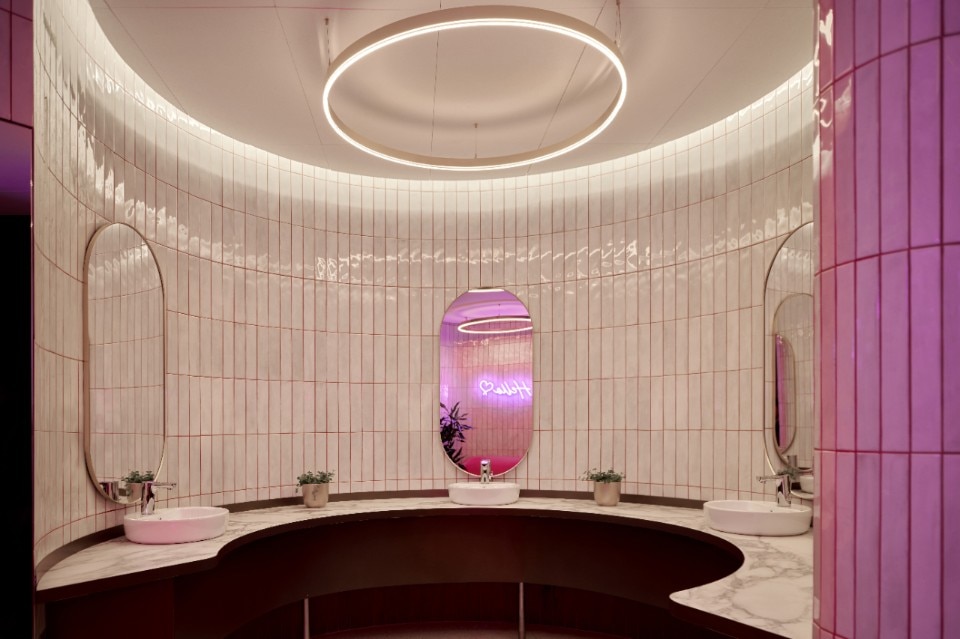
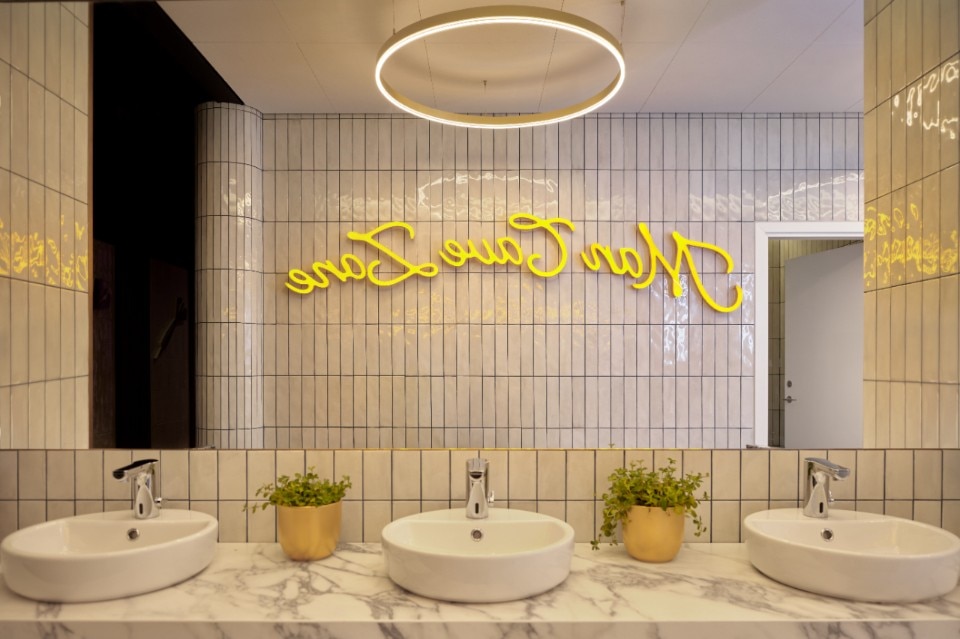
In the bathrooms, bold color combinations, refined details, and the presence of plants and flowers are paired with the elegant ceramic surfaces of Iris Ceramica’s “Pietra di Sciara” and “Cladding Elements,” creating a surprising visual impact. A clear demonstration that even service spaces can express their own poetic quality, thanks to thoughtful design and materials that are both reliable and expressive.
- Project:
- Renovation of the third floor of Kringlan shopping center, Reykjavik
- Collections:
- FMG: Venice Villa; Palladio/ Iris Ceramica: Cladding Elements, Pietra di Sciara
- Brand:
- FMG Fabbrica Marmi e Graniti
- Web site:
- www.irisfmg.com