

In the spirit of Brianza’s productive culture, Nube reinterprets its archive, building a collection in which craftsmanship, typology, and material research define new contemporary domestic landscapes.
Within the Italian design system, Brianza still represents an almost unique case: a territory where the manufacturing dimension coincides with a project culture layered over time. Here, the wood–furniture supply chain has shaped — starting in the nineteenth century and with a decisive acceleration in the postwar years — a landscape made of workshops, technical knowledge, and formal experimentation. It is not merely an industrial district, but a widespread laboratory in which the relationship between craftsmanship and industry has generated a recognizable language, capable of moving through the seasons of design without losing its identity.
 View gallery


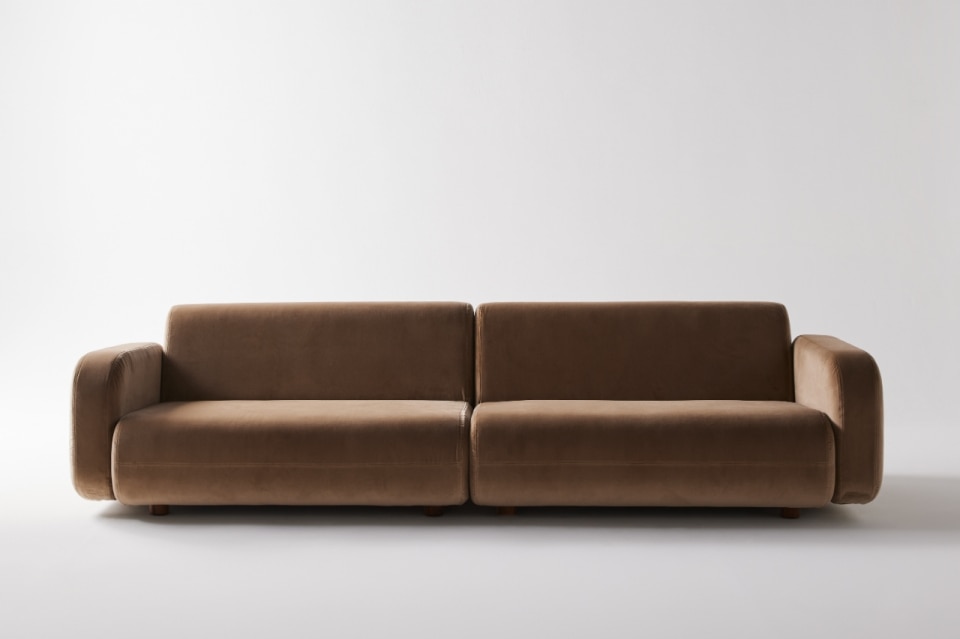
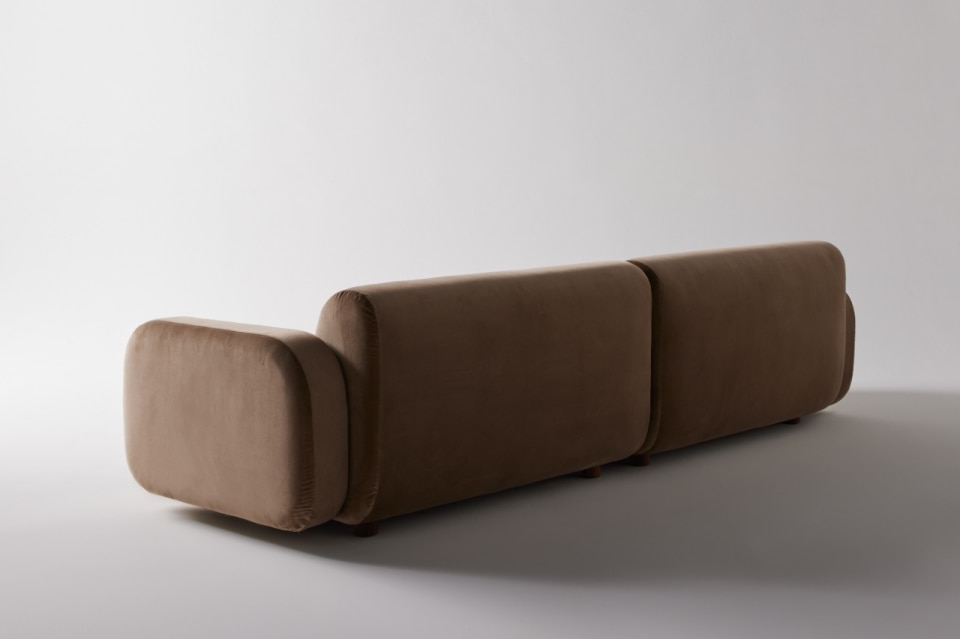
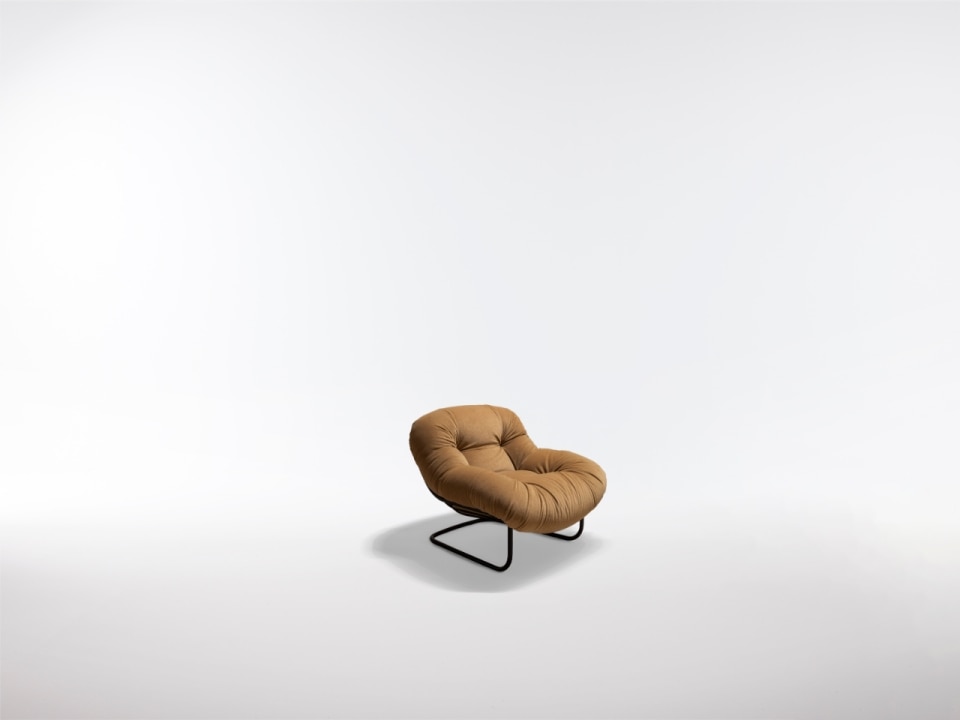
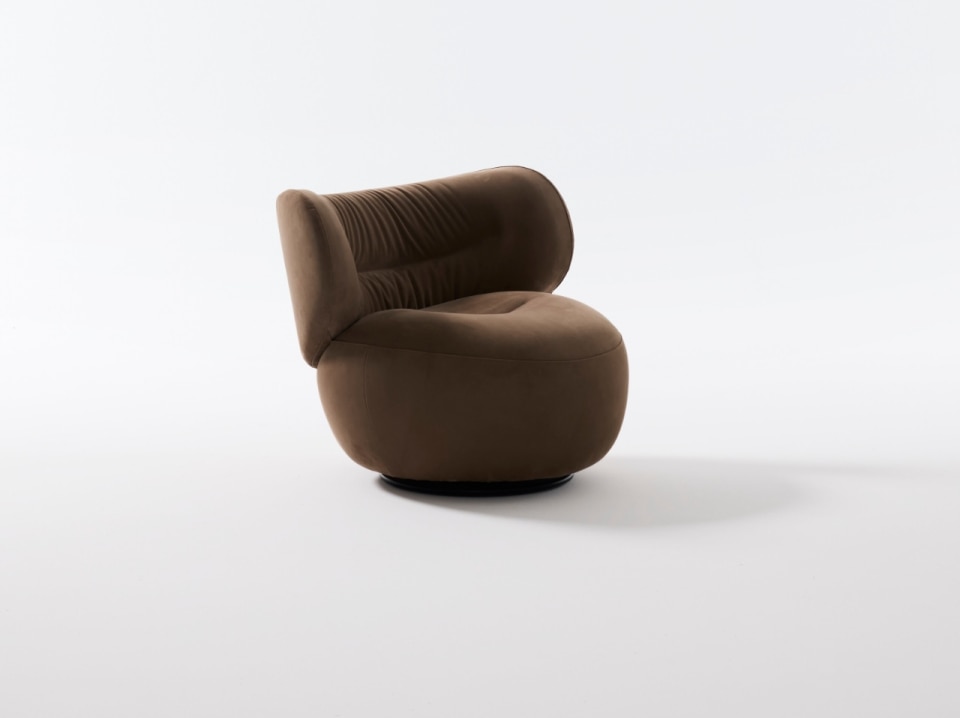
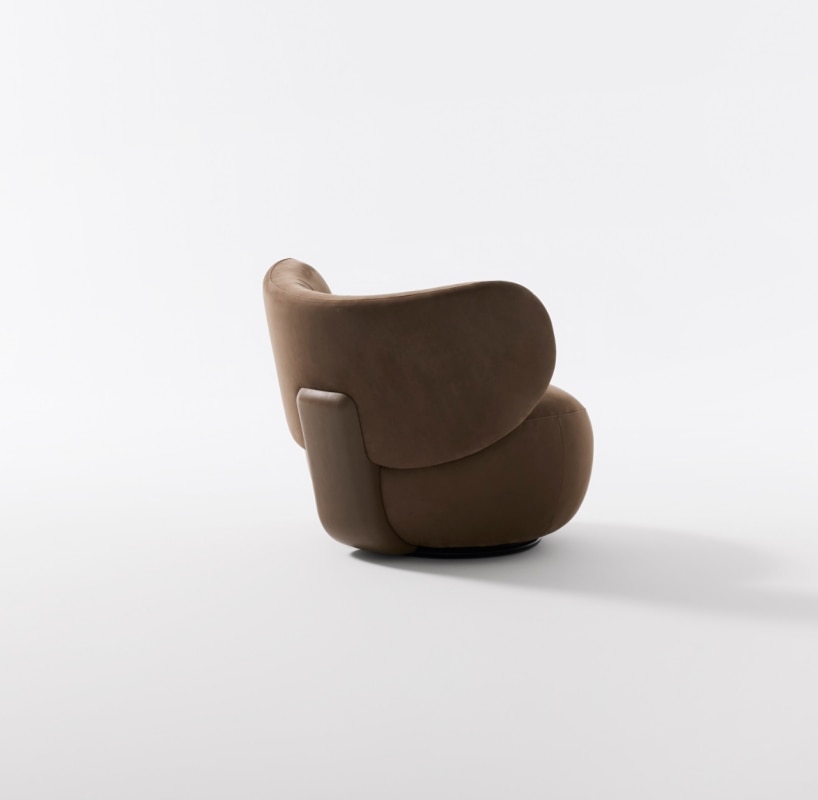
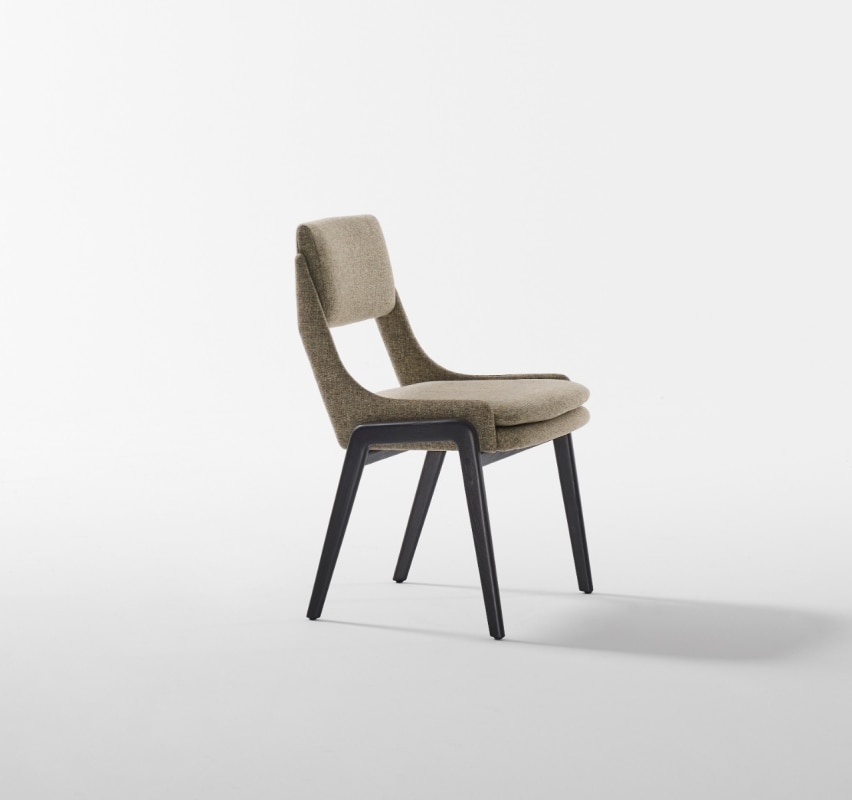
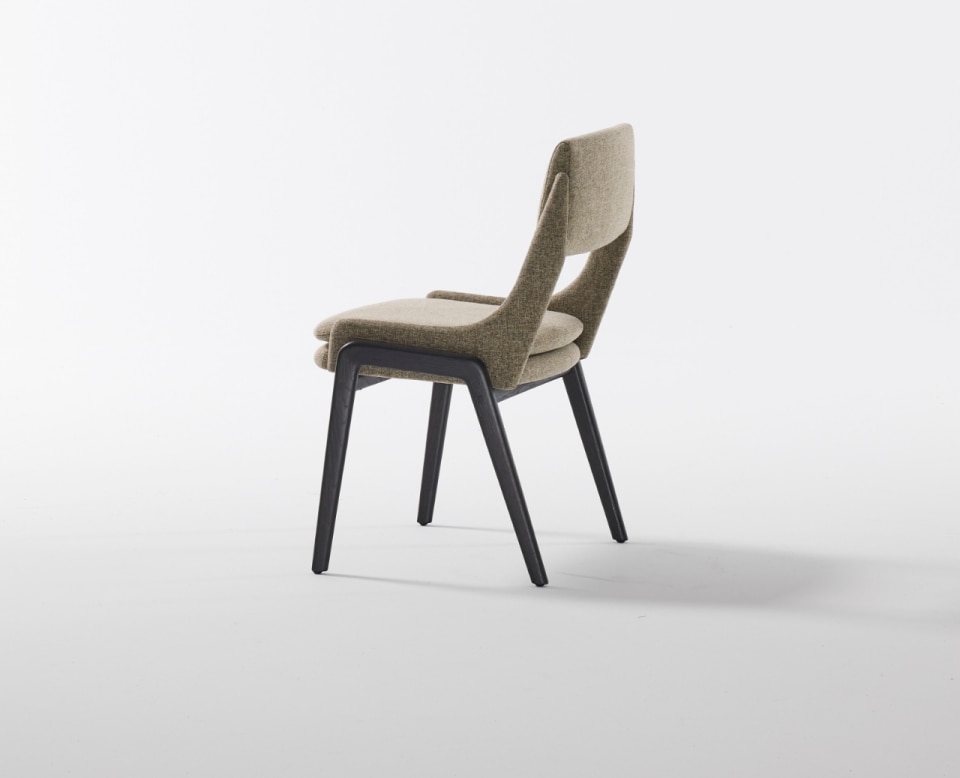
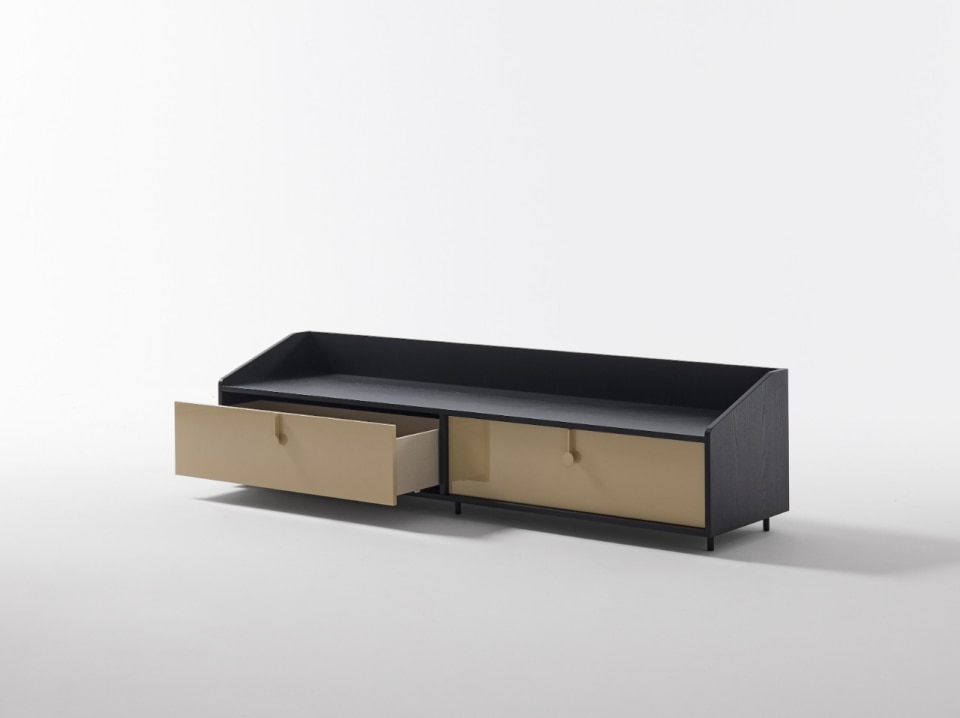
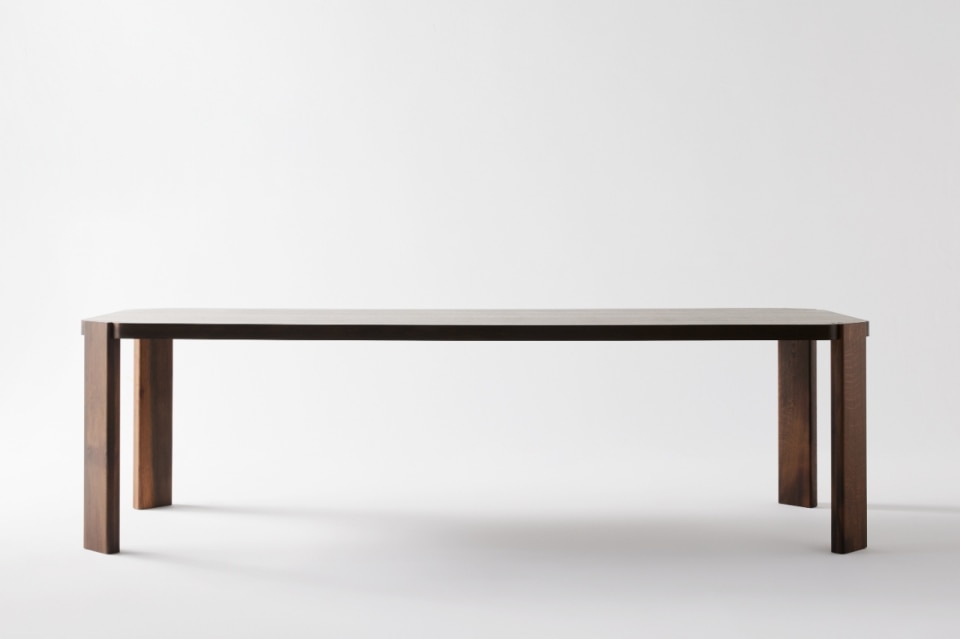
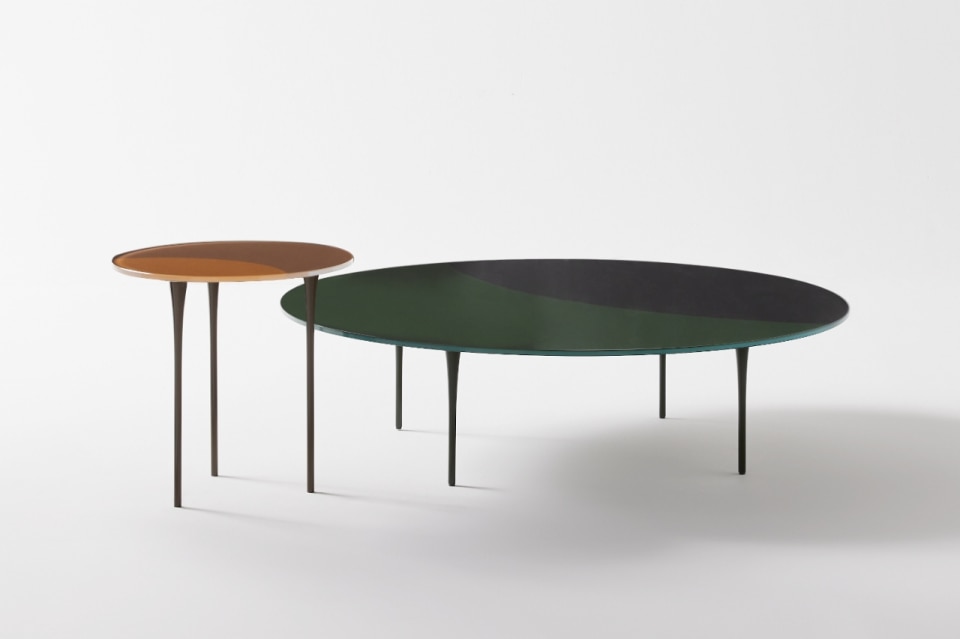
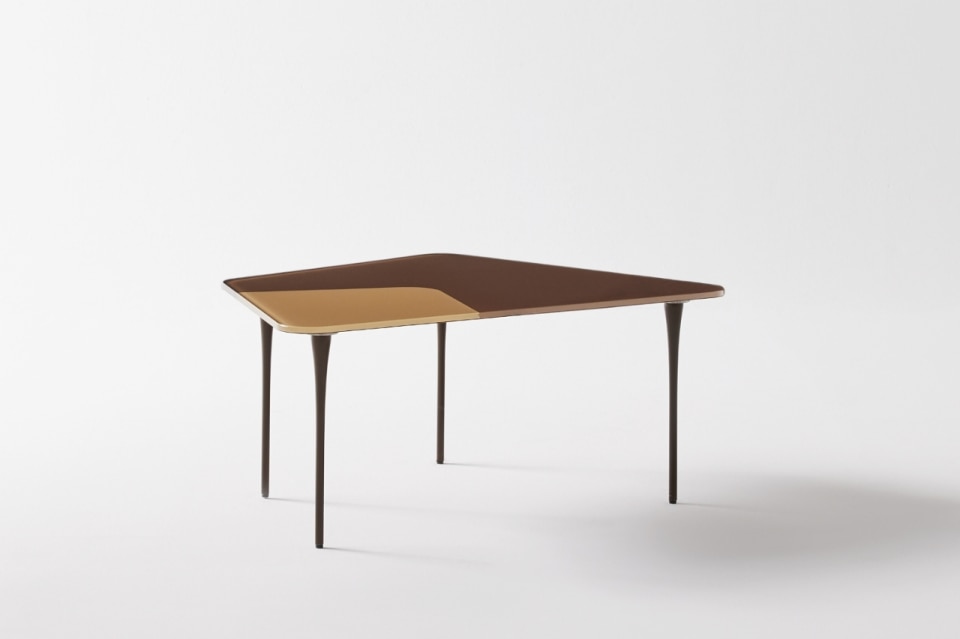
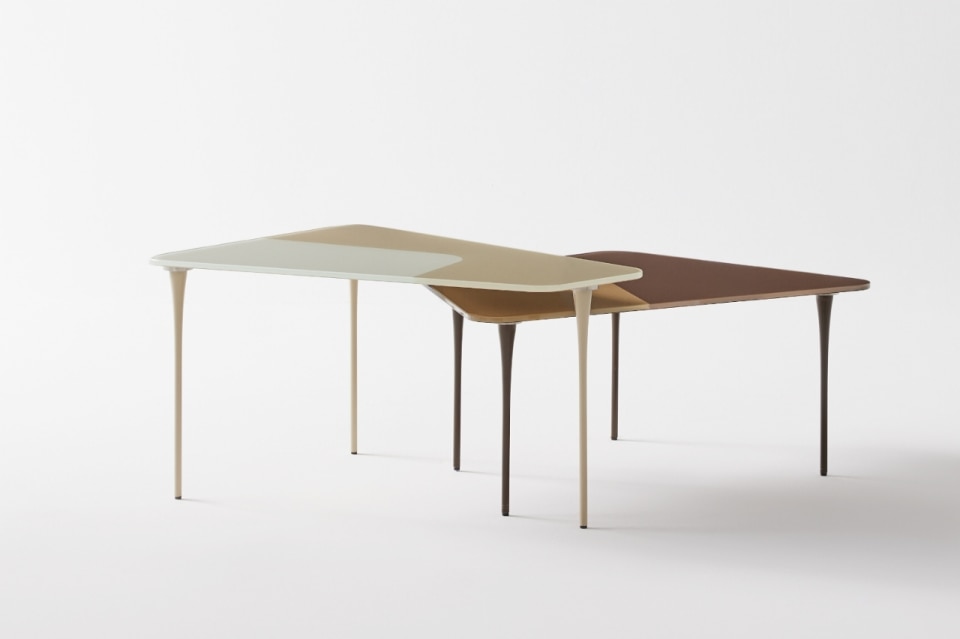
It is within this cultural geography that Nube’s path takes shape. Founded in 1958 by Antonio Nicoli and now led by Simona and Corrado Nicoli, the company interprets its Brianza heritage as living material, engaging in a constant dialogue with the present through the artistic direction of Fabio Fantolino. The exchange with the historical archive does not result in nostalgic quotation; rather, it becomes a tool for redefining proportions, materials, and color palettes in a contemporary syntax.
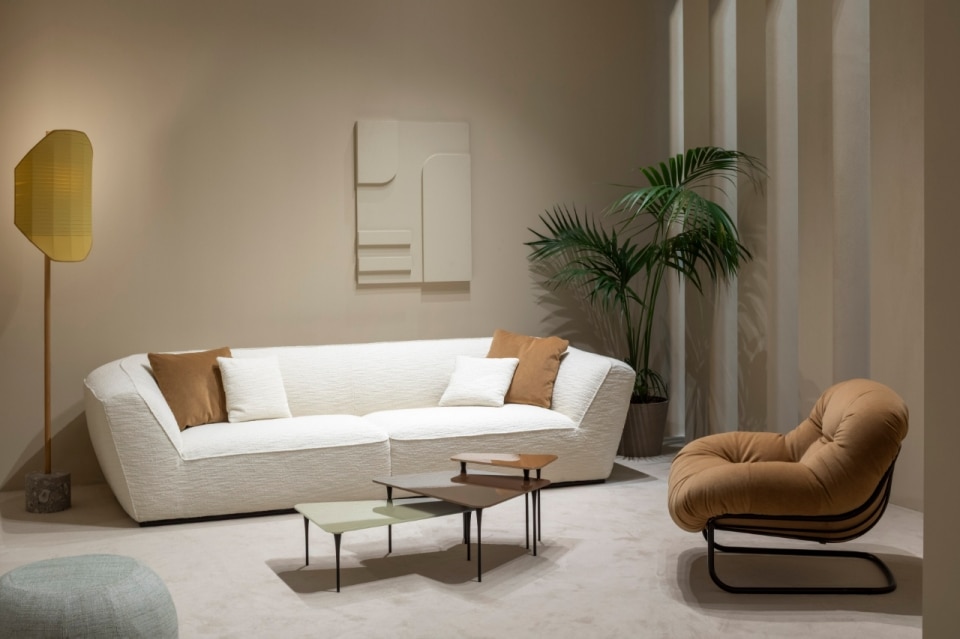
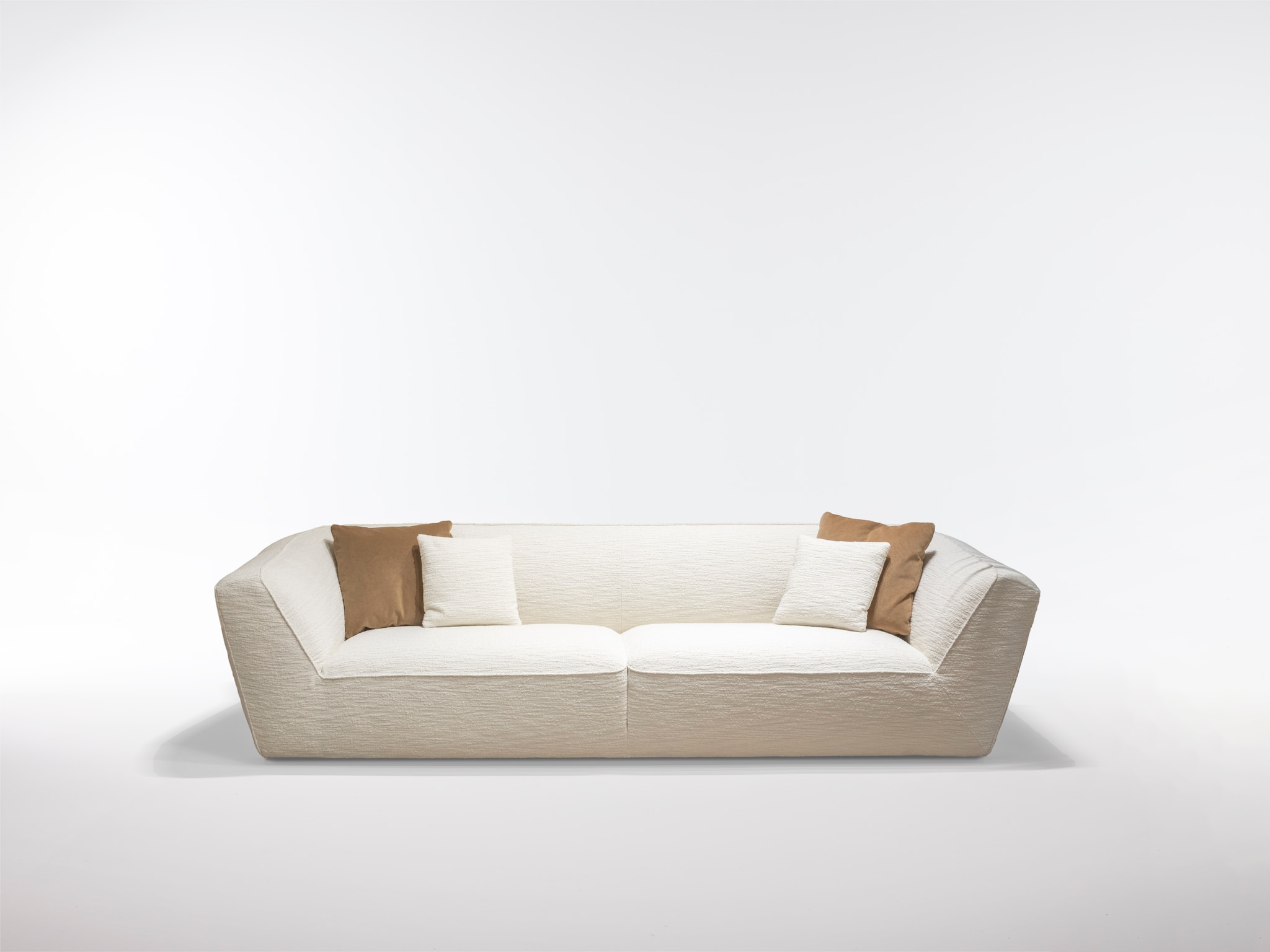
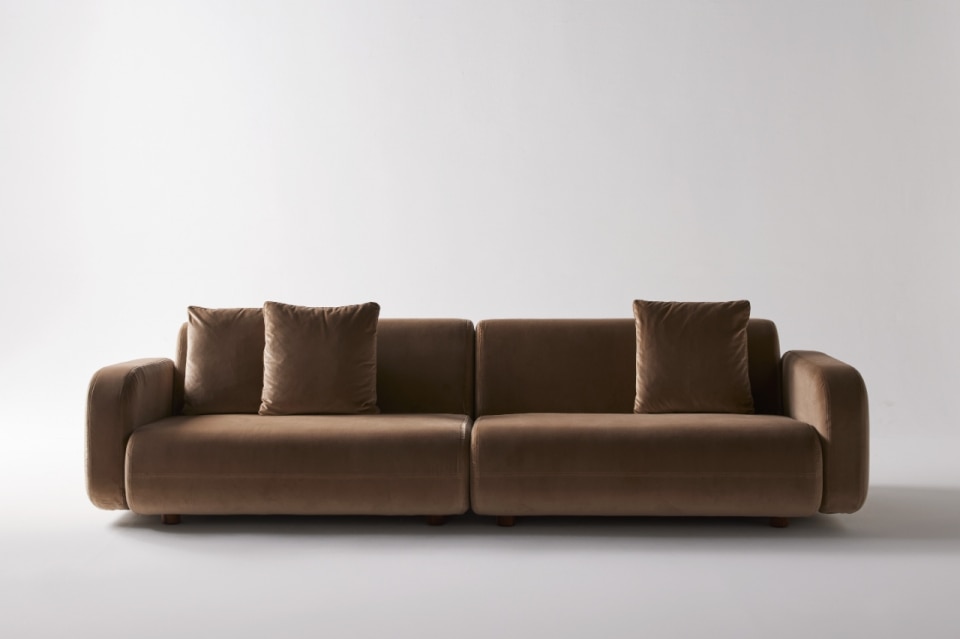
The theme of balance between mass and lightness runs through the entire collection. The Greg sofa builds its presence through carefully calibrated volumes, while the Amanda armchair — compact and enveloping — traces a continuous line in space thanks to its polished tubular metal frame. Around them, the Raffles coffee tables introduce a dynamic dimension: slender, modular elements that turn the surface into a constellation of supports.
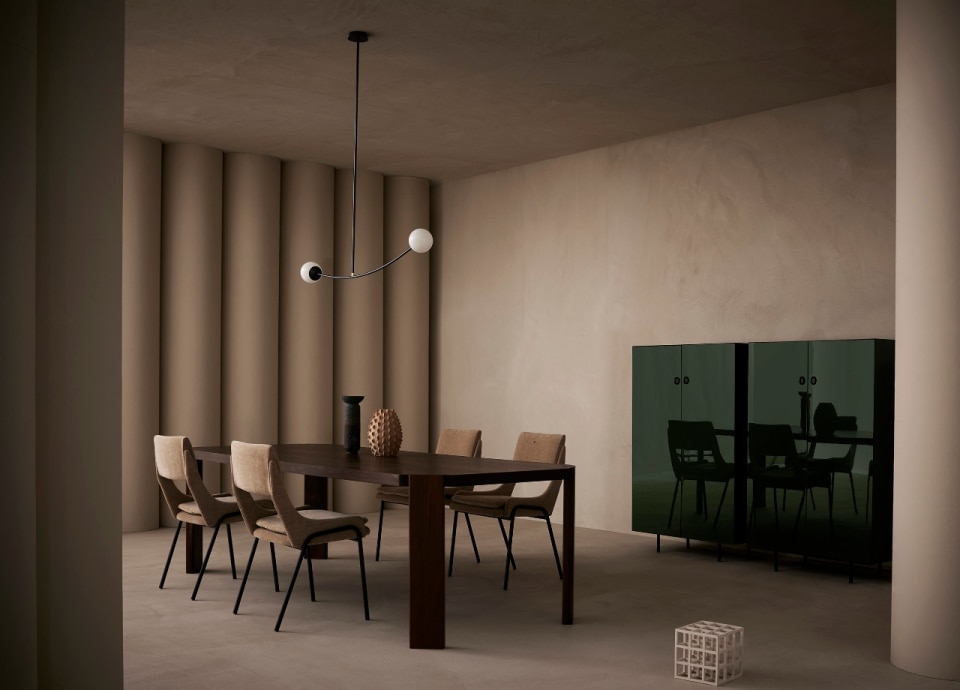
Typological reflection emerges clearly in the Ottavio table, where wood becomes a design device capable of transforming a domestic archetype into an almost sculptural presence. The Carol chairs work by contrast, pairing the softness of upholstery with the slender section of the legs — available in metal or ash — in a balance that recalls certain atmospheres of Italian modernism. The Block sideboard, with its linear design and Seventies-inspired finishes, introduces a rigorous measure that organizes space without stiffening it.
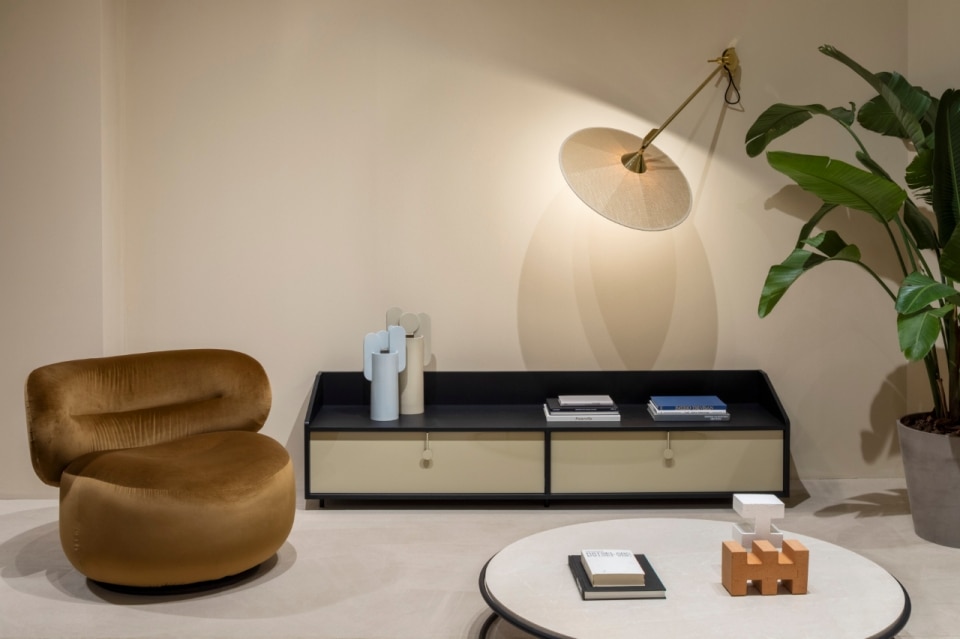
Comfort is interpreted as a dynamic experience in the Amelie armchair, conceived to follow the body thanks to its swivel base and inclined backrest, while the Post sideboard takes the form of an open system, alternating solids and voids and allowing for ever-changing configurations.
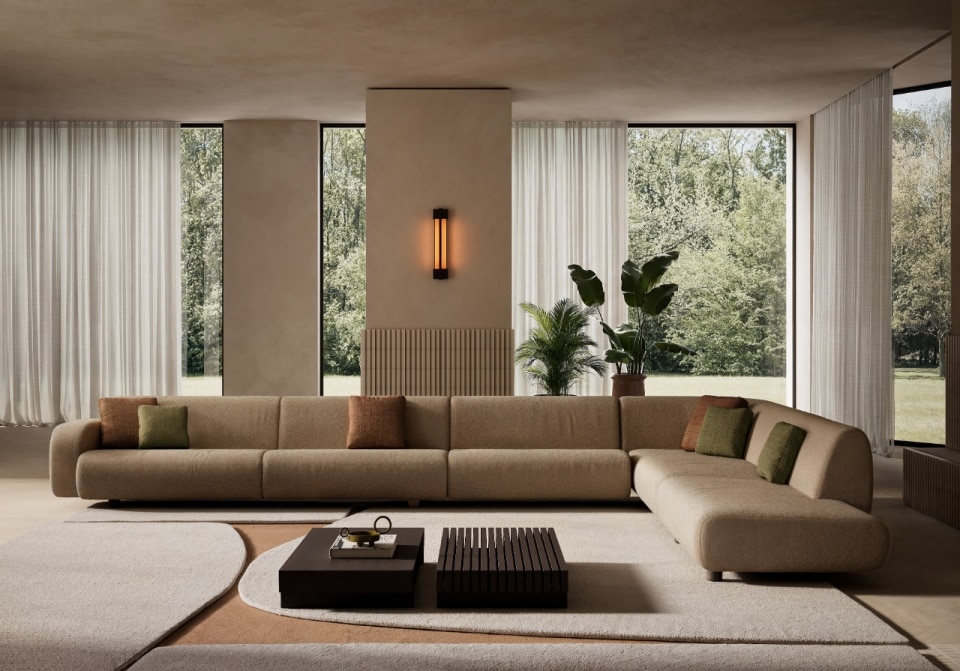
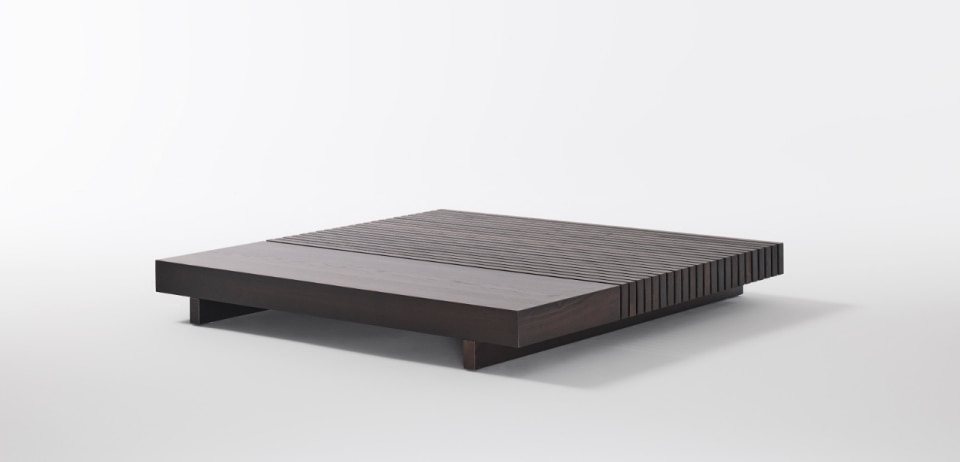
A more explicitly architectural dimension is found in the Dolmen sofa (pictured at the beginning of the article), defined by essential geometries and rounded corners that soften the perception of volume. The Raft coffee table, shown in the same image, instead explores the theme of the decomposition of the wooden top into slats, turning the surface into a rhythmic sign that introduces movement.
In every element, material is never neutral: wood, metal, textiles, and color all contribute to defining a domestic landscape in which artisanal workmanship dialogues with advanced production processes. It is a design approach that does not end with the object, but builds relationships and scenarios, reaffirming that Brianza specificity which lies in transforming technical knowledge into form, and form into a culture of living.
- Brand:
- NUBE
- Web site:
- www.nubeitalia.com