

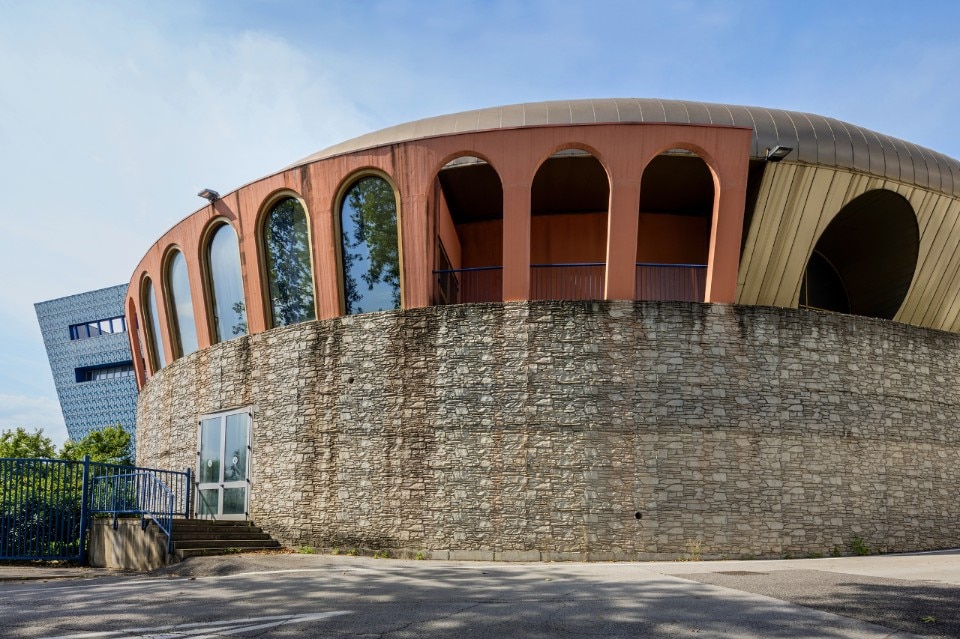
At the Magazzino delle Idee in Trieste, images by Roberto Conte and Miran Kambič trace a century of cross-border architecture through visual diptychs that reveal connections, divergences and memories shared.
In the heart of Trieste, overlooking the harbor, an exhibition invites us to go beyond the surface of buildings to question the deeper meaning of architecture in territories traversed by history. The Border Affinities. Architectures between Friuli Venezia Giulia and Slovenia is the title of the exhibition that will animate the spaces of the Magazzino delle Idee until October 12, 2025, restoring an unprecedented look at the forms of the built environment along a borderline that has always also been a cultural, political and symbolic crossroads.
 View gallery
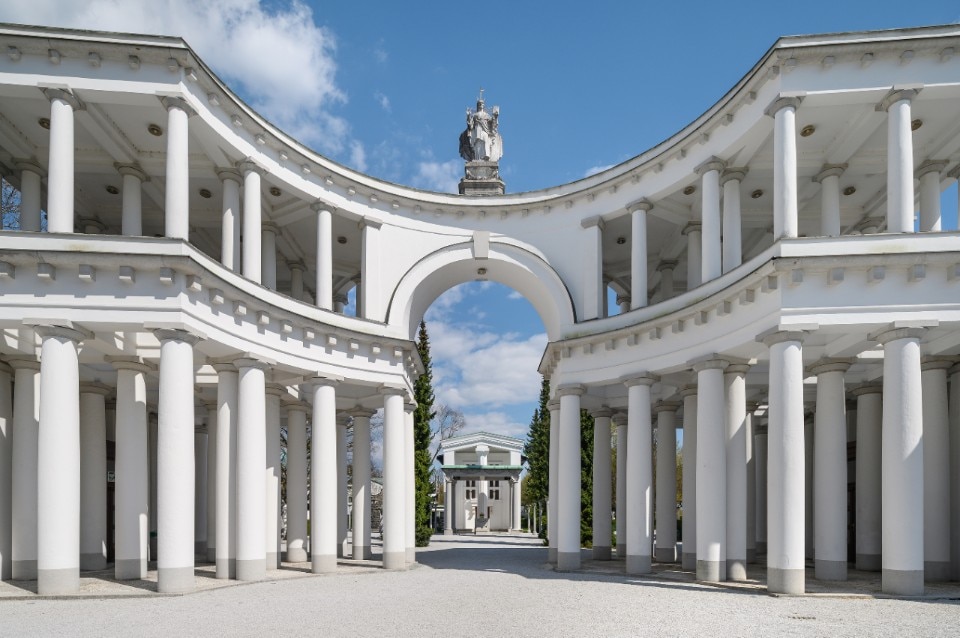


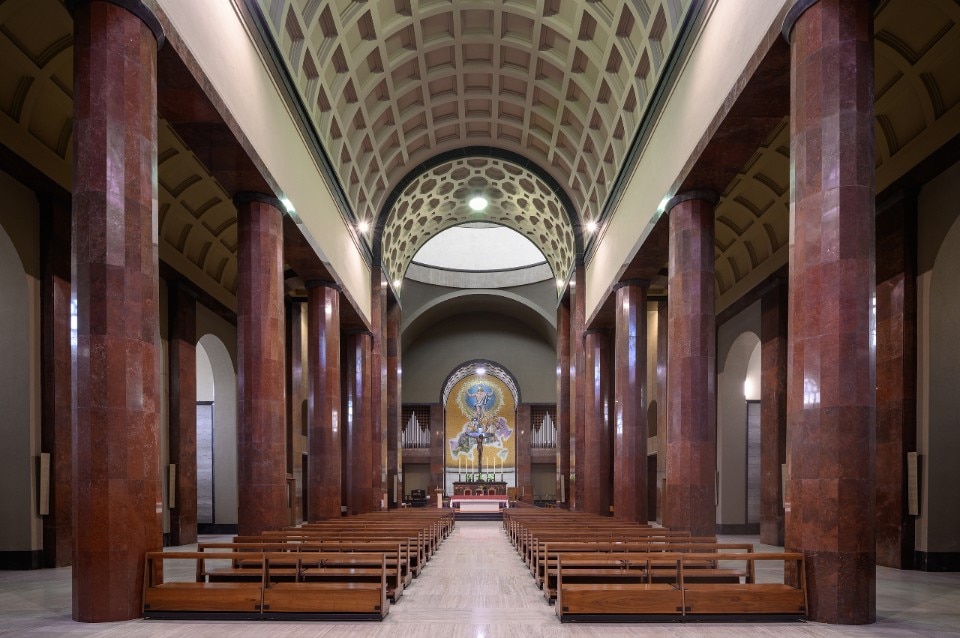
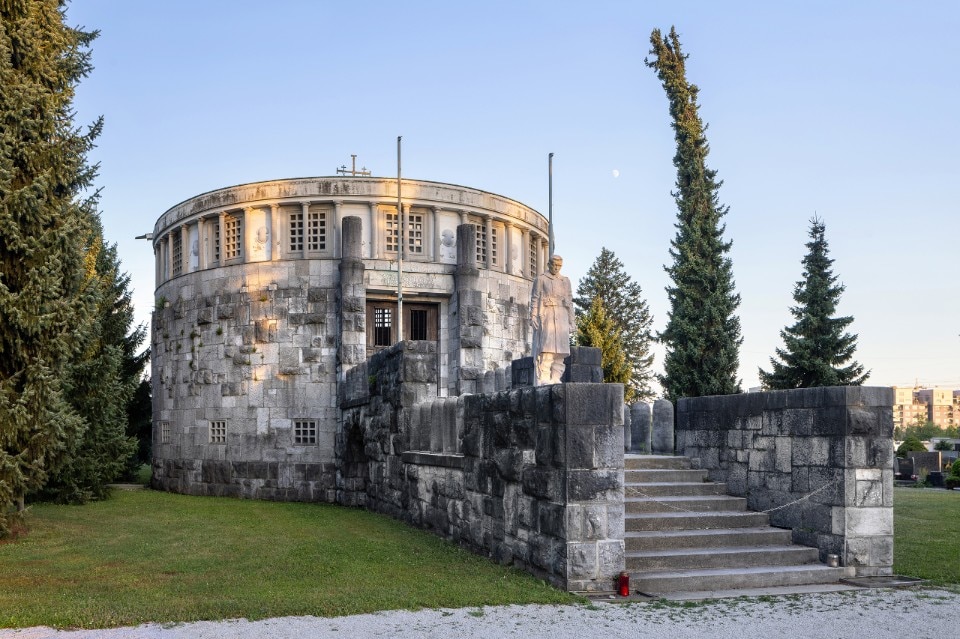
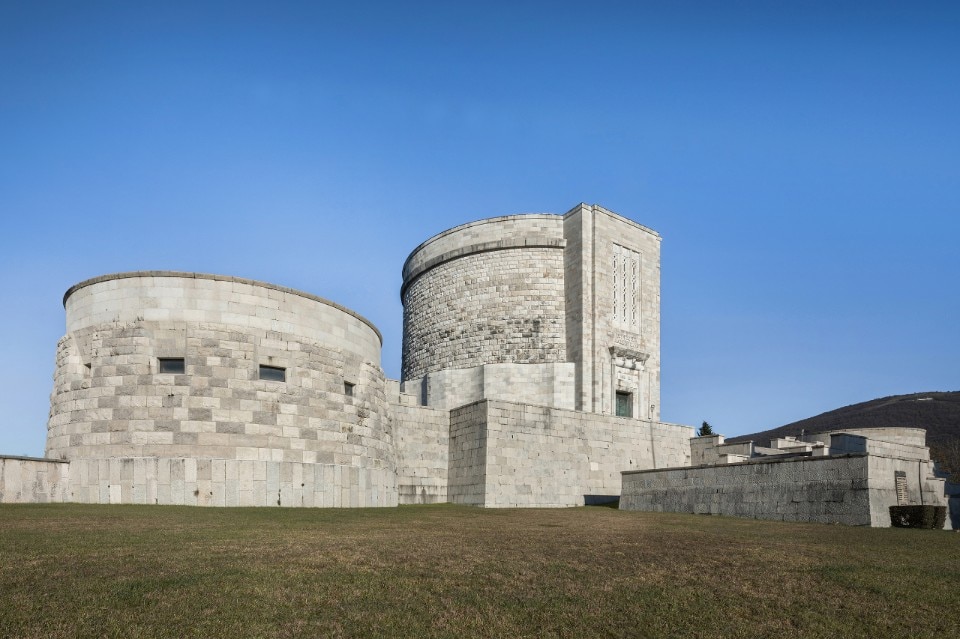
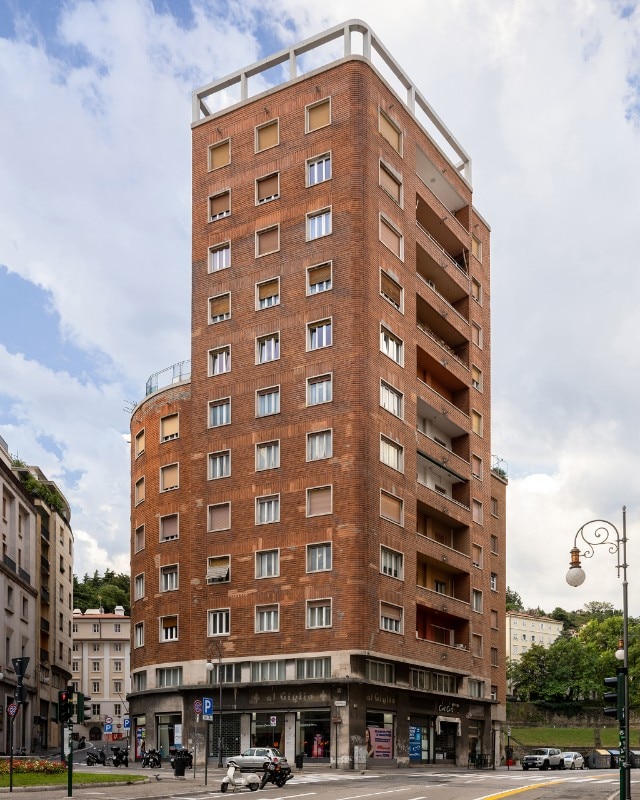
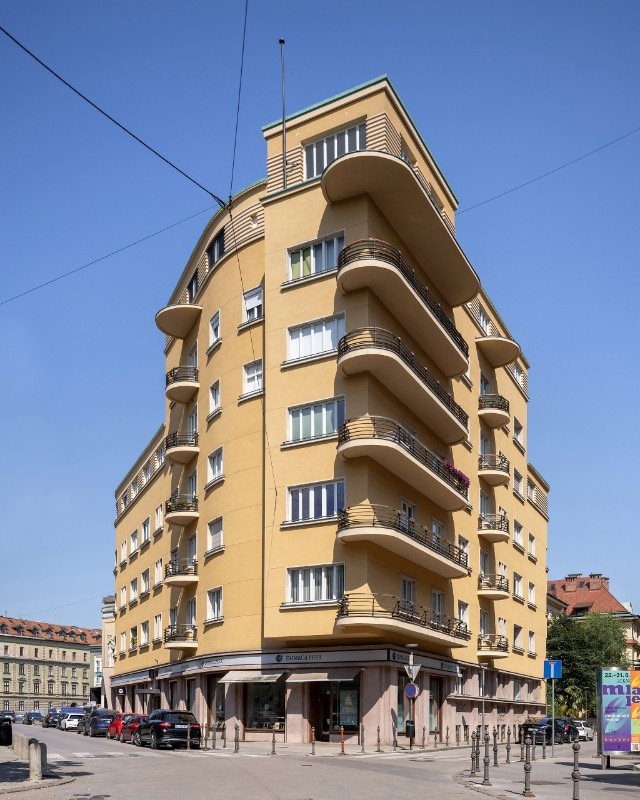
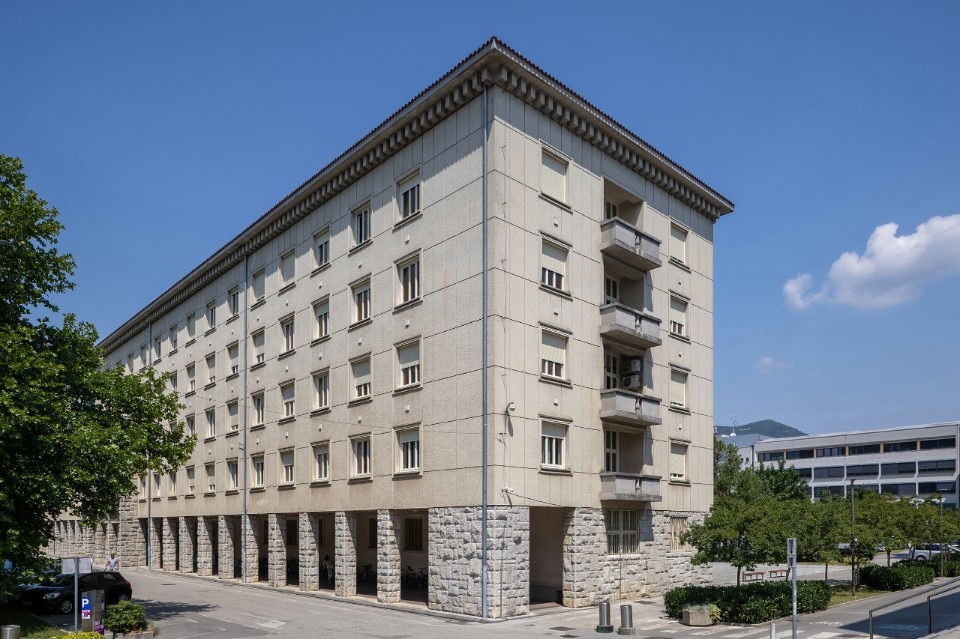
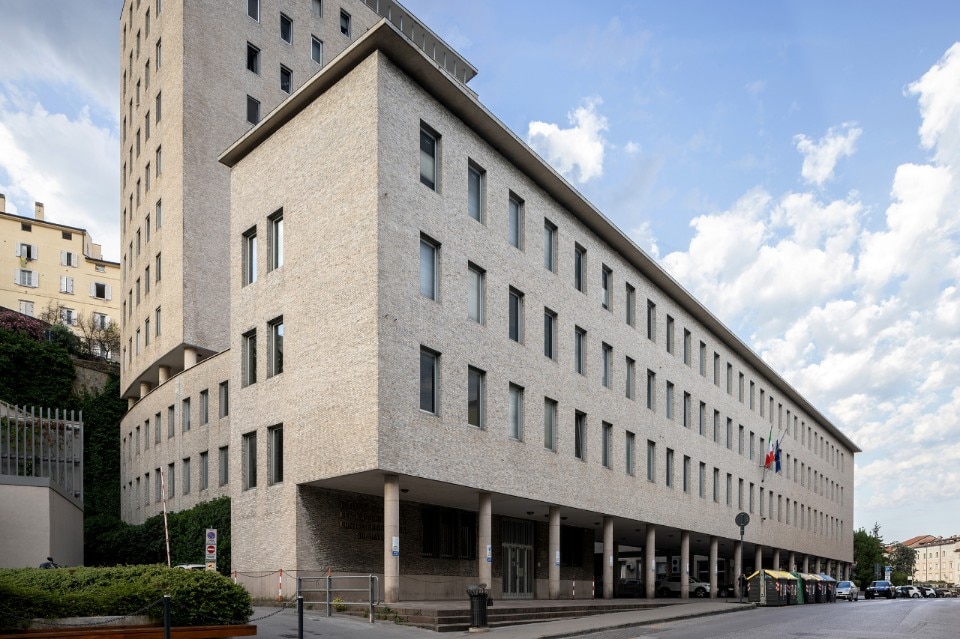
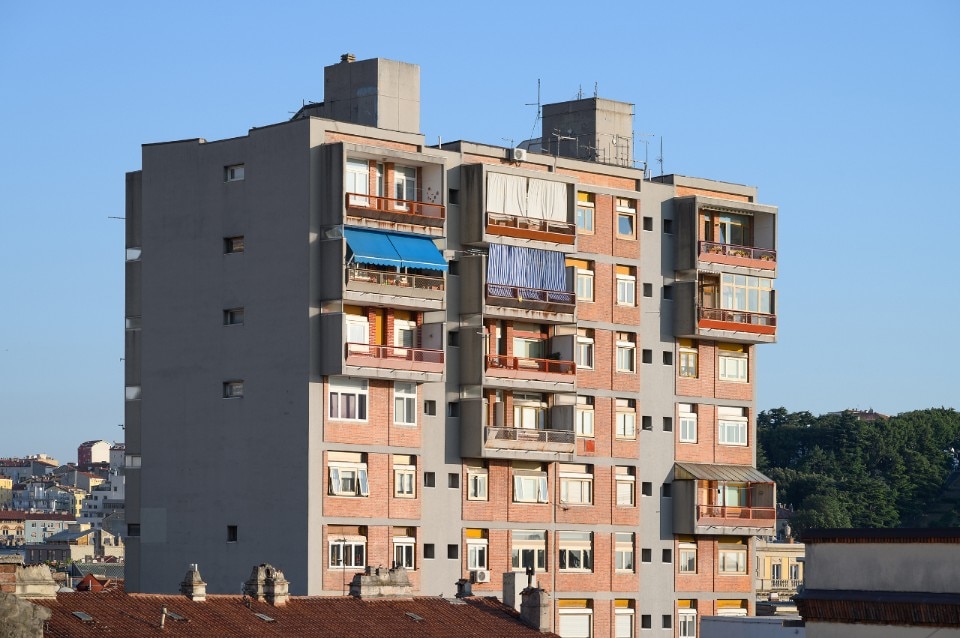
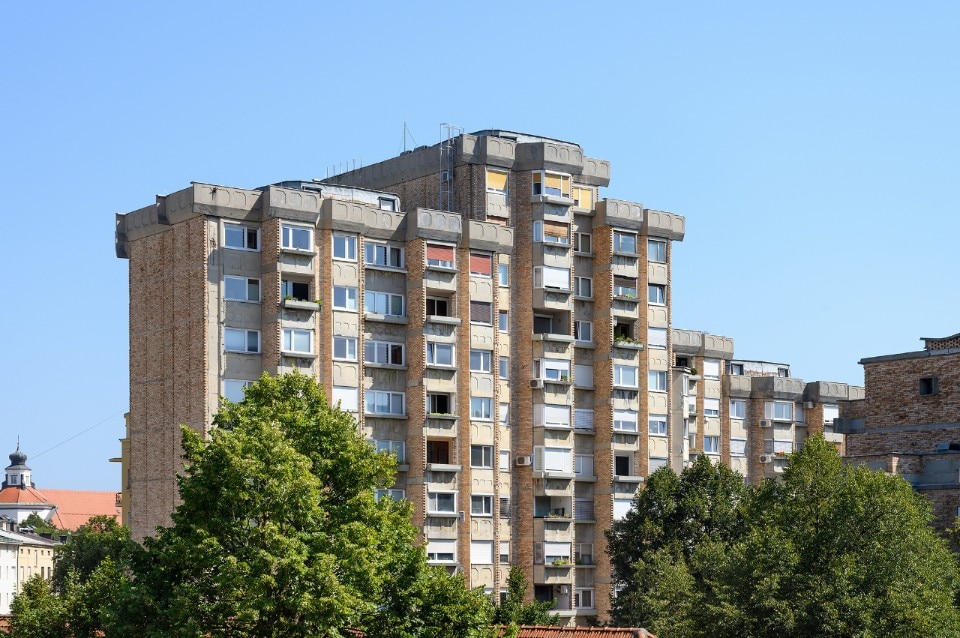
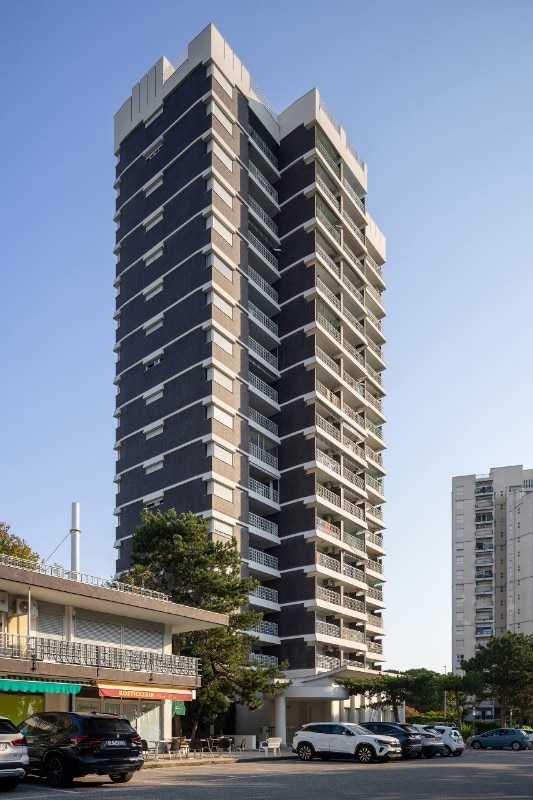
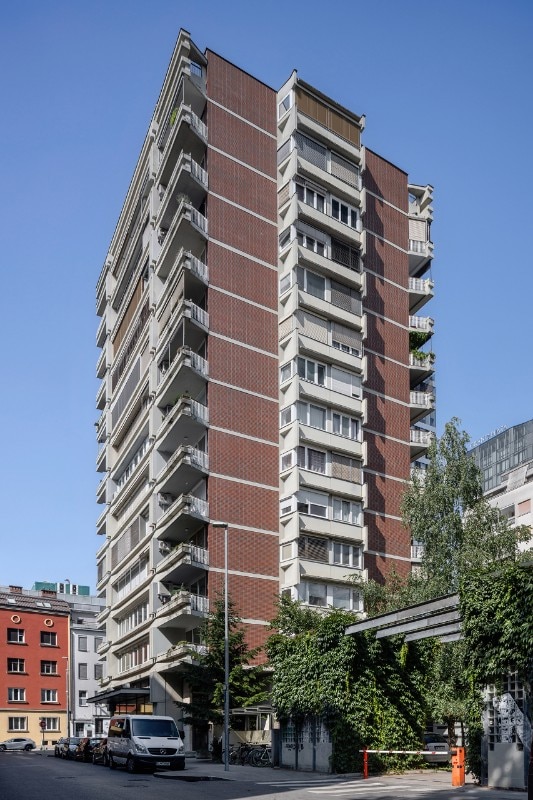
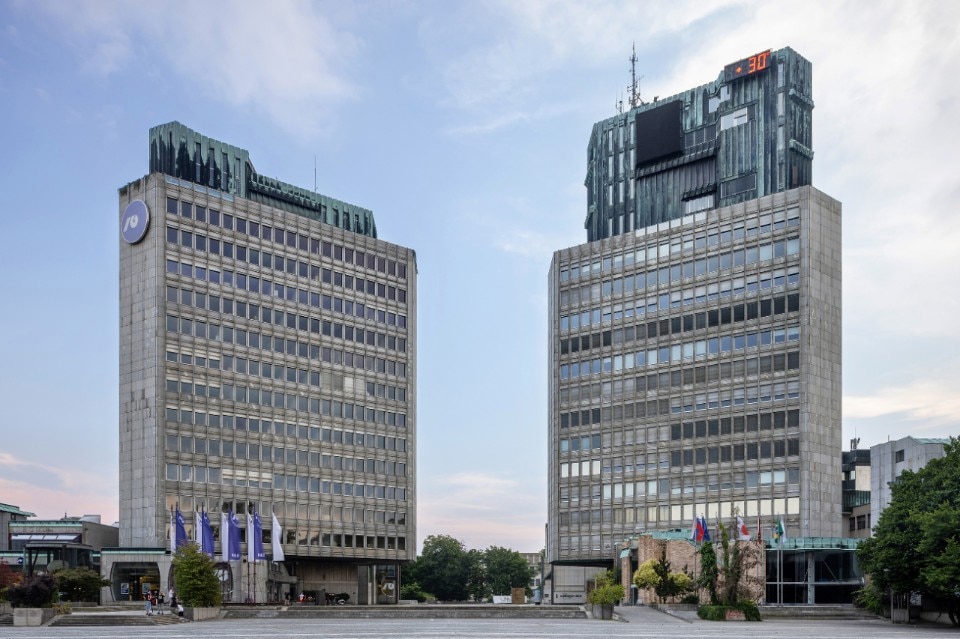
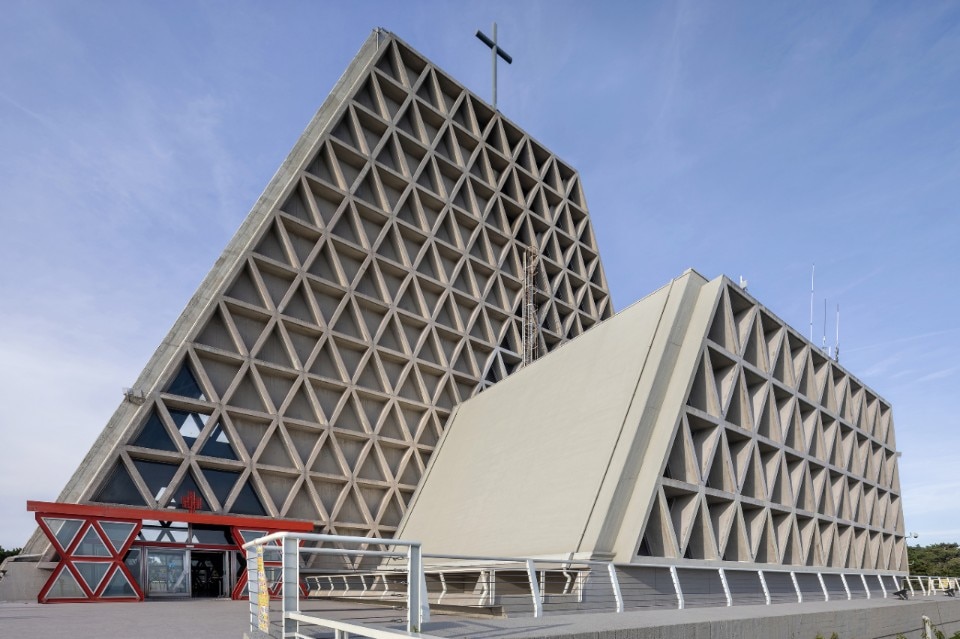
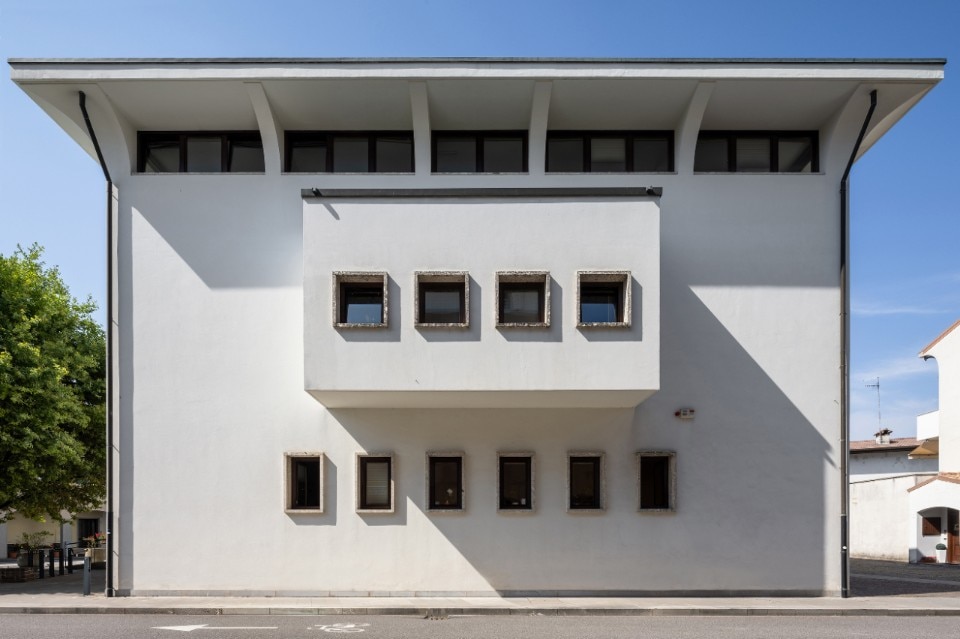
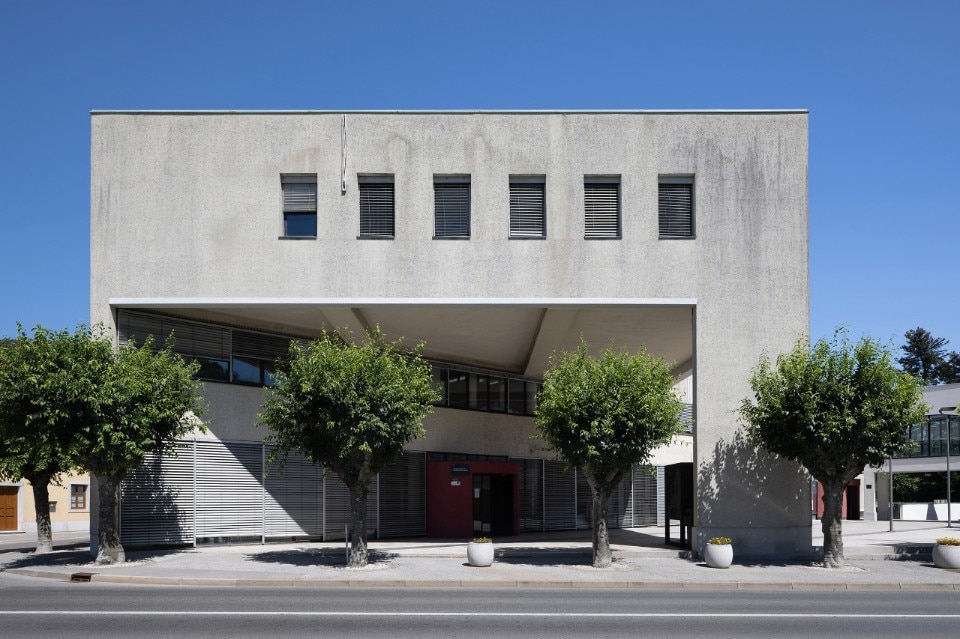
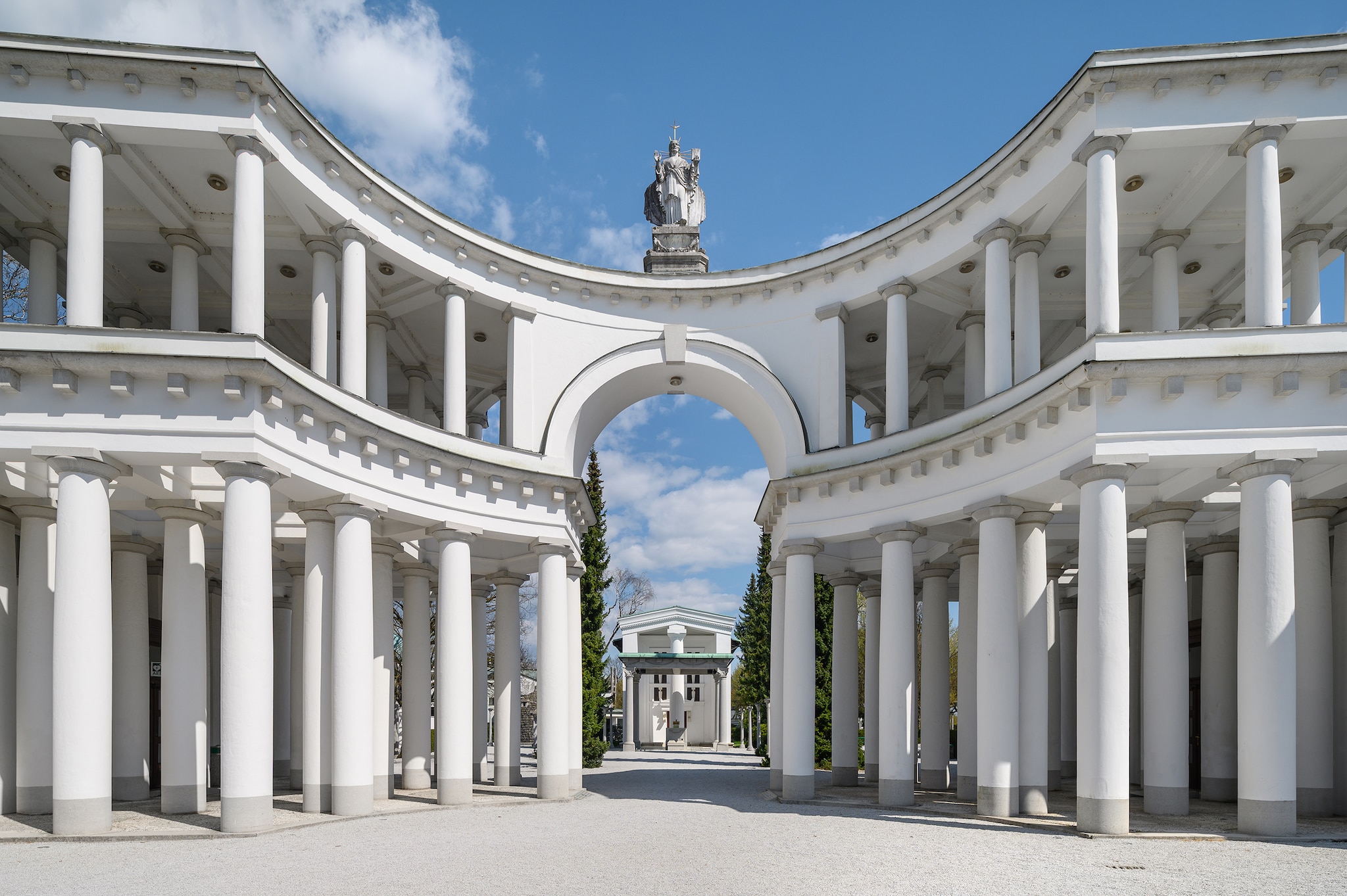
The exhibition - developed from a proposal by Guido Comis of the Friuli Venezia Giulia Regional Cultural Heritage Authority (ERPAC) and part of the "GO! 2025&Friends" billboard, a parallel program to the official events of Nova Gorica - Gorizia European Capital of Culture 2025 - proposes a visual dialogue between two countries through more than fifty photographic diptychs. The images by Roberto Conte and Miran Kambič juxtapose buildings that are coeval and similar in function, but different in language, context or ideology, activating a comparison that is both formal and conceptual. From the Austro-Hungarian period to Yugoslav modernism, from regionalisms to recent post-Soviet architectural expressions, a complex and layered panorama emerges.
Each juxtaposition tells a different story, in which constructed forms become clues to a changing collective identity.
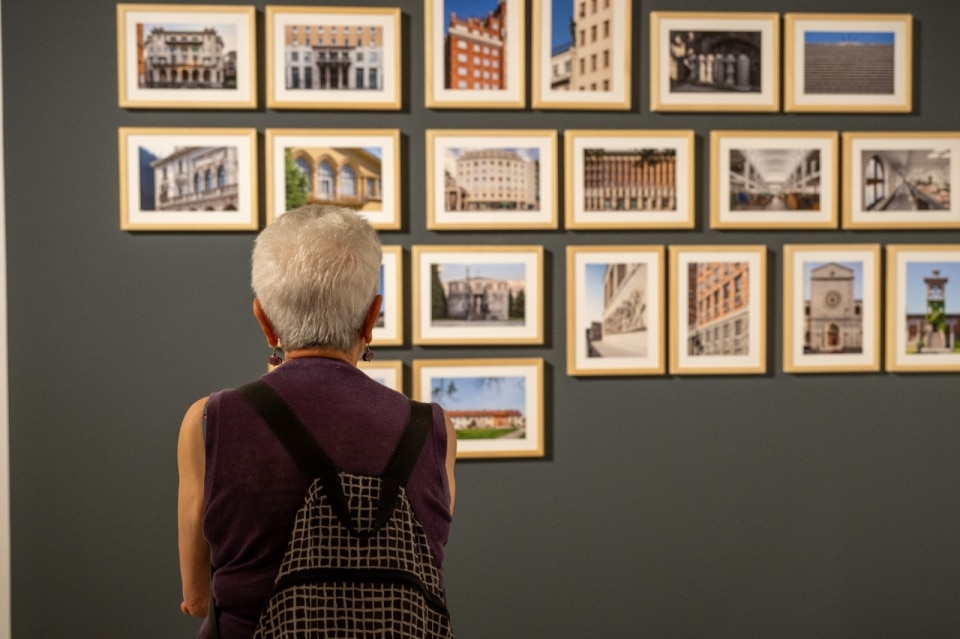
Curators Luka Skansi and Paolo Nicoloso do not seek an unambiguous narrative or an exhaustive history of border architecture. Instead, they choose the language of confrontation, constructing a critical sequence in which architecture is read as a mirror of historical tensions and as a living expression of powers, myths, and identities. The diptych approach becomes a tool for overcoming the rhetoric of the border as separation, returning instead an idea of cultural osmosis and mutual influences.
The itinerary is divided into three historical moments - World War I, the interwar period, and the post-World War II period up to the birth of the Republic of Slovenia - and is nourished by the analytical gaze of the photographers, who are capable of capturing both the construction detail and the urban context. Architectures are not simply documented: they are related, superimposed, questioned. Each juxtaposition tells a different story, in which built forms become clues to a changing collective identity, also made up of omissions, silences, and shared memory.
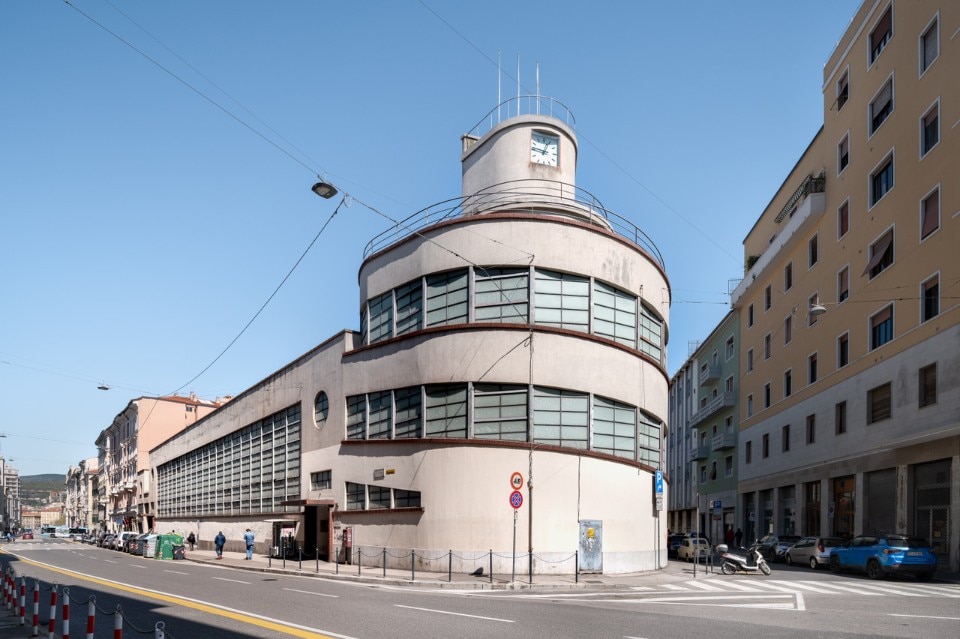
Underlying the project is a vision of architecture as a living fact, capable of affecting the present as much as the landscape. "It is alive", remind the curators, "and represents a physical fact that with its shape, dimensions and urban relations participates in the present time". In an age of walls and polarization, The Border Affinities offers a lucid and necessary reflection on what remains-and what unites-beyond all borders.
The exhibition is accompanied by an elegant catalog documenting the cross-border research work, printed by Gaspari Editore.
- Event:
- exhibition Border affinities
- Location:
- Magazzino delle Idee - Corso Cavour, 2 - Trieste
- Opening dates and times:
- July 3 to October 12, 2025; from 10 a.m. to 7 p.m., Tuesday to Sunday
- Web site:
- www.magazzinodelleidee.it