OK
Domus Domus
newsstand
SUBSCRIBE
  • Magazine
  • Digital Edition
  • Digital Archive
LANGUAGE
  • it
  • en
Hi Logout
Sign up / Log in
  • News
  • Architecture
  • Interiors
  • Design
  • Art
  • Archive
  • Products
  • Design Essentials
  • Design Stories
  • Submit your project
Sections
  • News
  • Architecture
  • Interiors
  • Design
  • Art
  • Archive
  • Products
  • Covers
  • Biographies
  • Architecture Firms
  • Sustainable Cities
  • Gallery
  • Design Stories
  • Domus for Design
Magazine
  • Subscriptions
  • Digital Edition
  • Current Issue
  • Guest Editor
  • Digital Archive
  • Nordic Design
Specials
  • Design Essentials
  • Modern Work
  • DomusAir
  • Milano Design Week
  • Worldesign
Current Issue

Domus 1106 hits the shelves

Follow us
LANGUAGE
  • it
  • en
Hi Logout
Sign up / Log in
newsletter Icon
results No results Please enter a long search term

      27 female architects who are changing Italy

      27 female architects who are changing Italy

      Next gallery

      House of bright stalactites is anything but a minimalist interior

      Requalification of places and urban spaces

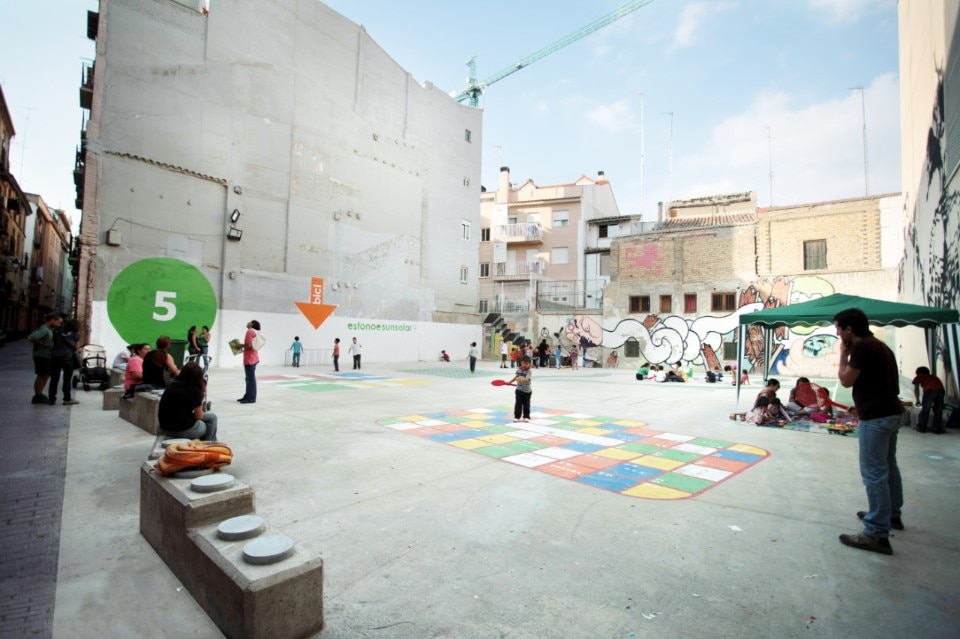
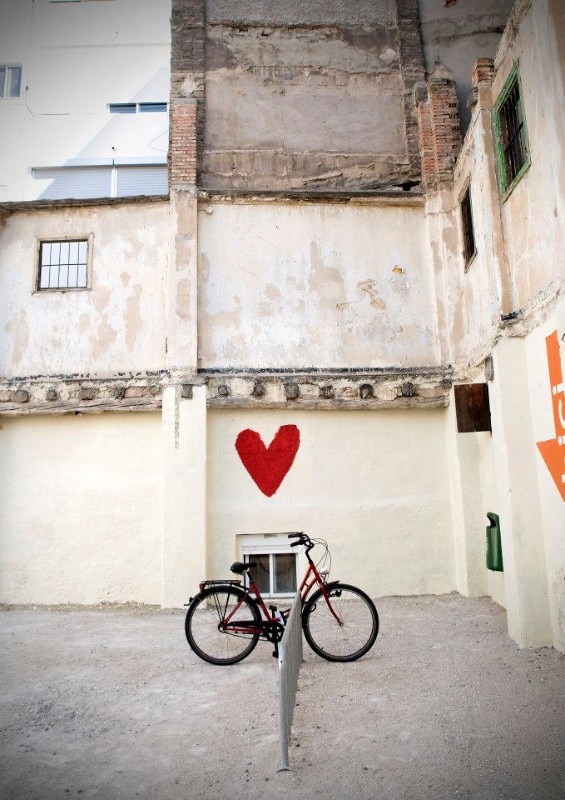
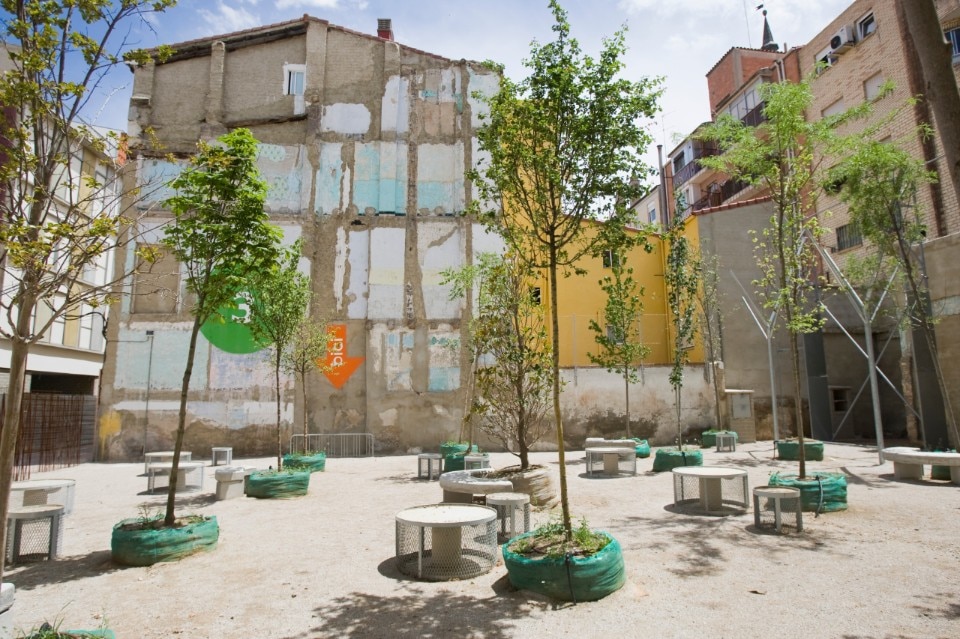
      Let’s start with Patrizia Di Monte who, after founding the Grávalos-Di Monte studio in Zaragoza (Spain) with Ignacio Grávalos in 1998, in 2009 promoted and managed for the local council Estonoesunsolar ("this is not an abandoned space"), a plan for employment and involving citizens in the re-production of urban space, through the transformation of abandoned spaces into spaces for sitting, meeting and playing.

      Patrizia Di Monte, Estonoeunsolar, Gravalosdimonte architetti, Saragoza

      View article
      View article
      • SHARE
      • PIN IT

      Requalification of places and urban spaces

      Patrizia Di Monte, Estonoeunsolar, Gravalosdimonte architetti, Saragoza

      View article
      View article
      • SHARE
      • PIN IT

      Requalification of places and urban spaces

      Patrizia Di Monte, Estonoeunsolar, Gravalosdimonte architetti, Saragoza

      View article
      View article
      • SHARE
      • PIN IT

      Requalification of places and urban spaces

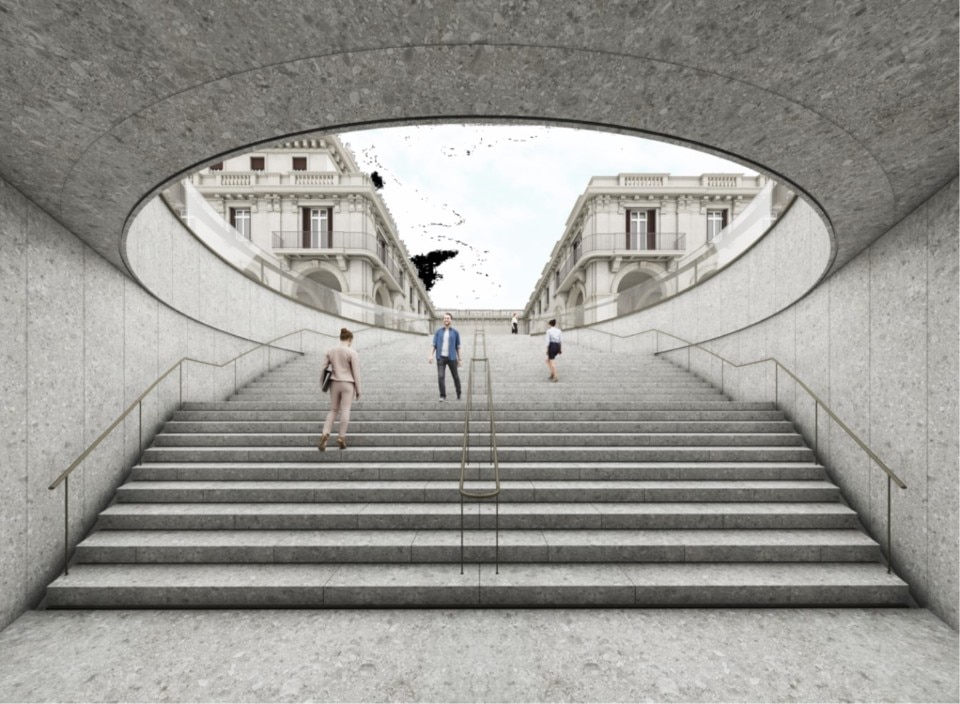
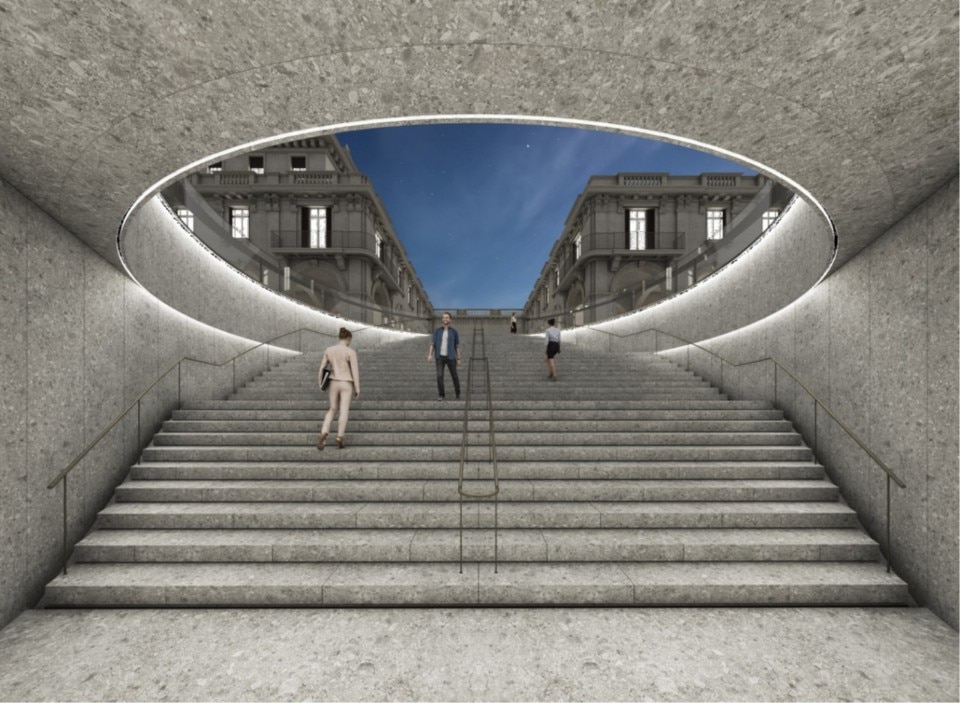
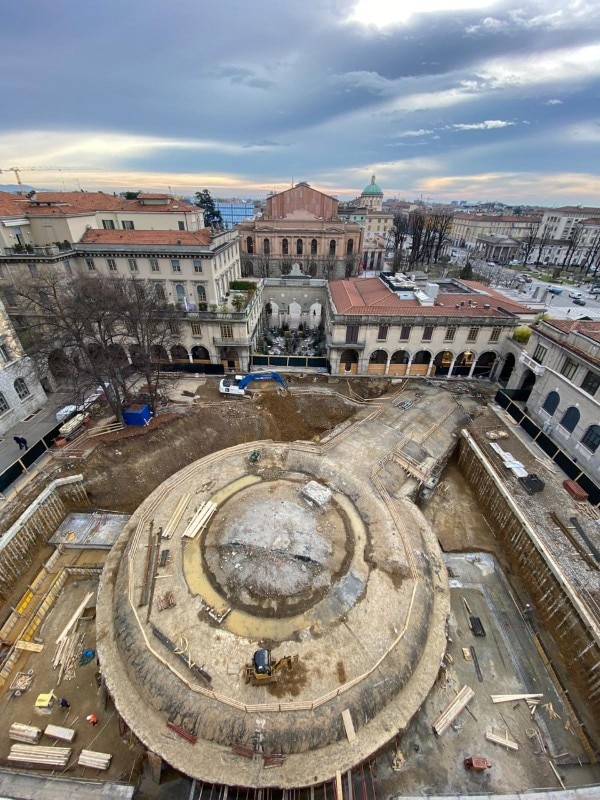
      Mariola Peretti's proposal for the redevelopment of the public space in the centre of Bergamo is different, but equally focused on the need to build a dialogue between local government bodies, citizens and experts. It is a work in progress, a group effort, the result of winning a design competition, based on the idea that what we design are "layers" within a city that is "before and after" and of which this project will be but a moment of transition.

      Redevelopment of the open spaces of the Piacentiniano Center of Bergamo.
      Flanerie design group: Mariola Peretti, Luigino Pirola, Gianluca Gelmini, Simone Zenoni, Elena Franchioni, Carlo Peretti.
      Assignment for winning the European design competition announced by the municipal administration. Work is underway on the first two lots.

      View article
      View article
      • SHARE
      • PIN IT

      Requalification of places and urban spaces

      Redevelopment of the open spaces of the Piacentiniano Center of Bergamo.
      Flanerie design group: Mariola Peretti, Luigino Pirola, Gianluca Gelmini, Simone Zenoni, Elena Franchioni, Carlo Peretti.
      Assignment for winning the European design competition announced by the municipal administration. Work is underway on the first two lots.

      View article
      View article
      • SHARE
      • PIN IT

      Requalification of places and urban spaces

      Redevelopment of the open spaces of the Piacentiniano Center of Bergamo.
      Flanerie design group: Mariola Peretti, Luigino Pirola, Gianluca Gelmini, Simone Zenoni, Elena Franchioni, Carlo Peretti.
      Assignment for winning the European design competition announced by the municipal administration. Work is underway on the first two lots.

      View article
      View article
      • SHARE
      • PIN IT

      Requalification of places and urban spaces

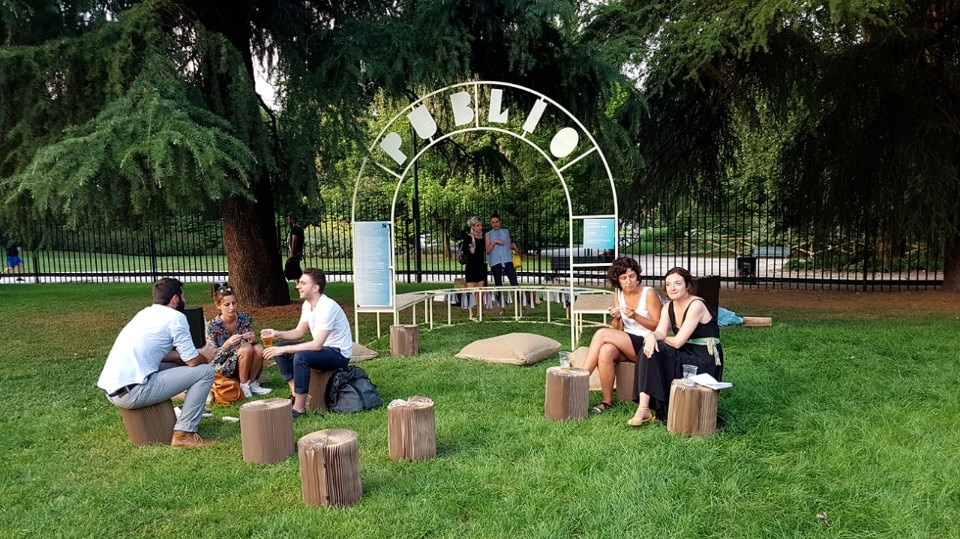
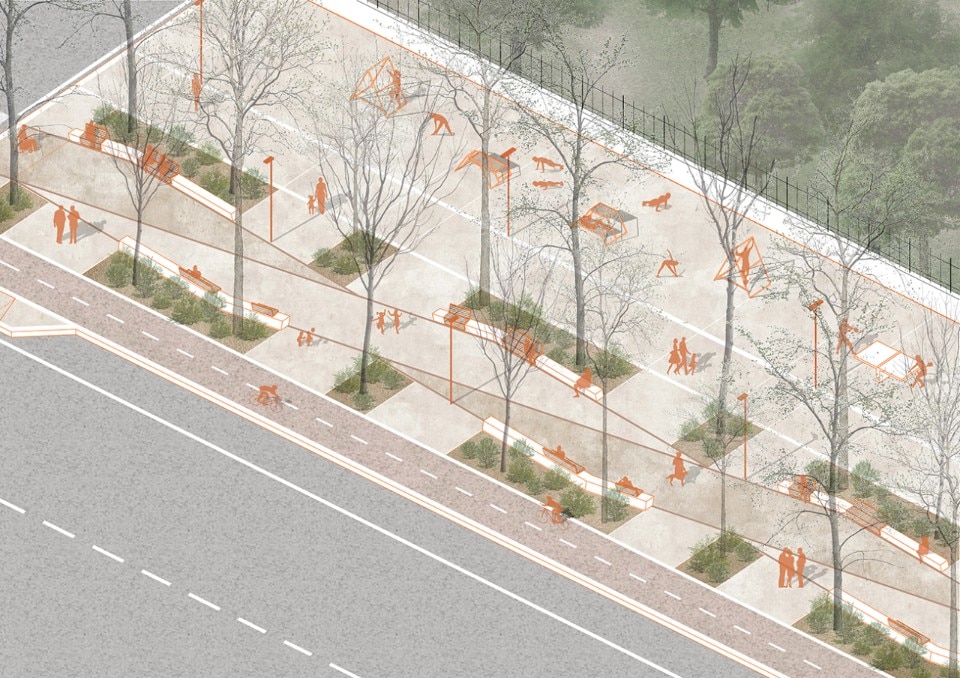
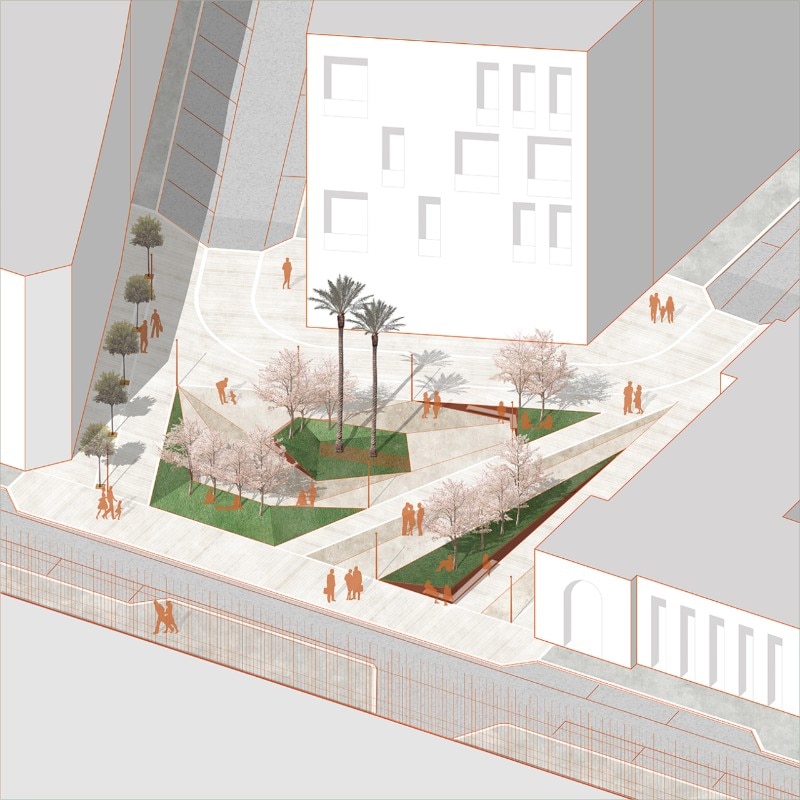
      Moving from the north to the south, but still within the sphere of redevelopment of urban spaces, Rossella Ferorelli, co-founder in 2011 of the cultural platform studio SMALL based in Bari and Milan, overturns the established balance between informal parking and public and pedestrian spaces in her urban redevelopment project for Corso Mazzini and Piazza De Nicola in the Libertà district in Bari, redesigning the street section, seating areas and tree-lined walkways.

      SMALL, “PUBLIO”, traveling library on / in the public space. First installation: Triennale di Milano, 2017.

      View article
      View article
      • SHARE
      • PIN IT

      Requalification of places and urban spaces

      SMALL, Redevelopment of a system of public spaces in the district Libertà a Bari: corso Mazzini, piazza De Nicola, via Fieramosca. Bari, 2021.

      View article
      View article
      • SHARE
      • PIN IT

      Requalification of places and urban spaces

      SMALL, Redevelopment of a system of public spaces in the district Libertà a Bari: corso Mazzini, piazza De Nicola, via Fieramosca. Bari, 2021.

      View article
      View article
      • SHARE
      • PIN IT

      Requalification of places and urban spaces

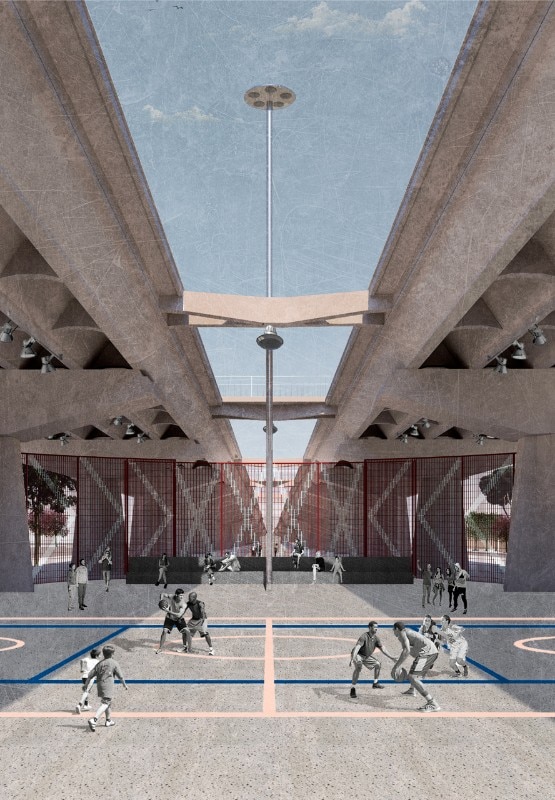
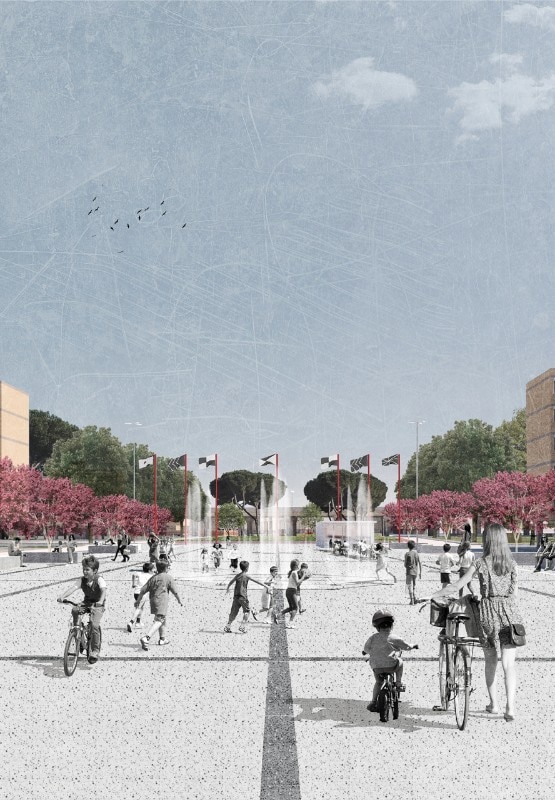
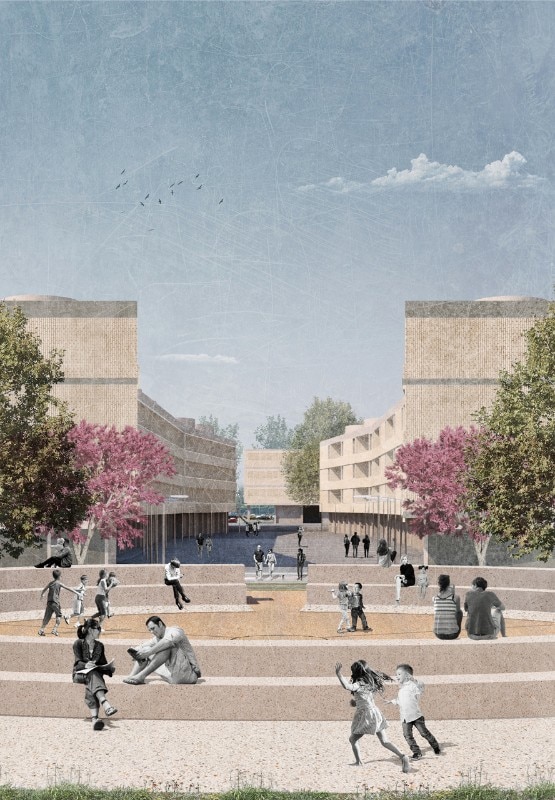
      TSPOON studio, founded in 2006 by Nina Artioli, Alessandra Glorialanza and Eliana Saracino, works on a scale ranging from temporary installations to territorial master plans, through participatory design processes and publishing initiatives. Through the project for the redevelopment of the urban area of the Olympic Village in Rome, it carries on its research on the relationship between public space and urban density, or the quantity of people and activities needed to create urban vitality.

      T SPOON, Olympic Village MMXIX, Rome, 2019

      View article
      View article
      • SHARE
      • PIN IT

      Requalification of places and urban spaces

      T SPOON, Olympic Village MMXIX, Rome, 2019

      View article
      View article
      • SHARE
      • PIN IT

      Requalification of places and urban spaces

      T SPOON, Olympic Village MMXIX, Rome, 2019

      View article
      View article
      • SHARE
      • PIN IT

      Requalification of places and urban spaces

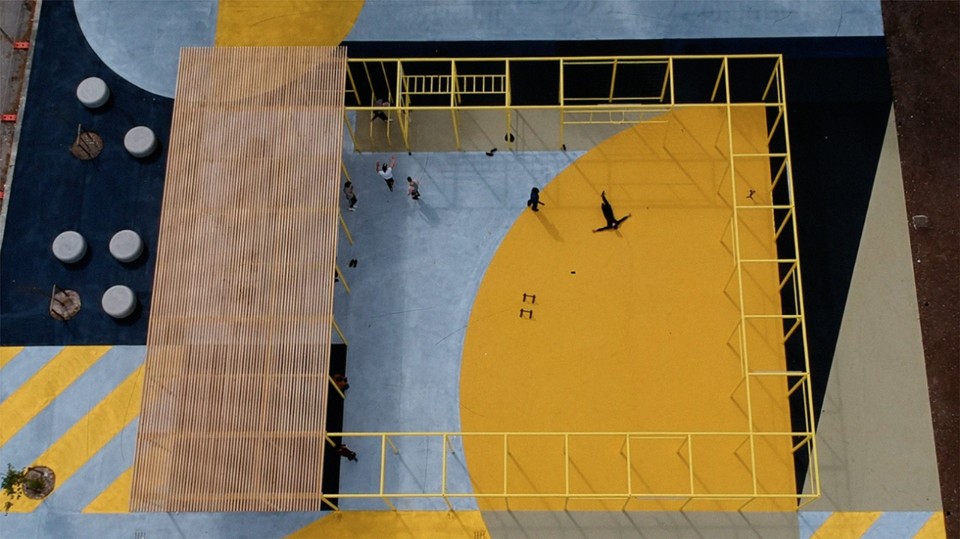
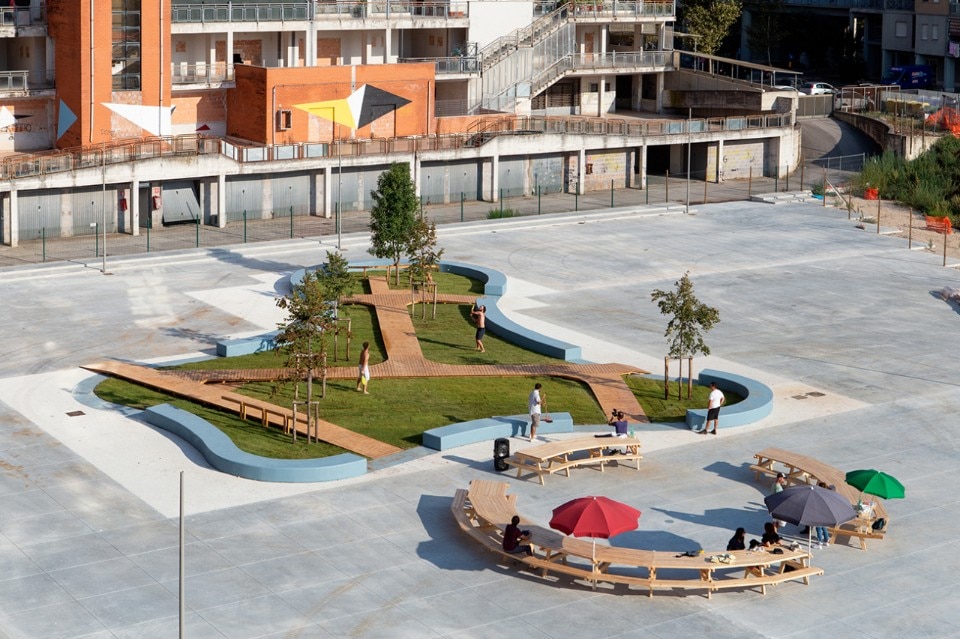
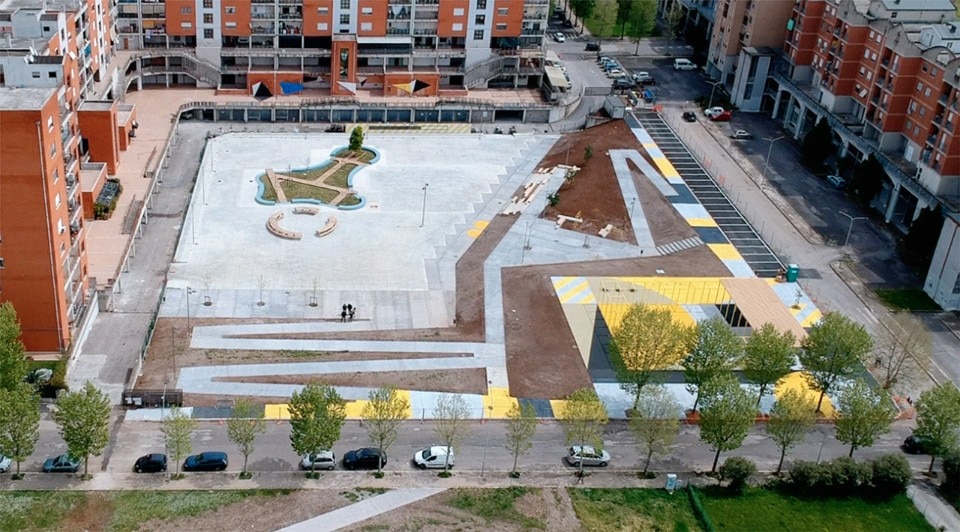
      The reactivation of shared spaces through the construction of "urban machines" capable of triggering new possibilities for use and crossing, is at the heart of the practice of the Roman collective Orizzontale, founded in 2010, of which Margherita Manfra and Nasrin Mohiti Asli are members. In the participatory redevelopment of the Toscanini public housing estate in Aprilia, the unfinished square is finally handed over to the city, through a process (which has just been completed) that involved the citizens in two years of collective construction.

      Orizzontale, Il ring, Aprilia (LT), 2021. Photo Nicola Barbuto

      View article
      View article
      • SHARE
      • PIN IT

      Orizzontale, Le Attività Integrate, Aprilia (LT, Italy) 2020. Photo Alessandro Vitali

      View article
      View article
      • SHARE
      • PIN IT

      Orizzontale, La piazza, Aprilia (LT, Italy) 2021. Photo Nicola Barbuto

      View article
      View article
      • SHARE
      • PIN IT

      Recovery of industrial landscapes

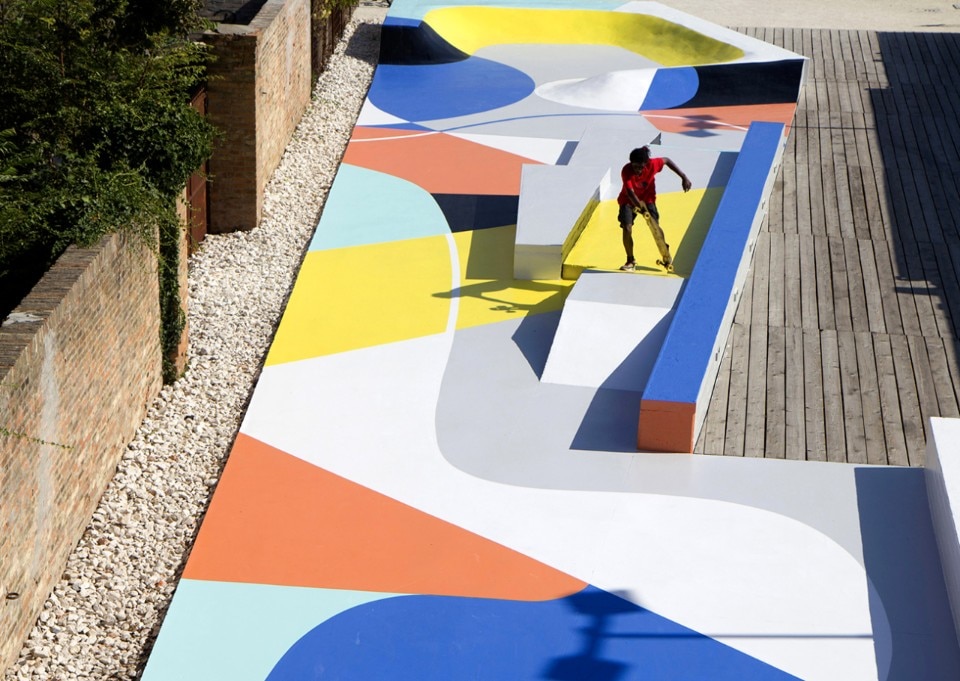
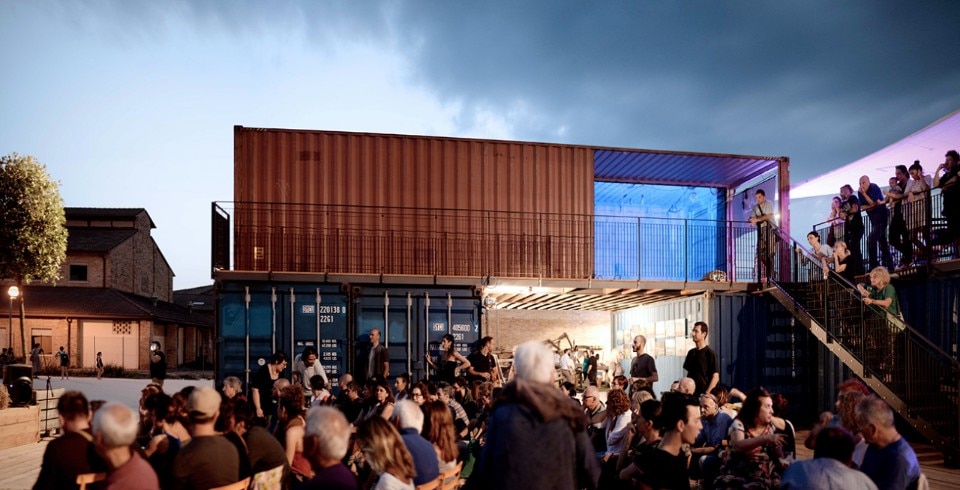
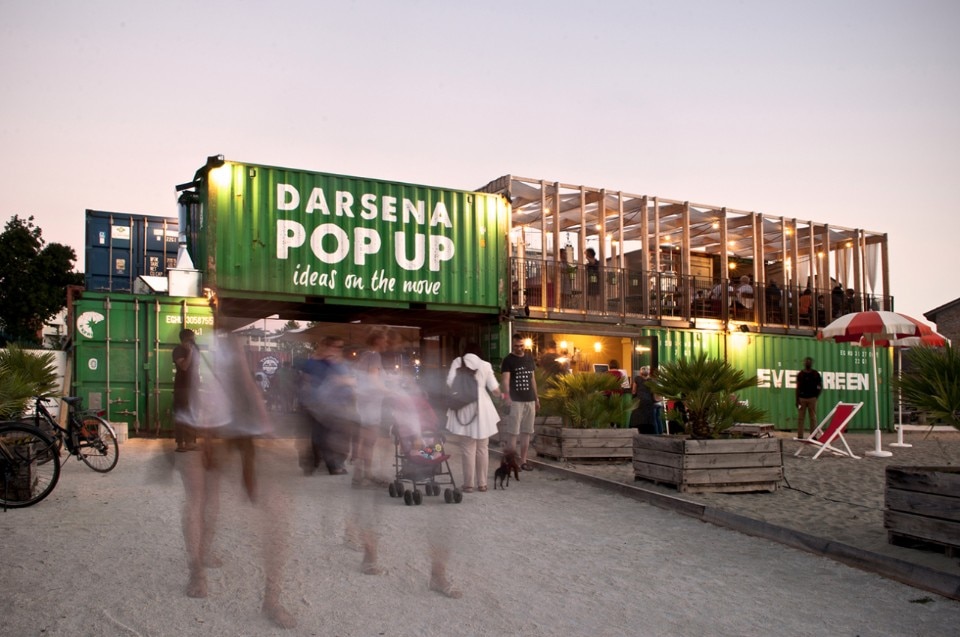
      Moving on to the second category, i.e. the recovery of former industrial spaces, places of extraction, production, or military control, in the colourful Darsena PopUp, a temporary reuse intervention rooted in Ravenna's port identity carried out in 2016 by Officina Meme, of architects Maria Cristina Garavelli, Lara Bissi, Elisa Greco and Cristina Bellini, the inclusion of sports and recreational spaces brings new life to the Darsena at all hours of the day, thanks to a new functional heterogeneity.

      Officina Meme Architetti, Darsena Pop Up, Ravenna, 2016, BD Studio (street artist GUE)

      View article
      View article
      • SHARE
      • PIN IT

      Recovery of industrial landscapes

      Officina Meme Architetti, Darsena Pop Up, Ravenna, 2016

      View article
      View article
      • SHARE
      • PIN IT

      Recovery of industrial landscapes

      Officina Meme Architetti, Darsena Pop Up, Ravenna, 2016

      View article
      View article
      • SHARE
      • PIN IT

      Recovery of industrial landscapes

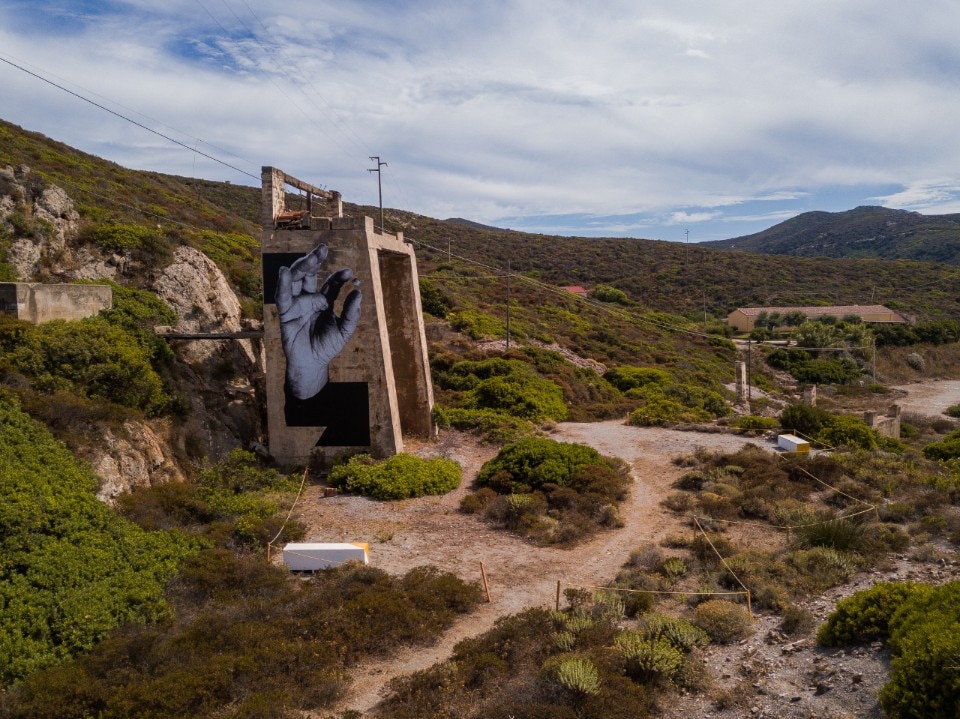
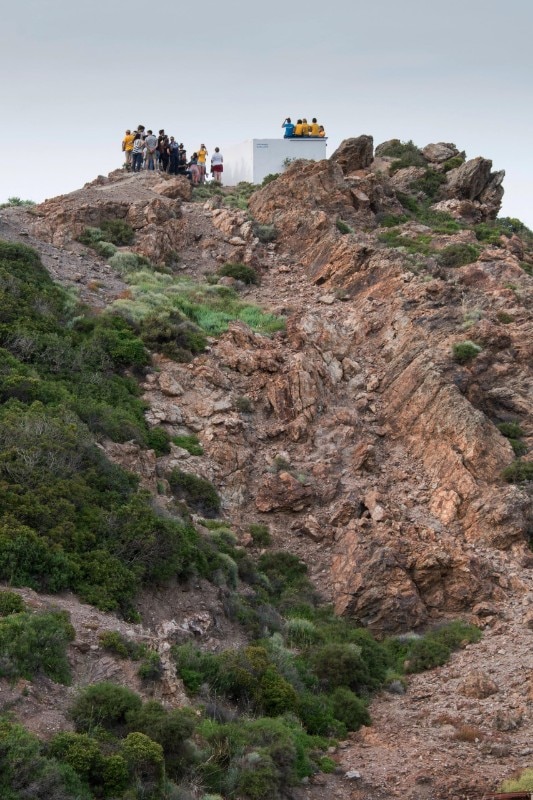
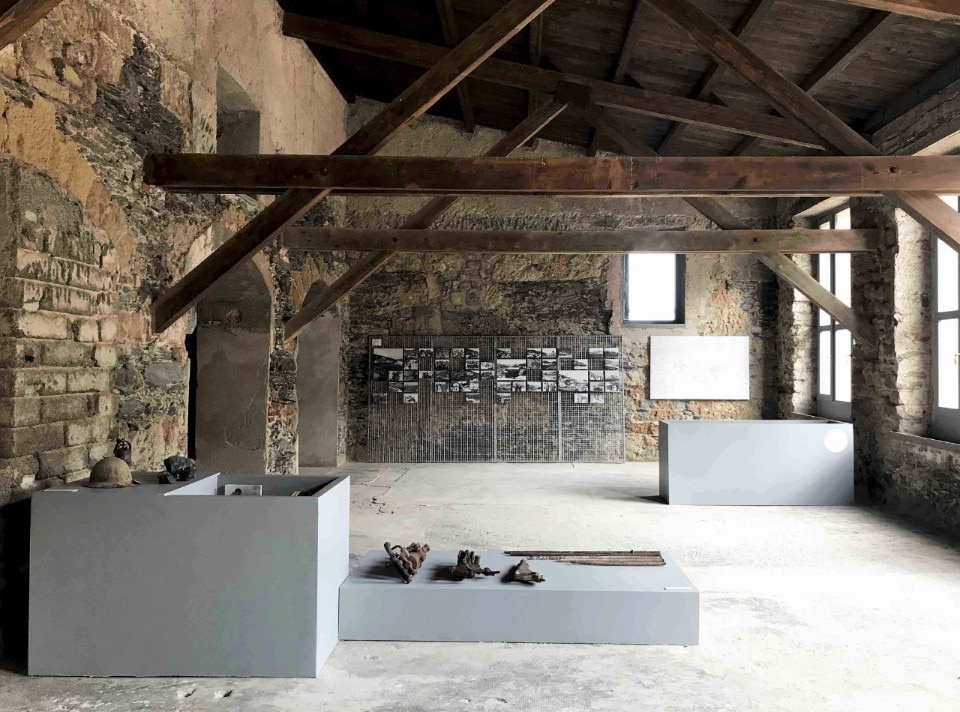
      Close to the extraordinary waters of the north-western tip of Sardinia, the reinvention of a lead, zinc and iron mine, abandoned in the early 1960s with its characteristic wood and stone structures, is at the heart of Landworks and Paola Serrittu's proposal for the mining village of Argentiera (2019). The aim here is to transform a centre for artistic and educational experimentation from temporary to permanent, combining the university's training with museum activities, guided tours, festivals and cultural marketing

      LandWorks, MAR-Miniera ARgentiera, 2018, @Veronica Zaru

      View article
      View article
      • SHARE
      • PIN IT

      Recovery of industrial landscapes

      LandWorks, MAR-Miniera ARgentiera, 2018, @Veronica Zaru

      View article
      View article
      • SHARE
      • PIN IT

      Recovery of industrial landscapes

      LandWorks, MAR-Miniera ARgentiera, 2018, @Veronica Zaru

      View article
      View article
      • SHARE
      • PIN IT

      Recovery of industrial landscapes

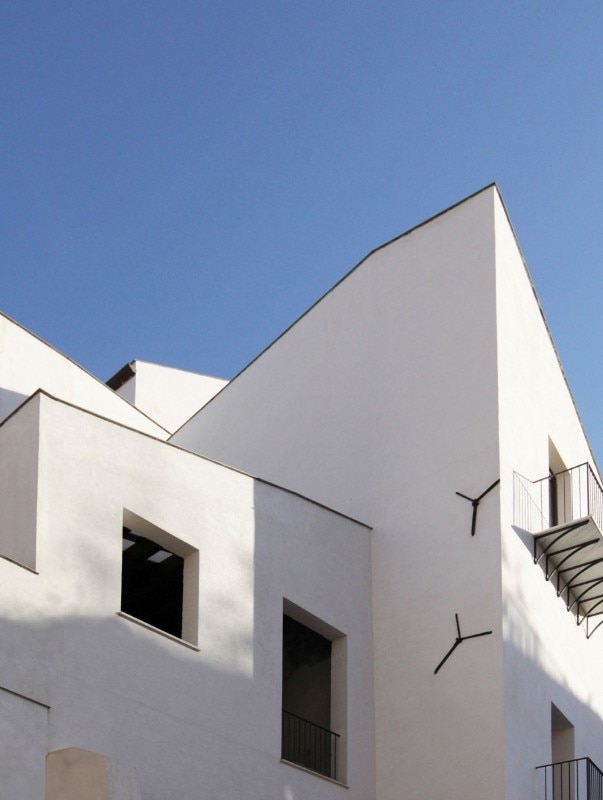
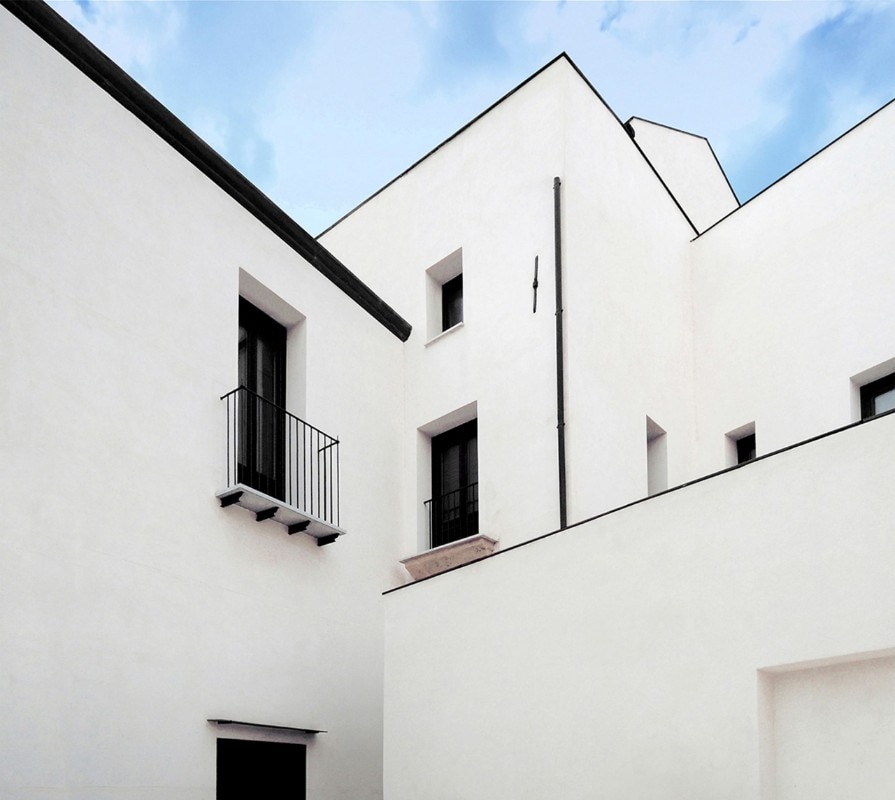
      The recovery of the Ionian salt pans in Reggio Calabria and those of Monastir in Tunisia, the areas of the former Italcementi of Catania and Bagnoli in Naples, and the area of the former NATO base in Comiso near Ragusa are at the heart of "Resilient Landscapes", research laboratory for the reactivation of Temporarily Abandoned Areas, run by Lucia Pierro and Marco Scarpinato, founders in 1998 of the Palermo-based studio AutonomeForme.

      Lucia Pierro - AutonomeForme (Lucia Pierro e Marco Scarpinato), Palazzo Greco alla Kalsa, Palermo, 2008-2015
      Program: Residences, workshops and spaces for artists

      View article
      View article
      • SHARE
      • PIN IT

      Recovery of industrial landscapes

      Lucia Pierro - AutonomeForme (Lucia Pierro e Marco Scarpinato), Palazzo Greco alla Kalsa, Palermo, 2008-2015
      Program: Residences, workshops and spaces for artists

      View article
      View article
      • SHARE
      • PIN IT

      Recovery of industrial landscapes

      Lucia Pierro - AutonomeForme (Lucia Pierro e Marco Scarpinato), Palazzo Greco alla Kalsa, Palermo, 2008-2015
      Program: Residences, workshops and spaces for artists

      View article
      View article
      • SHARE
      • PIN IT

      Recovery of industrial landscapes

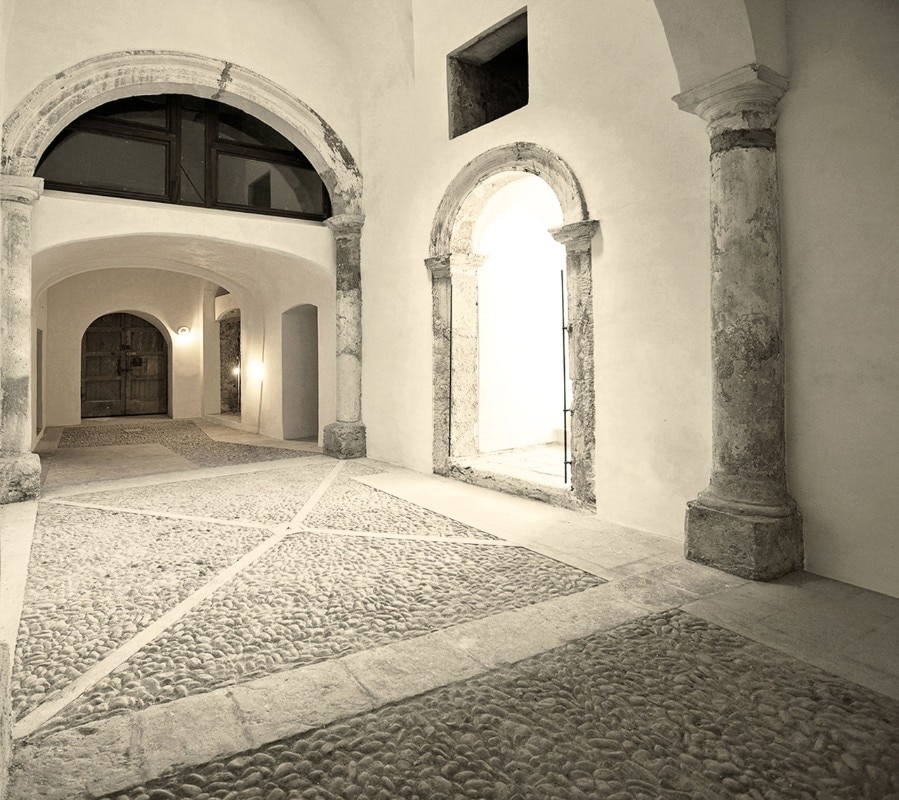
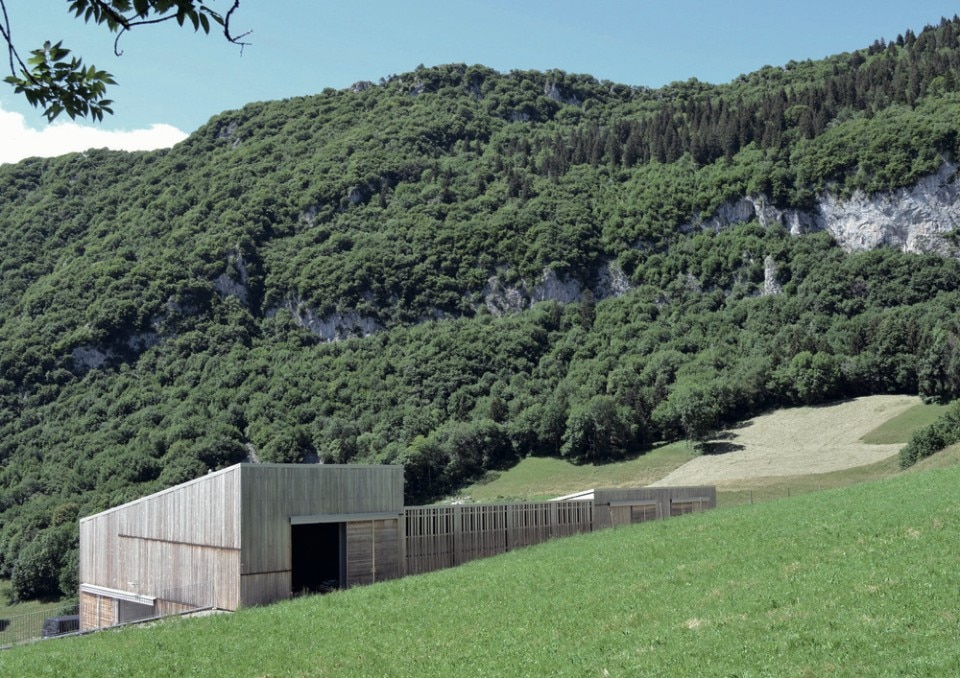
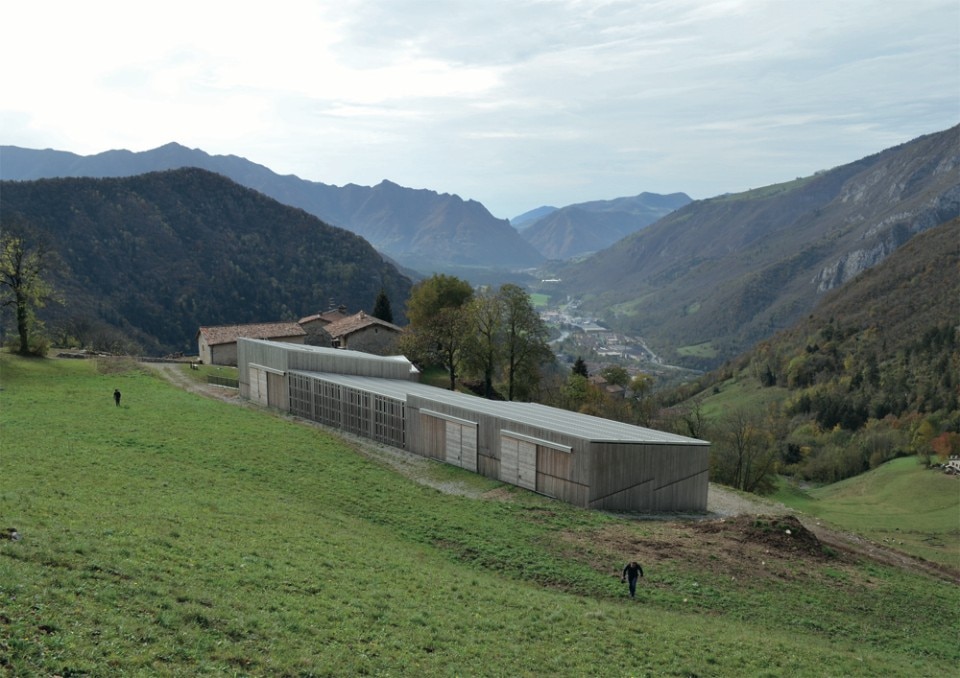
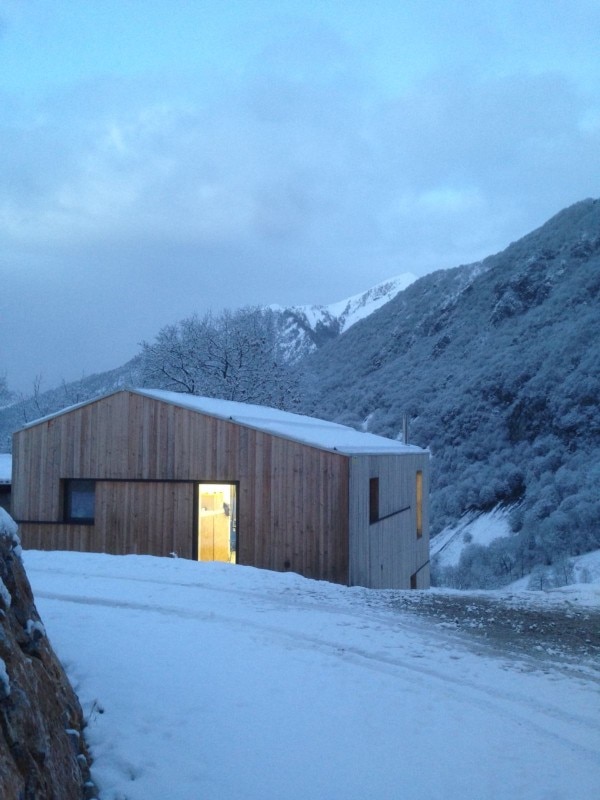
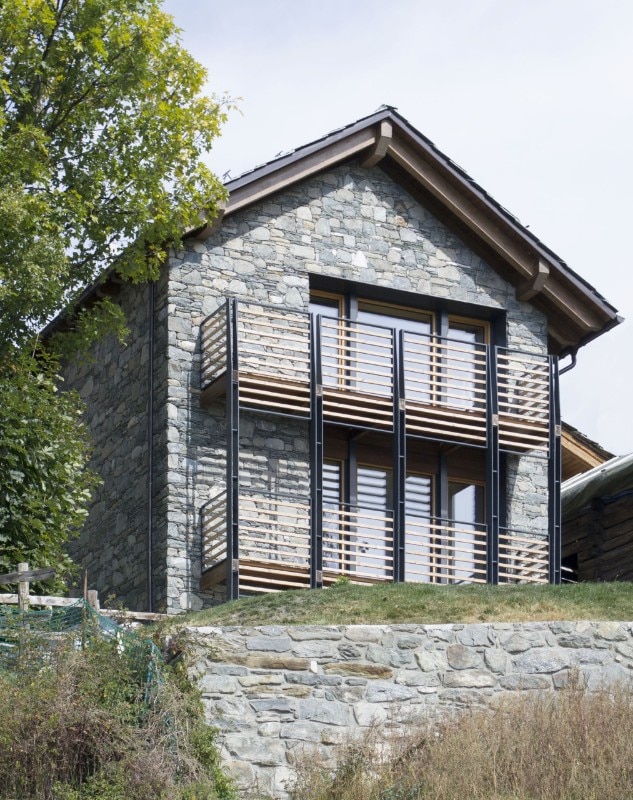
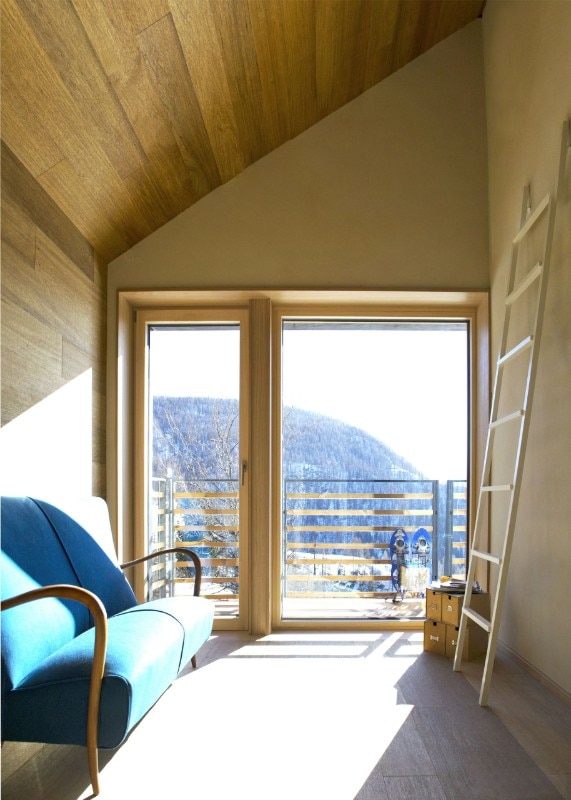
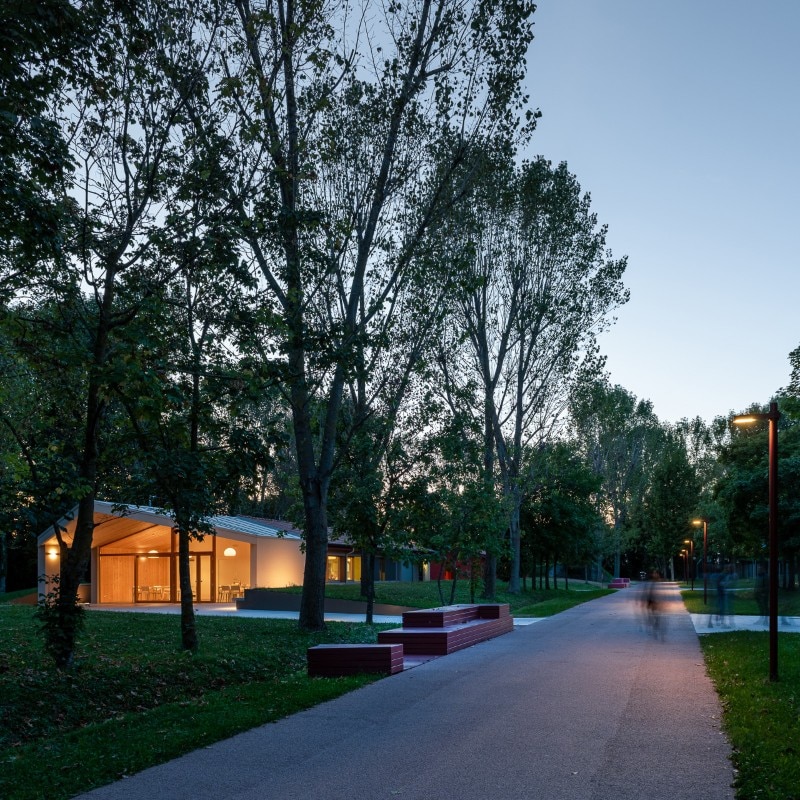
      LabF3 studio, run by Francesca Favero, Caterina Franco and Anna Frigerio, began in 2013 a process of re-functionalization of a mountain farmstead into a holiday farm in the mountains of Bergamo. A graduate project, sensitive to the places and to the processes of transformation and production rooted there, capable of relaunching a slow-paced tourism in harmony with nature.

      LabF3, Azienda Agricola Contrada Bricconi, Oltressenda Alta (BERGAMO) 2013 - in progress
      View article
      View article
      • SHARE
      • PIN IT

      Recovery of industrial landscapes

      LabF3, Azienda Agricola Contrada Bricconi, Oltressenda Alta (BERGAMO) 2013 - in progress

      View article
      View article
      • SHARE
      • PIN IT

      Recovery of industrial landscapes

      LabF3, Azienda Agricola Contrada Bricconi, Oltressenda Alta (BERGAMO) 2013 - in progress

      View article
      View article
      • SHARE
      • PIN IT

      Recovery of industrial landscapes

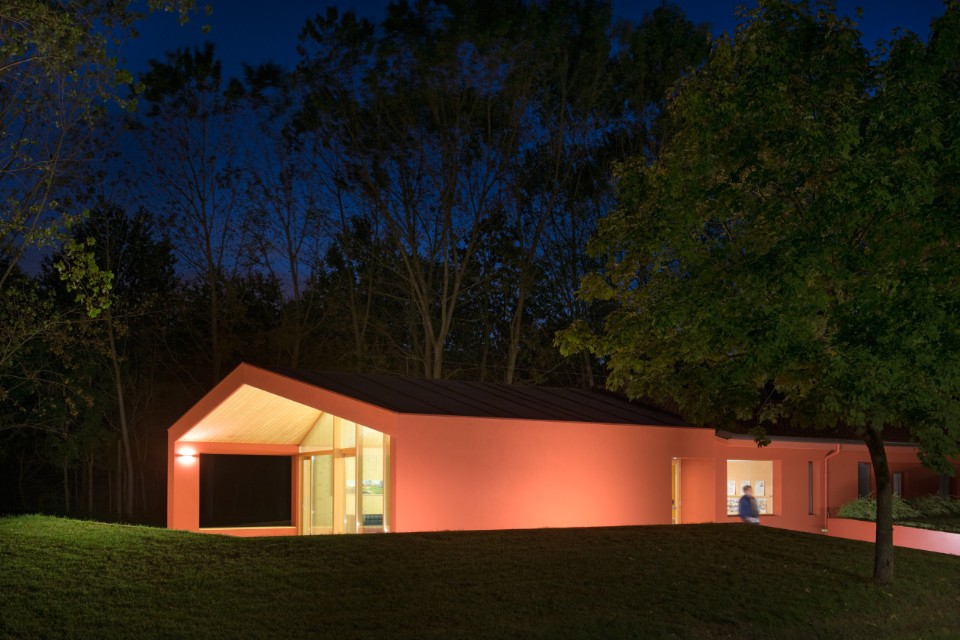
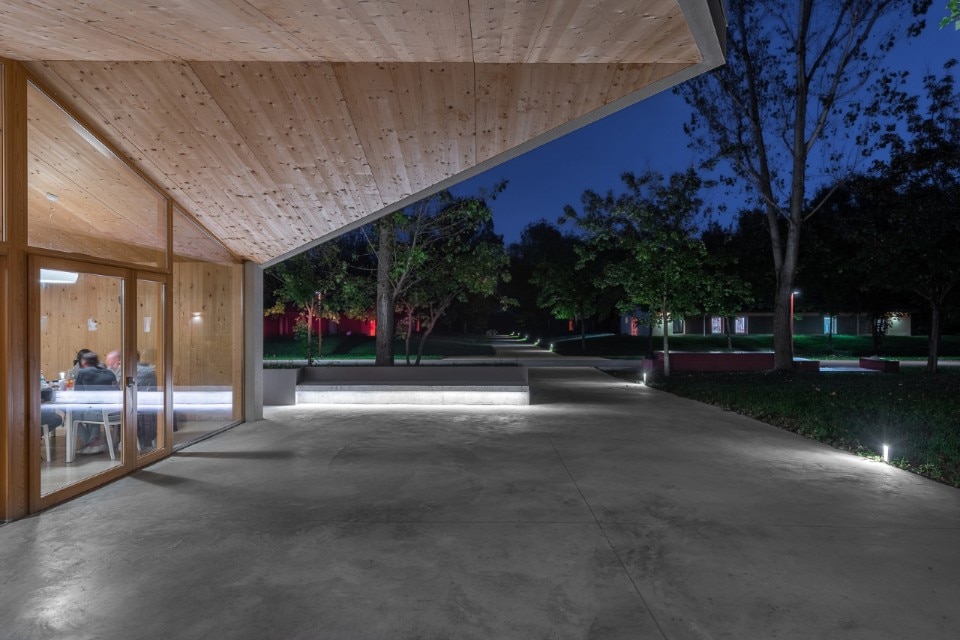
      The architecture of care, an architecture aimed at providing quality by carefully restoring existing resources, especially in low-budget projects, is at the heart of the proposal by studio Arbau, of Marta Baretti and Sara Carbonera, and in particular the transformation, begun in 2013 and still in progress, of a former military area not far from Venice into a centre of excellence for the treatment of addiction disorders.

      Arbau studio – Marta Baretti e Sara Carbonera, Centro Soranzo Addiction Care Centre, Forte Rossarol, Venice, 2013-2021

      Photo Colin Dutton

      View article
      View article
      • SHARE
      • PIN IT

      Recovery of industrial landscapes

      Arbau studio – Marta Baretti e Sara Carbonera, Centro Soranzo Addiction Care Centre, Forte Rossarol, Venice, 2013-2021

      Photo Orazio Pugliese

      View article
      View article
      • SHARE
      • PIN IT

      Recovery of industrial landscapes

      Arbau studio – Marta Baretti e Sara Carbonera, Centro Soranzo Addiction Care Centre, Forte Rossarol, Venice, 2013-2021

      Photo Orazio Pugliese

      View article
      View article
      • SHARE
      • PIN IT

      Reuse of materials and optimisation of resources

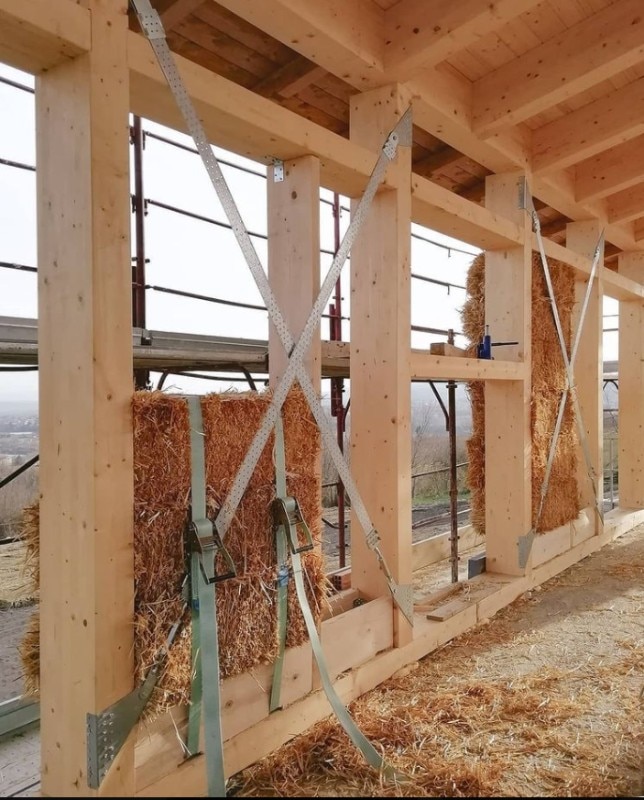
      Considering now the reuse of materials and more generally the optimisation of available resources in closed reproductive cycles and short supply chains, Tiziana Monterisi with the start-up "RiceHouse", founded in 2016, transforms waste from rice cultivation into building materials: wooden and rice straw frames, thermo-plaster, lolla-lime finishes, mortars and lightwight screeds. Materials suitable for all types of construction and capable of producing healthy buildings: from the grain to the house, from agriculture to architecture.

      Ricehouse, Casa UD, Chamois, 2016

      View article
      View article
      • SHARE
      • PIN IT

      Reuse of materials and optimisation of resources

      Ricehouse, Casa UD, Chamois, 2016

      View article
      View article
      • SHARE
      • PIN IT

      Reuse of materials and optimisation of resources

      Ricehouse, Casa UD, Chamois, 2016

      View article
      View article
      • SHARE
      • PIN IT

      Reuse of materials and optimisation of resources

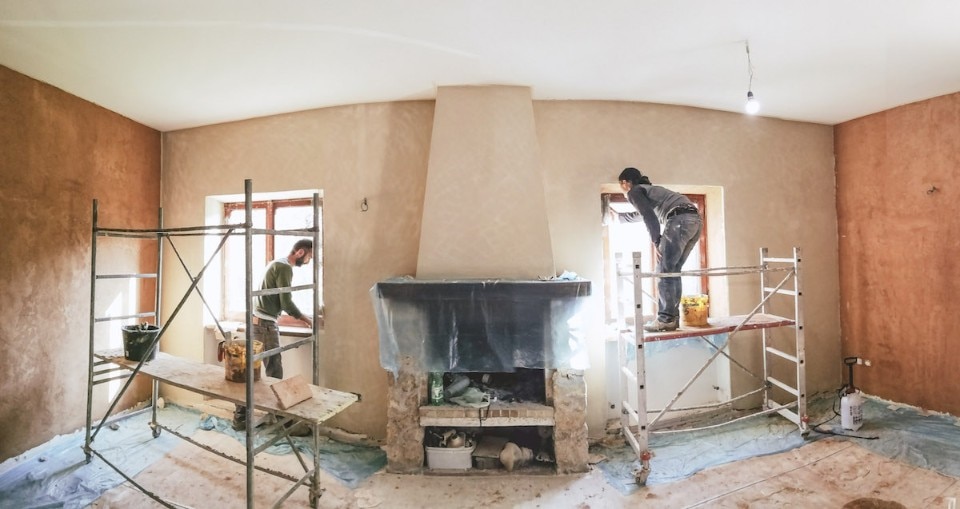
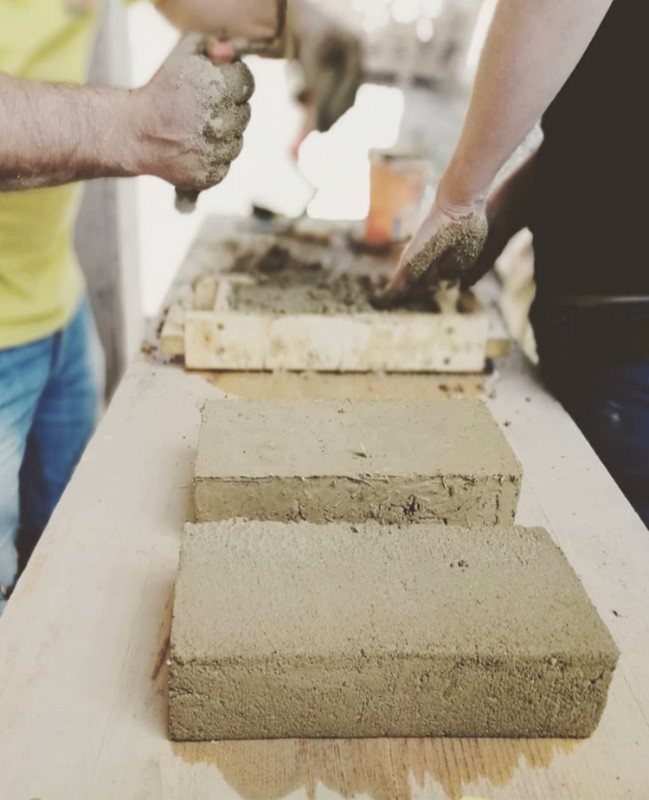
      Sara Lucietto, a bricklayer with a background in interior design, has a very similar approach. Since 2015 she has been building houses out of natural and self-produced materials with her company "Terra e Paglia", together with Sanni Mezzasoma, sharing all the phases of construction in ecological forms of self-construction, involving not only other professionals but anyone who wants to get their hands dirty and literally build their own house. A smiling "gentle revolution" that starts with earth and straw to make "big things", like a house.

      Sara Lucietto

      View article
      View article
      • SHARE
      • PIN IT

      Reuse of materials and optimisation of resources

      Sara Lucietto

      View article
      View article
      • SHARE
      • PIN IT

      Reuse of materials and optimisation of resources

      Sara Lucietto

      View article
      View article
      • SHARE
      • PIN IT

      Reuse of materials and optimisation of resources

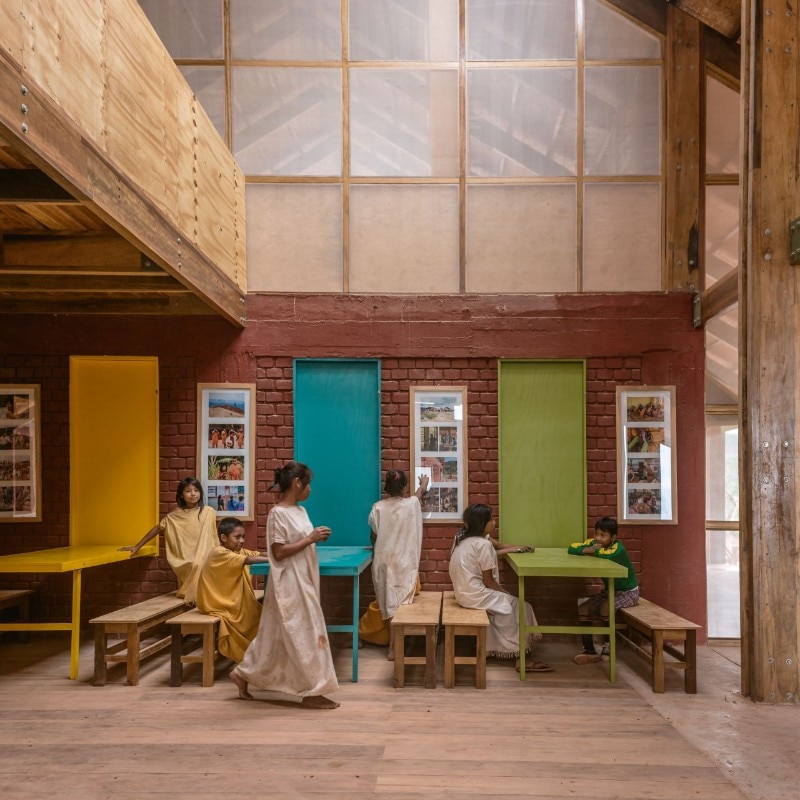
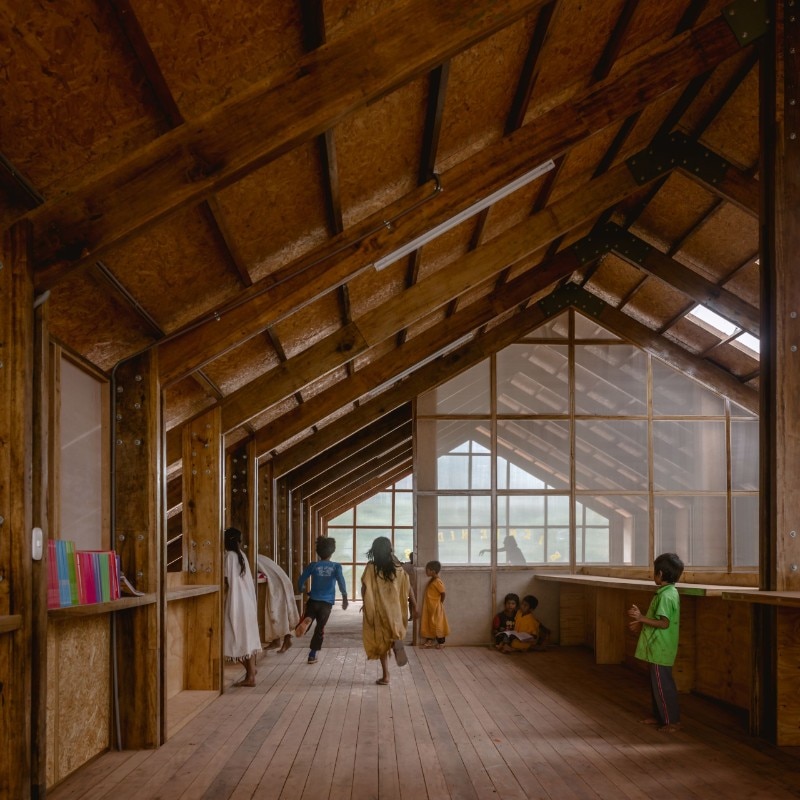
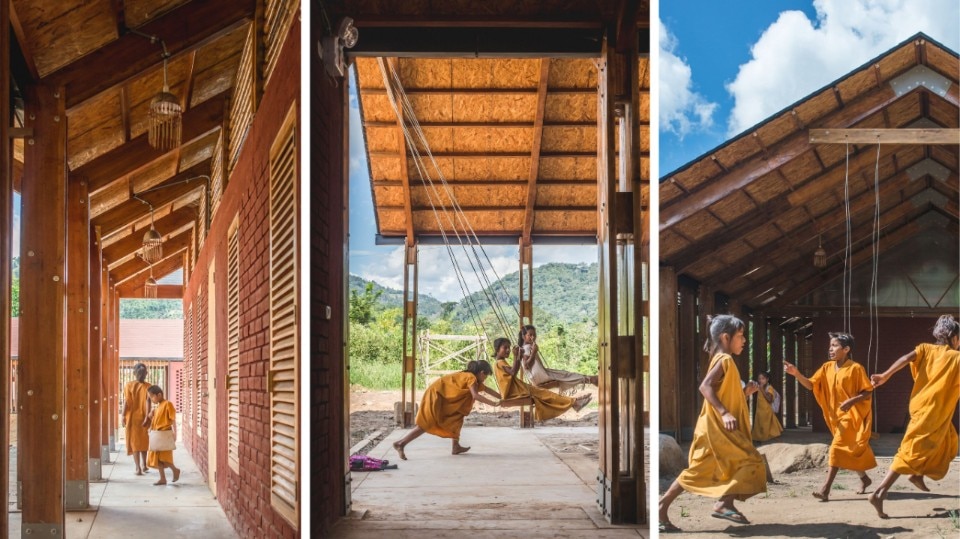
      Marta Maccaglia's approach is different but very close. Since 2011 she has been in Peru, where she founded the organization Semillas ("seeds"), an NGO with the mission of building schools for the most remote areas and populations of the Amazon, believing that education is the only true seed to build equality, democracy and the future.

      Marta Maccaglia-Semillas, Educational Centre In the native community of Union Altosanibeni, Pangoa, Satipo (Perú), 2018-2019

      View article
      View article
      • SHARE
      • PIN IT

      Reuse of materials and optimisation of resources

      Marta Maccaglia-Semillas, Educational Centre In the native community of Union Altosanibeni, Pangoa, Satipo (Perú), 2018-2019

      View article
      View article
      • SHARE
      • PIN IT

      Reuse of materials and optimisation of resources

      Marta Maccaglia-Semillas, Primary school in native community of Jerusalen de Miñaro, Pangoa, Satipo (Perú), 2016-2017

      View article
      View article
      • SHARE
      • PIN IT

      Rewriting forms and sharing traces

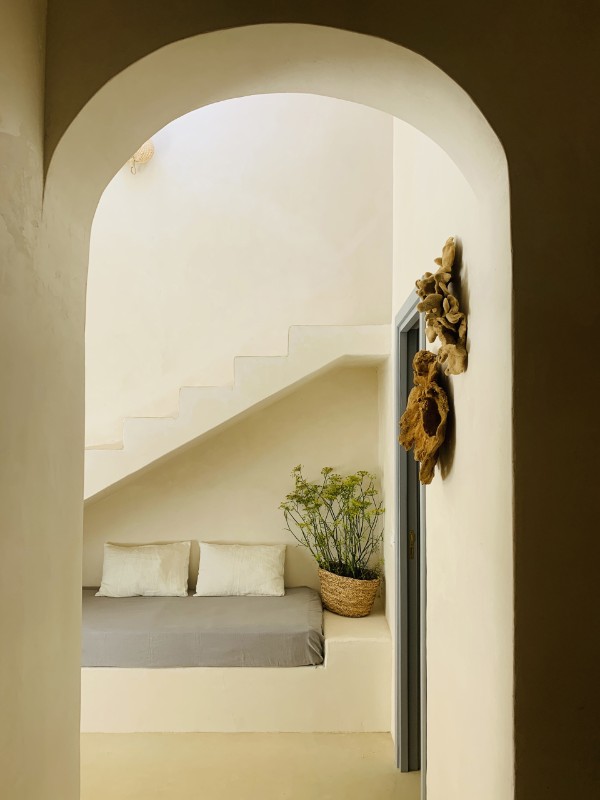
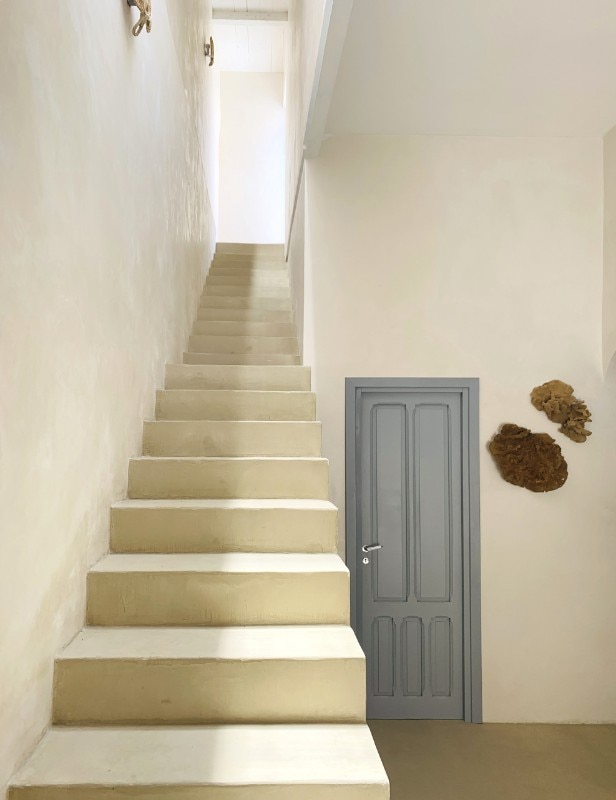
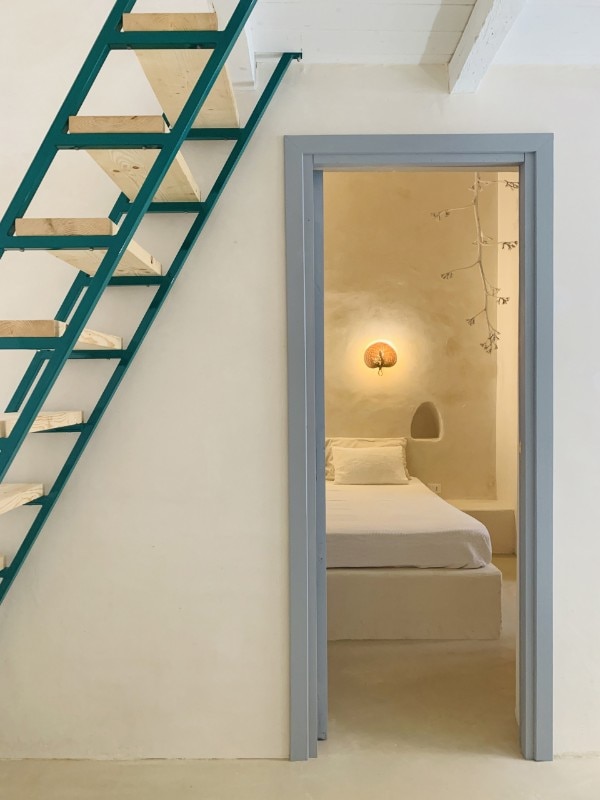
      Moving on to the fourth and last of the categories we have identified, that of the rewriting of forms and sharing of traces, that is, of design as the stratification of ancient and local traditions but also as a sampling, manipulation and relaunching of information in the world wide web. This is the category where we place the poetic, Mediterranean experience of the architectural interiors by sisters Lycia and Gaia Trapani, who, with Lyga Studio, reuse traditional materials and techniques to create intimate residential spaces that synthesize the Sicilian tradition in a contemporary key.

      LYGA studio, Lycia Trapani e Gaia Trapani, Casa Zellige_Casa a SUD, Lampedusa 2019

      View article
      View article
      • SHARE
      • PIN IT

      Rewriting forms and sharing traces

      LYGA studio, Lycia Trapani e Gaia Trapani, Casa Zellige_Casa a SUD, Lampedusa 2019

      View article
      View article
      • SHARE
      • PIN IT

      Rewriting forms and sharing traces

      LYGA studio, Lycia Trapani e Gaia Trapani, Casa Zellige_Casa a SUD, Lampedusa 2019

      View article
      View article
      • SHARE
      • PIN IT

      Rewriting forms and sharing traces

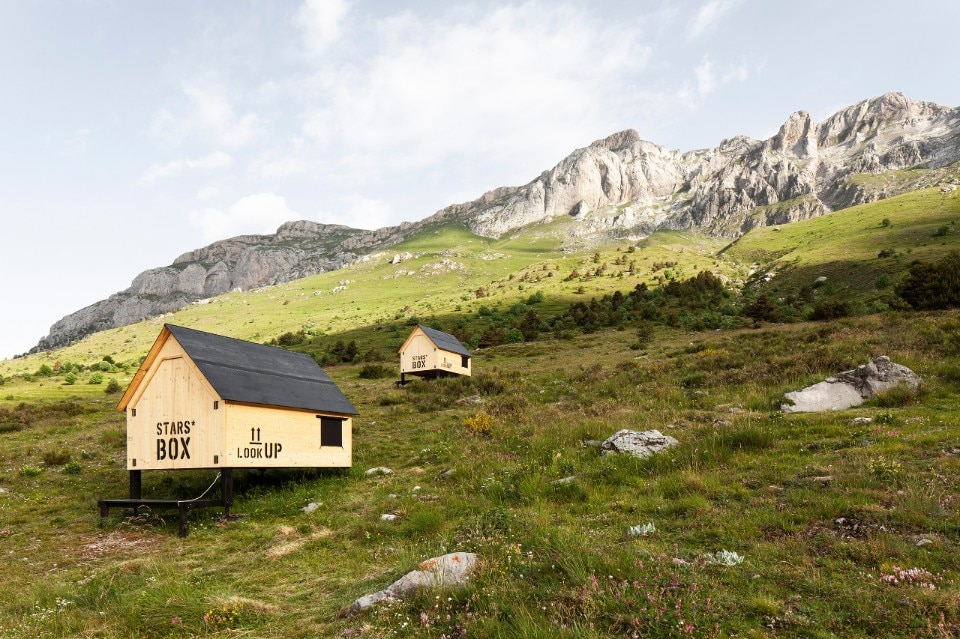
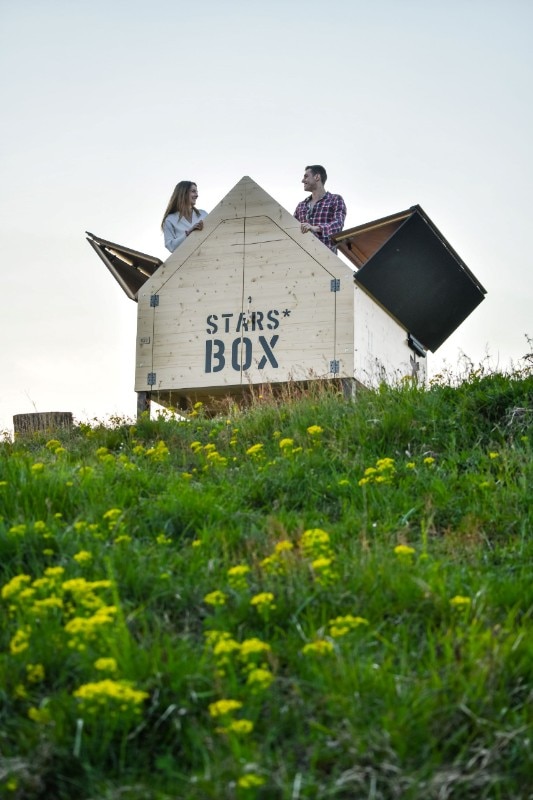
      Lara Sapp-OFFICINA82, StarsBOX® project. Photo Isabella Sassi Farias

      View article
      View article
      • SHARE
      • PIN IT

      Rewriting forms and sharing traces

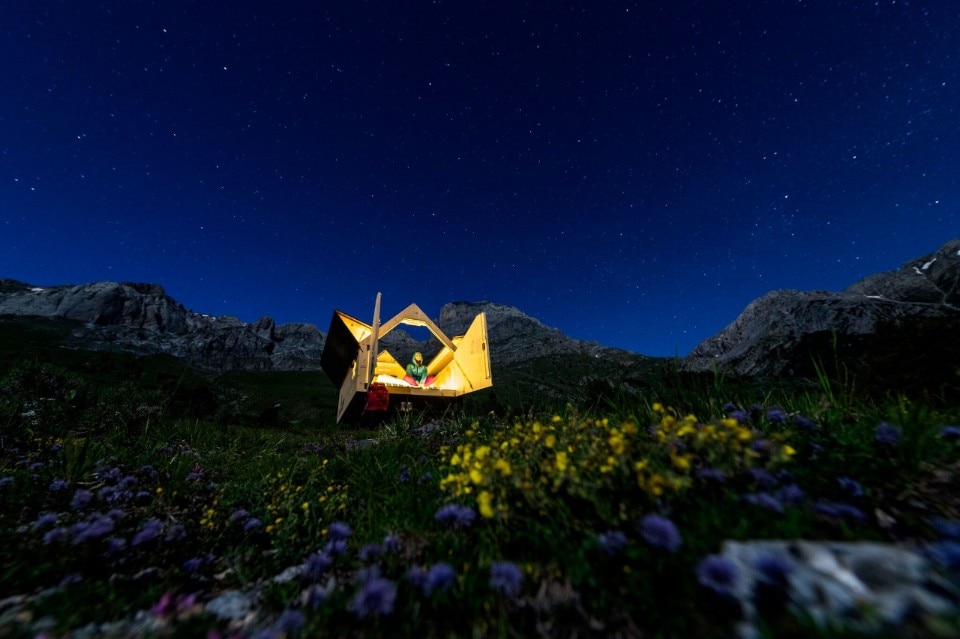
      Lara Sapp-OFFICINA82, StarsBOX® project. Photo Simone Mondino

      View article
      View article
      • SHARE
      • PIN IT

      Rewriting forms and sharing traces

      Lara Sapp-OFFICINA82, StarsBOX® project. Photo Sergio Bolla

      View article
      View article
      • SHARE
      • PIN IT

      Rewriting forms and sharing traces

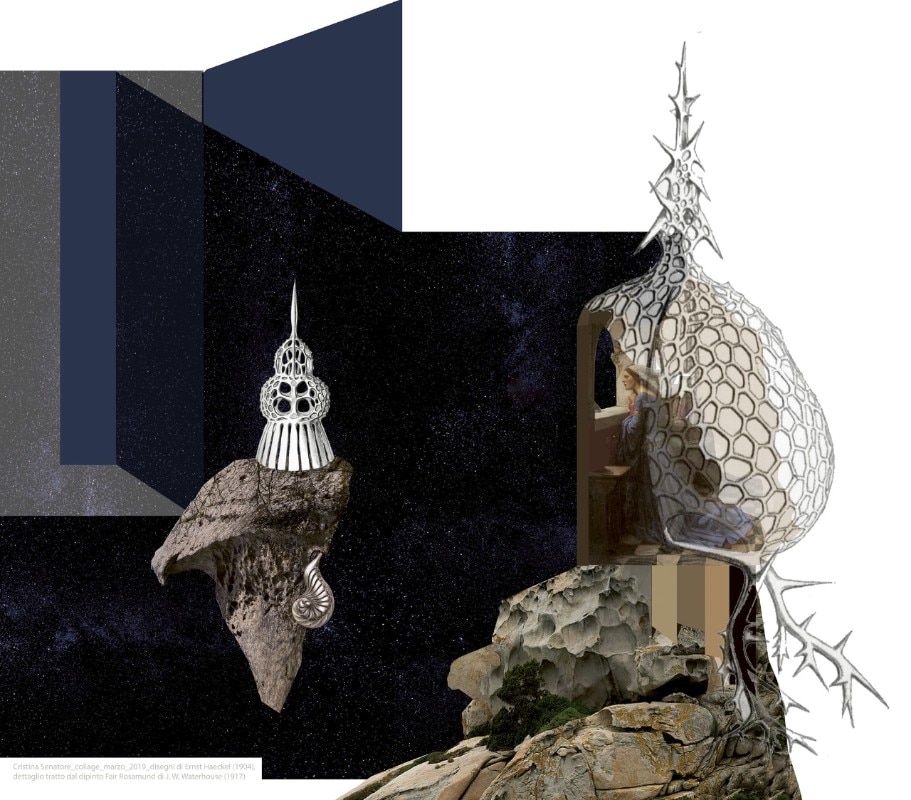
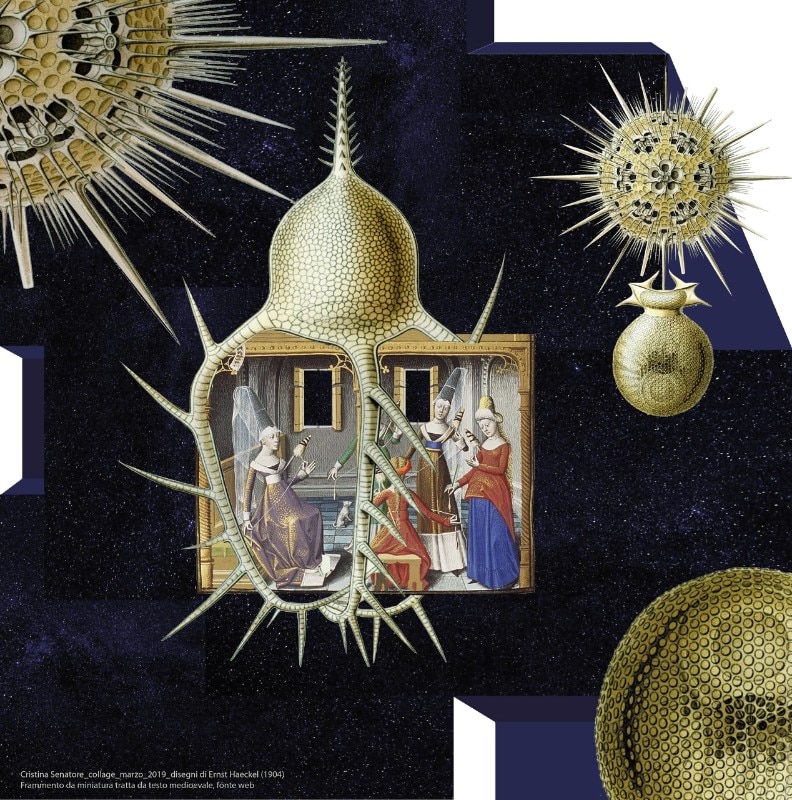
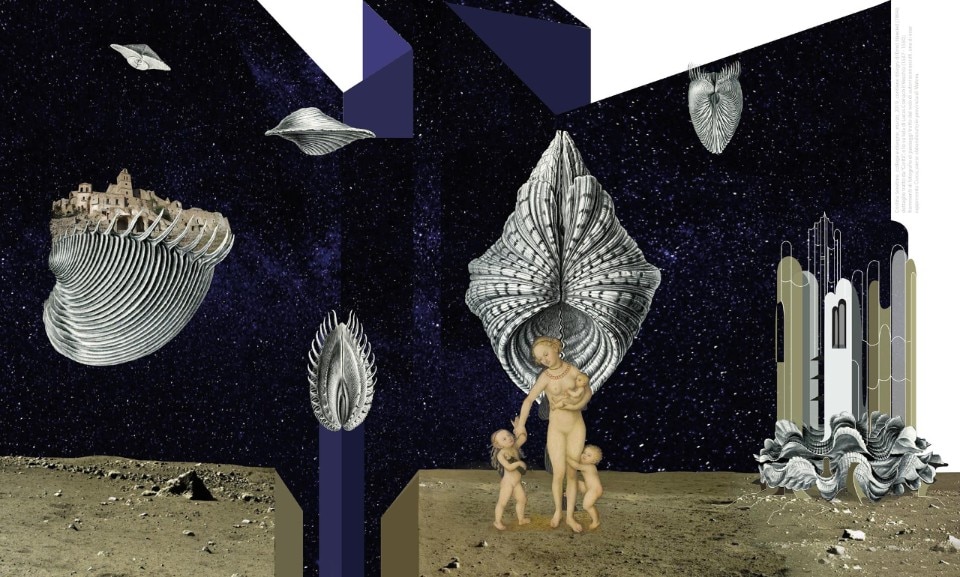
      Re-writing or stratification based on pre-existing realities is the work on drawing by Cristina Senatore. For example, in Scenari Futuri, a series of collages from 2019, the drawings of biologist Ernst Haeckel become "architectural natures", shells suspended in interstellar space or on the sand of dark, desert planets, telling us of a post-catastrophe elsewhere, but also of continuity and survival, and of a new centrality of "wise and resilient" women.

      Donna colta affacciata alla finestra. Guardiana della capacità d'amare, con una certa apprensione lancia lo sguardo verso l'ignoto che si apre infinito fra lacerti di mondi popolati da architetture solide e vive.

      Cristina Senatore, collage, march 2019

      In the photocollage there are: drawings by Ernst Haeckel (1904), fragment from the painting Fair Rosamund by J. W. Waterhouse (1917).

      View article
      View article
      • SHARE
      • PIN IT

      Rewriting forms and sharing traces

      La stanza delle filatrici. Donne colte che filano

      Cristina Senatore, collage_marzo, 2019

      In the photo collage there are: drawings by Ernst Haeckel (1904); Fragment of a miniature taken from a medieval text

      View article
      View article
      • SHARE
      • PIN IT

      Rewriting forms and sharing traces

      Cristina Senatore, collage, marzo, 2019

      In the photo collage there are: drawings by Ernst Haeckel (1904); detail from “Carità” *, oil on canvas by Lucas Cranach the Elder (1537 - 1550); fragments of photographs of landscapes taken from the web by unknown authors, one of them represents Craco, an abandoned town in the province of Matera.

      The painting is kept at the National Gallery in London, in it the theological virtue of Charity is depicted as a young mother nursing the youngest of her children, while the others are next to her, the child, clasping it to her chest with her right arm, holds in her arms a doll.

      View article
      View article
      • SHARE
      • PIN IT

      Rewriting forms and sharing traces

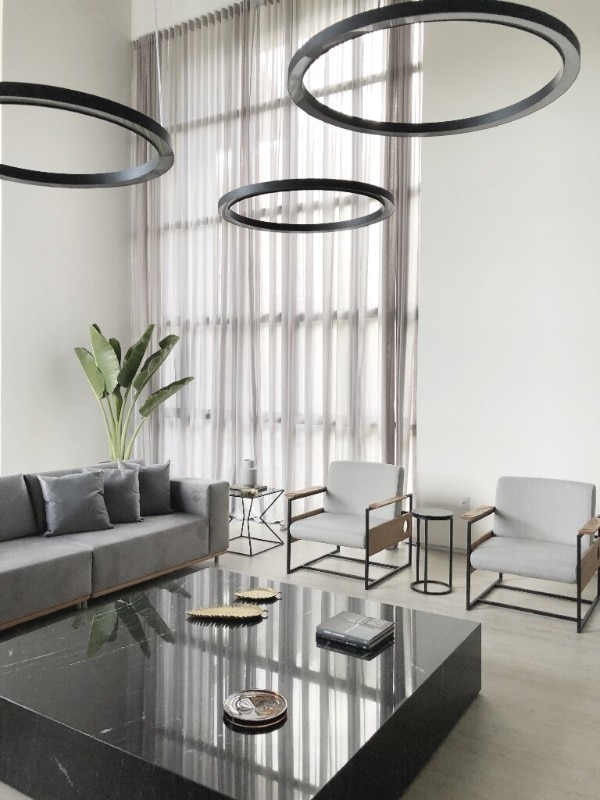
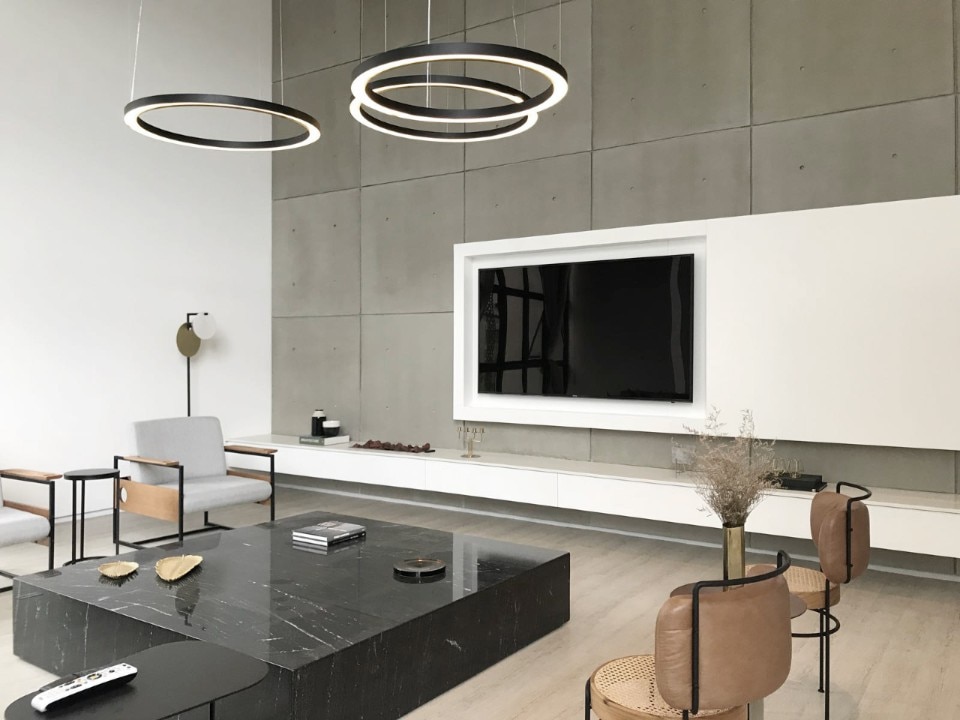
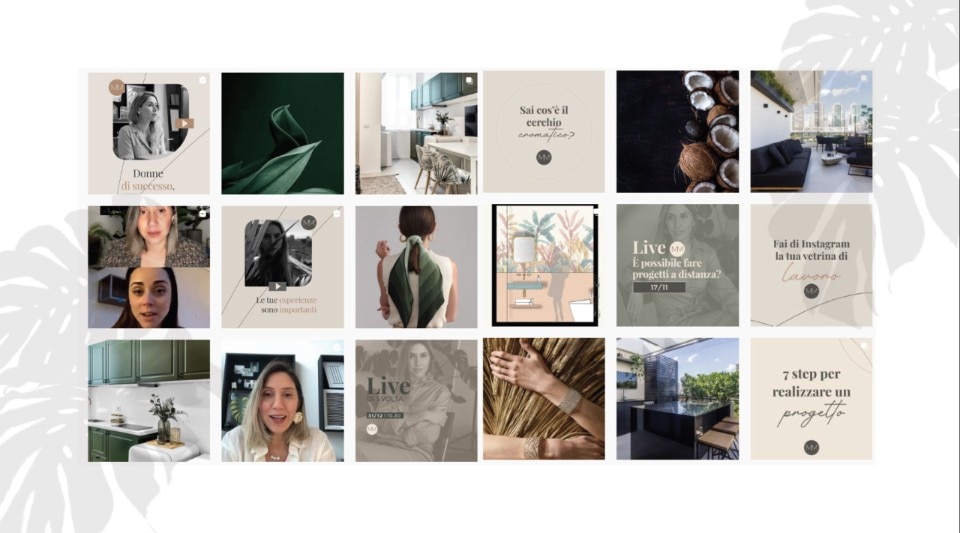
      Finally, with Mariana Martini, and her activity between Italy, Brazil and the web, we look at the short circuit between design and social media. Martini combines her work as an architect of "tropical interiors" (welcoming you back from work and the urban environment, giving you the feel of "entering a hotel in Bali") with the training and continuous updating of young professionals through her very popular Instagram activity. A process of sharing professional practice in the sense of business management, not only in the control and tools of the project, but also in the relationship with the client.

      Studio Maria Martini, Itapava, Rio de Janeiro, 2017

      View article
      View article
      • SHARE
      • PIN IT

      Rewriting forms and sharing traces

      Studio Maria Martini, Itapava, Rio de Janeiro, 2017

      View article
      View article
      • SHARE
      • PIN IT

      Rewriting forms and sharing traces

      Studio Maria Martini, social

      View article
      View article
      • SHARE
      • PIN IT

      View article
      View article
      • SHARE
      • PIN IT
      Loading
      Share
      • Sections
        • Venice Architecture Biennale 2021
      • Keywords
      • News
      • Architecture
      • Design
      • Art
      • Opinion
      • Archive
      • Products
      • Foreign Editions
      • Biographies
      • Architectural movements
      • Buildings
      • Architecture Firms
      • Design Essentials
      • Urban stories
      • Gio Ponti
      • Contacts & Editorial Team

      • Follow us
      Legal Note

      Editorial DomusEditoriale Domus Spa
      Via G. Mazzocchi, 1/3
      20089 Rozzano (Mi) -
      Codice fiscale, partita IVA e iscrizione al Registro delle Imprese di Milano
      n. 07835550158
      R.E.A. di Milano n. 1186124
      Capitale sociale versato € 5.000.000,00 - All rights reserved - Privacy - Informativa cookie completa - Gestione Cookies

      China Germany India Mexico, Central America and Caribbean Sri Lanka Korea icon-camera close icon-comments icon-down-sm icon-download icon-facebook icon-heart icon-heart icon--mobile-logo icon-next-sm icon-next icon-pinterest icon-play icon-plus icon-prev-sm icon-prev Search icon-twitter icon-views icon-instagram