


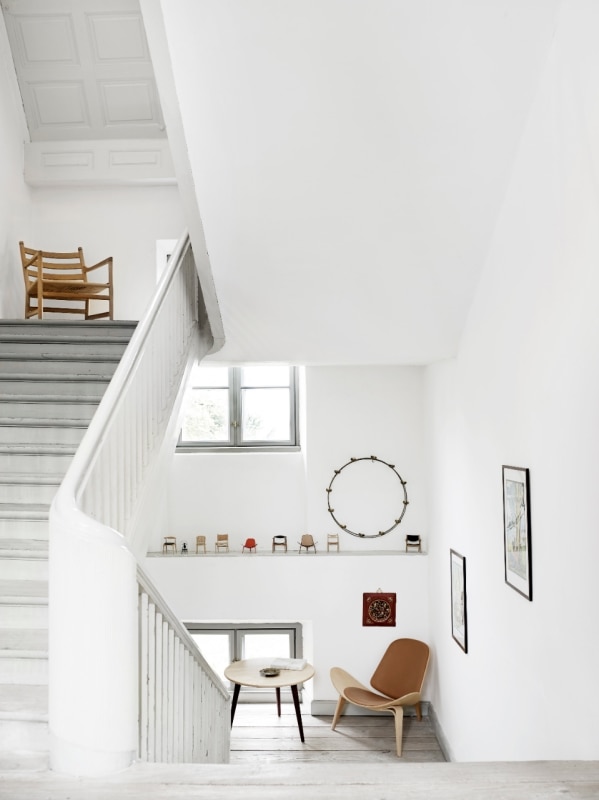
In the heart of Denmark lies an island where some of the most iconic pieces of Scandinavian design are born from a creative interplay of form and function. It is in Odense, on the island of Funen (Fyn in Danish), that in 1908 a young and talented cabinetmaker named Carl Hansen opened a small two-room workshop. With skilled hands and the patience of a craftsman, he began producing furniture in the Victorian style popular at the time. It was the beginning of an industrial and family saga that would span the twentieth century and continue into the present day. Carl Hansen & Søn is one of the names that helped shape — and give a soul to — Scandinavian design, alongside a handful of other companies such as Fritz Hansen, Louis Poulsen and, more recently, Gubi, Hay and Muuto.
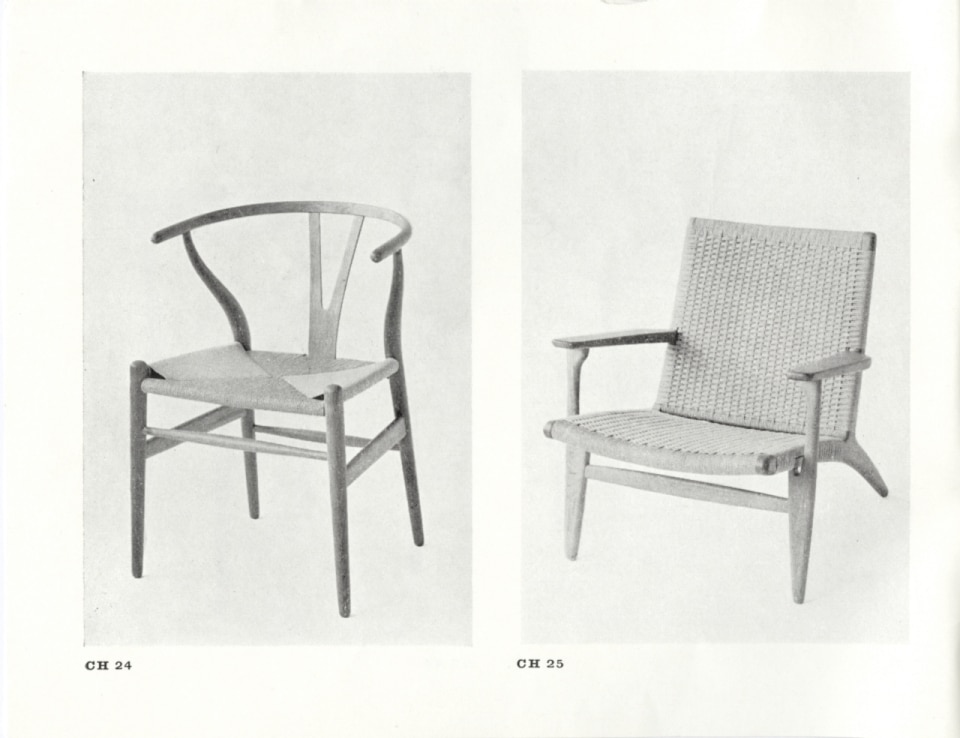
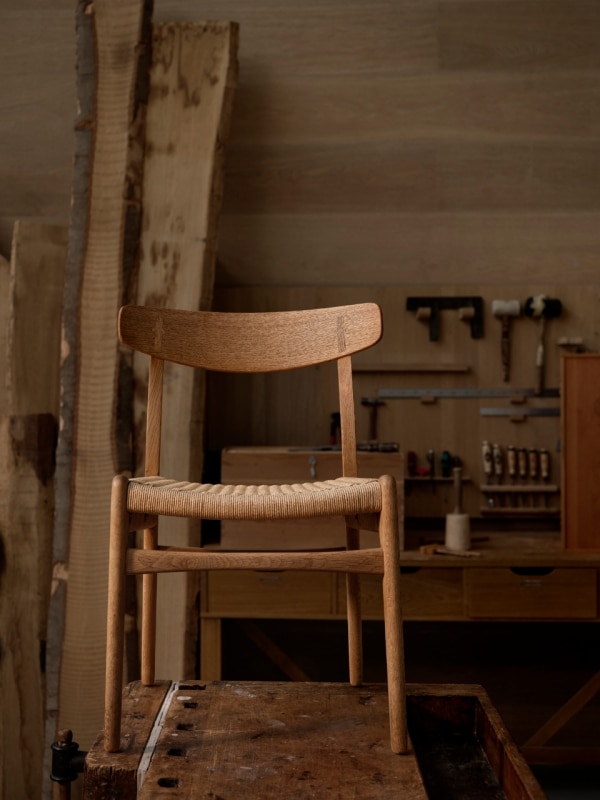
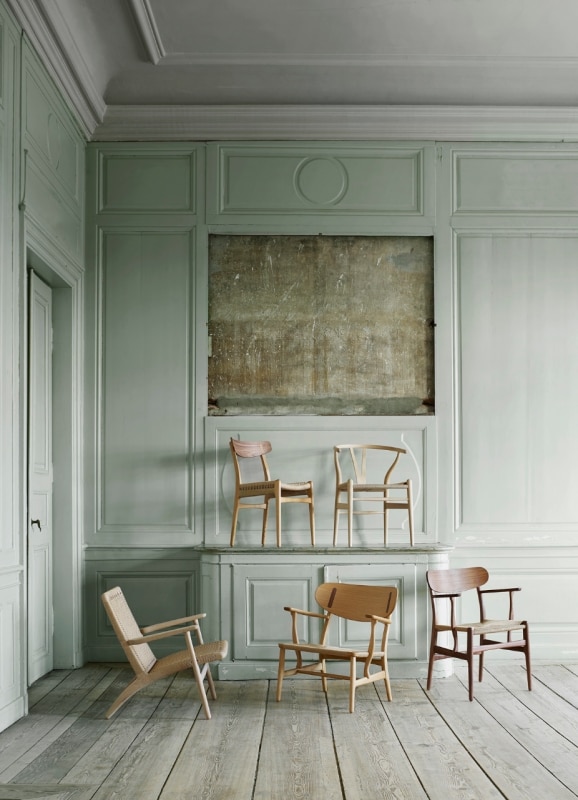
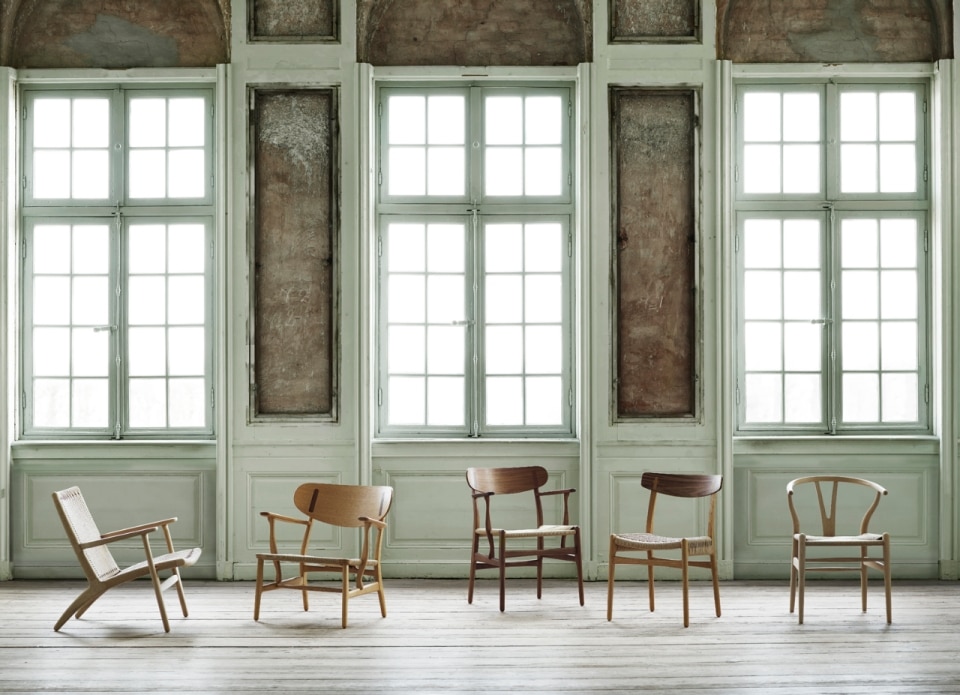
The secret behind the company’s century-long success lies in a delicate balance between innovation and continuity, between industrial foresight and artisanal respect. From its early days, the small workshop began to grow: by 1915 it had become a factory, introducing innovative machinery while never abandoning the care of handcraft. This dual “manufacturing” spirit became the company’s hallmark and, more broadly, one of the most defining traits of Nordic design. The first generational transition occurred in 1934, when the youngest son, Holger Hansen, took over the reins at just 23 years old. He had a clear vision: to look forward and overcome the Great Depression. It was Holger who paved the way for the encounter that would forever change the company’s history. In 1949, he welcomed into the factory a young architect — then unknown — with a brilliant mind and the hands of a sculptor: Hans J. Wegner. In just three weeks, four chairs were born from this meeting — the CH22, CH23, CH24 and CH25 — destined to become icons of the brand and of Danish modern design, symbols of what can be achieved when uncompromising craftsmanship and design go hand in hand.
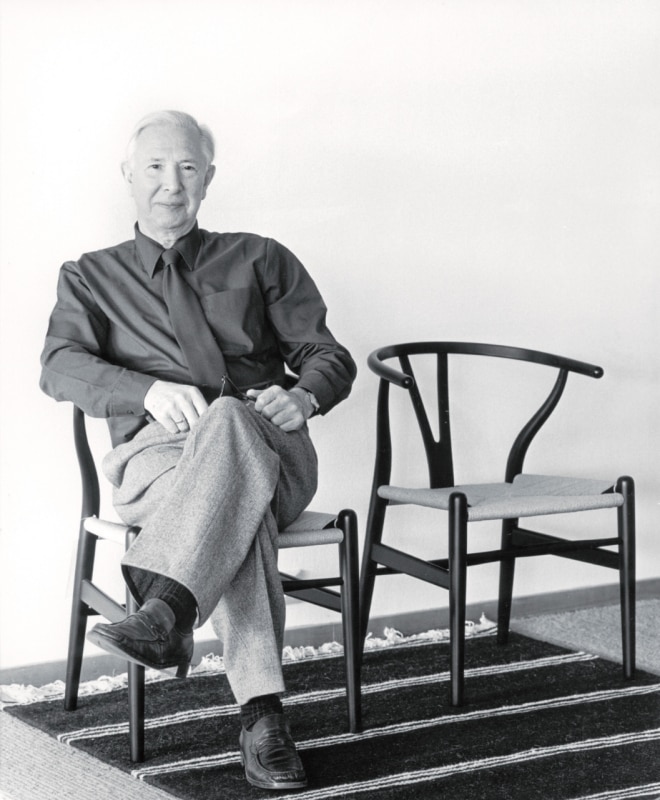
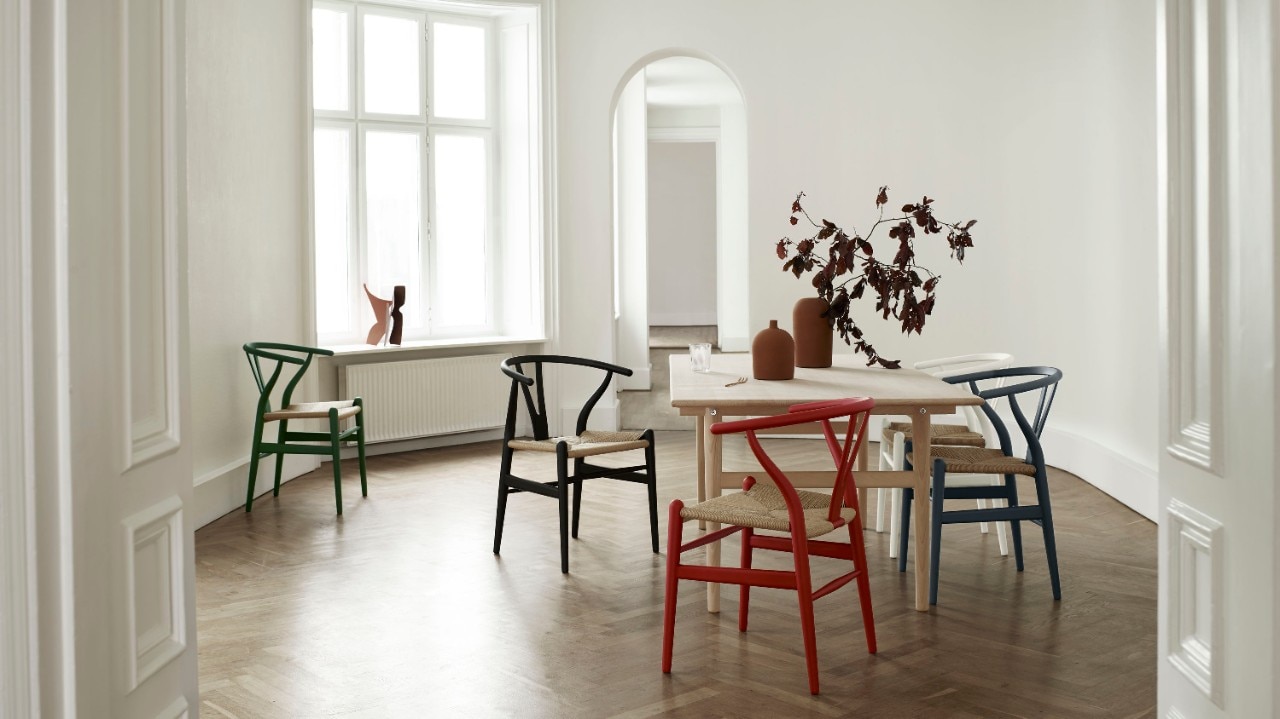
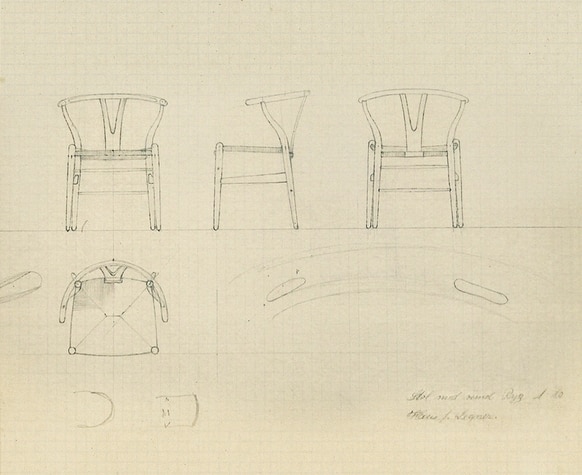
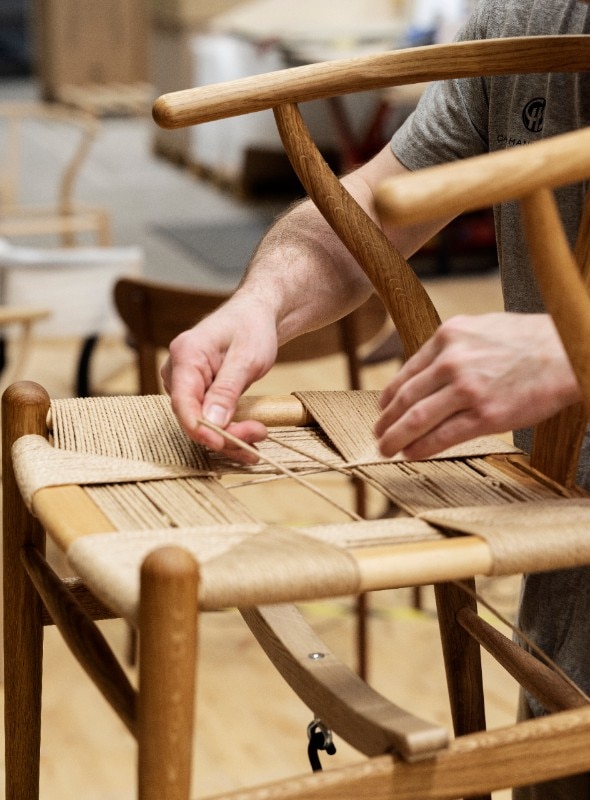
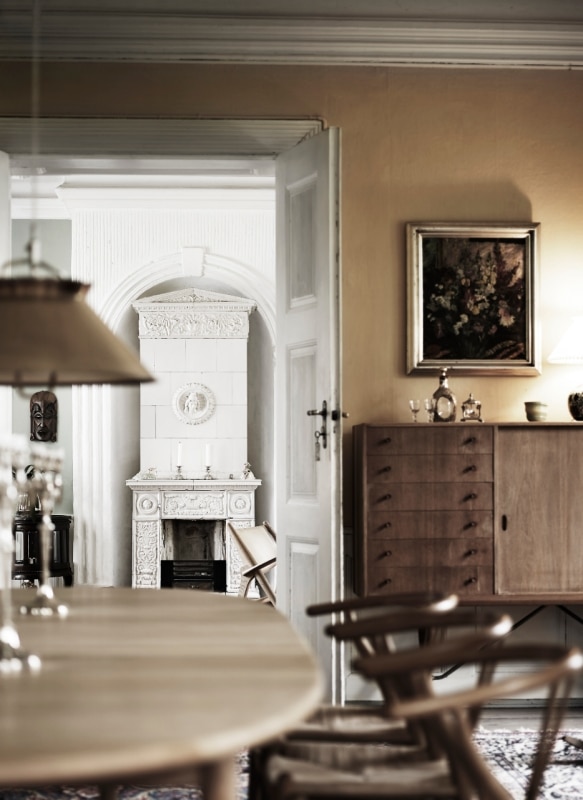
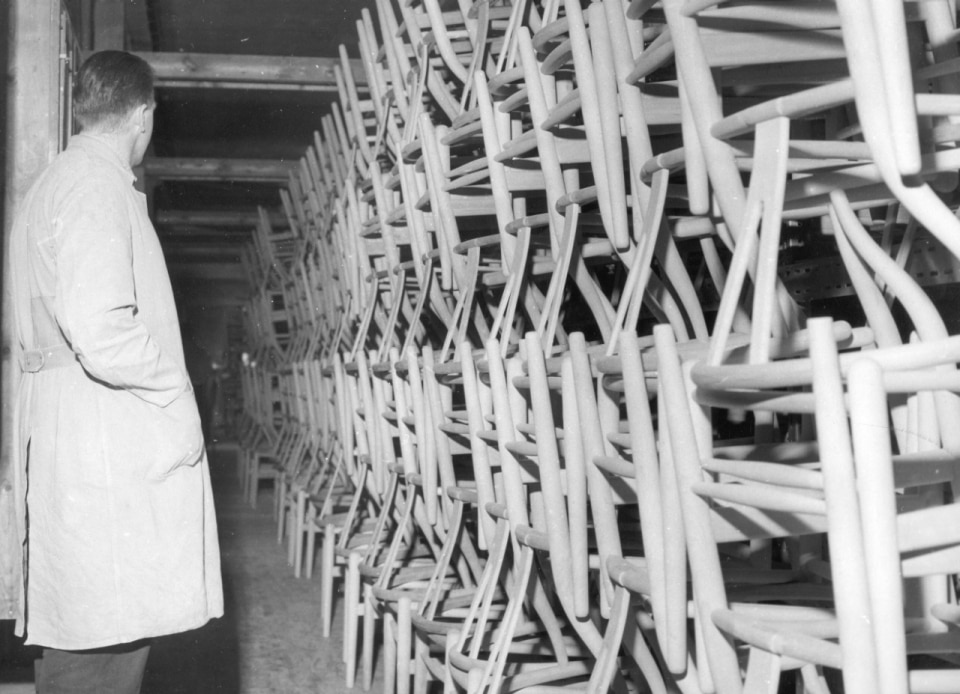
The CH24, the Wishbone Chair, takes its name from the distinctive detail on its backrest resembling a wishbone: a simple, fluid form, sculpted in wood with a mastery that fuses aesthetics and function. Over a hundred steps are required to make it, most of which are still carried out entirely by hand. Since its introduction in 1950, it has never gone out of production: a discreet yet powerful presence in homes, restaurants, and public spaces across the world. At once an object of everyday use and of luxury, the Wishbone Chair, according to Hans J. Wegner, embodies a radical and deeply Scandinavian idea of design: simplicity of construction, honesty of materials, and the beauty of the object. His more than five hundred chair designs speak the language of nature and the human body, and Carl Hansen & Søn became the ideal place to give shape to these visions.
The influence and fame of this "design piece" are evident in its selection as the seating for the 1960 U.S. presidential debates, specially shipped from Denmark for the occasion. This earned it the nickname “No. 501,” and it was occasionally referred to as the “Kennedy Chair.”
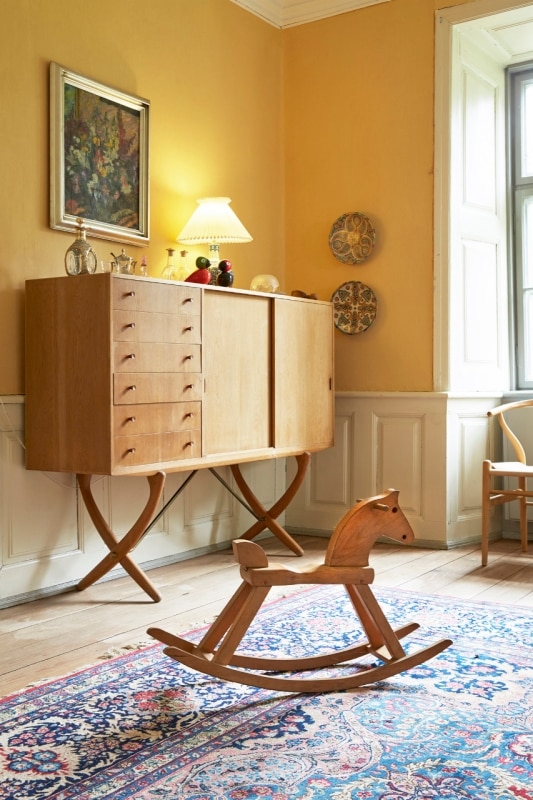
Wegner’s chairs possess all the characteristics that define Danish design: they are rooted in a long craft tradition and are inspired by historic furniture types. They are made with natural materials, making them both sustainable and long-lasting. They feature organic forms and a human scale: despite their strong artistic expression, they are clearly designed for everyday use.
The sudden death of Holger Hansen in 1962 marked a dramatic turning point. But the story didn’t end there. His wife Ella took charge of the company; at the dinner table, she would discuss business decisions with her young sons, Knud Erik and Jørgen Gerner. The legacy lived on not only through furniture, but also in the stories passed down in the family. In 2002, it was Knud Erik — Carl Hansen’s grandson — who led the company into the new millennium. With a background in the maritime sector and a global outlook, he opened new branches, expanded production, and brought Danish design to flagship stores in Milan, Tokyo, New York and London. Other masters of Nordic modernism joined the collection: Kaare Klint, Ole Wanscher, Arne Jacobsen, Mogens Koch, Finn Juhl, Børge Mogensen and Poul Kjærholm. The result is a coherent constellation of classics gathered under one roof. In the early 2000s, the company had only 45 employees; by 2023, the workforce had grown to just over 500.
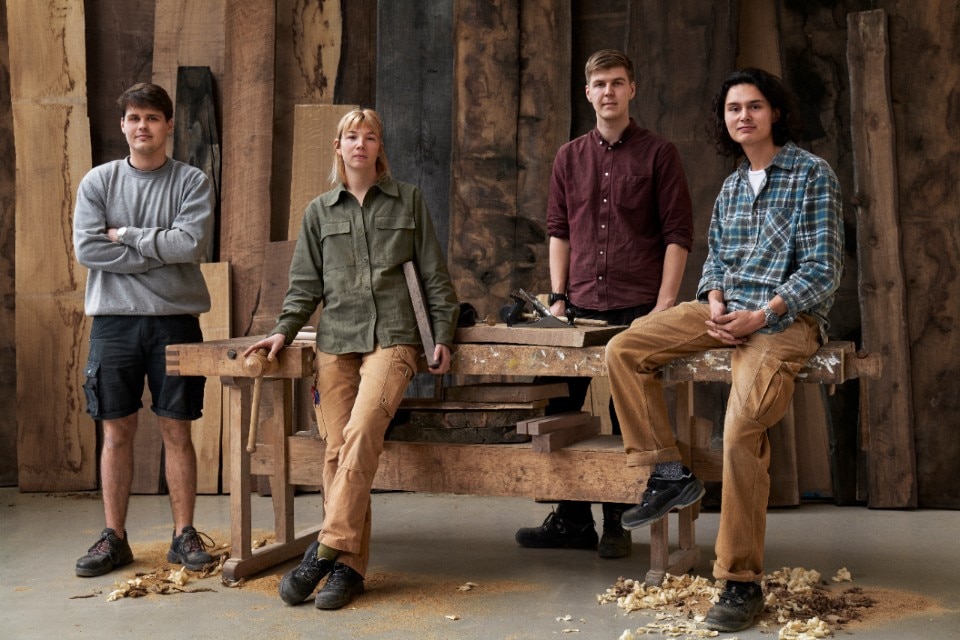
The fourth generation is already involved in this seemingly unending family saga: one of the founder’s great-grandchildren works at the headquarters in Denmark, while another moved to Vietnam, where in 2018 a factory dedicated solely to the brand’s outdoor line was established — the only products not made in the country of origin, with all others still faithfully produced in Denmark. Since 2023, the company has been an official supplier to the Royal Danish Court, a recognition that seals Carl Hansen & Søn’s role as a custodian and champion of Danish design. Its forward-looking approach includes The Lab, an in-house training programme conceived as an academy for those wishing to build a career within the company. It is a long-term vision rooted in continuity.