

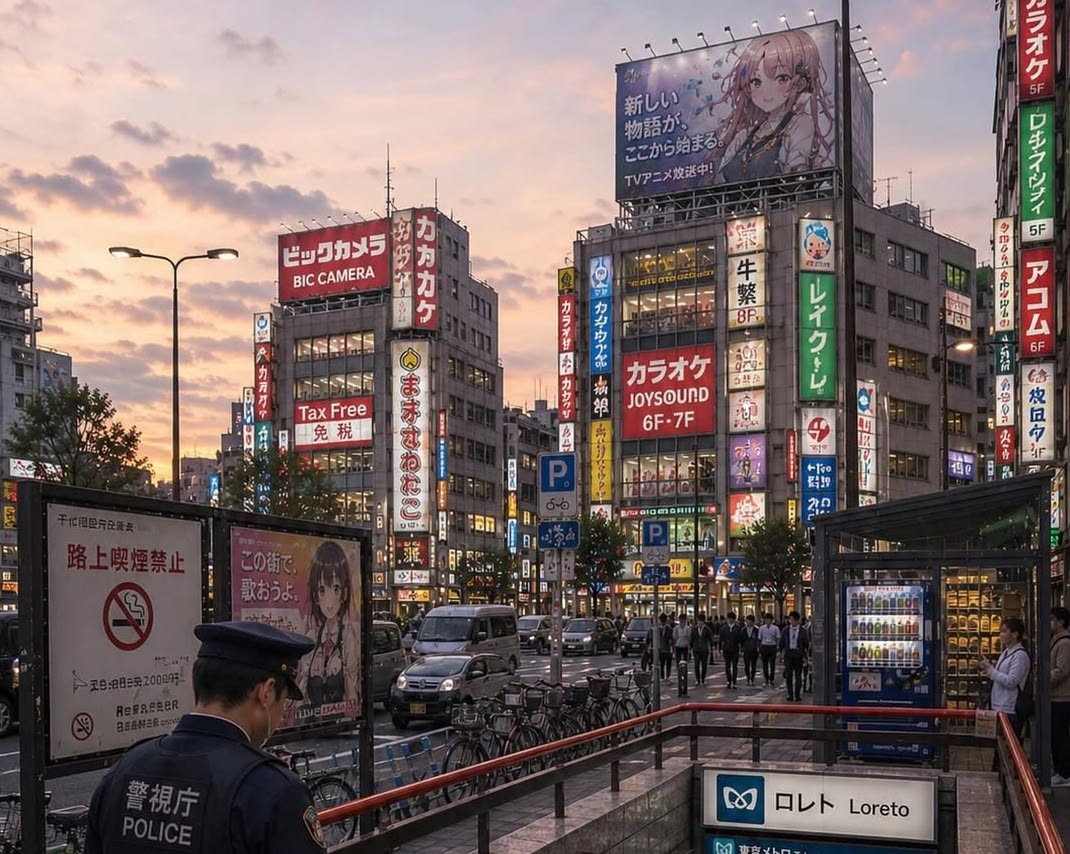

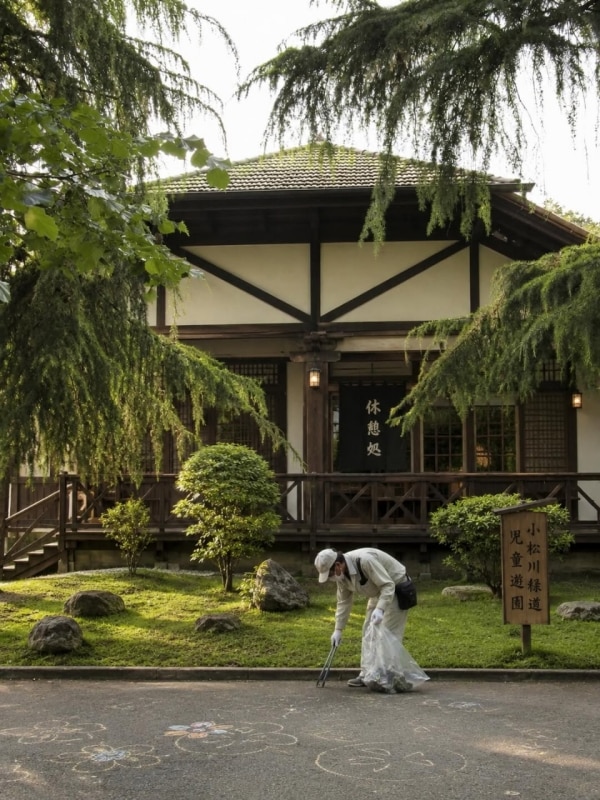
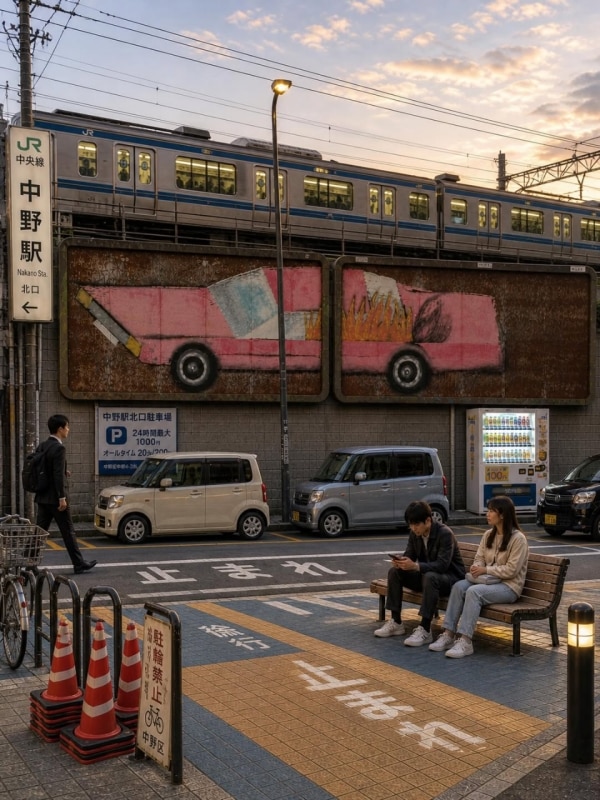
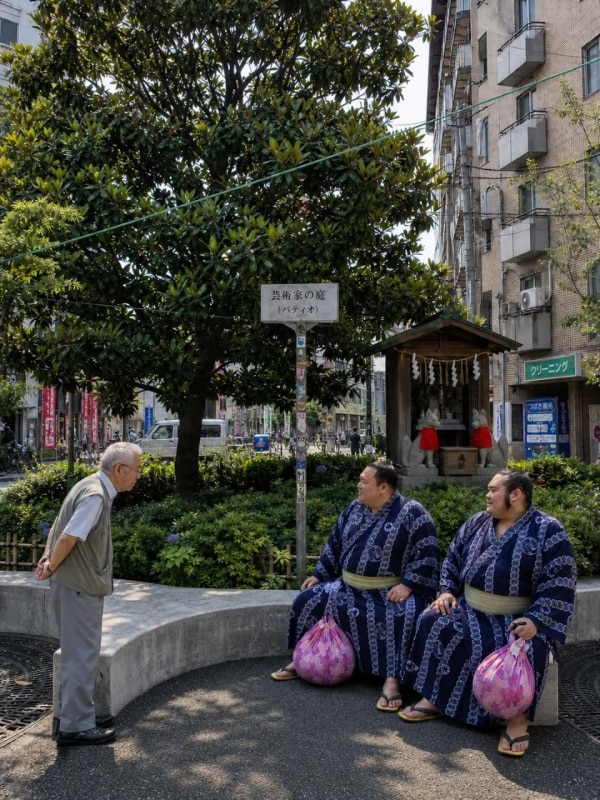
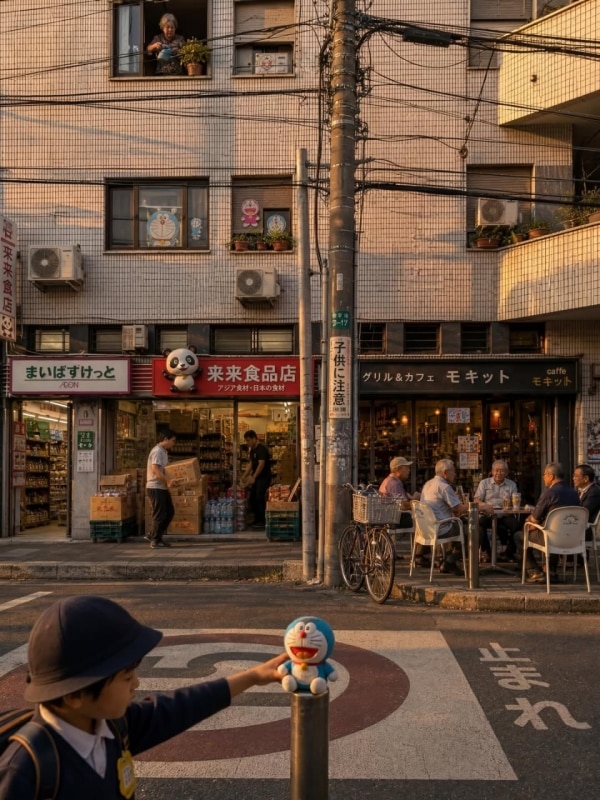
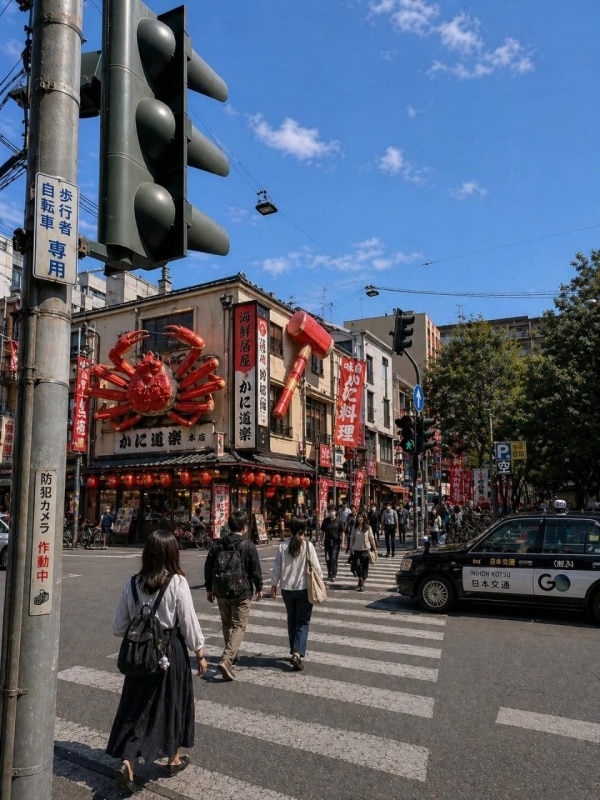
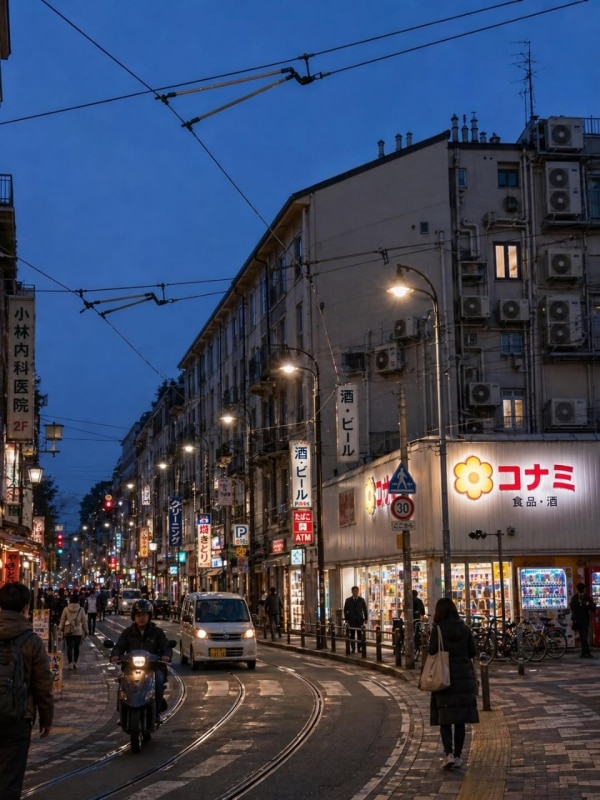
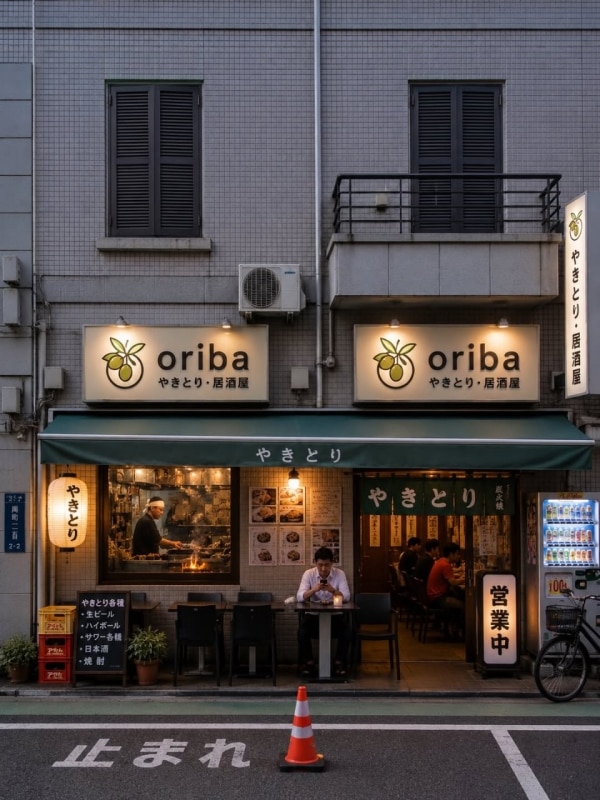
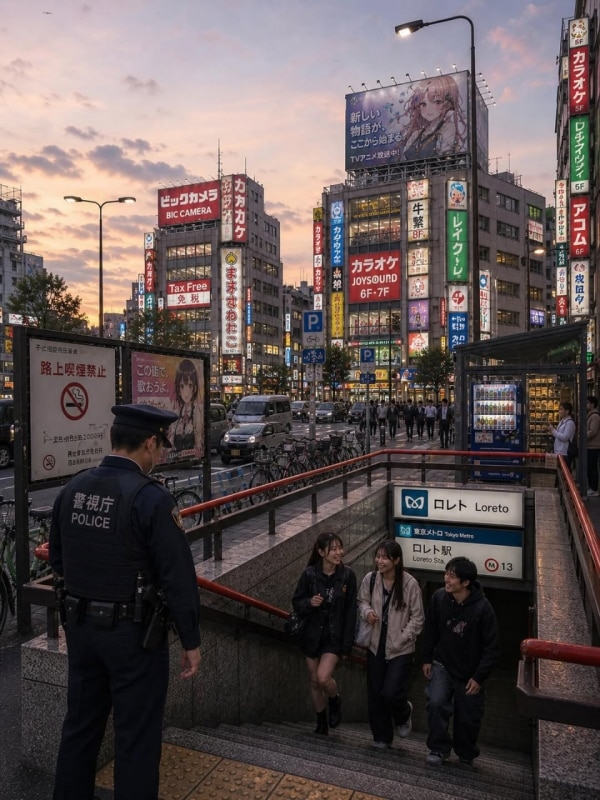
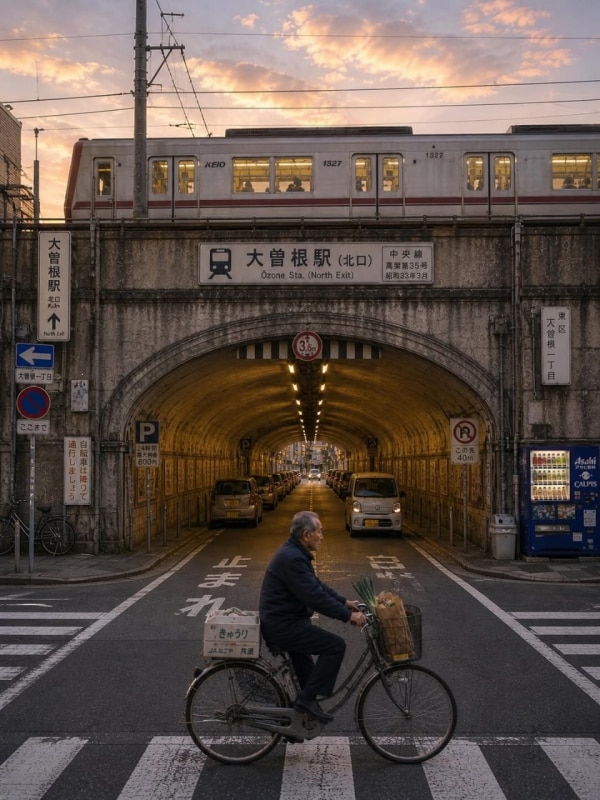
A takoyaki stand sits in front of a 1950s modernist building. The signs of a local supermarket on Via Venini have been rewritten in Japanese. An elderly man cycling past looks as though he has stepped out of a manga. Looking at the images published by Nippon Over Loreto, you might think you are wandering down a side street in Tokyo. Then you realize that the building is in Milan, the shop actually exists, and the sidewalk is only a few steps from Piazzale Loreto.
What began almost as a joke is now gaining traction on Instagram while revealing something deeper about the way we construct the image of cities, at a time shaped by overtourism, gentrification, and shifting ideas of belonging.
“More and more people are traveling to Japan and taking pictures of completely ordinary things,” the creator of the page tells Domus. “Vending machines, shop signs, pedestrian crossings—things you could find almost anywhere suddenly become extraordinary. I started wondering what would happen if we looked at our own neighborhoods through the same lens.” The goal, he explains, was never to imitate Japan but to rediscover the everyday character of a neighborhood that is often overlooked.
It’s as if millennials’ obsession with Japan has become a filter that can be applied to any city.
Nippon Over Loreto
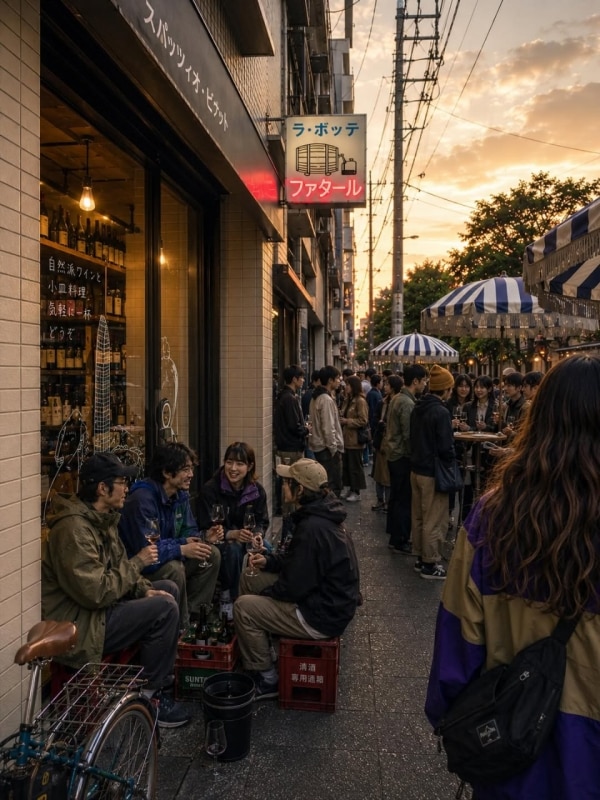
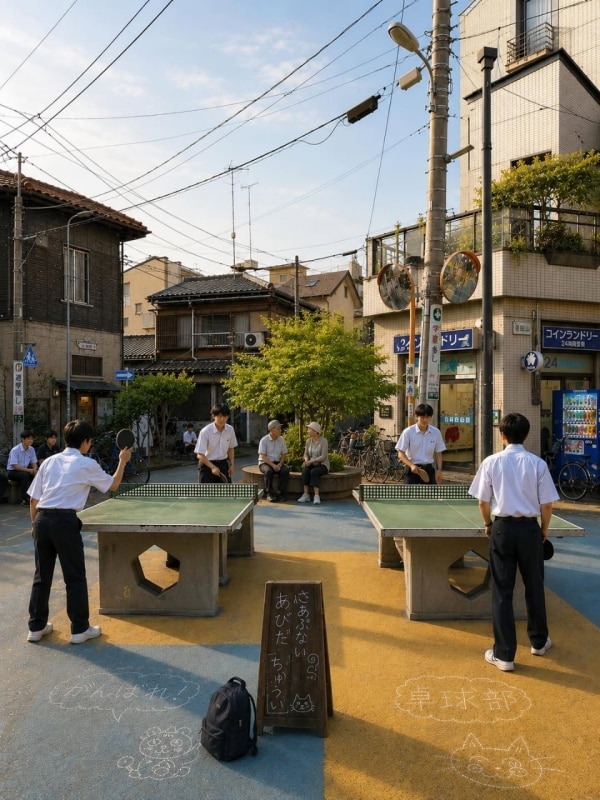
As a result, the Pasteur market takes on the appearance of a Tokyo fish market, Enoteca La Botte looks as if it belongs in a contemporary anime, and Piazza Arcobalena—one of Milan’s best-known playgrounds, near Piazzale Spoleto—becomes a gathering place for Japanese high-school students playing table tennis after class. The outcome is paradoxical: one of Milan’s neighborhoods most closely associated with cultural diversity suddenly becomes almost entirely Japanese.
The japan filter
In the images created by Nippon Over Loreto, the neighborhood’s geography remains unchanged. Buildings, shops, and public spaces are instantly recognizable to anyone familiar with the area. What changes are the visual codes: signs become written in katakana, overhead electrical wires multiply, advertising posters appear, neon lights glow, and all the visual elements that Western audiences typically associate with Japanese cities begin to emerge. “It’s as if millennials’ obsession with Japan has become a filter that can be applied to any city,” says the creator.
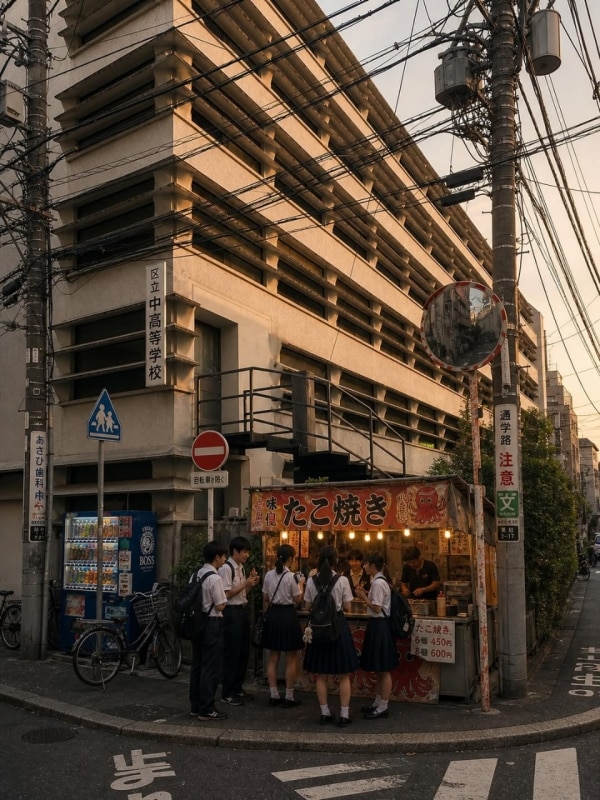
Rather than inventing new places, however, the project operates through translation. Original photographs are reworked using artificial intelligence while preserving architectural volumes and many of the existing urban details. Even the neighborhood’s characteristic graffiti survives the transformation, while signs and written text are translated directly by AI.
What interests the creator most is not image perfection but the reaction of those who have become devoted followers of the neighborhood over time. “The best part is the mistakes—the distorted faces, the wrong proportions. When you try to refine everything too much, you lose something. The first version often has more depth,” he says.
The source photographs are images accumulated over years of walking through the area. In some cases, locations are chosen because of their architectural significance. Among the creator’s favorites is the Civic Archive on Via Deledda, designed in the 1950s by Arrigo Arrighetti. He describes it as “beautiful in its absurdity.” In his reimagined scenes, the building becomes the perfect backdrop for a street-food stall frequented by students from the nearby school.
The neighborhood as narrative
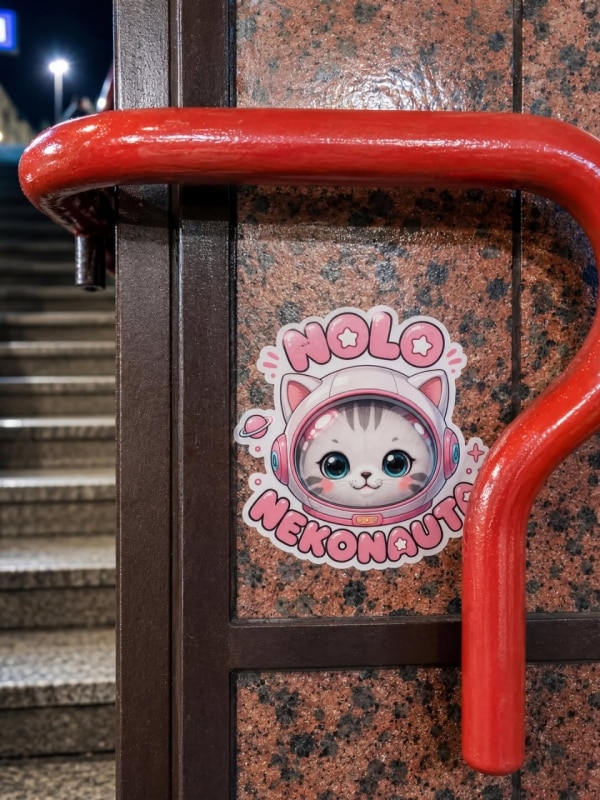
This attention to architecture and urban space also reveals something about the relationship between the project and the neighborhood itself. Nippon Over Loreto emerged in a part of Milan whose identity has been shaped as much by storytelling as by physical transformation. Before it became a recognized place, Nolo was first a name: an acronym and a branding exercise that transformed perceptions of an area long associated primarily with urban decline and insecurity.
Before people started calling it Nolo, it really was described as an unsafe area. Today the perception changed because someone started telling a different story about it.
Nippon Over Loreto
For this reason, the creator does not necessarily view place branding as a negative phenomenon. “Before people started calling it Nolo, it really was described as an unsafe area. Today the perception is different, and I don’t think that’s only because of physical changes. It changed because someone started telling a different story about it,” he says.
In recent years, Milan has multiplied its acronyms, micro-districts, and symbolic urban geographies. From Nolo to Noce, urban storytelling has become a tool capable of redefining the identity of places as much as the physical interventions that reshape them. Nippon Over Loreto fits into this tradition through an unexpected twist. To tell the story of a Milanese neighborhood, it imagines it on the other side of the world. In doing so, it suggests that what we perceive as exotic may not be an intrinsic quality of a place but a consequence of perspective. Change the lens, and a street on Via Padova can suddenly start to look like Shibuya.
All images: Courtesy of @nippon_over_loreto