

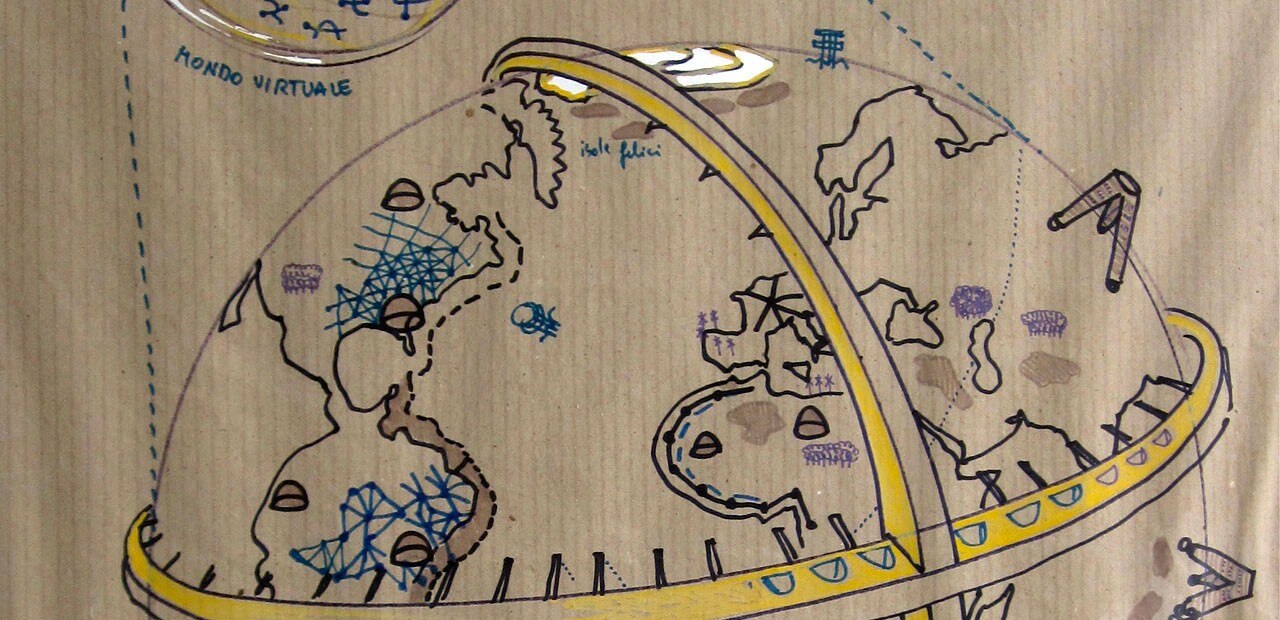
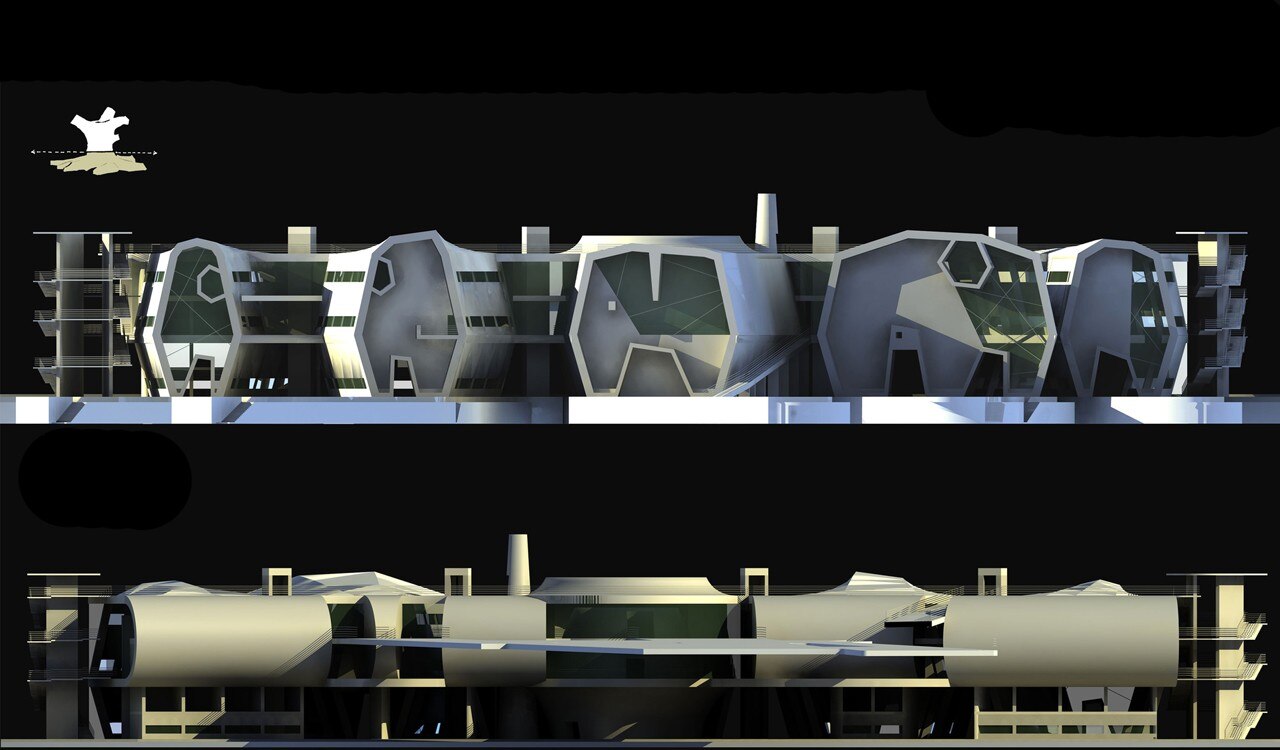
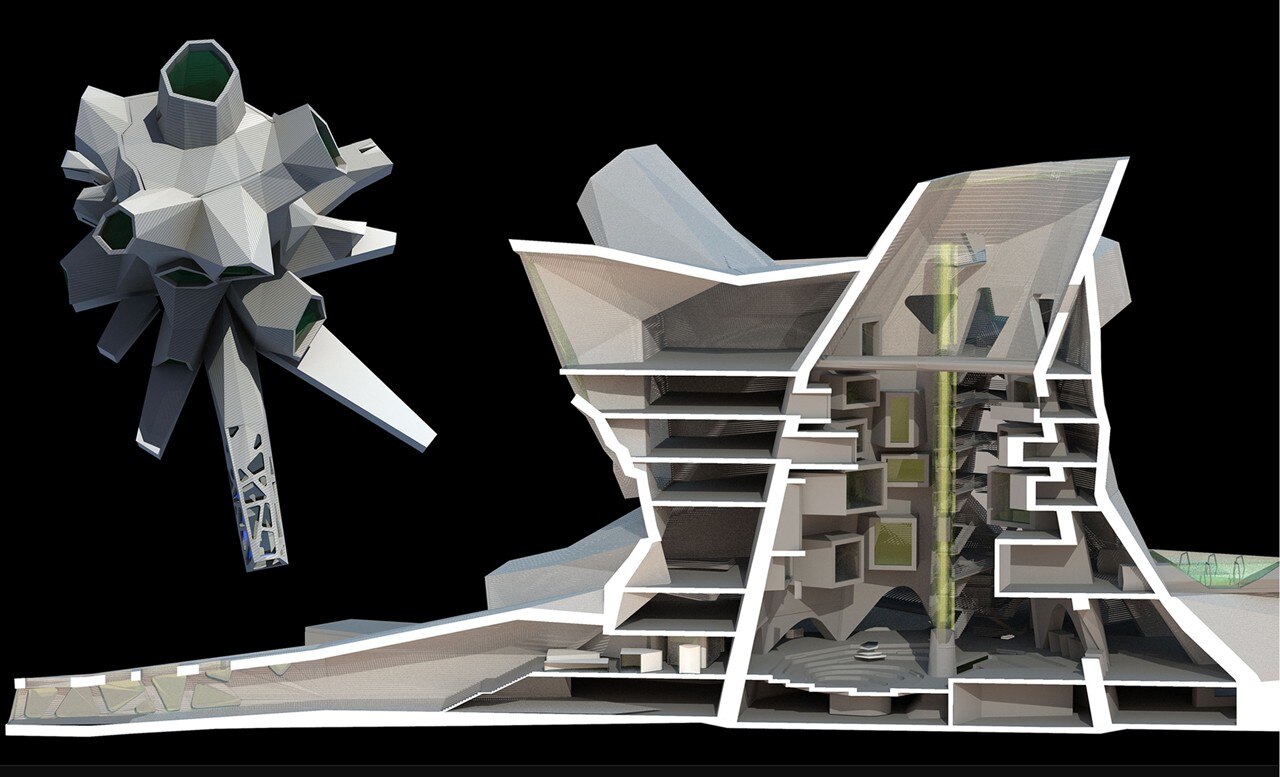
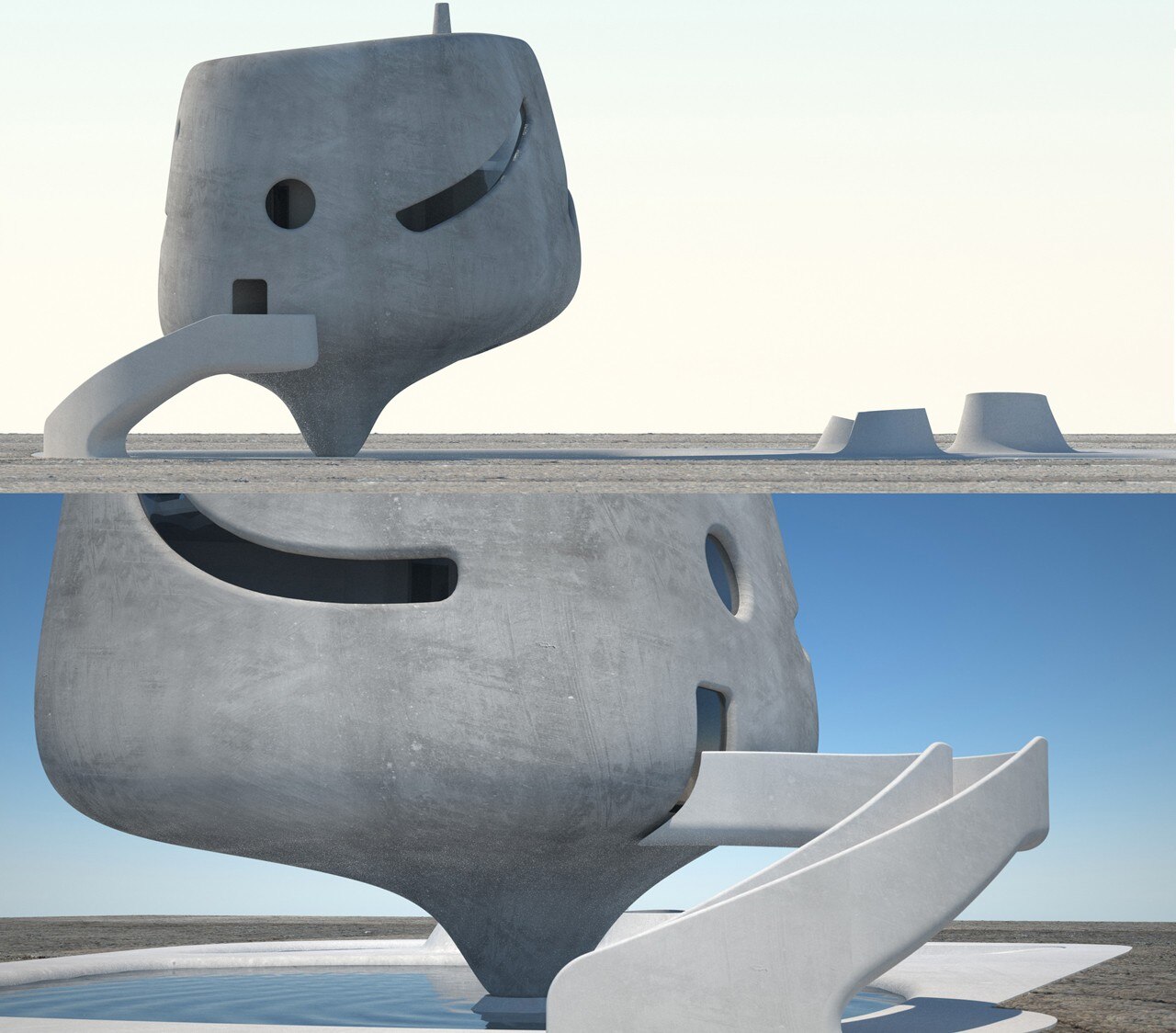
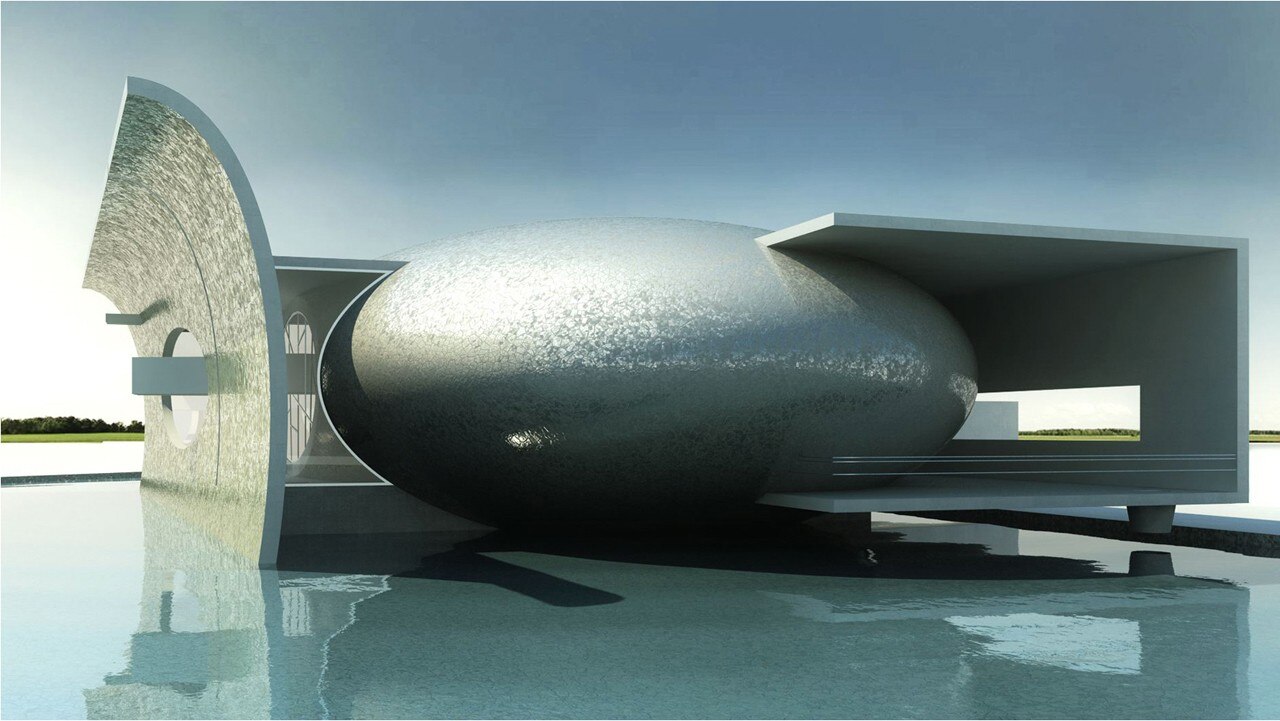

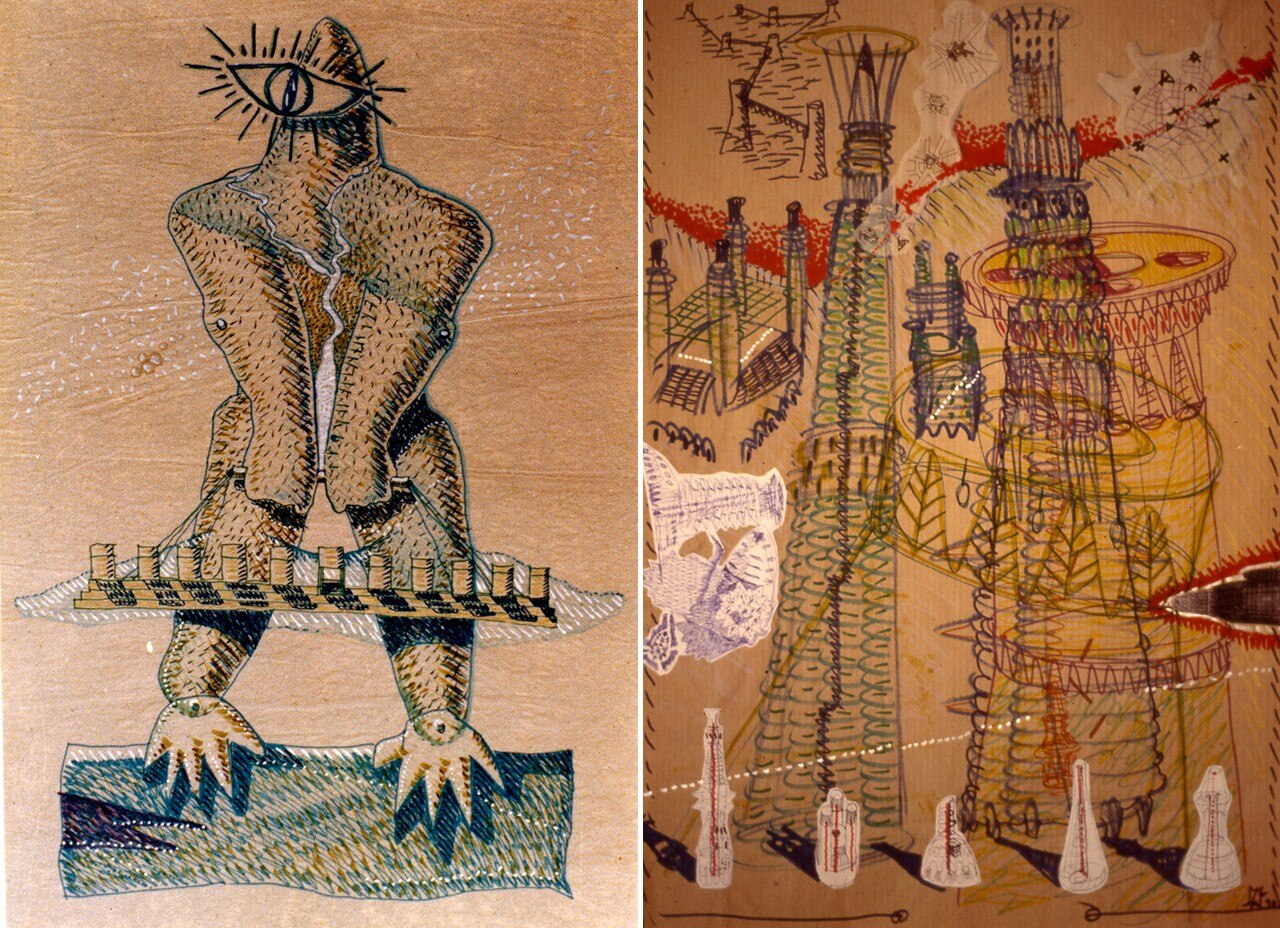
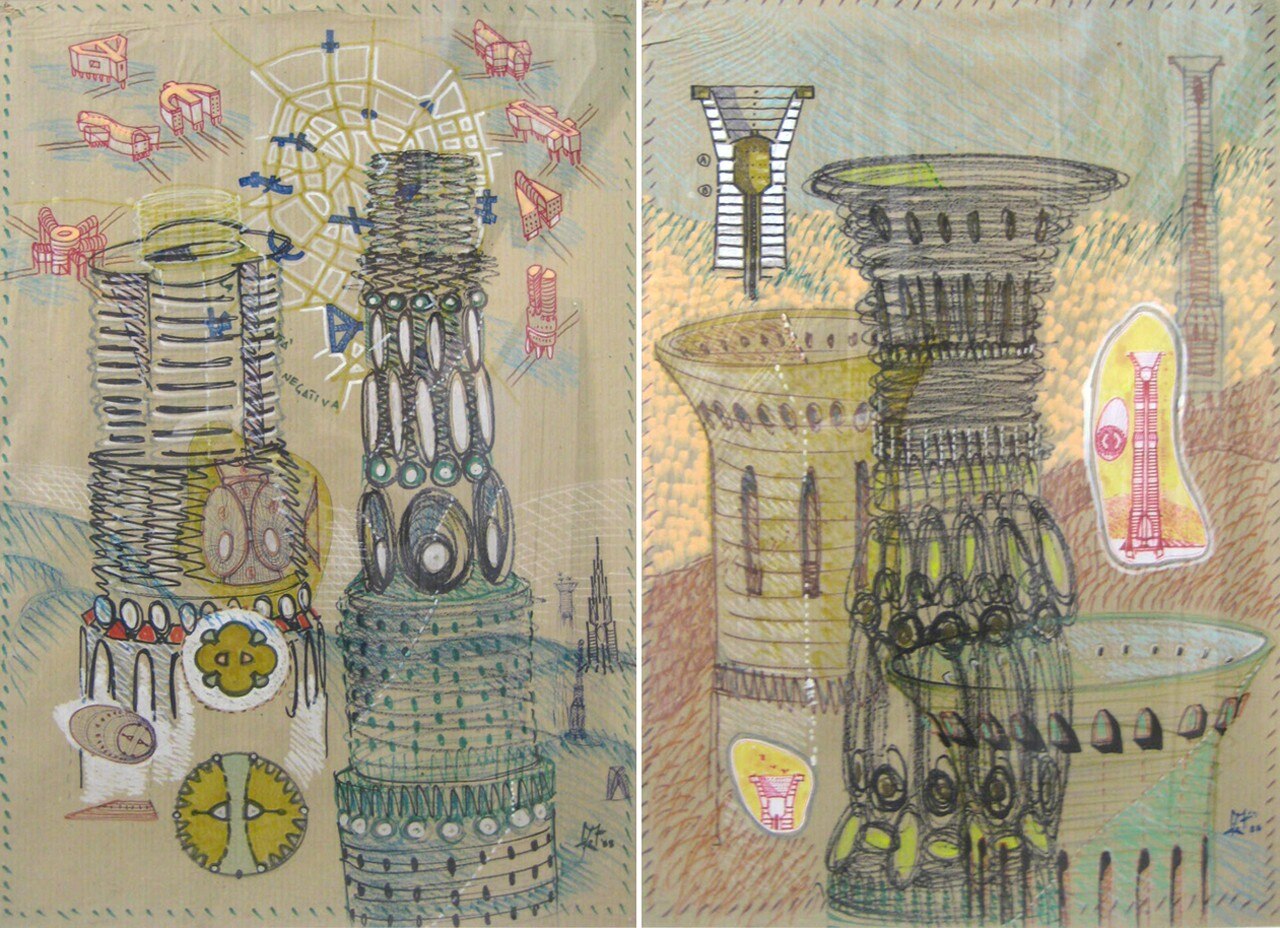
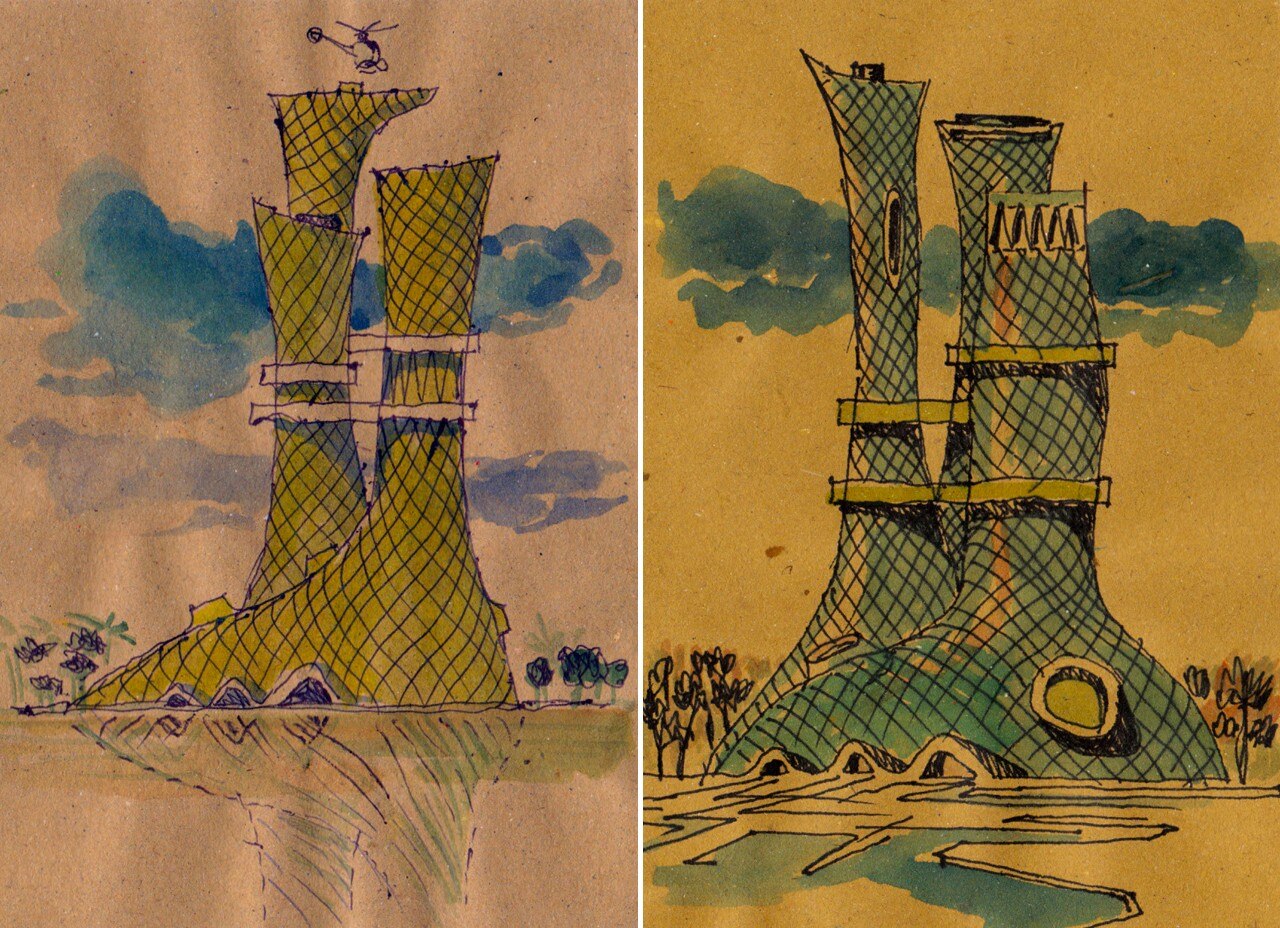
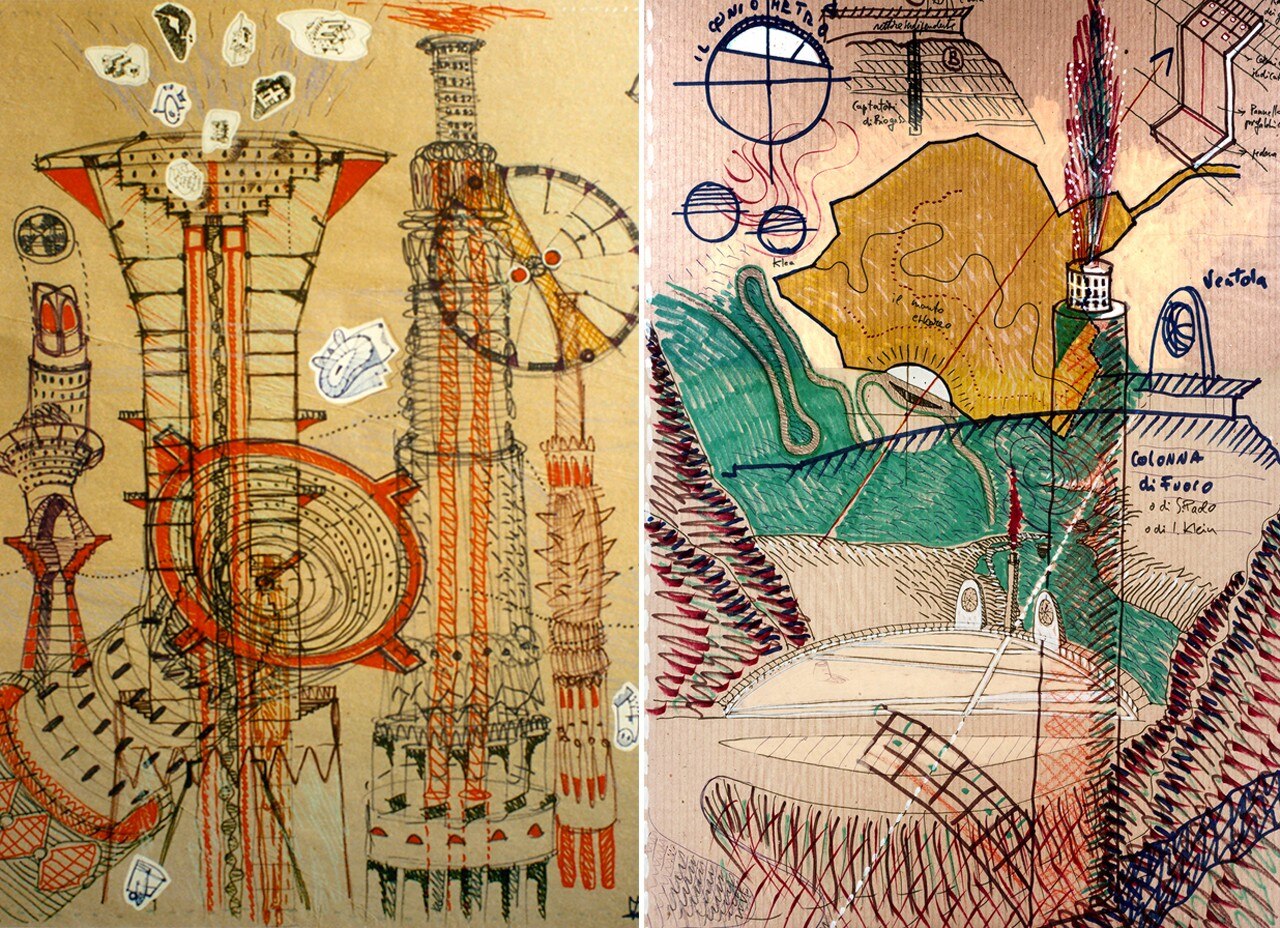
Taking brief and small steps inside Marcello Sèstito’s work gives an insight into some particularly valuable and remarkably intense dialectic contrasts.
The first is the conflictual relationship between finite and infinite, in which the form is split between the desire to result in something complete and the aspiration to construct itself beyond all limits, constantly being reborn out of itself.
The second is the antagonistic relationship between the unified whole and the fragment. In one sense, this results in a prevailing interest in the entirety of the form and, in another, a predominance of the inclination to display the form’s components as a system of separate entities.

The third is the contrast between a list-like approach to composition and a summarising intention by which things do not reveal their constituent materials, although they do allude cryptically to genetic taxonomies.
The fourth and most decisive dialectic contrast sees a struggle between the modern and the ancient in a sort of war with no holds barred. The modern is the outcome of the ancient but, equally, it is what, in an inversion of time, defines and legitimates the ancient.
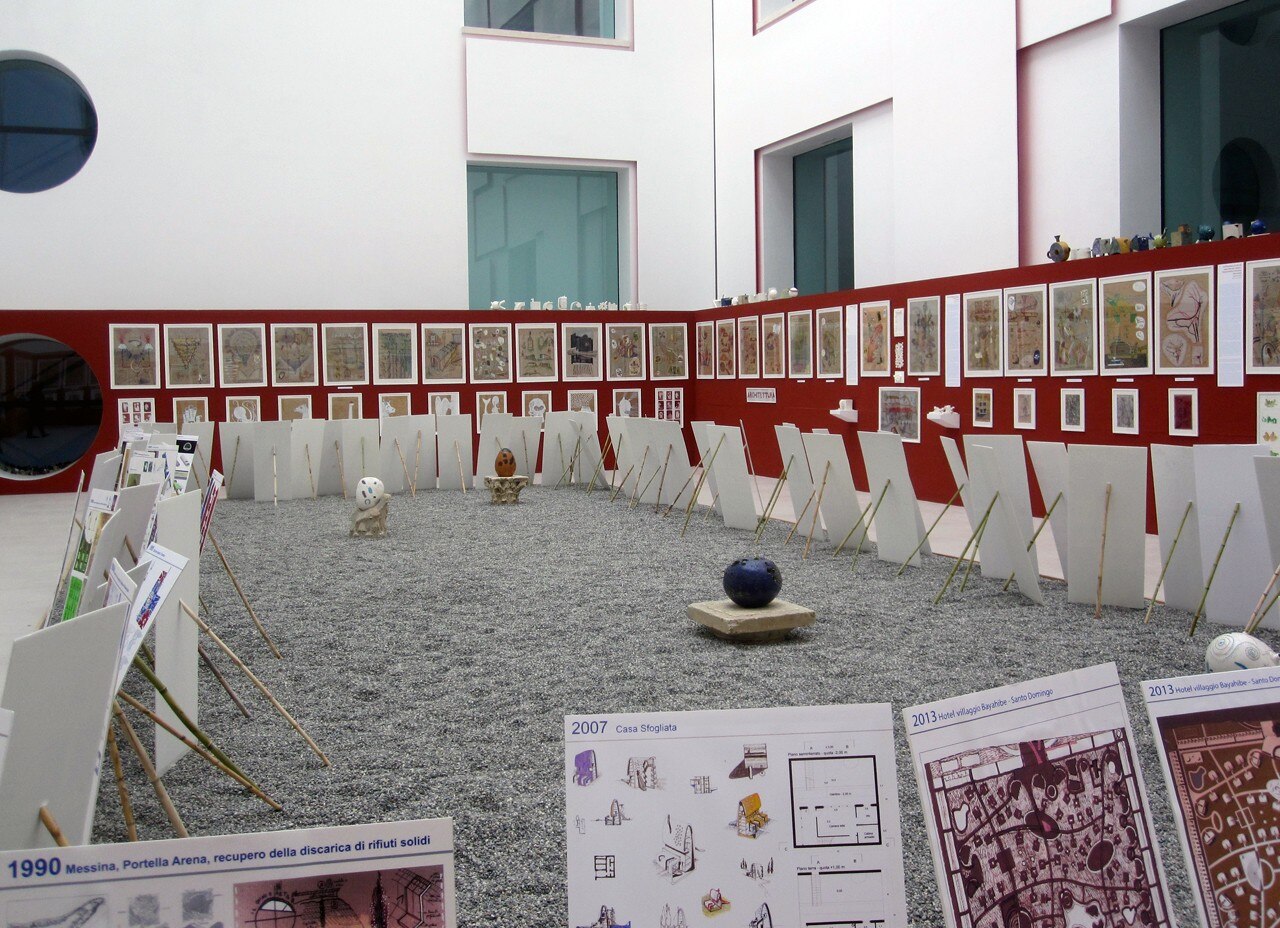
This veritable magic that overturns all precedence does not surprise me just as, I am sure, it does not surprise any of those who have, for years, followed the inspired and assiduous research of Marcello Sèstito, who is, above all, we should remember, a historic man.
For this simple reason, he always manages to see something new as the most advanced and astounding locus of knowledge and invention.

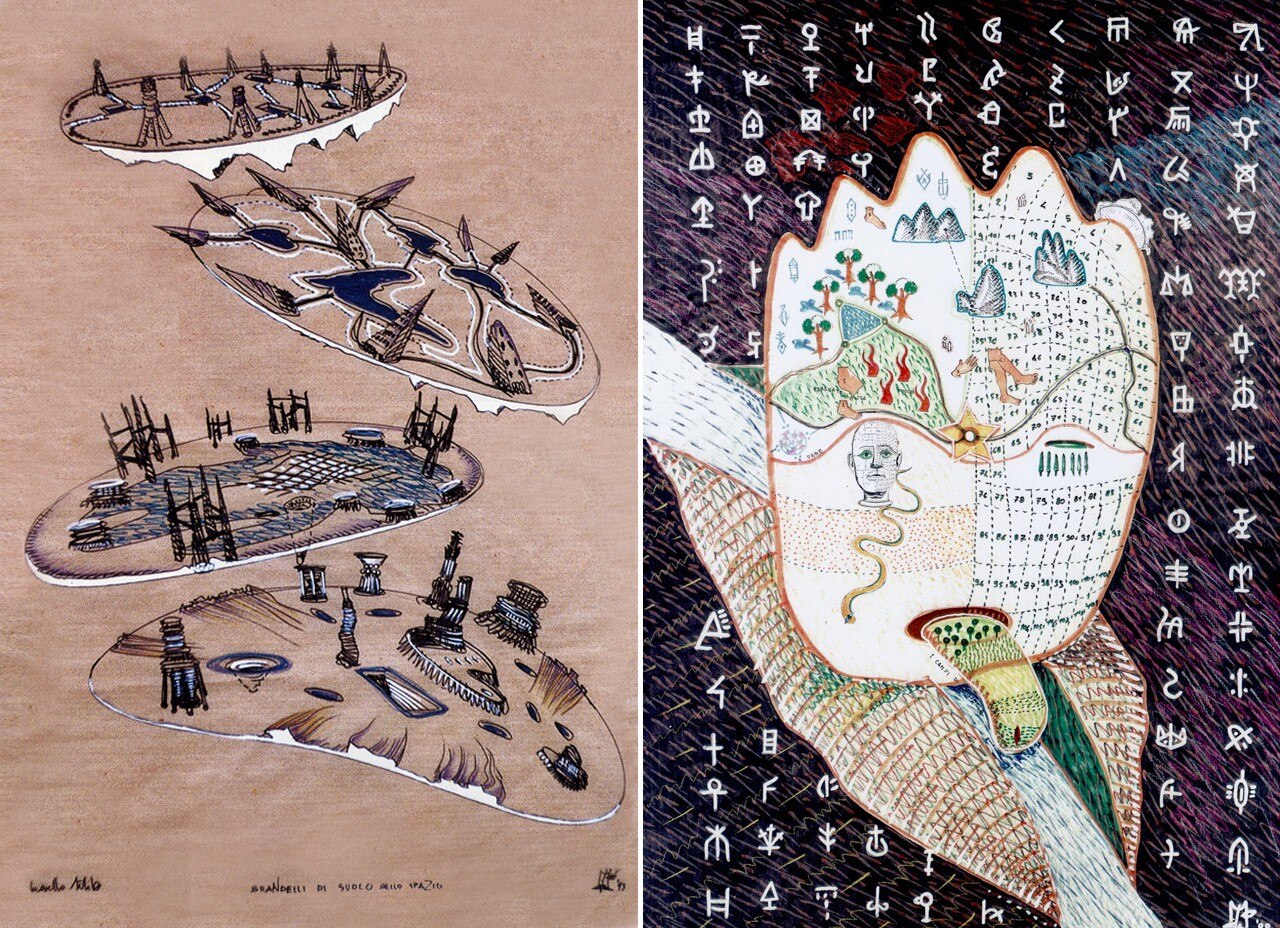
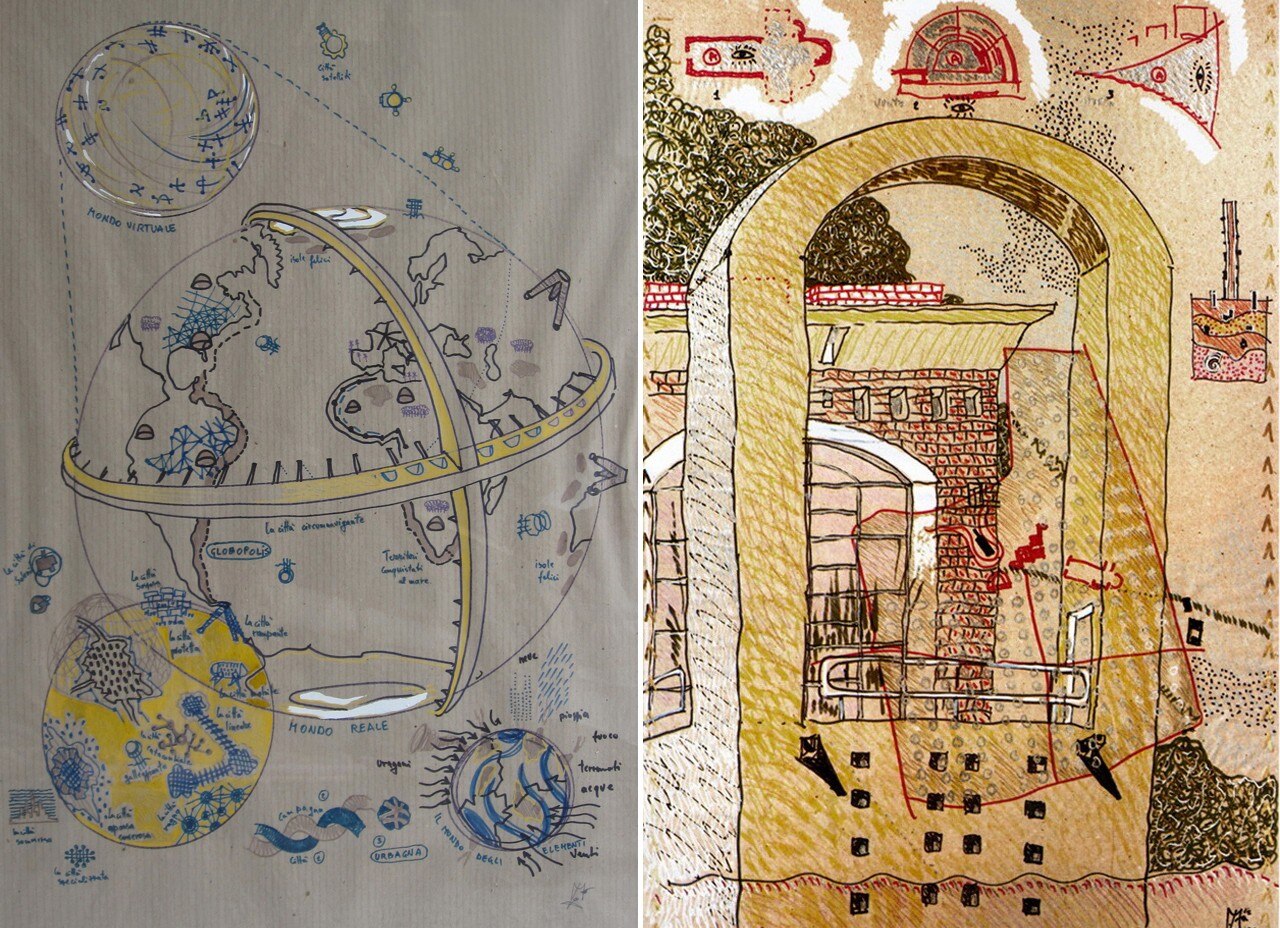
 View gallery


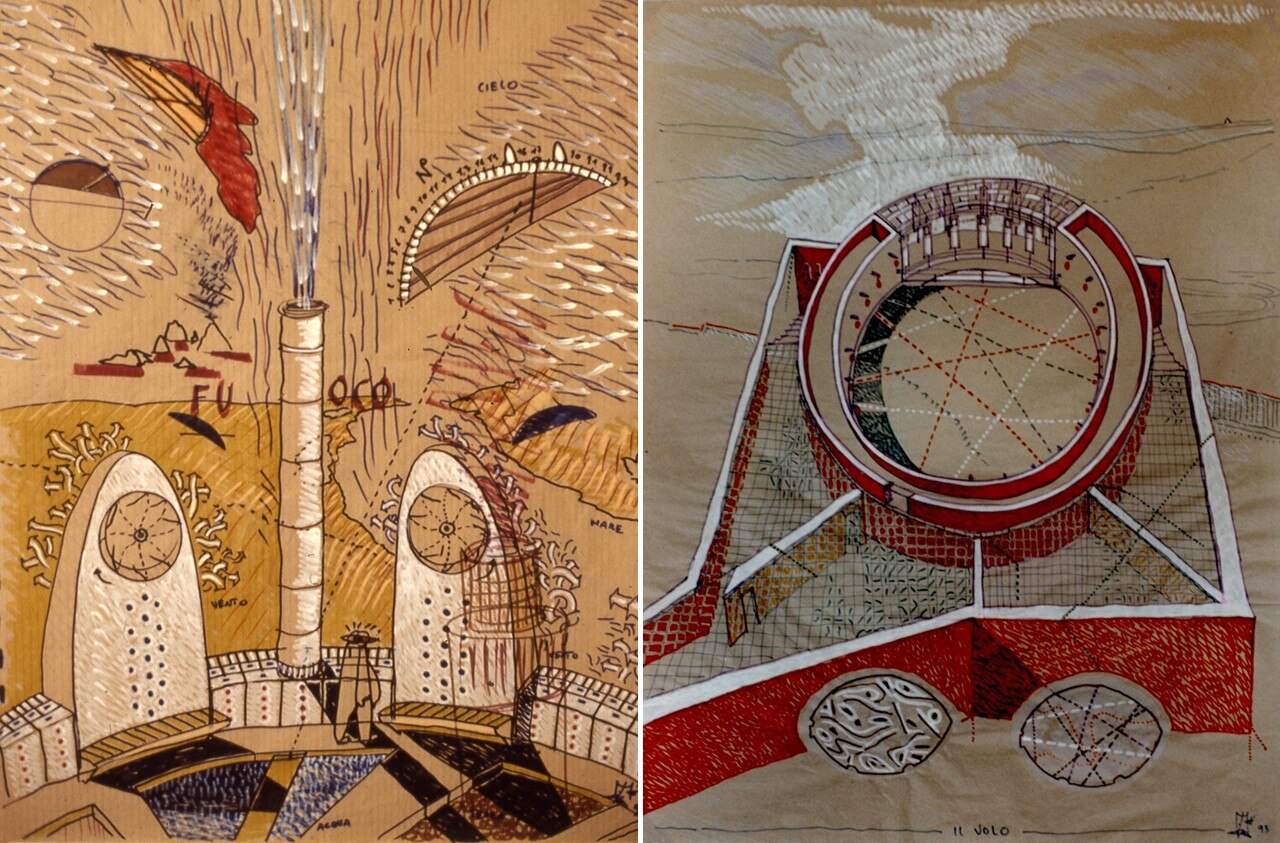
until 8 December 2013
In Carta di Pane. Architetture 1980 – 2013
Marcello Sèstito
Museo Archeologico Nazionale di Reggio Calabria
Piazza De Nava 26, Reggio di Calabria