-
Sections
-
Keywords
Bertone’s car design in 10 legendary models
1. Alfa Romeo B.A.T. 5 (1953)
Nuccio Bertone tasked Franco Scaglione with creating concept cars based on the Alfa Romeo 1900C chassis, aiming to amaze the public and achieve the lowest possible aerodynamic drag coefficient. The first B.A.T. - Berlinetta Aerodinamica Tecnica - was unveiled in 1953, followed by two more models in the subsequent years. True to their name, the B.A.T. featured a distinctive shape and wing-like surfaces at the rear.
Courtesy Archivio Quattroruote
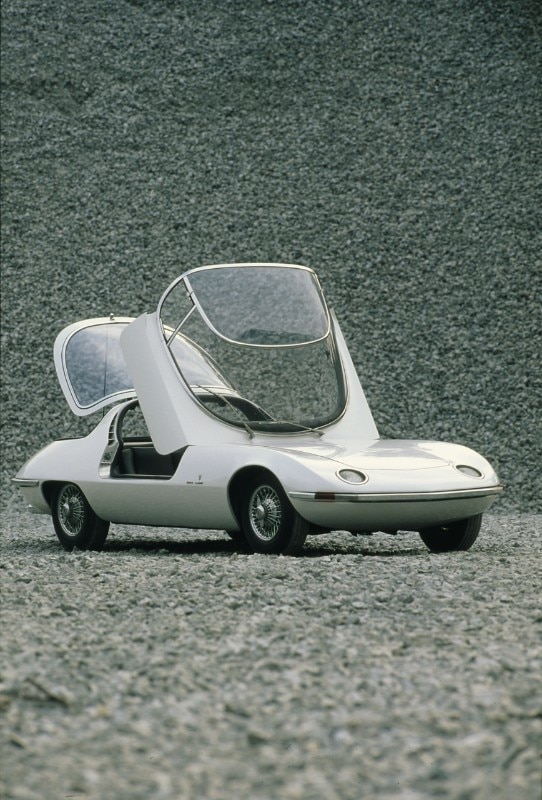
2. Chevrolet Testudo (1963)
Designed in 1963 by a young Giorgetto Giugiaro, the Chevrolet Testudo was based on the Chevrolet Corvair Monza. It significantly influenced many Bertone designs, such as the Miura, Montreal, and 850 Spider. Designer Anatole Lapine later claimed that the Testudo inspired his work on the 1977 Porsche 928. The Testudo was a sedan with an elongated front hood and the dashboard placed at the top of the center console.
Courtesy Archivio Quattroruote
3. Alfa Romeo Giulia GT (1964)
Previewed to the press on September 9th, 1963, along with its assembly line in Alfa Romeo's new plant in Arese, the Giulia GT was the first car produced there, though its engine and gearbox came from the Portello Factory. It was presented to the public three days later at the Frankfurt Motor Show, garnering numerous orders. The design was a triumph, and it was once again designed by Giugiaro.

Courtesy Archivio Quattroruote
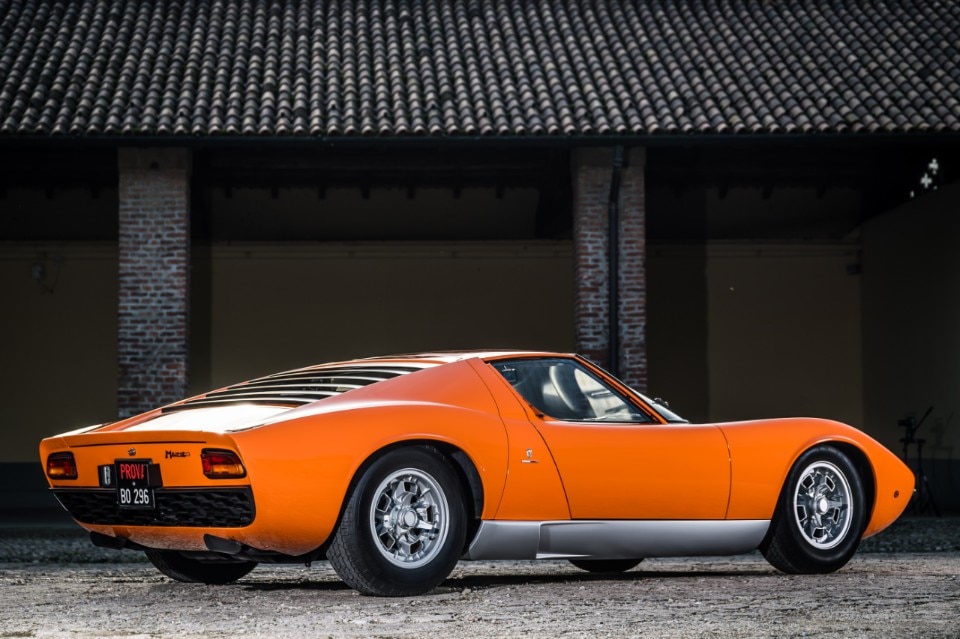
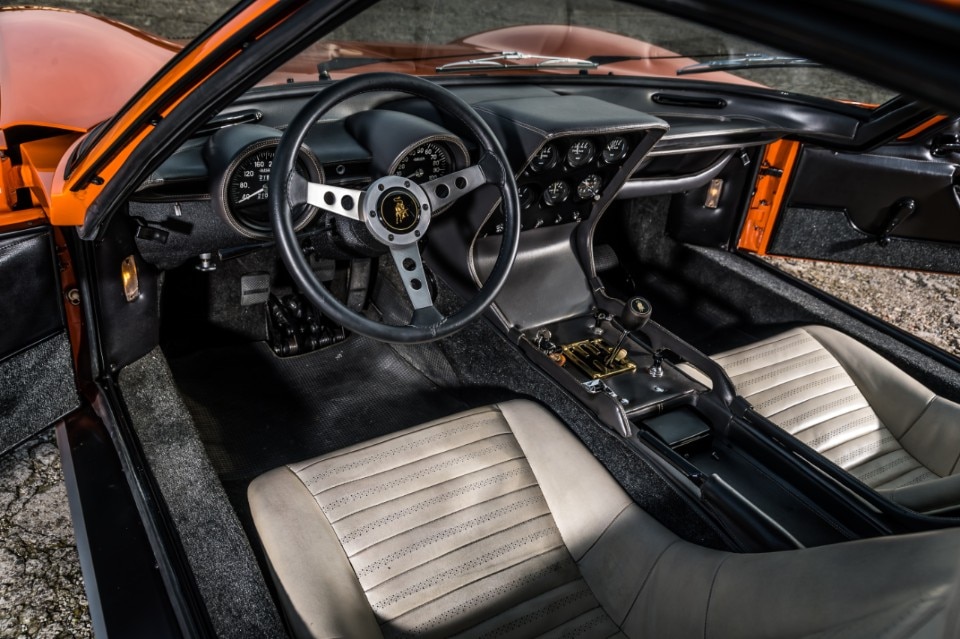
4. Lamborghini Miura (1966)
In an era dominated by front-engine grand tourers, the Miura introduced a revolutionary mid-transverse V12 layout. Designed in just four months by a young Marcello Gandini, who had recently replaced Giorgetto Giugiaro - who had moved to Carrozzeria Ghia - at Nuccio Bertone's atelier, the Miura became the first true supercar in history. It was low, curvy, sensual, and extraordinarily fast - unlike anything before.
Courtesy Archivio Quattroruote
5. Alfa Romeo Montreal (1967)
Tasked with creating a model representing the "highest attainable aspiration of man in automobiles" for the 1967 Montreal Expo, Alfa Romeo designed the Montreal, with a V8 under the hood and styling finalized by Gandini for Bertone. Contrary to expectations, the Montreal's elegance and technological prowess generated so much interest that Alfa Romeo decided to put it into production in 1970.
Courtesy Archivio Quattroruote
6. Alfa Romeo Carabo (1968)
The Carabo was the first of six concept cars derived from the Alfa Romeo 33 Stradale, created by renowned Italian car body designers. Named after a beetle, its bright coloring and innovative sharp, wedge-shaped lines, along with vertically opening doors, paved the way for modern supercars. It was designed by Marcello Gandini for Bertone in 1968.
Courtesy Archivio Quattroruote
7. Autobianchi Runabout (1969)
This small prototype - another masterpiece by Gandini - was a precursor to the Fiat X1/9 introduced a few years later. It also featured several elements that would appear in the Lancia Stratos. The Runabout's chassis was derived from the Autobianchi A112, but unlike the A112 it had a mid-engine - from Fiat 128 - and central gearbox, much like the Miura.
Courtesy Archivio Quattroruote
8. Lancia Strato’s Zero (1970)
Gandini's groundbreaking design stunned the Turin Motor Show with its revolutionary styling, particularly for a brand like Lancia. The prototype abolished doors; instead, the windshield opened, allowing entry by stepping over the articulated steering. The rear lights were simple luminous outlines of the tail, and the front featured ten side-by-side headlamps on the sharp nose. Immortal.
Courtesy Archivio Quattroruote
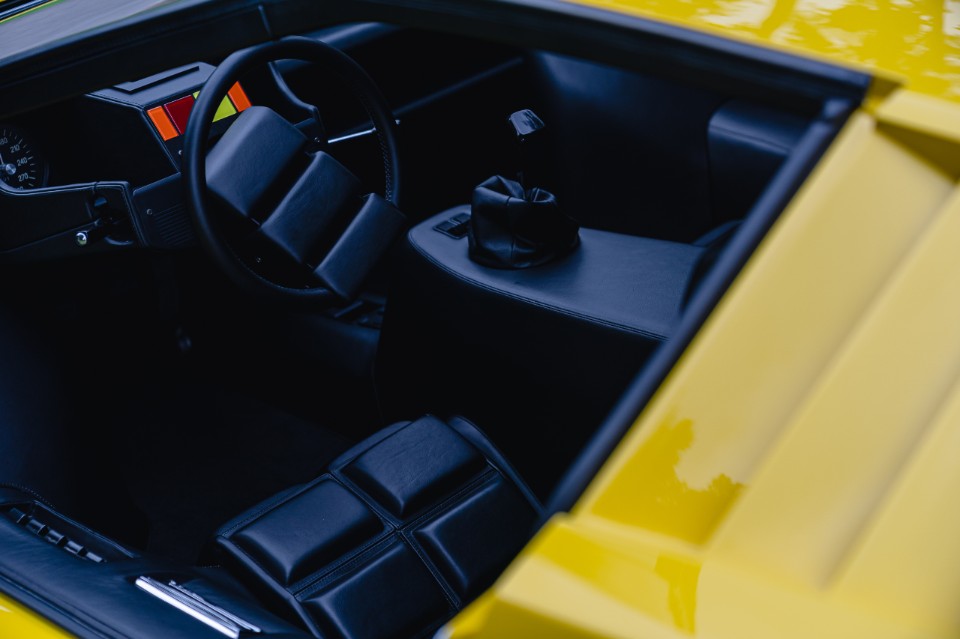
9. Lamborghini Countach LP500 (1971)
Gandini’s wedge design reached come - literally - to life with the Lamborghini Countach. The LP500 prototype debuted at the 1971 Geneva Motor Show, featuring a 5-liter, 440-horsepower V12 capable of reaching speeds near 180 mph. The bodywork was painted in a blazing Sunflower Yellow, igniting passion in anyone who saw it. The Countach went into production two years later until 1990.
Courtesy Archivio Quattroruote
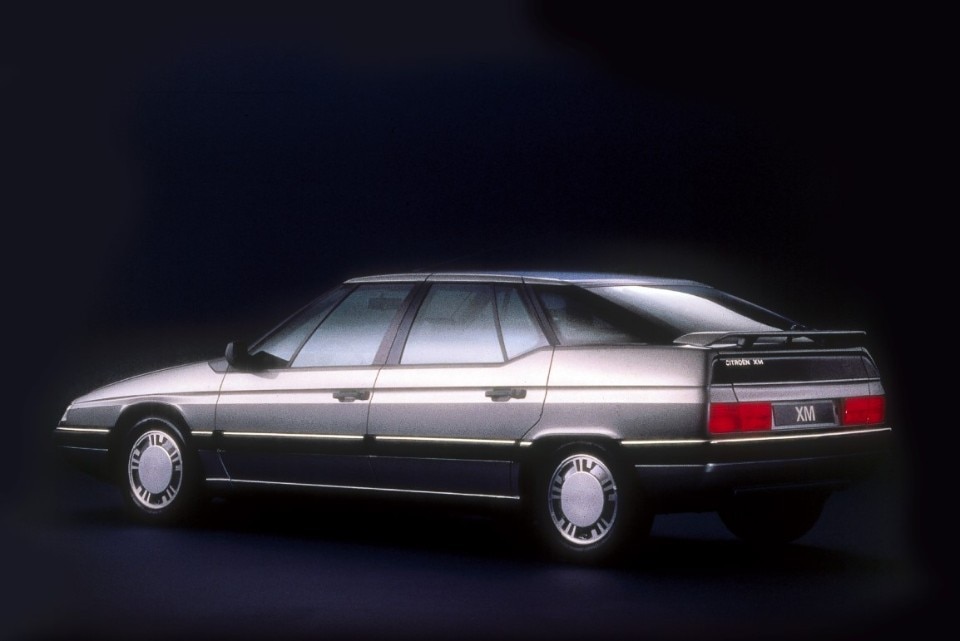
10. Citroën XM (1989)
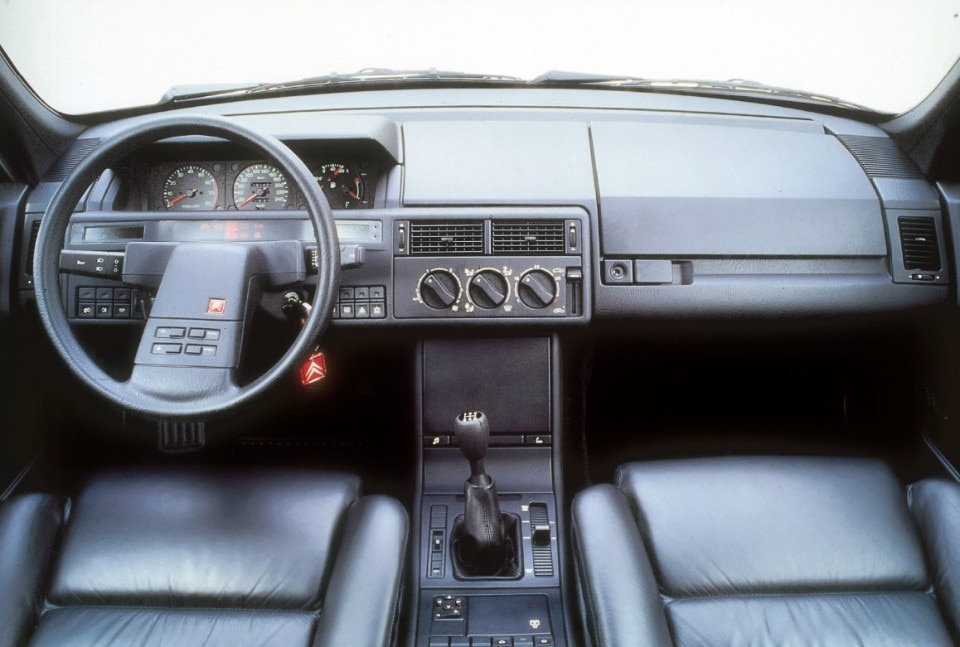
Voted 1990 Car of the Year for its design and technological innovation, the XM was the first mass production car to feature electronically controlled hydropneumatic suspension. Designed by Marc Deschamps for Bertone with a style that surpassed that of the Citroën Style Center's proposal, it was criticized for not deviating from the CX it was meant to replace.
Courtesy Archivio Quattroruote