OK
Domus Domus
newsstand
SUBSCRIBE
  • Magazine
  • Digital Edition
  • Digital Archive
LANGUAGE
  • it
  • en
Hi Logout
Sign up / Log in
  • News
  • Architecture
  • Interiors
  • Design
  • Art
  • Archive
  • Products
  • Design Essentials
  • Design Stories
  • Submit your project
Sections
  • News
  • Architecture
  • Interiors
  • Design
  • Art
  • Archive
  • Products
  • Covers
  • Biographies
  • Architecture Firms
  • Sustainable Cities
  • Gallery
  • Design Stories
  • Domus for Design
Magazine
  • Subscriptions
  • Digital Edition
  • Current Issue
  • Guest Editor
  • Digital Archive
  • Nordic Design
Specials
  • Design Essentials
  • Modern Work
  • DomusAir
  • Milano Design Week
  • Worldesign
Current Issue

Domus 1106 hits the shelves

Follow us
LANGUAGE
  • it
  • en
Hi Logout
Sign up / Log in
newsletter Icon
results No results Please enter a long search term

      Why it’s important to use the right material: the example of wood

      Why it’s important to use the right material: the example of wood

      Next gallery

      According to Konstantin Grcic future is an open design

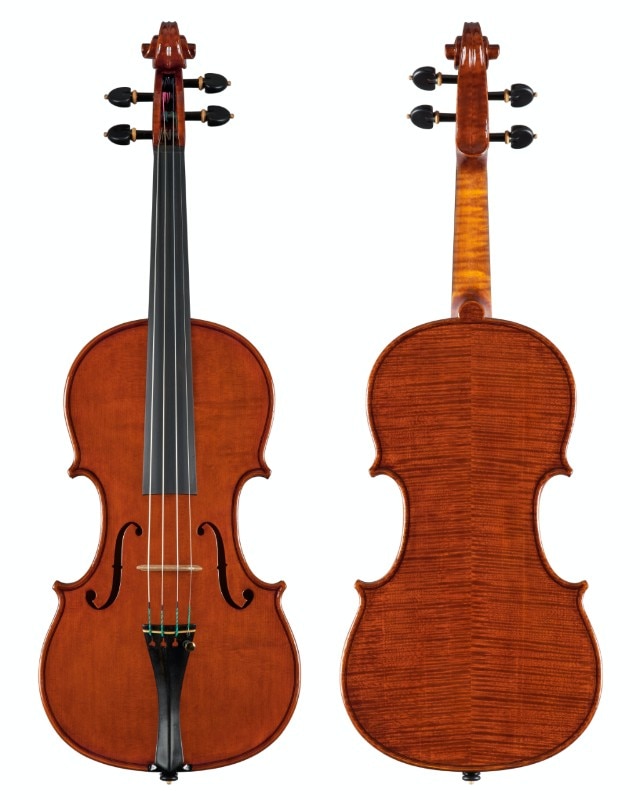
      1. Sound boxes for musical instruments

      The sound boxes of certain string instruments, such as violins, are still made from carefully selected woods (like the Italian spruce) because their ringed structure and tiny introflections enhance the intensity of the sound. These woods combine extreme lightness and strength with excellent sound propagation properties.

      Courtesy Roberto Delfanti, Unsplash

      View article
      View article
      • SHARE
      • PIN IT

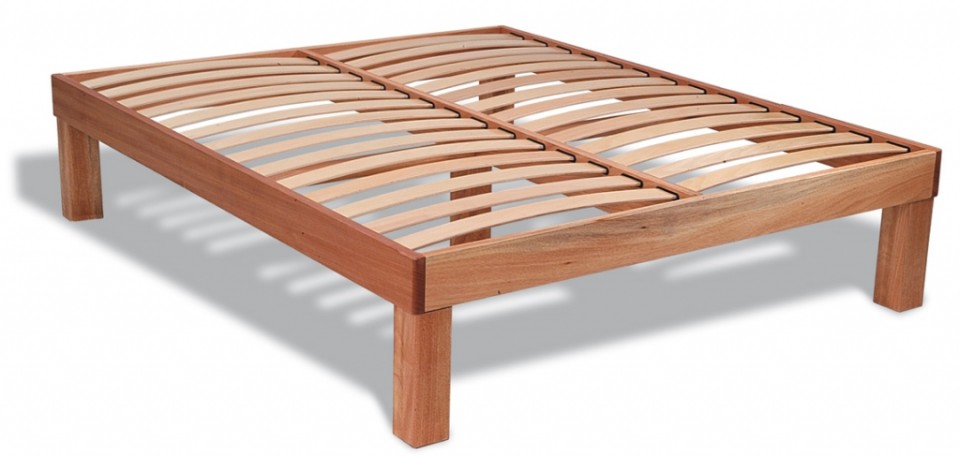
      2. Slats for orthopedic bed frames

      The slats for orthopedic bed bases, which we all know, have a carefully thought-out slightly arched shape and, generally, are made of birch or beech, woods that make it possible to obtain an elastic, durable, flexible and stress-resistant element. Without forgetting the usually affordable cost. Most of the supplies of pre-finished staves come from Eastern European countries and, in particular, from Ukraine: in this historical moment, due to a period of profound geopolitical instability and time of war, the availability and cost of this semi-finished product has put our manufacturing sector in great difficulty. Obviously, this discourse extends to all sectors… even those apparently unthinkable.

      Courtesy Qu.ma. Arredamenti S.r.l.

      View article
      View article
      • SHARE
      • PIN IT

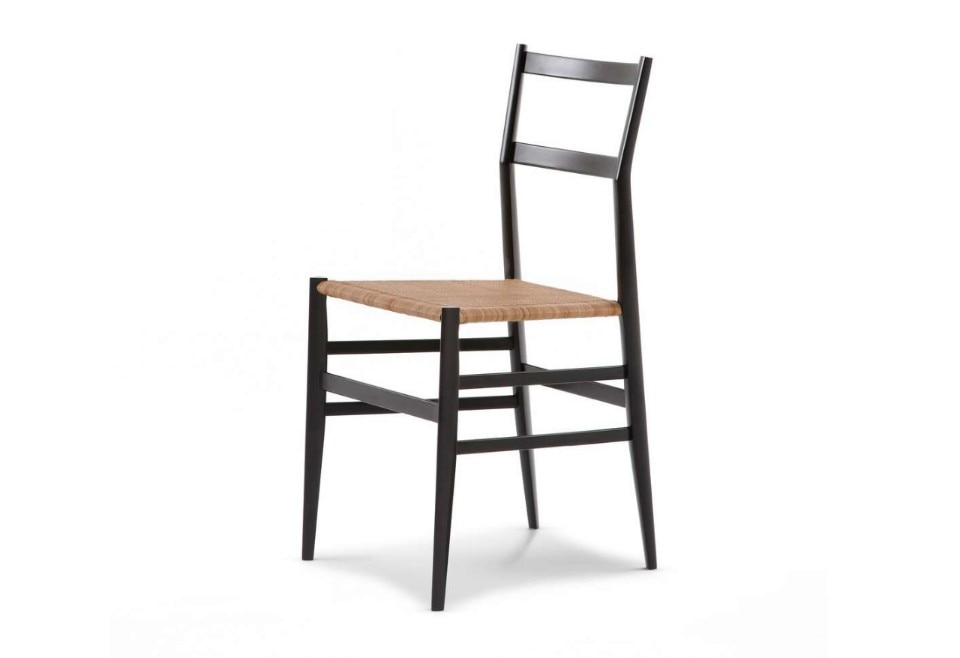
      3. Interior furnishing

      When it comes to using wood in interior design, Gio Ponti’s Superleggera chair immediately comes to mind... In this case, we Italian play at home. Characterised by the extremely small triangular sections of the legs made of ash wood, just eighteen millimetres thick and weighing around 1700 grams, it has become a worldwide symbol of Italian craftsmanship and of the architect’s research. The result is an enviable strength (thanks also to the joints used and the structure of the seat in beech) associated with a minimum amount of material used, a unique and unrepeatable design that makes me think how difficult it would be to imagine another wooden chair with less material than the heir to the Chiavari chair.

      Superleggera, Gio Ponti, 1957
      Courtesy Cassina S.p.A

      View article
      View article
      • SHARE
      • PIN IT

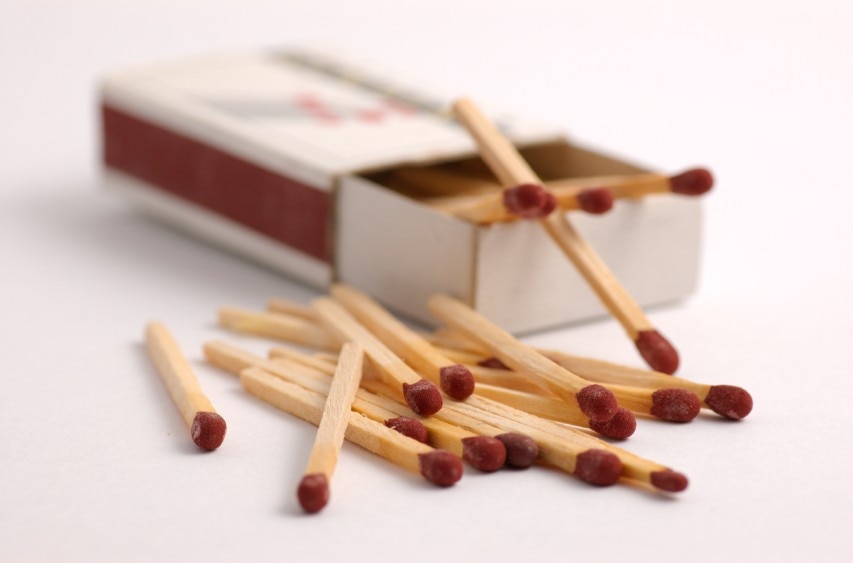
      4. Matches

      A match consists of a combustible stem - generally made of poplar wood, in its various varieties - the end of which is covered with a substance that, after being rubbed over a rough surface or coated with special mixtures, creates a short-lived flame. The wooden body of the match, as it burns, feeds the flame, becoming an object that I would define as self-extinguishing. Once lit, the remaining wooden part of the match, even if mistakenly dispersed in the environment, is biodegradable.

      Courtesy © 2022 MeteoWeb

      View article
      View article
      • SHARE
      • PIN IT

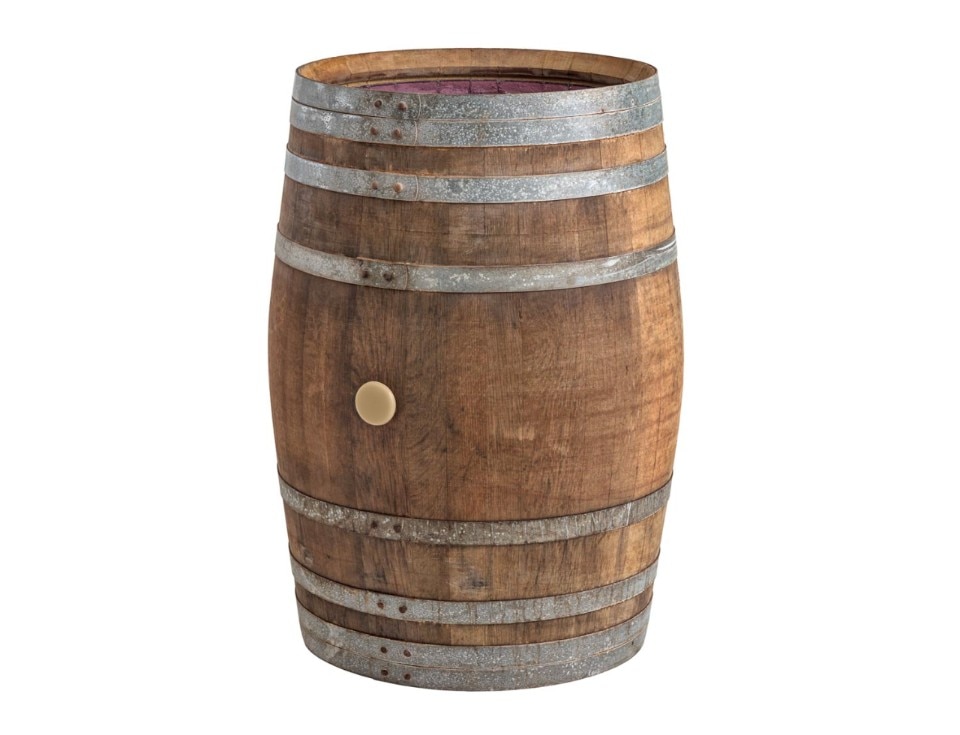
      5. Wine barrels

      Wooden barrels are typically used to contain, refine and store wine while it ages. They are made of curved wooden staves, the essence of which (it could be oak from different parts of the world, or chestnut) is selected for its porosity, elasticity, robustness and ability to “dialogue” with the wine itself, thereby giving the product refined aromatic notes. The use of a certain type of wood is an important factor because it makes it possible to create resistant and long-lasting barrels. The material used, thanks also to specific processes such as toasting, can have a decisive influence on the typification of the product and, therefore, on its organoleptic properties. 

      Courtesy © shopware AG

      View article
      View article
      • SHARE
      • PIN IT

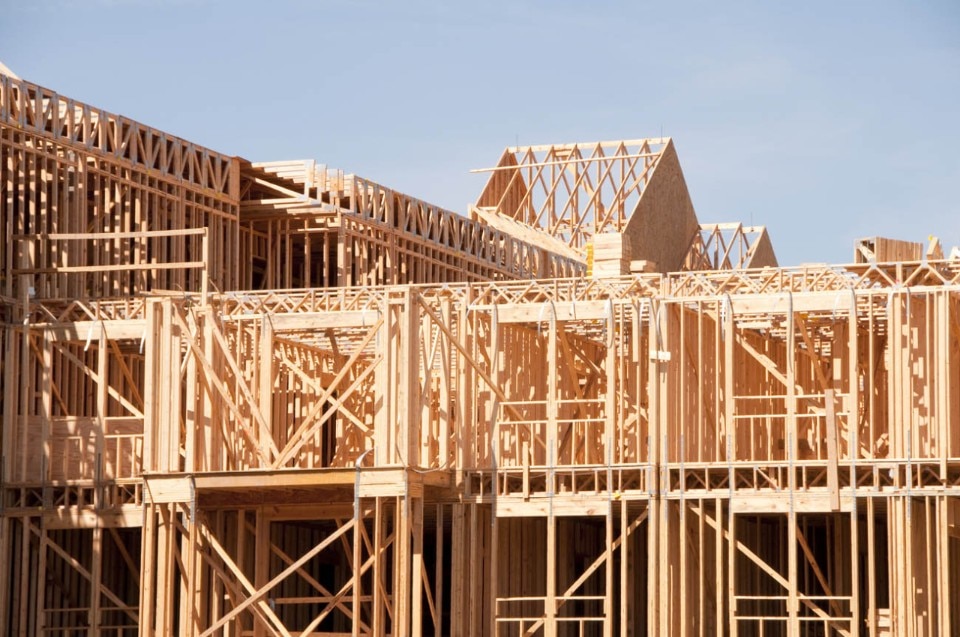
      6. Wooden constructions for homes and other purposes

      Wooden constructions for homes or other purposes, which have been widely used in various parts of the world for centuries, tend to exploit certain characteristics of the material - its strength, sound and heat insulation properties to create a sustainable, healthy microclimate, as well as its easy workability and wide availability of the raw material. Thanks to wood, the type of which is usually chosen in relation to the area of use to cut costs and increase integration with the context, it is now also possible to build individual construction components or prefabricated buildings with modules that can be assembled on site. It is certainly interesting to live inside a structure that in some ways reminds us of a natural organism, and whose irregular external walls recall the skin of a human being.

      Courtesy Caseprefabbricateinlegno

      View article
      View article
      • SHARE
      • PIN IT

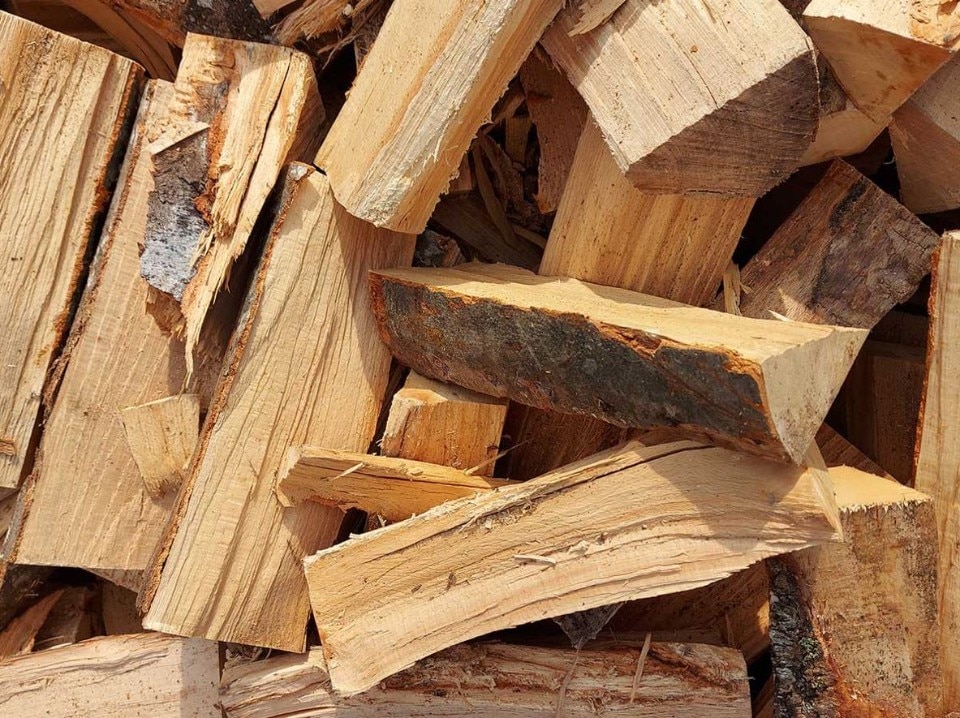
      7. Firewood chunks

      Using firewood chunks is an age-old but still widespread practice, at least in some areas, for heating indoor spaces. Firewood chunks are generally made from autochthonous wood and the drying process is essential to obtain quality wood that provides adequate heat. Certainly, some important considerations should be made concerning the degree of pollution caused by burning wood, thus preferring more environmentally friendly solutions that do not release harmful substances into the environment. While the use of wood as a fuel to create heat may seem virtuous, it would also be useful to consider medium- and long-term consequences.

      Courtesy © 2022 Cigaway

      View article
      View article
      • SHARE
      • PIN IT

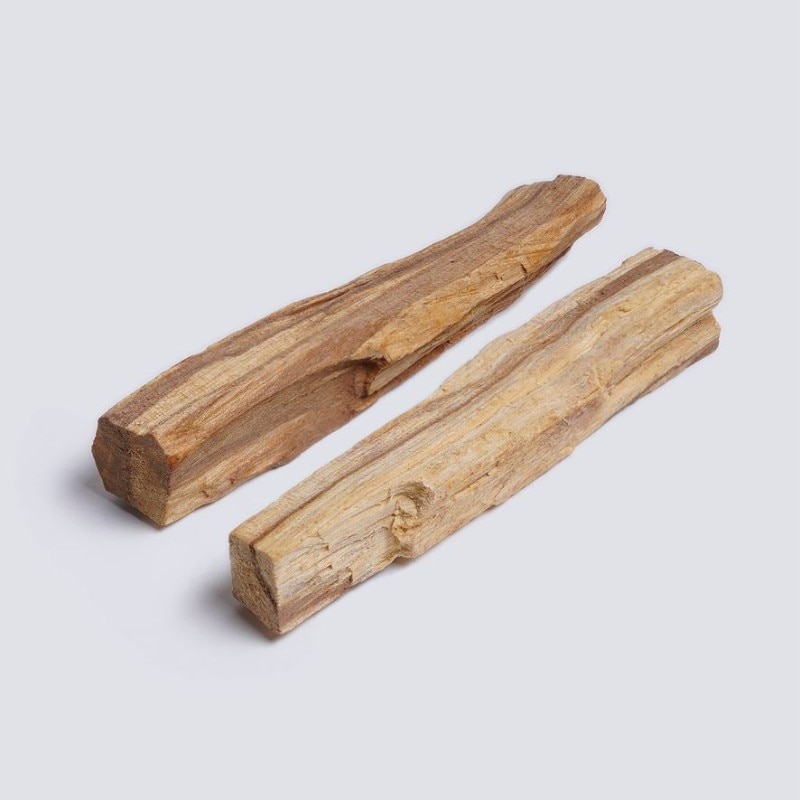
      8. Incense sticks

      Palo Santo wood sticks, flakes or powder can be burned, like incense, to release fragrances or aromatic smoke; this is a different but interesting use from the other uses listed above, because the function of the plant material manifests itself after its transformation from a solid state, through combustion.

      Courtesy Solstizio Milano di Mario Jerez © 2021

      View article
      View article
      • SHARE
      • PIN IT

      9. Objects for outdoor spaces

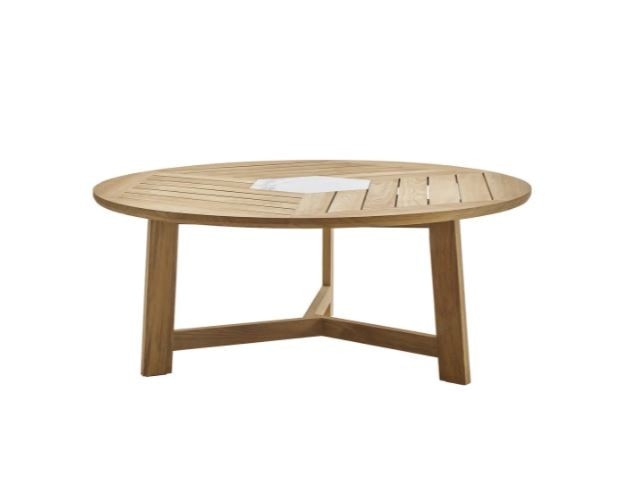
      Wood is used in a variety of outdoor furniture such as tables and deckchairs made of teak. Typically used in shipbuilding, this wood is highly resistant when exposed to sun, rain, humidity and salt.

      Ginestra, Antonio Citterio, B&B Italia, 2017
      Courtesy © 2022 B&B ITALIA SPA

      View article
      View article
      • SHARE
      • PIN IT

      10. Archery bows

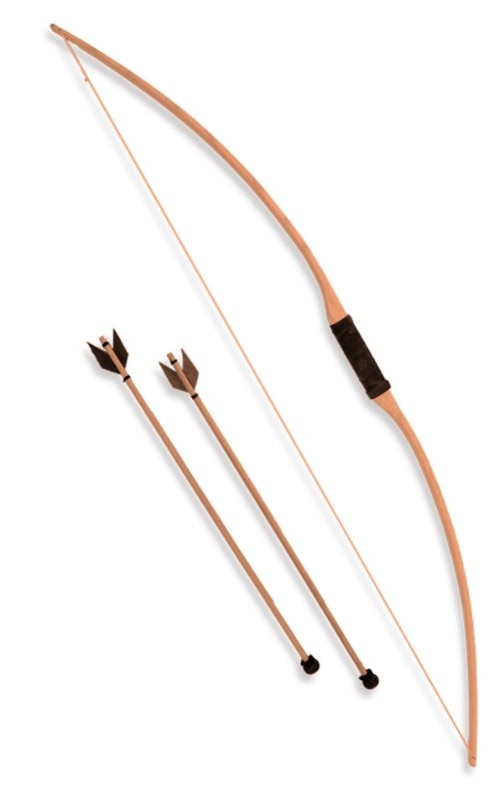
      The bow is now used almost exclusively as a sporting tool: it is used to store potential energy, by deforming itself, and to release it quickly by shooting the arrow. Nowadays there are different types of bows, either monolithic or composite, depending on their use, and the limbs can still be made from wood; for example, ash or yew wood are excellent for their flexibility and resistance to distortion.

      Courtesy © 2022 Associazione Saluzzo

      View article
      View article
      • SHARE
      • PIN IT

      11. Toothpicks

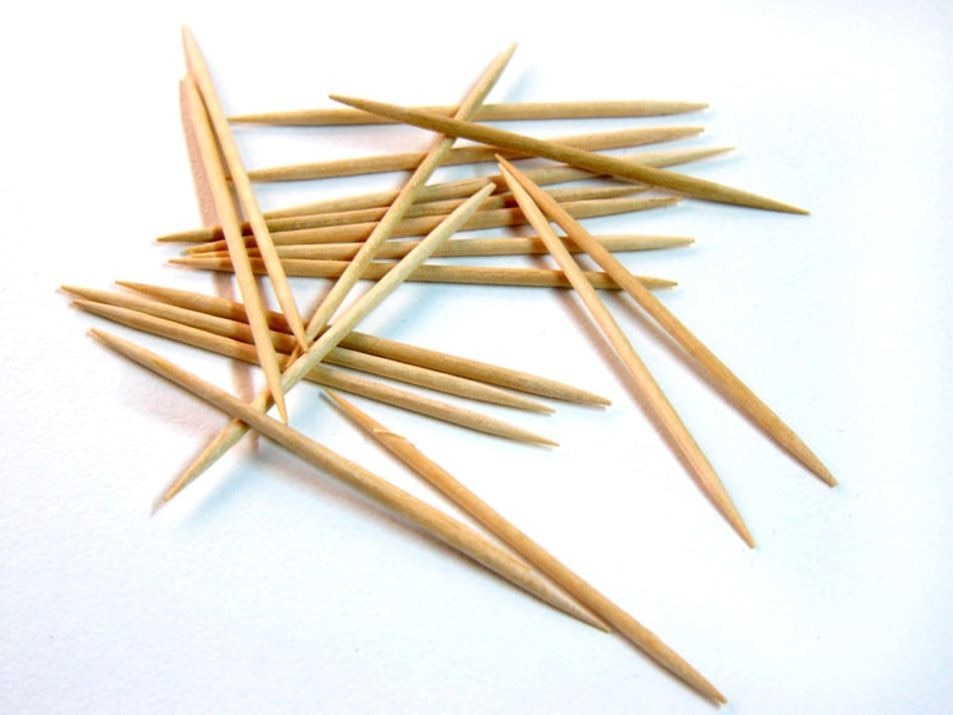
      Toothpicks are a commonly used ‘disposable’ object for removing food residues that got stuck between your teeth. The thin cylindrical shape, pointed at both ends, has always been achieved with the use of wood, especially birch wood, because it allows to obtain a small and very thin, resistant, odourless and tasteless product that can also be used to pick up food... almost as if it were a fork.

      Courtesy © In Punta di Forchetta 2022

      View article
      View article
      • SHARE
      • PIN IT

      12. Pencils

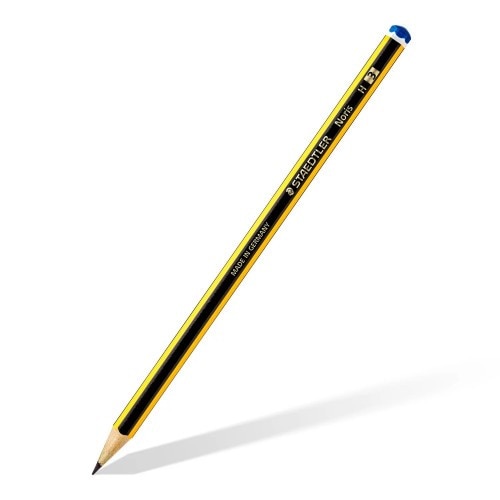
      The pencil is a disposable writing and drawing tool designed as a casing made of various types of wood (e.g. Juniper, Poplar, or Cedar), chosen for its easy workability, robustness, affordable cost and ability to absorb shocks to preserve the graphite lead - not to mention how easy it is to sharpen its point. Pencils can have different shapes, my favourite being the hexagonal one because it provides a firm grip and prevents the pencil from rolling when placed on an inclined plane. You can sharpen it using a pencil sharpener or, as I am accustomed to doing, with a box cutter.

      Courtesy © STAEDTLER Mars GmbH & Co. KG

      View article
      View article
      • SHARE
      • PIN IT

      13. Religious art

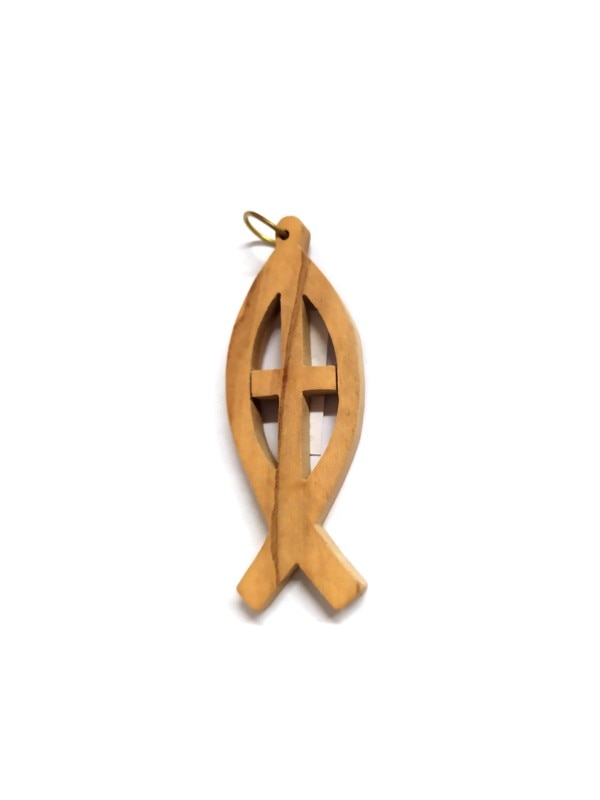
      Some religious art objects are made of olive wood and the choice stems from the meaning that Christianity gave to this tree: rebirth, regeneration and peace. It doesn’t matter if this wood is hard and difficult to work, because this is an example where the primary function of the object made becomes the message.

      Courtesy © TERRA SANTA STORE

      View article
      View article
      • SHARE
      • PIN IT

      14. Boats

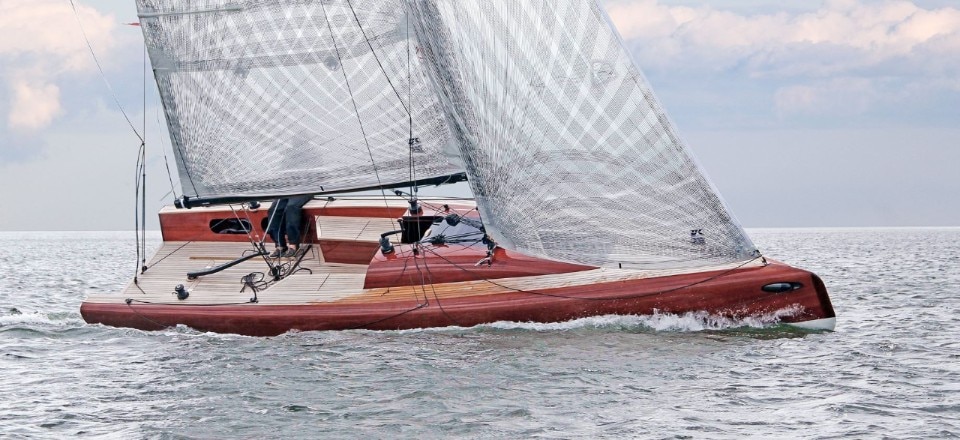
      Modern wooden boats, if well built, offer a high structural efficiency: wood, which has always been used to float on water, allows to create rigid and strong constructions, taking advantage of the easy workability and reparability of the material itself (for example Iroko, Ash, Mahogany or Teak wood). New waterproof varnishes make it possible to maintain wooden materials for a long time. In the past, all sailing instruments were made of wood, although today only a very small percentage of them are.

      Courtesy © LA Yacht- & Bootsbau GmbH

      View article
      View article
      • SHARE
      • PIN IT

      15. Natural fragrances

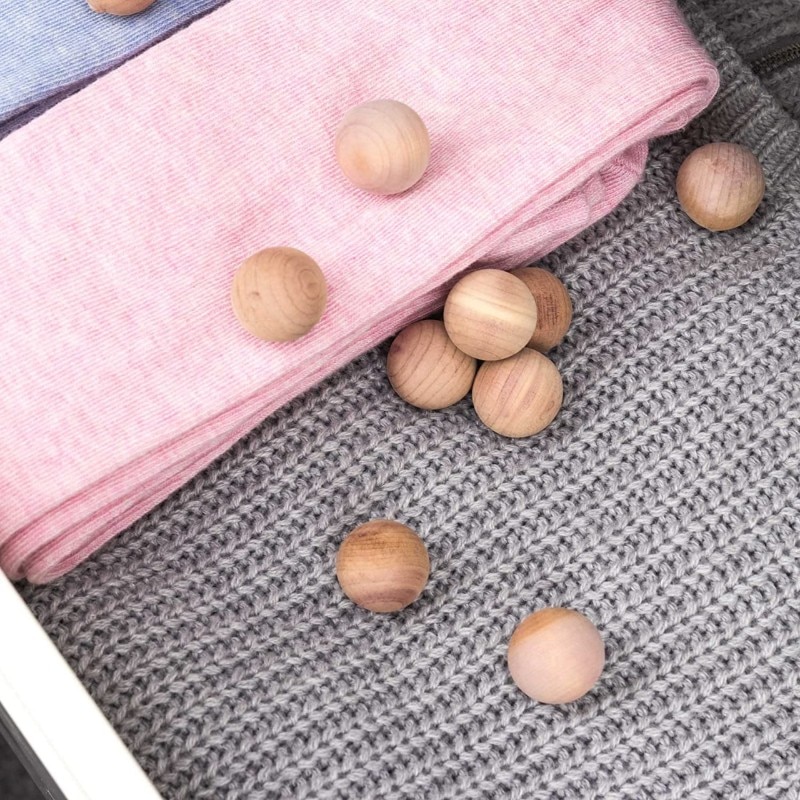
      Small fragments of cedar wood, such as small cubes, are used as natural fragrances for the drawers (especially for laundry) because the scent emanating from this wood essence is pleasant to humans but also becomes a natural repellent against moths and other insects. Periodically, by lightly sanding the piece of wood, the scent can be revived. The function of these fragments - whose shape is often not that important - is thus inherent in the intangibility of the scent emanating from them.

      Courtesy © 1996-2022 Amazon

      View article
      View article
      • SHARE
      • PIN IT

      16. Joints and round joints

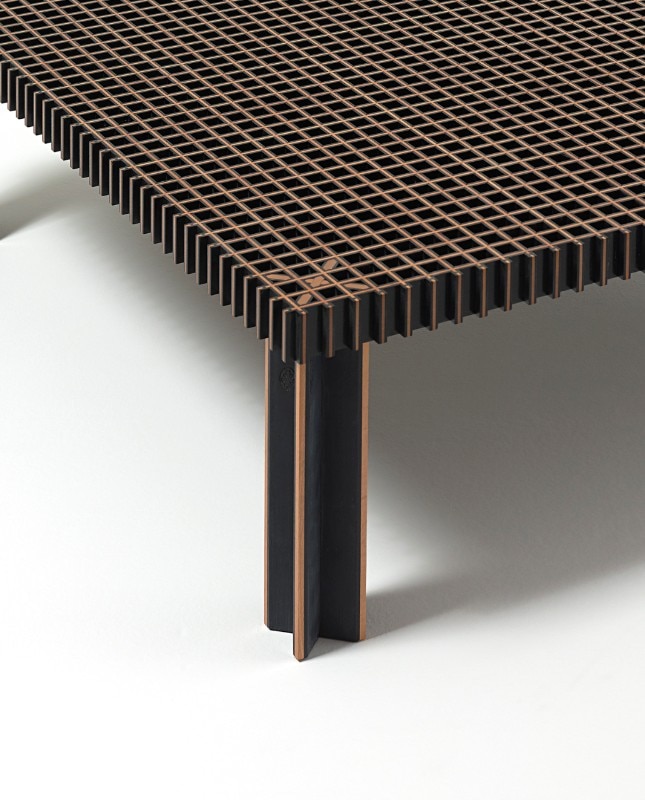
      Joints are used to connect two distinct elements so that one enters the body of the other through a particular process, which guarantees their integration in a solid and robust manner. There are many types of joints, made from various types of wood depending on the intended use. The work of the cabinetmaker Pierluigi Ghianda or the culture of Japanese wood are certainly interesting examples to study, but there are also semi-finished products on the market that make it possible to obtain joints. The round joint, for example, could be defined as the symbol of the industrialisation of the wood sector: cylindrical, normally made of Beech, it helps to effectively join different parts of a piece of furniture (and not only) through its invisible presence inside the elements. Since it is made of wood, it becomes an integral part of the furniture in which it is inserted, with all the consequent and intuitable advantages until its disposal, obviously as far away as possible. I think it is interesting to draw attention to the presence of the thin grooves that “decorate” the outside of the wooden joint, to understand why they’re here: first of all, they manage the tolerance between the diameter of the hole and that of the joint itself; moreover, the grooves allow the glue to distribute itself homogeneously along the whole body of the joint while it’s being placed in the hole.


      Kyoto table, Gianfranco Frattini, 1974
      Courtesy © 2021 Rossini Art Site

      View article
      View article
      • SHARE
      • PIN IT

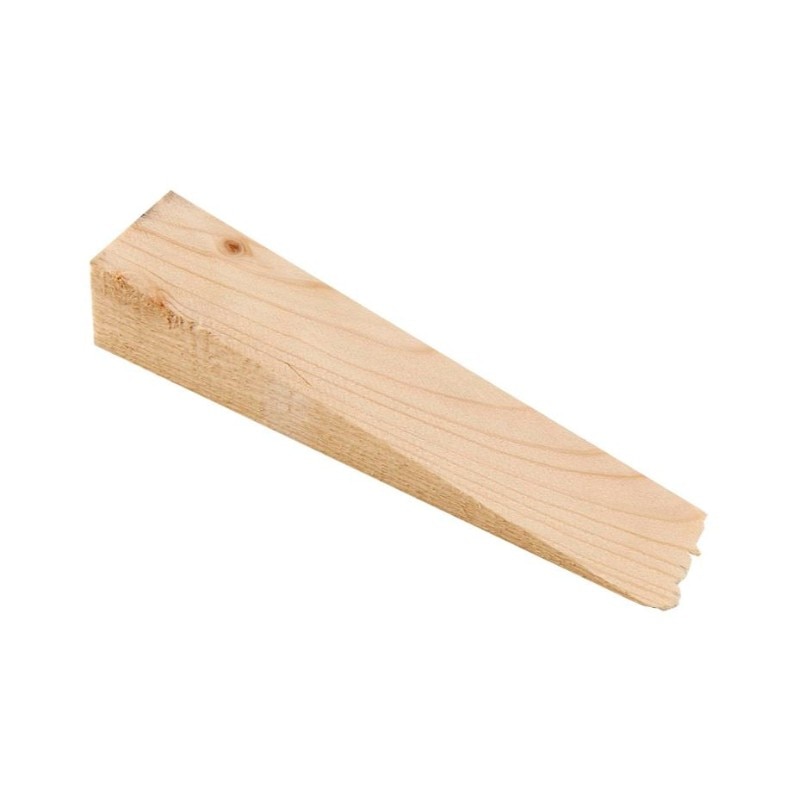
      17. Wedges

      Wedges are made up of two acute-angled faces and are used to separate two elements or to lift them. I believe that wooden wedges are particularly interesting because they fully exploit some of the characteristics of wood. When used in certain fields, such as carpentry, wedges can be used for lifting a wardrobe slightly. Therefore, this tool must be able to “wedge” itself vigorously without damaging the elements against which it is exerting the force of its presence (perhaps between a parquet floor and the wardrobe itself): the compactness of the wood, together with the right level of softness, allow the wedge to insert itself gently, without damaging the objects. Wooden wedges are still widely used to cut down trees or to split marble blocks without damaging them too much. In this case, another characteristic of certain types of wood can be exploited: when soaked in water, they tend to increase their volume and, consequently, to exert greater pressure when already inserted in a crack. The difference with respect to the metal wedge is, without doubt, the respect of the materials on which one wants to act.

      © 2022 Schachermayer Italia GmbH

      View article
      View article
      • SHARE
      • PIN IT

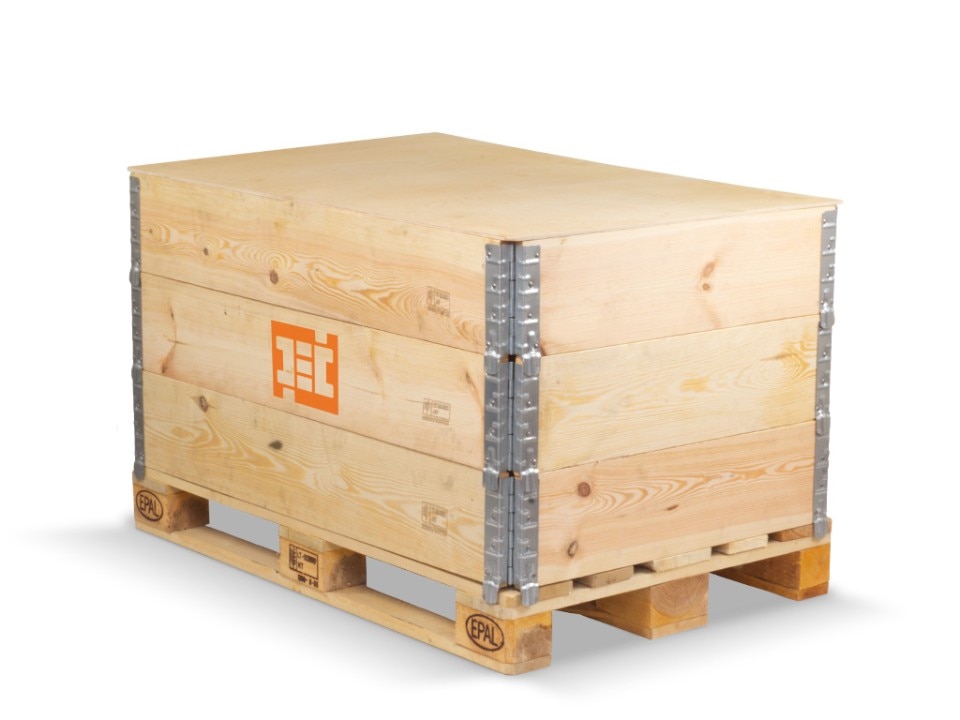
      18. Packaging

      Packaging, which is used to contain and protect objects during transport, is generally made of Beech, Poplar, Pine or Spruce wood. The different types of packaging can be fruit and vegetable packaging, industrial packaging or pallet packaging. It can be “disposable” or, in most cases, reusable; it is made of wood because of the compactness, resistance to stress and impact, lightness and affordable cost of the material. In addition, reused packaging can be adjusted and modified according to needs, increasing its longevity. The aspect of material reuse, referring to the “end of life” of wooden packaging, is a very interesting one.

      Courtesy Emiliana Imballaggi S.p.a Capitale Soc.

      View article
      View article
      • SHARE
      • PIN IT

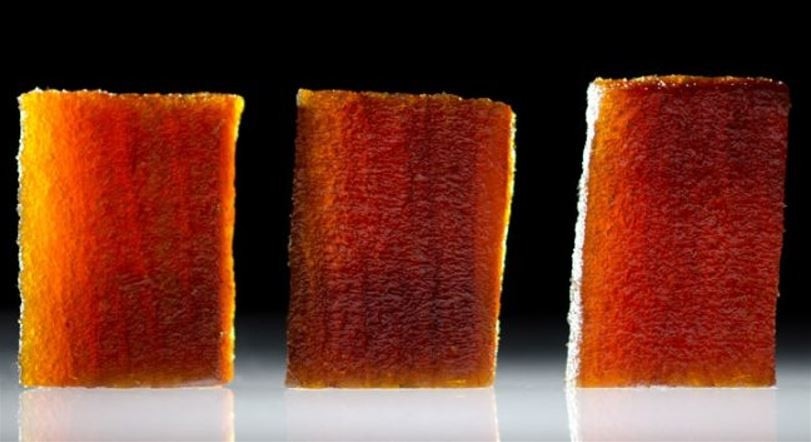
      19. Edible wood

      There are jams, pralines, ice cream, chocolates and more prepared with Yacaratià wood, an edible wood essence created by a particular Argentinian tree. After undergoing specific treatments, such as prolonged boiling, this wood loses part of its toughness and becomes soft and tasty, thus retaining its characteristics, including the grain and growth rings. This wood, transformed into food rich in cellulose and lignin – fibres that keep the intestines clean – is mainly used in Argentina by some chefs and can be served as a simple “edible slice”, perhaps to be eaten with cheese or steaming liquid nitrogen; in ice-cream parlors, it is often offered as an alternative to the classic wafer. Although edible wood is currently mainly used in an “experimental” way in haute cuisine restaurants, I think it is very interesting to evaluate the potential developments of its future use, which is certainly virtuous.

      Courtesy 2019 - NOI SIAMO AGRICOLTURA®

      View article
      View article
      • SHARE
      • PIN IT

      View article
      View article
      • SHARE
      • PIN IT
      Loading
      Share
      • Sections
        • Design
      • Keywords
      • News
      • Architecture
      • Design
      • Art
      • Opinion
      • Archive
      • Products
      • Foreign Editions
      • Biographies
      • Architectural movements
      • Buildings
      • Architecture Firms
      • Design Essentials
      • Urban stories
      • Gio Ponti
      • Contacts & Editorial Team

      • Follow us
      Legal Note

      Editorial DomusEditoriale Domus Spa
      Via G. Mazzocchi, 1/3
      20089 Rozzano (Mi) -
      Codice fiscale, partita IVA e iscrizione al Registro delle Imprese di Milano
      n. 07835550158
      R.E.A. di Milano n. 1186124
      Capitale sociale versato € 5.000.000,00 - All rights reserved - Privacy - Informativa cookie completa - Gestione Cookies

      China Germany India Mexico, Central America and Caribbean Sri Lanka Korea icon-camera close icon-comments icon-down-sm icon-download icon-facebook icon-heart icon-heart icon--mobile-logo icon-next-sm icon-next icon-pinterest icon-play icon-plus icon-prev-sm icon-prev Search icon-twitter icon-views icon-instagram