OK
Domus Domus
newsstand
SUBSCRIBE
  • Magazine
  • Digital Edition
  • Digital Archive
LANGUAGE
  • it
  • en
Hi Logout
Sign up / Log in
  • News
  • Architecture
  • Interiors
  • Design
  • Art
  • Archive
  • Products
  • Design Essentials
  • Design Stories
  • Submit your project
Sections
  • News
  • Architecture
  • Interiors
  • Design
  • Art
  • Archive
  • Products
  • Covers
  • Biographies
  • Architecture Firms
  • Sustainable Cities
  • Gallery
  • Design Stories
  • Domus for Design
Magazine
  • Subscriptions
  • Digital Edition
  • Current Issue
  • Guest Editor
  • Digital Archive
  • Nordic Design
Specials
  • Design Essentials
  • Modern Work
  • DomusAir
  • Milano Design Week
  • Worldesign
Current Issue

Domus 1106 hits the shelves

Follow us
LANGUAGE
  • it
  • en
Hi Logout
Sign up / Log in
newsletter Icon
results No results Please enter a long search term

      A selection of 15 flat-pack products

      A selection of 15 flat-pack products

      Next gallery

      Liberland is the first metaverse city designed by Zaha Hadid

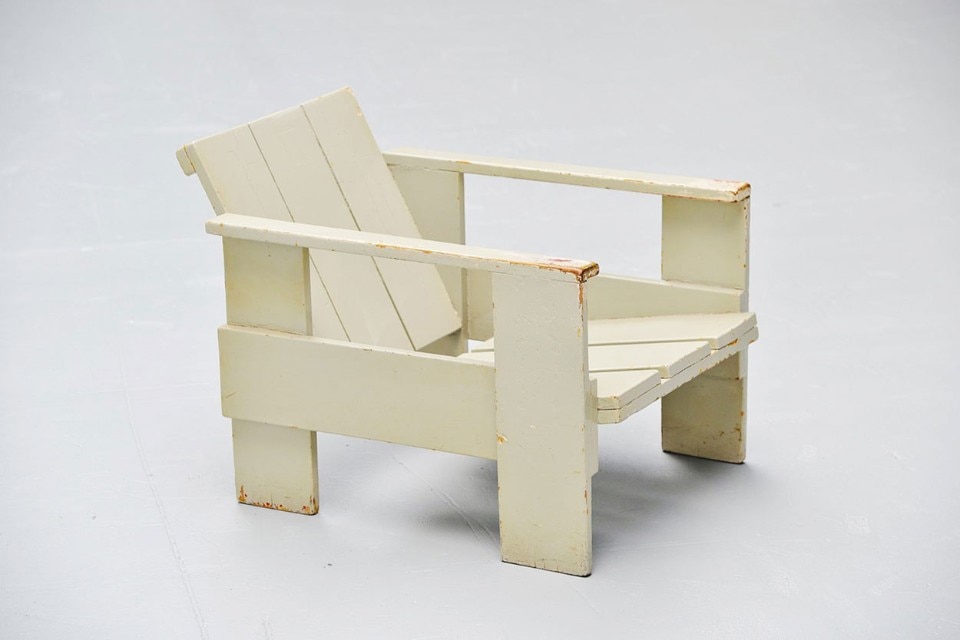
      Gerrit Rietveld, Crate Chair, 1934

      Dutch architect and designer Gerrit Rietveld, a leading figure in the De Stijl movement, designed the Crate chair in 1935, initially producing the pieces himself and later selling them already assembled and as DIY packs. An affordable and comfortable piece of furniture, obtained by assembling a series of rectangular wooden planks. The series has been produced by Cassina since 1974. 

      Original crate chair by Rietveld. © Mid Mod Design 

      View article
      View article
      • SHARE
      • PIN IT

      Gerrit Rietveld, Crate Chair, 1934

      Dutch architect and designer Gerrit Rietveld, a leading figure in the De Stijl movement, designed the Crate chair in 1935, initially producing the pieces himself and later selling them already assembled and as DIY packs. An affordable and comfortable piece of furniture, obtained by assembling a series of rectangular wooden planks. The series has been produced by Cassina since 1974. 

      Original crate chair by Rietveld. © Mid Mod Design 

      View article
      View article
      • SHARE
      • PIN IT

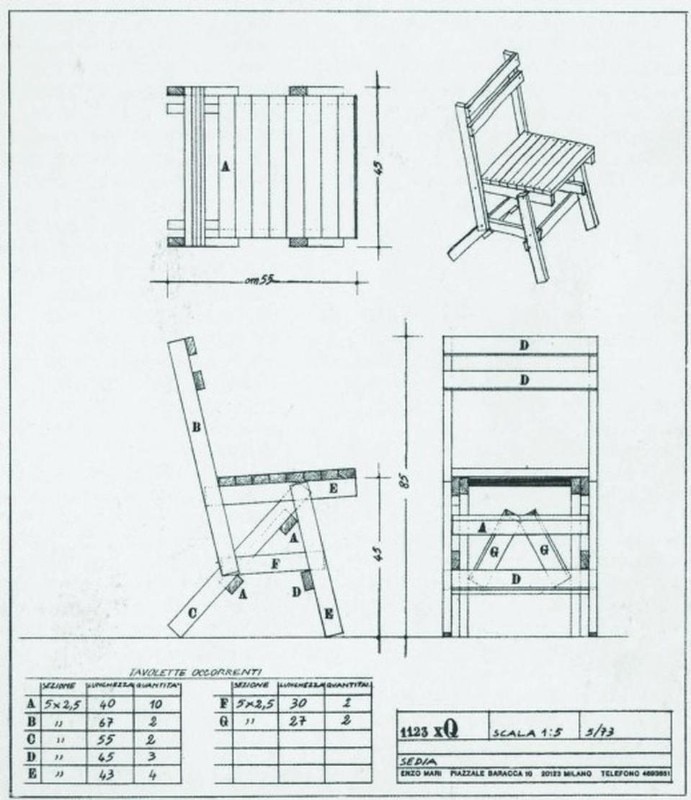
      Enzo Mari, Autoprogettazione, project for a chair, 1974

      Self-design, published in 1974, is the legendary system of general rules for creating cheap, high-quality and durable furniture using only nails and raw boards. In the book, Mari proclaimed the democratisation of design and for people to create their own furniture. Chair 1 was the first self-design project that was produced with Artek. In line with the original idea of the project, the delivery is completed with a set of pre-cut pine wood panels, nails and instructions on how to build the chair. As Mari says, "design is always education". 

      View article
      View article
      • SHARE
      • PIN IT

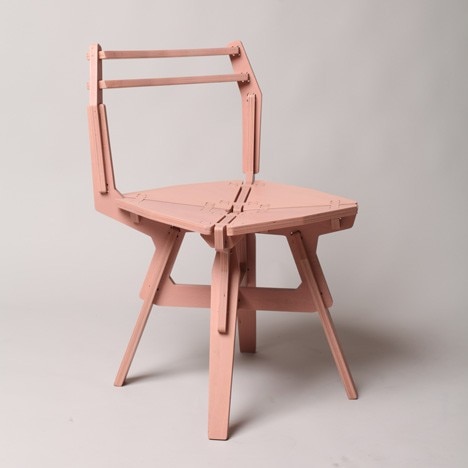
      Konstantin Achkov, Stack, 2012

      Designed by Konstantin Achkov, Stack is a collection of flat-pack furniture that assembles like a puzzle. The various pieces, made of 18mm thick beech plywood, are combined with each other in an interlocking pattern that needs no glue or screws. The collection includes several complements including a table and armchair.

      © Konstantin Achkov 

      View article
      View article
      • SHARE
      • PIN IT

      Konstantin Achkov, Stack, 2012

      Designed by Konstantin Achkov, Stack is a collection of flat-pack furniture that assembles like a puzzle. The various pieces, made of 18mm thick beech plywood, are combined with each other in an interlocking pattern that needs no glue or screws. The collection includes several complements including a table and armchair.

      © Konstantin Achkov 

      View article
      View article
      • SHARE
      • PIN IT

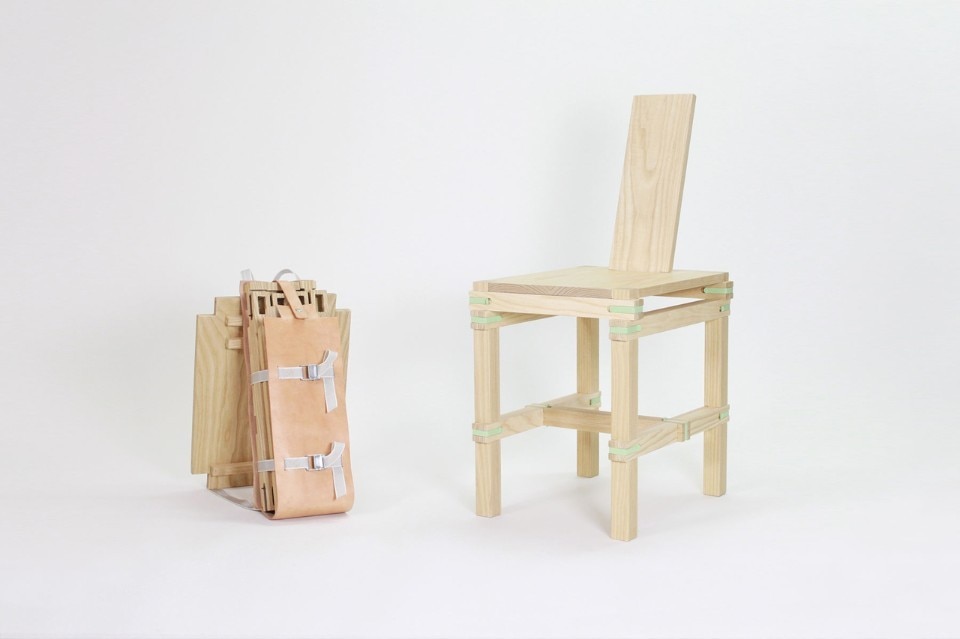
      Jorge Penadés, Nomadic chair, self-production, 2013

      Responding to society’s current and future needs born from modern culture, Nomadic chair explores the potential of temporary furniture. Reducing comfort to the minimum in order to enlarge mobility to the maximum, Penadés encourage us to reconsider our ideas of contemporary furniture and give them new meanings in a more ephemeral context. This project is based on a structure without any kind of screws, nails or glue. The system works through connections inspired by traditional wooden joinery that can be assembled and disassembled by hand, with small gestures in (approx) 2 minutes. This fact allows the user to move easily with the seat from one place to another, emphasizing dynamism as the object´s inherent purpose. 

      Read the full article here

      View article
      View article
      • SHARE
      • PIN IT

      Jorge Penadés, Nomadic chair, self-production, 2013

      Responding to society’s current and future needs born from modern culture, Nomadic chair explores the potential of temporary furniture. Reducing comfort to the minimum in order to enlarge mobility to the maximum, Penadés encourage us to reconsider our ideas of contemporary furniture and give them new meanings in a more ephemeral context. This project is based on a structure without any kind of screws, nails or glue. The system works through connections inspired by traditional wooden joinery that can be assembled and disassembled by hand, with small gestures in (approx) 2 minutes. This fact allows the user to move easily with the seat from one place to another, emphasizing dynamism as the object´s inherent purpose. 

      Read the full article here 

      View article
      View article
      • SHARE
      • PIN IT

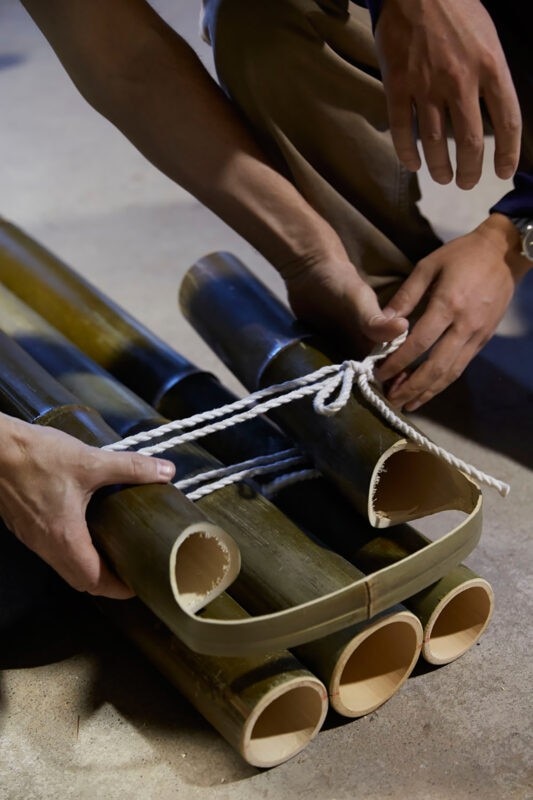
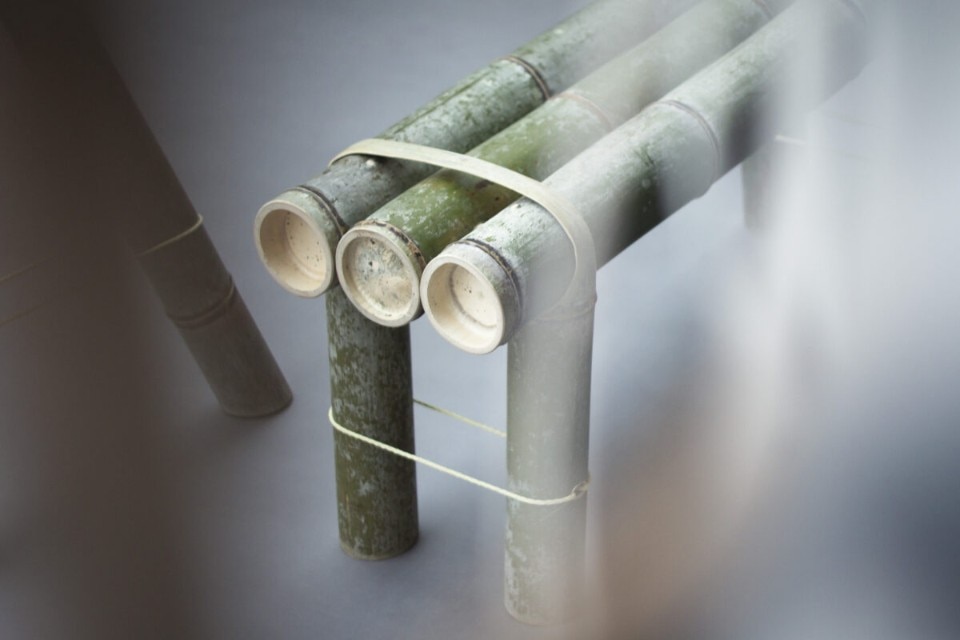
      SOBA for JAPAN CREATIVE, Stefan Diez, Furniture Study – untreated bamboo, Kevlar rope, 2015

      Soba explores and experiments with bamboo in its natural state. Created in collaboration with a bamboo manufacturer on the island of Kochi, the pieces are made from raw bamboo canes, using thin ropes to support the individual parts and hold them together, allowing for quick and easy assembly (and disassembly) of the individual pieces.
      The project was developed as part of Japan Creative's initiative to revive traditional Japanese craftsmanship and manufacturing methods in a contemporary context.

      © Soba 

      View article
      View article
      • SHARE
      • PIN IT

      SOBA for JAPAN CREATIVE, Stefan Diez, Furniture Study – untreated bamboo, Kevlar rope, 2015

      Soba explores and experiments with bamboo in its natural state. Created in collaboration with a bamboo manufacturer on the island of Kochi, the pieces are made from raw bamboo canes, using thin ropes to support the individual parts and hold them together, allowing for quick and easy assembly (and disassembly) of the individual pieces.
      The project was developed as part of Japan Creative's initiative to revive traditional Japanese craftsmanship and manufacturing methods in a contemporary context.

      © Jonathan Mauloubier 

      View article
      View article
      • SHARE
      • PIN IT

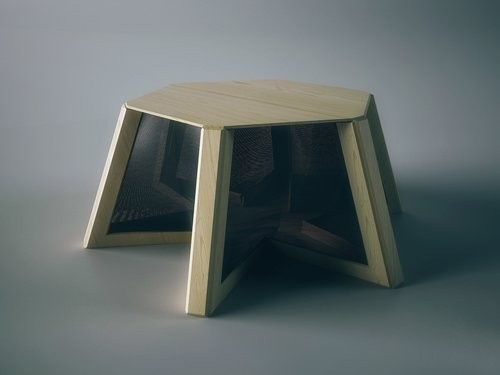
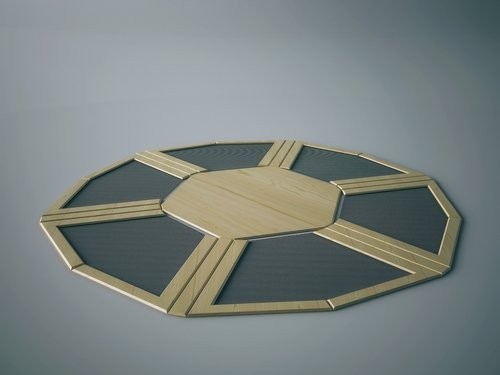
      MIT, Programmable Table, 2015

      Programmable Table is the prototype presented in collaboration with BIESSE at Fuorisalone in 2015. A reconfigurable piece of furniture that uses a built-in pre-compressed fabric to transform itself and can be reconfigured into other shapes or flattened for movement. 

      © MIT and Wood-Skin 

      View article
      View article
      • SHARE
      • PIN IT

      MIT, Programmable Table, 2015

      Programmable Table is the prototype presented in collaboration with BIESSE at Fuorisalone in 2015. A reconfigurable piece of furniture that uses a built-in pre-compressed fabric to transform itself and can be reconfigured into other shapes or flattened for movement. 

      © MIT and Wood-Skin 

      View article
      View article
      • SHARE
      • PIN IT

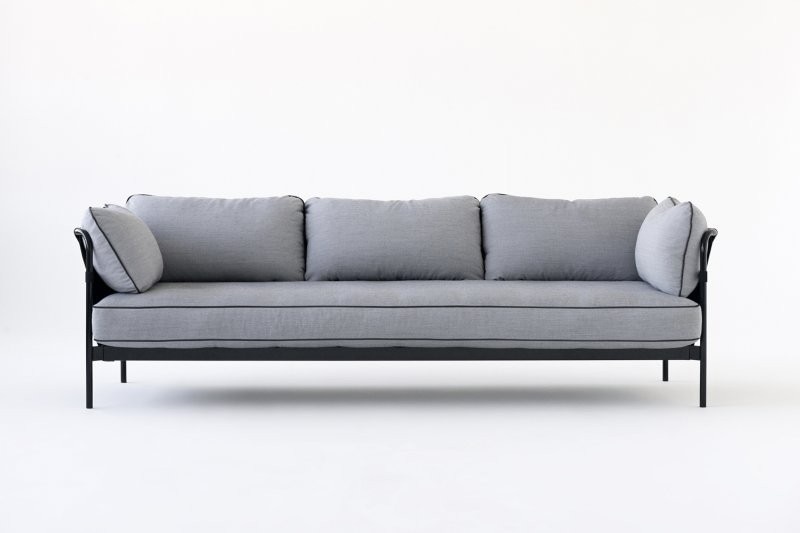
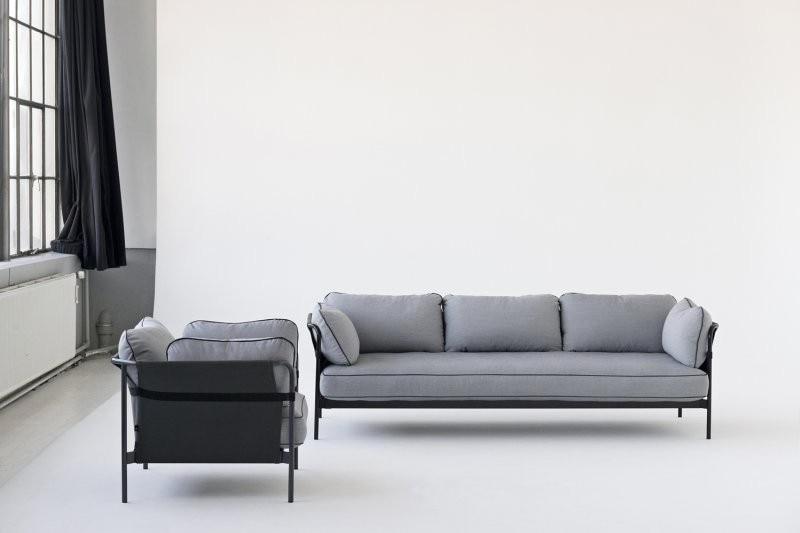
      Bouroullec, Can sofa, Hay, 2016

      The French duo consisting of Ronan and Erwan Bouroullec created a self-assembling, customizable sofa for Hay. The seat, Can, rests on a tubular steel frame that is self-assembled, while the sides and back are formed by panels of material stretched between support poles. The furniture is flat pack and compact. 

      © Bouroullec 

      View article
      View article
      • SHARE
      • PIN IT

      Bouroullec, Can sofa, Hay, 2016

      The French duo consisting of Ronan and Erwan Bouroullec created a self-assembling, customizable sofa for Hay. The seat, Can, rests on a tubular steel frame that is self-assembled, while the sides and back are formed by panels of material stretched between support poles. The furniture is flat pack and compact. 

      © Bouroullec 

      View article
      View article
      • SHARE
      • PIN IT

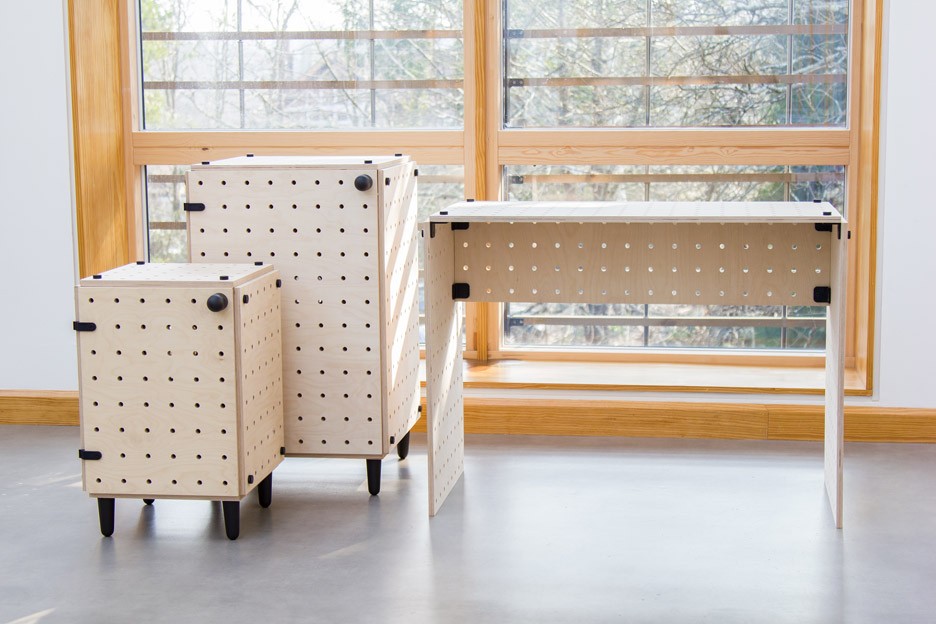
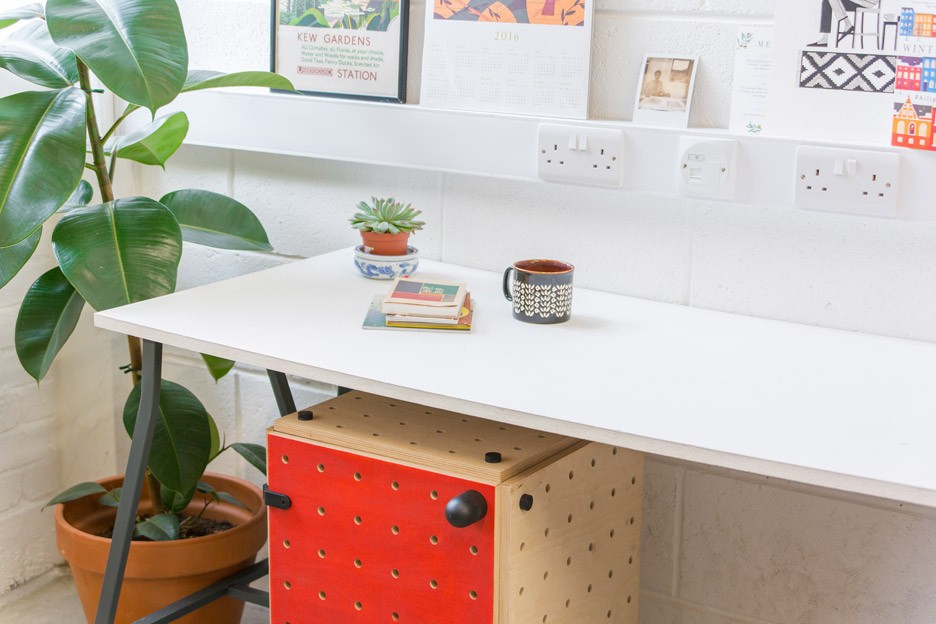
      Sam Wrigley, Crisscross, 2016

      The Crisscross furniture collection by Sam Wrigley is designed to be moved with ease. A flat-pack series consisting of modules that are assembled using the numerous holes on their surface. No tools are needed, but a bracket and a locknut to hold the panels together, which can be removed and reused at will. A collection that includes wardrobes, a bedside table and a desk, designed for students and travellers.

      © Sam Wrigley

      View article
      View article
      • SHARE
      • PIN IT

      Sam Wrigley, Crisscross, 2016

      The Crisscross furniture collection by Sam Wrigley is designed to be moved with ease. A flat-pack series consisting of modules that are assembled using the numerous holes on their surface. No tools are needed, but a bracket and a locknut to hold the panels together, which can be removed and reused at will. A collection that includes wardrobes, a bedside table and a desk, designed for students and travellers.

      © Sam Wrigley

      View article
      View article
      • SHARE
      • PIN IT

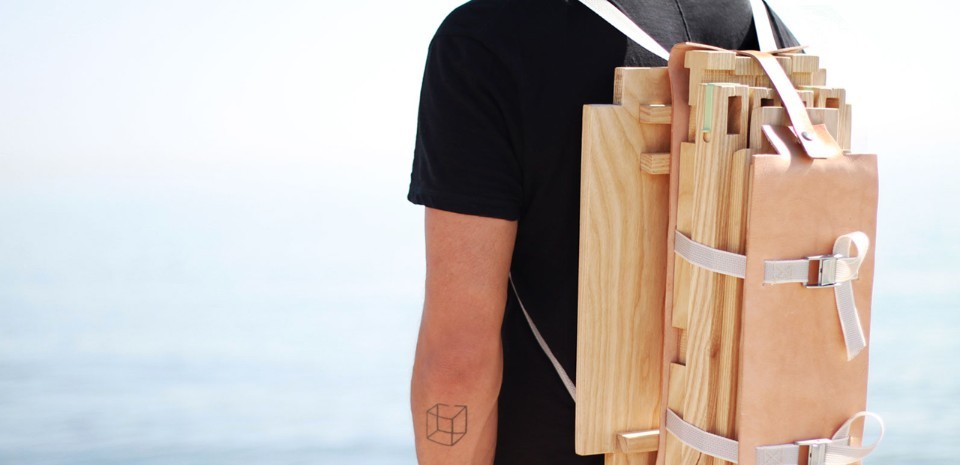
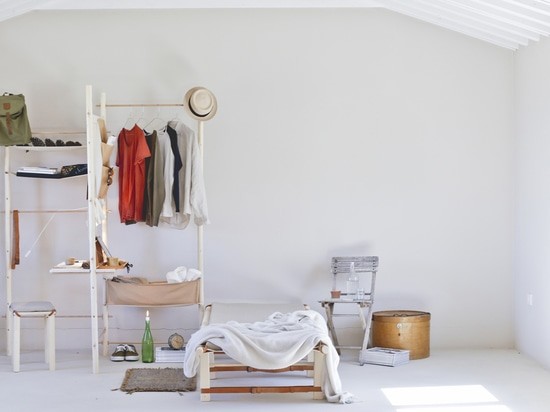
      Elena Bompani, Itaca, 2016

      Itaca, designed by Elena Bompani, is a furnishing system contained in a travel kit. Modular and practical, it houses in a travel bag wood and fabric furnishings that give shape to private and mobile spaces. The structure can be transformed into a coat stand, stool, bookcase, desk and daybed. 

      © Elena Bompani 

      View article
      View article
      • SHARE
      • PIN IT

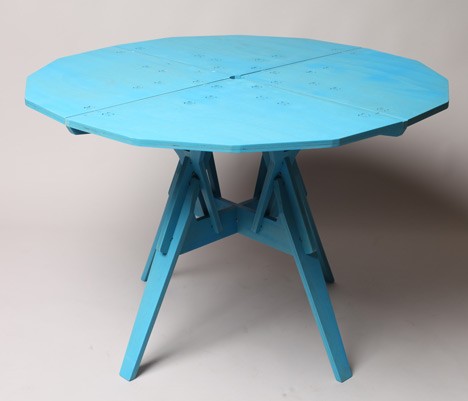
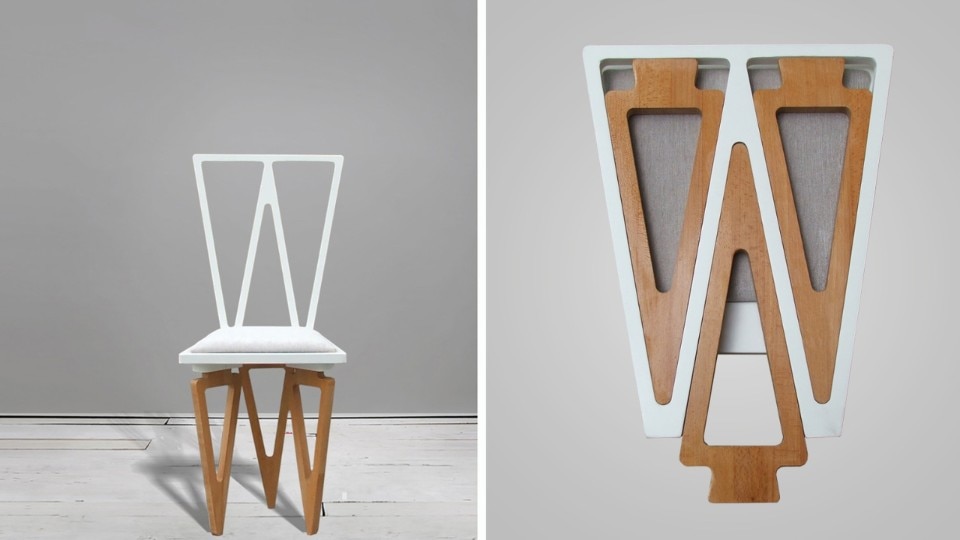
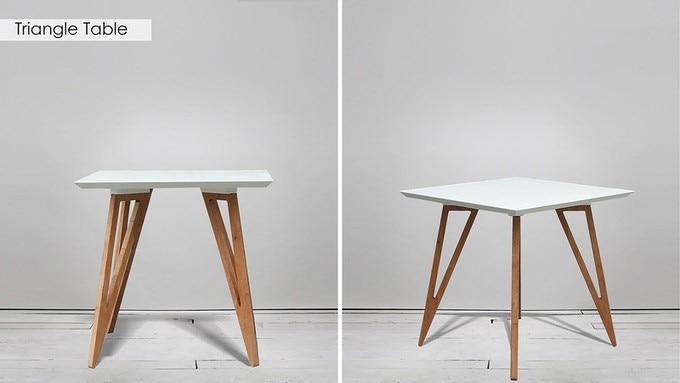
      Charlie Pommier, Triangle collection, 2016

      The furniture in the series is made of wood and can be completely folded and dismantled. 

      © Charlie Pommier

      View article
      View article
      • SHARE
      • PIN IT

      Charlie Pommier, Triangle collection, 2016

      The furniture in the series is made of wood and can be completely folded and dismantled. 

      © Charlie Pommier 

      View article
      View article
      • SHARE
      • PIN IT

      Keiji Takeuchi, SPRINGBACK lounge chair, 2020

      The Springback lounge chair by Japanese designer Keiji Takeuchi combines aesthetics, comfort and environmental awareness. The design of the structure allows the chair to be delivered in flat packaging and easily assembled. The wooden seat and backrest are generous. 

      © Cruso 

      View article
      View article
      • SHARE
      • PIN IT

      Keiji Takeuchi, SPRINGBACK lounge chair, 2020

      The Springback lounge chair by Japanese designer Keiji Takeuchi combines aesthetics, comfort and environmental awareness. The design of the structure allows the chair to be delivered in flat packaging and easily assembled. The wooden seat and backrest are generous. 

      © Cruso 

      View article
      View article
      • SHARE
      • PIN IT

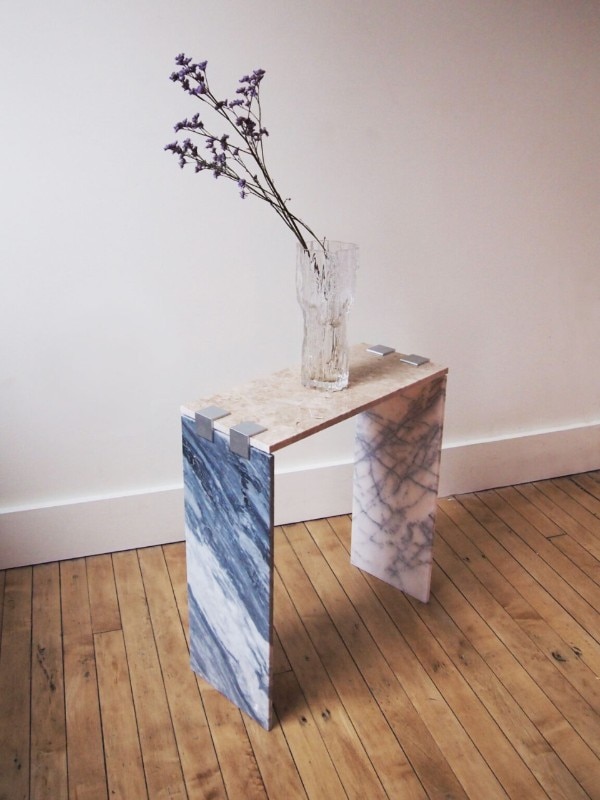
      AANDERSSON, Marble Tile Side Table, 2019

      Marble Tile Side Table consists of marble surfaces that are used as structural pieces. The 53 cm tall side table is assembled in less than 30 minutes: steps include sanding the edges and corners of the marble, and screwing the tiles into place with four aluminum  brackets, fitted with padded screws so that the tiles are held securely.

      Design and photography by AANDERSSON 

      View article
      View article
      • SHARE
      • PIN IT

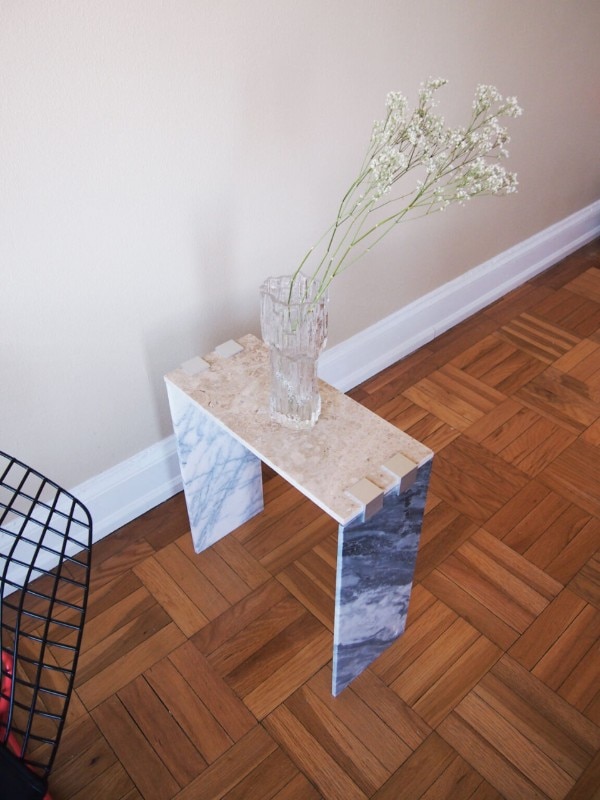
      AANDERSSON, Marble Tile Side Table, 2019

      Marble Tile Side Table consists of marble surfaces that are used as structural pieces. The 53 cm tall side table is assembled in less than 30 minutes: steps include sanding the edges and corners of the marble, and screwing the tiles into place with four aluminum  brackets, fitted with padded screws so that the tiles are held securely.

      Design and photography by AANDERSSON 

      View article
      View article
      • SHARE
      • PIN IT

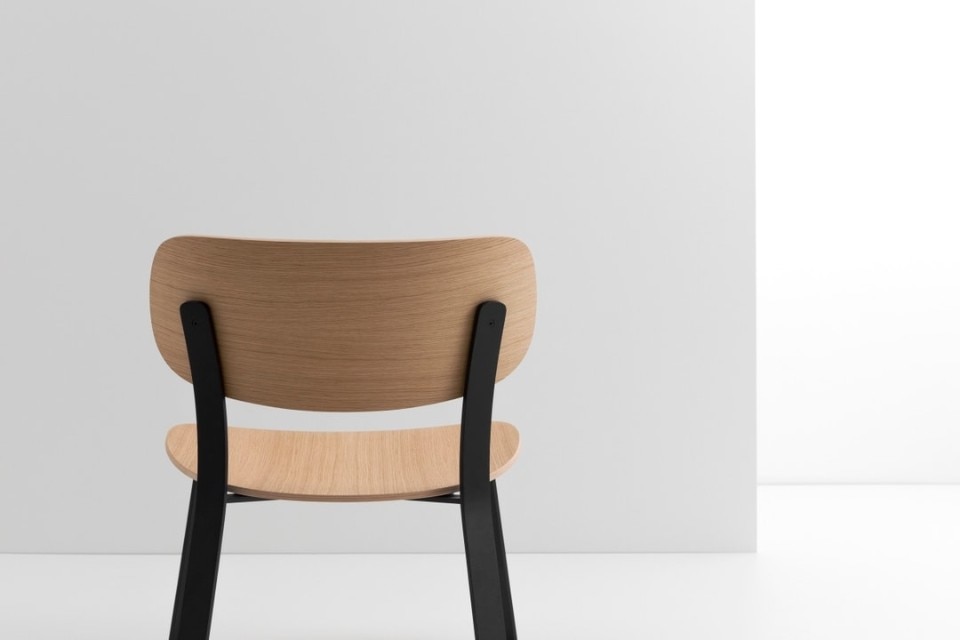
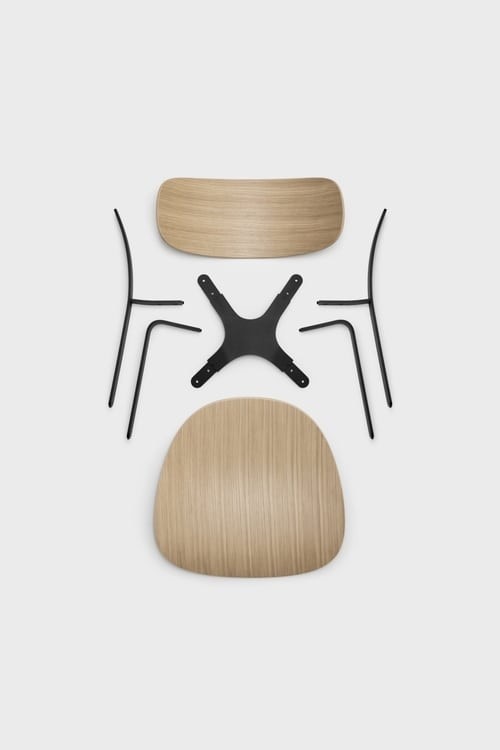
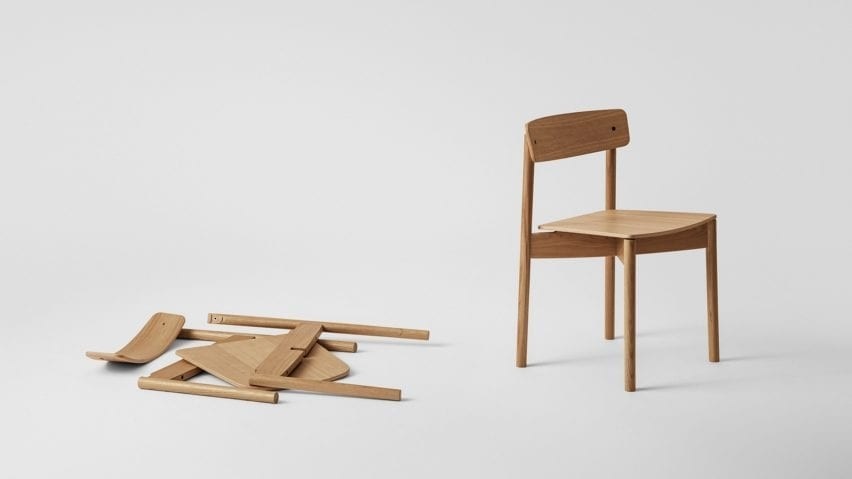
      TAKT, Pearson Lloyd, Cross Chair, 2021

      T01 Cross Chair has been designed by PearsonLloyd according to TAKT's Eco System Design principles and is shipped as a flat pack component. Multiple products can be packed in the same volume, minimising CO2 emissions during transport. The chair is built to be disassembled, all components are replaceable and worn parts can be replaced. The shape of the chair gives the possibility to stack up to 6 chairs at a time. 

      © Pearson Lloyd

      View article
      View article
      • SHARE
      • PIN IT

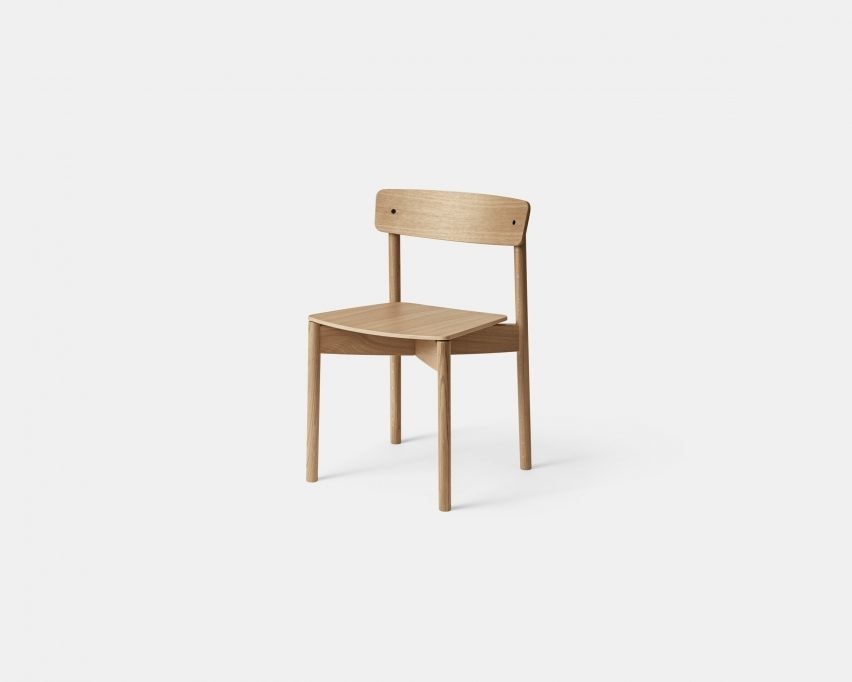
      TAKT, Pearson Lloyd, Cross Chair, 2021

      T01 Cross Chair has been designed by PearsonLloyd according to TAKT's Eco System Design principles and is shipped as a flat pack component. Multiple products can be packed in the same volume, minimising CO2 emissions during transport. The chair is built to be disassembled, all components are replaceable and worn parts can be replaced. The shape of the chair gives the possibility to stack up to 6 chairs at a time. 

      © Pearson Lloyd

      View article
      View article
      • SHARE
      • PIN IT

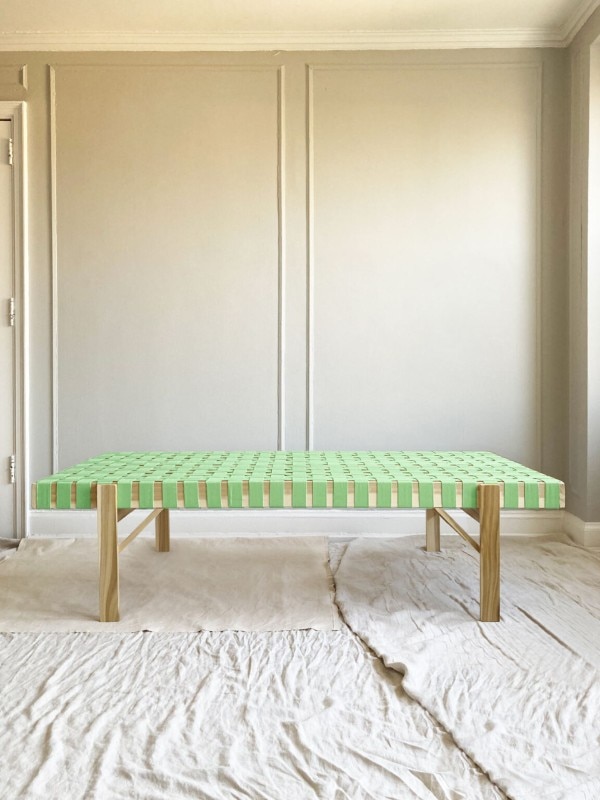
      Ian Anderson, Simple Joinery Daybed, 2021

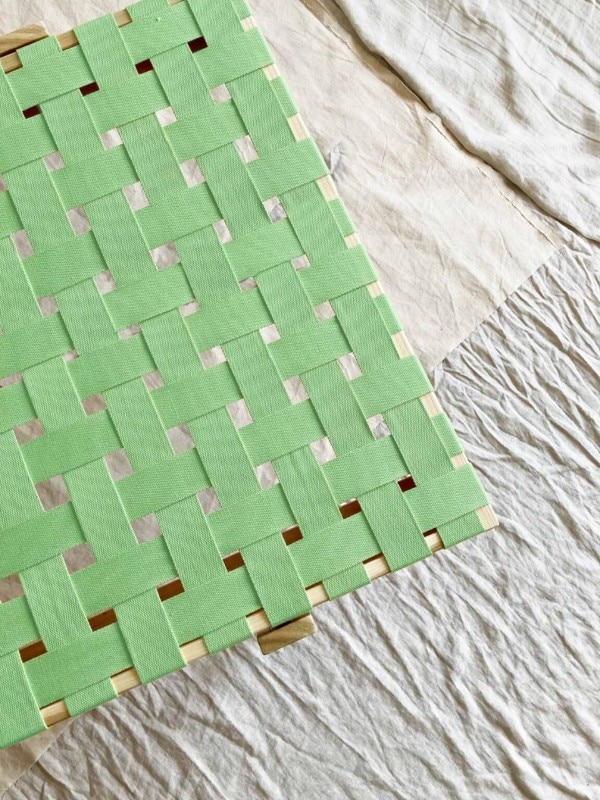
      The daybed designed by Ian Anderson is much like a crib, uses tension straps instead of pillows and a mattress. The canvas straps combine with the reinforced wood frame.

      Design and photography by Ian Anderson 

      View article
      View article
      • SHARE
      • PIN IT

      Ian Anderson, Simple Joinery Daybed, 2021

      The daybed designed by Ian Anderson is much like a crib, uses tension straps instead of pillows and a mattress. The canvas straps combine with the reinforced wood frame.

      Design and photography by Ian Anderson 

      View article
      View article
      • SHARE
      • PIN IT

      ICD University of Stuttgart, HYGROSHAPE Self-Shaping Wood Furniture, 2021

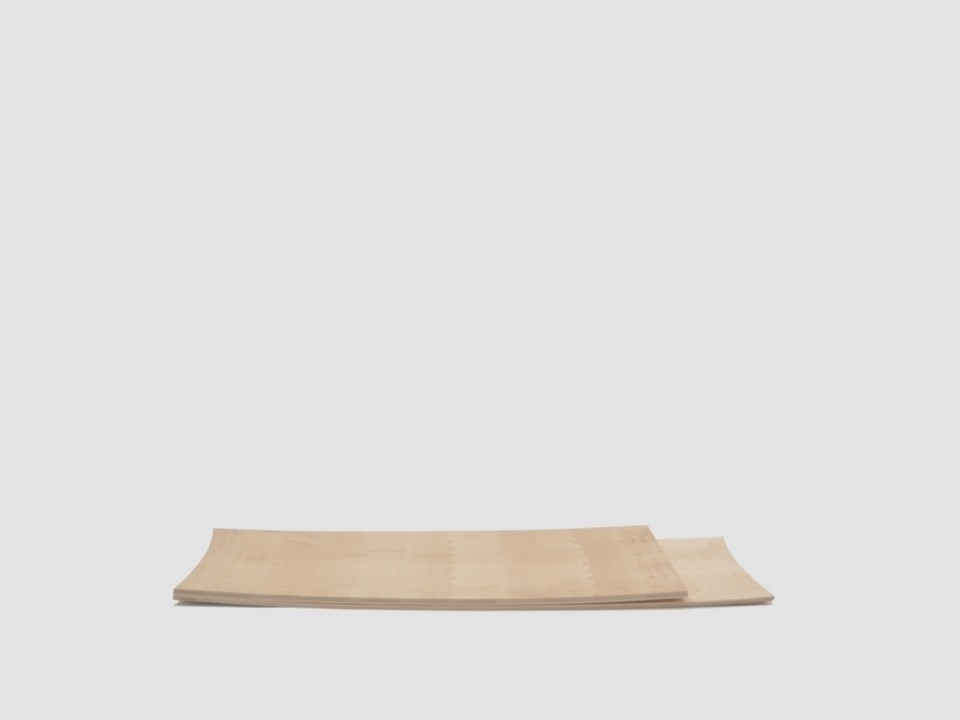
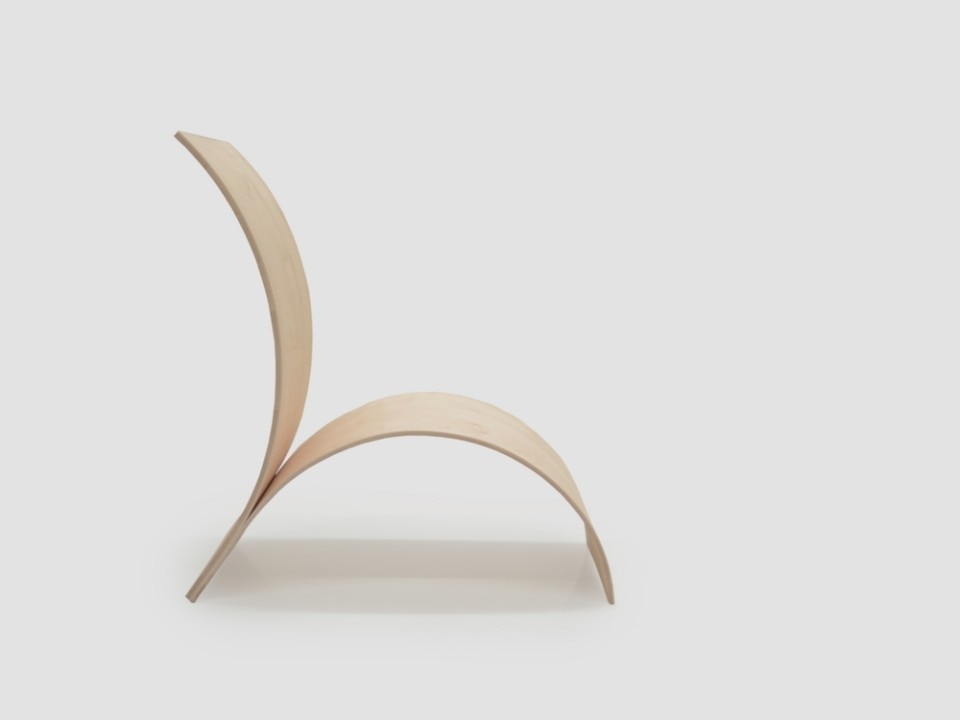
      HygroShape is a prototypical flat pack and self-modelling collection developed by researchers at the University of Stuttgart.
      The furniture pieces shape themselves when unpacked, using the natural and inherent properties of wood: self-forming emerges from the hygroscopic shrinkage of the material and needs no human interaction, tools or assembly instructions.
      Once moulded, the parts mechanically lock together creating stability. HygroShape introduces a new type of flatpack, with simple assembly using the material's potential and a thickness of only 3 cm.

      Project team: ICD Institute for Computational Design and Construction, University of Stuttgart
      Dr.-Ing. Dylan Wood (PI), Laura Kiesewetter, Prof. Achim Menges 

      View article
      View article
      • SHARE
      • PIN IT

      ICD University of Stuttgart, HYGROSHAPE Self-Shaping Wood Furniture, 2021

      HygroShape is a prototypical flat pack and self-modelling collection developed by researchers at the University of Stuttgart.
      The furniture pieces shape themselves when unpacked, using the natural and inherent properties of wood: self-forming emerges from the hygroscopic shrinkage of the material and needs no human interaction, tools or assembly instructions.
      Once moulded, the parts mechanically lock together creating stability. HygroShape introduces a new type of flatpack, with simple assembly using the material's potential and a thickness of only 3 cm.

      Project team: ICD Institute for Computational Design and Construction, University of Stuttgart
      Dr.-Ing. Dylan Wood (PI), Laura Kiesewetter, Prof. Achim Menges 

      View article
      View article
      • SHARE
      • PIN IT

      View article
      View article
      • SHARE
      • PIN IT
      Loading
      Share
      • Sections
        • Design
      • Keywords
      • News
      • Architecture
      • Design
      • Art
      • Opinion
      • Archive
      • Products
      • Foreign Editions
      • Biographies
      • Architectural movements
      • Buildings
      • Architecture Firms
      • Design Essentials
      • Urban stories
      • Gio Ponti
      • Contacts & Editorial Team

      • Follow us
      Legal Note

      Editorial DomusEditoriale Domus Spa
      Via G. Mazzocchi, 1/3
      20089 Rozzano (Mi) -
      Codice fiscale, partita IVA e iscrizione al Registro delle Imprese di Milano
      n. 07835550158
      R.E.A. di Milano n. 1186124
      Capitale sociale versato € 5.000.000,00 - All rights reserved - Privacy - Informativa cookie completa - Gestione Cookies

      China Germany India Mexico, Central America and Caribbean Sri Lanka Korea icon-camera close icon-comments icon-down-sm icon-download icon-facebook icon-heart icon-heart icon--mobile-logo icon-next-sm icon-next icon-pinterest icon-play icon-plus icon-prev-sm icon-prev Search icon-twitter icon-views icon-instagram