-
Sections
-
Keywords
Six architecture and design books to read this fall
The planet after geoengineering
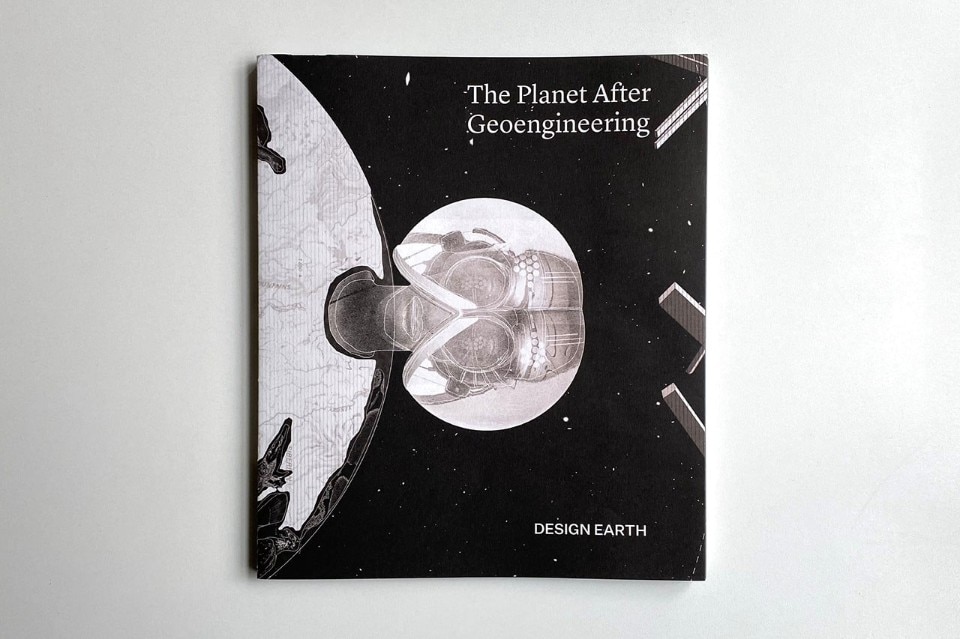
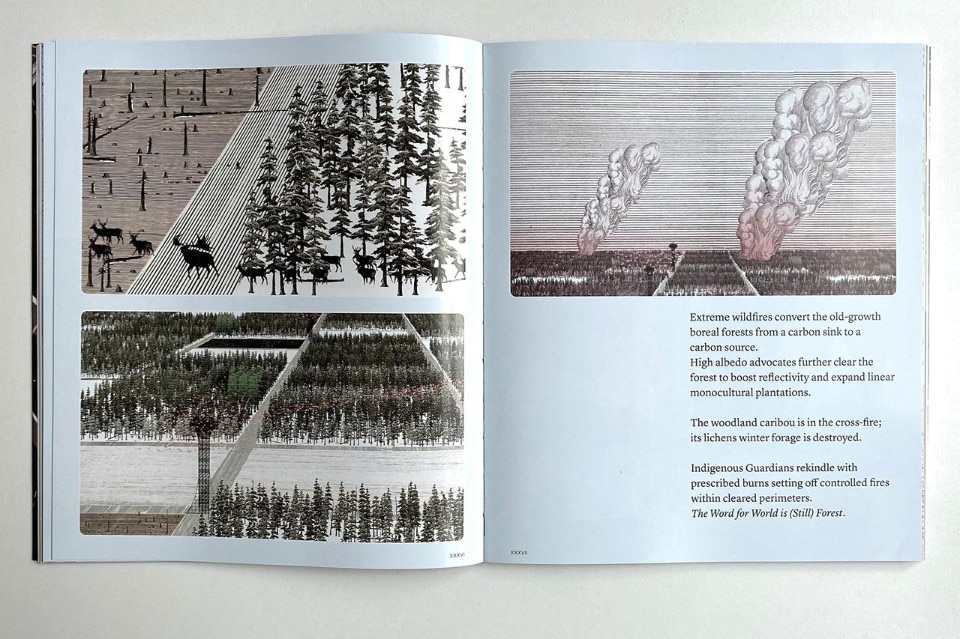
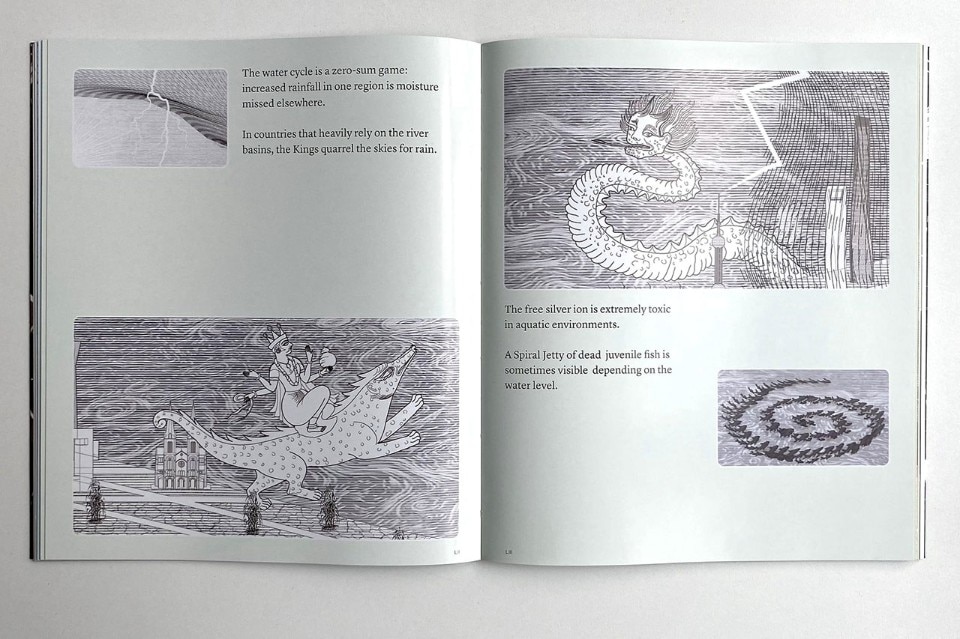
Geoengineering is defined as all the technology used in fighting and contrasting the adverse causes and effects of climate change. Is it the solution to anthropocene damage from the past decades? Design Earth’s research (presented at the 2021 Venice Biennale and subsequent to the very impressive Geostories) uses fiction to reflect on both the pros and cons of an approach that currently divides the scientific community. A graphic novel and five “geostories” outline future visions and introduce fundamental topics: What forms of life should be kept? By what means and at what cost? The volume’s goal is two-fold: to trigger a paradigm shift in the way we express and talk about the climate crisis and to stimulate new reflections and innovative answers.
Author: DESIGN EARTH (Rania Ghosn & El Hadi Jazairy). Title: The planet after geoengineering. Publisher: Actar. Year: 2021. Pages: 112. Price: 27 euro. Language: English. ISBN: 978-19-4876-596-1
The planet after geoengineering
Author: DESIGN EARTH (Rania Ghosn & El Hadi Jazairy). Title: The Planet after geoengineering. Publisher: Actar. Year: 2021. Pages: 112. Price: 27 euro. Language: English. ISBN: 978-19-4876-596-1
The planet after geoengineering
Author: DESIGN EARTH (Rania Ghosn & El Hadi Jazairy). Title: The planet after geoengineering. Publisher: Actar. Year: 2021. Pages: 112. Price: 27 euro. Language: English. ISBN: 978-19-4876-596-1
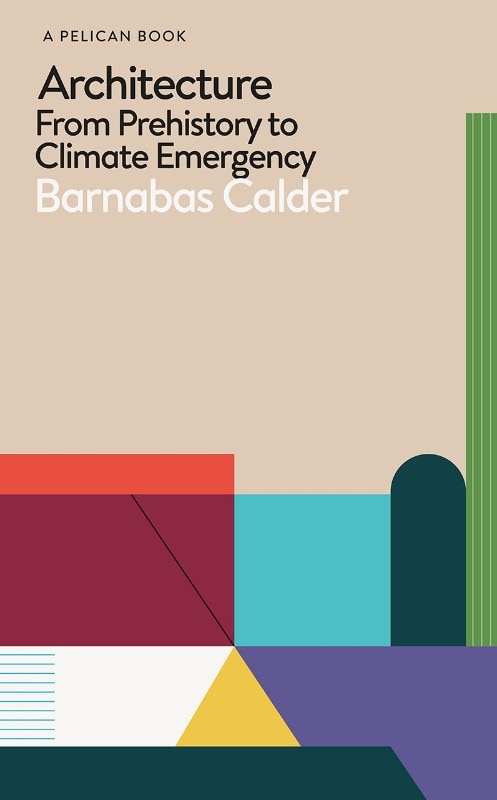
Architecture from Prehistory to Climate Emergency
Starting from prehistory and ending with the climate emergency, Barnabas Calder’s book traces the stages of architectural history through the lens of the history of energy use. With a historical essay made engaging by a contemporary and unspecialized language similar to the one Noah Yuval Harari has accustomed us to, the British historian traverses 15,000 years of history: from the mythical city of Uruk to ancient Rome, from Victorian Liverpool (the city where Calder teaches at the university) to Chinese megalopolises, from the Parthenon to the Great Mosque of Damascus, to demonstrate that architecture has always been not only influenced by the available energy, but also nourished by it. This is why the advent of coal and oil, not to mention concrete and steel, the most energy-intensive materials that have made possible the wonders of engineering, has radically changed the way we design and build, with dramatic consequences on the planetary climate and environment. So much so that today 40 percent of global greenhouse gas emissions come from the construction and operation of buildings. Calder’s message? “If we are to avoid catastrophic climate change, now more than ever we need beautiful, but also intelligent architecture and to repurpose, not demolish, the buildings we already own.”
Translated with www.DeepL.com/Translator (free version)
Author: Barnabas Calder. Title: Architecture from Prehistory to Climate Emergency. Publisher: Penguin. Year: 2021. Pages: 576. Price: 30 euro. Language: English. ISBN: 978-02-4139-673-5
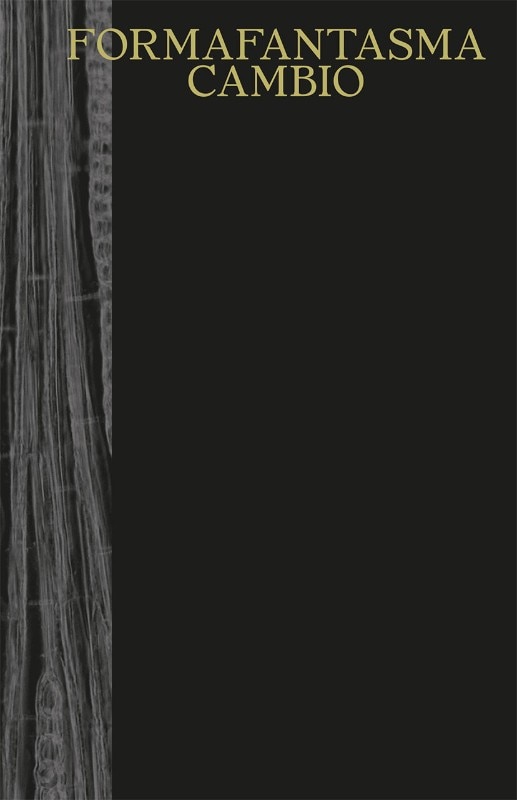
Cambio
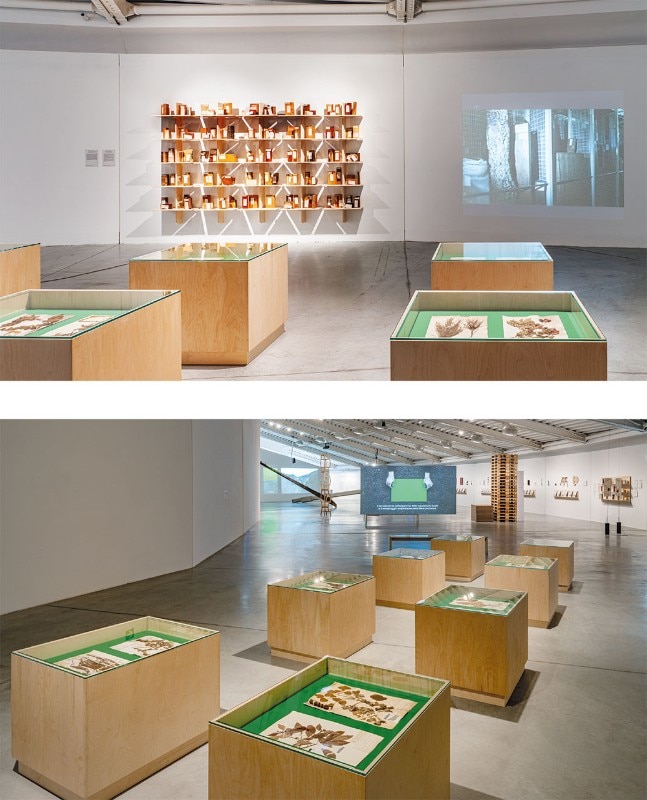
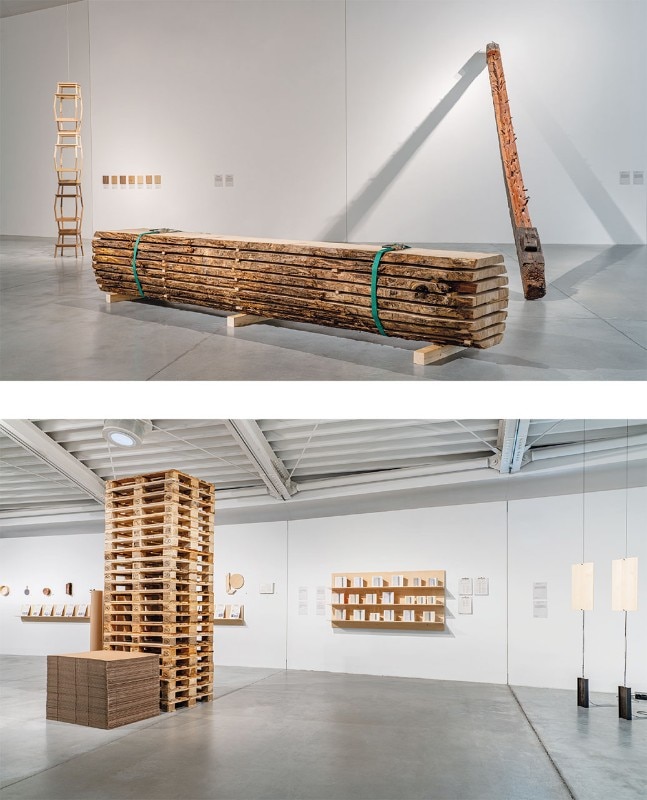
The cambium is the membrane that surrounds the trunk of trees, from which both wood and bark derive. In Italian, however, “cambio” also indicates change, the change that has become necessary and urgent towards a more responsible relationship between the “homo designer” and his environment. Playing on this double reading, Simone Farresin and Andrea Trimarchi, aka Formafantasma, have signed a book that analyzing the wood industry and its environmental impact, tries to understand how many design dynamics can - and should - be rethought. “How can we make more informed choices, when we decide to select a wood-based material rather than another, beyond its aesthetic and functional properties?” the two designers asked themselves. The book brings together a complex analysis of the subject, ranging from history, politics and sociology, examining the realities of Finland, Tuscany and Amazonia, and involving, among others, an expert in agricultural and forestry systems (Mauro Agnoletti) and wood technology (Marco Fioravanti). Realized with the support of Centro per l’arte contemporanea Luigi Pecci of Prato, Cambio includes the works that Formafantasma had made for the exhibition at the Serpentine Galleries in London first and then in Prato, where a further reflection on Giuseppe Penone’s artistic research was added.
Author: Formafantasma. Title: Cambio. Publisher: Nero Editions. Year: 2021. Pages: 304. Price: 18 euro. Language: Italian. ISBN: 978-88-8056-139-2
Cambio
Author: Formafantasma. Title: Cambio. Publisher: Nero Editions. Year: 2021. Pages: 304. Price: 18 euro. Language: Italian. ISBN: 978-88-8056-139-2
Cambio
Author: Formafantasma. Title: Cambio. Publisher: Nero Editions. Year: 2021. Pages: 304. Price: 18 euro. Language: Italian. ISBN: 978-88-8056-139-2
Case milanesissime
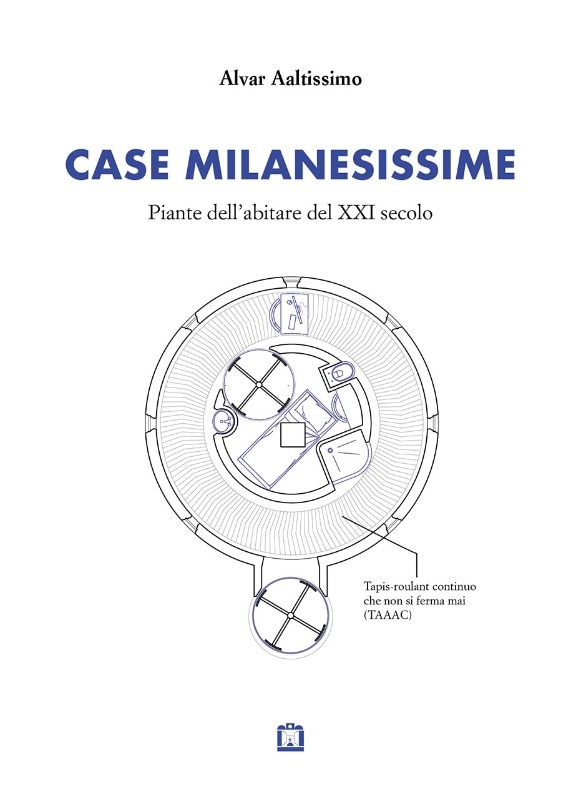
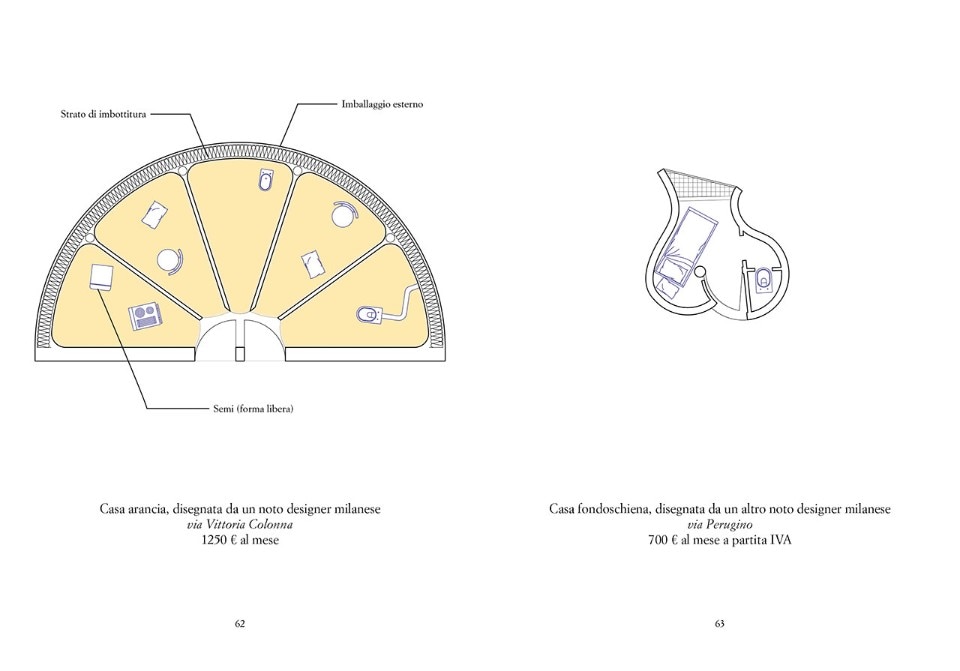
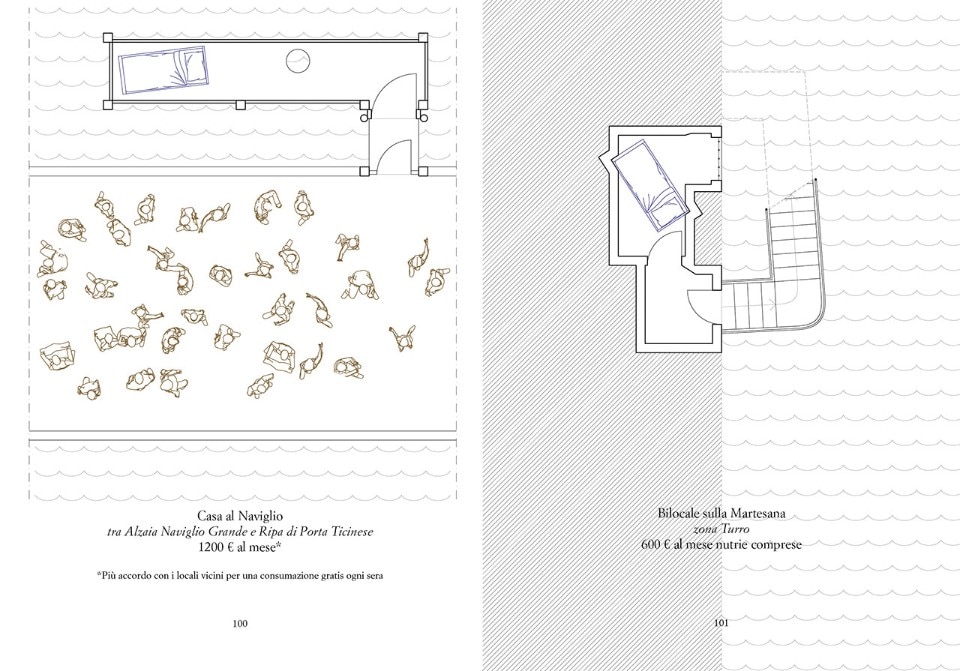
Pop, light and witty, the satire of Alvar Aaltissimo, aka Fabrizio Esposito, exploded in 2020, just as the world was locking itself in during the first lockdowns. On social networks, first Facebook and then Instagram, the architect from Naples, born in 1993, who worked at OMA in Rotterdam, has gradually proposed: the project for a revolving Parliament (to change seats according to the political idea of the moment), the plan for the city of Vaccinia (made with primrose-shaped pavilions wanted by the commissioner of the emergency Arcuri and designed by Stefano Boeri) and the idea of a Museum of the Memecento (hypogeum between the two Arengari in Piazza Duomo in Milan). His latest project is a small-format volume published by Corraini: 120 elegantly illustrated pages with a hundred or so floor plans of buildings in Milan (the city where Esposito studied): from the one-room apartment with kitchenette and corner balcony (“on the corner of Via Körner”), to the room created in a cavity in the façade (“a stone’s throw from your office”), to the house for five students in the Bovisasca area (“4,000 euro rent”). Carefully drawn and humorously captioned, they condense the tics, contradictions and idiosyncrasies of Lombardy’s real estate frenzy. The exhibition closes with an essay by Cino Zucchi, who says to be a big fan of Alvar Aaltissimo.
Author: Alvar Aaltissimo. Title: Case milanesissime. Piante dell’abitare del XXI secolo. Publisher: Corraini. Year: 2021. Pages: 120. Language: Italian. Price: 13 euro. ISBN: 978-88-7570-971-6
Case milanesissime
Author: Alvar Aaltissimo. Title: Case milanesissime. Piante dell’abitare del XXI secolo. Publisher: Corraini. Year: 2021. Pages: 120. Language: Italian. Price: 13 euro. ISBN: 978-88-7570-971-6
Case milanesissime
Author: Alvar Aaltissimo. Title: Case milanesissime. Piante dell’abitare del XXI secolo. Publisher: Corraini. Year: 2021. Pages: 120. Language: Italian. Price: 13 euro. ISBN: 978-88-7570-971-6
The great mistake
It reads fast and thrills like a novel, but Jonathan Lee’s book is not a figment of the imagination. It is the result of years of archival research and patient reading of entire years of the New York Times. Its merit is that of helping us rediscover the figure of Andrew Haswell Green (1820-1903), a visionary American urban planner, as fundamental as he is little known. The story begins with the “big mistake” that gives the book its title, that of Cornelius Williams, a jealous husband who, mistaking Green for his wife’s lover, shot him dead on the doorstep of his Park Avenue home. Green was 84 years old and not just any New Yorker: he was the creator and manager of some of the places that, even today, are symbols of the city, such as the Public Library, the Metropolitan Museum, the Museum of Natural History, the Bronx Zoo and Central Park. It is from here that the British writer, editorial director of Bloomsbury, reconstructs, filling in the gaps in history with narrative mastery, the life of the “father of Greater New York”, as Green was defined for having also had the merit of connecting the five boroughs of the city: Manhattan, Queens, Bronx, Brooklyn and Staten Island.
Author: Jonathan Lee. Title: The great mistake. Publisher: Penguin. Year: 2021. Pages: 330. Price: 18 euro. Language: English. ISBN: 978-88-6998-278-1
Curve
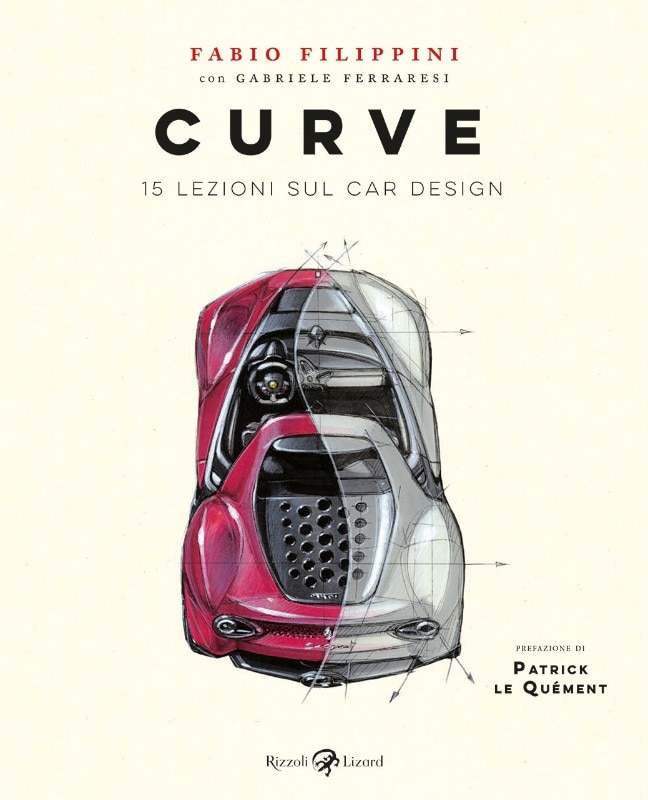
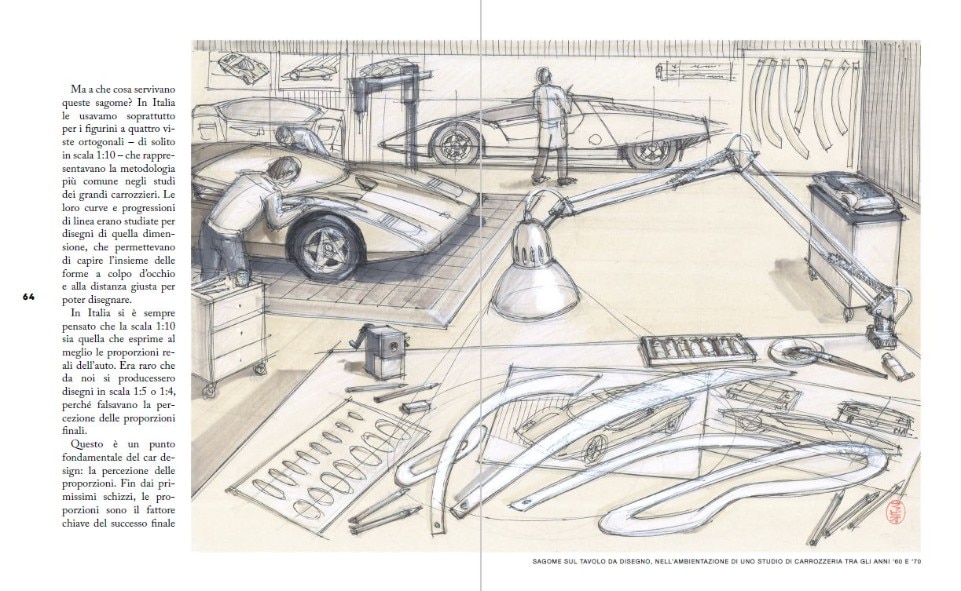
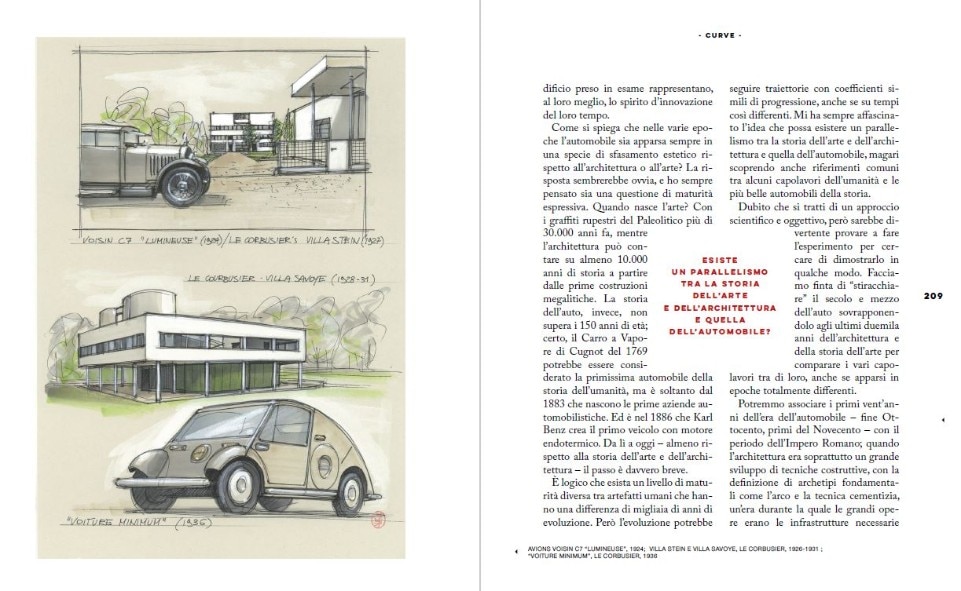
Fabio Filippini is one of Italy’s leading car designers, Design Director of Pininfarina from 2011 to 2017 he worked with Renault, where he developed the Mégane and Scenic families, and with Volkswagen, before moving to Tokyo, where he lives doing design strategy consulting. This book, written together with journalist Gabriele Ferraresi, and illustrated by himself, tells his story and collects his thoughts in 15 chapters: from his first 1:43 scale car, a Ferrari 512S Modulo Pininfarina, given to him by his father when he was 8 years old, to his beginnings in the great Italian body shop, to his international collaborations and his meeting, in 2003, with Steve Jobs (chapter 14). As Patrick le Quément writes in the preface, “This is not a book to be leafed through, although it will not be easy to resist the temptation to turn the page to discover the next drawing. Because it is full of encounters, thoughts and anecdotes, memories, advice, jokes and quotations. In addition, of course, to telling half a century of automotive design history.

Authors: Fabio Filippini, Gabriele Ferraresi. Title: Curve. 15 lezioni sul car design. Publisher: Rizzoli Lizard. Year: 2021. Pages: 240. Price: 22 euro. Language: Italian. ISBN: 978-88-1715-665-3
Curve
Authors: Fabio Filippini, Gabriele Ferraresi. Title: Curve. 15 lezioni sul car design. Publisher: Rizzoli Lizard. Year: 2021. Pages: 240. Price: 22 euro. Language: Italian. ISBN: 978-88-1715-665-3
Curve
Authors: Fabio Filippini, Gabriele Ferraresi. Title: Curve. 15 lezioni sul car design. Publisher: Rizzoli Lizard. Year: 2021. Pages: 240. Price: 22 euro. Language: Italian. ISBN: 978-88-1715-665-3