-
Sections
-
Keywords
10 iconic contemporary cemeteries, from Aldo Rossi to Toyo Ito
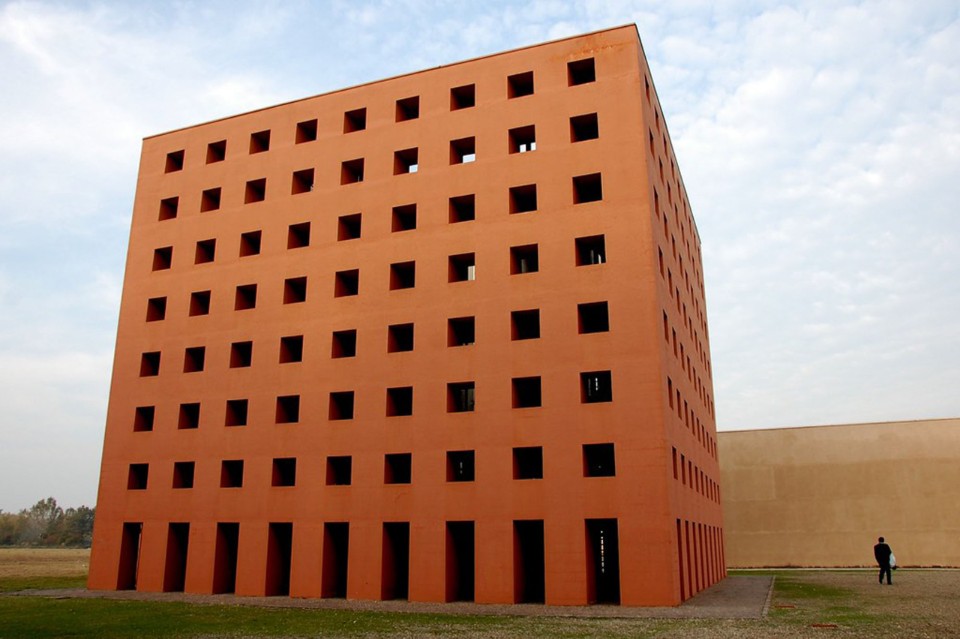
Cemetery of S. Cataldo, Modena. The ossuary
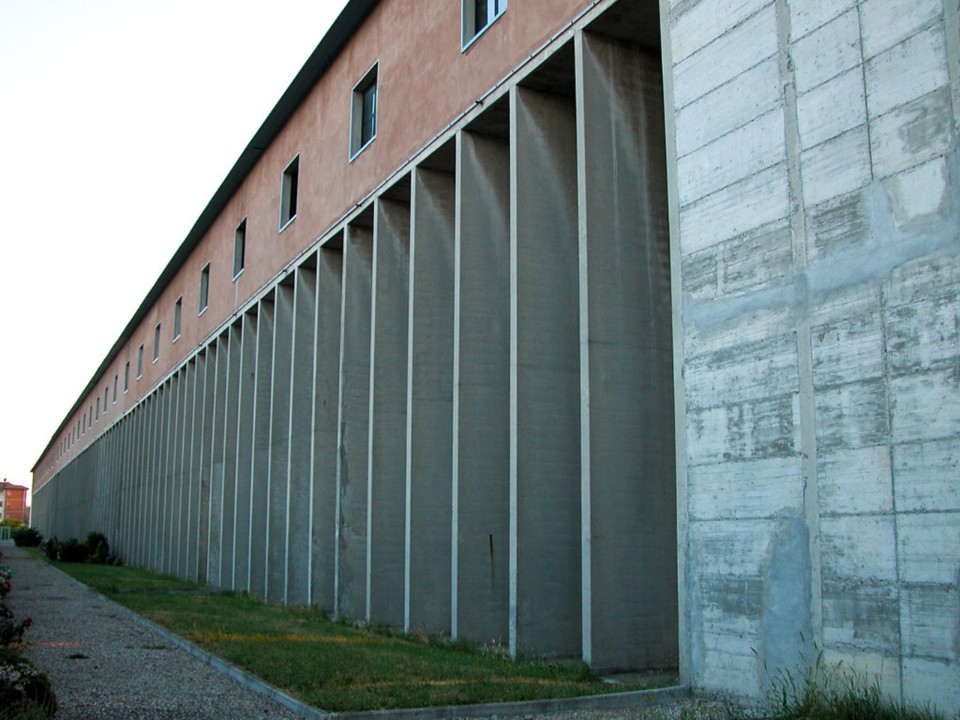
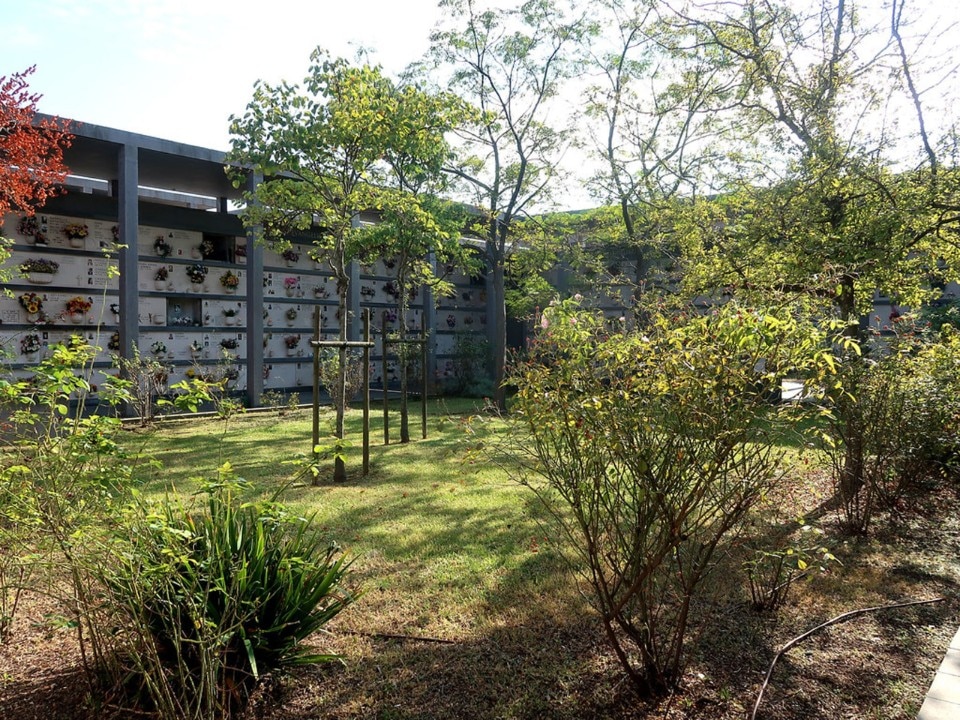
The extension is a "city of the dead" made up of buildings and functional paths where the relationship with death in a private form is replaced by a civic and institutional approach to farewell. The complex is characterised by buildings in a line housing the columbarium and surrounding a green enclosure in which the cubic volume of the ossuary is located. The bare volumes, in which windows without frame sopen like slashes in a regular rhythm , suggest the idea of a house, or what was once a house.
Aldo Rossi and Gianni Braghieri, Enlargement of the Cemetery of S. Cataldo, Modena 1971-1978. Photo: Antonio Trogu licensed under CC BY-NC-ND 2.0
Cemetery of S. Cataldo, Modena
Aldo Rossi and Gianni Braghieri, Enlargement of the Cemetery of S. Cataldo, Modena 1971-1978. Photo: Maurizio mwg licensed under CC BY-NC-ND 2.0
Cemetery of S. Michele in Isola, Venice
On the island of S. Michele, where the Venetian cemetery has been located since the 19th century, the extension is in line with the existing layout characterised by a succession of progressive additions of burial grounds: a grid of enclosures to be built in successive stages, organised into burial areas and structured by means of columbaria, preserves the progressive and stratified character of the historic architecture, modifying its degree of permeability thanks to greater openings and perspective views.
David Chipperfield, Enlargement of the Cemetery of S. Michele in Isola, Venice 2007. Photo: Bosc d'Anjou licensed under CC BY-NC-SA 2.0.
Cemetery of S. Michele in Isola, Venice
David Chipperfield, Enlargement of the Cemetery of S. Michele in Isola, Venice 2007. Photo: Bosc d'Anjou licensed under CC BY-NC-SA 2.0
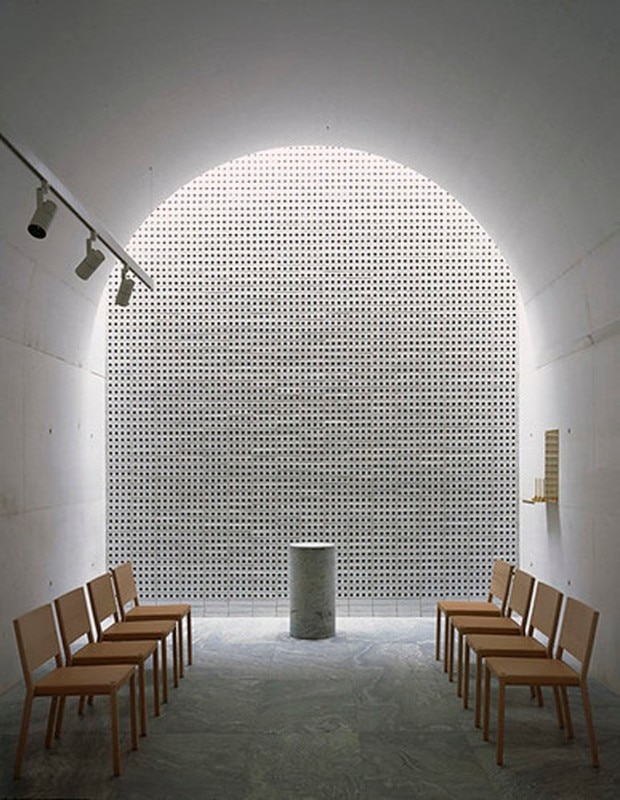
Brion Tomb, S. Vito d'Altivole, Treviso
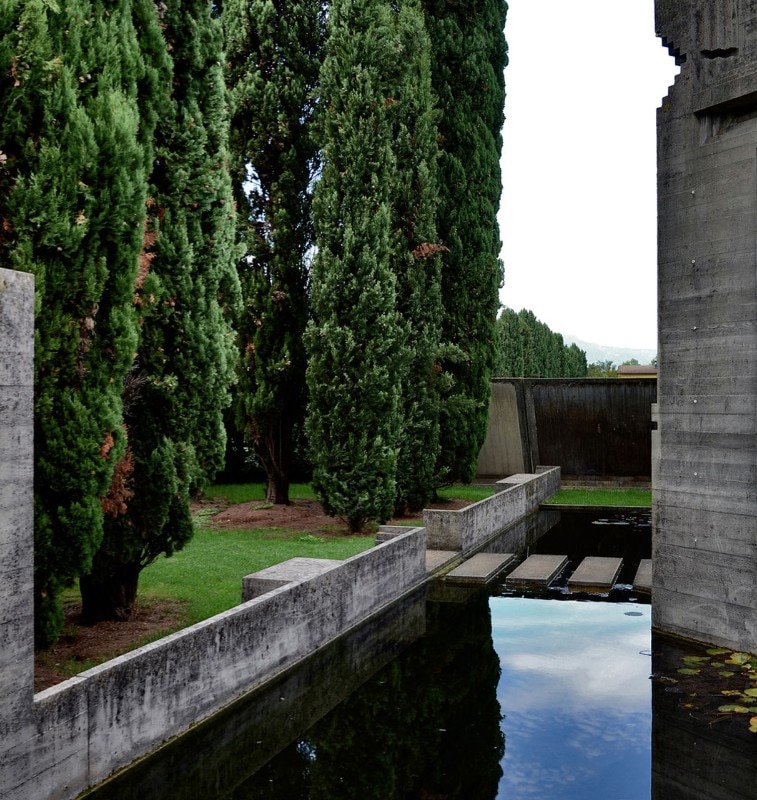
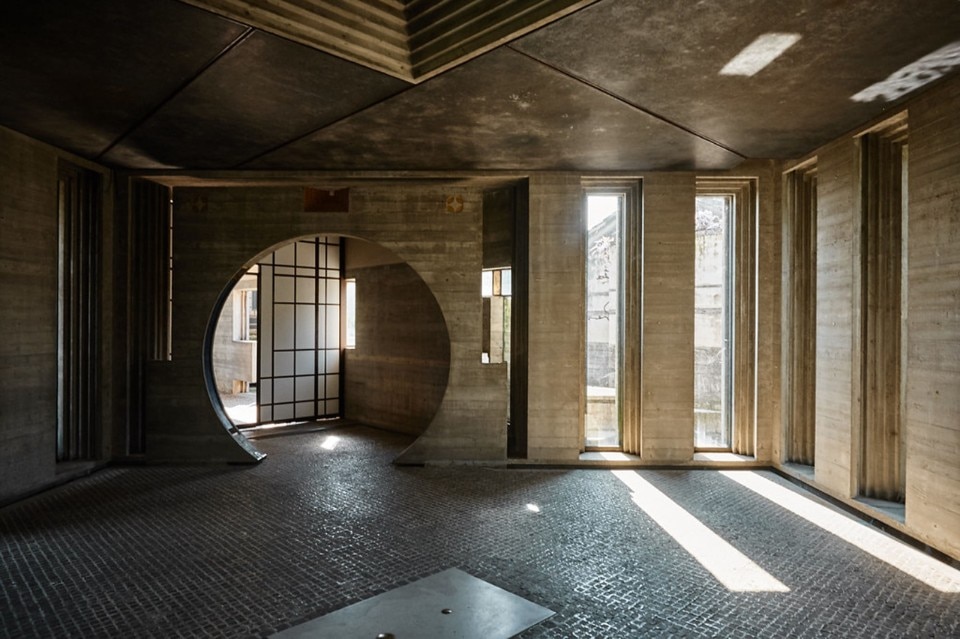
Commissioned by his wife in memory of Giuseppe Brion - founder of the Brionvega brand - the work, nestled in the greenery, is articulated in a series of buildings in exposed concrete and is composed of propylaea, an arcosolium, a chapel, a "meditation pavilion" placed on a body of water and a shrine with the tombs of relatives. The symbols used represent the vocation to go beyond death through identity and imperishable conjugal love.
Carlo Scarpa, Brion Tomb, S. Vito d'Altivole, Treviso 1969 - 1978. Photo: Seier+Seier licensed under CC BY-NC 2.0
Brion Tomb, S. Vito d'Altivole, Treviso
Carlo Scarpa, Brion Tomb, S. Vito d'Altivole, Treviso 1969 - 1978. Photo: August Fischer, licensed under CC BY-ND 2.0
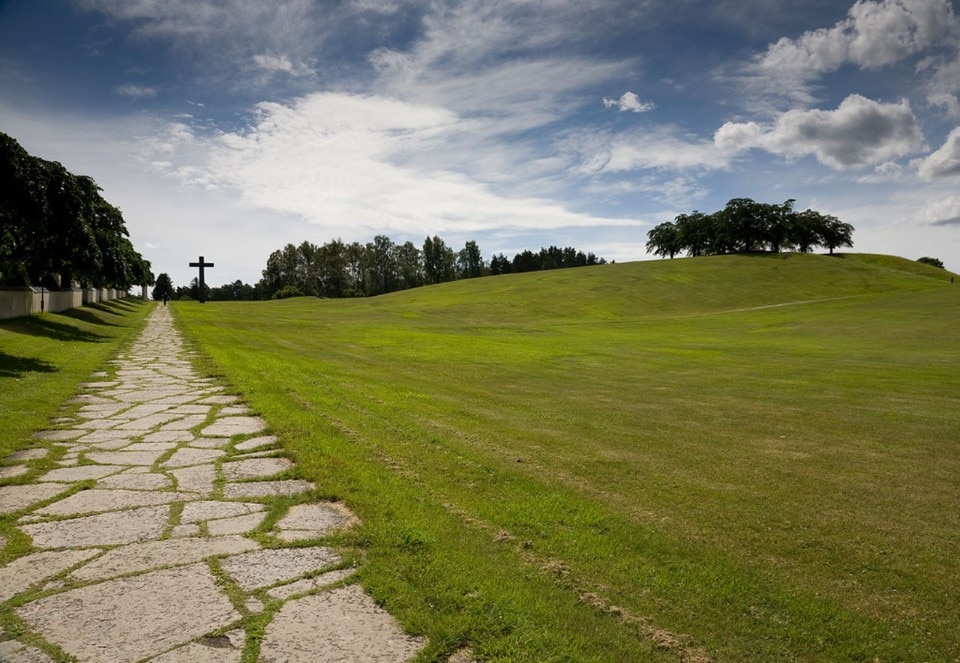
Woodland Cemetery, Stockholm
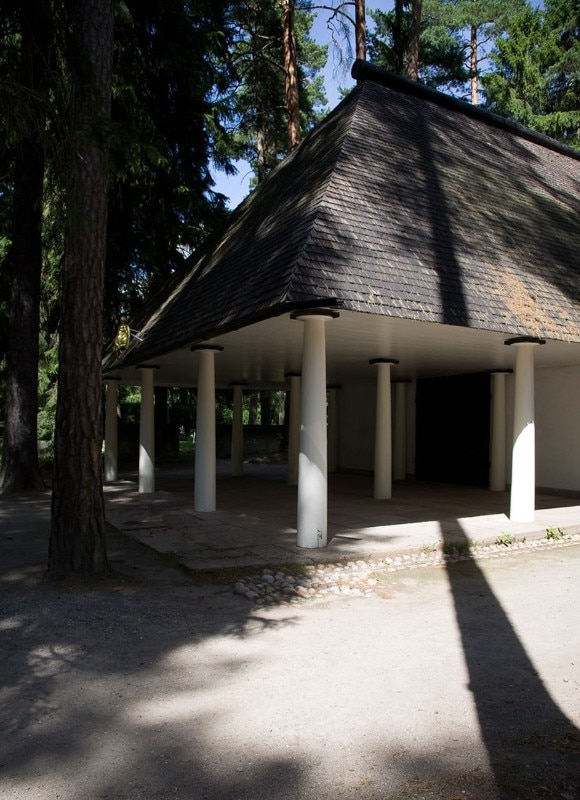
The complex, which includes a crematorium, chapels, meditation hill and burial grounds, is spread over a vast wooded area with plains, woods and clearings and is an example of a fine balance between built work and landscape. Here hares, deer and squirrels run to accompany visitors at their farewell: death is conceived not as an end but as a passage, through a process of rebirth that finds its confirmation in Nature's regeneration rhytm.
Gunnar Asplund and Sigurd Lewerentz, Woodland Cemetery, Stockholm 1915 - 1940. Photo: Peter Guthrie licenced under CC BY-NC-ND 2.0

Woodland Cemetery, Stockholm
Gunnar Asplund and Sigurd Lewerentz, Woodland Cemetery, Stockholm 1915 - 1940. Photo: Peter Guthrie licenced under CC BY-NC-ND 2.0

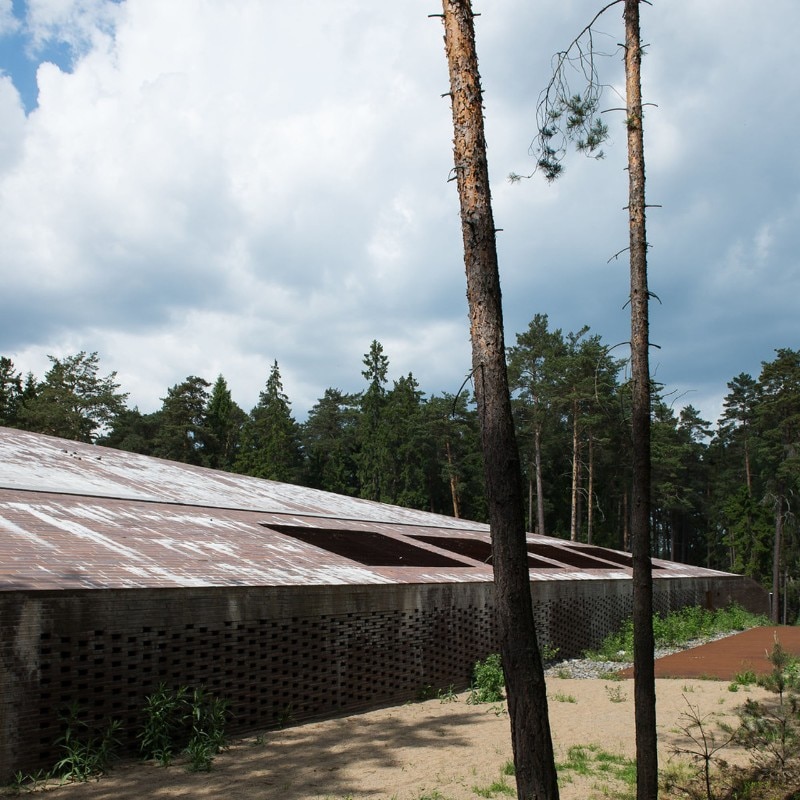
New Crematorium at Woodland Cemetery, Stockholm
The new crematorium confronts the existing monumental context by interpreting the spirit of the place through a respectful relationship with the forest. Far from being a mimetic intervention, however, the building is a square and compact volume made almost exclusively of exposed brick. Inside, in addition to the functional activities (space for crematoriums, management and handling of coffins), there are public functions (waiting room and farewell room) as well as office and staff rooms.
Johan Celsing, New Crematorium at Woodland Cemetery, Stockholm 2013. Photo: Fibsen licensed under CC BY-NC 2.0
New Crematorium at Woodland Cemetery, Stockholm
Johan Celsing, New Crematorium at Woodland Cemetery, Stockholm 2013. Photo: Poet Architecture marked with CC PDM 1.0
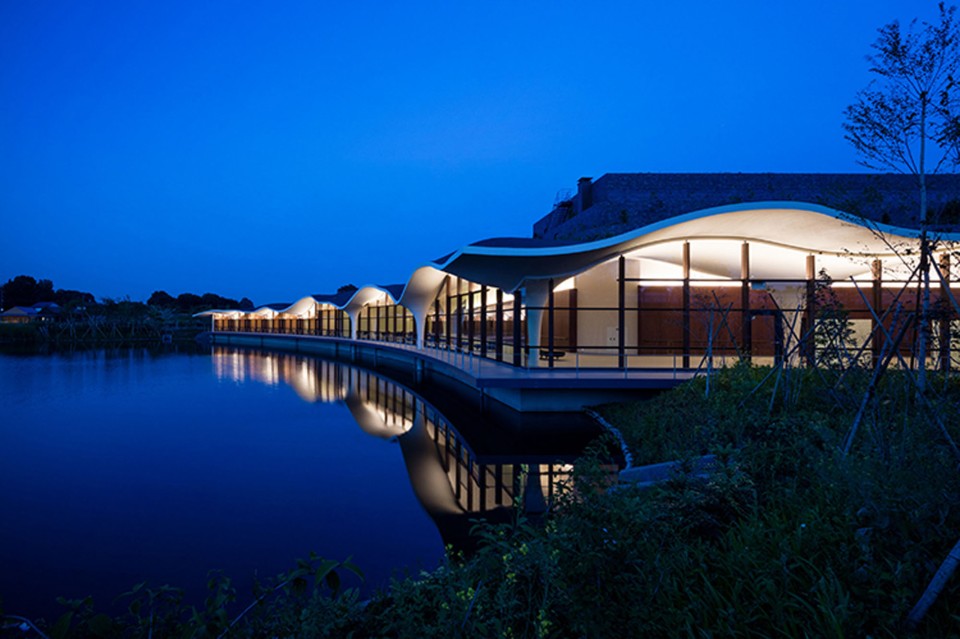
Meiso no Mori Municipal Funeral Hall, Japan
In the country with the highest percentage of cremations on the planet, the "Forest of Meditation" crematorium gently stretches out between wooded hills and an artificial lake over which it is mirrored. A large reinforced concrete roof supported by elegant columns seems to float lightly, covering the spaces in which the internal functions are located: three waiting rooms, two farewell rooms, a room with six crematoria and two burial rooms.
Toyo Ito and Associates, Meiso no Mori Municipal Funeral Hall, Kakamigahara, Japan 2006, licensed under the Creative Commons Attribution-Share Alike 4.0 International license
Municipal Crematorium, Ringsted
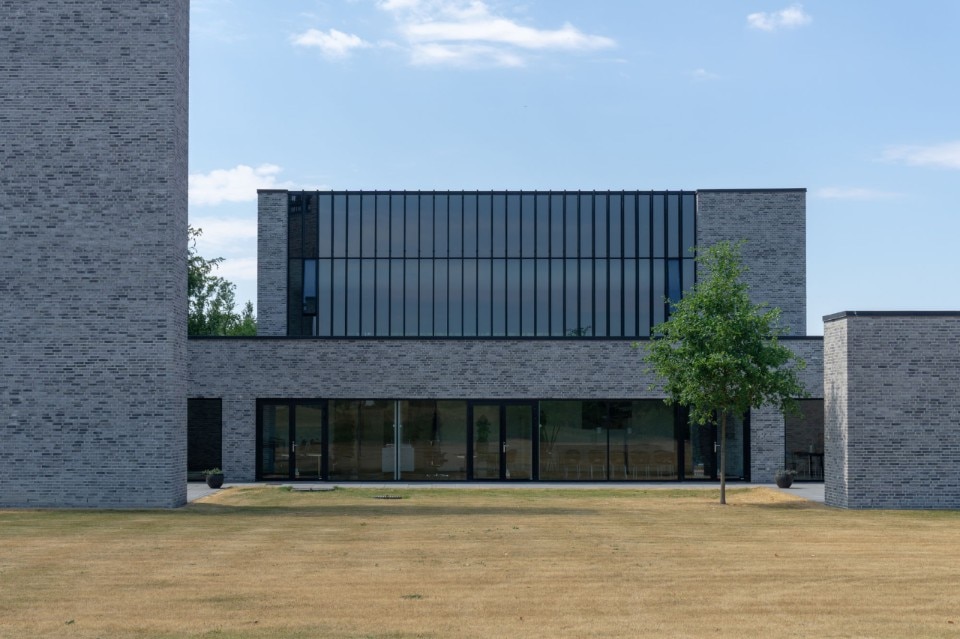
Situated in the middle of the largest of the Danish islands in a partially wooded green area, the new municipal crematorium was designed to meet new, up-to-date standards, including that of exhaust gas purification. The volumes of different sizes and heights, clad in ash-coloured brick, characterise a secular building with a functional, clearly contemporary language which renounces all religious rhetoric or symbolism.
Henning Larsen Architects, Municipal Crematorium, Ringsted, Denmark 2013. Photo: Pierre Chatel
Municipal Crematorium, Ringsted
Henning Larsen Architects, Municipal crematorium, Ringsted, Denmark 2013. Photo: Pierre Chatel
American Cemetery in Normandy
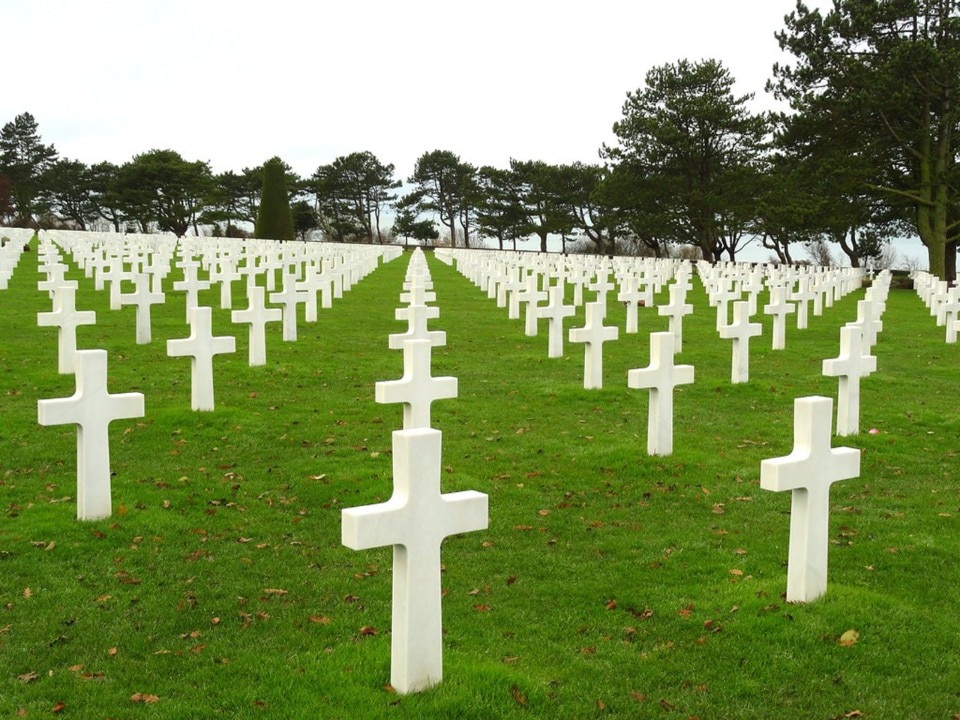
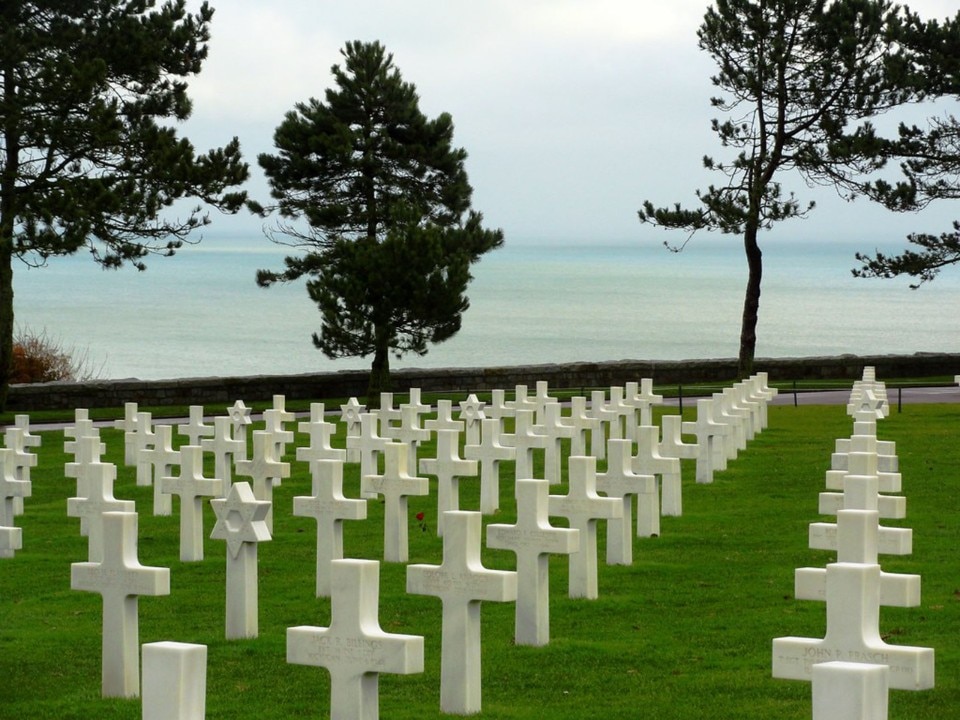
Near Omaha Beach, on the sea where one of the most important military operations ever took place, stands the American cemetery in Normandy. In the green lawn, white crosses - in memory of only some of the actual victims - are perfectly aligned and facing west. There is no trace of individual identity, but only a respectful silence to pay homage to those who, in the bloody din of the landing, disappeared without a trace in the darkest page of history.
Harbeson, Hough, Livingston & Larson, Markley Stevenson, Donald De Lue, American Cemetery and Memorial, Coleville-sur-mer, Normandia 1956. Photo: Archilli Family/Journeys licensed under CC BY 2.0
American Cemetery in Normandy
Harbeson, Hough, Livingston & Larson, Markley Stevenson, Donald De Lue, American Cemetery and Memorial, Coleville-sur-mer, Normandia 1956. Foto: Archilli Family/Journeys licensed under CC BY 2.0
Igualda Cemetery
The landscape designed by Enric Miralles and Carme Pinós is a place where the dead and the living can meet—where, above all, the living can experience existence as a continuous flow. It allows them to immerse themselves in a winding path through a burial site carved beneath the horizon, defined only by the concrete of the niches and the sky. But it is also an extension of the Catalan landscape itself, of the land and its hills, to which the project’s materials—raw concrete, stones, and corten steel—seem to inherently belong.
Enric Miralles and Carme Pinós, Cemetery of Igualada, Catalonia, Spain. 1985-1996. Photo Frans Drewniak from Flickr