
As a close friend and occasional collaborator of this office, I could be regarded as being subjective in my assessment of it. Nonetheless, I believe the 00:/ architecture and research office is the one truly mould-breaking practice in the UK. To put it another way, what other architecture practice has had David Cameron and Richard Branson walk through their doors to shake their hands?
Led by Indy Johar and David Saxby, the office is built around a group of socially engaged architects with satellites of intellectuals, entrepreneurs, architects, app designers, programmers, geographers, think-tanks, politicians, social scientists and anthropologists drawn into their orbit. With an average age of under 40, they are a model for strategic architecture that runs ahead of society, engaging and manipulating the invisible networks and seemingly impermeable political systems that genuinely change spaces. They create performative architecture — spaces that exist as a stage for social action and political change. This may occur through policy and lobbying, or through direct action.
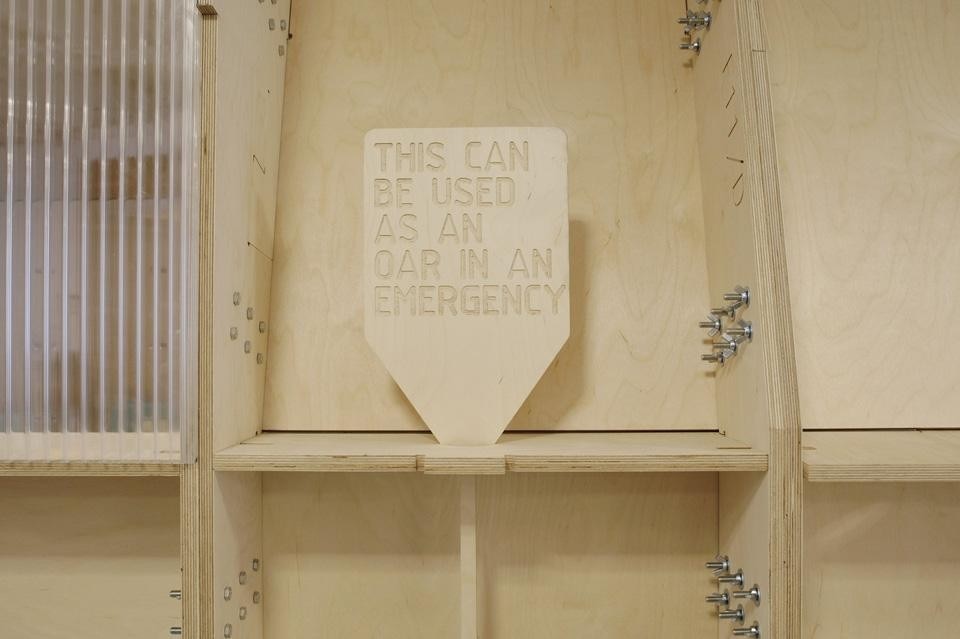
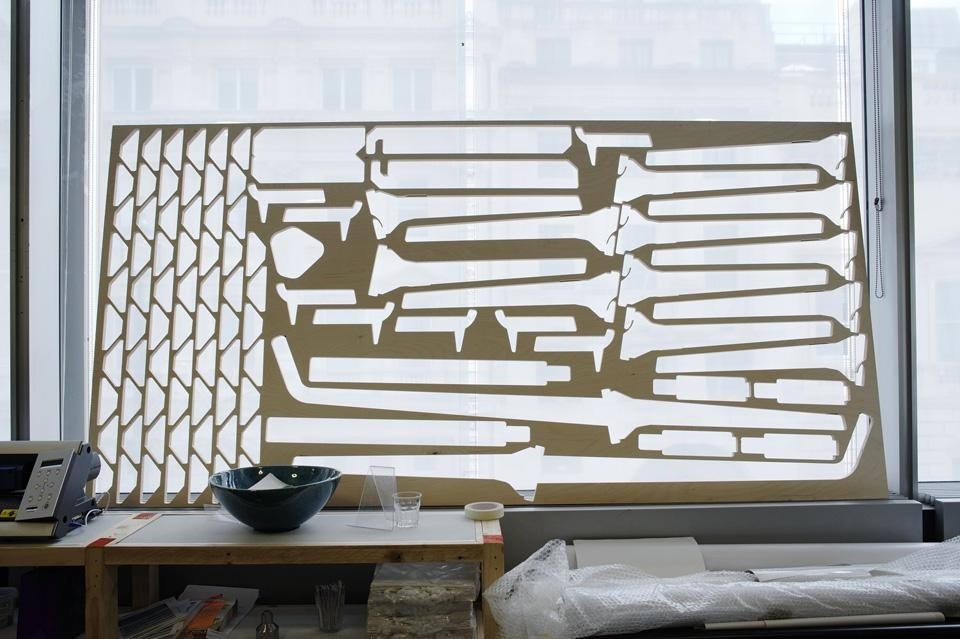
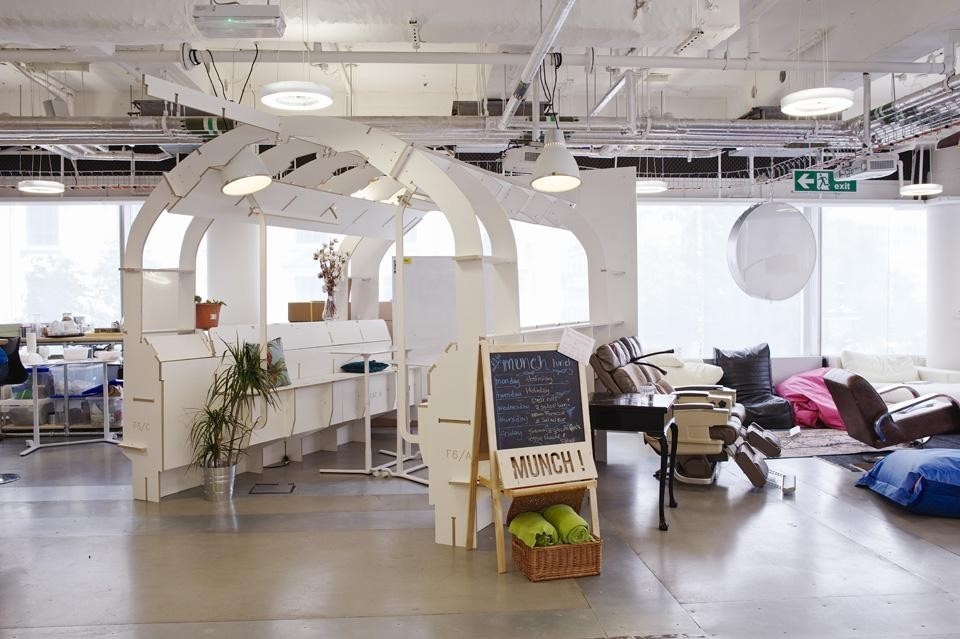
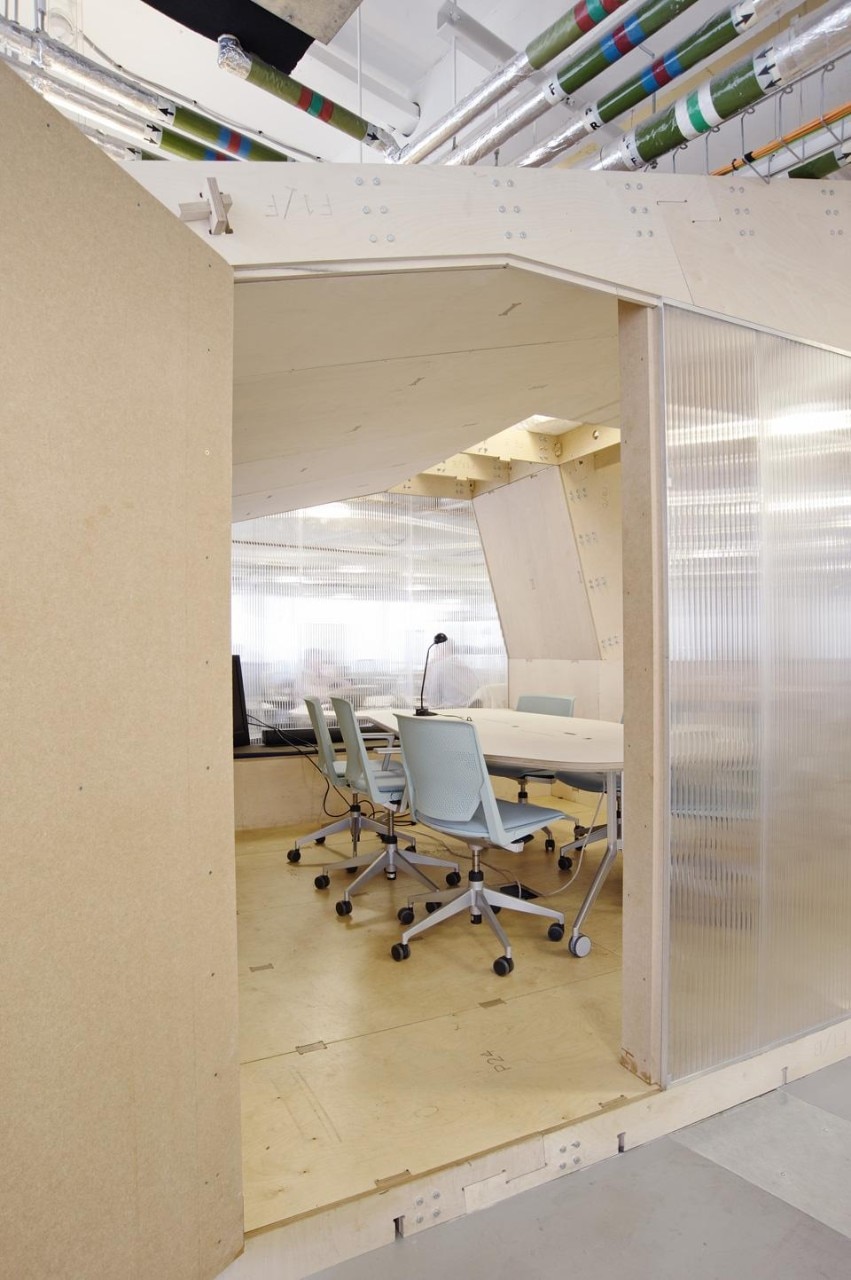
In the last two years, the practice's rhetoric has paid off with concrete projects and real success. Their publication Compendium for the Civic Economy was a blueprint for a combination of social purpose and Web 2.0. The Hub Westminster, where the office is based, is described as a "Superstudio for the New Economy": a space specifically designed to create the perfect environment for start-up community businesses and social entrepreneurs. The Hub Kings Cross, Angel and now Westminster is not just designed by the architects at 00:/, but they also provided the financial strategy for the business, creating a specific spatial and social model for success.
00:/ view the design of institutional, financial and social structures as the key to successful regeneration strategies in the built environment. And as the rest of architecture catches up, their model will only become more relevant. Beatrice Galilee (@_beatrice)
00:/ view the design of institutional, financial and social structures as the key to successful regeneration strategies in the built environment