In 1993, Sottsass designed his first tableware collection for Alessi: now La Bella Tavola is back
Alessi reissues Ettore Sottsass's La Bella Tavola, the tableware collection that is also a tribute to his beloved China.
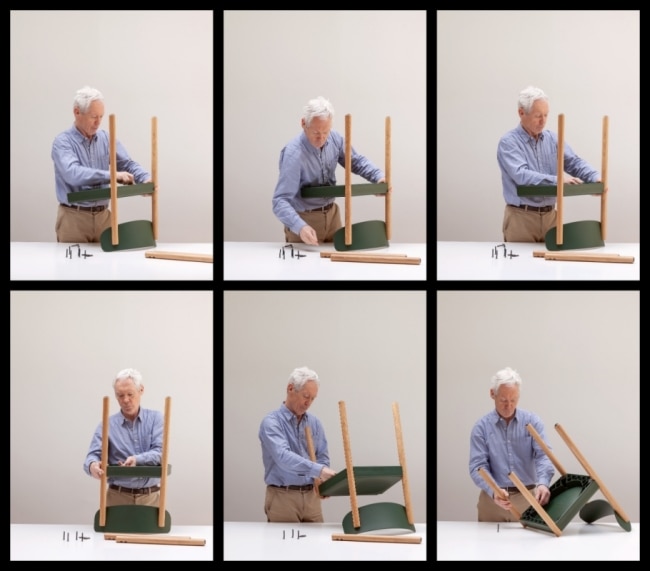
With Scout, Konstantin Grcic doesn’t offer a solution to the contemporary office; instead, he stages its crisis: an open, reconfigurable furniture system that reflects a way of working that is still unstable—something to be built rather than designed.
Alessi reissues Ettore Sottsass's La Bella Tavola, the tableware collection that is also a tribute to his beloved China.
Designed for camping and outdoor life, the brand's new products are designed to be easy to use, intuitive, safe and truly inclusive, adapting to different needs and bodies.
In Trento, the exhibition “Hit List 80. Design, interface, colour” revisits the 1980s through Memphis and a local scene where design, architecture, and image converge—revealing how our contemporary understanding of objects took shape.
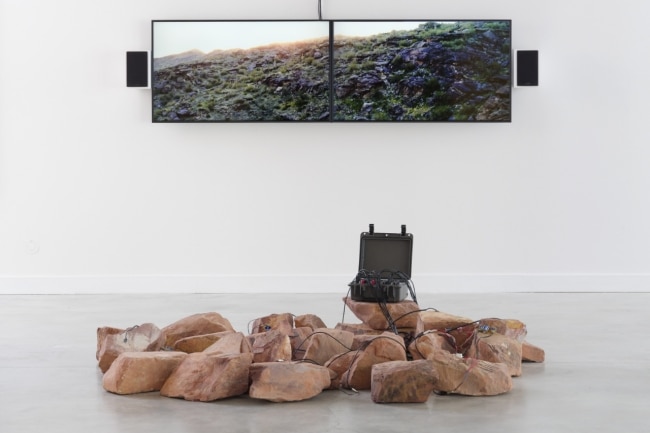
From sensory memory to material reconstruction, Memo. Souvenirs du futur stages a form of design that moves between loss and repair, turning the climate crisis into a field of action.
From the return of color to the end of minimalism: how emotional design and the promise of wellbeing are redefining domestic interiors.
At Collect art fair in London, ceramics, textiles, and jewelry highlight how craftsmanship is emerging as a conscious alternative to accelerated production and instant culture.
For decades photographic technology struggled to render darker skin tones accurately. TECNO turned that bias into a design problem — and a technological advantage that helped the company expand across Africa and other emerging markets.
Sound systems move into museums, boutiques and even brutalist churches, shifting listening from background to space. We set out to understand what this shift really means.
Amid experimental galleries and radical objects, Collectible Brussels reveals a still-elusive collectible design, where the boundaries between art, craft, and research grow increasingly fluid and hard to define.
At Triennale Milano, the exhibition “Lella and Massimo Vignelli. A language of clarity” reconstructs a “biography through projects” that goes beyond style: from visual systems for companies and institutions to the grids that now structure interfaces and information, their method continues to organize the way we read the world.
From Pratone to Strum to the Piper-Pluriclub, a shared cultural matrix emerges: a Turin that functioned as a laboratory where design first took shape as experience rather than object.