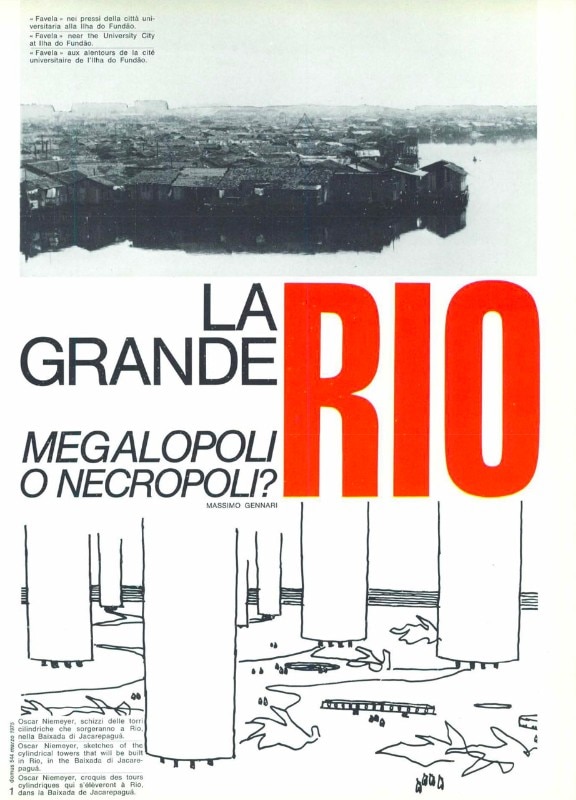
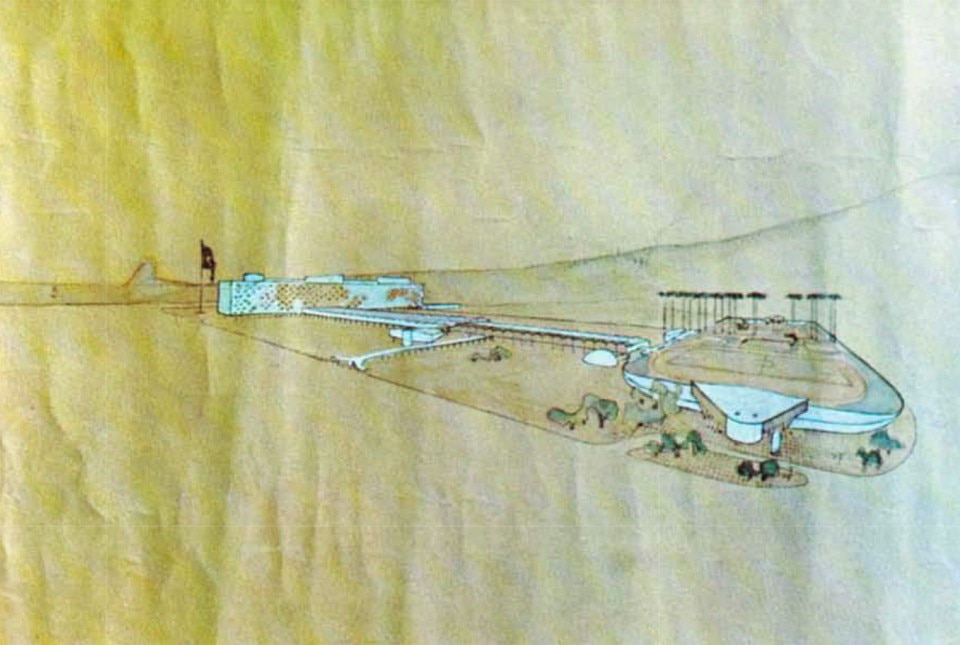
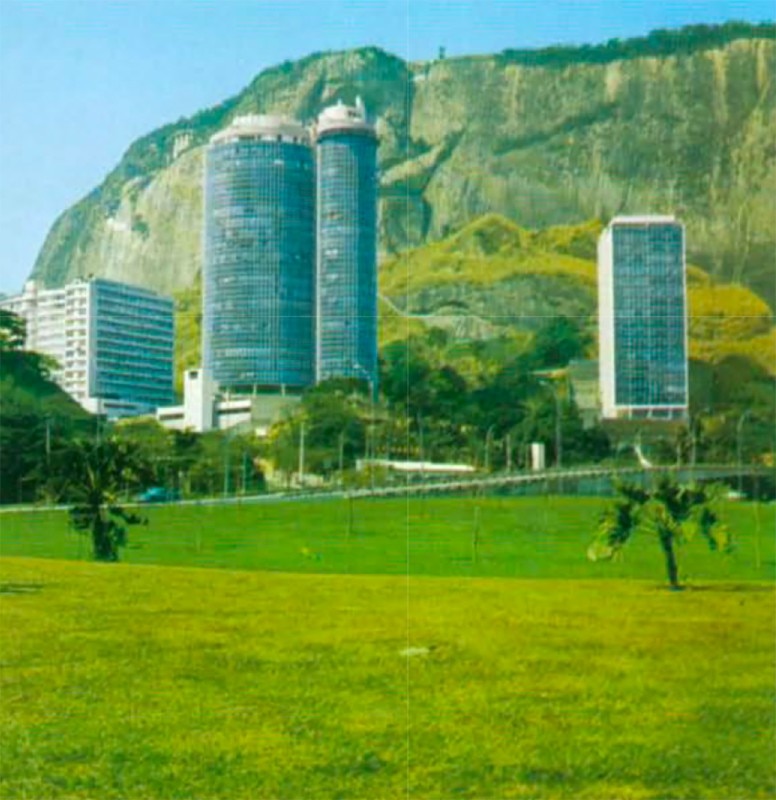
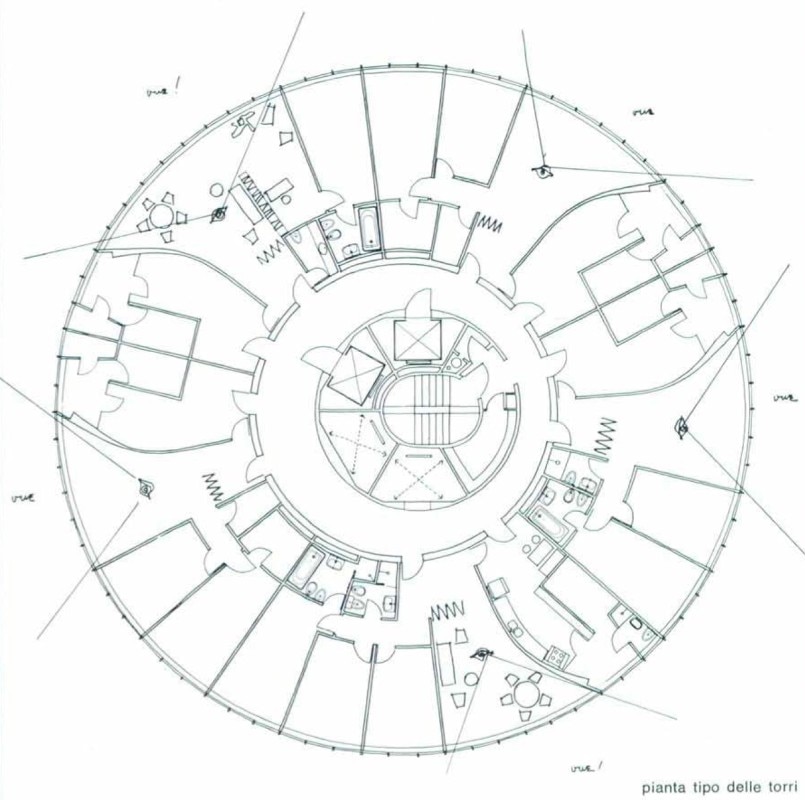
Massimo Gennari, La grande Rio. Megalopoli o necropoli?. At the bottom of the page: Oscar Niemeyer, sketches of the cylindrical towers that will be built in Rio, in the Baixada di Jacarepaguá. From Domus 544, March 1975
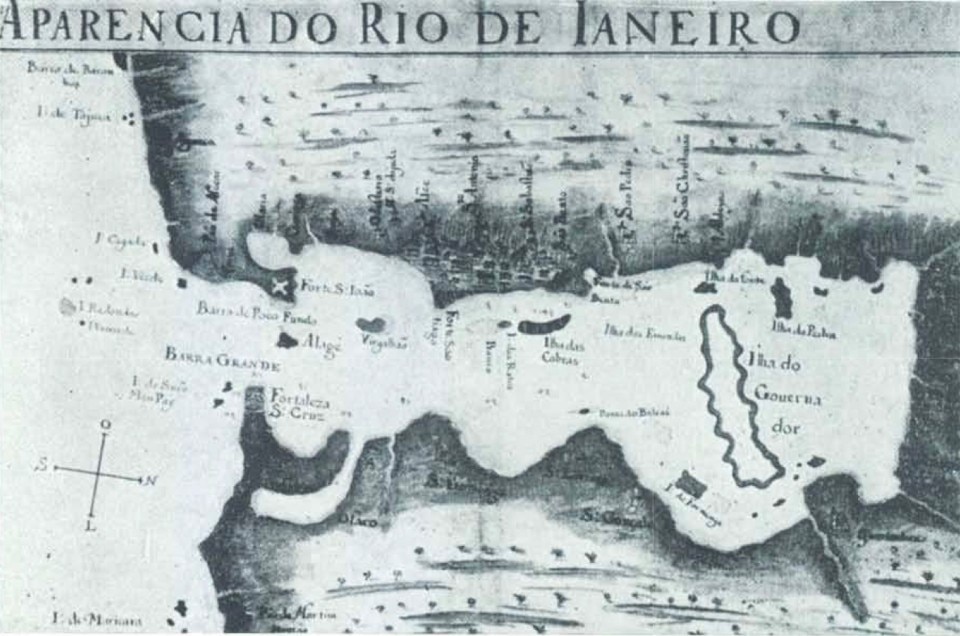
Map of Rio as it was before 1666, taken from the “Livro de toda a costa da Provincia de Santa Cruz” by João Texeira Albernaz Neto. From Domus 544, March 1975
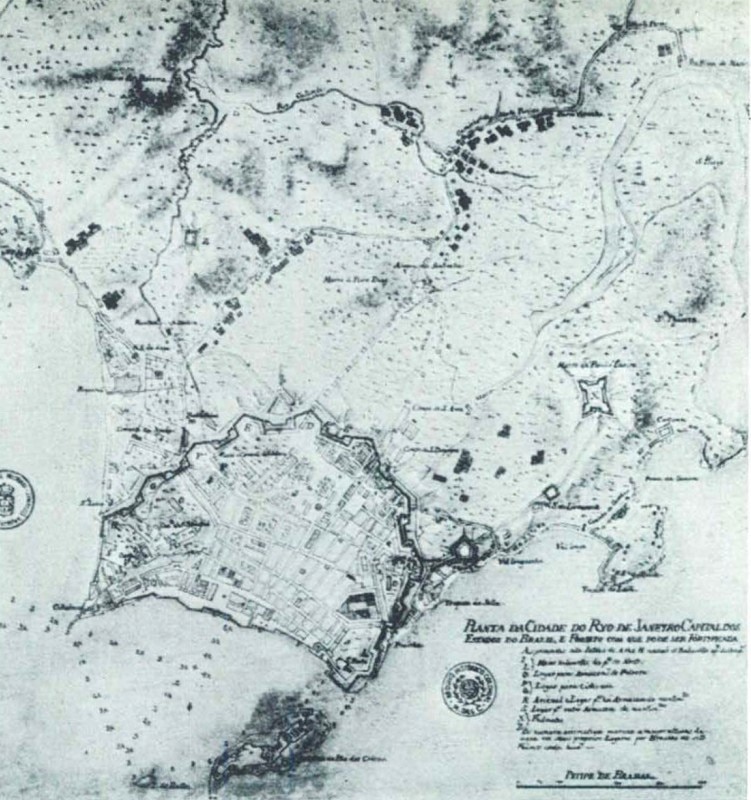
Project for the fortifications of Rio, by engineer sergeant-major Francisco João Roscio, 1769. From Domus 544, March 1975
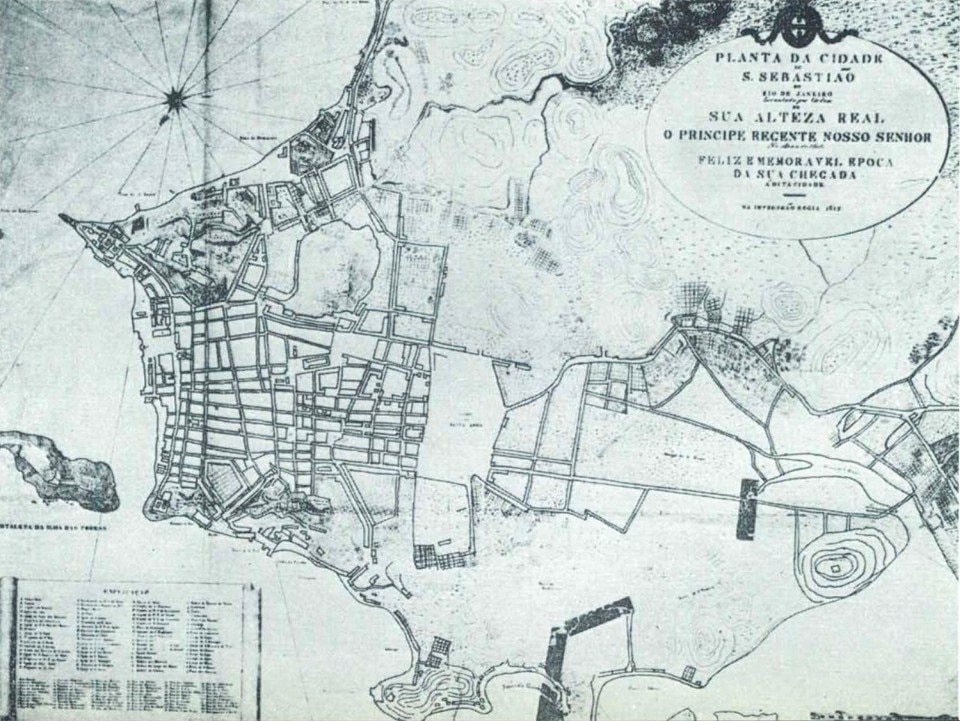
The shape of the city of Rio in 1812. From Domus 544, March 1975
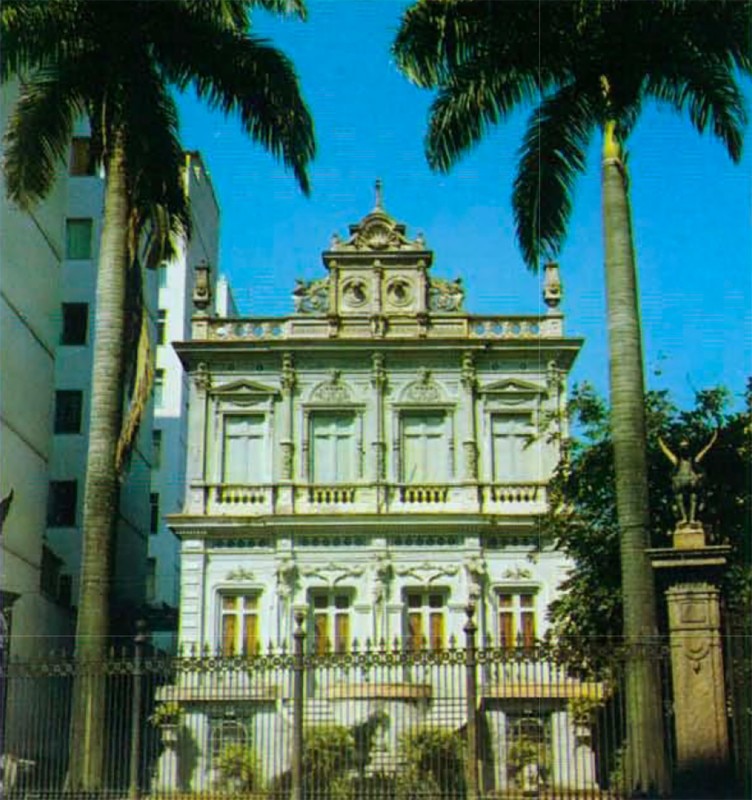
Remains of imperial Rio. From Domus 544, March 1975
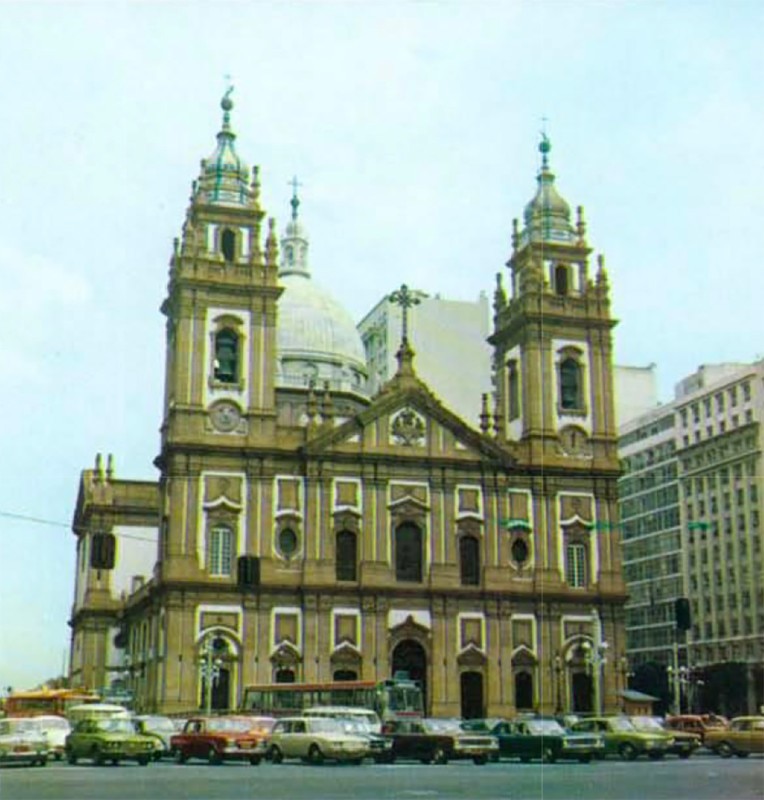
The Candelária cathedral, where the city’s two axes – the Avenida Rio Branco and the Avenida Vargas – meet. From Domus 544, March 1975
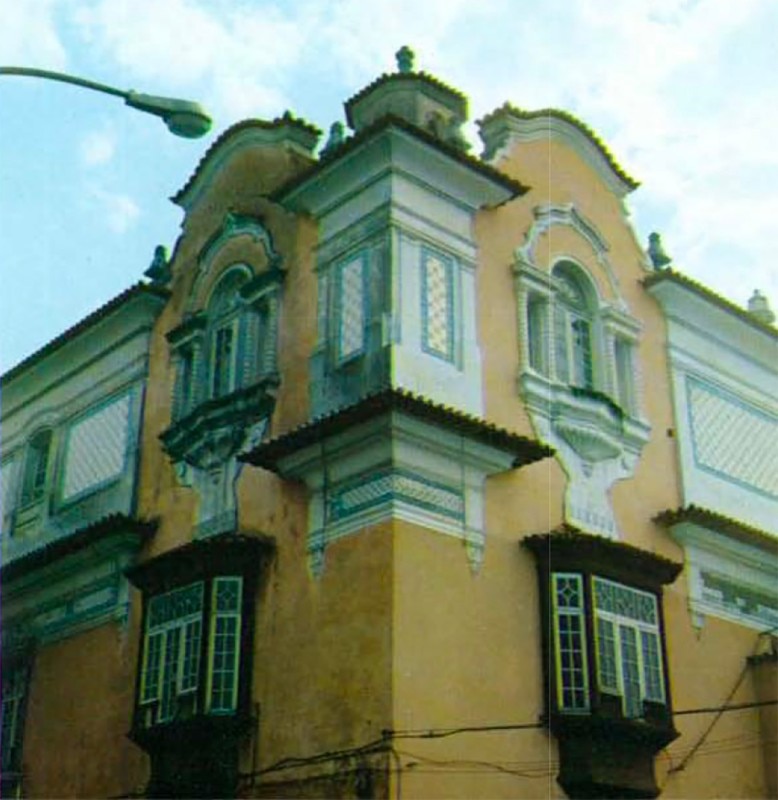
Azulejos” and “Sobrados” in colonial architecture. From Domus 544, March 1975
Lucio Costa, design for the University City, 1939-1940. From Domus 544, March 1975
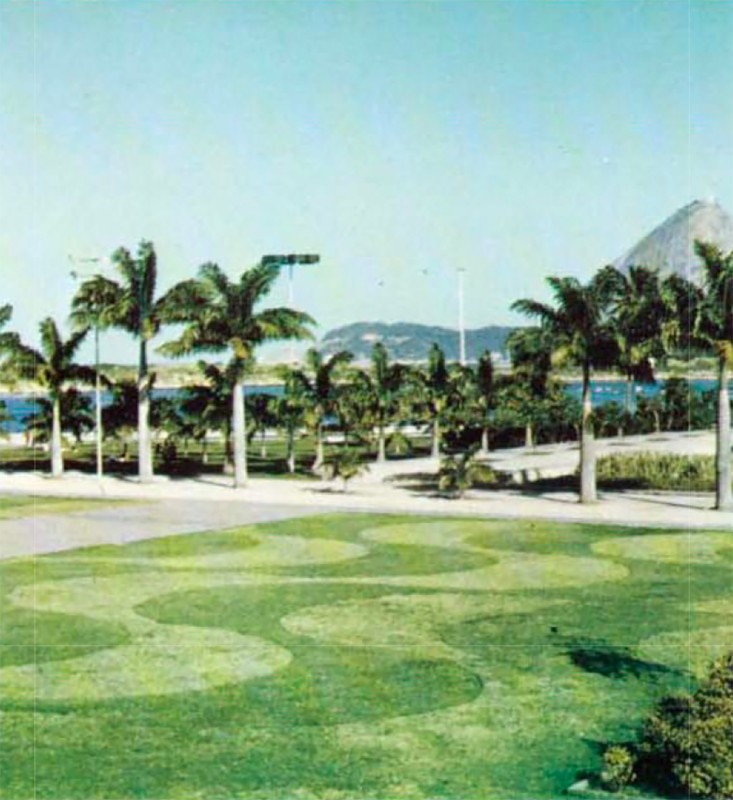
Roberto Burle Marx, the Flamengo gardens. From Domus 544, March 1975
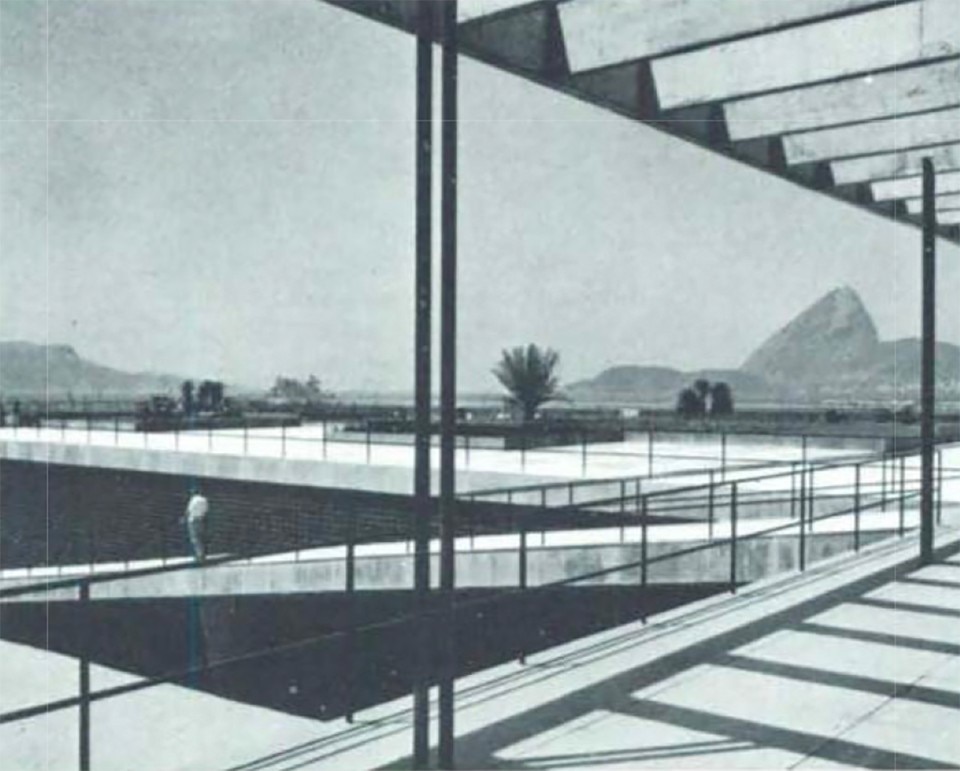
Affonso Reidy, the roof-garden of the Museum of Modern Art. From Domus 544, March 1975
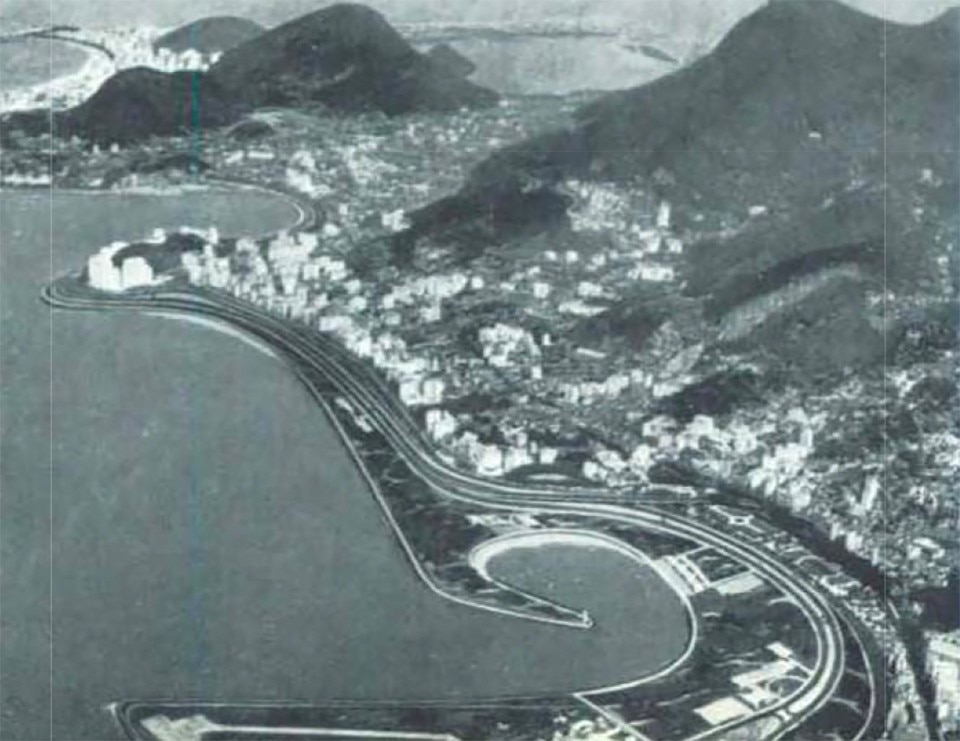
Roberto Burle Marx, arrangement of the Flamengo, Gloria, Catete and Lapa shores. From Domus 544, March 1975
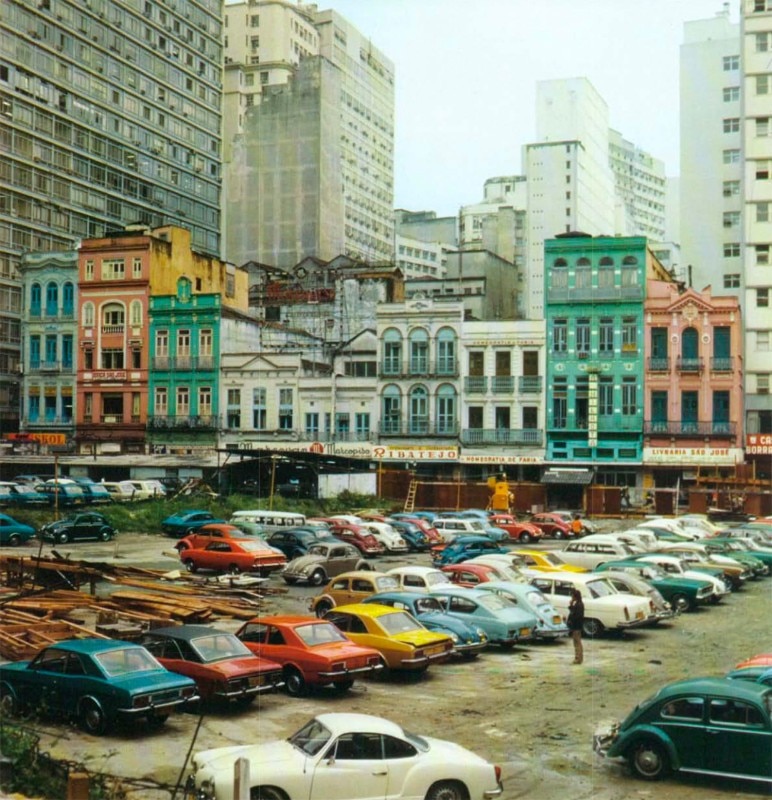
Last traces of colonial Rio. From Domus 544, March 1975
Natural profiles and constructed profiles along the Rodrigo de Freitas lagoon. From Domus 544, March 1975
Lucio Costa (with Leão, Moreira, Niemeyer, Reidy, Vascóncelos), former Ministry of Education and Health, 1937-1943. From Domus 544, March 1975
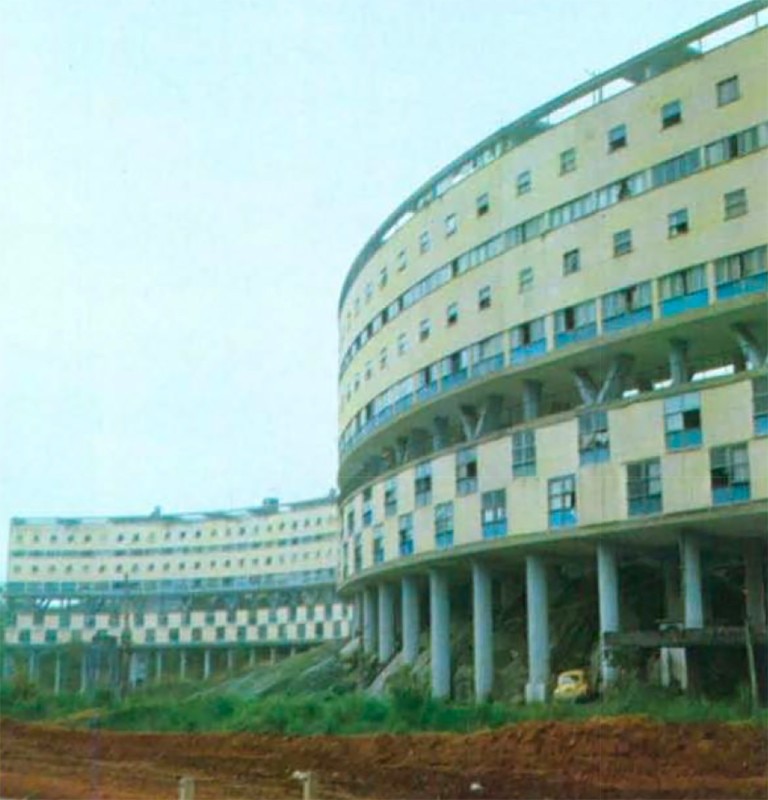
Affondo Reidy, Gavea housing quarter, 1958. From Domus 544, March 1975
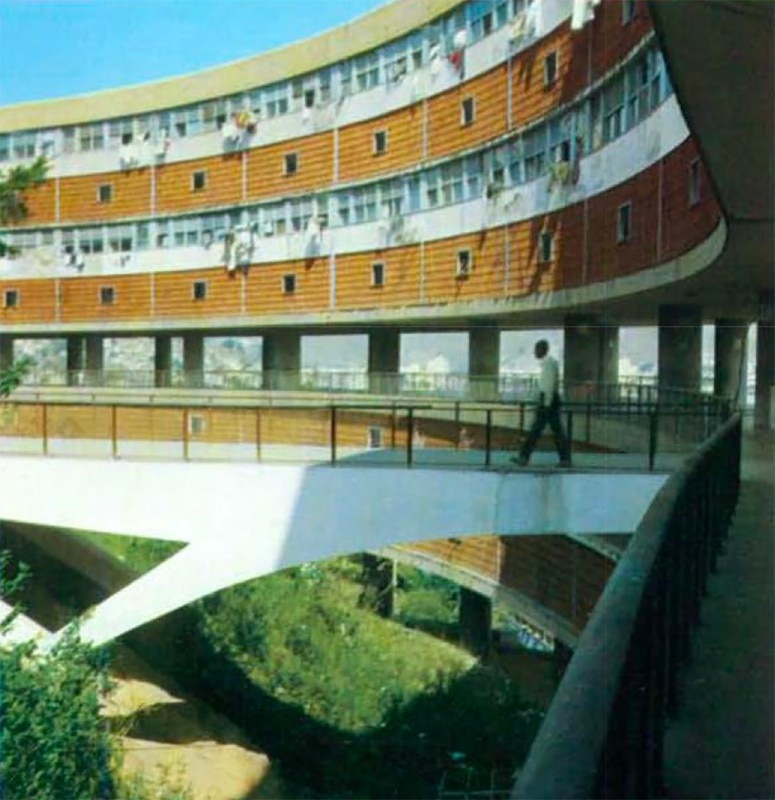
Affonso Reidy, Pedregulho housing quarter, 1947. From Domus 544, March 1975
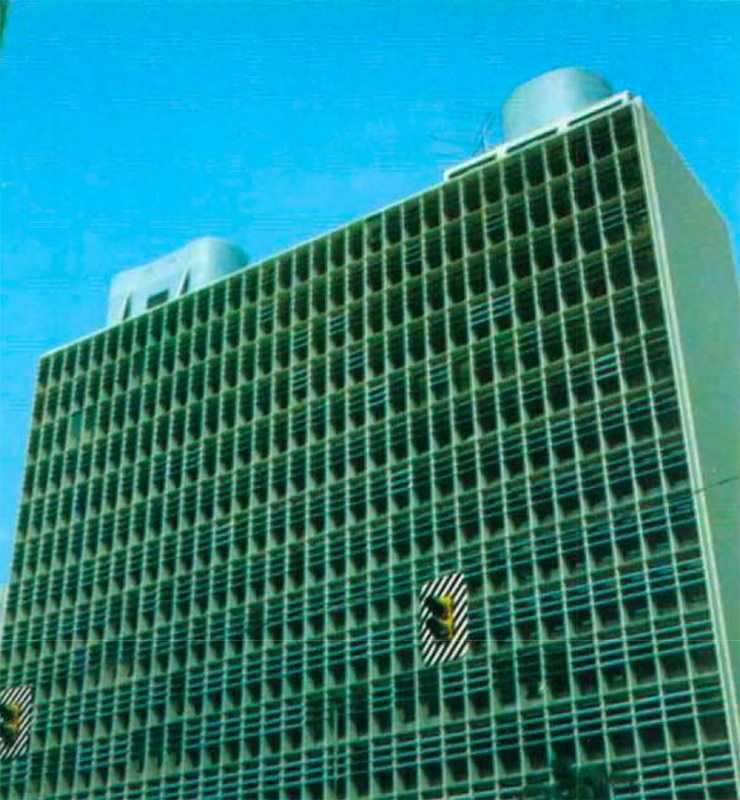
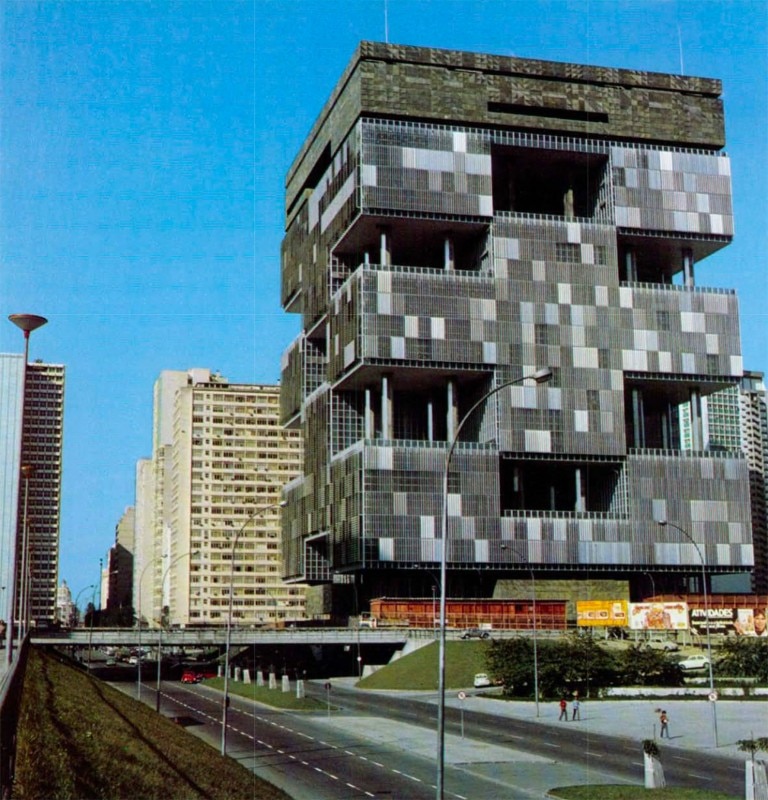
Architecture for the régime. The Petrobrás building (Brazilian petroleum). From Domus 544, March 1975
Oscar Niemeyer, project for the urban development of the Baixada di Jacarepaguá. Typical floor plan of a tower. From Domus 544, March 1975