


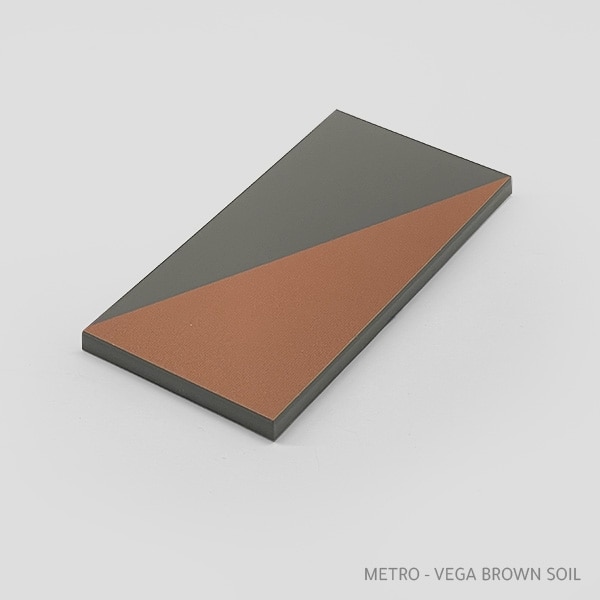
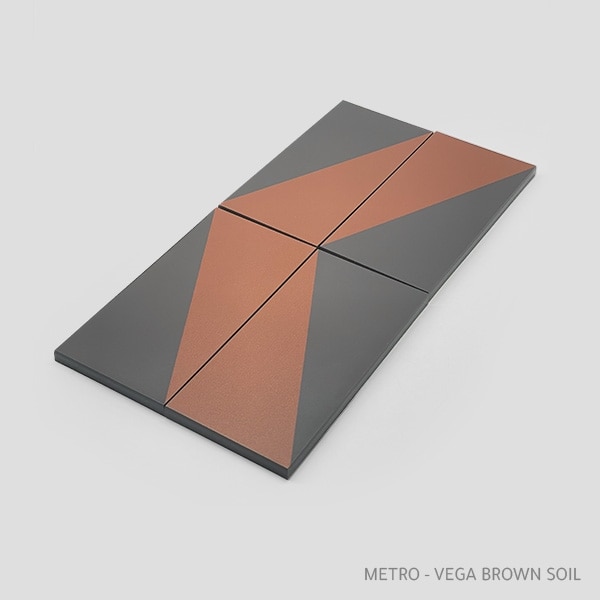
Throughout the history of design, architects and designers have repeatedly celebrated the humble 10-by-10-centimeter square tile through surfaces that became manifestos in their own right. A modular archetype, this seemingly simple object has generated countless grids, patterns, and compositions, inspiring artists, craftspeople, and designers who have seen entire worlds within its sharply defined boundaries. From Enzo Mari’s collections for Gabbianelli to Konstantin Grcic’s exploration of monochromatic systems for Mutina, the ceramic tile has long been a canvas for experimentation.
Yet while some tiled landscapes have earned a permanent place in architectural memory, the idea of permanence is increasingly at odds with contemporary living. Today’s housing reality is defined by mobility: people move more frequently, live in smaller homes, and rely on spaces that often need to serve multiple functions at once.
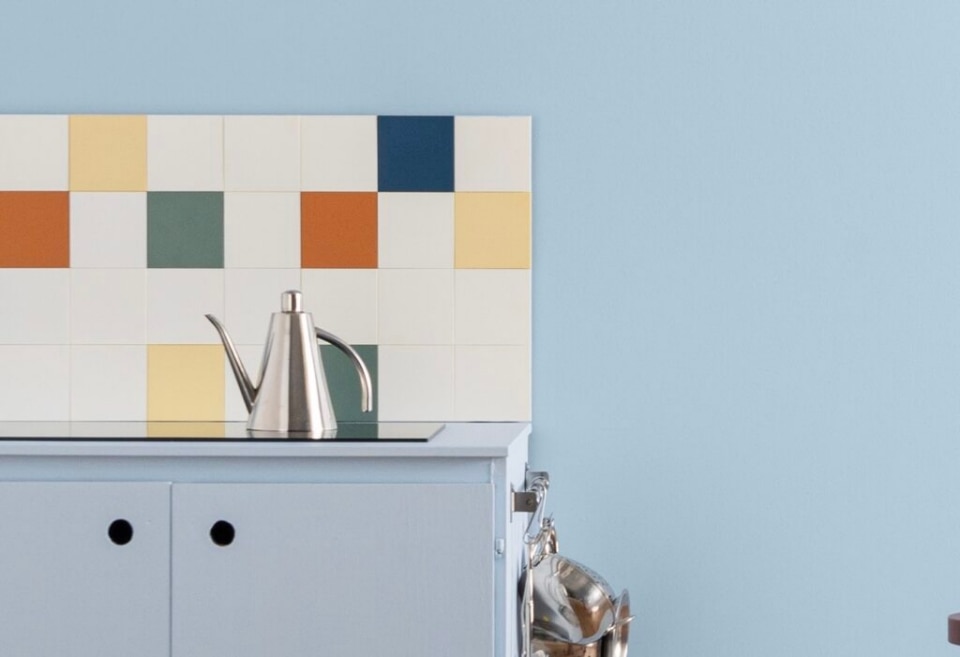
With these challenges in mind, a Danish company asked a simple question: what if tiles could be packed into a moving box just like furniture, books, or clothing, ready to be reinstalled in a new home?
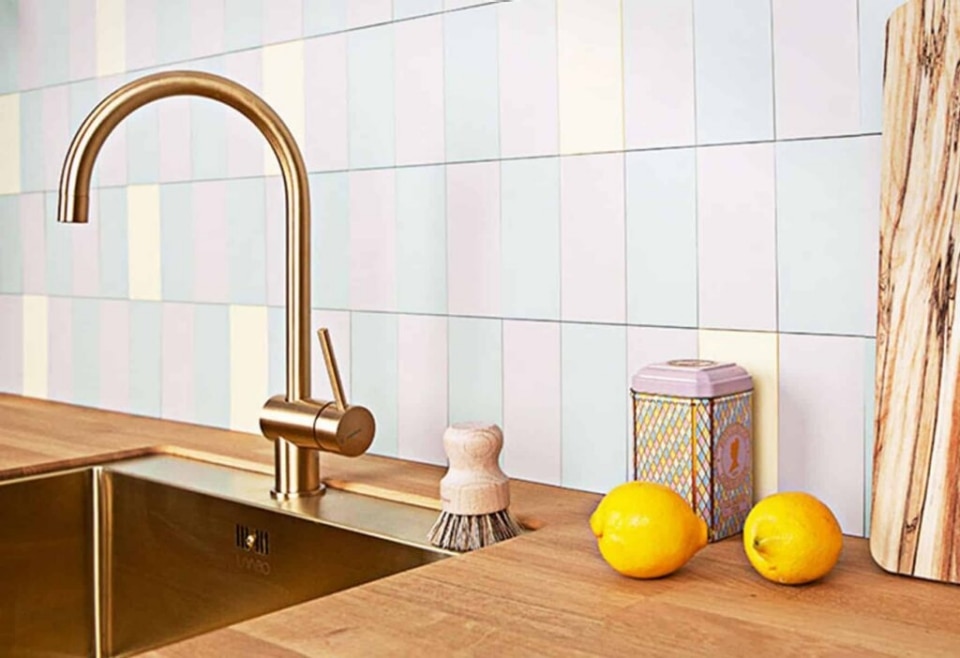
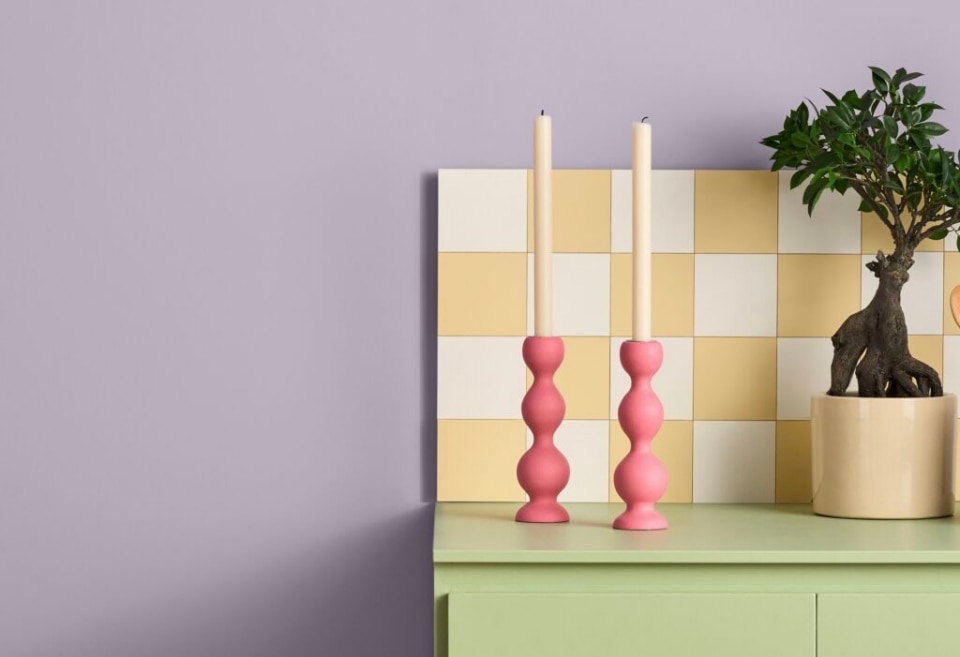
What if a tiled backsplash could be installed as easily as rolling out a rug or hanging a picture? The concept evolved into an award-winning product — recognized, among others, at the 2021 German Design Awards — built around a system of 10×10-centimeter tiles that snap together and apart much like Lego bricks, another iconic Danish invention. Founded in 2017 by Lars Thomsen, Click’n Tile emerged from a personal experience. Trained as a craftsman and later employed as a product manager in the construction industry, Thomsen developed the idea during a renovation project, frustrated by the waste and demolition involved in conventional tiling.
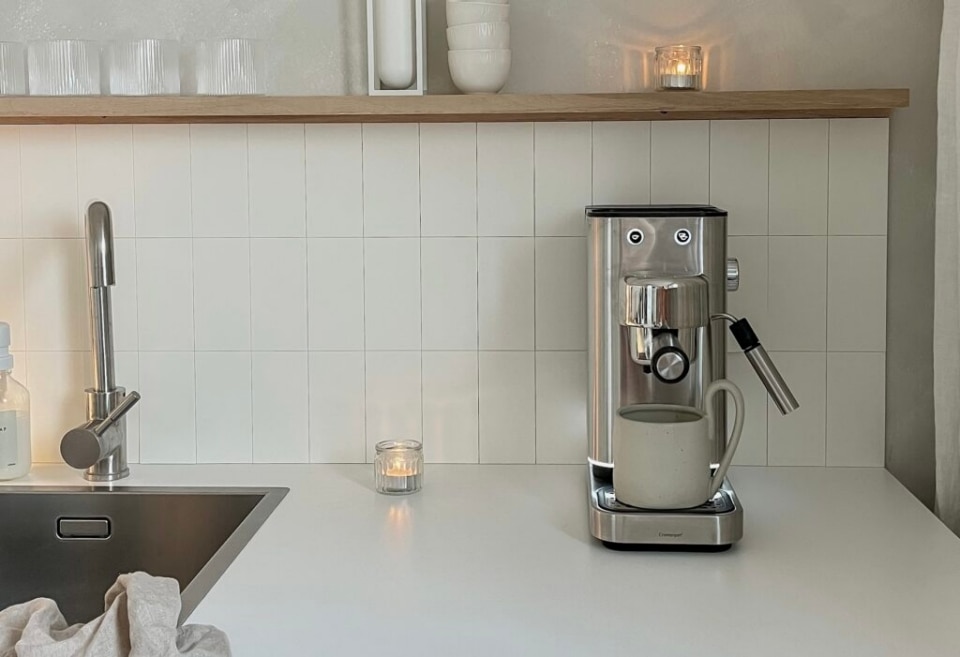
The solution proved particularly appealing for rental homes, where tenants often want to personalize interiors without undertaking invasive construction work. It also found a natural audience among boutique hotels and B&Bs, where refreshing the look of a room is often part of the business. Most importantly, however, the system dramatically reduces waste. Unlike traditional tiled surfaces, which are typically destroyed during demolition and end up as rubble, Click’n Tile panels can be removed intact and immediately reused elsewhere.
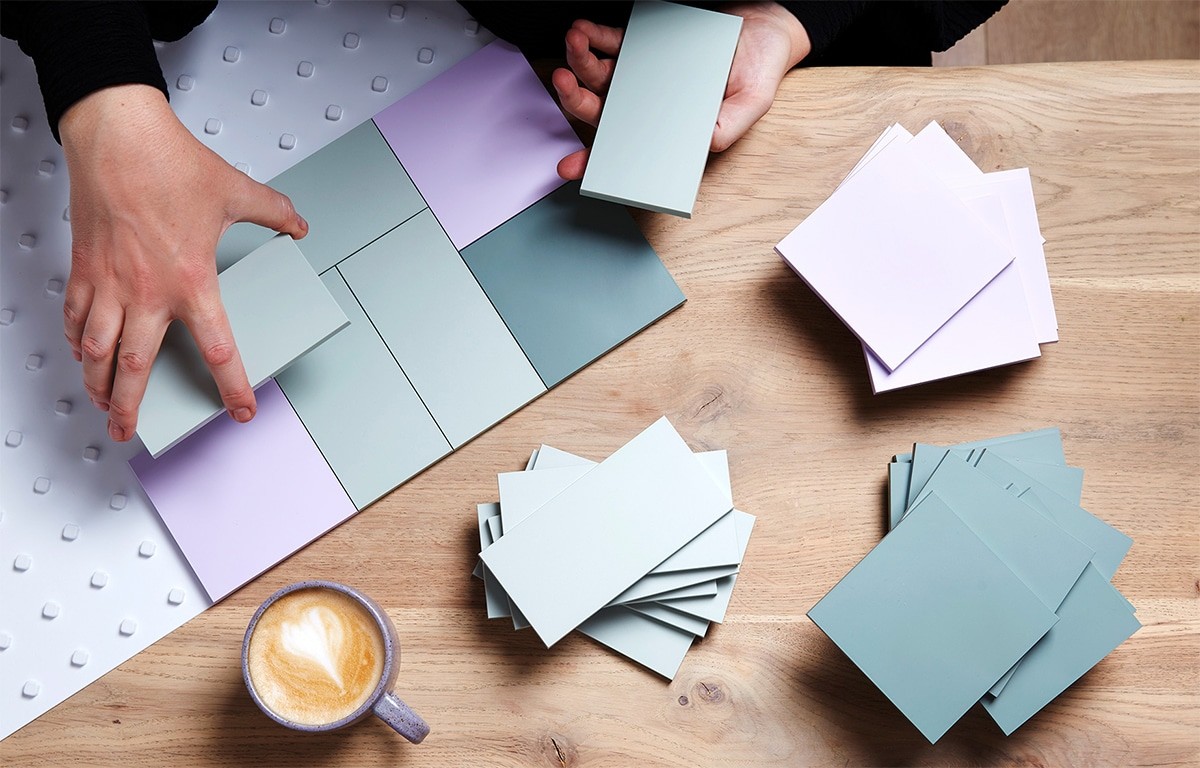
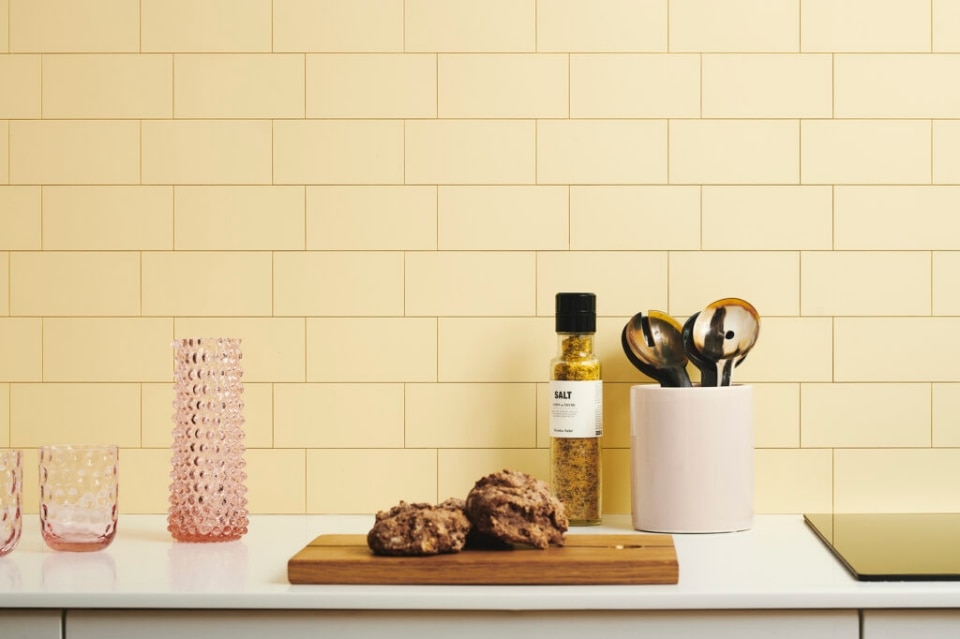
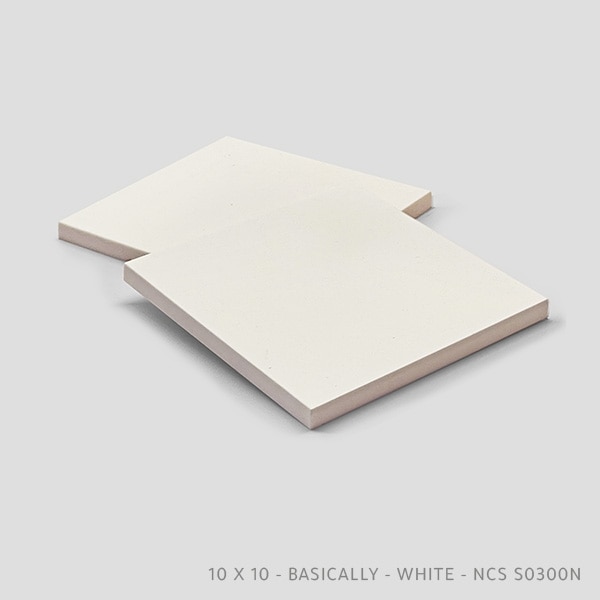
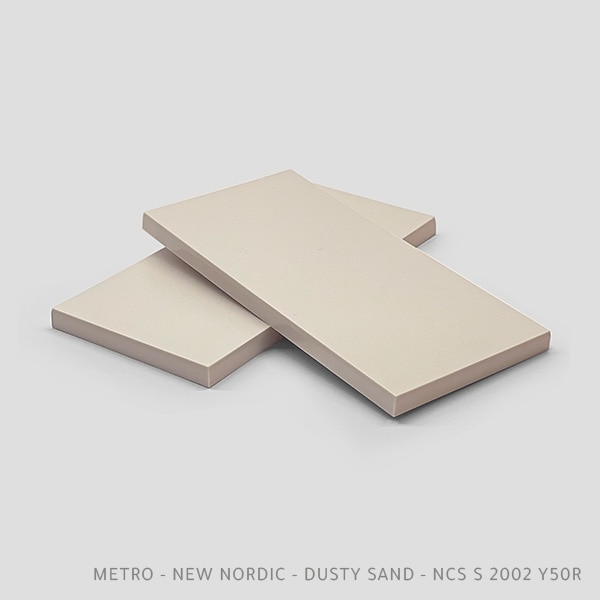
Available through the company’s online store, the system consists of a mounting panel that can be cut to size with a utility knife and a series of ABS tiles — made from the same durable plastic used in Lego bricks — that attach and detach through a simple interlocking mechanism. With dozens of colors and patterns available, users can create an almost endless variety of combinations tailored to their needs and aesthetic preferences. And when it is time for a change, there is no need for contractors, adhesives, or mortar. The tiles simply come off and snap back into place somewhere else.
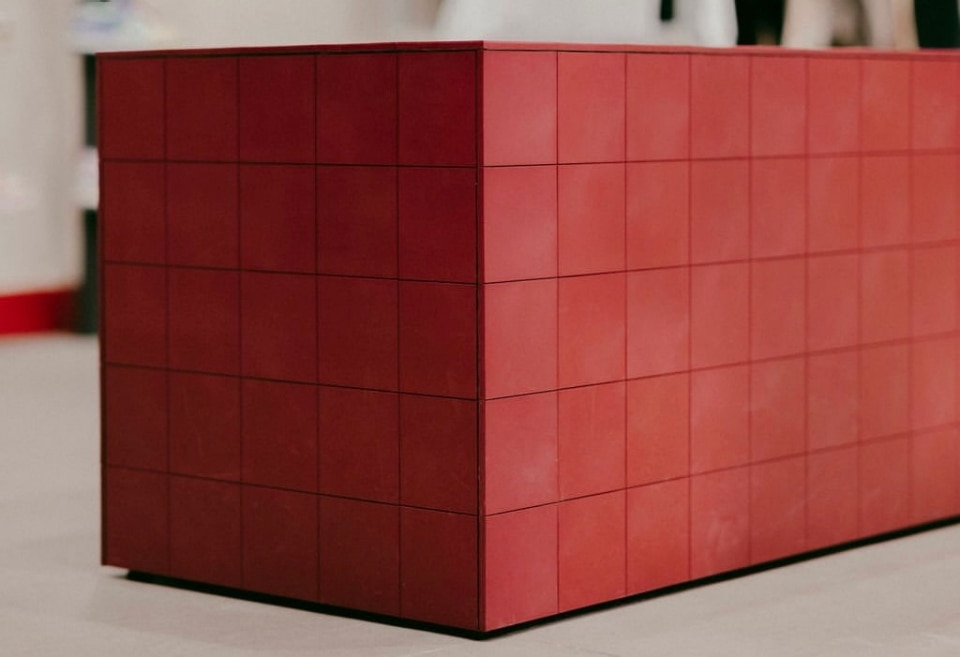
Opening image: Click'n Tile, 2026. Courtesy Click'n Tile