



Dancing in a Roman quarry excavated two thousand years ago, camping next to a socialist thermal power plant, or listening to a live set under the bridge connecting Brooklyn and Queens – over the last thirty years, music festivals have progressively stopped treating architecture as a mere backdrop. More and more frequently, it is the venue itself that defines the event’s identity, becoming just as crucial as the line-up.
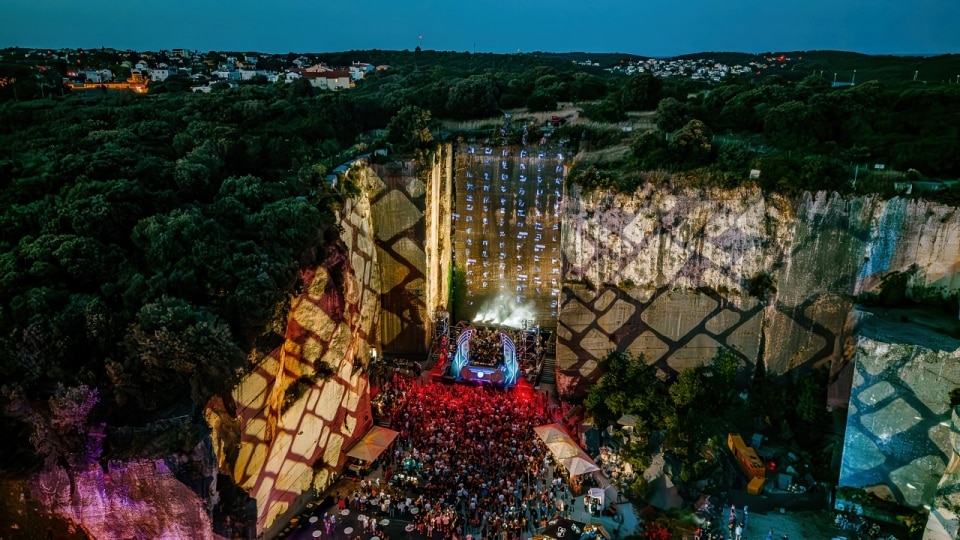
Several precedents have by now become true classics. In Berlin, Berlin Atonal brought electronic music inside the monumental Kraftwerk power station, helping transform it into one of the symbols of contemporary European culture. In Belgium, Horst has turned a former military base into a permanent laboratory blending architecture, art, and music. In Barcelona, Sónar and Primavera Sound helped redefine the image of Parc del Fòrum – the massive urban complex built for the 2004 Forum of Cultures – turning it into one of the primary landscapes of European music culture. And, in Croatia, the Cave Romane in Vinkuran have become the spectacular venue for one of Europe’s most important house, minimal, and techno festivals.
Across the Atlantic, Coachella has made temporary architecture and monumental installations a cornerstone of its identity, transforming the Californian desert every year into an open-air laboratory for architects, designers, and artists. In Italy, where the phenomenon arrived later, examples like Vox Marmoris in the Carrara marble quarries and Lost inside the Labirinto della Masone in Fontanellato – the world's largest bamboo labyrinth designed by Franco Maria Ricci – have shown how even spaces seemingly detached from the musical imaginary can become cultural destinations.
Electronic music, in particular, has played a decisive role in this evolution. Many of the spaces we consider iconic today – factories, power plants, warehouses, port infrastructures – were rediscovered precisely through raves, festivals, and temporary occupations that revealed their alternative spatial potential. It is no longer just about occupying existing architectures, but about temporarily altering their meaning, turning them into places of encounter, experimentation, and discovery.
Increasingly, it is the venue itself that determines the identity of the event, until it becomes as important as the line-up.
Today, the location is no longer just a spectacular backdrop: it is the very reason people travel. You journey to see a Unesco world heritage mine transformed into a dancefloor, a 19th-century prison repurposed as a rock arena, a Japanese ski resort taken over by concerts, or one of England's most beautiful Victorian gardens. For those who love architecture as much as the line-up, these are ten festivals to save in your calendar for summer 2026.
Stone Techno Festival
July 10-12, 2026 - Zollverein, Essen, Germany
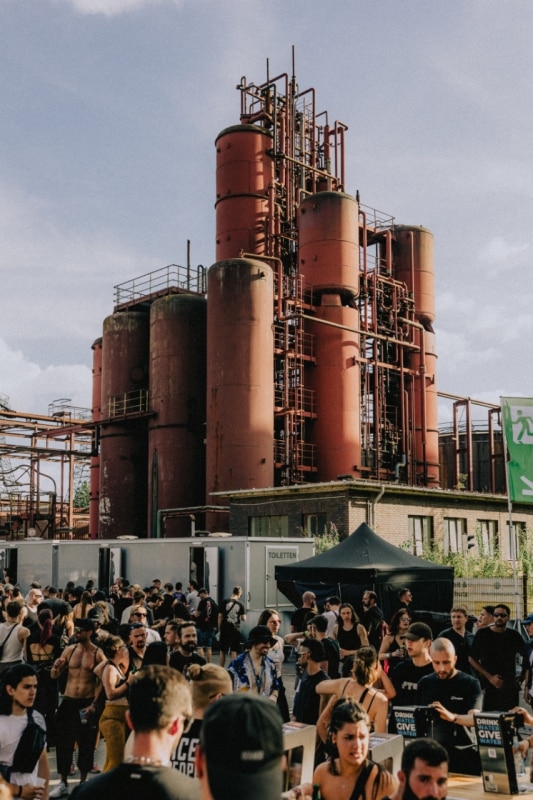
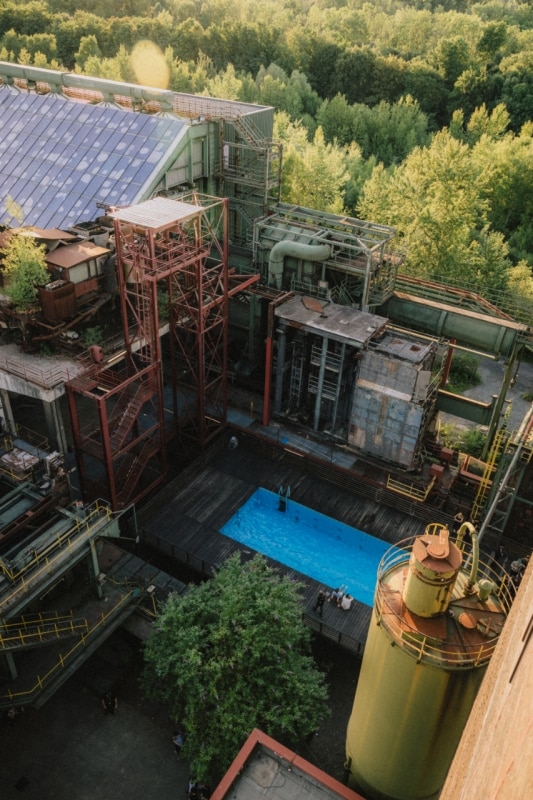
It is often called the “most beautiful coal mine in the world,” and if not the most beautiful, it is certainly one of the most architecturally significant. The Zollverein Coal Mine Industrial Complex in Essen, at the heart of Germany's Ruhr region, is a gargantuan mining site designed by architects Fritz Schupp and Martin Kremmer between the 1920s and 1930s. With its famous Shaft XII winding tower and its rigorous geometry, it has become a symbol of European industrial archeology, joining the Unesco world heritage list in 2001.
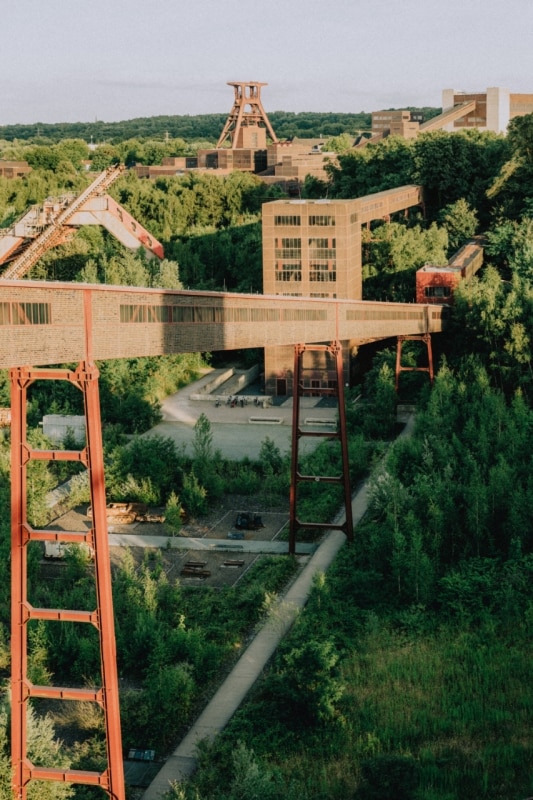
Stone Techno unfolds right here, among coking plants, conveyor belts, and facilities that fueled the continent’s industrialization for decades. This choice also holds a symbolic value: long before reaching mainstream festivals, European electronic music found its home in abandoned factories, warehouses, and industrial infrastructure. Attending Stone Techno means returning to the roots of that aesthetic, inside one of the places that best narrates Europe's industrial past.
Nextones Festival
July 16-19, 2026 - Ossola Valley, Italy
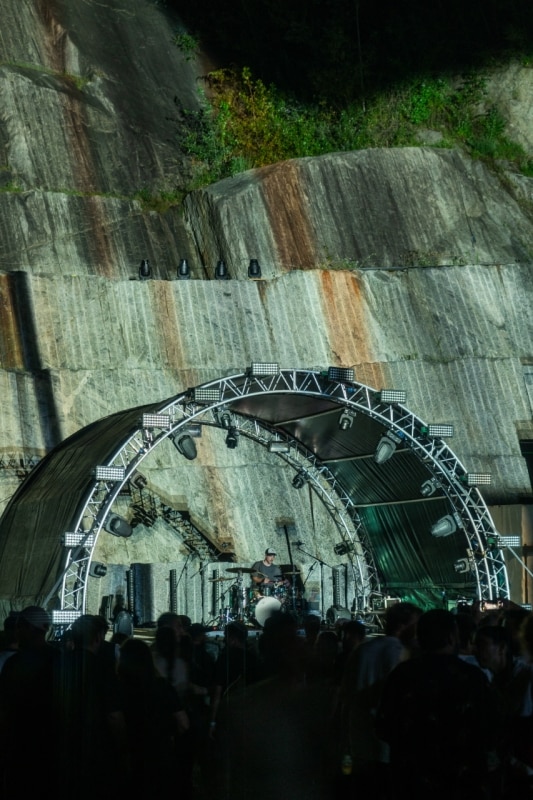
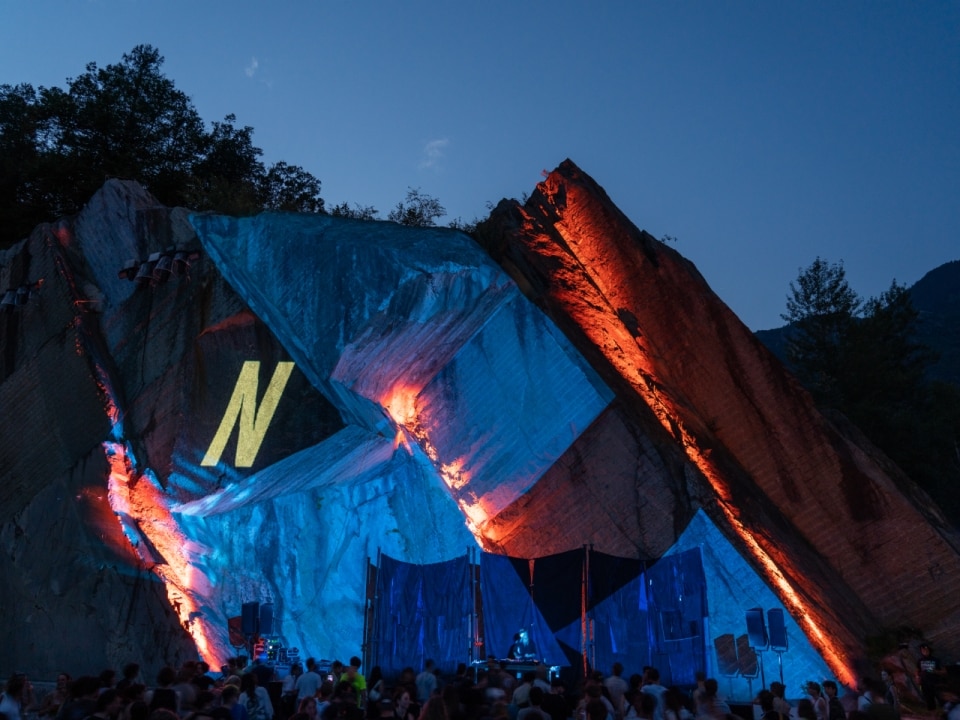
Born inside Tones Teatro Natura – a former granite quarry transformed into an open-air theater in the Ossola Valley, among the Piedmontese Alps near the Swiss border – Nextones is one of the most interesting Italian examples of how culture can reactivate marginal territories through new forms of listening. Since 2019, the festival has grown from a collaboration between Fondazione Tones on the Stones and Threes Productions, who share its artistic and creative direction.
For its thirteenth edition, Nextones develops as an itinerary across the valley, extending beyond its industrial epicenter to reach the Uriezzo Gorges, the Premia Thermal Baths, the medieval village of Ghesc, and, for the first time, the San Marco Oratory in Veglio. Performances, concerts, and site-specific interventions are designed to dialogue with the geological, architectural, and environmental traits of each site, turning the landscape into an active component of the experience.
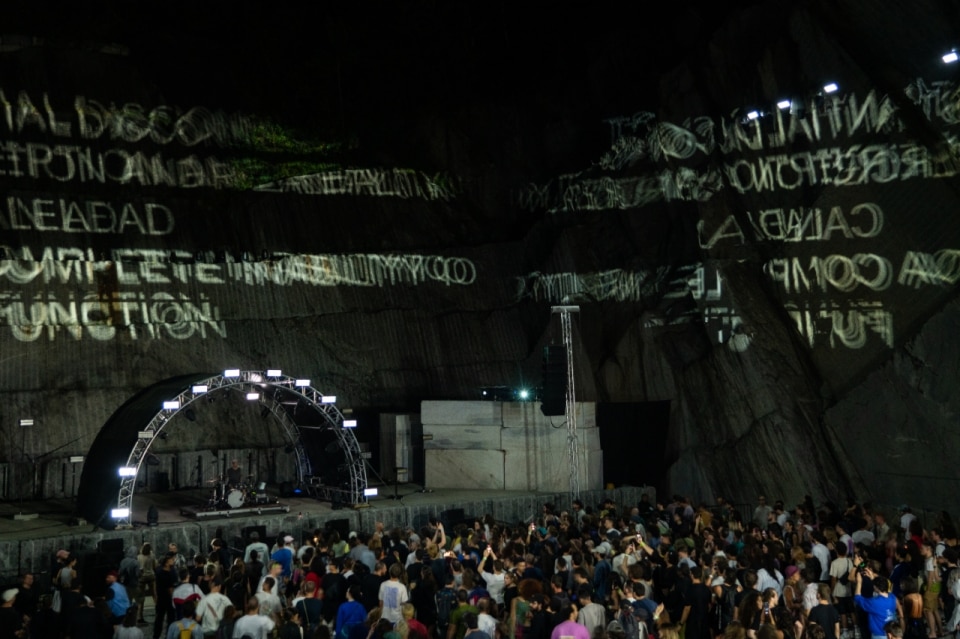
Rather than merely occupying a spectacular location, Nextones constructs a constellation of spaces where nature, architecture, and sound continuously interact: an entire territory to walk through and listen to.
Inkcarceration Festival
July 17-19, 2026 - Ohio State Reformatory, Mansfield, Ohio, United States
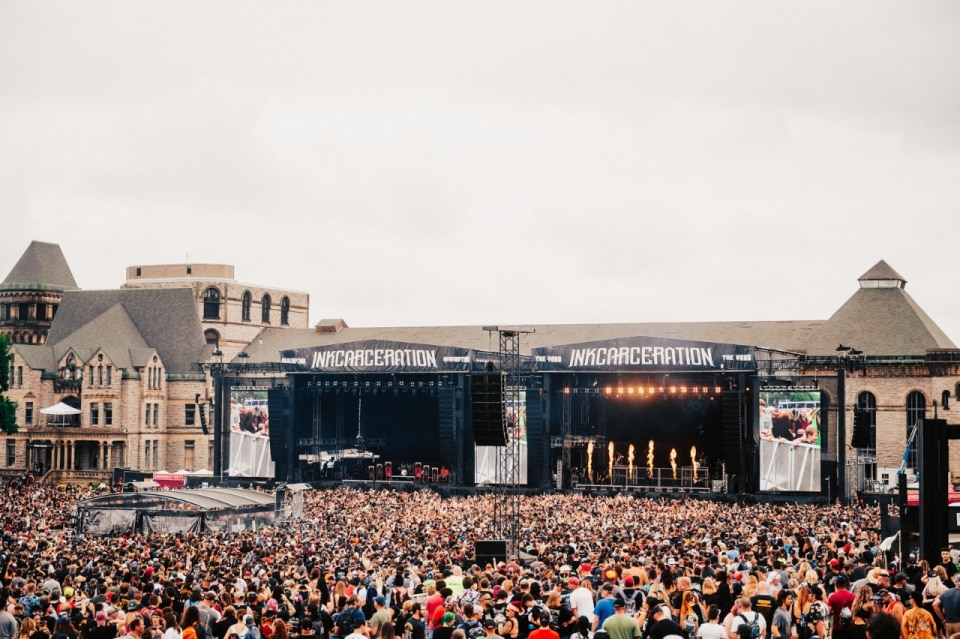
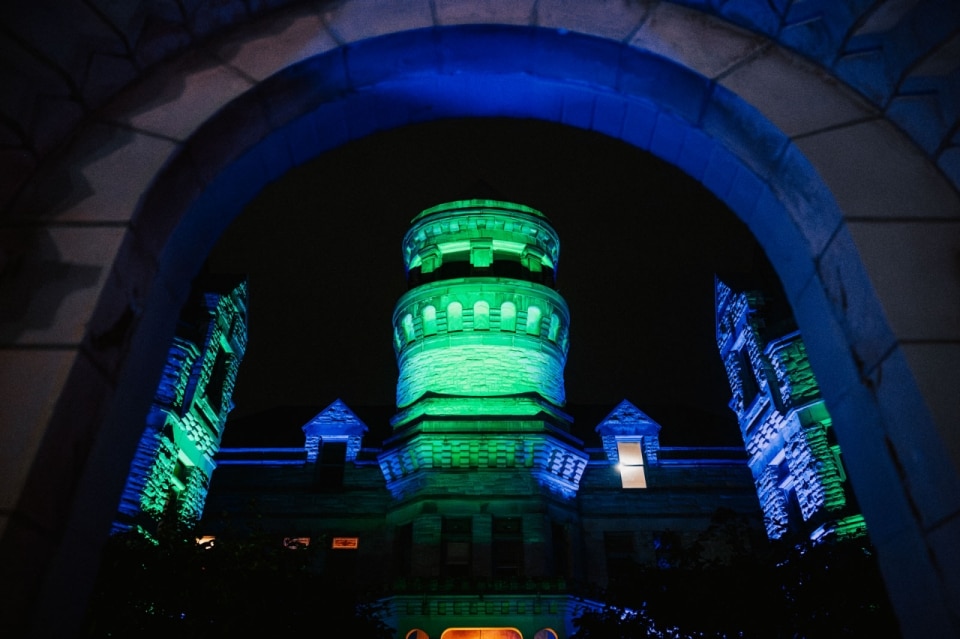
With its neogothic towers, long corridors of cells, and a facade resembling a European castle, the Ohio State Reformatory is one of the most iconic prison architectures in the United States. Built at the end of the 19th century as a reformatory for young offenders, the complex became famous through cinema: many scenes of The Shawshank Redemption were filmed here, helping turn it into a pilgrimage destination for architecture and pop culture enthusiasts alike.
Once a year, however, the prison shifts functions completely. During Inkcarceration, courtyards, service areas, and outdoor grounds are transformed into one of the largest music festivals in the US, while the building's imposing silhouette serves as a permanent backdrop for the concerts.
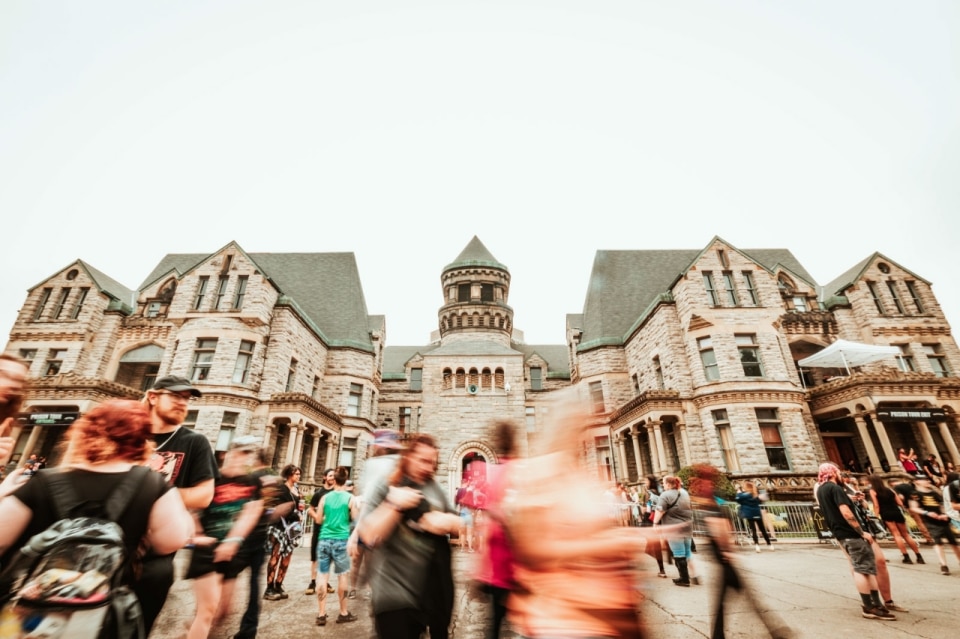
An architecture originally conceived for control, isolation, and discipline now welcomes tens of thousands of people gathered to share a collective experience of rock, metal, hardcore, and punk, turning one of America's most severe structures into a giant open-air arena.
Monegros Desert Festival
July 25, 2026 - Desierto de Los Monegros, Fraga, Spain
Do you remember Sirât, the Óliver Laxe film awarded at Cannes in 2025? That procession of ravers crossing the desert in search of another party, in an experience at once physical, mystical, and almost apocalyptic. If there is a festival that approaches that imaginary, it is likely Monegros.
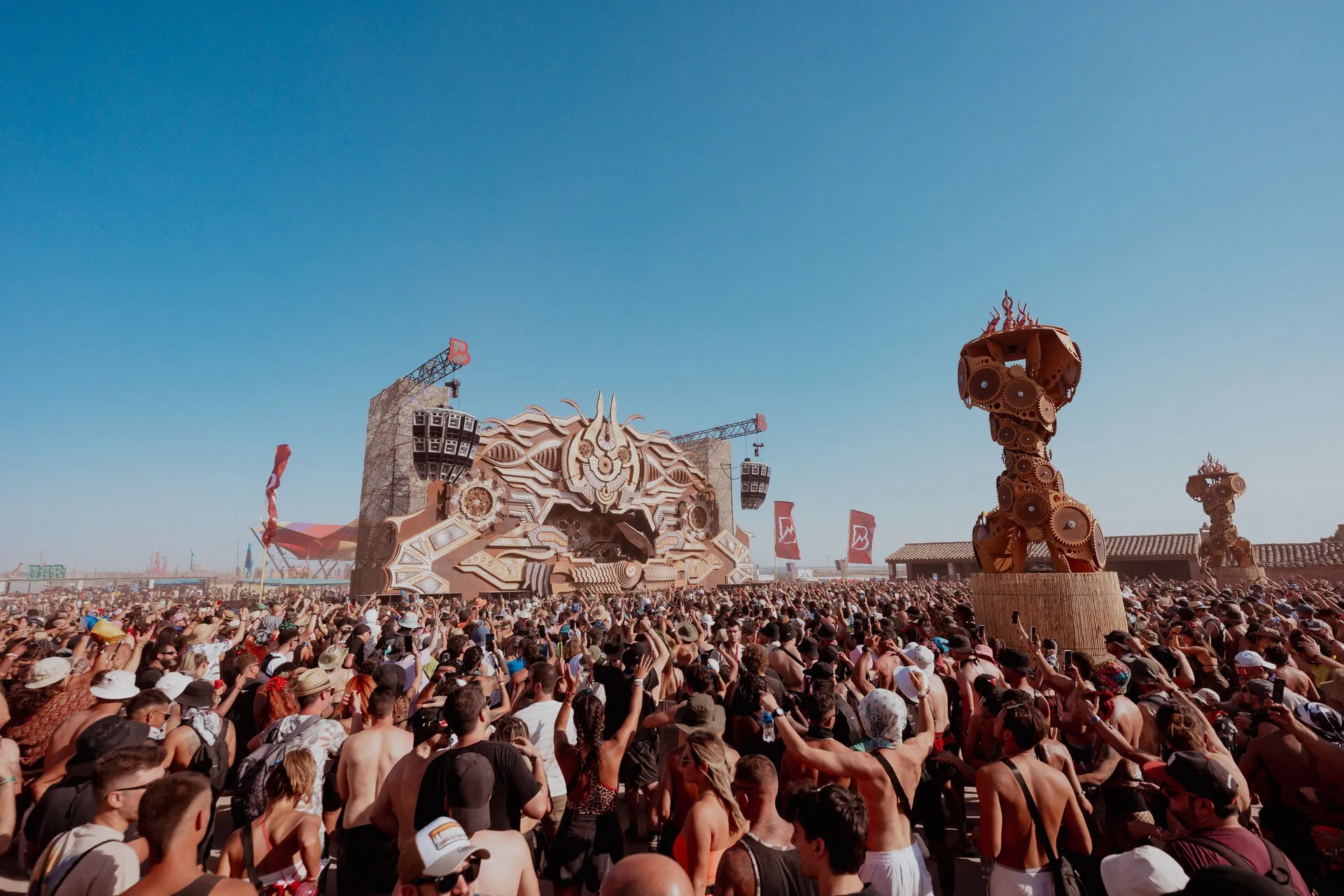
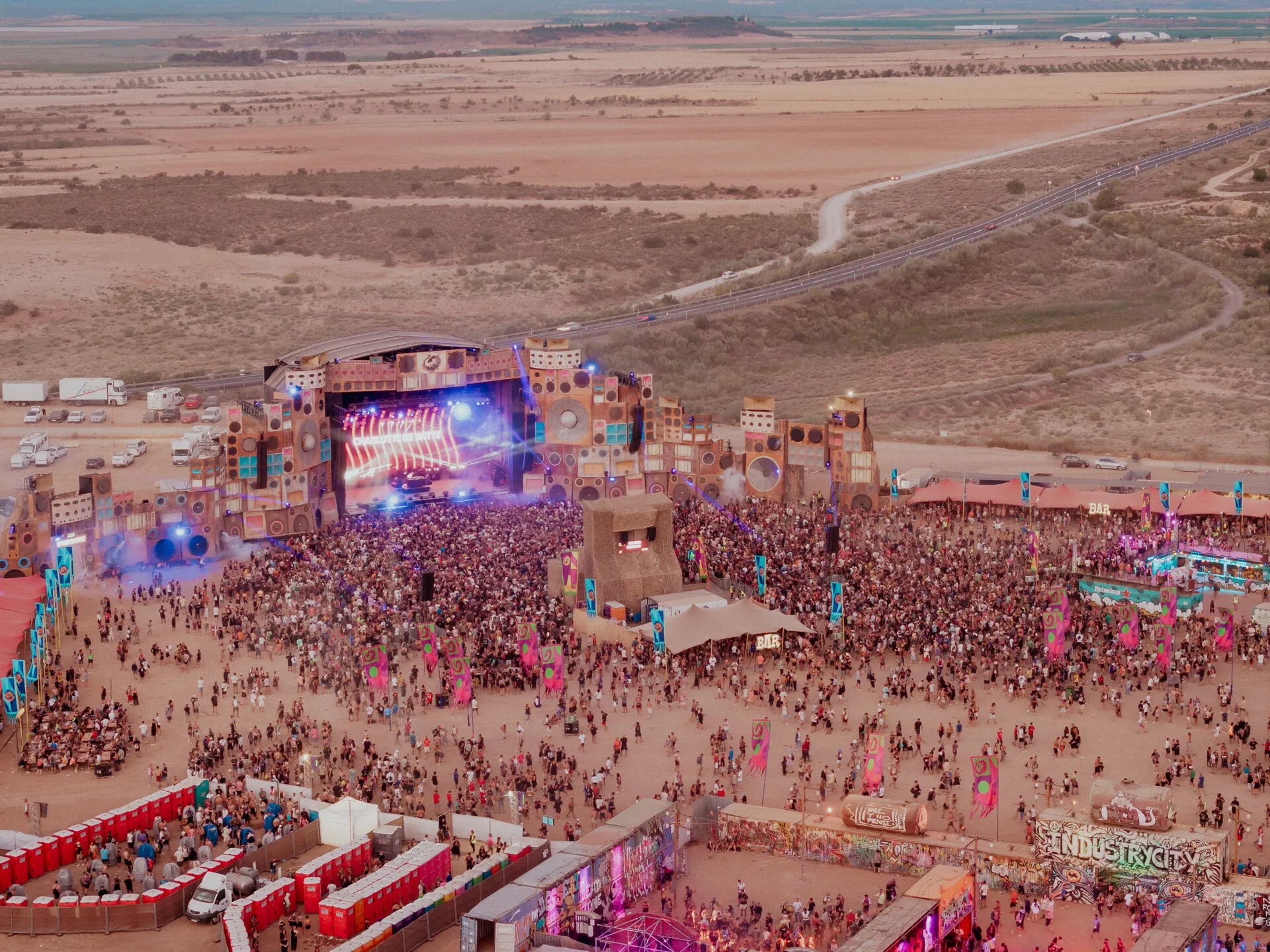
Here, there are no smokestacks, castles, or industrial archeologies to repurpose; the protagonist is the landscape itself. Located between Zaragoza and Lleida, the Monegros Desert is one of the most arid environments of the Iberian Peninsula: a vast expanse of earth, dust, and sparse vegetation that for decades seemed closer to the American Southwest than to the European geography.
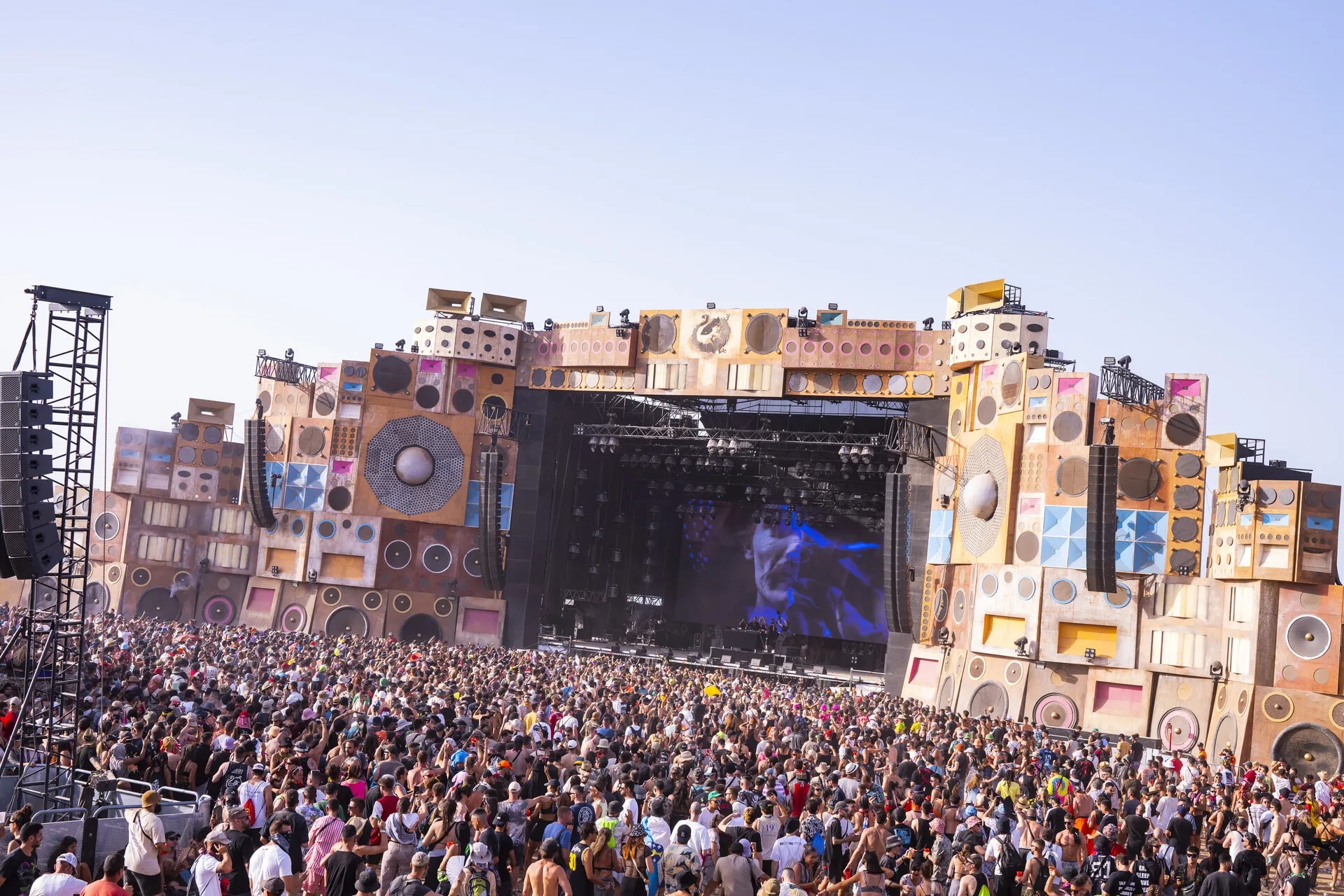
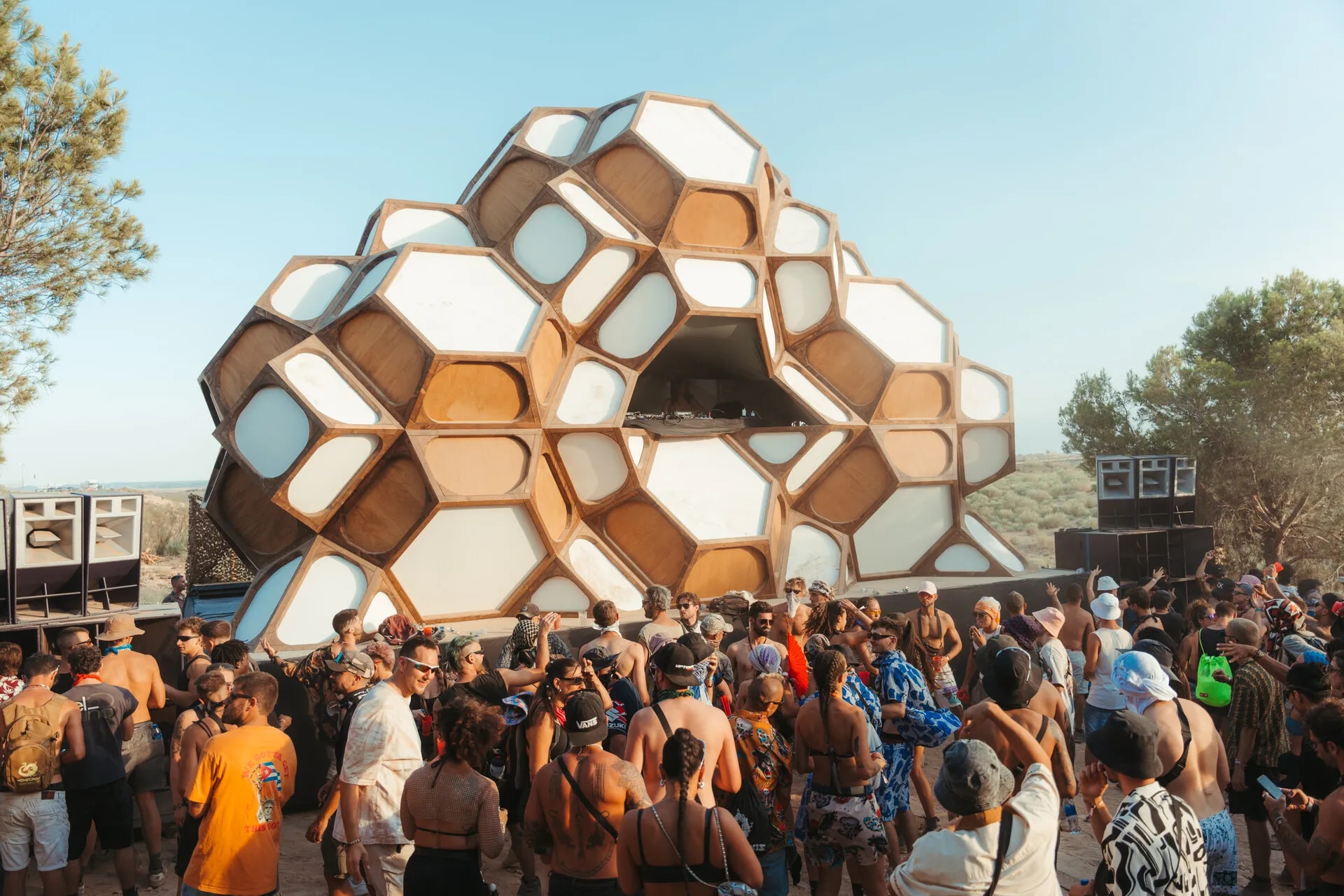
Since 1994, Monegros Desert Festival has transformed this extreme territory into a temporary city dedicated to electronic music. For twenty-two consecutive hours, stages, towers, sound systems, and ephemeral infrastructures rise from nothing, only to vanish back into the landscape once the event concludes. The architecture is temporary, leaving the desert as the true protagonist.
Fuji Rock Festival
July 24-26, 2026 - Naeba Ski Resort, Niigata, Japan
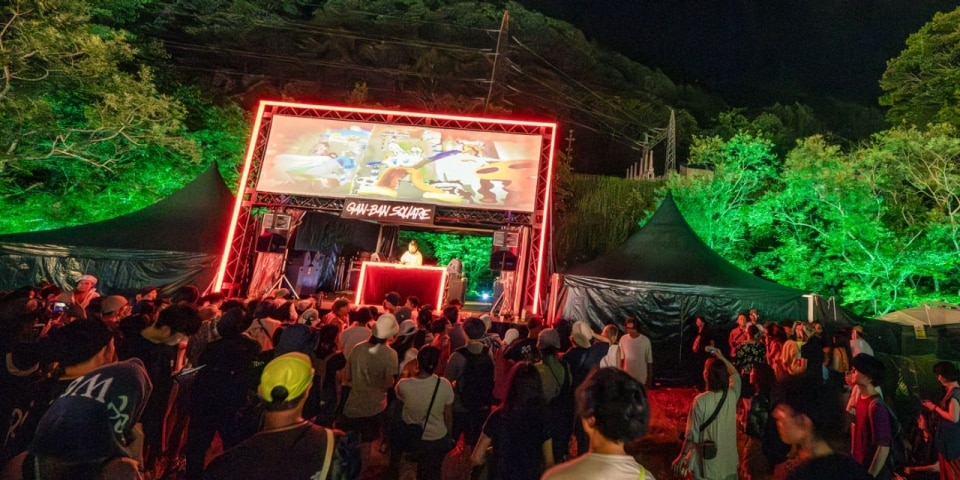
Cable cars gliding over forested valleys, mountain trails, suspension bridges, and hospitality structures immersed in the woods: Fuji Rock is one of the few music events in the world hosted entirely within a ski infrastructure. In the Naeba resort of the Niigata prefecture, one of Japan's most famous mountain destinations turns into a temporary music city every summer.
The stages are scattered across a landscape traversed on foot along paths connecting clearings, woods, and organized areas. The symbol of the event is the Dragondola, one of the longest gondola lifts in the world, which spans over five kilometers to connect different parts of the site while flying over mountains and forests.
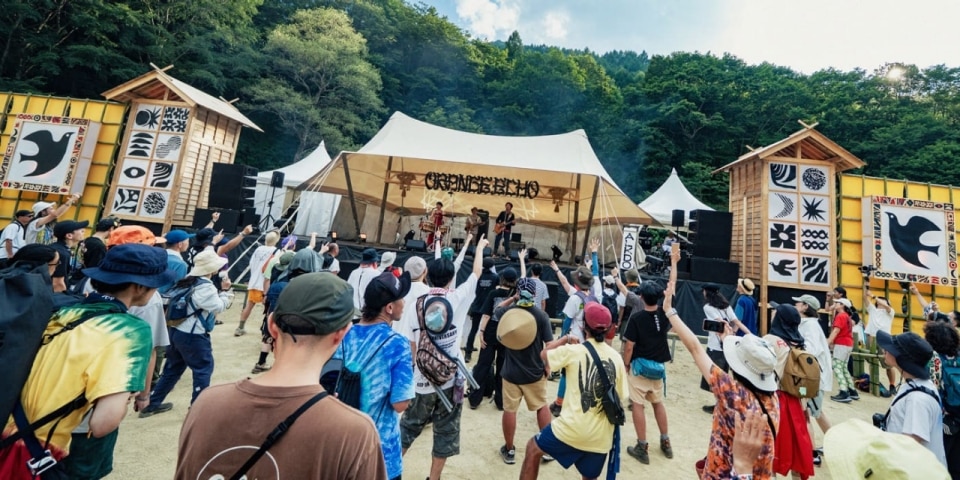
More than a venue, Fuji Rock is a territorial system where mobility, tourism architecture, and landscape coexist within a single experience. This approach has helped make it one of Asia's most iconic festivals and a highly successful example of how leisure infrastructure can be reinterpreted through music.
Flow Festival
August 14-16, 2026 - Suvilahti, Helsinki, Finland
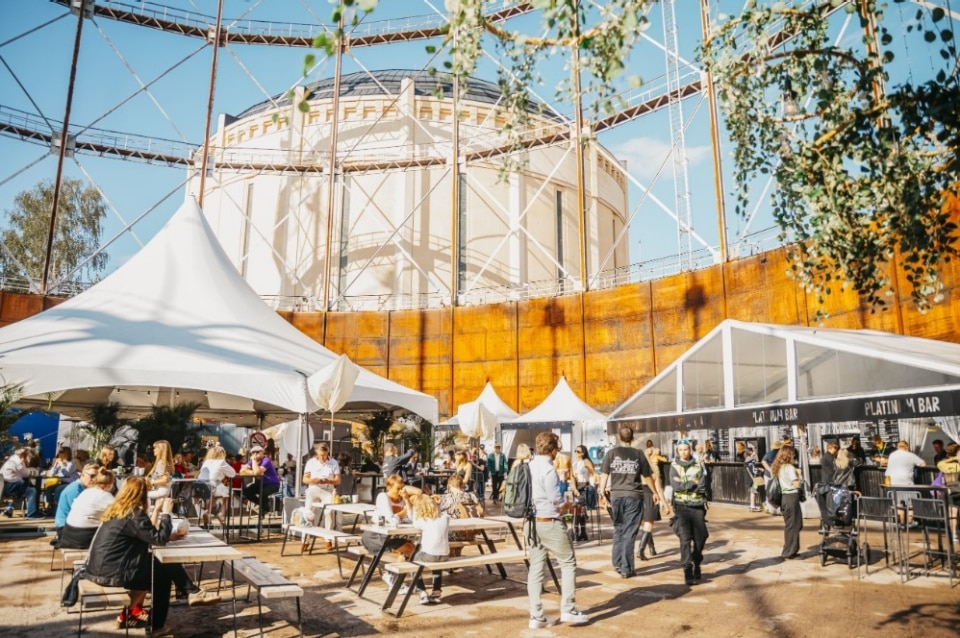
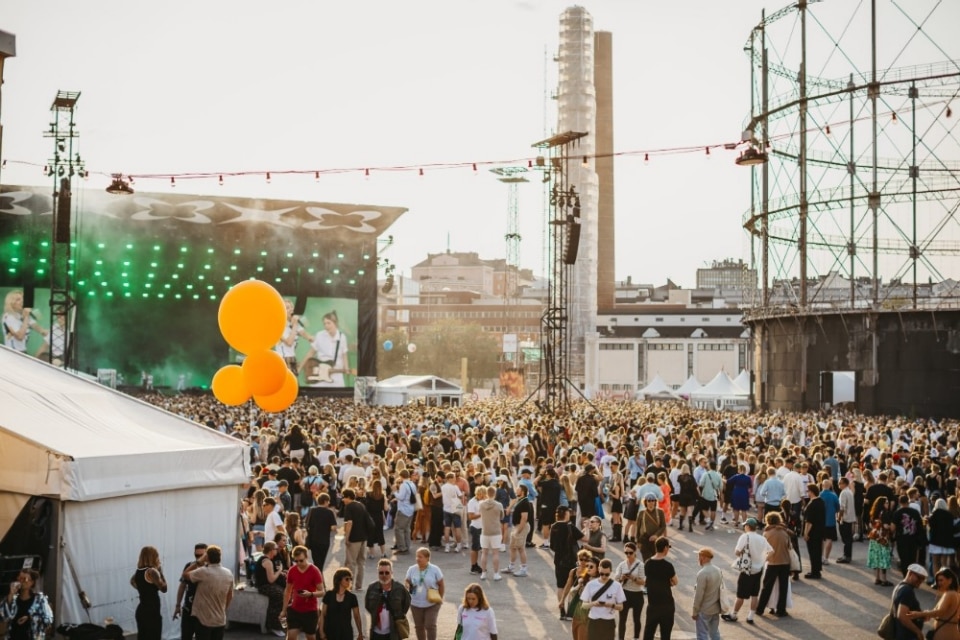
Before becoming one of Northern Europe's most prominent festivals, Suvilahti was an energy district built at the start of the 20th century to power Helsinki’s industrial growth. Today, the neighborhood still preserves its most iconic structures: the massive steel gasometers and the power plant buildings that supplied energy to the city for decades.
Suvilahti is neither an industrial ruin nor an abandoned site. In recent years, it has been progressively transformed into a cultural district, becoming one of Europe's most successful examples of urban regeneration through culture. During Flow Festival, stages, installations, and exhibition areas are woven among the historic infrastructure without hiding it, letting the smokestacks, warehouses, and gasometers define the event's visual identity.
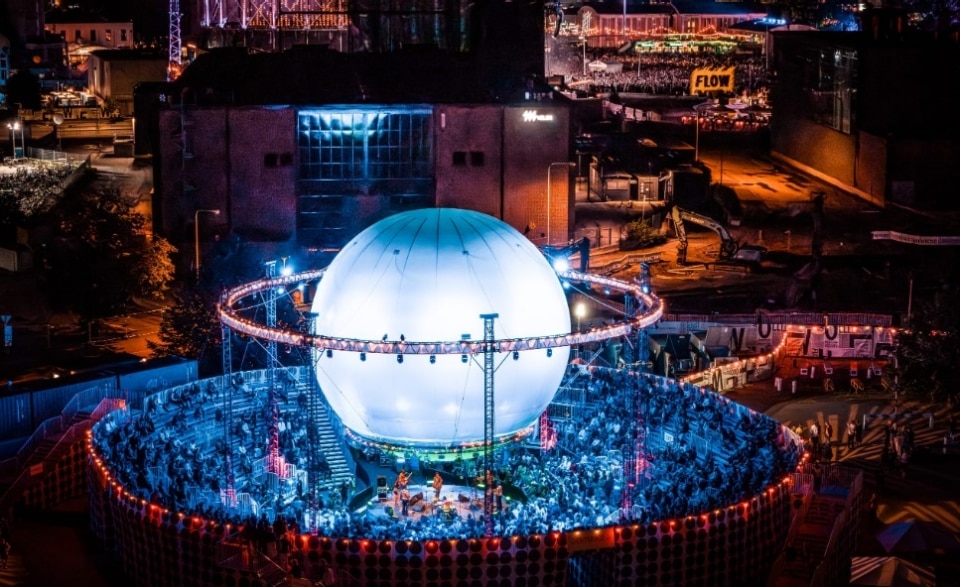
It is a festival that speaks about music, but also about how 20th-century infrastructure can find a new purpose without losing the memory of its past.
Inota Festival
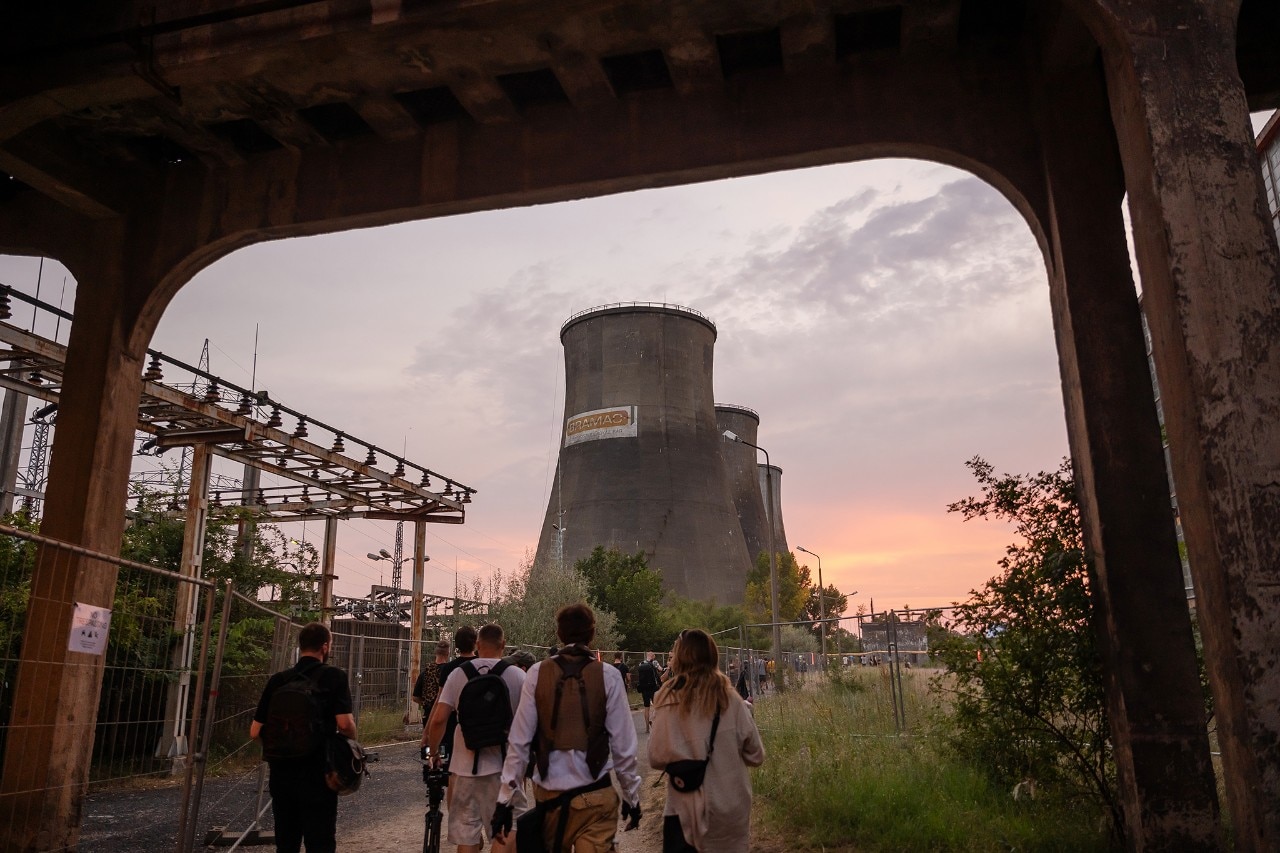
27-30 August 2026 - Inota Power Plant, Várpalota, Hungary
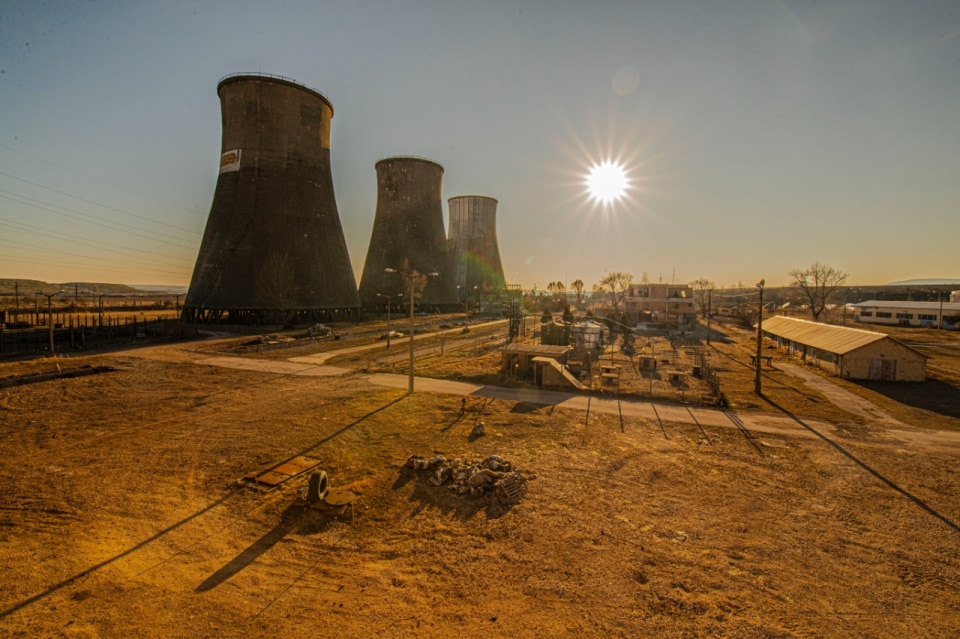
The Inota thermal power plant was one of socialist Hungary's largest industrial investments in the 1950s. At its peak, it could supply electricity to a large portion of Budapest; today, this relic of socialist industrialization serves as the venue for one of Europe's most compelling audiovisual festivals.
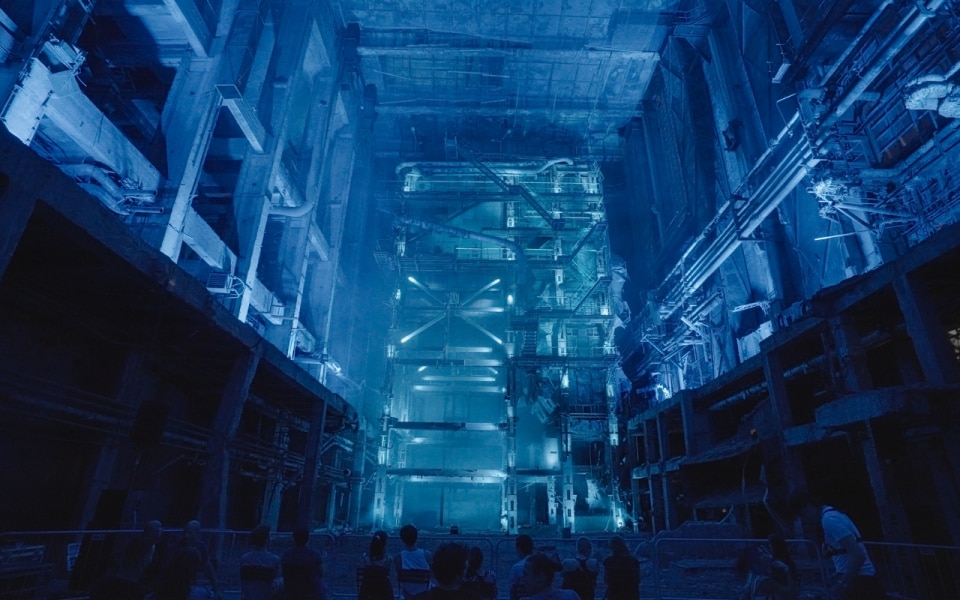
Inota unfolds within a monumental industrial complex that retains most of its original architecture. The turbine hall, the heart of the plant, hosts contemporary art installations by day and transforms into the festival's main dancefloor by night. In the boiler room, among catwalks, metal stairs, and intact piping, artists and light designers build immersive environments every year that seem to emerge directly from the site’s history.
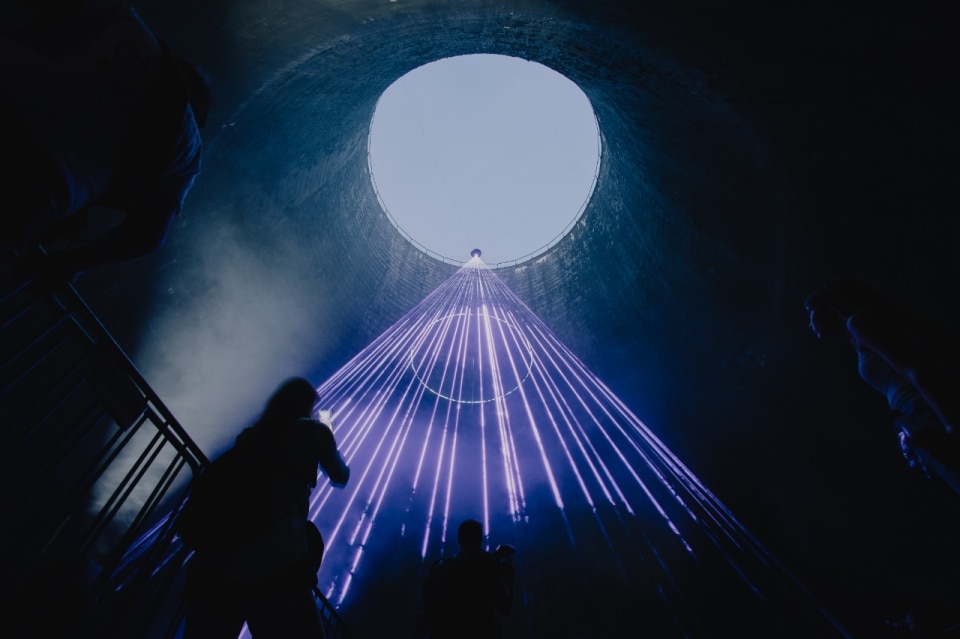
The true stars of the complex, however, are the two sixty-meter-high cooling towers: their innovative shape earned the designers a Grand Prix at the 1958 Brussels World’s Fair. Today, those same structures serve as the canvas for gargantuan light installations visible from miles away.
End of the Road Festival
September 3-6, 2026 - Larmer Tree Gardens, United Kingdom
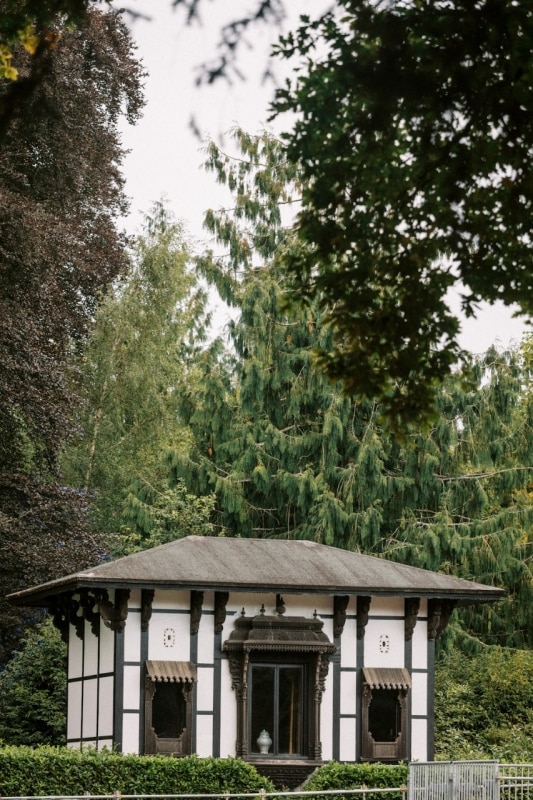
Long before the birth of open-air music festivals, archeologist Augustus Pitt Rivers had already envisioned a place where landscape, architecture, and entertainment could coexist. Created in 1880 in Dorset, England, the Larmer Tree Gardens represent one of the earliest examples of a modern cultural park: ornamental temples, exotic pavilions, open-air theaters, and landscaped paths were designed to host concerts, plays, gatherings, and social moments within a single immersive experience.
Since 2006, End of the Road has occupied these spaces with concerts, installations, and performances spread among lawns, woods, and historic structures. Here, the landscape is punctuated by a succession of intimate, scenic environments, and the musical curation echoes the venue's character: far from the logics of mainstream festivals, End of the Road has become a benchmark for indie, folk, alternative rock, and singer-songwriters.
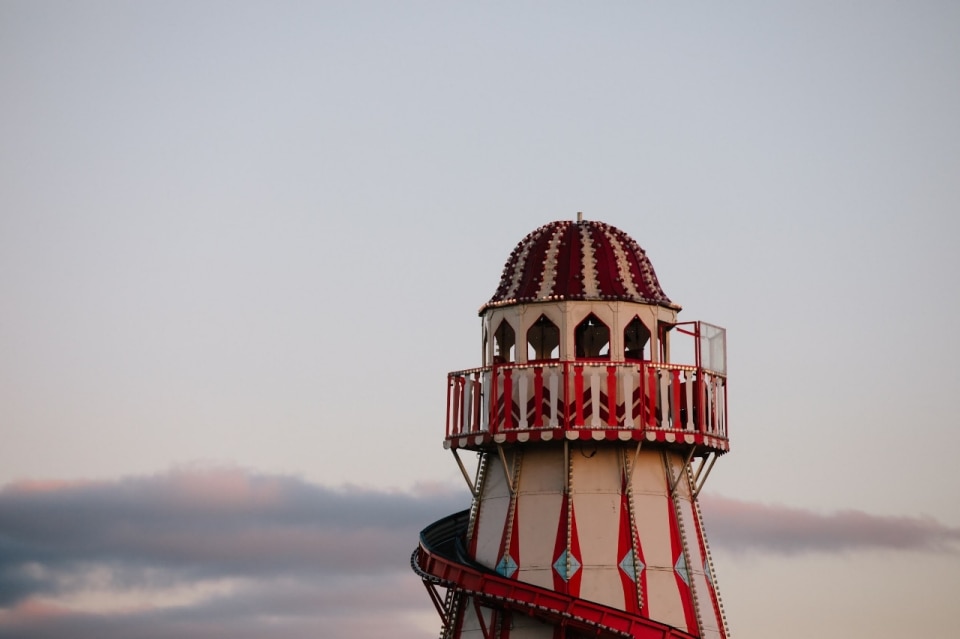
Considered among the most fascinating Victorian gardens in the United Kingdom, the Larmer Tree Gardens continue to be a space dedicated to gathering, performance, and wonder. During the festival, the music simply reactivates a vocation these grounds have harbored for nearly one hundred and fifty years.
Portola Festival
September 26-27, 2026 - Pier 80, San Francisco, United States
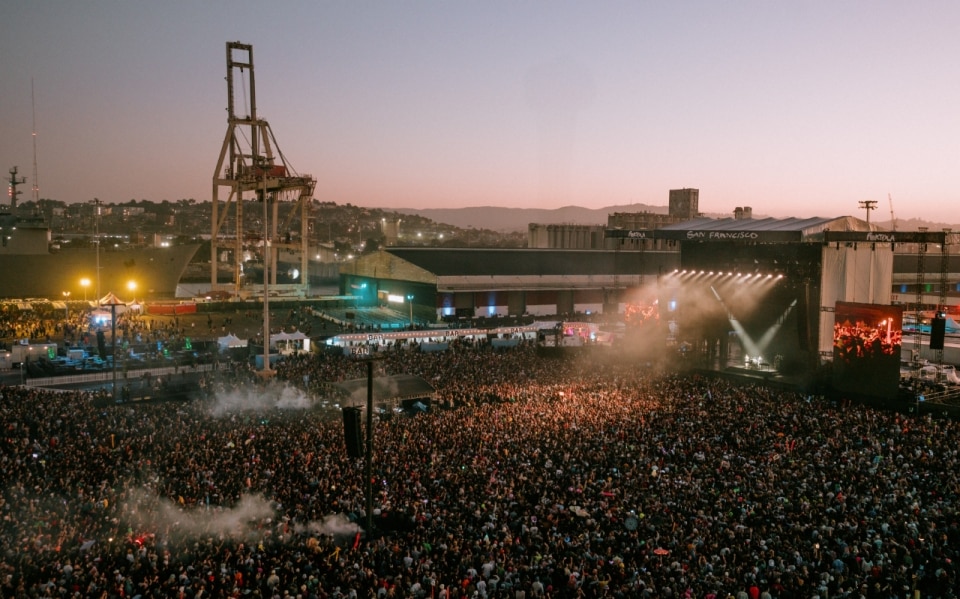
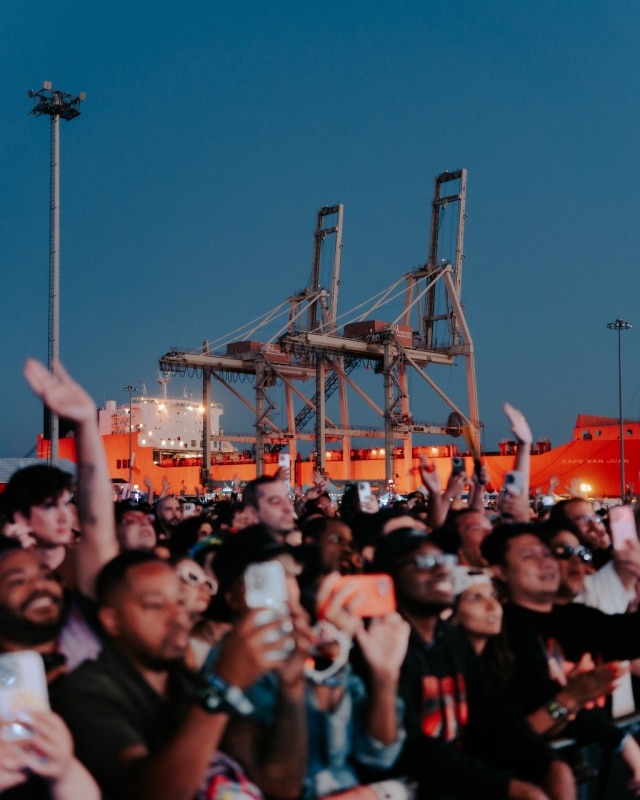
When one thinks of San Francisco, images of the Golden Gate, Victorian houses, and hills overlooking the bay usually come to mind. Portola, however, takes place in the city that rarely appears on postcards: the one made of shipping terminals, warehouses, and the massive logistical infrastructures that still drive the industrial waterfront. The festival's venue is Pier 80, an active marine terminal in the Dogpatch neighborhood, where cargo and port activities operate for the rest of the year.
Since 2022, the festival, organized by Goldenvoice, has transformed this landscape of asphalt, warehouses, and cranes into one of the premier events of the American electronic music scene. Concerts take place both outdoors and inside the massive port warehouses, spaces that evoke the aesthetic of warehouse raves and the long underground tradition of the Bay Area.
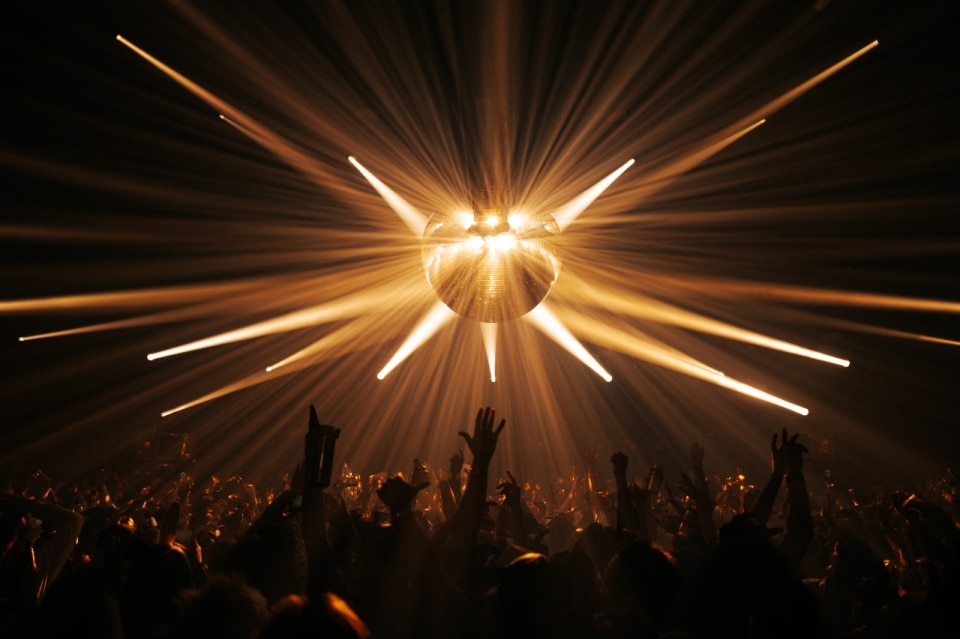
Pier 80 is not an industrial ruin or a repurposed site. It is a fully operational infrastructure that temporarily shifts its usage for a weekend, allowing the public to occupy an otherwise inaccessible space. It is precisely this overlay of global logistics and contemporary culture that makes Portola one of the most interesting festivals on the international electronic scene.
+1: Under the K Bridge
Summer 2026 - New York, United States
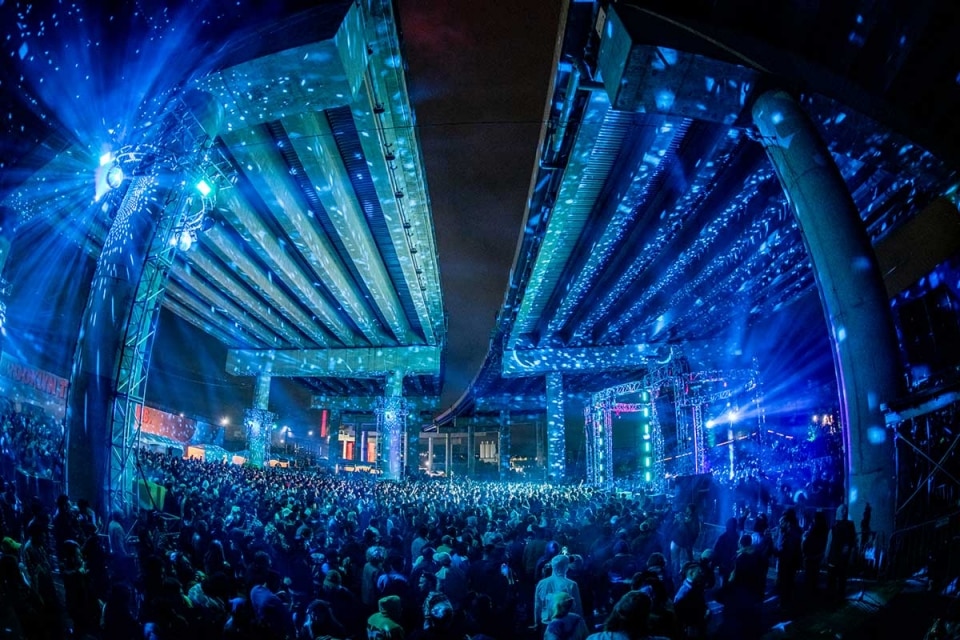
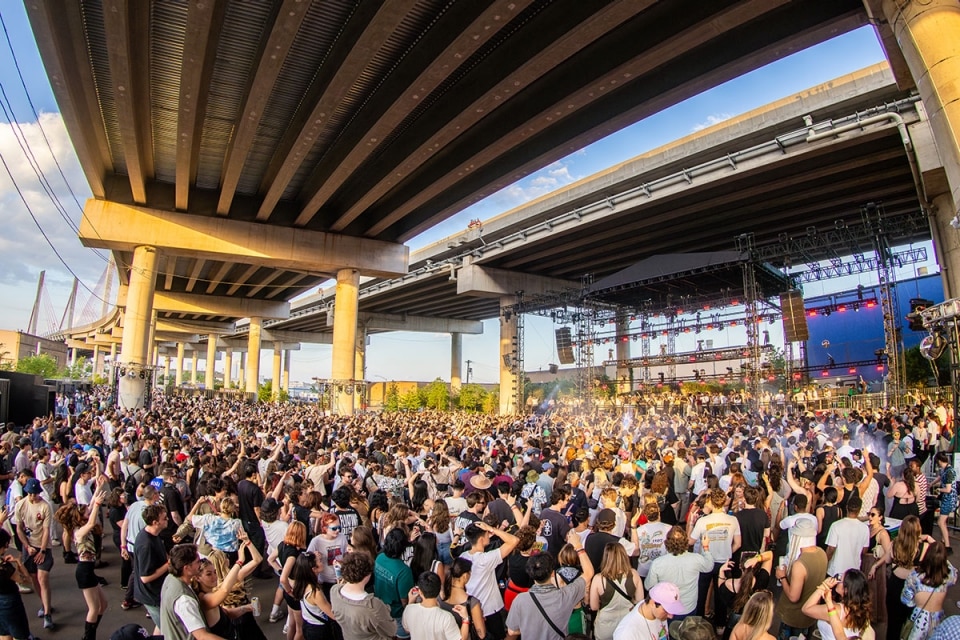
On the opposite coast of the United States, another infrastructure has recently become a cornerstone for contemporary electronic music. Under the K Bridge occupies the space beneath the Kosciuszko Bridge, the massive infrastructure connecting Brooklyn and Queens across the Newtown Creek. For decades, this area was one of many urban voids produced by large-scale highway projects: a residual space of pillars, suspended roadways, and difficult terrains.
Today, thanks to a redevelopment project, these spaces have become a public park and a platform for concerts, festivals, and cultural events running throughout the summer season. The bridge’s structures are not hidden but become an integral part of the experience, turning one of the city's harshest environments into one of its most recognizable venues.
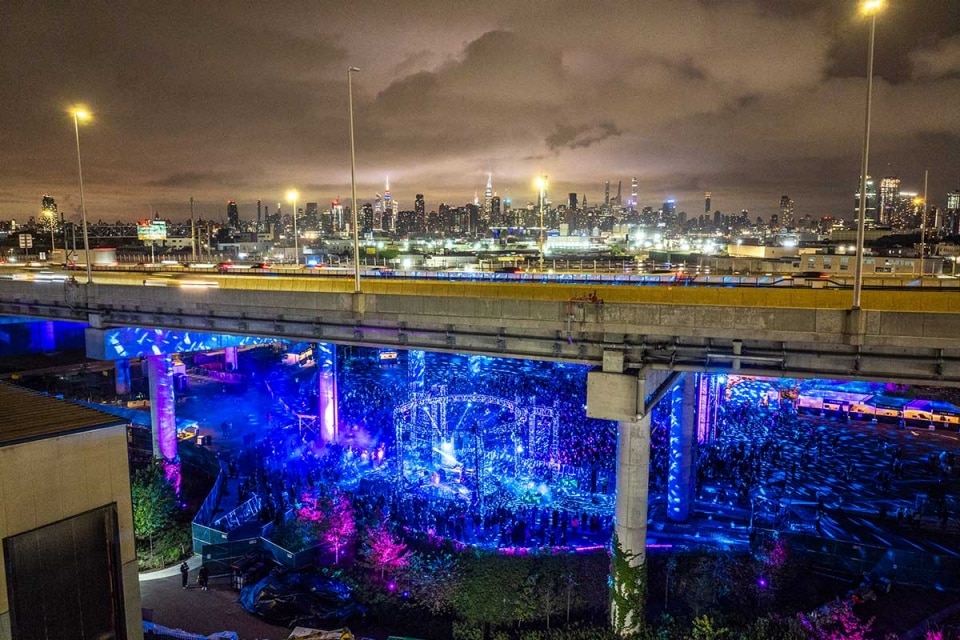
This is where Four Tet & Friends – the event curated by British producer Four Tet that helped cement the venue's international reputation – has been held in recent years. While the dates for the 2026 edition have not yet been announced, programming at Under the K Bridge continues all summer long.
Opening image: Gates of Agartha, June 4-7, 2026, Roman Cave, Pula/Vinkuran, Croatia. Photo Marko Obradovic Edge, Courtesy Gates of Agartha