

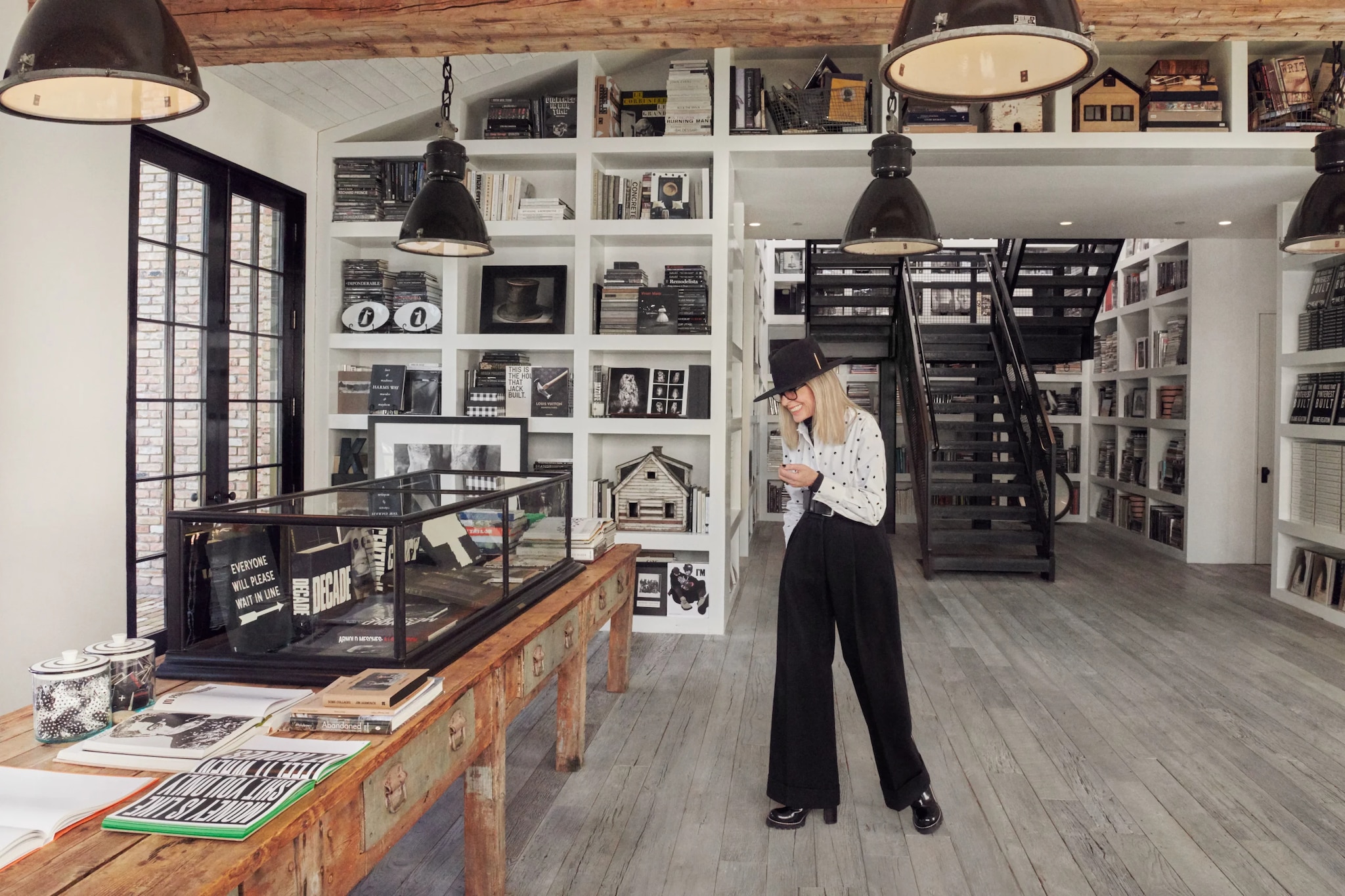
Online bidding is open until June 11 for the auction organized by Bonhams across four sales, culminating in the live event “The Architecture of an Icon” in New York, dedicated to Diane Keaton. The catalog features clothing, photographs, books, furniture, and objects from her homes. Announced weeks ago, the auction began circulating well before its opening with previews on TikTok, Substack, and interior design forums, drawing an audience far removed from traditional collecting circles.
The reason is simple. The auction showcases not just a career, but a way of living. Alongside the original script of Annie Hall, there are pieces of Monterey furniture – a style deeply present in Keaton’s homes that celebrated California’s artisanal history – together with a collection defined as “the best anywhere” by designer Stephen Shadley.

Keaton has always declared that her true interest lies in architecture. She also shared this in the volume The House That Pinterest Built, dedicated to the renovation of her Pacific Palisades residence. In this sense, the sale and its very title take on a specific meaning: they render legible an archive of tastes, references, and design choices.
Much like the monographs dedicated to Georgia O’Keeffe, Richard Avedon, and Dorothea Lange – organized according to a logic that narrates a visual montage rather than a simple library – a piece of furniture coming from her house is valuable for its provenance, but also because it testifies to a precise vision of domestic life.

 View gallery
On the Bonhams website, a 1983 photograph by Cindy Sherman stands out, seeming to perfectly condense the energy that Keaton has always embodied. The artwork portrays Sherman in a structured coat-dress by Jean Paul Gaultier. Her clenched fists and slightly crooked, disheveled blonde wig suggest a woman on the verge of losing control. It is not difficult to recall the somewhat neurotic characters that the actress brought to the screen, which helped redefine a certain modern female figure.
Today you are not only buying objects that belonged to a celebrity: you are buying access to an imaginary
The interest in these objects, however, does not only concern Diane Keaton. A frying pan belonging to Marilyn Monroe. A door from her Brentwood home. A bathroom tile. In the auction organized by Julien’s Auctions for the centenary of the actress’s birth, which concluded in recent weeks in Los Angeles, objects that until recently would have seemed too ordinary to deserve a display case changed hands.
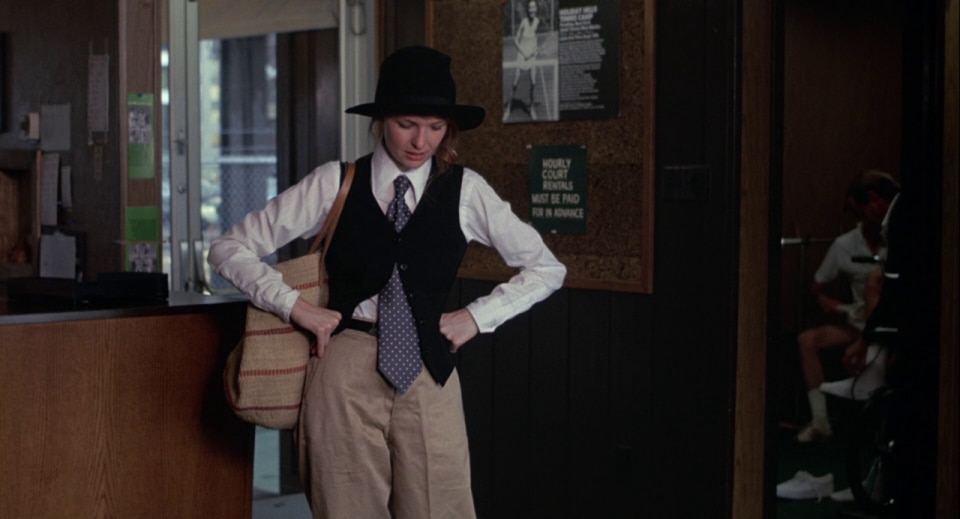
Yet the market for cultural legacies seems to have long surpassed the simple collecting of memorabilia. Today, people do not just buy objects that belonged to a celebrity: they buy access to an imaginary.
This is also demonstrated by what still rank among the most expensive garments ever sold at auction, worn – not coincidentally – by Monroe herself, such as the famous dress in which she sang Happy Birthday Mr. President, or the billowing white one from The Seven Year Itch.
The same applies to the upcoming sale of Claudia Cardinale’s jewelry at Christie’s, where the value of the items is inseparable from their capacity to evoke an entire cultural season: that of the Dolce Vita and postwar cinematic Rome.
You don't buy an object, you buy an imaginary
The question, then, is not why these objects continue to generate value. The interesting factor, rather, is why they continue to produce it even after being dismantled and recirculated, as an extension of the work of the person to whom they belonged.
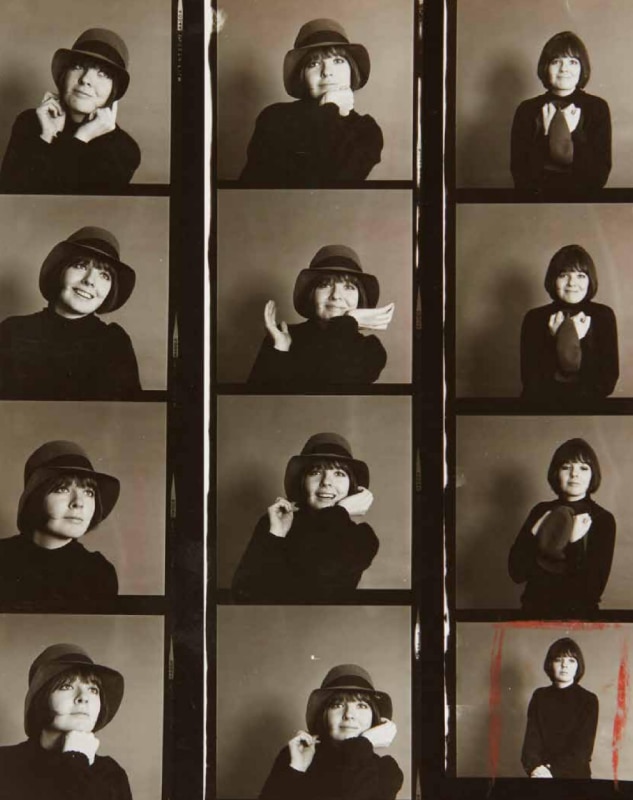
The same mechanism emerged after David Lynch's death. Last June, Julien's Auctions auctioned off some 450 items that had belonged to the director: from scripts of Mulholland Drive to a coffee maker to the famous Red Room curtain from Twin Peaks. Many lots far exceeded initial estimates. What was surprising was not so much the success of materials directly related to his filmography, but that of everyday objects from the Senalda Road mansion in Los Angeles. As his daughter Jennifer Lynch made clear, these were not the archive of his oeuvre, but the things he lived with every day. Here, too, the value of the posthumous was born from the possibility of observing the boundary between life and creation.
Among the most significant cases of recent years remains that of David Bowie. In 2016, Sotheby’s dispersed a collection that included Basquiat, Duchamp, Damien Hirst, Henry Moore, outsider art, Memphis design, and old master paintings. The sale surpassed 24 million pounds. Bowie did not collect for investment, but to construct a personal cultural geography. Each of those works narrated a fragment of his intellectual and creative trajectory.
And then there is Martin Margiela. Unlike the other protagonists of these sales, he is alive and well, yet equally elusive. Anyone would struggle to recognize his face today. And it is also for this reason that his personal archive, which will be auctioned in Paris on July 9, operates according to a surprisingly similar logic. Drawings, photographs, documents, but also the fringes used to cover models’ faces during runway shows, right down to the garments from the Hermès era designed and gifted to his mother. Objects presented as a privileged access to a figure who for decades has built his identity through absence.
When the archive becomes a second biography
Perhaps this is precisely the point. Homes, libraries, wardrobes, and collections do not survive as mere containers of a life already concluded. They become expanded works, capable of continuing to produce meaning even after being dismantled and scattered.

The archive stops being a repository and transforms into a second biography. And increasingly often, it is right there – between a bookshelf, an armchair, or a photograph hanging on the wall – that the public searches for the artist just as much as in the works that made them famous.
Opening image: Diane Keaton in her home. Image from the volume Diane Keaton: The Architecture of an Icon. Courtesy Bonhams