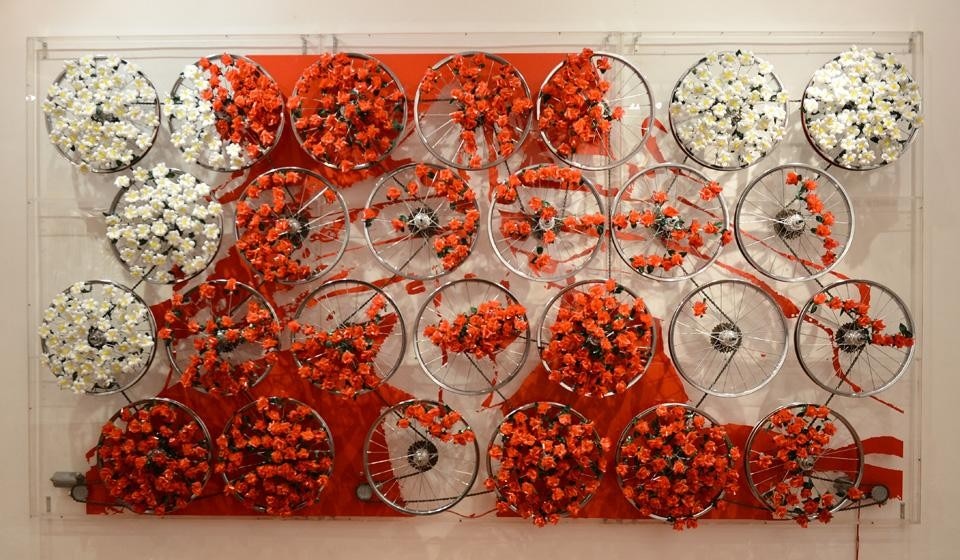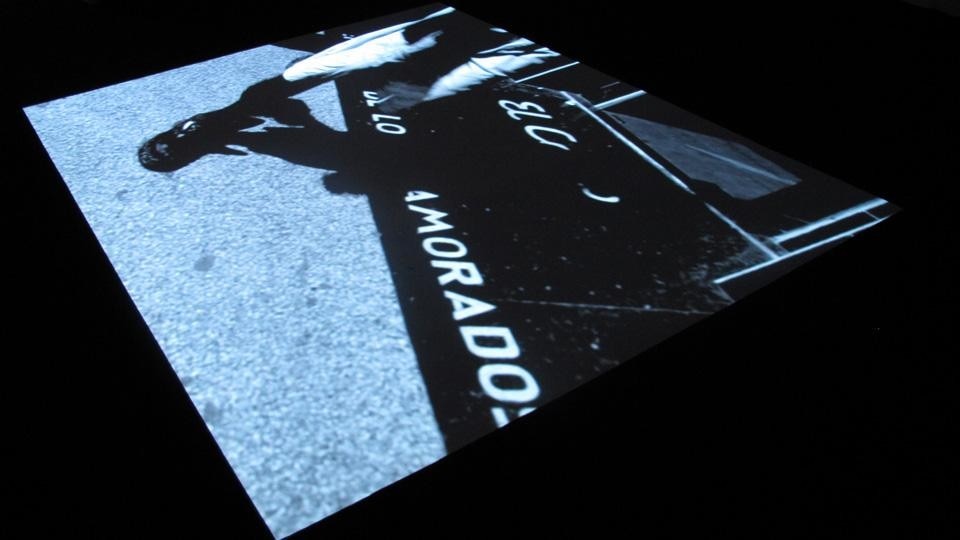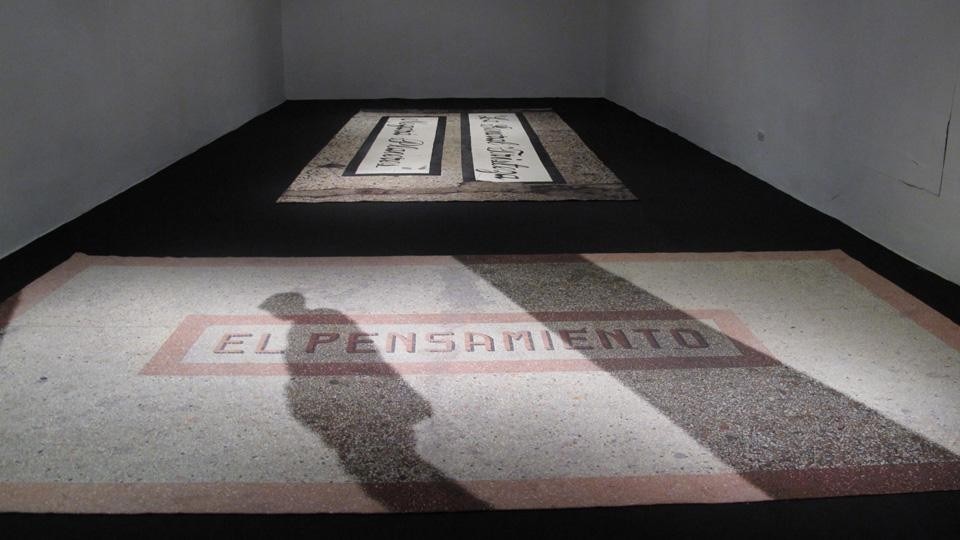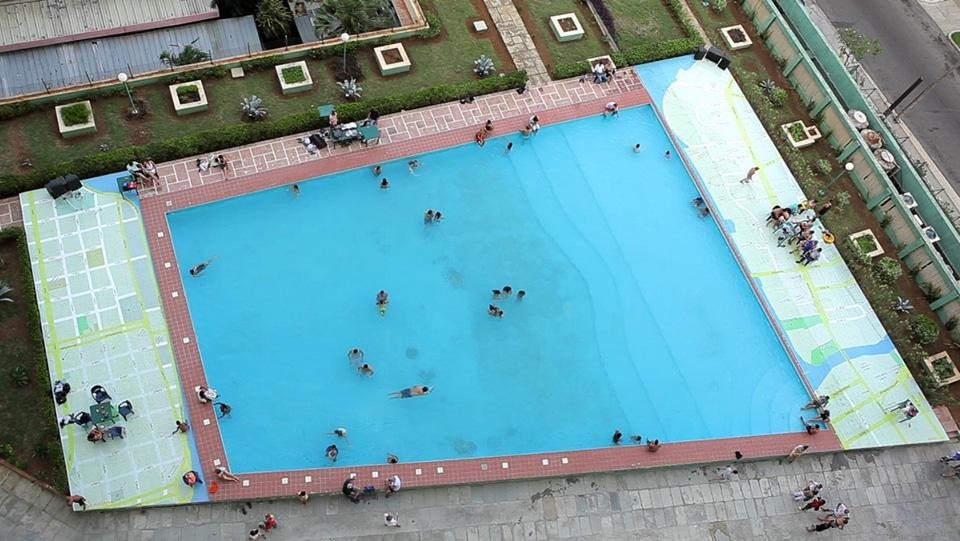
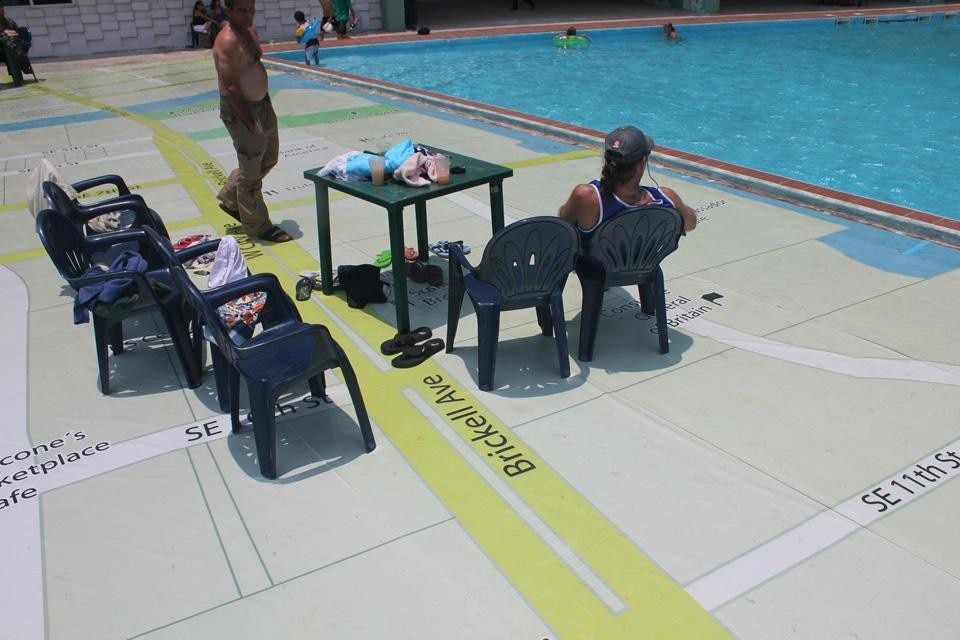
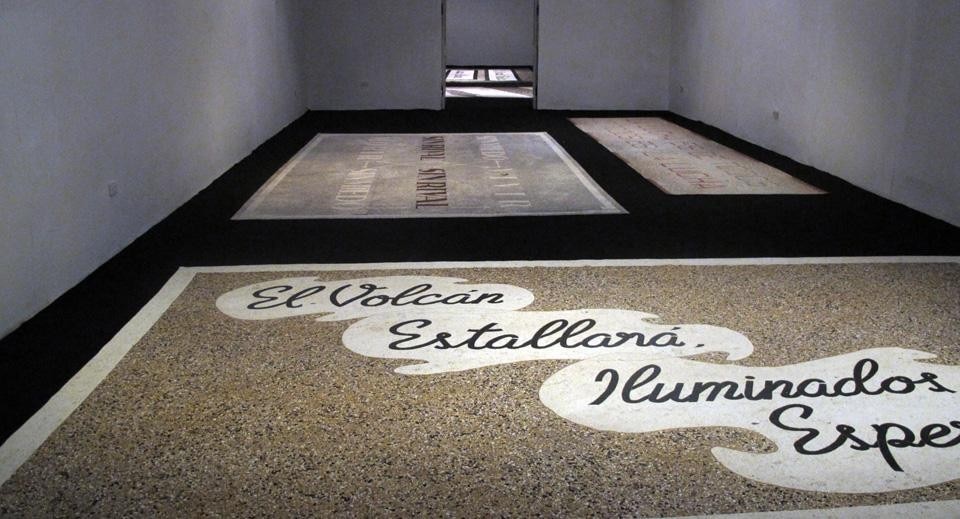
Glenda León's installation is one in a number of interventions that are scattered across the city for this Biennial. That might seem something that would be expected but it isn't. Biennial curator Jorge Fernandez Torres points out in informal conversation how this sense of openness arises from this year's pioneering extension of the exhibit to a number of sites around the city: not just buildings but also streets, piazzas and the seafront. Moreover, the Biennial also features a considerable number of international — and Western — participants, which is a somewhat new phenomenon for an island that until recently resisted contact and influences on an institutional level, always proud of its self-sufficiency.
This year the central core of the exhibition is at the Wifredo Lam Centre and the Gran Teatro de La Habana. The first houses work by internationally renowned contemporary Cuban artists: Carlos Garaicoa who lives between Havana and Madrid, Maria Magdalena Campos-Pons and Neil Leonard, active between Havana and Boston, and Jorge Pardo, who works between Havana, Los Angeles and Long Island.
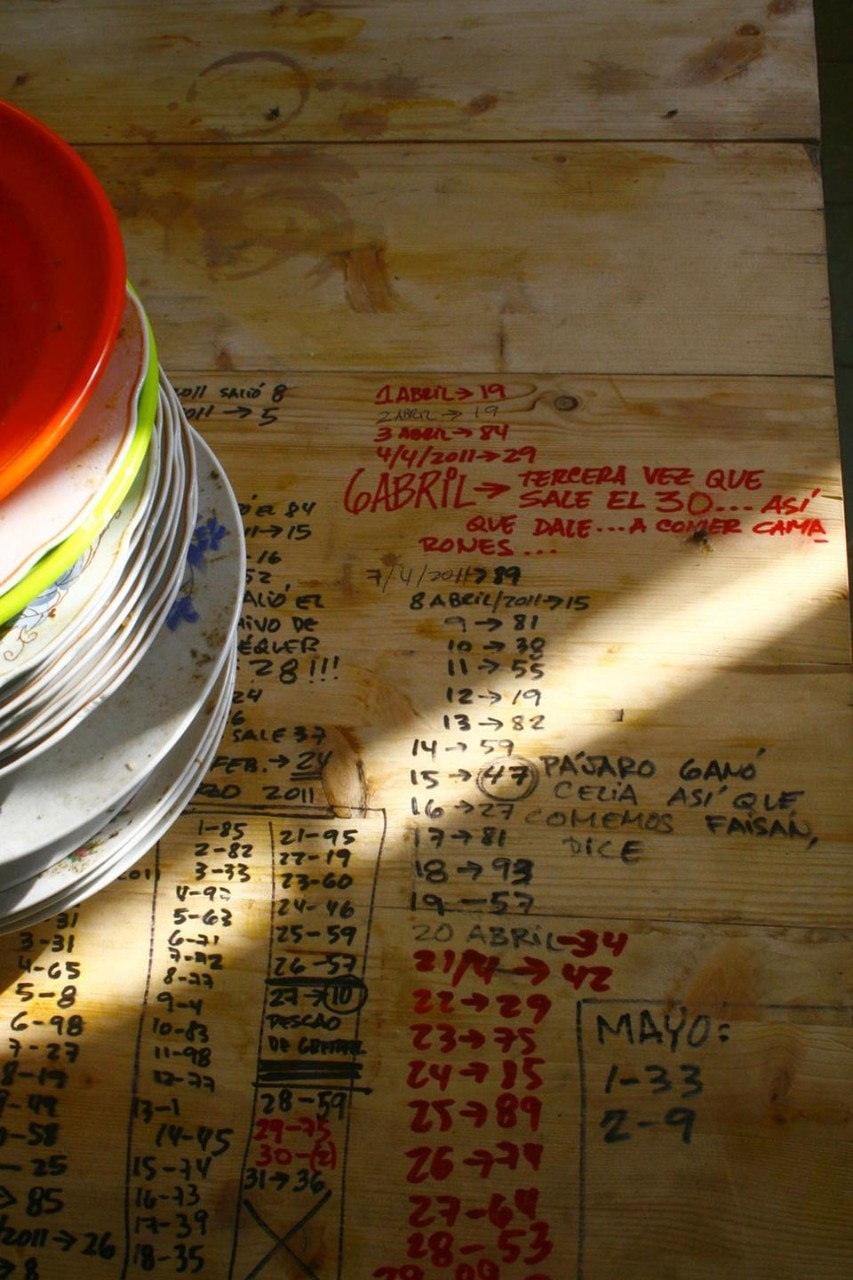
Right by the Gran Teatro, collector Ella Fontanals-Cisneros — who left Cuba —, presents the best of her collection in one of Havana's most central locations. Her arrival represents an exceptional fact and has been greeted with an enthusiasm that transformed the exhibition opening into something of an event.
Cuba is a place of contradictions — at times seeming to take two steps forward and three backwards —, but these feed an artistic environment of great richness and vitality
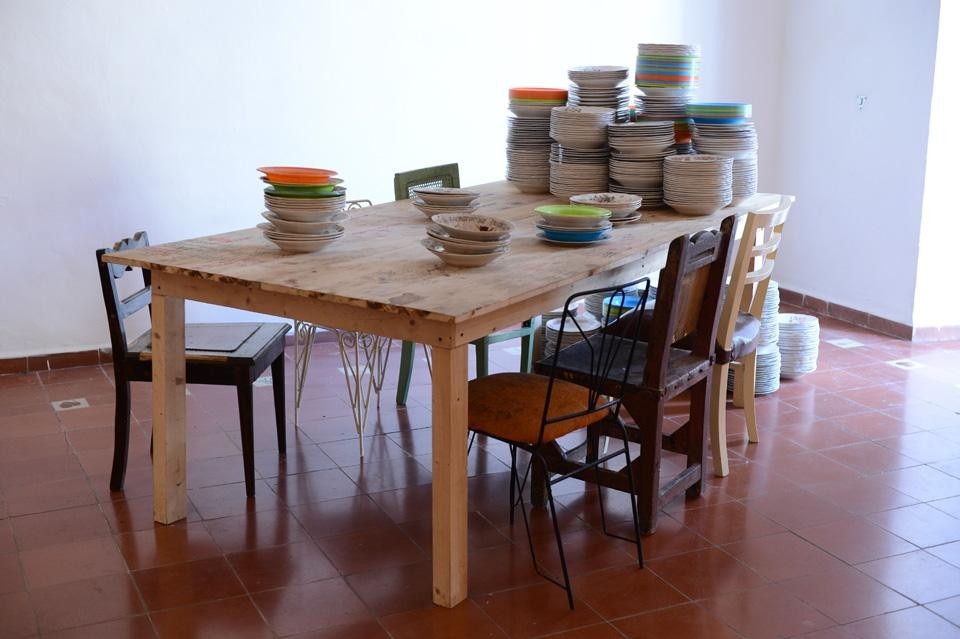
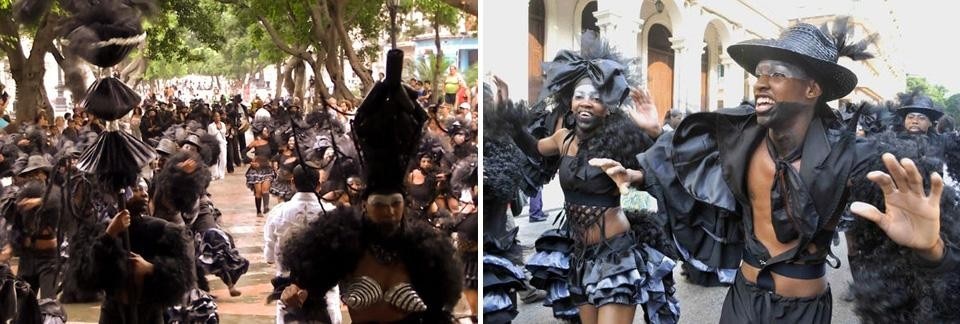
One of the most powerful presentations is that of Los Carpinteros in Paseo del Prado, the city's central street. The Conga Irreversible is a parade based on the rhythms and dance typical of the Latin-American carnival. However, in this parade every element is reversed: clothes that are usually multi-coloured are black, and black feathers crown the heads of dancers; music and words are inverted, as well as the dancers' movements, whose steps go backwards.
Today Cuba resides in that space of discrepancy and the Biennial reflects it. Gabi Scardi